ES Clear for Pet Vitality
USD $47.95
free shipping over $100 (USA & Canada)
1-877-937-4372 the pet expert hotline


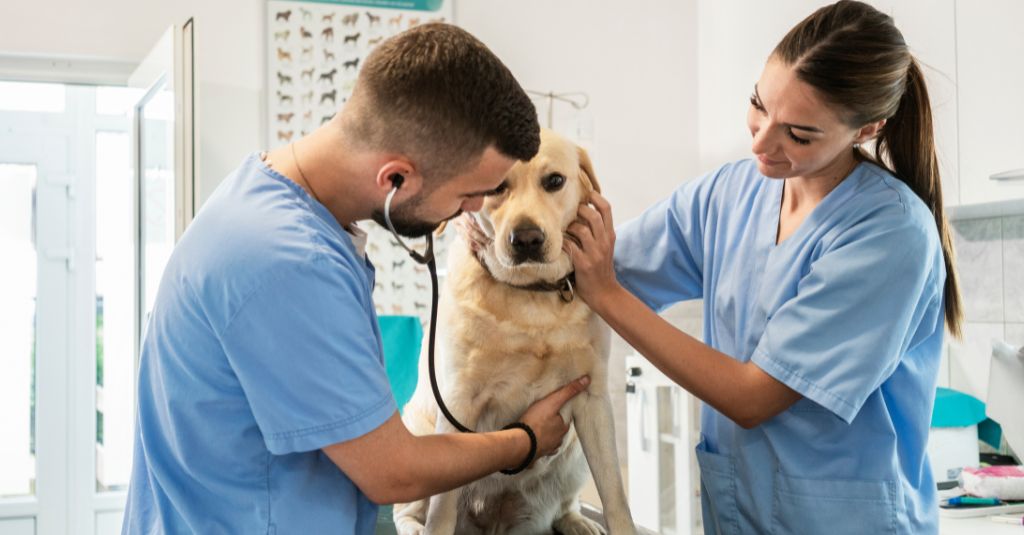
It can be overwhelming hearing that your fur baby has lymphoma. One moment you may notice a swollen lymph node or a change in your dog’s energy level, and the next you’re facing a difficult decision about testing and treatment.
Lymphoma is one of the most common and one of the most treatable cancers in dogs. Depending on the type of lymphoma, many dogs respond well to therapy and can enjoy an excellent quality of life for months or even years after diagnosis.
In this blog, we’ll explain what canine lymphoma is, the different types of lymphoma, early warning signs, how veterinarians diagnose it, available treatment options, prognosis, and how supportive care may help improve your dog’s comfort throughout treatment.
Lymphoma is one of the most frequently diagnosed malignancies in dogs. It is a cancer that develops from lymphocytes, a type of white blood cell that plays a vital role in the immune system. Lymphocytes are found in many parts of the body, including the lymph nodes, spleen, liver, bone marrow, gastrointestinal tract, skin, and many other organs; for that reason, lymphoma may be considered a systemic disease.
Unfortunately, there is no single answer to this question. Some evidence suggests that lymphoma can develop through a combination of environmental influences and genetic susceptibility.
Some of the potential contributing factors include:
Certain breeds appear to have a higher risk, such as:
However, it is important to note that although these breeds may be predisposed, lymphoma can develop in any breed. Lymphoma is also not contagious and is generally not caused by anything pet owners did or failed to do.
The signs of lymphoma can vary depending on the type and location it is affecting
Many dogs initially appear completely healthy. Early signs may include:
As lymphoma progresses, dogs may develop:
If you observe any persistent, enlarged lymph nodes, your fur baby should be examined by your veterinarian as soon as possible. Early diagnosis may improve quality of life.
Canine lymphoma is a diverse group of cancers that can be classified according to anatomical location, cell type, grade, and biological behavior. Here we will list the most common:
Another important way to classify canine lymphoma is by the phenotype of the lymphocyte present. Most lymphomas originate from either B lymphocytes (B cells) or T lymphocytes (T cells), which are important components of the immune system.
Knowing whether a dog has B-cell or T-cell lymphoma can be helpful to better understand the expected clinical behavior of the disease, estimate prognosis, and select the most appropriate treatment.
The most common immunophenotype in dogs. Many of the common high-grade B-cell lymphomas respond well to chemotherapy and are generally associated with longer remission and survival times than high-grade T-cell lymphoma. Remission refers to a period during which the clinical signs and detectable evidence of lymphoma have partially or completely disappeared following treatment.
T-cell lymphoma is less common compared to B-cell lymphoma. Unfortunately, many high-grade T-cell lymphomas may behave more aggressively and have shorter remission and survival times. However, this is not true for every T-cell lymphoma.
Another very important part of understanding lymphoma in dogs is how fast the disease progresses. B-cell and T-cell lymphomas can have different biological/clinical behaviors, ranging from slow progression to a more aggressive disease.
Indolent lymphoma grows slowly and may progress over months and, in some cases, years. These lymphomas can be either B- or T-cell. One example is T-zone lymphoma, which is a slow-growing T-cell lymphoma. Some low-grade B-cell lymphomas can also behave indolently. Some dogs with these forms may feel well for long periods, and depending on the individual case, very close monitoring may be recommended before treatment is initiated.
However, high-grade lymphoma progresses and spreads much faster. Both B- and T-cell lymphomas can be high-grade, although high-grade T-cell lymphoma is often associated with a more aggressive clinical behaviour.
This is why B-cell does not automatically mean a good prognosis, and T-cell does not automatically mean a poor prognosis. The lymphoma subtype, grade, location, stage, clinical signs, and response to treatment all help determine how the disease is likely to behave and the best approach for each pet.
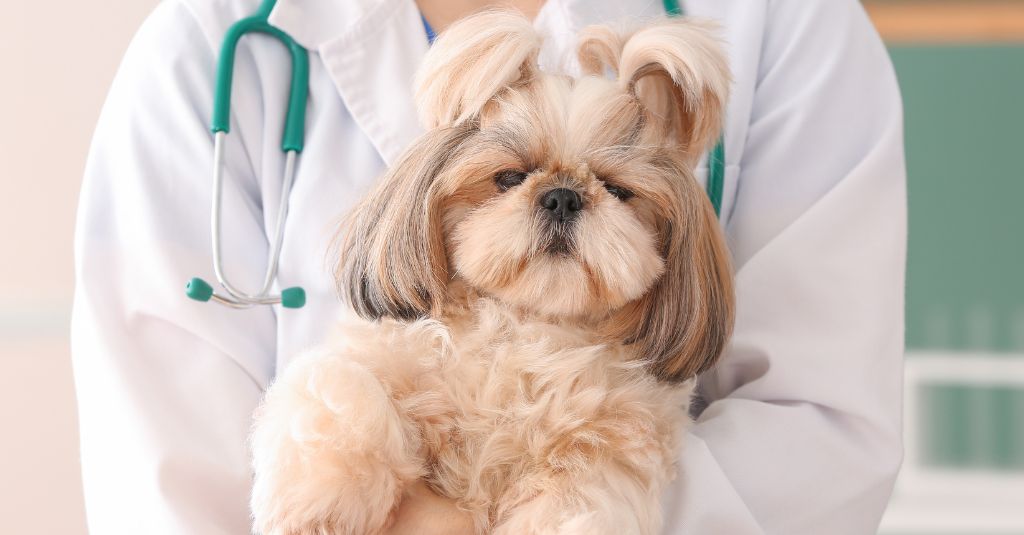
Diagnosing lymphoma usually involves several steps, such as:
Treatment recommendations depend on the type of lymphoma, stage, phenotype, overall health, and the pet owner’s goals. The most common treatment options include:
Unfortunately, most canine lymphomas are not considered curable, but they are often highly treatable. Many dogs can experience prolonged remission while maintaining a good quality of life.
However, it is important to note that every dog is different, and your veterinary oncologist is the best person to discuss your dog’s individual prognosis.
The truth is that there is no single life expectancy for dogs with lymphoma. The prognosis can vary depending on the lymphoma subtype, grade, B- vs T-cell phenotype, anatomical location, stage, overall health of the dog, the treatment selected, and the response to therapy. Dogs with high-grade lymphoma often have a more rapidly progressive disease but may respond strongly to chemotherapy, while some indolent lymphomas progress slowly and can have substantially longer survival times.
Supporting your dog’s overall health throughout treatment is just as important as treating the cancer itself.
Supportive care may include excellent nutrition, maintaining hydration, managing nausea, supporting gastrointestinal health, monitoring body weight, regular bloodwork, stress reduction, and appropriate exercise.
At NHV, we believe supportive care should work alongside your veterinarian’s treatment plan, not replace it. Depending on your fur baby’s individual needs, your veterinarian may recommend nutritional support and selected herbal supplements to help maintain comfort and overall wellness.
Those supplements are intended as supportive care and are not a substitute for chemotherapy, treatments for lymphoma, or other cancer therapies. For this reason, dogs undergoing cancer treatment may receive multiple medications; always discuss supplements with your veterinarian or veterinary oncologist before introducing them.
Although a diagnosis of canine lymphoma is tough, it is important to remember that lymphoma is one of the most treatable cancers in dogs and early diagnosis, appropriate staging, individualized treatment, and comprehensive supportive care can significantly improve both quality of life and the treatment outcomes.
Also, veterinary oncology continues to advance, with innovations in molecular diagnostics, immunophenotyping, and minimally invasive blood-based monitoring helping veterinarians diagnose and follow lymphoma more accurately than ever before.
Working closely with your veterinary oncologist gives your dog the best opportunity for successful treatment and a good quality of life.
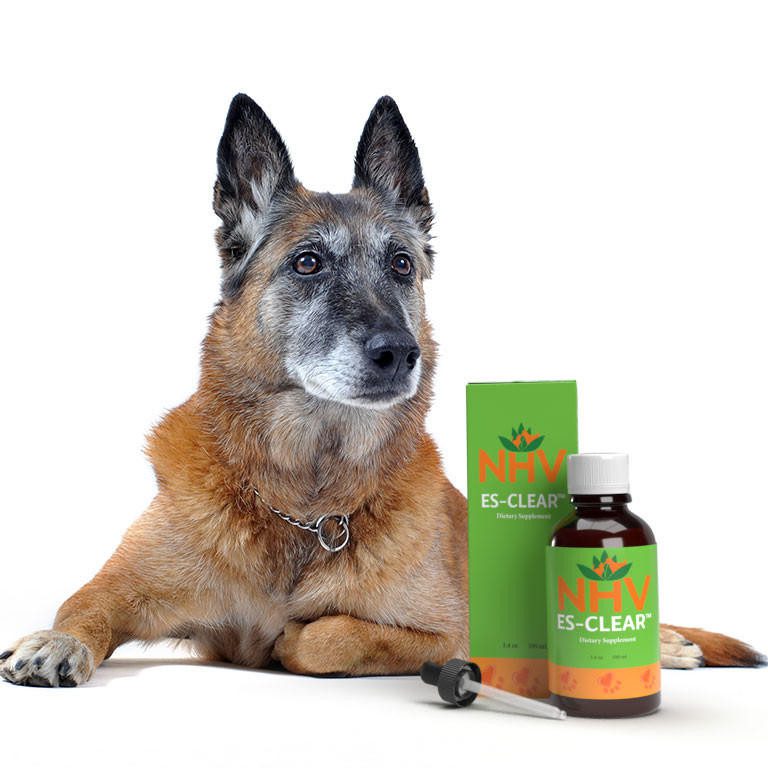
ES Clear -Helps support your pets immune system and over all wellbeing
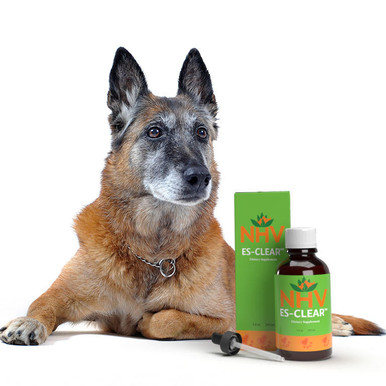
ES Clear -Helps support your pets immune system and over all wellbeing
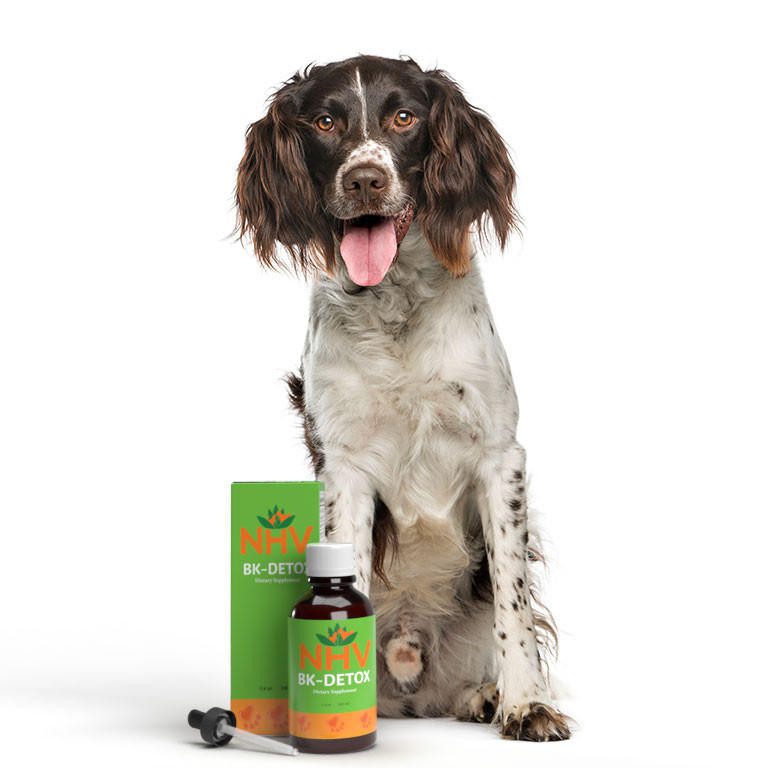
BK Detox - Natural support for dogs with compromised immune system.
BK Detox - Natural support for dogs with compromised immune system.
lymphoma support
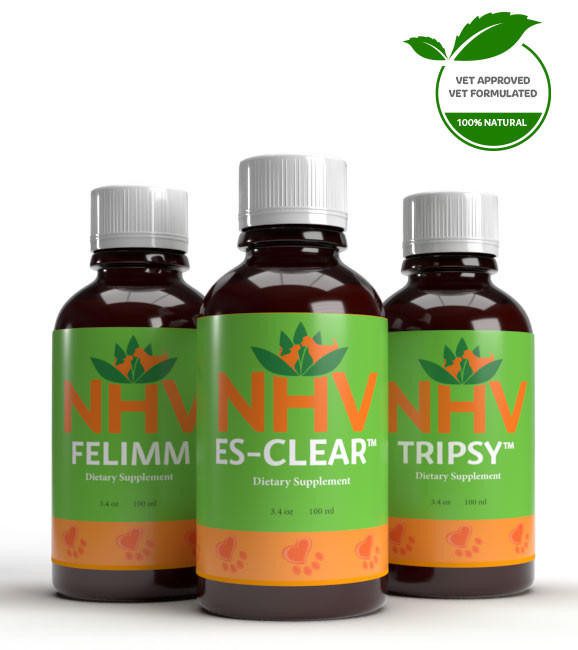
ES CLEAR, FELIMM, TRIPSY
bundle and save with pet expert kits
3 month supply for a small to medium size pet
What is it?
A holistic super pack of natural vet-formulated pet remedies designed to help your pet with the battle against lymphoma. Can be taken alongside conventional treatment for lymphoma in dogs and cats or alone as holistic support.
How does it work?
Why trust it?
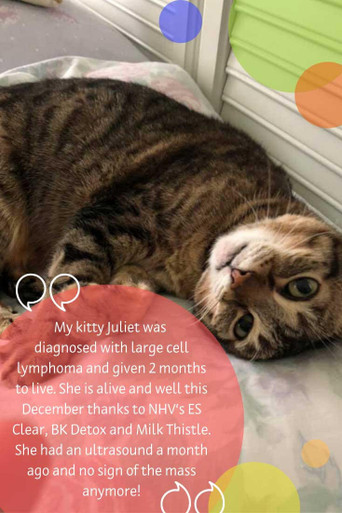
For decades, NHV supplements have helped pets with lymphoma like Emma, who defied the odds!

What is it?
A holistic super pack of natural vet-formulated pet remedies designed to help your pet with the battle against lymphoma. Can be taken alongside conventional treatment for lymphoma in dogs and cats or alone as holistic support.
How does it work?
Why trust it?
For decades, NHV supplements have helped pets with lymphoma like Emma, who defied the odds!
These 100% natural supplements help balance pet immune systems and improve their quality of life.
ES CLEAR
Overall Cancer Support For Pets
FELIMM
Helps support your pet’s lymph system
TRIPSY
Supports the kidneys
Lymphoma in cats and dogs is one of the most common cancers to be diagnosed in pets. It is a malignant cancer of the lymphatic system.
What is Lymphoma in Cats and Dogs?
Sadly, lymphoma is one of the most common cancers in both cats and dogs. In cats, it can be related to the Feline Leukemia virus.To learn more about lymphoma in cats and dogs, please visit our blog here.
Are Some Pets More at Risk of Getting Lymphoma?
Find out more about the link between leukemia and lymphoma in pets with Dr. Hillary Cook's blog which is part of an informative vet talk series.
What Causes Lymphatic Cancer in Pets?
To learn more about lymphoma in pets, read our blog.
How is Lymphoma Treated
Conventional treatment involves using chemotherapy which can be devastating to the body’s immune system. You can read more about this on the Journal of Small Animal Practice and the Journal of Feline Medicine and Surgery. Many pet parents choose palliative treatment, which involves supportive, symptomatic care.
Can These Herbal Remedies be Used in Conjunction with Chemotherapy?
Yes. Herbal remedies are completely safe to be taken in conjunction with conventional medicine. They are natural and are safe for long term use.
Incorporating supplements as part of a holistic treatment for lymphoma in dogs and cats will help to combat the side effects from conventional treatment such as chemotherapy, which suppresses the immune system, causing oxidative stress to occur. As the lymph system is complex, it is also important to help boost and support immune function while addressing the cardiovascular and lymph systems.
Are These Remedies Available Individually?
Yes. See our pages for:
How will These Herbal Remedies Help my Pet?
Lymphoma Gold Support contains three vital supplements to help your pet’s lymphatic system and kidneys as well as aiding in appetite which can also suffer when undergoing chemotherapy.
Strengthening the body using supplements as part of holistic lymphoma treatment for cats and dogs will balance an altered immune system and give your pet the ammunition needed to fight, just like Scout did in his Triumphant Tail of survival. See these other pet success stories:
We welcome you to chat, call, or email our pet experts. We’re standing by and ready to help your pets live a healthy happy life naturally.
NHV ES CLEAR INGREDIENTS
Burdock is a healthy food and is also considered one of the most nutritive herbs. Burdock is high in calcium, iron, riboflavin, phosphorous and thiamine. The herb, Burdock supports the liver and help cleanse and improve blood quality. It has been used historically to help with any type of metabolic disorder that may be due to the body’s inability to eliminate toxins. Studies have shown that burdock has free-radical scavenging properties.
Sheep’s Sorrel is an excellent source of vitamin A, B complex, and C, D, E, K, and minerals. Sheep's Sorrel has been used to treat cancer and other degenerative diseases. This herb helps boost the immune system. Sheep's Sorrel contains beta-carotene which is high in antioxidants, which helps increase the production of white blood cells and T-cells.
Slippery Elm helps eliminate toxins and waste by lubricating the digestive tract. Slippery Elm is high in minerals such as calcium and magnesium, as well as sodium and vitamins. Slippery Elm contains anti-inflammatory properties, and aids in soothing irritations of the stomach.
Chinese Rhubarb has astringent properties, which help with appetite and is also beneficial in helping the body eliminate toxins. It also helps the body by helping to improve bile flow of the liver and gallbladder function, while building and cleaning the blood.
NHV FELIMM INGREDIENTS
St. John’s Wort is a potent antiviral that helps control viral infections and stimulates your cat’s immune system.
Turmeric is a powerful antioxidant that helps fight the damaging effects of free radicals. It strengthens liver function and contains strong antifungal properties.
Aloe Vera contains high levels of vitamins, minerals, amino acids, and other nutrients that are important for pets with immune disorders.
Alfalfa contains high levels of chlorophyll, which works as an antioxidant in your pet's bloodstream. It also contains nutrients beneficial to pets with immune disorders.
Burdock helps cleanse the body of toxins and waste that accumulate during illness. It is also high in calcium, phosphorus, iron, thiamine, and riboflavin.
Cat’s Claw is a powerful anti-inflammatory and antioxidant that supports your pet's immune system and helps strengthen their defenses against viruses like leukemia.
Osha is a natural immune builder that helps pets fight infections including FeLV and FIV. It also has antibacterial and antiviral properties.
Dandelion is a highly nutritious food that stimulates liver secretion, improves digestion and stimulates appetite. It also protects the kidneys and has anti-inflammatory properties.
Gotu Kola is an antioxidant-rich herb known to strengthen the immune system and protect cells from damage caused by free radicals.
Usnea is an immune system stimulant with anti-bacterial and antifungal properties that help protect your pet's weakened immune system from Candida Albicans.
Goldenseal is an immune supporting herb with blood cleansing properties.
Myrrh helps control bacterial infections that pets with compromised immune systems are so vulnerable to.
NHV TRIPSY INGREDIENTS
Stone Root acts as a tonic for the capillaries and prevents the formation of kidney calculi.
Parsley Piert aids digestion and is also used to aid fever, kidney stones, bladder stones, and fluid retention.
Echinacea Purpurea contains strong immune-stimulating properties.
Gravel Root restores and cleanses the genitourinary (reproductive and urinary) organs.
Hydrangea is a discomfort reliever that increases the flow of urine and eliminates swelling and fluid retention.
Marshmallow is an anti-inflammatory that controls bacterial infections and soothes and softens irritated tissues.
Oregon Grape helps relieve indigestion and malabsorption and also has antibiotic and immunostimulatory properties.
Select your pet's weight to determine the correct dose.
DOSAGE:
To be taken twice daily. All NHV supplements are designed to be used together, and can therefore be given at once for convenience.
Determine your pet’s weight and then use the chart below to determine the correct dose.
Pet's Weight Dosage (twice daily)
0 - 15 lb 0.5 mL
16 - 30 lb 1.0 mL
31 - 45 lb 1.5 mL
46 - 60 lb 2.0 mL
61 - 75 lb 2.5 mL
Over 75 lb 3.0 mL
How to Administer
Shake well before use. The easiest method is to use the dropper provided and squirt directly into the pet’s mouth or add the correct dosage to your pet's food or favorite treat.
Some pets can be finicky, if this occurs consider hiding the drops in foods most pet’s love such as fish, chicken or yogurt or a favourite treat. If your pet only eats dry food then soak a few kibbles at feeding time.
For Best Results
Herbal dietary supplements are beneficial to the health and wellbeing of your pet and are safe for long-term use. Every pet responds to natural herbal supplements differently, therefore it is important to be consistent and administer the product daily. Supplements generally take two to four weeks to take effect, however this will vary from one animal to the another.
Product Storage
All NHV Natural Pet Products are pure herbal extracts and contain no added artificial additives, preservatives or coloring. Shelf life after opening is 6 months and must be refrigerated after opening
These 100% natural supplements help balance pet immune systems and improve their quality of life.
ES CLEAR
Overall Cancer Support For Pets
FELIMM
Helps support your pet’s lymph system
TRIPSY
Supports the kidneys
Lymphoma in cats and dogs is one of the most common cancers to be diagnosed in pets. It is a malignant cancer of the lymphatic system.
What is Lymphoma in Cats and Dogs?
Sadly, lymphoma is one of the most common cancers in both cats and dogs. In cats, it can be related to the Feline Leukemia virus.To learn more about lymphoma in cats and dogs, please visit our blog here.
Are Some Pets More at Risk of Getting Lymphoma?
Find out more about the link between leukemia and lymphoma in pets with Dr. Hillary Cook's blog which is part of an informative vet talk series.
What Causes Lymphatic Cancer in Pets?
To learn more about lymphoma in pets, read our blog.
How is Lymphoma Treated
Conventional treatment involves using chemotherapy which can be devastating to the body’s immune system. You can read more about this on the Journal of Small Animal Practice and the Journal of Feline Medicine and Surgery. Many pet parents choose palliative treatment, which involves supportive, symptomatic care.
Can These Herbal Remedies be Used in Conjunction with Chemotherapy?
Yes. Herbal remedies are completely safe to be taken in conjunction with conventional medicine. They are natural and are safe for long term use.
Incorporating supplements as part of a holistic treatment for lymphoma in dogs and cats will help to combat the side effects from conventional treatment such as chemotherapy, which suppresses the immune system, causing oxidative stress to occur. As the lymph system is complex, it is also important to help boost and support immune function while addressing the cardiovascular and lymph systems.
Are These Remedies Available Individually?
Yes. See our pages for:
How will These Herbal Remedies Help my Pet?
Lymphoma Gold Support contains three vital supplements to help your pet’s lymphatic system and kidneys as well as aiding in appetite which can also suffer when undergoing chemotherapy.
Strengthening the body using supplements as part of holistic lymphoma treatment for cats and dogs will balance an altered immune system and give your pet the ammunition needed to fight, just like Scout did in his Triumphant Tail of survival. See these other pet success stories:
We welcome you to chat, call, or email our pet experts. We’re standing by and ready to help your pets live a healthy happy life naturally.
NHV ES CLEAR INGREDIENTS
Burdock is a healthy food and is also considered one of the most nutritive herbs. Burdock is high in calcium, iron, riboflavin, phosphorous and thiamine. The herb, Burdock supports the liver and help cleanse and improve blood quality. It has been used historically to help with any type of metabolic disorder that may be due to the body’s inability to eliminate toxins. Studies have shown that burdock has free-radical scavenging properties.
Sheep’s Sorrel is an excellent source of vitamin A, B complex, and C, D, E, K, and minerals. Sheep's Sorrel has been used to treat cancer and other degenerative diseases. This herb helps boost the immune system. Sheep's Sorrel contains beta-carotene which is high in antioxidants, which helps increase the production of white blood cells and T-cells.
Slippery Elm helps eliminate toxins and waste by lubricating the digestive tract. Slippery Elm is high in minerals such as calcium and magnesium, as well as sodium and vitamins. Slippery Elm contains anti-inflammatory properties, and aids in soothing irritations of the stomach.
Chinese Rhubarb has astringent properties, which help with appetite and is also beneficial in helping the body eliminate toxins. It also helps the body by helping to improve bile flow of the liver and gallbladder function, while building and cleaning the blood.
NHV FELIMM INGREDIENTS
St. John’s Wort is a potent antiviral that helps control viral infections and stimulates your cat’s immune system.
Turmeric is a powerful antioxidant that helps fight the damaging effects of free radicals. It strengthens liver function and contains strong antifungal properties.
Aloe Vera contains high levels of vitamins, minerals, amino acids, and other nutrients that are important for pets with immune disorders.
Alfalfa contains high levels of chlorophyll, which works as an antioxidant in your pet's bloodstream. It also contains nutrients beneficial to pets with immune disorders.
Burdock helps cleanse the body of toxins and waste that accumulate during illness. It is also high in calcium, phosphorus, iron, thiamine, and riboflavin.
Cat’s Claw is a powerful anti-inflammatory and antioxidant that supports your pet's immune system and helps strengthen their defenses against viruses like leukemia.
Osha is a natural immune builder that helps pets fight infections including FeLV and FIV. It also has antibacterial and antiviral properties.
Dandelion is a highly nutritious food that stimulates liver secretion, improves digestion and stimulates appetite. It also protects the kidneys and has anti-inflammatory properties.
Gotu Kola is an antioxidant-rich herb known to strengthen the immune system and protect cells from damage caused by free radicals.
Usnea is an immune system stimulant with anti-bacterial and antifungal properties that help protect your pet's weakened immune system from Candida Albicans.
Goldenseal is an immune supporting herb with blood cleansing properties.
Myrrh helps control bacterial infections that pets with compromised immune systems are so vulnerable to.
NHV TRIPSY INGREDIENTS
Stone Root acts as a tonic for the capillaries and prevents the formation of kidney calculi.
Parsley Piert aids digestion and is also used to aid fever, kidney stones, bladder stones, and fluid retention.
Echinacea Purpurea contains strong immune-stimulating properties.
Gravel Root restores and cleanses the genitourinary (reproductive and urinary) organs.
Hydrangea is a discomfort reliever that increases the flow of urine and eliminates swelling and fluid retention.
Marshmallow is an anti-inflammatory that controls bacterial infections and soothes and softens irritated tissues.
Oregon Grape helps relieve indigestion and malabsorption and also has antibiotic and immunostimulatory properties.
Select your pet's weight to determine the correct dose.
DOSAGE:
To be taken twice daily. All NHV supplements are designed to be used together, and can therefore be given at once for convenience.
Determine your pet’s weight and then use the chart below to determine the correct dose.
Pet's Weight Dosage (twice daily)
0 - 15 lb 0.5 mL
16 - 30 lb 1.0 mL
31 - 45 lb 1.5 mL
46 - 60 lb 2.0 mL
61 - 75 lb 2.5 mL
Over 75 lb 3.0 mL
How to Administer
Shake well before use. The easiest method is to use the dropper provided and squirt directly into the pet’s mouth or add the correct dosage to your pet's food or favorite treat.
Some pets can be finicky, if this occurs consider hiding the drops in foods most pet’s love such as fish, chicken or yogurt or a favourite treat. If your pet only eats dry food then soak a few kibbles at feeding time.
For Best Results
Herbal dietary supplements are beneficial to the health and wellbeing of your pet and are safe for long-term use. Every pet responds to natural herbal supplements differently, therefore it is important to be consistent and administer the product daily. Supplements generally take two to four weeks to take effect, however this will vary from one animal to the another.
Product Storage
All NHV Natural Pet Products are pure herbal extracts and contain no added artificial additives, preservatives or coloring. Shelf life after opening is 6 months and must be refrigerated after opening