diabetes support
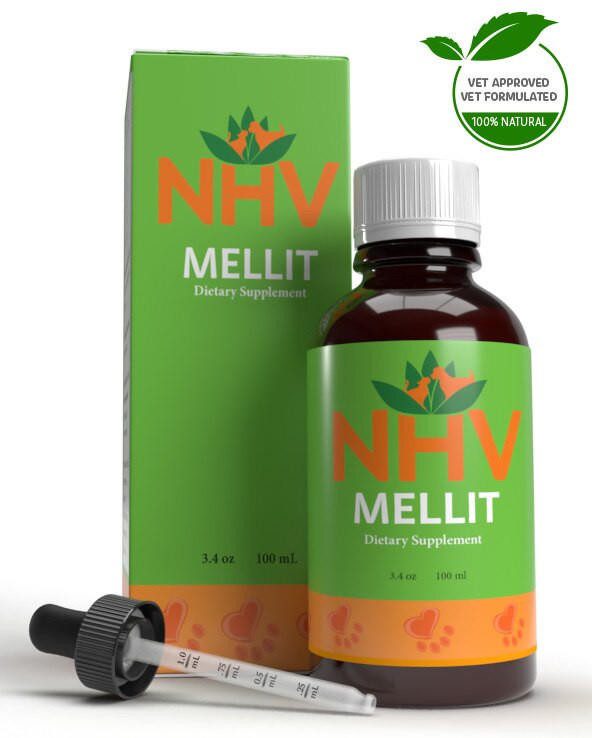
Mellit for cats
USD $48.95
free shipping over $100 (USA & Canada)
1-877-937-4372 the pet expert hotline

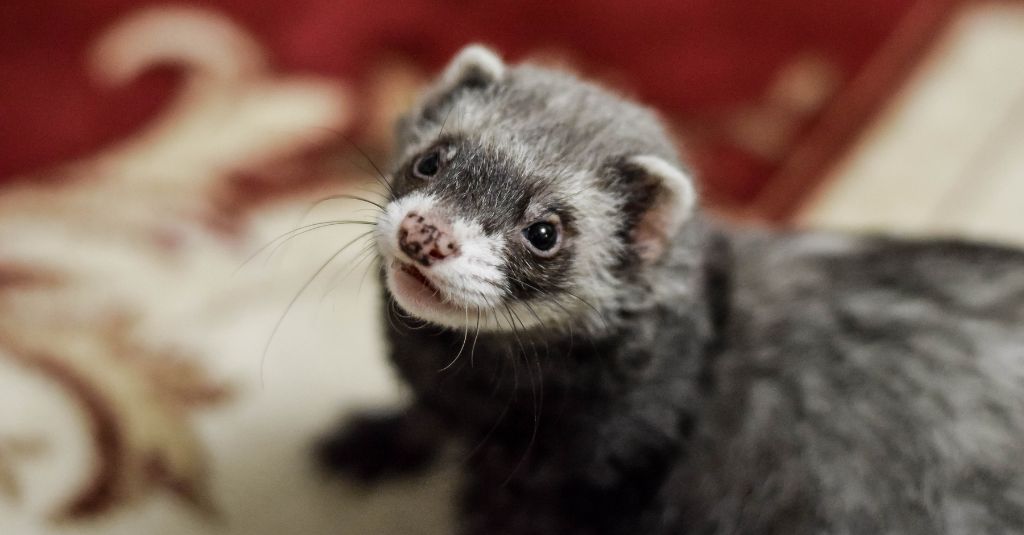
Insulinoma is one of the most common neoplasms (abnormal growths) in ferrets, especially those older than 3 – 4 years of age. It is a tumor of the pancreas that leads to excessive insulin release, causing a dangerous drop in blood sugar (hypoglycemia). Although the tumors in almost all cases are benign, their effects on blood sugar regulation can be life-threatening.
Insulinoma begins subtly but can progress rapidly. Some of the most common symptoms are lethargy, hind-limb weakness, stumbling or ataxia, and difficulty rousing. Owners may notice the ferret “staring into space,” mental dullness, pawing at the mouth, drooling, and teeth grinding/bruxism. In severe cases, they may present tremors, seizures, collapse, coma, and even death from a hypoglycemic crisis.
The exact case of insulinomas in ferrets remains under study. However, several contributing factors are recognized, such as:
It involves a combination of clinical symptoms and tests, like:
The treatment plan for insulinoma in ferrets involves a blend of medical management, surgical intervention, and nutritional support, including with supplements that can support the ferret.
These therapies help control symptoms but will not cure the tumor. Therefore, lifelong treatment and regular blood glucose monitoring are very important. Veterinary consultation is crucial before, during, and after treatment for better outcomes.
Surgical removal of the nodule or partial removal of the pancreas where the nodules are present may be needed.
Based on one study of 66 ferrets with insulinoma, survival times varied depending on the type of treatment:
These results have shown that surgery, when combined with partial removal of the pancreas, can give ferrets a longer survival time compared to medical treatment alone.
Note: When a life-threatening hypoglycemic crisis occurs, a constant-rate glucagon infusion can be successfully used to stabilize pre-surgery.
To help control blood sugar, it is important to offer frequent, small meals (4 – 6 times per day) of high-protein, low-carbohydrate food to help stabilize blood glucose. Avoid treats with a lot of sugar, which can provoke an insulin spike and worsen the ferret’s condition.
In the event of a low blood sugar episode, a small amount of honey or syrup can be applied to the gums. This is a temporary measure, and it is necessary to seek veterinary care immediately afterward.
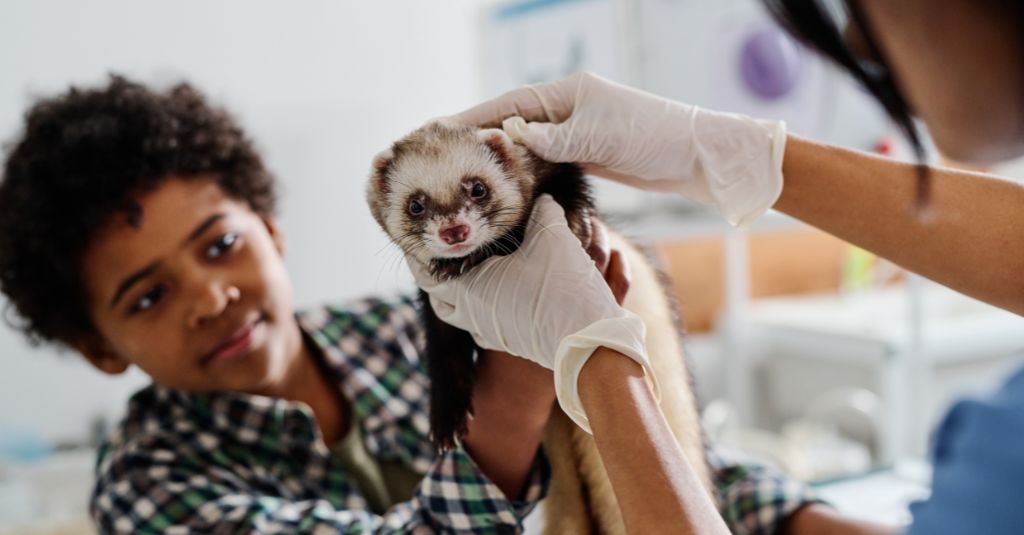
Although insulinoma always requires veterinary diagnosis and treatment, natural supplements can play a supportive role by helping maintain overall health, resilience, and comfort. Some NHV supplements that may be beneficial are:
Insulinoma is a serious but manageable condition for many ferrets. With early recognition, careful monitoring, medical intervention, surgery, and nutritional support, ferrets with insulinoma can live a meaningful life for many months or even several years post-diagnosis. Rescuing in a crisis or providing emergency glucose at home can be life-saving bridges to veterinary care.
diabetes support
Supports healing of pancreatitis and diabetes mellitus in cats
buy 2 and save $3
3 month supply for a small to medium size pet
What is it?
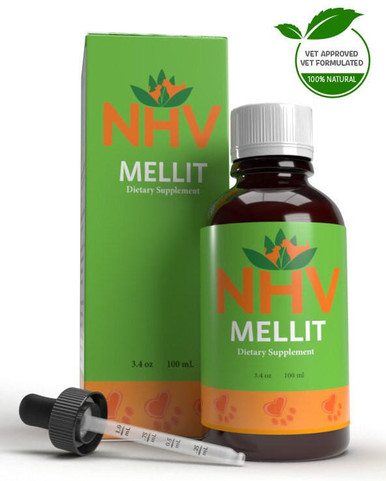
A holistic supplement formulated with 9 powerful herbs to support the healing of pancreatitis and diabetes mellitus in cats.
How Does it Work?
Why Should I Trust It?
Vet-approved and vet-formulated natural remedy.



What is it?
A holistic supplement formulated with 9 powerful herbs to support the healing of pancreatitis and diabetes mellitus in cats.
How Does it Work?
Why Should I Trust It?
Vet-approved and vet-formulated natural remedy.
Diabetes in cats is a common pancreatic disorder that occurs when sugar builds up in the bloodstream instead of entering the tissue to provide energy. If left untreated, your cat can be prone to infections, a slower healing process, and even blindness. Diabetes can also lead to heart, liver or kidney disease.
Some cat breeds are more prone to diabetes, such as the Russian Blue. You can find out if your cat breed is more prone to contract diabetes at NHV breeds and conditions online.
If you have questions about any of our holistic supplements, you can ask an expert at NHV because we want to help your kitty live a longer healthier life naturally.
Read a real pet story of how NHV’s proprietary blend of holistic support helped a cat with diabetes mellitus.
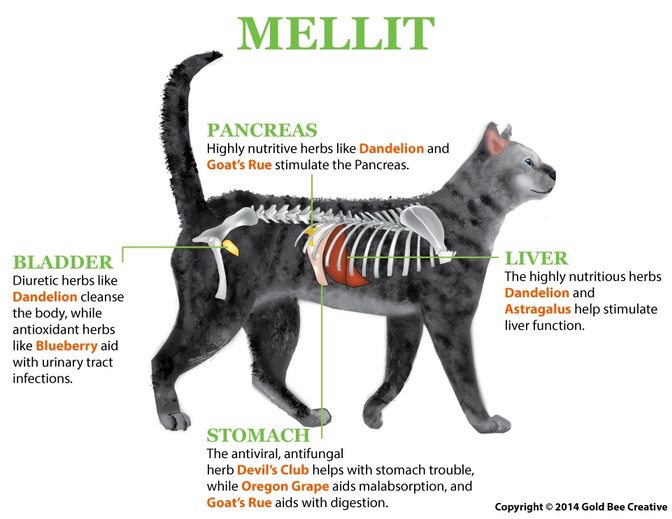
NHV’s Mellit for Cats is an herbal formula explicitly made to support pancreatitis and diabetes mellitus in cats. This potent blend contains nine powerful ingredients designed to help control blood sugar levels and provide cat circulatory support, as well as strengthen and protect other organs that may be affected due to the imbalances triggered in the body.
Select your pet's weight to determine the correct dose.
To be taken twice daily. Determine your pet’s weight and then use the easy chart below to determine the correct dose. This is the minimum dosage.
Pet's Weight Dosage
0 - 15 lb = 0.5 ml
16 - 30 lb = 1.0 ml
31 - 45 lb = 1.5 ml
46 - 60 lb = 2.0 ml
61 - 75 lb = 2.5 ml
Over 75 lb = 3.0 ml
How to Administer
Shake well before use. The easiest method is to use the dropper provide and places the drops into your pet’s food or favorite treat. You can also use the dropper and squirt directly into the pet’s mouth.
Some pets can be finicky, if this occurs consider hiding the drops in foods most pet’s love such as fish, chicken or yogurt or a favourite treat. If your pet only eats dry food then soak a few kibbles at feeding time.
For Best Results
Herbal dietary supplements are beneficial to the health and wellbeing of your pet and are safe for long-term use. Every pet responds to natural herbal supplements differently, therefore it is important to be consistent and administer the product daily. Supplements generally take two to four weeks to take effect, however this will vary from one animal to the next.
Product Storage
All NHV Natural Pet Products are pure herbal extracts and contain no artificial additives, preservatives or coloring. Shelf life after opening is 6 months and must be refrigerated after opening.
Cautions and Contraindications
Do not use Mellit in pregnant or nursing animals. Speak to your vet before using our products. A second visit is recommended if your pet’s condition does not improve, or deteriorates after continued use of the supplements.
All information provided by NHV Natural Pet Products is for educational purposes only.
Diabetes in cats is a common pancreatic disorder that occurs when sugar builds up in the bloodstream instead of entering the tissue to provide energy. If left untreated, your cat can be prone to infections, a slower healing process, and even blindness. Diabetes can also lead to heart, liver or kidney disease.
Some cat breeds are more prone to diabetes, such as the Russian Blue. You can find out if your cat breed is more prone to contract diabetes at NHV breeds and conditions online.
If you have questions about any of our holistic supplements, you can ask an expert at NHV because we want to help your kitty live a longer healthier life naturally.
Read a real pet story of how NHV’s proprietary blend of holistic support helped a cat with diabetes mellitus.
NHV’s Mellit for Cats is an herbal formula explicitly made to support pancreatitis and diabetes mellitus in cats. This potent blend contains nine powerful ingredients designed to help control blood sugar levels and provide cat circulatory support, as well as strengthen and protect other organs that may be affected due to the imbalances triggered in the body.
Select your pet's weight to determine the correct dose.
To be taken twice daily. Determine your pet’s weight and then use the easy chart below to determine the correct dose. This is the minimum dosage.
Pet's Weight Dosage
0 - 15 lb = 0.5 ml
16 - 30 lb = 1.0 ml
31 - 45 lb = 1.5 ml
46 - 60 lb = 2.0 ml
61 - 75 lb = 2.5 ml
Over 75 lb = 3.0 ml
How to Administer
Shake well before use. The easiest method is to use the dropper provide and places the drops into your pet’s food or favorite treat. You can also use the dropper and squirt directly into the pet’s mouth.
Some pets can be finicky, if this occurs consider hiding the drops in foods most pet’s love such as fish, chicken or yogurt or a favourite treat. If your pet only eats dry food then soak a few kibbles at feeding time.
For Best Results
Herbal dietary supplements are beneficial to the health and wellbeing of your pet and are safe for long-term use. Every pet responds to natural herbal supplements differently, therefore it is important to be consistent and administer the product daily. Supplements generally take two to four weeks to take effect, however this will vary from one animal to the next.
Product Storage
All NHV Natural Pet Products are pure herbal extracts and contain no artificial additives, preservatives or coloring. Shelf life after opening is 6 months and must be refrigerated after opening.
Cautions and Contraindications
Do not use Mellit in pregnant or nursing animals. Speak to your vet before using our products. A second visit is recommended if your pet’s condition does not improve, or deteriorates after continued use of the supplements.
All information provided by NHV Natural Pet Products is for educational purposes only.
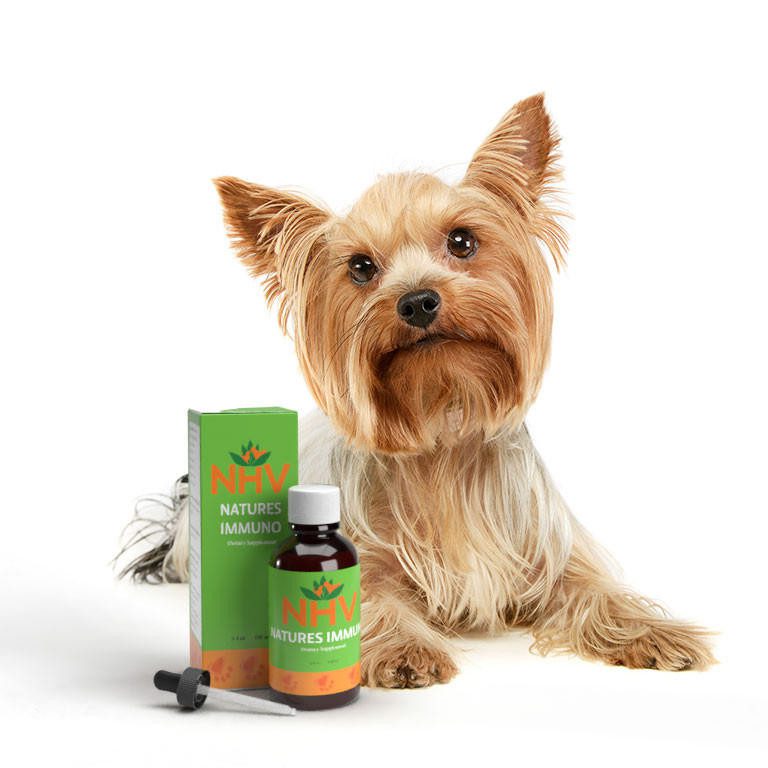
Natures Immuno- blend of mushrooms that help support immune function

Natures Immuno- blend of mushrooms that help support immune function
arthritis support
Support for Arthritis and Cancer
buy 2 and save $3
3 month supply for a small to medium size
What is it?
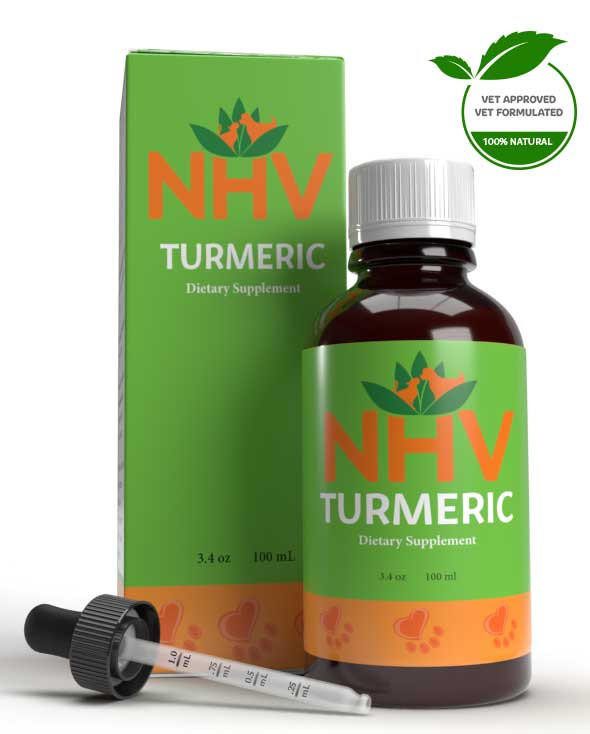
Turmeric is an herb that offers support for cardiovascular issues, skin health, liver and kidney disease, arthritis, and overall well-being.
How does it work?
Why trust it?
NHV Turmeric is vet-formulated and vet-approved.
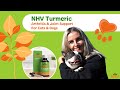
What is it?
Turmeric is an herb that offers support for cardiovascular issues, skin health, liver and kidney disease, arthritis, and overall well-being.
How does it work?
Why trust it?
NHV Turmeric is vet-formulated and vet-approved.
From their tails to their whiskers, a cat’s body needs to be able to fight whatever comes their way - and not just the toys they like to chase, but health concerns too. NHV Turmeric for cats can be given to your furkiddos for a little extra TLC. It’s well-tolerated by our whiskered furkiddos, and can offer them many benefits!
What goes into your cat’s body every day will make a difference when it is time to fight a disease, or when they already have one. That’s why NHV supplements are designed to be given each and every day for things like:
It can even be used proactively before your furry friend becomes sick in the first place by giving them a regular boost of natural goodness!
Turmeric itself is a root with vibrant orange-golden flesh. It’s golden in the world of herbalism for pets with its many healing properties.
One of turmeric’s most well-recognized healing properties is its antioxidant content. Antioxidants can help scavenge for free radicals, which are unstable molecules that cause damage to the cells. The free radical scavenging properties of turmeric can support the body in processing and removing these molecules, minimizing the damage they can do.
At NHV, we are experts at harnessing the benefits of herbal ingredients specifically for your pets. When you choose NHV Turmeric, you’re choosing decades of holistic pet wellness experience from vets and herbalists. Our formula is:
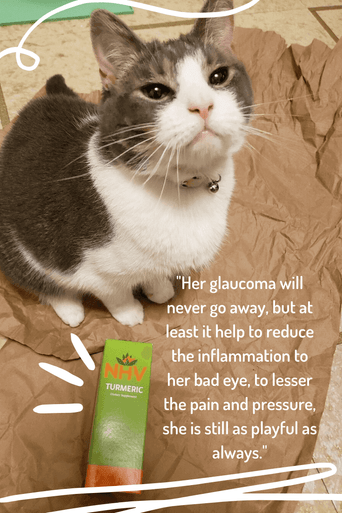
We are proud to have been a part of many cats’ success stories over the decades. Check out this feline friend of ours, Willow, who has used our Turmeric for cats formula for comfort and wellness.
Willow’s Story: “I have no doubt that the supplements from NHV have been a huge part in maintaining her health and staving off the cancer that was found in late 2021”
Holistic Veterinarian Approves of Using Turmeric for Cats
Dr. Hillary, a holistic vet, writes an in-depth overview of Turmeric and why she believes turmeric can play a beneficial role in pet health. Read Dr. Hillary’s Turmeric overview here.
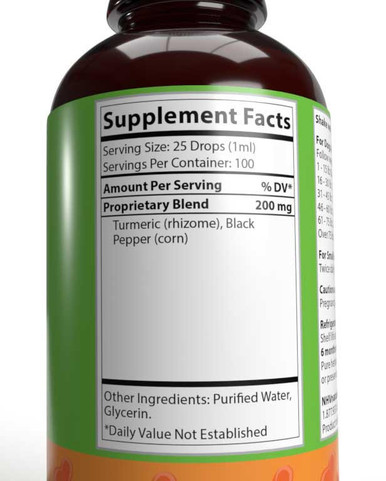
All NHV supplements are made with the finest quality organic or ethically harvested herbs. We use non-GMO vegetable glycerin as our base. NHV products are full-spectrum extracts.
Select your pet's weight to determine the correct dose.
To be taken twice daily. Determine your pet’s weight and then use the easy chart below to determine the correct dose. This is the minimum dosage.
Pet's Weight Dosage
0 - 15 lb = 0.5 ml
16 - 30 lb = 1.0 ml
31 - 45 lb = 1.5 ml
46 - 60 lb = 2.0 ml
61 - 75 lb = 2.5 ml
Over 75 lb = 3.0 ml
How to Administer
Shake well before use. The easiest method is to use the dropper provide and places the drops into your pet’s food or favorite treat. You can also use the dropper and squirt directly into the pet’s mouth.
Some pets can be finicky, if this occurs consider hiding the drops in foods most pet’s love such as fish, chicken or yogurt or a favourite treat. If your pet only eats dry food then soak a few kibbles at feeding time.
For Best Results
Herbal dietary supplements are beneficial to the health and wellbeing of your pet and are safe for long-term use. Every pet responds to natural herbal supplements differently, therefore it is important to be consistent and administer the product daily. Supplements generally take two to four weeks to take effect, however this will vary from one animal to the next.
Product Storage
All NHV Natural Pet Products are pure herbal extracts and contain no artificial additives, preservatives or coloring. Shelf life after opening is 6 months and must be refrigerated after opening.
Cautions and Contraindications: Do not use Turmeric in pregnant or nursing animals. Speak to your vet before using our products. A second visit is recommended if your pet’s condition does not improve, or deteriorates after continued use of the supplements.
From their tails to their whiskers, a cat’s body needs to be able to fight whatever comes their way - and not just the toys they like to chase, but health concerns too. NHV Turmeric for cats can be given to your furkiddos for a little extra TLC. It’s well-tolerated by our whiskered furkiddos, and can offer them many benefits!
What goes into your cat’s body every day will make a difference when it is time to fight a disease, or when they already have one. That’s why NHV supplements are designed to be given each and every day for things like:
It can even be used proactively before your furry friend becomes sick in the first place by giving them a regular boost of natural goodness!
Turmeric itself is a root with vibrant orange-golden flesh. It’s golden in the world of herbalism for pets with its many healing properties.
One of turmeric’s most well-recognized healing properties is its antioxidant content. Antioxidants can help scavenge for free radicals, which are unstable molecules that cause damage to the cells. The free radical scavenging properties of turmeric can support the body in processing and removing these molecules, minimizing the damage they can do.
At NHV, we are experts at harnessing the benefits of herbal ingredients specifically for your pets. When you choose NHV Turmeric, you’re choosing decades of holistic pet wellness experience from vets and herbalists. Our formula is:
We are proud to have been a part of many cats’ success stories over the decades. Check out this feline friend of ours, Willow, who has used our Turmeric for cats formula for comfort and wellness.
Willow’s Story: “I have no doubt that the supplements from NHV have been a huge part in maintaining her health and staving off the cancer that was found in late 2021”
Holistic Veterinarian Approves of Using Turmeric for Cats
Dr. Hillary, a holistic vet, writes an in-depth overview of Turmeric and why she believes turmeric can play a beneficial role in pet health. Read Dr. Hillary’s Turmeric overview here.
All NHV supplements are made with the finest quality organic or ethically harvested herbs. We use non-GMO vegetable glycerin as our base. NHV products are full-spectrum extracts.
Select your pet's weight to determine the correct dose.
To be taken twice daily. Determine your pet’s weight and then use the easy chart below to determine the correct dose. This is the minimum dosage.
Pet's Weight Dosage
0 - 15 lb = 0.5 ml
16 - 30 lb = 1.0 ml
31 - 45 lb = 1.5 ml
46 - 60 lb = 2.0 ml
61 - 75 lb = 2.5 ml
Over 75 lb = 3.0 ml
How to Administer
Shake well before use. The easiest method is to use the dropper provide and places the drops into your pet’s food or favorite treat. You can also use the dropper and squirt directly into the pet’s mouth.
Some pets can be finicky, if this occurs consider hiding the drops in foods most pet’s love such as fish, chicken or yogurt or a favourite treat. If your pet only eats dry food then soak a few kibbles at feeding time.
For Best Results
Herbal dietary supplements are beneficial to the health and wellbeing of your pet and are safe for long-term use. Every pet responds to natural herbal supplements differently, therefore it is important to be consistent and administer the product daily. Supplements generally take two to four weeks to take effect, however this will vary from one animal to the next.
Product Storage
All NHV Natural Pet Products are pure herbal extracts and contain no artificial additives, preservatives or coloring. Shelf life after opening is 6 months and must be refrigerated after opening.
Cautions and Contraindications: Do not use Turmeric in pregnant or nursing animals. Speak to your vet before using our products. A second visit is recommended if your pet’s condition does not improve, or deteriorates after continued use of the supplements.