overall vitality
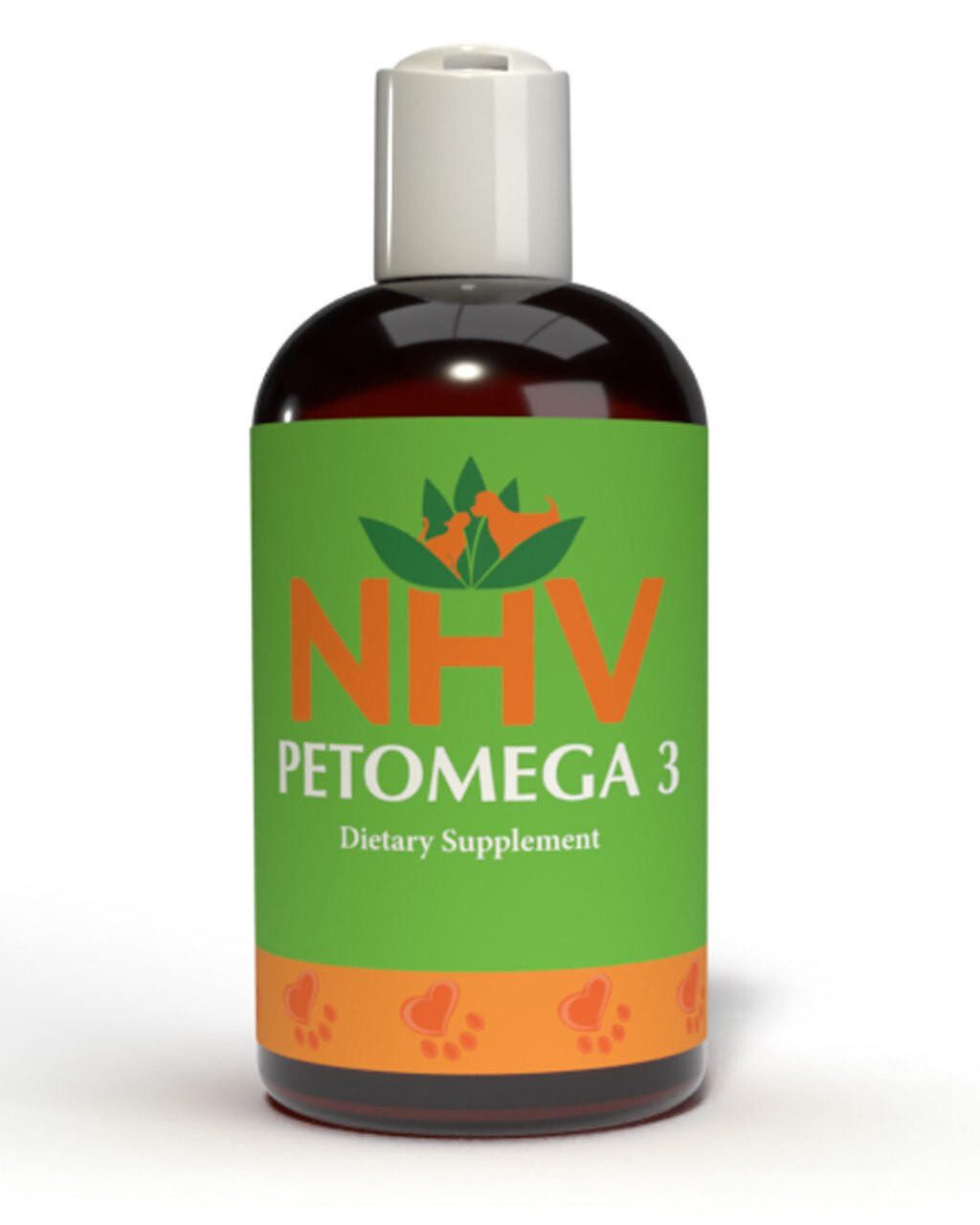
Petomega 3 for dogs
USD $45.95
free shipping over $100 (USA & Canada)
1-877-937-4372 the pet expert hotline


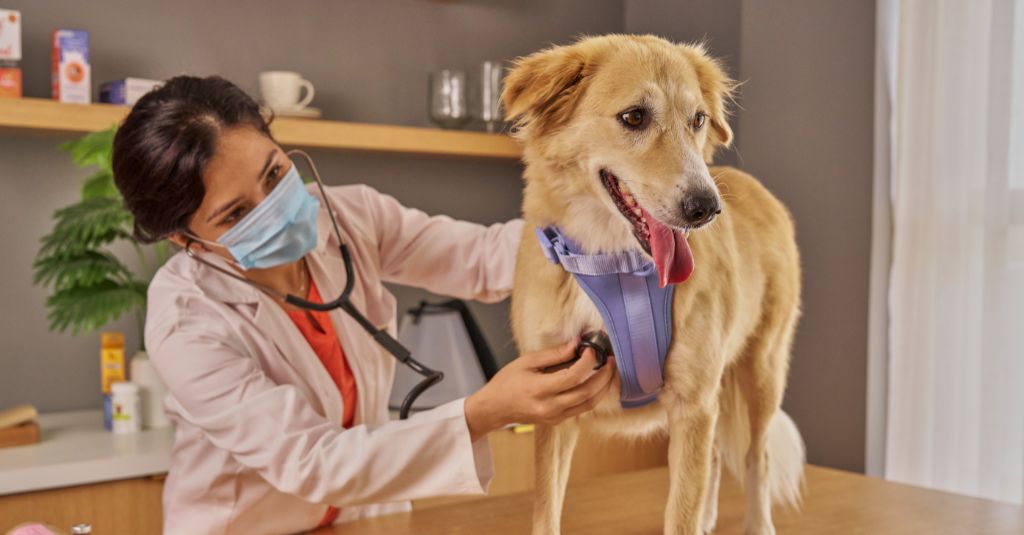
A heart murmur in dogs is an abnormal sound heard during a veterinary consultation when the vet listens to the heart with a stethoscope. This sound is caused by turbulence of the blood flow within the heart or into the major blood vessels connected to the heart.
It is important to note that a heart murmur is not a diagnosis, but a clinical finding. In other words, it tells the veterinarian that blood flow is not moving as expected, but it does not explain the cause.
Heart murmurs can be harmless or incidental findings, but they can also be a sign of heart disease. Many dogs with heart murmurs can live comfortably for many years, especially when the murmur is identified early and treated appropriately. Thus, with routine veterinary care and monitoring, a heart murmur does not always mean a poor quality of life for a dog.
In a healthy dog’s heart, blood flows in a smooth, coordinated way, producing regular and quiet “lub-dub” sounds. When blood flow becomes disrupted (due to changes in heart valves, heart chambers, blood characteristics, etc.), it creates a vibration that can be heard as a murmur.
Usually, veterinarians will describe a heart murmur based on their timing, location, and intensity. However, one of the most common features is the intensity, which is categorized into Grade I to Grade VI. Lower-grade murmurs are very soft and may only be detected under ideal conditions. Higher-grade murmurs are louder and easier to hear. However, it is important to note that grading helps guide clinical decisions, but it alone does not determine disease severity. Thus, even a lower-grade murmur may still be associated with underlying heart disease.
Some dogs will not show any symptoms, particularly in the early stages. But, when signs are present, they may reflect how effectively the heart is compensating. For instance:
Early or mild signs:
Progressive Signs:
Advanced signs:
Some of the common causes may include degenerative valve disease, such as mitral valve disease in small and senior dogs, congenital heart defects present from birth, and cardiomyopathies that affect the muscle of the heart and are more commonly seen in larger breeds than small breeds. In some cases, murmurs can be secondary to conditions that are not related to cardiac conditions. For example, anemia, fever, or systemic illness, etc.
First, a veterinarian should start with physical examination and auscultation. If a murmur is detected, the vet may request additional diagnostics to try to understand the underlying cause and assess heart function, such as echocardiography (cardiac ultrasound), which is considered the gold standard for evaluating heart structure and function. Chest X-rays may be used to assess heart size and lung health, and electrocardiogram (ECG) can help identify rhythm abnormalities in the heart.
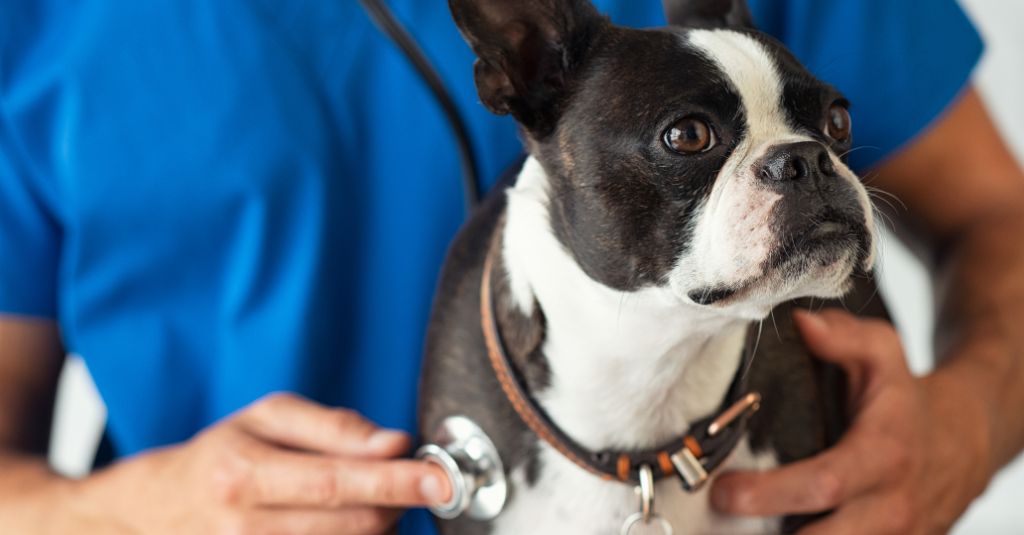
Treatment will depend entirely on the underlying cause and whether the dog is experiencing any clinical signs. It is important to note that not all heart murmurs require medication, and many pets are managed through observation and routine follow-ups with their regular vets.
When treatment is recommended, it may include prescription pharmaceuticals, modifications in activities (exercise), nutritional changes, and supportive care. The goal is to reduce heart workload, support circulation, and maintain the quality of life.
Some supportive nutritional and herbal options may be incorporated as part of a comprehensive care plan. For instance:
It is very important to note that these options are intended to support, not replace, veterinary care and should always be discussed with a veterinarian, especially for dogs receiving cardiac medications.
Many dogs can live long and happy with heart murmurs. Because of this, early detection is important as it allows for better monitoring and more management options as the condition progresses. Thus, with routine veterinary care, appropriate diagnostics, and individualized support, dogs with heart murmurs can continue to enjoy an excellent quality of life for many years.
Heart murmurs in dogs can vary in cause and significance, and they are clinical findings, not a diagnosis. Awareness combined with regular monitoring is important. Supportive routines, veterinary care, and early detection can make a meaningful difference in long-term outcomes.
overall vitality
For Overall Health and Well-Being
buy 2 and save $3
What is it?
Support your dog’s health with omega-3 fish oil for dogs, promoting a healthy coat, eyes, joints, immune system, and overall organ function.
How does it work?
Why trust it?
NHV Petomega 3 has earned 5-star ratings by pet parents from around the world.


What is it?
Support your dog’s health with omega-3 fish oil for dogs, promoting a healthy coat, eyes, joints, immune system, and overall organ function.
How does it work?
Why trust it?
NHV Petomega 3 has earned 5-star ratings by pet parents from around the world.
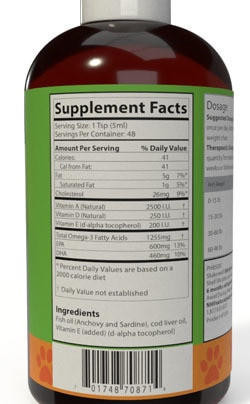
Our omega 3 fish oil for dogs is a great source of EPA (Eicosapentaenoic Acid 600mg) and DHA (Docosahexaenoic acid 460mg) essential fatty acids. This fish oil supplement for dogs is derived from sardines, anchovies and North Atlantic cod liver oil. It is molecularly distilled and cold pressed to improve the bioavailability of the omega 3 fatty acids, and is medical and human grade quality.
Omega 3 fish oil for dogs may be beneficial for the following:
Processed pet foods have increased omega-6 fatty acids, and decreased omega-3 fatty acids. The University of Maryland Medical Center states, "It is very important to maintain a balance between omega-3 and omega-6 fatty acids in the diet. A proper balance helps maintain and even improve health." Your dog’s body cannot easily make essential fatty acids. It is vital to provide omega 3 fish oil for dogs as an added supplement to your pet’s daily diet.
The American Journal of Veterinary Medicine has published studies on the benefits of omega 3 fatty acids (fish oils) for arthritis and degenerative joint disease in dogs. The studies showed that dogs who were given omega 3 fatty acids had a significantly improved ability to get up from a resting position and marked improvement in walking ability.
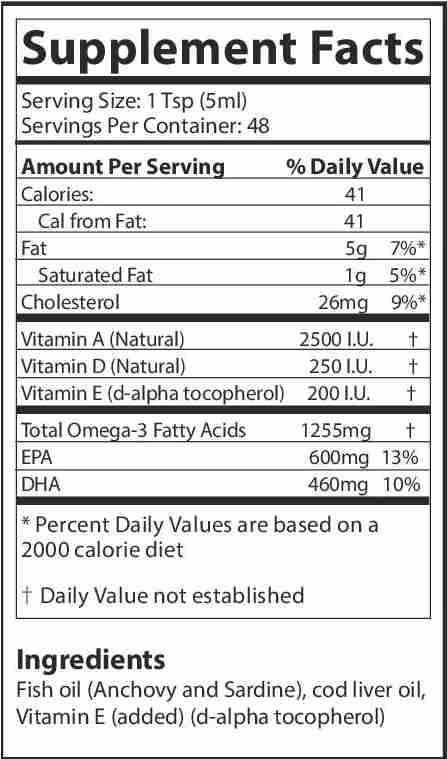
Suggested Dosage: To be taken once per day. Add to food based on weight chart.
Therapeutic Dosage: Double the quantity for maximum period of 4 weeks or follow veterinarian advise.
Pet’s Weight Dosage
0-15 lb = ¼ tsp
15-30 lb = ½ tsp
30-60 lb = 1 tsp
60-90 lb = 1 ½ tsp
How to Administer: Shake well before use. The easiest method is to add the dosage to your pets food. Some pets can be finicky, if this occurs consider hiding the appropriate amount in food most pet’s love such as fish, chicken, yogurt, or a favorite treat. If your pet only eats dry food then soak kibbles at feeding time.
For Best Results
Dietary supplements are beneficial to the health and well-being of your pet and are safe for long-term use. Every pet responds to natural supplements differently, therefore it is important to be consistent and administer the product daily. Supplements generally take two to four weeks to take effect, however this will vary from one animal to the next.
Product Storage
All NHV Natural Pet Products contain no artificial additives, preservatives or coloring. Shelf life after opening is 6 months and must be refrigerated after opening.
Cautions and Contraindications
Avoid During Pregnancy.
Our omega 3 fish oil for dogs is a great source of EPA (Eicosapentaenoic Acid 600mg) and DHA (Docosahexaenoic acid 460mg) essential fatty acids. This fish oil supplement for dogs is derived from sardines, anchovies and North Atlantic cod liver oil. It is molecularly distilled and cold pressed to improve the bioavailability of the omega 3 fatty acids, and is medical and human grade quality.
Omega 3 fish oil for dogs may be beneficial for the following:
Processed pet foods have increased omega-6 fatty acids, and decreased omega-3 fatty acids. The University of Maryland Medical Center states, "It is very important to maintain a balance between omega-3 and omega-6 fatty acids in the diet. A proper balance helps maintain and even improve health." Your dog’s body cannot easily make essential fatty acids. It is vital to provide omega 3 fish oil for dogs as an added supplement to your pet’s daily diet.
The American Journal of Veterinary Medicine has published studies on the benefits of omega 3 fatty acids (fish oils) for arthritis and degenerative joint disease in dogs. The studies showed that dogs who were given omega 3 fatty acids had a significantly improved ability to get up from a resting position and marked improvement in walking ability.
Suggested Dosage: To be taken once per day. Add to food based on weight chart.
Therapeutic Dosage: Double the quantity for maximum period of 4 weeks or follow veterinarian advise.
Pet’s Weight Dosage
0-15 lb = ¼ tsp
15-30 lb = ½ tsp
30-60 lb = 1 tsp
60-90 lb = 1 ½ tsp
How to Administer: Shake well before use. The easiest method is to add the dosage to your pets food. Some pets can be finicky, if this occurs consider hiding the appropriate amount in food most pet’s love such as fish, chicken, yogurt, or a favorite treat. If your pet only eats dry food then soak kibbles at feeding time.
For Best Results
Dietary supplements are beneficial to the health and well-being of your pet and are safe for long-term use. Every pet responds to natural supplements differently, therefore it is important to be consistent and administer the product daily. Supplements generally take two to four weeks to take effect, however this will vary from one animal to the next.
Product Storage
All NHV Natural Pet Products contain no artificial additives, preservatives or coloring. Shelf life after opening is 6 months and must be refrigerated after opening.
Cautions and Contraindications
Avoid During Pregnancy.
arthritis support
For Arthritis and Cancer Support
buy 2 and save $3
3 month supply for a small to medium size
What is it?
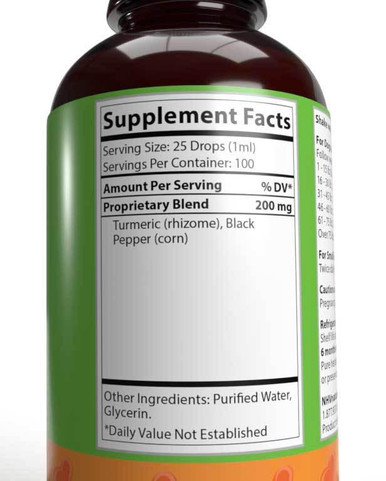
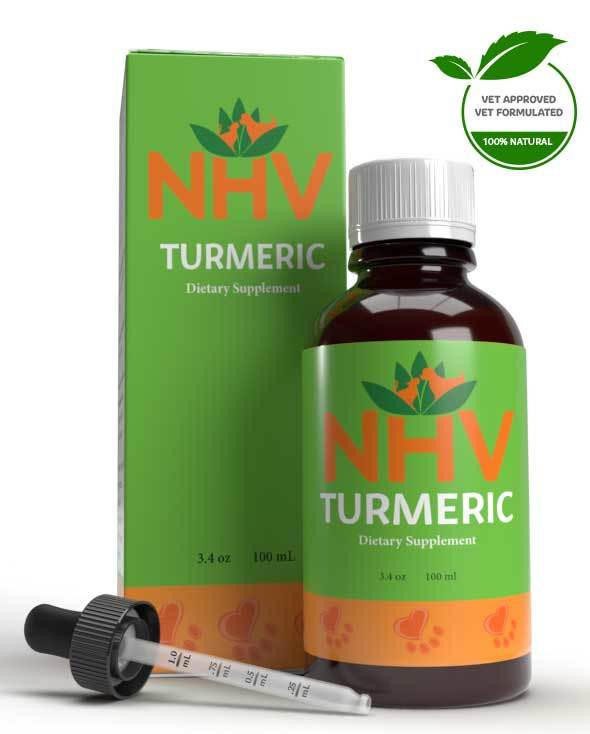
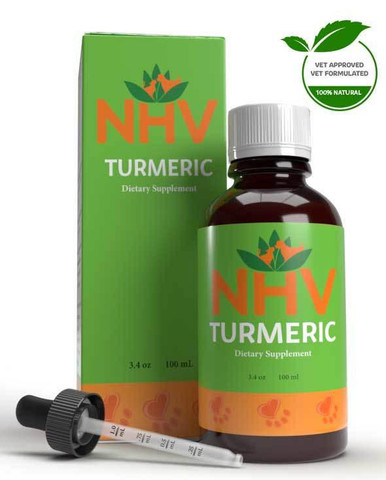
NHV Turmeric for Dogs is a natural, antioxidant-rich supplement that supports dogs with arthritis, cancer, and other conditions that cause inflammation.
How does it work?
Why trust it?
NHV Turmeric uses a full-spectrum extract of human-grade turmeric root.
What is it?
NHV Turmeric for Dogs is a natural, antioxidant-rich supplement that supports dogs with arthritis, cancer, and other conditions that cause inflammation.
How does it work?
Why trust it?
NHV Turmeric uses a full-spectrum extract of human-grade turmeric root.
Dogs love to root around in the dirt for goodies. But did you know one of the best things they could find would be turmeric? Sadly, your pup won’t find turmeric in their backyards unless you live in the tropics, where this amazing plant grows. However, they can benefit from this golden plant by taking a full-spectrum extract of Turmeric for Dogs.
Is turmeric good for dogs? Yes, most pups can use this safe and gentle herb for a number of health concerns. This is thanks to the organic compounds produced by the plant.
If you’re the pet parent of a sick pup, you might have a challenging journey ahead. Remember that the love you feel for your dog will also play a big role, and if you need a little advice, our pet experts are here for you and can be reached by chat.
How does this incredible spice work? Turmeric is rich in antioxidants, which can help your precious pet with stress, pollution, and illness.
Pets that are sick have increased oxidation, so the antioxidants they get from food, medication, or supplements can help give them the extra they need.
As pet-parents ourselves, we know you only want the best for your pup. That’s why our extracts are made from human-grade, high quality ingredients. And when you choose NHV Turmeric, you’re choosing decades of holistic pet wellness experience from vets and herbalists who can help support your pet’s wellness journey. Our formula is:
Our turmeric was formulated by a master herbalist and holistic vet. Learn more about Dr. Hillary Cook’s use of turmeric and its benefits for pet health. We are also proud to have been a part of many dog success stories, like with our doggo friend, Captain Morgan.
Captain Morgan’s story: “Our bloodhound has been on turmeric for 2 months now. He has been getting up and down more smoothly and not as stiff in his backend. He loves the taste and we love how it has helped him
You can add daily supplements like Turmeric to top up your dog’s intake of natural, wellness-promoting ingredients. It can be given directly by mouth with the dropper provided, or it can be mixed into food or a favorite treat (this tip is dog-approved)!

All NHV supplements are made with the finest quality organic or ethically harvested herbs. We use non-GMO vegetable glycerin as our base. NHV products are full-spectrum extracts.
Select your pet's weight to determine the correct dose.
To be taken twice daily. Determine your pet’s weight and then use the easy chart below to determine the correct dose. This is the minimum dosage.
Pet's Weight Dosage
0 - 15 lb = 0.5 ml
16 - 30 lb = 1.0 ml
31 - 45 lb = 1.5 ml
46 - 60 lb = 2.0 ml
61 - 75 lb = 2.5 ml
Over 75 lb = 3.0 ml
How to Administer
Shake well before use. The easiest method is to use the dropper provide and places the drops into your pet’s food or favorite treat. You can also use the dropper and squirt directly into the pet’s mouth.
Some pets can be finicky, if this occurs consider hiding the drops in foods most pet’s love such as fish, chicken or yogurt or a favorite treat. If your pet only eats dry food then soak a few kibbles at feeding time.
For Best Results
Herbal dietary supplements are beneficial to the health and wellbeing of your pet and are safe for long-term use. Every pet responds to natural herbal supplements differently, therefore it is important to be consistent and administer the product daily. Supplements generally take two to four weeks to take effect, however this will vary from one animal to the next.
Product Storage
All NHV Natural Pet Products are pure herbal extracts and contain no artificial additives, preservatives or coloring. Shelf life after opening is 6 months and must be refrigerated after opening.
Cautions and Contraindications: Do not use Turmeric in pregnant or nursing animals. Speak to your vet before using our products. A second visit is recommended if your pet’s condition does not improve, or deteriorates after continued use of the supplements.
Dogs love to root around in the dirt for goodies. But did you know one of the best things they could find would be turmeric? Sadly, your pup won’t find turmeric in their backyards unless you live in the tropics, where this amazing plant grows. However, they can benefit from this golden plant by taking a full-spectrum extract of Turmeric for Dogs.
Is turmeric good for dogs? Yes, most pups can use this safe and gentle herb for a number of health concerns. This is thanks to the organic compounds produced by the plant.
If you’re the pet parent of a sick pup, you might have a challenging journey ahead. Remember that the love you feel for your dog will also play a big role, and if you need a little advice, our pet experts are here for you and can be reached by chat.
How does this incredible spice work? Turmeric is rich in antioxidants, which can help your precious pet with stress, pollution, and illness.
Pets that are sick have increased oxidation, so the antioxidants they get from food, medication, or supplements can help give them the extra they need.
As pet-parents ourselves, we know you only want the best for your pup. That’s why our extracts are made from human-grade, high quality ingredients. And when you choose NHV Turmeric, you’re choosing decades of holistic pet wellness experience from vets and herbalists who can help support your pet’s wellness journey. Our formula is:
Our turmeric was formulated by a master herbalist and holistic vet. Learn more about Dr. Hillary Cook’s use of turmeric and its benefits for pet health. We are also proud to have been a part of many dog success stories, like with our doggo friend, Captain Morgan.
Captain Morgan’s story: “Our bloodhound has been on turmeric for 2 months now. He has been getting up and down more smoothly and not as stiff in his backend. He loves the taste and we love how it has helped him
You can add daily supplements like Turmeric to top up your dog’s intake of natural, wellness-promoting ingredients. It can be given directly by mouth with the dropper provided, or it can be mixed into food or a favorite treat (this tip is dog-approved)!
All NHV supplements are made with the finest quality organic or ethically harvested herbs. We use non-GMO vegetable glycerin as our base. NHV products are full-spectrum extracts.
Select your pet's weight to determine the correct dose.
To be taken twice daily. Determine your pet’s weight and then use the easy chart below to determine the correct dose. This is the minimum dosage.
Pet's Weight Dosage
0 - 15 lb = 0.5 ml
16 - 30 lb = 1.0 ml
31 - 45 lb = 1.5 ml
46 - 60 lb = 2.0 ml
61 - 75 lb = 2.5 ml
Over 75 lb = 3.0 ml
How to Administer
Shake well before use. The easiest method is to use the dropper provide and places the drops into your pet’s food or favorite treat. You can also use the dropper and squirt directly into the pet’s mouth.
Some pets can be finicky, if this occurs consider hiding the drops in foods most pet’s love such as fish, chicken or yogurt or a favorite treat. If your pet only eats dry food then soak a few kibbles at feeding time.
For Best Results
Herbal dietary supplements are beneficial to the health and wellbeing of your pet and are safe for long-term use. Every pet responds to natural herbal supplements differently, therefore it is important to be consistent and administer the product daily. Supplements generally take two to four weeks to take effect, however this will vary from one animal to the next.
Product Storage
All NHV Natural Pet Products are pure herbal extracts and contain no artificial additives, preservatives or coloring. Shelf life after opening is 6 months and must be refrigerated after opening.
Cautions and Contraindications: Do not use Turmeric in pregnant or nursing animals. Speak to your vet before using our products. A second visit is recommended if your pet’s condition does not improve, or deteriorates after continued use of the supplements.