


eye support
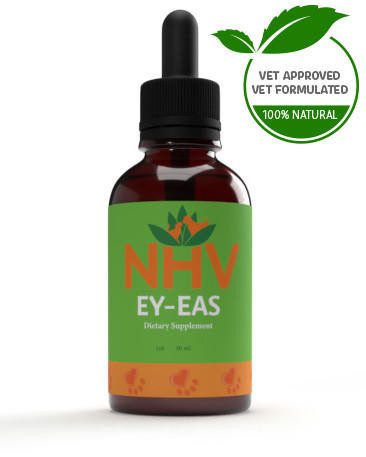
Ey Eas for cats
USD $34.95
free shipping over $100 (USA & Canada)
1-877-937-4372 the pet expert hotline
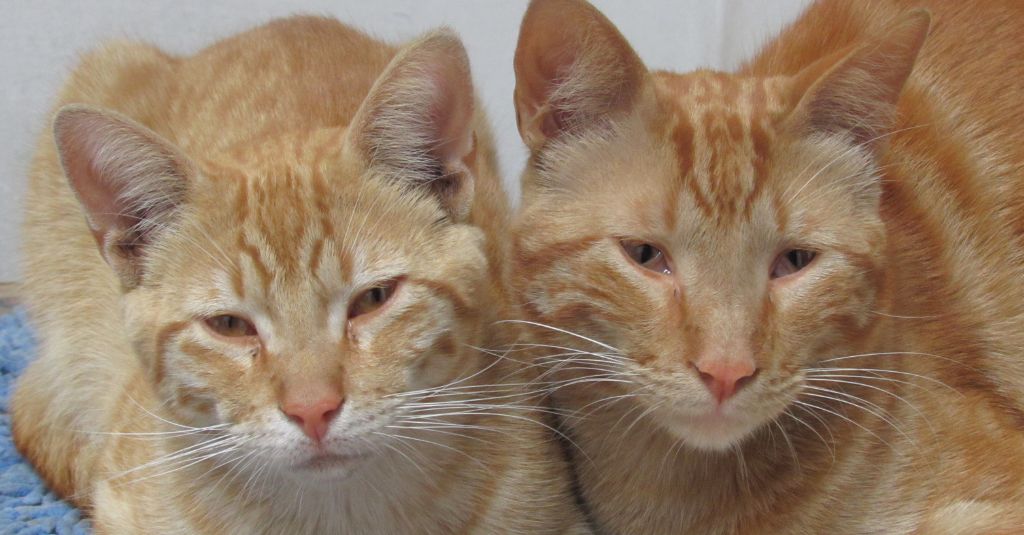
Conjunctivitis in cats (cat pink eye or feline conjunctivitis) is one of those conditions that looks simple at first but can be many different things depending on the cause. It is very common in cats of all ages, especially kittens and cats living in multi-cat homes, shelters, or catteries.
While conjunctivitis sometimes is not serious, it should never be ignored. In some cats it is a mild, short-term irritation, but in others it can be the first visible sign of a more serious infectious or immune-related condition. Understanding what conjunctivitis is in cats, and how to approach treatment safely, is very important to protect your kitty’s comfort and long-term eye health.
Conjunctivitis refers to inflammation of the conjunctiva, the thin, moist tissue that lines the inside of the eyelids and covers part of the surface of their eyes. This tissue helps keep the eye lubricated and acts as an important barrier against bacteria, viruses, dust, and irritants.
When the conjunctiva becomes inflamed, it swells and can turn red or pink, which is why the condition is often called ‘cat pink eye.” The eye may also start producing excess tears or discharge as the body tries to protect it.
Some cats show discomfort clearly, while other cats can act almost normal despite visible eye changes. Remember that cats are very good at hiding pain, so even small signs matter.
Pet owners may also notice:
Infectious agents can be by far the most common cause of cat conjunctivitis, especially in younger cats. For example:
Is conjunctivitis contagious in cats? Definitively! If conjunctivitis is caused by infection, it can be quite contagious, particularly in shared environments.
Not all red or pink eyes in cats are caused by infections. For instance:
It is important to note that this distinction can be helpful, but it is not diagnostic.
Diagnosis usually starts with an eye examination. Your veterinarian may:
The steps on how to treat cat conjunctivitis in cats depend on the underlying cause. Veterinary treatment may include:
Note: Never use human eye drops or leftover medications from another pet. Some products, especially steroid eye drops, can be extremely dangerous if the cornea is damaged.
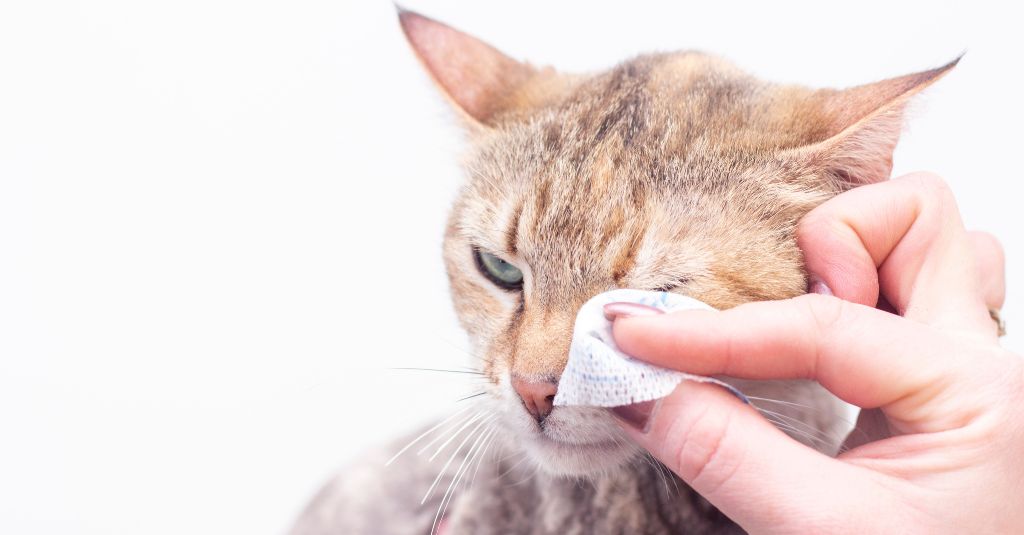
Some supportive activities may include:
Some veterinarians incorporate targeted eye-support products, such as NHV Ey-Eas, which helps soothe and cleanse irritated eyes, and NHV OcuLove, formulated to support long-term eye tissue health and antioxidant balance. These products are meant to support, not replace, veterinary care.
It is also important to note if there is ulcer present, Ey-Eas is not recommended.
If the condition is caused by infectious disease, NHV Natures Immuno and Felimm can be very helpful, as those support the immune system and may have anti-viral properties.
If the cat’s eye appears painful or cloudy, seek veterinary care as soon as possible. Additionally, avoid forcing the eye open, as this can cause more discomfort and/or injury.
Seek veterinarian care in the following circumstances:
While feline conjunctivitis may not always be prevented, good eye care can significantly reduce the risk of conjunctivitis.
Some proactive tips include:
Conjunctivitis in cats is a common condition; however, it should not be brushed off as an ordinary eye problem. While it may be resolved simply, it can also be something more serious. Therefore, early attention, proper diagnosis, and a thoughtful mix of veterinary treatment and holistic support can make a real difference.
eye support
Natural Support for Cat Eye Infections and Issues
buy 2 and save $3
What is it?
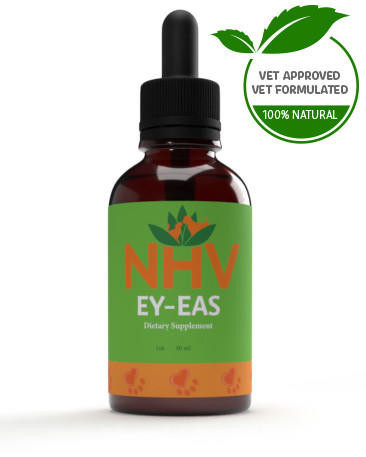
Ey-Eas is a cat eye infection remedy that helps fight eye infections, such as pink eye (conjunctivitis), or runny eyes, which are uncomfortable and stressful.
How Does it Work?
Why Should I Trust It?
100% natural remedy, formulated and approved by vets.



What is it?
Ey-Eas is a cat eye infection remedy that helps fight eye infections, such as pink eye (conjunctivitis), or runny eyes, which are uncomfortable and stressful.
How Does it Work?
Why Should I Trust It?
100% natural remedy, formulated and approved by vets.
Eye infections are common in cats and most cases are due to an infection caused by a virus (feline herpesvirus, FeLV, FIP), an allergic reaction, or bacterial infection. Cats may be prone to eye infections that cause discomfort and long-term damage if left untreated. Ey-Eas natural cat eye infection remedy helps pets with eyes that are red, watery or irritated. It is also helpful for cats that are continually rubbing their eyes, tearing excessively, or avoiding light.
What is Conjunctivitis in Cats?
Conjunctivitis can occur in one or both eyes and is most often the result of a bacterial or viral infection. Other possible causes include allergies, irritants, and fungal infections. If only one eye is affected, then it may be an inflamed tear sac or a foreign object causing the problem. Do not use with existing corneal ulcers.
For more information on your cat’s eye health, visit holistic veterinarian, Dr. Hillary Cook’s blog.
Chamomile – An excellent calming agent, chamomile provides anti-inflammatory action to help soothe and heal inflamed skin.
Eyebright – Reduces inflammation and contains strong astringent properties. This herb has a very long history of use in eye issues. It also helps relieve itchy eyes.
Goldenseal – Contains strong astringent and antibacterial properties. Goldenseal has anti-inflammatory, properties and may be very soothing to a cat’s skin. It is effective for eye-related disorders and helps reduce redness in the eyes.
Rosemary – Has anti-inflammatory and antiseptic properties.
Ey-Eas can be used orally or topically.
ORALLY: To be taken twice daily.
1 drops for every 2lb of body weight up to 50 lb.
TOPICALLY: Using the dropper place 1-3 drops in each eye.
Shaking of the head and rubbing of the eyes is normal.
How to Administer
Shake well before use. The easiest method is to use the dropper provide and places the drops into your pet’s food or favorite treat. You can also use the dropper and squirt directly into the pet’s mouth.
Some pets can be finicky, if this occurs consider hiding the drops in foods most pet’s love such as fish, chicken or yogurt or a favorite treat. If your pet only eats dry food then soak a few kibbles at feeding time.
For Best Results
Herbal dietary supplements are beneficial to the health and wellbeing of your pet and are safe for long-term use. Every pet responds to natural herbal supplements differently, therefore it is important to be consistent and administer the product daily. Supplements generally take two to four weeks to take effect, however this will vary from one animal to the next.
Product Storage
All NHV Natural Pet Products are pure herbal extracts and contain no artificial additives, preservatives or coloring. Shelf life after opening is 6 months and must be refrigerated after opening.
Cautions and Contraindications
Do not use EY EAS in pregnant or nursing animals. When used topically the pet may shake it’s head or rub its eyes and face for a short time; this normal. Speak to your vet before using our products. A second visit is recommended if your pet’s condition does not improve, or deteriorates after continued use of the supplements.
All information provided by NHV Natural Pet Products is for educational purposes only.
Eye infections are common in cats and most cases are due to an infection caused by a virus (feline herpesvirus, FeLV, FIP), an allergic reaction, or bacterial infection. Cats may be prone to eye infections that cause discomfort and long-term damage if left untreated. Ey-Eas natural cat eye infection remedy helps pets with eyes that are red, watery or irritated. It is also helpful for cats that are continually rubbing their eyes, tearing excessively, or avoiding light.
What is Conjunctivitis in Cats?
Conjunctivitis can occur in one or both eyes and is most often the result of a bacterial or viral infection. Other possible causes include allergies, irritants, and fungal infections. If only one eye is affected, then it may be an inflamed tear sac or a foreign object causing the problem. Do not use with existing corneal ulcers.
For more information on your cat’s eye health, visit holistic veterinarian, Dr. Hillary Cook’s blog.
Chamomile – An excellent calming agent, chamomile provides anti-inflammatory action to help soothe and heal inflamed skin.
Eyebright – Reduces inflammation and contains strong astringent properties. This herb has a very long history of use in eye issues. It also helps relieve itchy eyes.
Goldenseal – Contains strong astringent and antibacterial properties. Goldenseal has anti-inflammatory, properties and may be very soothing to a cat’s skin. It is effective for eye-related disorders and helps reduce redness in the eyes.
Rosemary – Has anti-inflammatory and antiseptic properties.
Ey-Eas can be used orally or topically.
ORALLY: To be taken twice daily.
1 drops for every 2lb of body weight up to 50 lb.
TOPICALLY: Using the dropper place 1-3 drops in each eye.
Shaking of the head and rubbing of the eyes is normal.
How to Administer
Shake well before use. The easiest method is to use the dropper provide and places the drops into your pet’s food or favorite treat. You can also use the dropper and squirt directly into the pet’s mouth.
Some pets can be finicky, if this occurs consider hiding the drops in foods most pet’s love such as fish, chicken or yogurt or a favorite treat. If your pet only eats dry food then soak a few kibbles at feeding time.
For Best Results
Herbal dietary supplements are beneficial to the health and wellbeing of your pet and are safe for long-term use. Every pet responds to natural herbal supplements differently, therefore it is important to be consistent and administer the product daily. Supplements generally take two to four weeks to take effect, however this will vary from one animal to the next.
Product Storage
All NHV Natural Pet Products are pure herbal extracts and contain no artificial additives, preservatives or coloring. Shelf life after opening is 6 months and must be refrigerated after opening.
Cautions and Contraindications
Do not use EY EAS in pregnant or nursing animals. When used topically the pet may shake it’s head or rub its eyes and face for a short time; this normal. Speak to your vet before using our products. A second visit is recommended if your pet’s condition does not improve, or deteriorates after continued use of the supplements.
All information provided by NHV Natural Pet Products is for educational purposes only.
Cat Eye Health
Natural Cat Eye Health Supplement
buy 2 and save $3
3 month supply for a small to medium size pet.
What is it?
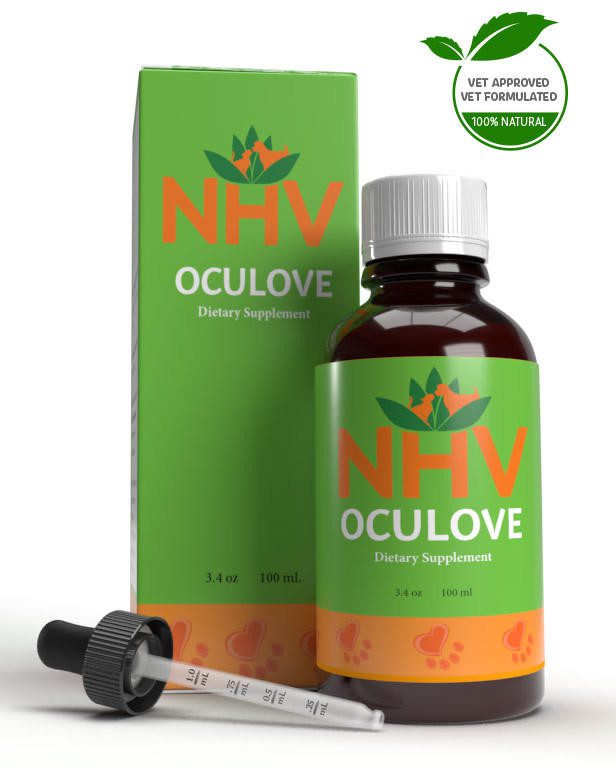
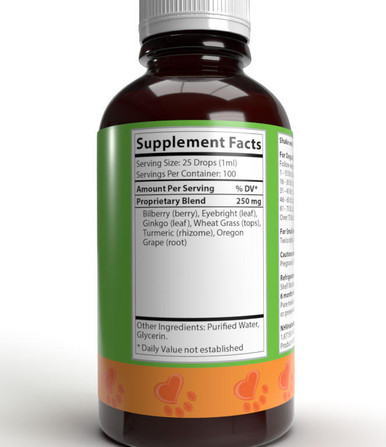
NHV OcuLove is an internal cat eye health supplement that can help support common feline eye problems like corneal damage, cataracts, glaucoma or even infections like pink eye.
How does it work?
Why should I trust it?
We only accept the best for our pets and yours, so NHV supplements are made from human-grade ingredients!

What is it?
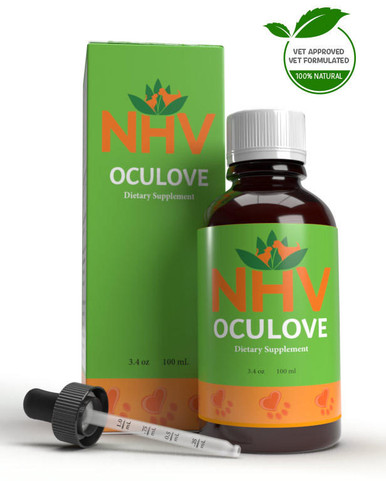
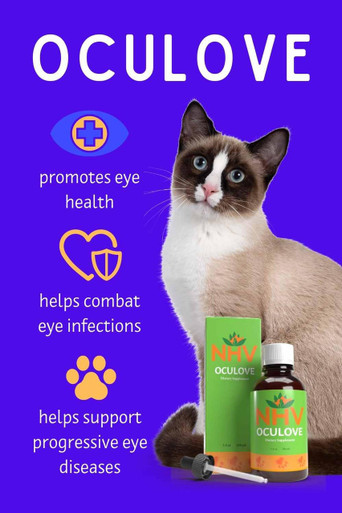
NHV OcuLove is an internal cat eye health supplement that can help support common feline eye problems like corneal damage, cataracts, glaucoma or even infections like pink eye.
How does it work?
Why should I trust it?
We only accept the best for our pets and yours, so NHV supplements are made from human-grade ingredients!
Support for Eye Health in Cats (kittens and adults)
Have you ever watched your kitty’s hypnotic eyes as they dart around the room, stalking their favorite toy? Their eyes are definitely one of their most defining feline features! That's why, as a pet parent, it can be very worrisome to see your furry friend’s eyes change from crystal-clear to cloudy or watery. It can be even more worrying to see redness, discharge or irritated blinking.
What's going on? Your kitty could be suffering from common feline eye problems like blepharitis (common in Persians and Himalayans) or keratitis (inflamed cornea). OcuLove, a natural cat eye health supplement contains all-natural herbal ingredients known to improve degenerative eye disease, eye infections and support overall eye health. Formulated with herbal extracts like bilberry, eyebright and ginkgo, which have been used for over millennia to improve circulation and oxygenation in the eyes. OcuLove is also beneficial for conditions like pink eye (conjunctivitis), corneal damage, eye inflammation (uveitis) and glaucoma (optical nerve damage).
How NHV OcuLove Cat Eye Health Supplement Supports Eye Health in Kittens and Adult Cats
Like humans, your kitty may suffer from common feline eye problems during their lifetime. An underlying infection often causes conditions like glaucoma or cataracts so ingredients like oregon grape, turmeric and wheatgrass contain anti-inflammatory properties helpful for encouraging healthy eye function. Other ingredients like eyebright, bilberry and gingko help to soothe inflammation (blepharitis, keratitis) and may enhance blood circulation around the eyes. Gingko biloba is known for improving oxygenation in the blood and improving eye conditions like corneal tearing, corneal inflammation, glaucoma, cataracts, dry eyes, conjunctivitis (pink eye) and eye issues in general.
Help your Cat Live A Long And Happy Life, Naturally!
We are always here to support you and your pet! Made with full-spectrum plant extracts which are bioavailable for your furry friend and 100% natural, NHV pet experts are here to answer any eye health-related questions. If you notice any cloudiness, redness, itchiness or discharge from your kitty’s eyes, get in touch with your vet immediately.
Made with the finest, organically grown, or ethically harvested herbs. Made specifically for pets, vet-formulated and vet approved.
Bilberry — Contains anthocyanins which may help improve circulation and blood flow around the eyes. Studies have shown that bilberry is helpful with glaucoma, corneal damage, conjunctivitis (pink eye), and overall issues that affect the eye.
Eyebright — Contains anti-inflammatory properties. It has been used for centuries to help with itchy eyes and inflammation of the eyelid and blood vessels.
Gingko — Has a long history of being used to enhance oxygenation around the eyes and in the body, and is beneficial for conditions like glaucoma.
Wheatgrass — Contains twice as much vitamin A compared to carrots so it's beneficial for eye health. It may soothe inflammation and fight infections of the eye.
Turmeric — Contains antioxidant, anti-inflammatory properties that help fight oxidative stress and slow down overall eye deterioration.
Oregon grape — Is beneficial for fighting eye infections and may help improve overall eye health and support the immune system.
Select your pet's weight to determine the correct dose.
To be taken twice daily. Determine your pet’s weight and then use the easy chart below to determine the correct dose. This is the minimum dosage.
Pet's Weight Dosage
0 - 15 lb = 0.5 ml
16 - 30 lb = 1.0 ml
31 - 45 lb = 1.5 ml
46 - 60 lb = 2.0 ml
61 - 75 lb = 2.5 ml
Over 75 lb = 3.0 ml
Some pets may require a larger dosage due to their metabolism. You can safely double the recommended dosage.
How to Administer
Shake well before use. Use the dropper provided to squirt the dosage directly into your pet’s mouth along the gums and teeth. Some pets may be finicky and resist your attempts to administer drops directly into their mouth. If this occurs, try placing the drops in your pet’s food or favorite treat. You may want to consider hiding the drops in foods most pet’s love such as fish, chicken, or yogurt. When serving dry food, use the dropper to soak a few kibbles at feeding time.
For Best Results
Herbal dietary supplements are beneficial to the health and wellbeing of your pet and are safe for long-term use. Every pet responds to natural herbal supplements differently, therefore it is important to be consistent and administer the product daily. Supplements generally take two to four weeks to take effect, however this will vary from one animal to the next.
Product Storage
All NHV Natural Pet Products are pure herbal extracts and contain no artificial additives, preservatives or coloring. Shelf life after opening is 6 months and must be refrigerated after opening.
Cautions and Contraindications
Do not use Mouth Drops in pregnant or nursing animals. Speak to your vet before using our products. A second visit is recommended if your pet’s condition does not improve, or deteriorates after continued use of the supplements.
All information provided by NHV Natural Pet Products is for educational purposes only.
Support for Eye Health in Cats (kittens and adults)
Have you ever watched your kitty’s hypnotic eyes as they dart around the room, stalking their favorite toy? Their eyes are definitely one of their most defining feline features! That's why, as a pet parent, it can be very worrisome to see your furry friend’s eyes change from crystal-clear to cloudy or watery. It can be even more worrying to see redness, discharge or irritated blinking.
What's going on? Your kitty could be suffering from common feline eye problems like blepharitis (common in Persians and Himalayans) or keratitis (inflamed cornea). OcuLove, a natural cat eye health supplement contains all-natural herbal ingredients known to improve degenerative eye disease, eye infections and support overall eye health. Formulated with herbal extracts like bilberry, eyebright and ginkgo, which have been used for over millennia to improve circulation and oxygenation in the eyes. OcuLove is also beneficial for conditions like pink eye (conjunctivitis), corneal damage, eye inflammation (uveitis) and glaucoma (optical nerve damage).
How NHV OcuLove Cat Eye Health Supplement Supports Eye Health in Kittens and Adult Cats
Like humans, your kitty may suffer from common feline eye problems during their lifetime. An underlying infection often causes conditions like glaucoma or cataracts so ingredients like oregon grape, turmeric and wheatgrass contain anti-inflammatory properties helpful for encouraging healthy eye function. Other ingredients like eyebright, bilberry and gingko help to soothe inflammation (blepharitis, keratitis) and may enhance blood circulation around the eyes. Gingko biloba is known for improving oxygenation in the blood and improving eye conditions like corneal tearing, corneal inflammation, glaucoma, cataracts, dry eyes, conjunctivitis (pink eye) and eye issues in general.
Help your Cat Live A Long And Happy Life, Naturally!
We are always here to support you and your pet! Made with full-spectrum plant extracts which are bioavailable for your furry friend and 100% natural, NHV pet experts are here to answer any eye health-related questions. If you notice any cloudiness, redness, itchiness or discharge from your kitty’s eyes, get in touch with your vet immediately.
Made with the finest, organically grown, or ethically harvested herbs. Made specifically for pets, vet-formulated and vet approved.
Bilberry — Contains anthocyanins which may help improve circulation and blood flow around the eyes. Studies have shown that bilberry is helpful with glaucoma, corneal damage, conjunctivitis (pink eye), and overall issues that affect the eye.
Eyebright — Contains anti-inflammatory properties. It has been used for centuries to help with itchy eyes and inflammation of the eyelid and blood vessels.
Gingko — Has a long history of being used to enhance oxygenation around the eyes and in the body, and is beneficial for conditions like glaucoma.
Wheatgrass — Contains twice as much vitamin A compared to carrots so it's beneficial for eye health. It may soothe inflammation and fight infections of the eye.
Turmeric — Contains antioxidant, anti-inflammatory properties that help fight oxidative stress and slow down overall eye deterioration.
Oregon grape — Is beneficial for fighting eye infections and may help improve overall eye health and support the immune system.
Select your pet's weight to determine the correct dose.
To be taken twice daily. Determine your pet’s weight and then use the easy chart below to determine the correct dose. This is the minimum dosage.
Pet's Weight Dosage
0 - 15 lb = 0.5 ml
16 - 30 lb = 1.0 ml
31 - 45 lb = 1.5 ml
46 - 60 lb = 2.0 ml
61 - 75 lb = 2.5 ml
Over 75 lb = 3.0 ml
Some pets may require a larger dosage due to their metabolism. You can safely double the recommended dosage.
How to Administer
Shake well before use. Use the dropper provided to squirt the dosage directly into your pet’s mouth along the gums and teeth. Some pets may be finicky and resist your attempts to administer drops directly into their mouth. If this occurs, try placing the drops in your pet’s food or favorite treat. You may want to consider hiding the drops in foods most pet’s love such as fish, chicken, or yogurt. When serving dry food, use the dropper to soak a few kibbles at feeding time.
For Best Results
Herbal dietary supplements are beneficial to the health and wellbeing of your pet and are safe for long-term use. Every pet responds to natural herbal supplements differently, therefore it is important to be consistent and administer the product daily. Supplements generally take two to four weeks to take effect, however this will vary from one animal to the next.
Product Storage
All NHV Natural Pet Products are pure herbal extracts and contain no artificial additives, preservatives or coloring. Shelf life after opening is 6 months and must be refrigerated after opening.
Cautions and Contraindications
Do not use Mouth Drops in pregnant or nursing animals. Speak to your vet before using our products. A second visit is recommended if your pet’s condition does not improve, or deteriorates after continued use of the supplements.
All information provided by NHV Natural Pet Products is for educational purposes only.
eye health support

Holistic Eye Support for Cataracts in Dogs and Cats
bundle and save with pet expert kits
3 month supply for a small to medium size
What is it?
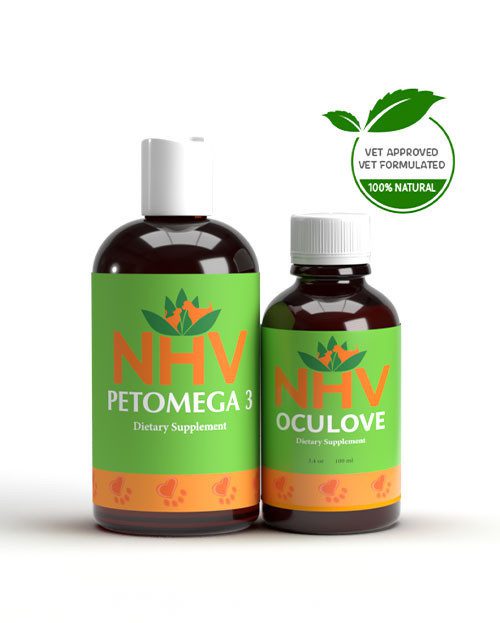
NHV’s Eye Health Gold Support Kit contains two supplements to help keep your pet's eyes healthy, and it can be used proactively for degenerative eye conditions like progressive retinal atrophy (PRA) or cataracts in dogs and cats.
How does it work?
Why should I trust it?
NHV supplements are vet-approved and vet-formulated, so your pet only gets the best.


What is it?
NHV’s Eye Health Gold Support Kit contains two supplements to help keep your pet's eyes healthy, and it can be used proactively for degenerative eye conditions like progressive retinal atrophy (PRA) or cataracts in dogs and cats.
How does it work?
Why should I trust it?
NHV supplements are vet-approved and vet-formulated, so your pet only gets the best.
All-Natural Support for Eye Health in Dogs and Eye Health in Cats
Did you know that studies have found that a loving gaze between a furkiddo and their pet parent strengthens the bond between the two? It’s true! Looking into your pet's eyes is very important for both you and your furbaby! It's vital to check your pet's eye health regularly, which includes at-home eye checks. See additional info for how to do at-home eye exams on your pet.
Our Eye Health Gold Support Kit contains OcuLove and PetOmega 3 to help slow down progressive damage to the eye, support circulation and support eye health.
How NHV’s Supplements Help Proactively Support Against Cataracts in Dogs and Cats and Support Overall Eye Health
Just like humans, your furkiddo relies on their vision to experience a lot of their surroundings, whether it is seeing danger ahead, scanning for friendly faces, or stalking prey. This is especially true if you have a sighthound like an Afghan Hound or a Whippet - they hunt by sight. So if your furry friend is experiencing issues with their vision or eye health, it can be very stressful for them!
OcuLove contains many beneficial properties for overall eye health and may help support your little one against degenerative eye conditions like cataracts in dogs and cats. Ingredients like eyebright have been used for centuries to help relieve itchiness in the eye, inflammation in the eyelids, and help to preserve or improve vision.
PetOmega 3 is rich in omega 3 fatty acids, which support overall eye health in dogs and eye health in cats, help relieve inflammation, and help to improve metabolism.
Both OcuLove and PetOmega 3 contain antioxidant properties to help slow down cell damage and help prevent chronic illnesses and infections.
OCULOVE
PETOMEGA 3
Additional Info:
In a well-lit area, look into your pet's eyes. Their eyes should appear clear and bright with evenly sized pupils. The area around the eyeball should be white. The next step may be a bit challenging but is just as important. Using your thumb (make sure to wash your hands before doing this), gently roll down your pet's lower eyelid to have a look at it. If it is pink, that's very good. If it is red or white, you may want to book an appointment with your vet to check if something is wrong. A rare feature that both cats and dogs have is a third eyelid. This can range from whitish to pinkish and can be found under the other eyelids closer to the nose. The third eyelid protects their eyes from getting scratched.
Other Signs of Eye Problems in Pets
In addition to unequal pupil sizes and red or white eyelids, pay attention to these other signs and symptoms:
Help your Pet Live A Happy and Healthy Life with NHV Supplements
In short, it’s a good idea to be proactive about your pet’s eye health. All of our products are 100% natural and free of any artificial colors, additives, or preservatives. Your pet’s health is important to us so if you have any questions about eye health in dogs or eye health in cats, please reach out to an NHV Pet Expert - we are always happy to lend a hand or paw whenever you need it!
Made with the finest, organically grown, or ethically harvested herbs. Made specifically for pets, vet-formulated, and vet approved.
OcuLove
PetOmega 3
Select your pet's weight to determine the correct dose.
FOR PETOMEGA 3
Suggested Dosage: To be taken once per day. Add to food based on weight chart.
Therapeutic Dosage: Double the quantity for maximum period of 4 weeks or follow veterinarian advise.
Pet’s Weight Dosage
0-15 lb = ¼ tsp
15-30 lb = ½ tsp
30-60 lb = 1 tsp
60-90 lb = 1 ½ tsp
FOR OCULOVE
To be taken twice daily. Determine your pet’s weight and then use the easy chart below to determine the correct dose. This is the minimum dosage.
Pet's Weight Dosage
0 - 15 lb = 0.5 ml
16 - 30 lb = 1.0 ml
31 - 45 lb = 1.5 ml
46 - 60 lb = 2.0 ml
61 - 75 lb = 2.5 ml
Over 75 lb = 3.0 ml
How to Administer: Shake well before use. The easiest method is to add the dosage to your pets food. Some pets can be finicky, if this occurs consider hiding the appropriate amount in food most pet’s love such as fish, chicken, yogurt, or a favorite treat. If your pet only eats dry food then soak kibbles at feeding time.
How to Administer
Shake well before use. The easiest method is to use the dropper provided and place the drops into your pet’s food or favorite treat. You can also use the dropper and squirt directly into the pet’s mouth. Some pets can be finicky, if this occurs consider hiding the drops in foods most pet’s love such as fish, chicken or yogurt or a favorite treat. If your pet only eats dry food then soak a few kibbles at feeding time.
For Best Results
Dietary supplements are beneficial to the health and well-being of your pet and are safe for long-term use. Every pet responds to natural supplements differently, therefore it is important to be consistent and administer the product daily. Supplements generally take two to four weeks to take effect, however this will vary from one animal to the next.
Product Storage
All NHV Natural Pet Products contain no artificial additives, preservatives or coloring. Shelf life after opening is 6 months and must be refrigerated after opening.
Cautions and Contraindications
Avoid use during pregnancy.
All information provided by NHV Natural Pet Products is for educational purposes only.
All-Natural Support for Eye Health in Dogs and Eye Health in Cats
Did you know that studies have found that a loving gaze between a furkiddo and their pet parent strengthens the bond between the two? It’s true! Looking into your pet's eyes is very important for both you and your furbaby! It's vital to check your pet's eye health regularly, which includes at-home eye checks. See additional info for how to do at-home eye exams on your pet.
Our Eye Health Gold Support Kit contains OcuLove and PetOmega 3 to help slow down progressive damage to the eye, support circulation and support eye health.
How NHV’s Supplements Help Proactively Support Against Cataracts in Dogs and Cats and Support Overall Eye Health
Just like humans, your furkiddo relies on their vision to experience a lot of their surroundings, whether it is seeing danger ahead, scanning for friendly faces, or stalking prey. This is especially true if you have a sighthound like an Afghan Hound or a Whippet - they hunt by sight. So if your furry friend is experiencing issues with their vision or eye health, it can be very stressful for them!
OcuLove contains many beneficial properties for overall eye health and may help support your little one against degenerative eye conditions like cataracts in dogs and cats. Ingredients like eyebright have been used for centuries to help relieve itchiness in the eye, inflammation in the eyelids, and help to preserve or improve vision.
PetOmega 3 is rich in omega 3 fatty acids, which support overall eye health in dogs and eye health in cats, help relieve inflammation, and help to improve metabolism.
Both OcuLove and PetOmega 3 contain antioxidant properties to help slow down cell damage and help prevent chronic illnesses and infections.
OCULOVE
PETOMEGA 3
Additional Info:
In a well-lit area, look into your pet's eyes. Their eyes should appear clear and bright with evenly sized pupils. The area around the eyeball should be white. The next step may be a bit challenging but is just as important. Using your thumb (make sure to wash your hands before doing this), gently roll down your pet's lower eyelid to have a look at it. If it is pink, that's very good. If it is red or white, you may want to book an appointment with your vet to check if something is wrong. A rare feature that both cats and dogs have is a third eyelid. This can range from whitish to pinkish and can be found under the other eyelids closer to the nose. The third eyelid protects their eyes from getting scratched.
Other Signs of Eye Problems in Pets
In addition to unequal pupil sizes and red or white eyelids, pay attention to these other signs and symptoms:
Help your Pet Live A Happy and Healthy Life with NHV Supplements
In short, it’s a good idea to be proactive about your pet’s eye health. All of our products are 100% natural and free of any artificial colors, additives, or preservatives. Your pet’s health is important to us so if you have any questions about eye health in dogs or eye health in cats, please reach out to an NHV Pet Expert - we are always happy to lend a hand or paw whenever you need it!
Made with the finest, organically grown, or ethically harvested herbs. Made specifically for pets, vet-formulated, and vet approved.
OcuLove
PetOmega 3
Select your pet's weight to determine the correct dose.
FOR PETOMEGA 3
Suggested Dosage: To be taken once per day. Add to food based on weight chart.
Therapeutic Dosage: Double the quantity for maximum period of 4 weeks or follow veterinarian advise.
Pet’s Weight Dosage
0-15 lb = ¼ tsp
15-30 lb = ½ tsp
30-60 lb = 1 tsp
60-90 lb = 1 ½ tsp
FOR OCULOVE
To be taken twice daily. Determine your pet’s weight and then use the easy chart below to determine the correct dose. This is the minimum dosage.
Pet's Weight Dosage
0 - 15 lb = 0.5 ml
16 - 30 lb = 1.0 ml
31 - 45 lb = 1.5 ml
46 - 60 lb = 2.0 ml
61 - 75 lb = 2.5 ml
Over 75 lb = 3.0 ml
How to Administer: Shake well before use. The easiest method is to add the dosage to your pets food. Some pets can be finicky, if this occurs consider hiding the appropriate amount in food most pet’s love such as fish, chicken, yogurt, or a favorite treat. If your pet only eats dry food then soak kibbles at feeding time.
How to Administer
Shake well before use. The easiest method is to use the dropper provided and place the drops into your pet’s food or favorite treat. You can also use the dropper and squirt directly into the pet’s mouth. Some pets can be finicky, if this occurs consider hiding the drops in foods most pet’s love such as fish, chicken or yogurt or a favorite treat. If your pet only eats dry food then soak a few kibbles at feeding time.
For Best Results
Dietary supplements are beneficial to the health and well-being of your pet and are safe for long-term use. Every pet responds to natural supplements differently, therefore it is important to be consistent and administer the product daily. Supplements generally take two to four weeks to take effect, however this will vary from one animal to the next.
Product Storage
All NHV Natural Pet Products contain no artificial additives, preservatives or coloring. Shelf life after opening is 6 months and must be refrigerated after opening.
Cautions and Contraindications
Avoid use during pregnancy.
All information provided by NHV Natural Pet Products is for educational purposes only.