cancer support
Pet Cancer Immunity Plus
USD $159.95
free shipping over $100 (USA & Canada)
1-877-937-4372 the pet expert hotline


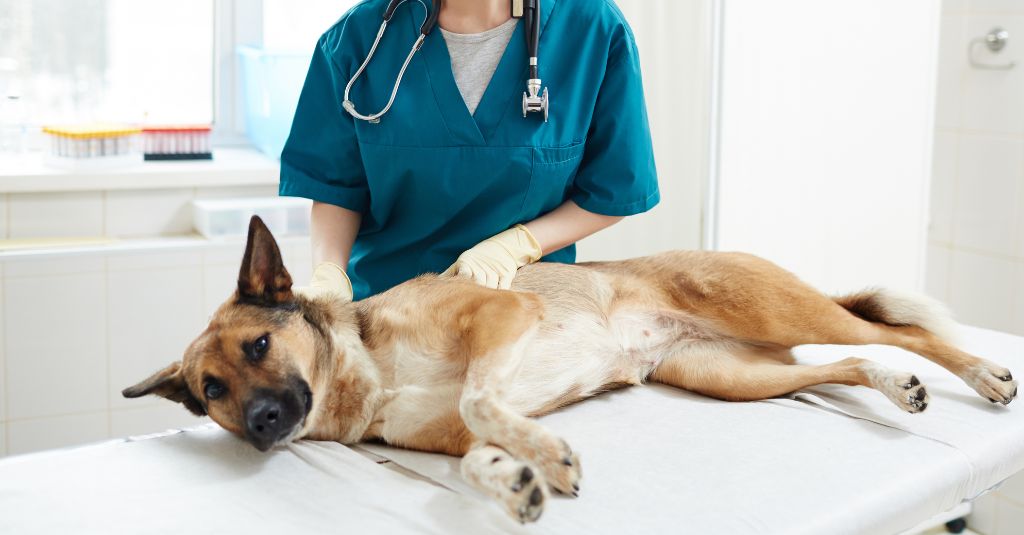
When a dog begins limping, slowing down on walks, or avoiding putting weight on one of its legs, it is quite common for us to think about common causes such as arthritis or even a minor injury or arthritis. However, if lameness is persistent or unexplained, especially when pain or swelling is also present, the pet deserves veterinary attention.
Unfortunately, one of the possible causes can be osteosarcoma. It is an aggressive form of bone cancer and the most common malignant bone tumor diagnosed in dogs. It can cause pain at the affected site and tends to spread, or metastasize, to other areas of the body.
Thus, recognizing changes in your pet’s normal movement and comfort does not mean assuming the worst, as many orthopedic conditions can cause similar symptoms. Instead, it is important to know what is normal or not to help you recognize when a change persists long enough that further investigation is needed.
What Is Osteosarcoma in Dogs?
Canine osteosarcoma is a malignant tumor arising from the cells that form the bones. This cancer produces abnormal bone tissue and at the same time progressively damages the normal bone, which can make the affected area painful and structurally weaker.
It can develop in different bones, but in dogs it frequently affects the limbs, particularly the long bones, which is called appendicular osteosarcoma. Osteosarcoma can also occur in other locations, including the skull, jaw, ribs, pelvis, vertebrae, etc.
Osteosarcoma is considered aggressive for two important reasons. First, the primary tumor can cause substantial local bone destruction, pain, and sometimes a pathologic fracture, meaning the weakened bone breaks with relatively little trauma. Second, osteosarcoma has a high metastatic potential.
The lungs are one of the most common sites of metastasis. Importantly, a dog may already have microscopic metastatic disease even when chest imaging does not reveal visible tumors. This is one reason treatment often involves both local control of the primary tumor and systemic treatment aimed at metastatic disease.
Osteosarcoma accounts for the majority of primary malignant bone tumors diagnosed in dogs.
There is no single known cause of osteosarcoma in dogs; a combination of genetic, biological, and physical factors may play a role.
Research has shown that large and giant-breed dogs such as Rottweilers, Great Danes, Irish Wolfhounds, Greyhounds, Golden Retrievers, and German Shepherds have a substantially greater risk of developing osteosarcoma than smaller dogs. Research has also identified breed-related differences, suggesting that genetics contribute to susceptibility.
Age also may play a role, as osteosarcoma is more commonly diagnosed in middle-aged and older dogs, although young dogs can also develop the disease.
Other potential conditions have been investigated, such as body condition (obesity), previous orthopedic disease, sex, and neuter status.
You may notice:
The diagnosis generally includes a detailed medical history and physical examination by your veterinarian that will check the overall health, painful area, and might assess gait, the joint movements, swelling, muscle mass, etc.
X-rays may show characteristic changes in the affected bone that are related to osteosarcoma. Additional imaging may be recommended, such as a CT scan.
Your vet may also recommend collecting cells or tissue from the affected area for a bone biopsy that will allow the tissue to be examined by a veterinary pathologist and can provide a definitive diagnosis.
Additional testing may also be performed to determine if there is evidence of cancer spread or metastases. This process is called staging and can include imaging of the chest, bloodwork, and other diagnostic tests as needed.
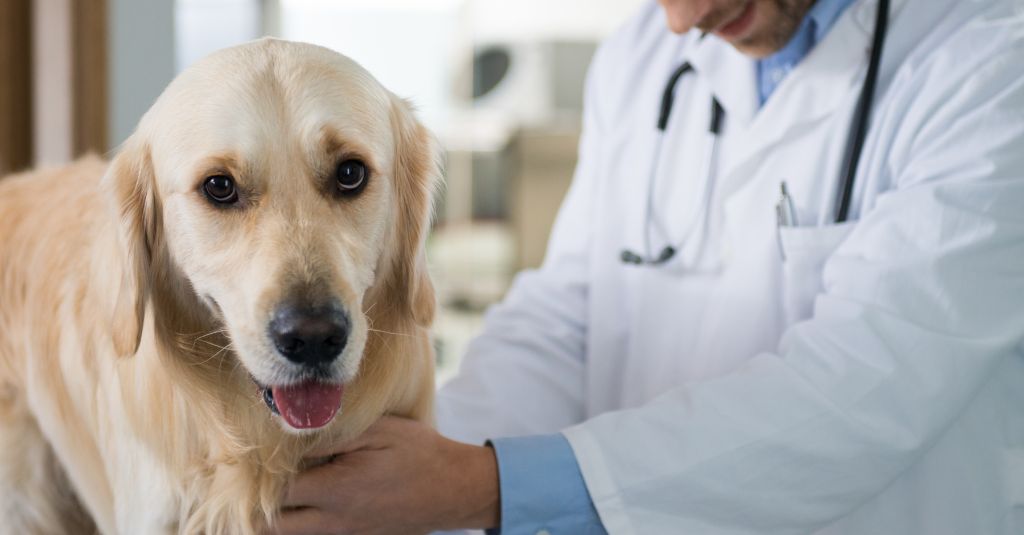
Treatment of osteosarcoma in dogs will depend on the affected location, stage of disease, overall health, mobility, and individual needs. For the affected limb, amputation is usually done to remove the primary tumor and also to control pain. Many dogs can adapt well to three-legged mobility. Unfortunately, osteosarcoma has a high risk of metastasis. Thus, chemotherapy is usually performed after surgery to try to address microscopic metastatic disease. Other options may include radiation therapy and palliative approaches when surgery is not recommended. A veterinary oncologist is the best person to help determine which options are the most appropriate based on each individual dog’s needs.
The prognosis varies between dogs and depends on many factors such as the tumor location, whether there is metastasis, treatment, and the dog’s overall health.
Quality of life is also very important because this type of cancer can be painful. Therefore, pain management, keeping the dog comfortable, appetite, activity levels, and interaction with family should be regularly assessed.
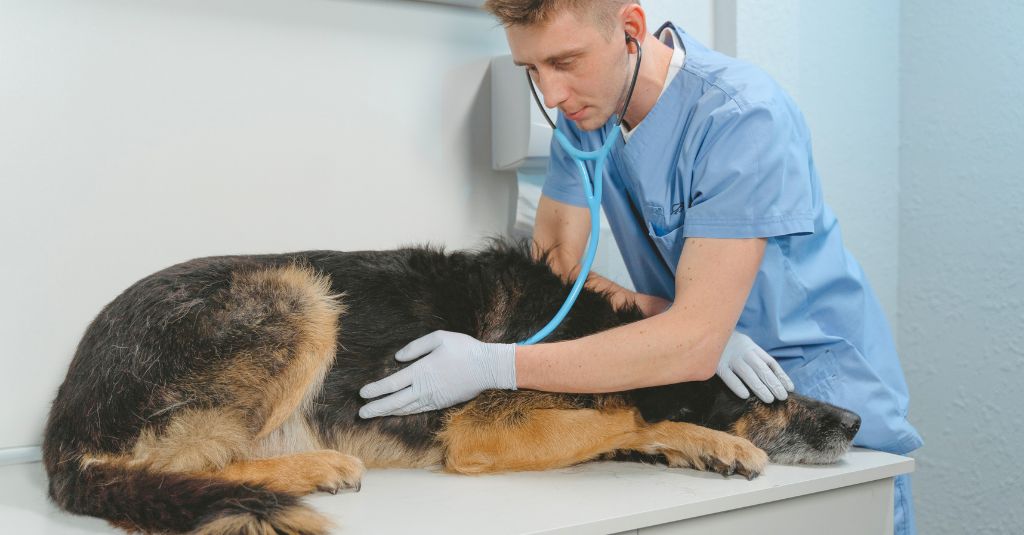
Alongside veterinary cancer treatment, supportive care may help maintain comfort and overall wellness; this can include appropriate nutrition and hydration, healthy body condition, comfortable bedding and non-slip flooring, ramps or mobility assistance, pain management, monitoring appetite, etc.
For families interested in an integrative approach, the NHV Osteosarcoma Super Kit may be incorporated as complementary support alongside veterinary care.
The kit includes NHV Natures Immuno, which contains medicinal mushroom extracts that help support and modulate normal immune function. It is an important part of supporting the body during serious illness such as osteosarcoma.
NHV ES-Clear provides herbal support for immune health and the body’s natural elimination processes, which can be particularly valuable when supporting overall wellness during cancer care.
NHV Yucca helps support a normal inflammatory response, appetite, digestion, and comfort, which may be especially helpful for pets experiencing discomfort or reduced appetite.
Together, these formulas provide broader supportive care for immune function, comfort, appetite, and overall quality of life while a dog undergoes veterinarian-directed treatment for osteosarcoma. The supplements are intended to support overall wellness based on the supportive properties of their herbal ingredients. However, they should not be considered a replacement for veterinary cancer treatment.
Osteosarcoma can be an aggressive cancer, and when it is diagnosed, treatment and supportive care should be individualized to take into consideration both cancer management and quality of life.
cancer support
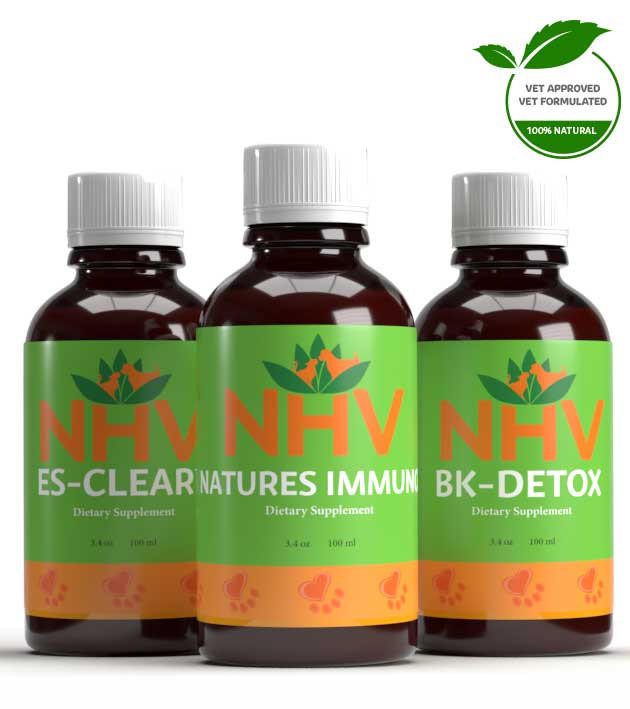
ES Clear, Natures Immuno & BK-Detox
bundle and save with pet expert kits
3 month supply for a small to medium size pet
What is it?
Our Pet Cancer Immunity Plus Kit is formulated to provide your pet with that extra support so they can keep fighting!
How does it work?
Why trust it?
NHV is proud to have supported 1000s of families during their pet's cancer treatment.


What is it?
Our Pet Cancer Immunity Plus Kit is formulated to provide your pet with that extra support so they can keep fighting!
How does it work?
Why trust it?
NHV is proud to have supported 1000s of families during their pet's cancer treatment.
Cancer may sound scary but it doesn’t necessarily mean a death sentence for your pet. Surgery, chemotherapy, and nutrient therapy can all be used to maintain and improve their quality of life.
Cancer is an umbrella term for diseases that lead to the development of abnormal cells that destroy normal tissue. There are over 100 types of cancers in pets. There are no known causes for cancer, however, diet, environmental factors, age, and genetics all play key roles in how disease develops in the body.
Who wants to hear that their pet has cancer? It may be a serious diagnosis but it is not the end of the road! If caught early, and with a lot of love and care, your pet may have a lot of life still to live! Our Pet Cancer Immunity Plus Kit which contains ES-Clear, Natures Immuno, and BK-Detox can be used for proactive pet care as well as be helpful for cancer and more severe conditions where their immune system may be severely weakened. NHV supplements are formulated to be used alongside conventional veterinary treatments and chemotherapy to support gentle detoxification as well as add extra immune support.
When your pet is diagnosed with cancer, their lymphatic system and immune system may become weakened from chemo or other vet-prescribed cancer drugs. Our Pet Cancer Immunity Plus Kit is formulated to address the areas of the body affected by cancer and degenerative disease. This bundle contains ES-Clear, Natures Immuno, and BK-Detox.
ES-Clear is our leading cancer support for pets. Herbs like burdock and Chinese rhubarb help detoxify the liver and other vital organs. And ingredients like Sheep's sorrel and slippery elm are highly beneficial for their nutritional qualities and stimulating immune cell function. Natures Immuno's blend of medicinal mushrooms helps enhance the effects of chemotherapy and at the same time gently supports and helps to rebuild the immune system. It encourages the body's natural defenses against chronic infections, autoimmune disorders, and more. Shitake mushrooms contain vital nutrients that support effective immune functioning and help to boost white blood cell production. Mushrooms like Reishi and Agaricus are being used in combination with chemotherapy by oncologists in Japan and China to fight cancer in humans. Turkey Tail and Cordyceps mushrooms are widely studied for their anti-tumor properties. With herbs like cleavers and prickly ash, BK-Detox helps flush the entire lymphatic system of metabolic wastes (especially areas of the body with scar tissue or swelling. Its blend of detoxifying herbs encourages the body to cleanse, detoxify, and build new blood cells.
With NHV Supplements, you can give your furry friend the extra support they need to help repair their immune system and help them keep fighting! All of our care products are created with 100% organic and wildcrafted ingredients and can be use safely alongside chemotherapy. If you have any questions about cancer or holistic remedies, Get in touch with an NHV Pet Expert - we’re here to support you every step of the way!
Made with the finest, organically grown, or ethically harvested herbs. Made specifically for pets, vet-formulated and vet approved.
Select your pet's weight to determine the correct dose.
To be taken twice daily. Determine your pet’s weight and then use the easy chart below to determine the correct dose. This is the minimum dosage.
Pet's Weight Dosage
0 - 15 lb = 0.5 ml
16 - 30 lb = 1.0 ml
31 - 45 lb = 1.5 ml
46 - 60 lb = 2.0 ml
61 - 75 lb = 2.5 ml
Over 75 lb = 3.0 ml
For small animals (rabbits, ferrets), avians and reptiles use 1 drop for every 2 lb of body weight.
How to Administer
Shake well before use. The easiest method is to use the dropper provided and place the drops into your pet’s food or favorite treat. You can also use the dropper and squirt directly into the pet’s mouth. Some pets can be finicky, if this occurs consider hiding the drops in foods most pet’s love such as fish, chicken or yogurt or a favorite treat. If your pet only eats dry food then soak a few kibbles at feeding time.
For Best Results
Herbal dietary supplements are beneficial to the health and well-being of your pet and are safe for long-term use. Every pet responds to natural herbal supplements differently, therefore it is important to be consistent and administer the product daily. Supplements generally take two to four weeks to take effect, however this will vary from one animal to the next.
Product Storage
All NHV Natural Pet Products are pure herbal extracts and contain no artificial additives, preservatives or coloring. Shelf life after opening is 6 months and must be refrigerated after opening.
All information provided by NHV Natural Pet Products is for educational purposes only.
Cancer may sound scary but it doesn’t necessarily mean a death sentence for your pet. Surgery, chemotherapy, and nutrient therapy can all be used to maintain and improve their quality of life.
Cancer is an umbrella term for diseases that lead to the development of abnormal cells that destroy normal tissue. There are over 100 types of cancers in pets. There are no known causes for cancer, however, diet, environmental factors, age, and genetics all play key roles in how disease develops in the body.
Who wants to hear that their pet has cancer? It may be a serious diagnosis but it is not the end of the road! If caught early, and with a lot of love and care, your pet may have a lot of life still to live! Our Pet Cancer Immunity Plus Kit which contains ES-Clear, Natures Immuno, and BK-Detox can be used for proactive pet care as well as be helpful for cancer and more severe conditions where their immune system may be severely weakened. NHV supplements are formulated to be used alongside conventional veterinary treatments and chemotherapy to support gentle detoxification as well as add extra immune support.
When your pet is diagnosed with cancer, their lymphatic system and immune system may become weakened from chemo or other vet-prescribed cancer drugs. Our Pet Cancer Immunity Plus Kit is formulated to address the areas of the body affected by cancer and degenerative disease. This bundle contains ES-Clear, Natures Immuno, and BK-Detox.
ES-Clear is our leading cancer support for pets. Herbs like burdock and Chinese rhubarb help detoxify the liver and other vital organs. And ingredients like Sheep's sorrel and slippery elm are highly beneficial for their nutritional qualities and stimulating immune cell function. Natures Immuno's blend of medicinal mushrooms helps enhance the effects of chemotherapy and at the same time gently supports and helps to rebuild the immune system. It encourages the body's natural defenses against chronic infections, autoimmune disorders, and more. Shitake mushrooms contain vital nutrients that support effective immune functioning and help to boost white blood cell production. Mushrooms like Reishi and Agaricus are being used in combination with chemotherapy by oncologists in Japan and China to fight cancer in humans. Turkey Tail and Cordyceps mushrooms are widely studied for their anti-tumor properties. With herbs like cleavers and prickly ash, BK-Detox helps flush the entire lymphatic system of metabolic wastes (especially areas of the body with scar tissue or swelling. Its blend of detoxifying herbs encourages the body to cleanse, detoxify, and build new blood cells.
With NHV Supplements, you can give your furry friend the extra support they need to help repair their immune system and help them keep fighting! All of our care products are created with 100% organic and wildcrafted ingredients and can be use safely alongside chemotherapy. If you have any questions about cancer or holistic remedies, Get in touch with an NHV Pet Expert - we’re here to support you every step of the way!
Made with the finest, organically grown, or ethically harvested herbs. Made specifically for pets, vet-formulated and vet approved.
Select your pet's weight to determine the correct dose.
To be taken twice daily. Determine your pet’s weight and then use the easy chart below to determine the correct dose. This is the minimum dosage.
Pet's Weight Dosage
0 - 15 lb = 0.5 ml
16 - 30 lb = 1.0 ml
31 - 45 lb = 1.5 ml
46 - 60 lb = 2.0 ml
61 - 75 lb = 2.5 ml
Over 75 lb = 3.0 ml
For small animals (rabbits, ferrets), avians and reptiles use 1 drop for every 2 lb of body weight.
How to Administer
Shake well before use. The easiest method is to use the dropper provided and place the drops into your pet’s food or favorite treat. You can also use the dropper and squirt directly into the pet’s mouth. Some pets can be finicky, if this occurs consider hiding the drops in foods most pet’s love such as fish, chicken or yogurt or a favorite treat. If your pet only eats dry food then soak a few kibbles at feeding time.
For Best Results
Herbal dietary supplements are beneficial to the health and well-being of your pet and are safe for long-term use. Every pet responds to natural herbal supplements differently, therefore it is important to be consistent and administer the product daily. Supplements generally take two to four weeks to take effect, however this will vary from one animal to the next.
Product Storage
All NHV Natural Pet Products are pure herbal extracts and contain no artificial additives, preservatives or coloring. Shelf life after opening is 6 months and must be refrigerated after opening.
All information provided by NHV Natural Pet Products is for educational purposes only.
medicinal mushroom blend
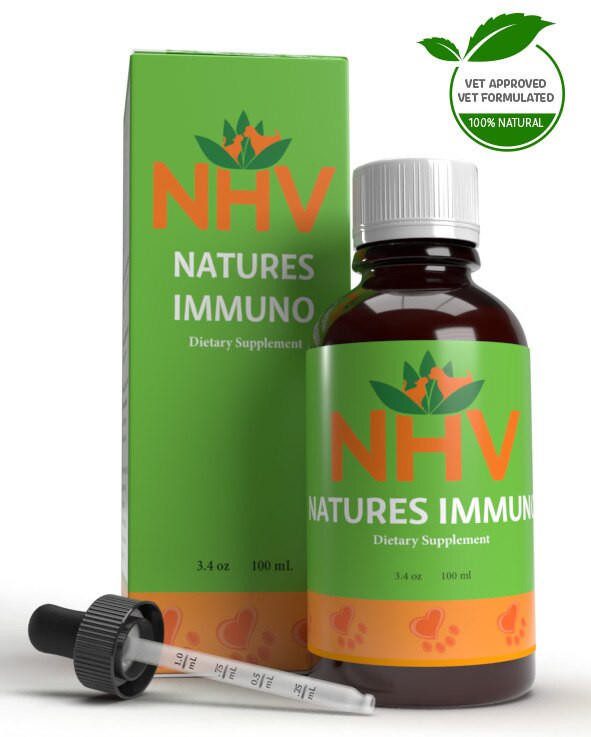
Vet-Formulated Supplement of Medicinal Mushrooms for Dogs
buy 2 and save $3
3 month supply for a small to medium size pet
What Is It?
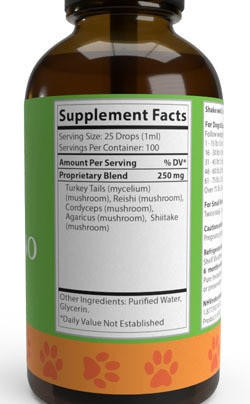
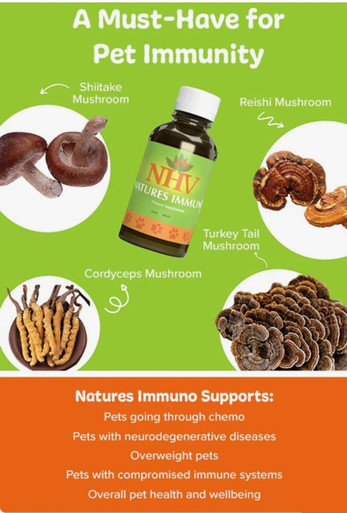
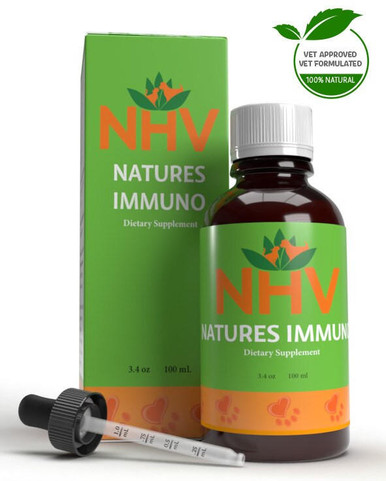
Natures Immuno is a natural supplement formulated for dogs from Turkey Tail, Cordyceps, Reishi, Shiitake, and Agaricus mushrooms.
How Does it Work?
Why Should I Trust It?
Formulated by a holistic veterinarian and master herbalist.
What Is It?
Natures Immuno is a natural supplement formulated for dogs from Turkey Tail, Cordyceps, Reishi, Shiitake, and Agaricus mushrooms.
How Does it Work?
Why Should I Trust It?
Formulated by a holistic veterinarian and master herbalist.
Natures Immuno is formulated for dogs from Turkey Tail, Cordyceps, Reishi, Shiitake, and Agaricus mushrooms by a holistic veterinarian and master herbalist. Medicinal mushrooms like these have been used for thousands of years in Chinese medicine as well as traditional herbalism. Researchers around the globe are now studying their potential in helping with cancer, balancing the immune system, and helping with digestive problems and more.
Natures Immuno Medicinal Mushroom blend for dogs also helps:
Medicinal mushrooms and mushroom extracts are used worldwide to help fight cancer and to help enhance and modulate the immune response of both people and animals. NHV’s mushroom blend contains 5 species of medicinal mushrooms for dogs, which have a long history of use, are well studied, and have been credited with having success against cancer as well as having antioxidant, hypocholesterolemia, anti-tumor, immunomodulatory, anti-allergic, nephroprotective, prebiotic, immunostimulant, anti-inflammatory, cardiovascular, and anti-diabetic properties
Properties of these Medicinal Mushrooms
Benefits of Natures Immuno Medicinal Mushrooms Blend for Dogs
You can read more about medicinal mushrooms for dogs and how they help give added support to pets for cancer and immunity.
NHV carries a wide range of holistic, natural vet-approved remedies that provide support along with a vet-recommended treatment plan. If you have questions about any of our plant-based supplements, ask an NHV expert, because, at NHV, we want your pet to live healthier and longer naturally.
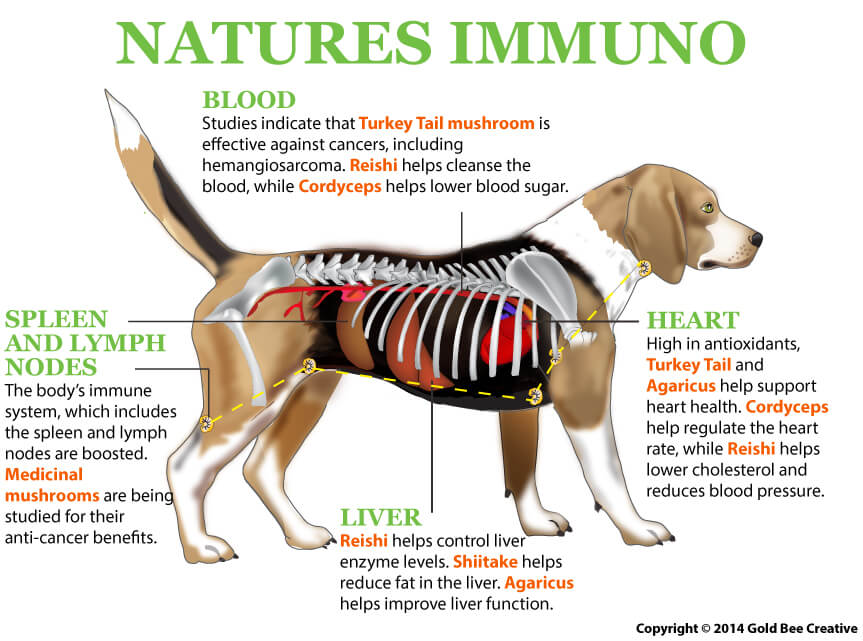
Turkey Tail mushroom is native to Asia, North America, and Europe. It has a long history of use in traditional herbalism and is currently being studied for its health benefits, including its value in fighting cancer. Research has shown that Turkey Tail is beneficial for many types of cancer as it contains properties that help fight cancer cells while helping to strengthen the immune system. Turkey tail mushroom for dogs has shown to be beneficial in spleen and liver hemangiosarcoma in dogs. It is also useful for heart health, lowering cholesterol, digestive issues, and skin problems.
Cordyceps mushroom is very rich in phytonutrients. Research has indicated that these mushrooms demonstrate anti-tumor, immune enhancing and hypoglycemic activity. It has anti-inflammatory, antioxidant, anti-tumor, anti-cancer, antimetastatic, and antiviral properties. It is very useful for diabetes as it helps lower blood sugar. Cordyceps also help enhance lymphocyte activity, which balance the immune system.
Reishi mushroom has been used for thousands of years in traditional Chinese medicine. It helps detoxify the blood, helps lower cholesterol and reduces blood pressure. It is also beneficial for the lymphatic system, which helps with a dog’s immunity.
Shiitake mushroom is a popular ingredient in cooking and is highly valued in traditional herbalism for its immune stimulating properties. It helps reduce fat in the liver, helps lower cholesterol, and is beneficial for heart health as it aids in reducing plaque in the arteries. Shiitake may help inhibit the growth of leukemia cells. Shiitake is also a good source of protein, vitamins, and minerals.
Agaricus mushroom is cultivated widely for dietary supplements and culinary purposes. Agaricus is useful for bone health, and helps with insulin production and helps with liver function. Agaricus is considered an adaptogen, which helps combat stress and supports the endocrine functions. This mushroom is currently used in Japan as an adjunctive with chemotherapy treatments.
Select your pet's weight to determine the correct dose.
To be taken twice daily.
Determine your pet’s weight and then use the easy chart below to determine the correct dose. You can safely double the recommended dosage.
Pet's Weight Dosage
0 - 15 lb 0.5 mL
16 - 30 lb 1.0 mL
31 - 45 lb 1.5 mL
46 - 60 lb 2.0 mL
61 - 75 lb 2.5 mL
Over 75 lb 3.0 mL
For small animals (rabbits, ferrets), avians and reptiles use 1 drop for every 2 lb of body weight.
How to Administer
Shake well before use. The easiest method is to use the dropper provided and place the drops into your pet’s food or favorite treat. You can also use the dropper and squirt directly into the pet’s mouth. Some pets can be finicky, if this occurs consider hiding the drops in foods most pet’s love such as fish, chicken, yogurt, or a favorite treat. If your pet only eats dry food then soak a few kibbles at feeding time.
For Best Results
Herbal dietary supplements are beneficial to the health and well-being of your pet and are safe for long-term use. Every pet responds to natural herbal supplements differently, therefore it is important to be consistent and administer the product daily. Supplements generally take two to four weeks to take effect, however this will vary from one animal to the next.
Product Storage
All NHV Natural Pet Products are pure herbal extracts and contain no artificial additives, preservatives or coloring. Shelf life after opening is 6 months and must be refrigerated after opening.
Natures Immuno is formulated for dogs from Turkey Tail, Cordyceps, Reishi, Shiitake, and Agaricus mushrooms by a holistic veterinarian and master herbalist. Medicinal mushrooms like these have been used for thousands of years in Chinese medicine as well as traditional herbalism. Researchers around the globe are now studying their potential in helping with cancer, balancing the immune system, and helping with digestive problems and more.
Natures Immuno Medicinal Mushroom blend for dogs also helps:
Medicinal mushrooms and mushroom extracts are used worldwide to help fight cancer and to help enhance and modulate the immune response of both people and animals. NHV’s mushroom blend contains 5 species of medicinal mushrooms for dogs, which have a long history of use, are well studied, and have been credited with having success against cancer as well as having antioxidant, hypocholesterolemia, anti-tumor, immunomodulatory, anti-allergic, nephroprotective, prebiotic, immunostimulant, anti-inflammatory, cardiovascular, and anti-diabetic properties
Properties of these Medicinal Mushrooms
Benefits of Natures Immuno Medicinal Mushrooms Blend for Dogs
You can read more about medicinal mushrooms for dogs and how they help give added support to pets for cancer and immunity.
NHV carries a wide range of holistic, natural vet-approved remedies that provide support along with a vet-recommended treatment plan. If you have questions about any of our plant-based supplements, ask an NHV expert, because, at NHV, we want your pet to live healthier and longer naturally.
Turkey Tail mushroom is native to Asia, North America, and Europe. It has a long history of use in traditional herbalism and is currently being studied for its health benefits, including its value in fighting cancer. Research has shown that Turkey Tail is beneficial for many types of cancer as it contains properties that help fight cancer cells while helping to strengthen the immune system. Turkey tail mushroom for dogs has shown to be beneficial in spleen and liver hemangiosarcoma in dogs. It is also useful for heart health, lowering cholesterol, digestive issues, and skin problems.
Cordyceps mushroom is very rich in phytonutrients. Research has indicated that these mushrooms demonstrate anti-tumor, immune enhancing and hypoglycemic activity. It has anti-inflammatory, antioxidant, anti-tumor, anti-cancer, antimetastatic, and antiviral properties. It is very useful for diabetes as it helps lower blood sugar. Cordyceps also help enhance lymphocyte activity, which balance the immune system.
Reishi mushroom has been used for thousands of years in traditional Chinese medicine. It helps detoxify the blood, helps lower cholesterol and reduces blood pressure. It is also beneficial for the lymphatic system, which helps with a dog’s immunity.
Shiitake mushroom is a popular ingredient in cooking and is highly valued in traditional herbalism for its immune stimulating properties. It helps reduce fat in the liver, helps lower cholesterol, and is beneficial for heart health as it aids in reducing plaque in the arteries. Shiitake may help inhibit the growth of leukemia cells. Shiitake is also a good source of protein, vitamins, and minerals.
Agaricus mushroom is cultivated widely for dietary supplements and culinary purposes. Agaricus is useful for bone health, and helps with insulin production and helps with liver function. Agaricus is considered an adaptogen, which helps combat stress and supports the endocrine functions. This mushroom is currently used in Japan as an adjunctive with chemotherapy treatments.
Select your pet's weight to determine the correct dose.
To be taken twice daily.
Determine your pet’s weight and then use the easy chart below to determine the correct dose. You can safely double the recommended dosage.
Pet's Weight Dosage
0 - 15 lb 0.5 mL
16 - 30 lb 1.0 mL
31 - 45 lb 1.5 mL
46 - 60 lb 2.0 mL
61 - 75 lb 2.5 mL
Over 75 lb 3.0 mL
For small animals (rabbits, ferrets), avians and reptiles use 1 drop for every 2 lb of body weight.
How to Administer
Shake well before use. The easiest method is to use the dropper provided and place the drops into your pet’s food or favorite treat. You can also use the dropper and squirt directly into the pet’s mouth. Some pets can be finicky, if this occurs consider hiding the drops in foods most pet’s love such as fish, chicken, yogurt, or a favorite treat. If your pet only eats dry food then soak a few kibbles at feeding time.
For Best Results
Herbal dietary supplements are beneficial to the health and well-being of your pet and are safe for long-term use. Every pet responds to natural herbal supplements differently, therefore it is important to be consistent and administer the product daily. Supplements generally take two to four weeks to take effect, however this will vary from one animal to the next.
Product Storage
All NHV Natural Pet Products are pure herbal extracts and contain no artificial additives, preservatives or coloring. Shelf life after opening is 6 months and must be refrigerated after opening.
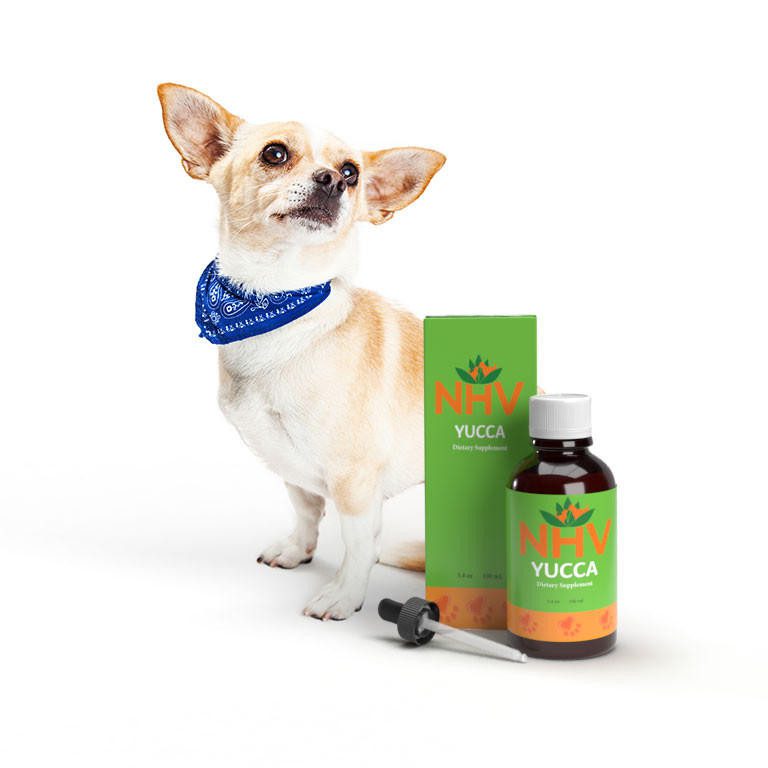
Yucca - help improve a pets appetite when necessary and supports digestions and help with pain and inflammation.
Yucca - help improve a pets appetite when necessary and supports digestions and help with pain and inflammation.