immune & allergy support
Stimmune for cats
USD $46.95
free shipping over $100 (USA & Canada)
1-877-937-4372 the pet expert hotline


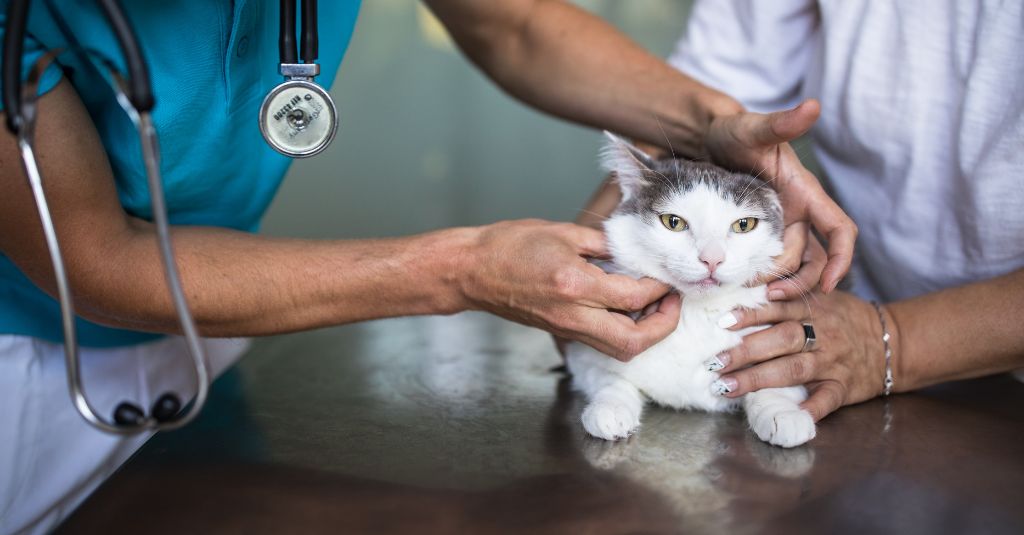
Rhinitis in cats, also known as feline rhinitis, refers to inflammation of the nasal passages. This condition commonly affects the upper respiratory tract and is one of the most frequent causes of sneezing, runny nose, and nasal congestion in cats.
This condition is often part of a broader cat respiratory infection, commonly referred to as an upper respiratory infection.
Acute rhinitis in cats: It is typically short-term and often caused by viral infections. Symptoms may be resolved within days to weeks.
Chronic rhinitis in cats: It is a long-lasting or recurrent inflammation. This can occur when initial infections cause permanent changes to the nasal tissues or when underlying conditions persist.
Rhinitis affects the nasal passages while sinusitis involves the sinuses (air-filled spaces in the skull). It is important to note that many cats experience rhinosinusitis, where both areas are affected.
It can be developed from multiple underlying causes, often involving infection or inflammation. For example:
These conditions trigger inflammation in the nasal lining, leading to increased mucus production (runny nose), swelling of nasal tissues (congestion and irritation), and sneezing.
Mild to Moderate Signs: sneezing (frequent or intermittent) and clear or cloudy nasal discharge (runny nose).
Mild Cat Congestion: noisy breathing and reduced appetite (due to decreased sense of smell).
Moderate to Severe Signs: thick, yellow or green nasal discharge, eye discharge (often accompanies URIs), lethargy, fever and mouth breathing (due to severe nasal blockage).
Chronic Rhinitis Signs: persistent cat sneezing, ongoing nasal discharge, intermittent flare-ups and reduced quality of life if untreated.
Diagnosis begins with a thorough veterinary evaluation.
Initial Assessment: physical exam, medical history (duration, recurrence, environment).
Basic Diagnostics: nasal and ocular discharge evaluation, blood work (if systemic illness suspected)
Advanced Diagnostics (for chronic or severe cases): imaging (X-rays or CT scan), rhinoscopy (camera examination of nasal passages), biopsy or culture, and PCR testing for viral pathogens.
These steps help differentiate between infections, allergies, structural issues, and more serious conditions like tumors.
Rhinitis treatment depends on the underlying cause and whether the condition is acute or chronic.
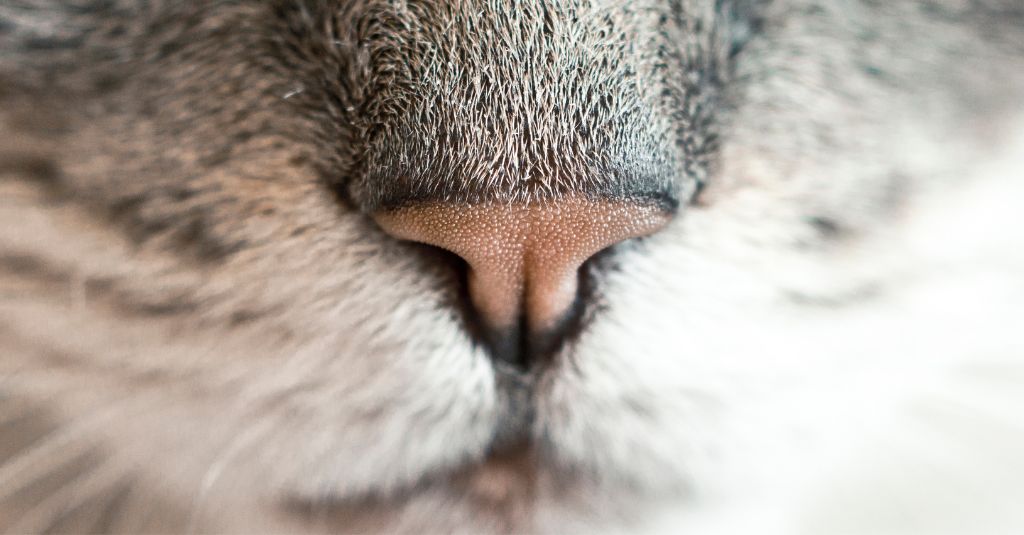
Natural products can support respiratory health, especially in chronic or recurring cases.
NHV Resp-Aid: An herbal blend designed to support respiratory function, reduce inflammation, and promote easier breathing in cats with ongoing cat congestion or chronic rhinitis feline conditions.
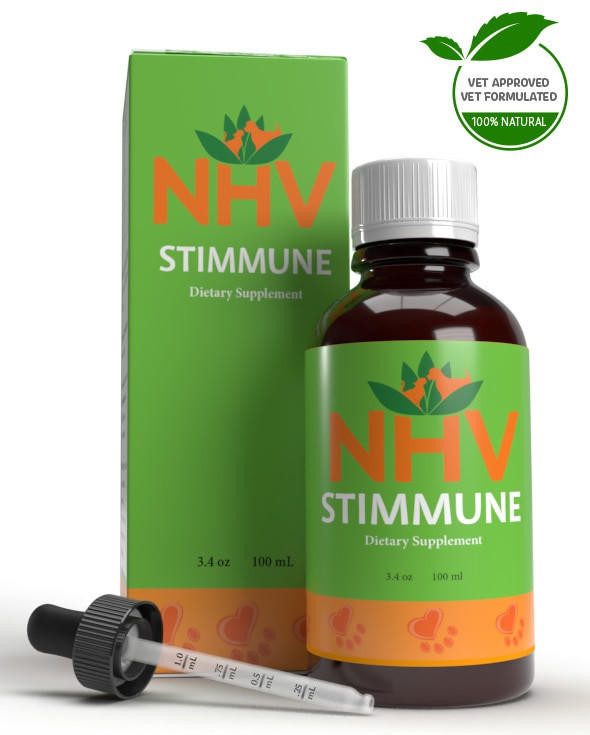
NHV Stimmune: A natural herbal supplement designed to support and modulate the immune system in cats. In cases of rhinitis, especially those linked to viral infections like feline herpesvirus, it may help the body’s immune response, reduce the frequency of flare-ups, and support overall respiratory health. It can be used alongside conventional treatments as part of a holistic approach to managing chronic or recurrent rhinitis.
It’s important to note that while natural support can be helpful, moderate to severe infections often require conventional veterinary treatment, especially in cases of upper respiratory infection in cats.
A common question from pet parents is: What is the life expectancy of cats with chronic rhinitis?
The good news is that most cats with chronic rhinitis can live normal lives; the condition is typically manageable rather than life-threatening. However, flare-ups may occur, thus long-term management is often needed. Thus, with proper care, many cats remain comfortable and maintain a good quality of life.
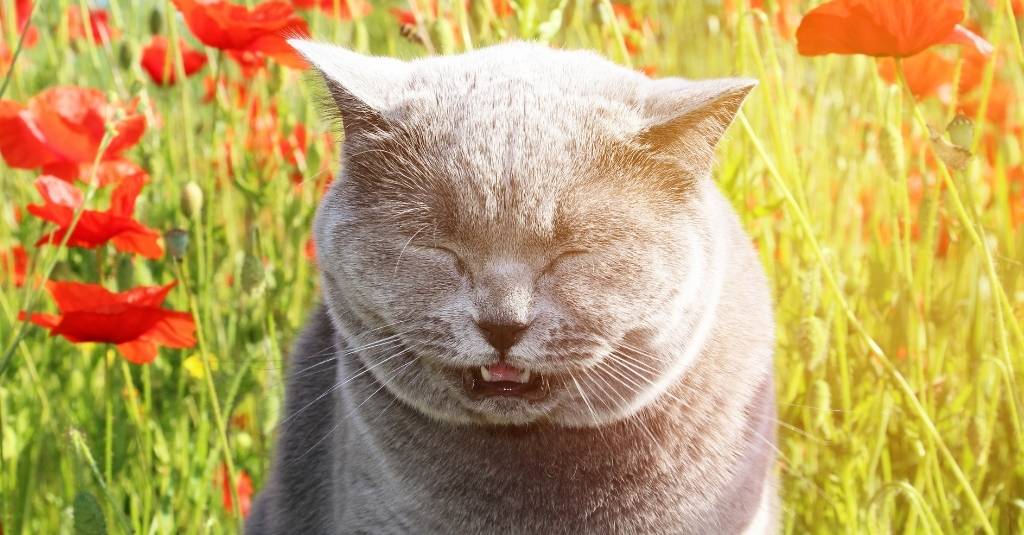
Rhinitis in cats is a very common condition that ranges from mild, short-term irritation to long-term chronic rhinitis in cats. It is often associated with cat respiratory infection, leading to symptoms like cat sneezing, cat runny nose, and cat nasal congestion.
Thus, understanding the underlying cause is key to effective rhinitis in cats treatment. While acute cases may resolve quickly, chronic conditions require ongoing management and support. The most important steps you can take are to seek early veterinary evaluation, follow a tailored treatment plan, and provide supportive care at home. With the right approach, cats with chronic rhinitis may live happy, comfortable lives.
immune & allergy support
Holistic Remedy for Food Allergies and Immune Support in Cats
buy 2 and save $3
3 month supply for a small to medium size
What is it?
A natural supplement to help your cat overcome food allergies, skin allergies, and fight infection.
How does it help?
Why trust it?
NHV Stimmune contains only human-grade ingredients that are organic or wildcrafted.


What is it?
A natural supplement to help your cat overcome food allergies, skin allergies, and fight infection.
How does it help?
Why trust it?
NHV Stimmune contains only human-grade ingredients that are organic or wildcrafted.
Cats can be allergic to the things they eat and touch, just like people can. With NHV’s Stimmune, your kitty will get potent immune supporting herbs that help support your cat with food allergy reactions, as well as reactions related to fleas, dermatitis, insect bites, diet, and exposure to chemicals and drugs. For seasonal or environmental allergies, please try Alge-Ex for a remedy specifically formulated for your cat.
At NHV, all of our pet products are formulated by a master herbalist as well as a holistic veterinarian having more than 20 years of experience. Some ingredients are even wild-crafted which means they were ethically harvested from their natural environment. Our products are also safe for long-term use and are supplements that animals like to take, including finicky kitties.
If you have questions about holistic remedies for cat allergies to food or any of our wide variety of products, you can ask an NHV expert. Our very supportive professional team of pet experts are here to help and recommend supplements because, at NHV, we want your kitty feeling pawtastic naturally!
Stimmune Is Also Helpful for:
Cats can get food allergies from their diet, and other allergies from their environment when allergens are inhaled, ingested, or absorbed by the body. Once this happens, the immune system overreacts, and this is when your kitty will need extra balance and support.
Read about a senior cat’s Helenda’s transformation using Stimmune.
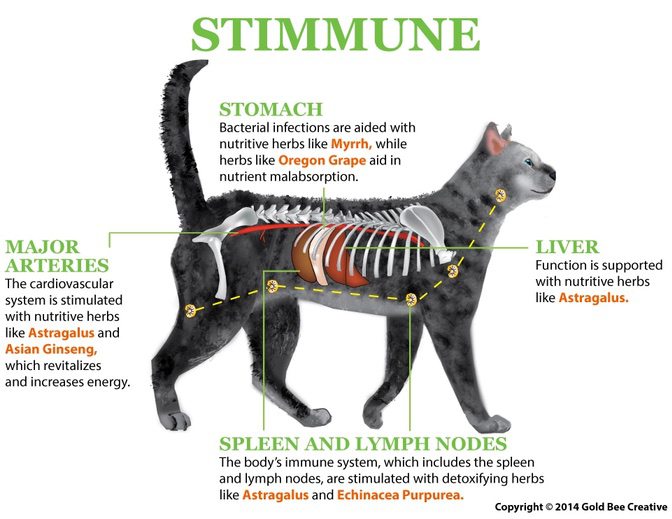
How NHV’s Stimmune Helps Allergies in Cats
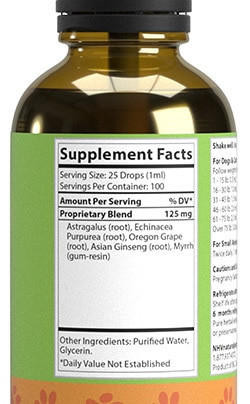
Stimmune promotes healthy immune activity and histamine response with five natural herbs formulated to reduce environmental allergies in cats.
Stimmune provides support in addition to conventional treatment for all forms of allergies including pollen allergies in cats.
Select your pet's weight to determine the correct dose.
Cats can be allergic to the things they eat and touch, just like people can. With NHV’s Stimmune, your kitty will get potent immune supporting herbs that help support your cat with food allergy reactions, as well as reactions related to fleas, dermatitis, insect bites, diet, and exposure to chemicals and drugs. For seasonal or environmental allergies, please try Alge-Ex for a remedy specifically formulated for your cat.
At NHV, all of our pet products are formulated by a master herbalist as well as a holistic veterinarian having more than 20 years of experience. Some ingredients are even wild-crafted which means they were ethically harvested from their natural environment. Our products are also safe for long-term use and are supplements that animals like to take, including finicky kitties.
If you have questions about holistic remedies for cat allergies to food or any of our wide variety of products, you can ask an NHV expert. Our very supportive professional team of pet experts are here to help and recommend supplements because, at NHV, we want your kitty feeling pawtastic naturally!
Stimmune Is Also Helpful for:
Cats can get food allergies from their diet, and other allergies from their environment when allergens are inhaled, ingested, or absorbed by the body. Once this happens, the immune system overreacts, and this is when your kitty will need extra balance and support.
Read about a senior cat’s Helenda’s transformation using Stimmune.
How NHV’s Stimmune Helps Allergies in Cats
Stimmune promotes healthy immune activity and histamine response with five natural herbs formulated to reduce environmental allergies in cats.
Stimmune provides support in addition to conventional treatment for all forms of allergies including pollen allergies in cats.
Select your pet's weight to determine the correct dose.
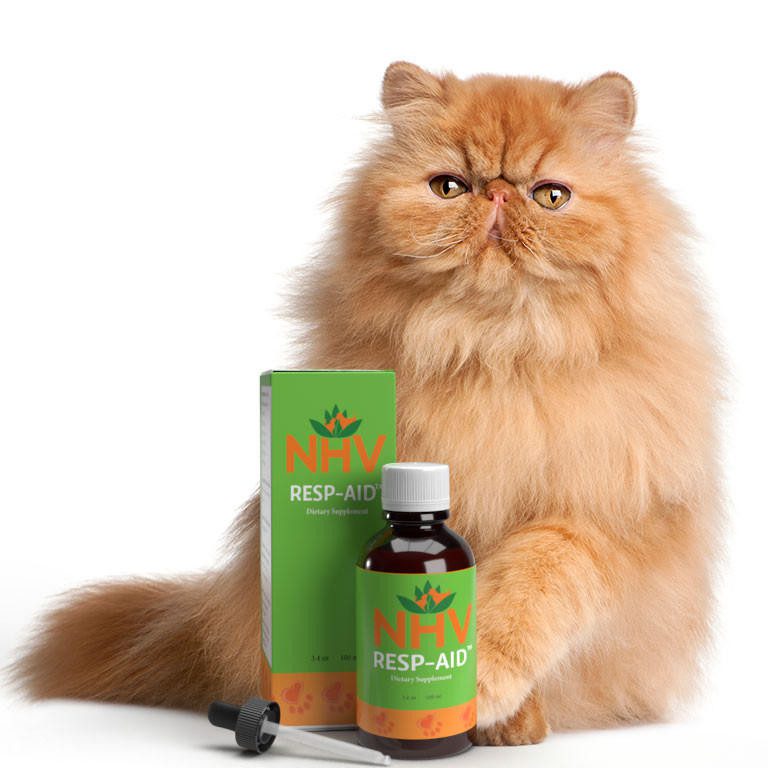
Resp Aid- helps support health respiratory function

Resp Aid- helps support health respiratory function
viral support
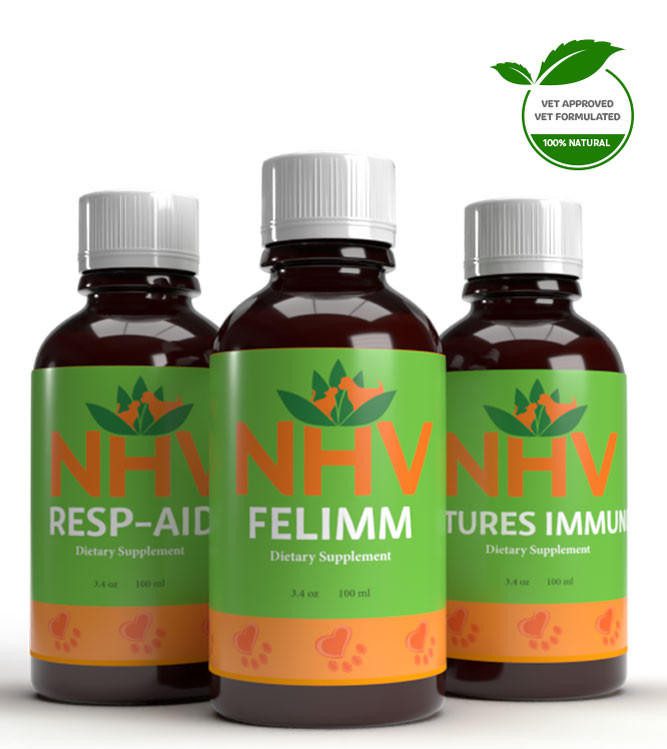
Felimm, Resp-Aid & Natures Immuno
bundle and save with pet expert kits
3 month supply for a small to medium size pet
What is it?
Help soothe inflammation and offer immune support for dogs and cats with NHV’s Viral Infections Fighter Pack - a natural supplement bundle for helping the body control and eliminate viral infections.
How does it work?
Why should I trust it?
We have a team of friendly Pet Experts to help you choose your supplements and offer guidance.
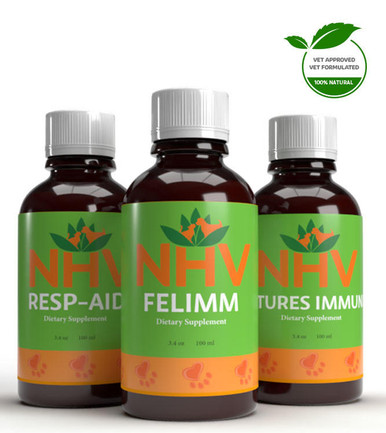
What is it?
Help soothe inflammation and offer immune support for dogs and cats with NHV’s Viral Infections Fighter Pack - a natural supplement bundle for helping the body control and eliminate viral infections.
How does it work?
Why should I trust it?
We have a team of friendly Pet Experts to help you choose your supplements and offer guidance.
Is your furkiddo having chronic infections, persistent itchy skin or having breathing difficulties? Your pet may be suffering from a viral infection.
As pet parents, we all want what's best for our little ones. So if your furkiddo is struggling with a viral infection, there are natural ways to help manage symptoms and promote a faster recovery! With viruses like feline coronavirus or canine influenza, your furry friend may be suffering from constant inflammation and mucus in their body. In that case, there is a high likelihood that an infection may develop and cause their immune system to take a hit, especially if they are already dealing with chronic infections. This weakened immune function may lead to a buildup of toxins in the body. Our Viral Infections Fighter Pack contains Felimm, Resp-aid, and Natures Immuno, which work together to add antiviral support to your furkiddo’s immune system as well as help reduce inflammation, mucus buildup and promote faster recovery.
With viral infections, especially in the respiratory tract, the body's natural healing process involves inflammation, so it can be tough to relieve a persistent cough or congestion that comes with excess mucus. The supplements in this bundle help to soothe inflammation, and help the body recover from infection.
Let’s face it, no one wants to see their furkiddos suffer. That’s why we made all of our care products 100% natural, non-toxic, and made with only the best organic or wild-crafted ingredients. For any questions or concerns about natural approaches to immune support in dogs and cats, don’t hesitate to get in touch with an NHV Pet Expert - we’re always here for you!
Made with the finest, organically grown, or ethically harvested herbs. Made specifically for pets, vet-formulated, and vet approved.
Felimm
Resp-Aid
Natures Immuno
Select your pet's weight to determine the correct dose.
To be taken twice daily. All NHV supplements are designed to be used together, and can therefore be given at once for convenience.
Maintenance Dosage
1 drop for every 2 lb of body weight twice a day up to 50 lb. This is the minimum dosage. We recommend using this dosage when the supplements are being used as proactive care or for general health. When addressing a condition, we recommend using the therapeutic dosage (see below).
Determine your pet’s weight and then use the chart below to determine the correct dose.
Pet's Weight Dosage (twice daily)
0 - 15 lb 0.5 mL
16 - 30 lb 1.0 mL
31 - 45 lb 1.5 mL
46 - 60 lb 2.0 mL
61 - 75 lb 2.5 mL
Over 75 lb 3.0 mL
How to Administer
Shake well before use. The easiest method is to use the dropper provided and squirt directly into the pet’s mouth or add the correct dosage to your pet's food or favorite treat.
Some pets can be finicky, if this occurs consider hiding the drops in foods most pet’s love such as fish, chicken or yogurt or a favorite treat. If your pet only eats dry food then soak a few kibbles at feeding time.
For Best Results
Herbal dietary supplements are beneficial to the health and wellbeing of your pet and are safe for long-term use. Every pet responds to natural herbal supplements differently, therefore it is important to be consistent and administer the product daily. Supplements generally take two to four weeks to take effect, however this will vary from one animal to the another.
Product Storage
All NHV Natural Pet Products are pure herbal extracts and contain no added artificial additives, preservatives or coloring. Shelf life after opening is 6 months and must be refrigerated after opening
Is your furkiddo having chronic infections, persistent itchy skin or having breathing difficulties? Your pet may be suffering from a viral infection.
As pet parents, we all want what's best for our little ones. So if your furkiddo is struggling with a viral infection, there are natural ways to help manage symptoms and promote a faster recovery! With viruses like feline coronavirus or canine influenza, your furry friend may be suffering from constant inflammation and mucus in their body. In that case, there is a high likelihood that an infection may develop and cause their immune system to take a hit, especially if they are already dealing with chronic infections. This weakened immune function may lead to a buildup of toxins in the body. Our Viral Infections Fighter Pack contains Felimm, Resp-aid, and Natures Immuno, which work together to add antiviral support to your furkiddo’s immune system as well as help reduce inflammation, mucus buildup and promote faster recovery.
With viral infections, especially in the respiratory tract, the body's natural healing process involves inflammation, so it can be tough to relieve a persistent cough or congestion that comes with excess mucus. The supplements in this bundle help to soothe inflammation, and help the body recover from infection.
Let’s face it, no one wants to see their furkiddos suffer. That’s why we made all of our care products 100% natural, non-toxic, and made with only the best organic or wild-crafted ingredients. For any questions or concerns about natural approaches to immune support in dogs and cats, don’t hesitate to get in touch with an NHV Pet Expert - we’re always here for you!
Made with the finest, organically grown, or ethically harvested herbs. Made specifically for pets, vet-formulated, and vet approved.
Felimm
Resp-Aid
Natures Immuno
Select your pet's weight to determine the correct dose.
To be taken twice daily. All NHV supplements are designed to be used together, and can therefore be given at once for convenience.
Maintenance Dosage
1 drop for every 2 lb of body weight twice a day up to 50 lb. This is the minimum dosage. We recommend using this dosage when the supplements are being used as proactive care or for general health. When addressing a condition, we recommend using the therapeutic dosage (see below).
Determine your pet’s weight and then use the chart below to determine the correct dose.
Pet's Weight Dosage (twice daily)
0 - 15 lb 0.5 mL
16 - 30 lb 1.0 mL
31 - 45 lb 1.5 mL
46 - 60 lb 2.0 mL
61 - 75 lb 2.5 mL
Over 75 lb 3.0 mL
How to Administer
Shake well before use. The easiest method is to use the dropper provided and squirt directly into the pet’s mouth or add the correct dosage to your pet's food or favorite treat.
Some pets can be finicky, if this occurs consider hiding the drops in foods most pet’s love such as fish, chicken or yogurt or a favorite treat. If your pet only eats dry food then soak a few kibbles at feeding time.
For Best Results
Herbal dietary supplements are beneficial to the health and wellbeing of your pet and are safe for long-term use. Every pet responds to natural herbal supplements differently, therefore it is important to be consistent and administer the product daily. Supplements generally take two to four weeks to take effect, however this will vary from one animal to the another.
Product Storage
All NHV Natural Pet Products are pure herbal extracts and contain no added artificial additives, preservatives or coloring. Shelf life after opening is 6 months and must be refrigerated after opening