diabetes support
Diabetes Kit with Metabolism Support
USD $145.95
free shipping over $100 (USA & Canada)
1-877-937-4372 the pet expert hotline

Supports healing of pancreatitis and diabetes mellitus in cats
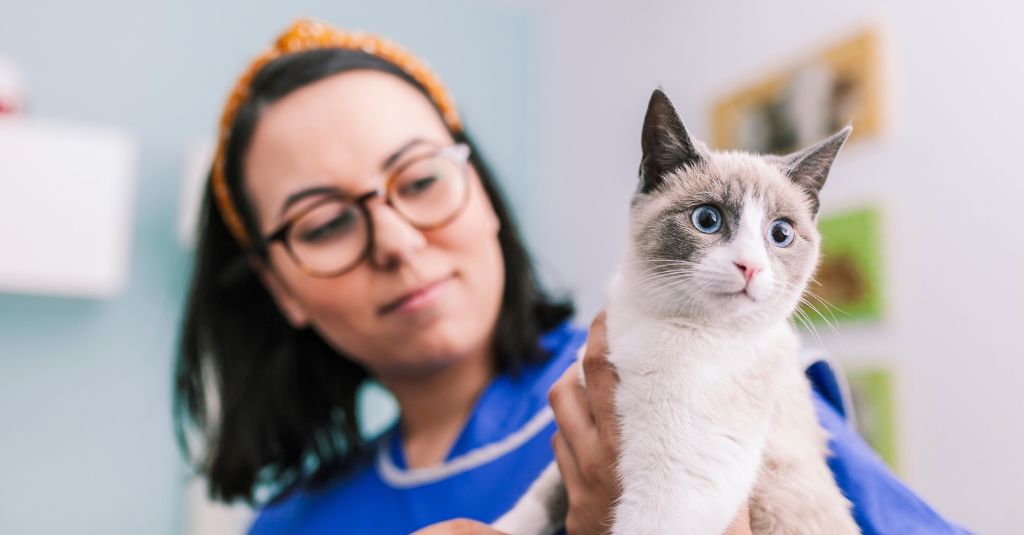
When your cat has diabetes, it is easy to feel that every glucose reading carries enormous weight. A number that looks higher or lower than expected can be worrying, especially when you are trying so hard to do everything right for your fur baby.
Blood glucose monitoring is an important part of managing feline diabetes. It helps your veterinary team understand how safely and effectively treatment is working. But a single number does not tell the whole story.
The 2026 AAHA Diabetes Management Guidelines for Cats encourage pet parents and veterinary teams to look at the whole cat: their thirst, appetite, litter box habits, weight, energy, grooming, mobility, and overall behavior. Glucose data and everyday clinical signs work best together. One should not replace the other.
Blood glucose can change throughout the day. It can be affected by meals, insulin or other diabetes treatment, activity, illness, and even the stress of being handled or travelling to a veterinary appointment.
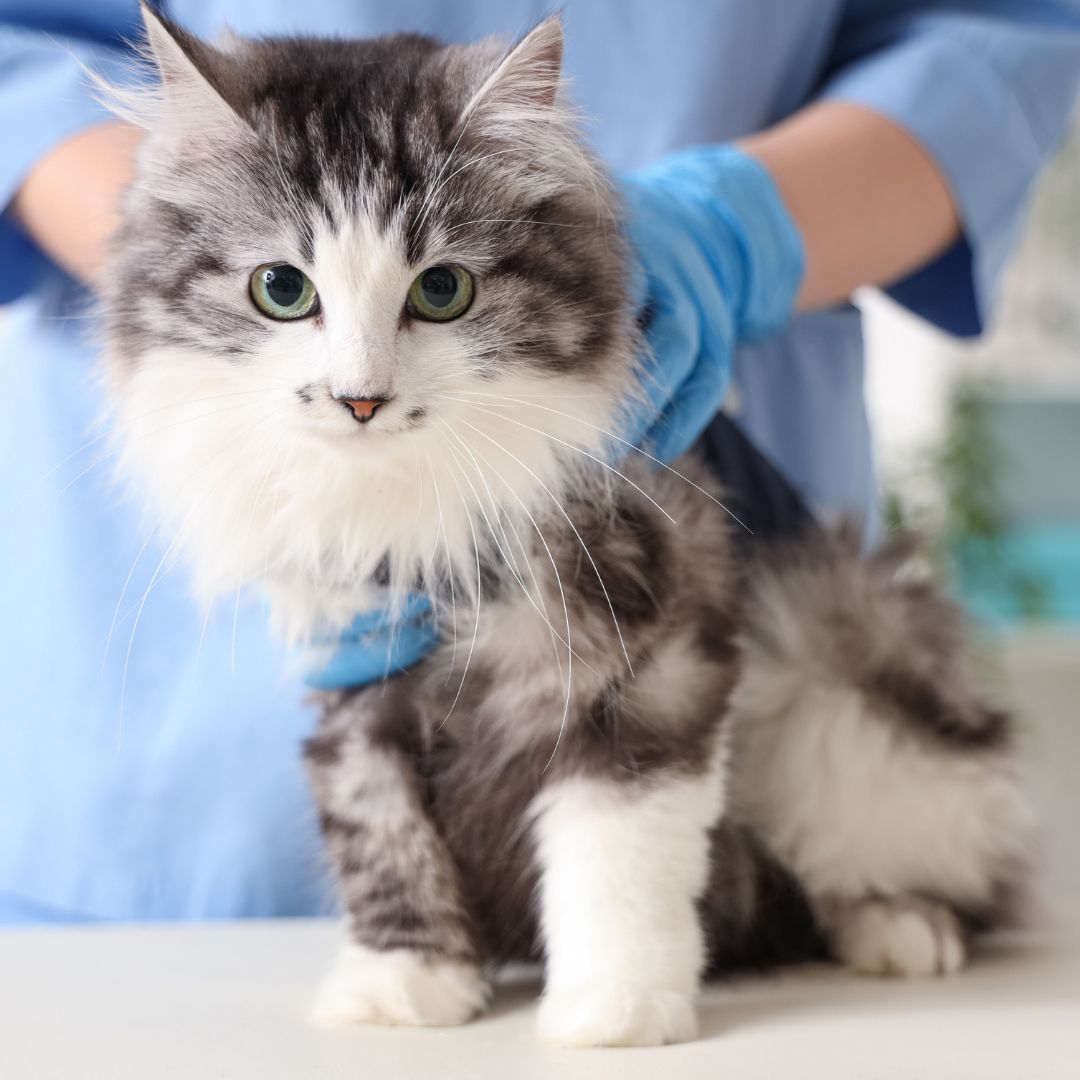
Cats are particularly prone to stress hyperglycemia, which means their blood glucose may rise because they are nervous or frightened. A car ride, unfamiliar smells, restraint, or a clinic visit can all contribute. This is one reason a glucose curve for cats must be interpreted carefully, especially when it is performed away from the cat’s usual home routine.
A glucose curve is a series of blood glucose measurements taken over several hours. It helps the veterinarian understand how the glucose level changes during the treatment interval, including when it reaches its lowest point and how long the treatment appears to be working.
Blood glucose monitoring in cats remains essential. It can help identify low glucose before obvious signs appear, investigate a return of diabetic signs, and guide your veterinarian’s treatment decisions. However, the AAHA guidelines explain that glucose curves can vary from day to day and should always be interpreted alongside clinical signs and body-weight trends.
In other words, a high reading does not automatically mean something has gone wrong, and a good-looking number does not automatically mean your cat feels well.
The 2026 AAHA diabetes guidelines for cats encourage a balanced approach to monitoring. The goal is not simply to chase the “perfect” glucose number. The long-term goal of managing a diabetic cat is to reduce or eliminate the clinical signs of diabetes while keeping treatment safe and sustainable for both the cat and their family.
That means your veterinary team may consider several pieces of information together:
This approach matters because a diabetic cat may have a good quality of life even when glucose control is not perfectly tight on paper. At the same time, a cat whose glucose readings look acceptable but who is losing weight, drinking excessively, or acting unwell still needs veterinary attention.
The AAHA guidelines also remind us that home-monitoring tools are useful, but they do not replace scheduled veterinary examinations and follow-up. Your veterinarian is the person who can put the full picture together and decide whether anything needs to change.
Your home observations are one of the most valuable parts of diabetic cat care. You see the small, day-to-day changes that may not appear during a short veterinary visit.
Excessive thirst is one of the classic diabetic cat symptoms. If you are refilling the water bowl much more often, noticing your cat spending more time at the fountain, or finding that a multi-cat household is going through water faster than usual, make a note of it.
You do not need to measure every drop perfectly. The goal is to notice trends. Is your cat drinking more, less, or about the same as usual?
More drinking often leads to more urination. Larger or more frequent urine clumps can be a helpful sign that diabetes may not be well controlled, especially if the change is new or worsening.
Many diabetic cats develop an increased appetite, but appetite can change for many reasons. A cat who suddenly eats less, refuses food, vomits, or seems nauseated should be assessed promptly—especially if they are receiving diabetes medication.
A good appetite is encouraging, but it is still important to watch whether your cat is maintaining a healthy weight and muscle condition.
A cat can appear to be eating well but still lose weight if their body cannot use glucose normally. Weighing your cat regularly, using the same scale when possible, can help you notice a gradual change before it becomes more obvious.
Body condition means the amount of fat covering the body, while muscle condition looks at whether muscle is being maintained or lost. Your veterinarian can show you how to assess both safely at home.
A cat who feels better will often become more interested in family life. They may groom more normally, play, climb, or return to favorite sleeping spots.
On the other hand, a cat who becomes unusually quiet, weak, withdrawn, poorly groomed, or less interested in food and interaction may be telling you that something has changed. These signs are not specific to diabetes, but they are important.
Diabetes can sometimes affect the nerves in a cat’s hind legs. You may notice weakness, reduced jumping ability, or a “dropped hock” appearance, where the cat walks lower on the back legs rather than up on their toes. This is called a plantigrade stance.
Changes in walking, jumping, or balance should be shared with your veterinary team. They may be related to diabetes, but arthritis, pain, injury, and other illnesses can cause similar changes.
Glucose monitoring is still a central part of managing a diabetic cat. It gives your veterinary team information that you cannot get from behavior alone, including whether glucose may be dropping too low or whether treatment is lasting as expected.
Depending on your cat’s individual plan, your veterinarian may recommend:
At-home testing may reduce the stress caused by travel and a clinic visit for some cats. However, even at home, glucose can vary from day to day. A continuous glucose monitor can provide useful trends, but it should not lead pet parents to change treatment based on one unexpected number.
Do not change insulin, medication, food, or treatment frequency without specific guidance from your veterinarian. If you see an unusual reading or your cat does not seem well, record it and contact your veterinary team for advice.
Contact your veterinarian promptly if your diabetic cat has a clear change in appetite, vomiting, diarrhea, worsening thirst or urination, ongoing weight loss, weakness, or a noticeable drop in energy.
Seek urgent veterinary advice if you see possible signs of hypoglycemia in cats, meaning blood glucose that is too low. These signs can include:
Hypoglycemia can be an emergency. Follow your veterinary clinic’s emergency instructions and seek urgent care. Never change your cat’s treatment plan on your own unless your veterinarian has already given you clear instructions for that specific situation.
Living with a diabetic cat can feel more manageable when you focus on trends instead of trying to remember every detail.
A simple daily diabetes diary can include:
This diary is not about trying to manage diabetes alone. It is a practical way to give your veterinary team a fuller picture of your cat’s life at home. A pattern of gradually larger litter box clumps, a reduced appetite, or steady weight loss can be much more useful than trying to remember what happened several weeks ago.
A diabetic cat can still enjoy a happy, comfortable life. Routine plays an important role in maintaining a good quality of life for a cat with diabetes. Try to keep meals, prescribed medication, fresh water, and daily care consistent, while continuing with regular veterinary follow-up.
Treats can still have a place in your cat’s life, but it is wise to choose them carefully. Ask your veterinarian which treats fit your cat’s nutritional plan, and count treats as part of their daily food intake. Avoid making sudden diet changes, especially when your cat is receiving diabetes treatment.
If you would like more personalized help with your cat’s meals, book a nutrition consultation with Dr. Amanda. She can help create a balanced nutrition plan that considers your cat’s individual needs, preferences, and health concerns. This service is offered in both English and Portuguese.
Some pet parents also consider natural support as part of a broader wellness plan. NHV Mellit for Cats is an herbal formula designed to provide supportive care for cats with diabetes-related health concerns. It is not a replacement for insulin, other prescribed diabetes medication, a veterinarian-recommended diet, or glucose monitoring.
Feline diabetes remission can occur in some cats, particularly when underlying factors such as obesity or certain medication effects are addressed. However, remission should never be assumed based only on improved behaviour or one normal glucose reading. Your veterinarian should confirm whether treatment changes are appropriate.
Blood glucose numbers matter. They help your veterinary team manage treatment safely and identify problems that may not yet be visible. But the cat in front of you matters most.
Knowing your cat’s normal thirst, appetite, litter box habits, weight, energy, grooming, movement, and personality helps you recognize changes early. When you pair those daily observations with glucose monitoring and regular veterinary care, you are giving your cat the best chance of living comfortably with diabetes.
Keep the numbers, keep the diary, and keep watching the whole cat.
diabetes support
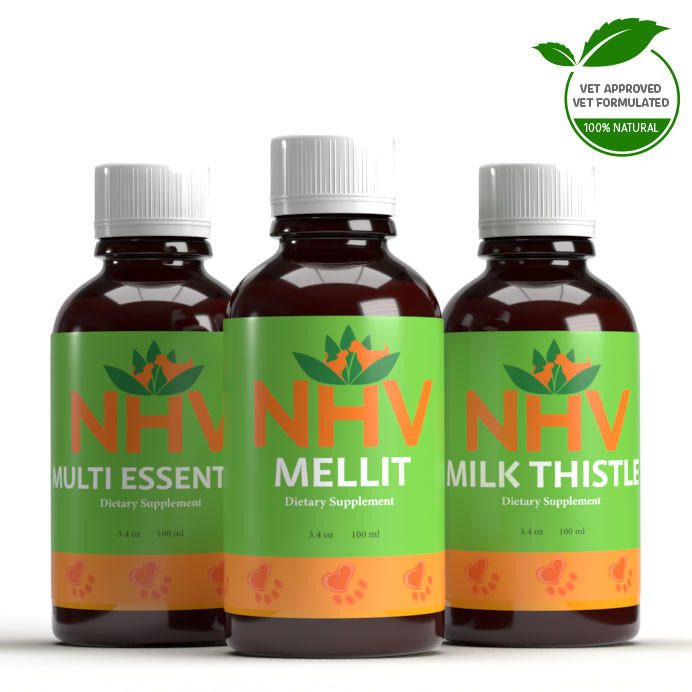
Mellit, Milk Thistle & Multi Essentials
bundle and save with pet expert kits
3 month supply for a small to medium size pet.
What is it?
Our Pet Cat and Dog Diabetes Support kit is formulated to nourish the body, help regulate blood sugar levels and support the liver and other vital organs.
How Does it Work?
Why Should I Trust It?
Made with 100% natural ingredients and approved by veterinarians.


What is it?
Our Pet Cat and Dog Diabetes Support kit is formulated to nourish the body, help regulate blood sugar levels and support the liver and other vital organs.
How Does it Work?
Why Should I Trust It?
Made with 100% natural ingredients and approved by veterinarians.
Diabetes can be very unpleasant for your little one - they can experience intense thirst, more frequent visits to the bathroom and low energy levels.
Hearing that your furkiddo has been diagnosed with diabetes is not something any paw parent wants to hear. Diabetes in cats and dogs is a disorder of carbohydrate metabolism where their body has difficulty regulating blood sugar levels. Two factors common to many cases of pet diabetes are overeating and obesity. And other well-documented symptoms of diabetes (in addition to excessive thirst and urination) are poor skin and coat conditions. In the more advanced stages of diabetes, cats and dogs may become very lazy and lose their appetite entirely. If left untreated, diabetes may lead to cataracts, blindness, an enlarged liver, bladder or kidney infection, and renal complications.
A typical approach to diabetes management may involve a combination of weight loss, a change in diet, insulin injections, and perhaps natural remedies.
Type I Diabetes is when the pancreas cannot produce sufficient insulin levels - this is the most common type of diabetes in dogs. So far, there is no known evidence stating that dogs develop type II diabetes. Breeds such as Poodles, Dachshunds, Schnauzers, Cairn Terriers, and Beagles are especially susceptible to developing diabetes - though any breed may be affected. Also, dogs with endocrine conditions such as Cushing's disease are more likely to develop diabetes as well as pregnant female dogs (who may develop gestational diabetes).
Type II Diabetes is often linked to diet and obesity and is the result of insulin resistance. It is the most common type of diabetes to affect cats (as well as humans). All purebred and mixed-breed cats are equally susceptible to developing type II diabetes.
Diet plays a crucial role in helping to manage your pet's diabetes. If they are overweight, gradual weight loss can really help improve symptoms. For our feline friends, your vet can create a safe weight loss meal plan that is high in protein, low in carbs and specifically designed for diabetes. Switch your cat's feeding from free-feeding to twice daily feeding. A dog's diet may not need to be tailored for diabetes but should be well balanced and address any health issues they may have.
With insulin injections, there are a variety of different products for dogs and cats. Finding the right product for your dog or cat diabetes management may require experimentation as individual insulin responses may vary. Once insulin therapy has begun, we recommend frequent monitoring of their blood sugar, which may require a day at the hospital to collect a blood glucose curve, while other tests may require a shorter visit. At-home monitoring, which includes checking urine and blood glucose is also recommended. For herbal therapy, we would recommend using our Diabetes Kit with Metabolism Support which contains Mellit, Milk Thistle and Multi Essentials. Mellit was formulated to help manage blood sugar levels and support healthy pancreatic function while Milk Thistle supports liver function and Multi Essentials helps support healthy circulation and metabolism.
NHV supplements are formulated by a holistic veterinarian and master herbalist to be gentle, effective remedies that complement vet-formulated care plans. But it should never replace professional advice from your veterinarian. If you have any questions about your pet’s health or want to chat about their ongoing care plan, get in touch with an NHV Pet Expert.
Made with the finest, organically grown, or ethically harvested herbs. Made specifically for pets, vet-formulated and vet approved.
Mellit
Milk Thistle
Multi Essentials
Select your pet's weight to determine the correct dose.
To be taken twice daily. Determine your pet’s weight and then use the easy chart below to determine the correct dose. This is the minimum dosage.
Pet's Weight Dosage
0 - 15 lb = 0.5 ml
16 - 30 lb = 1.0 ml
31 - 45 lb = 1.5 ml
46 - 60 lb = 2.0 ml
61 - 75 lb = 2.5 ml
Over 75 lb = 3.0 ml
How to Administer
Shake well before use. The easiest method is to use the dropper provided and place the drops into your pet’s food or favorite treat. You can also use the dropper and squirt directly into the pet’s mouth. Some pets can be finicky, if this occurs consider hiding the drops in foods most pet’s love such as fish, chicken or yogurt or a favorite treat. If your pet only eats dry food then soak a few kibbles at feeding time.
For Best Results
Herbal dietary supplements are beneficial to the health and well-being of your pet and are safe for long-term use. Every pet responds to natural herbal supplements differently, therefore it is important to be consistent and administer the product daily. Supplements generally take two to four weeks to take effect, however this will vary from one animal to the next.
Product Storage
All NHV Natural Pet Products are pure herbal extracts and contain no artificial additives, preservatives or coloring. Shelf life after opening is 6 months and must be refrigerated after opening.
All information provided by NHV Natural Pet Products is for educational purposes only.
diabetes support
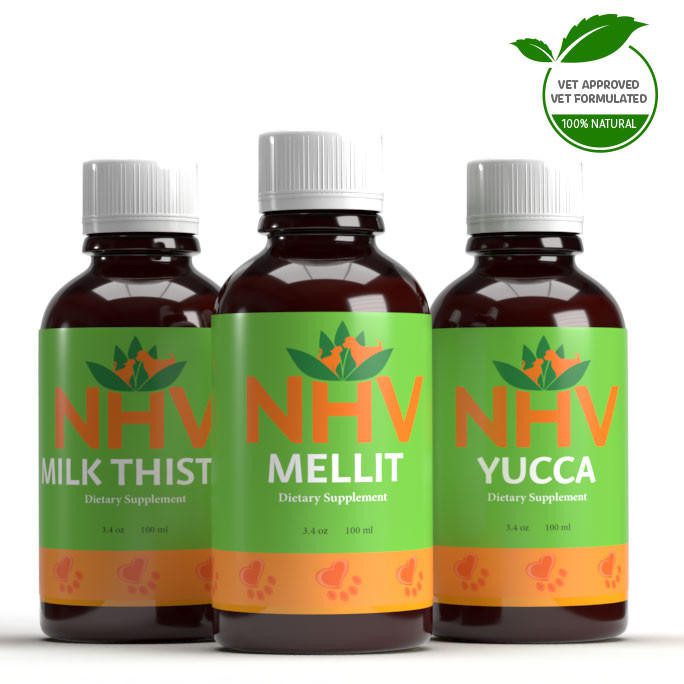
Mellit, Milk Thistle & Yucca
bundle and save with pet expert kits
3 month supply for a small to medium size pet.
What is it?
NHV’s Diabetes Super Support Gold Kit contains diabetic cat and diabetic dog supplements to help your little one in their battle.
How Does it Work?
Why Should I Trust It?
Human-grade and safe for long-term use.

What is it?
NHV’s Diabetes Super Support Gold Kit contains diabetic cat and diabetic dog supplements to help your little one in their battle.
How Does it Work?
Why Should I Trust It?
Human-grade and safe for long-term use.
Knowing your precious little one has diabetes is worrying. But with early treatment, a customized diet plan, and the right supplements, the condition is manageable. And did you know that, in addition to traditional treatment, you can support diabetes in dogs and cats naturally? Our Diabetes Super Support Gold Kit can help ease symptoms of diabetes in dogs and cats, manage blood sugar levels, and protect other organs affected by the disease. This bundle contains our primary support for diabetes in cats and dogs – Mellit, as well as two additional supplements to help support the body: Milk Thistle & Yucca.
Keep reading to find out how they may help!
None of our supplements have any added preservatives, additives, flavorings, or artificial colors. They are all made with organically grown and ethically harvested (or ethically sourced) herbs, and are vet formulated, so you know your furbaby is getting the very best.
What is Diabetes in Cats and Dogs?
Like us, our furriends need glucose, a type of sugar, to fuel their bodies. Diabetes happens when the body cannot correctly turn glucose in the blood into energy that can be used. Glucose is also stuck in furkiddos’ bloodstream and accumulates. This unusual blood chemistry eventually leads to poison in the system, causing further damage and health problems.
Symptoms of Diabetes in Dogs and Cats
You may be wondering if there is any way you can tell if your furkid has diabetes.
Here are some general symptoms you may want to look out for:
Left untreated, the condition will escalate. So if you notice any of the above signs in your little one, you should take them to see a vet as soon as possible.
How NHV Remedies Support Diabetes in Dogs and Cats
Our Diabetes Super Support Gold Kit can support your little one in conjunction with traditional medicine.
Mellit is our fundamental support for diabetes in cats and dogs. As diabetes spikes up the blood sugar and blood pressure of your little one, herbs like Jambolan and Astragalus may help regulate them. The hypoglycemic (low blood sugar) activity in Devil’s club may also help balance the blood sugar. This herb also helps with balancing the metabolism of your little one.
Dandelion, on the other hand, is an anti-inflammatory tonic that may help protect the kidneys from the damage of diabetes. Diabetes can cause cataracts and urinary infections; blueberry helps prevent that. On top of that, the formulation may help with overall vitality.
Besides cataracts and urinary infections, diabetes can also lead to liver issues and kidney failure. Milk Thistle may improve liver and kidney function and support liver regeneration.
In addition, the formulation is well known for its use in treating liver disease because studies have shown its possible benefits in decreasing or reversing damage to the liver. This herb's main compound, Silymarin, may even help remove the toxins in the liver and other organs.
The last supplement included in this bundle is Yucca, which helps with discomfort management. The herbal extract is highly nutritious as it contains vitamin C, beta-carotene, B vitamins, magnesium, iron, calcium, manganese, protein, niacin, and phosphorus. It may also help reduce the inflammation caused by diabetes.
Natural Support for Diabetes in Dogs and Cats
Many pawrents may be worried about getting your little ones to take the supplements. But this would not be a problem with our products as they are liquid-based and palatable. So even finicky furkids may like the taste of our supplements. Even if they are incredibly picky eaters, you can easily hide the extract in their meals or simply drop the appropriate dosage in their cheek pockets.
NHV’s supplements are also all manufactured in a GMP-certified and FDA-approved facility – completely safe for pets.
It is never easy to cope with diabetes in dogs and cats. NHV is with you and your furkiddo every step of the way. Don’t hesitate to contact one of our Pet Experts whenever you need!
Try our Diabetes Super Support Gold Kit now to support your precious little one!
All NHV supplements are made with the finest quality organic or ethically harvested herbs. We use non-GMO vegetable glycerin as our base. NHV products are full-spectrum extracts.
Select your pet's weight to determine the correct dose.
To be taken twice daily. Determine your pet’s weight and then use the easy chart below to determine the correct dose. This is the minimum dosage.
Pet's Weight Dosage
0 - 15 lb = 0.5 ml
16 - 30 lb = 1.0 ml
31 - 45 lb = 1.5 ml
46 - 60 lb = 2.0 ml
61 - 75 lb = 2.5 ml
Over 75 lb = 3.0 ml
How to Administer
Shake well before use. The easiest method is to use the dropper provided and place the drops into your pet’s food or favorite treat. You can also use the dropper and squirt directly into the pet’s mouth. Some pets can be finicky, if this occurs consider hiding the drops in foods most pet’s love such as fish, chicken or yogurt or a favorite treat. If your pet only eats dry food then soak a few kibbles at feeding time.
For Best Results
Herbal dietary supplements are beneficial to the health and well-being of your pet and are safe for long-term use. Every pet responds to natural herbal supplements differently, therefore it is important to be consistent and administer the product daily. Supplements generally take two to four weeks to take effect, however this will vary from one animal to the next.
Product Storage
All NHV Natural Pet Products are pure herbal extracts and contain no artificial additives, preservatives or coloring. Shelf life after opening is 6 months and must be refrigerated after opening.
All information provided by NHV Natural Pet Products is for educational purposes only.
Pet Nutrition
Natural Pet Nutrition Supplements for Cats and Dogs
bundle and save with pet expert kits
3 month supply for a small to medium size pet
What Is It?
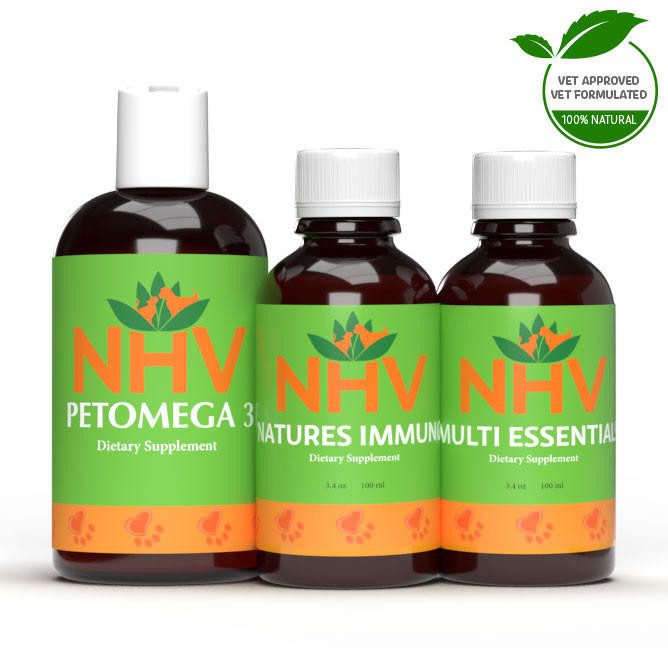
NHV Nutritional Essentials Plus Kit is formulated to fill nutritional voids, soothe inflammation and offer a beneficial aid for rebalancing immune health.
How Does it Work?
Why Should I Trust It?
Formulated by veterinarians specifically for pets.
What Is It?
NHV Nutritional Essentials Plus Kit is formulated to fill nutritional voids, soothe inflammation and offer a beneficial aid for rebalancing immune health.
How Does it Work?
Why Should I Trust It?
Formulated by veterinarians specifically for pets.
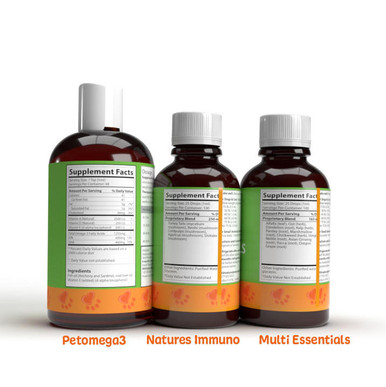
All pet pawrents want their furkiddos to live a long and healthy life. Good health begins with adequate nutrition. So for all those pets out there who want a little nutritional support or may be battling a serious illness, Our Pet Nutrition Supplement Bundle offers comprehensive support for many body processes, including rebalancing immune health and relieving inflammation. All of our supplements are made with full-spectrum plant extracts that are formulated specifically for pets. Full-spectrum means that all of the vitamins, minerals and trace elements are kept intact during the extraction process to make it absorbable for your little one's body.
NHV Multi Essentials is full of vitamins and minerals to help improve digestion and absorption and fill nutritional voids due to poor diet or illness. The omega 3 fatty acids in PetOmega 3 work to relieve inflammation in the GI tract, promote healthy digestion and balance appetite. Natures Immuno's mushroom blend is formulated with anti-inflammatory properties that gently rebalance the immune system (without overstimulating it) and offers cardiovascular, liver, kidney, diabetic, and endocrine health support.
MULTI ESSENTIALS
PETOMEGA 3
NATURES IMMUNO
Help your Pet Live Their Best Life With NHV Supplements
For optimal health, it’s a great idea to supplement your furkiddo’s daily meals with nutrients and immune-boosting ingredients. All of our products are 100% natural and their liquid formulation makes it easy to hide in food. If you need an extra hand (or paw) to improve your pet’s health, get in touch with one of our in-house pet experts. We’re always happy to help!
Made with the finest, organically grown, or ethically harvested herbs. Made specifically for pets, vet-formulated and vet approved.
Multi Essentials
PetOmega 3
Natures Immuno
Select your pet's weight to determine the correct dose.
PETOMEGA 3 : Pet’s Weight Dosage to be taken once a day.
0-15 lb = ¼ tsp
15-30 lb = ½ tsp
30-60 lb = 1 tsp
60-90 lb = 1 ½ tsp
MULTI ESSENTIALS, NATURES IMMUNO : To be taken twice daily. Determine your pet’s weight and then use the easy chart below to determine the correct dose. This is the minimum dosage.
Pet's Weight Dosage
0 - 15 lb = 0.5 ml
16 - 30 lb = 1.0 ml
31 - 45 lb = 1.5 ml
46 - 60 lb = 2.0 ml
61 - 75 lb = 2.5 ml
Over 75 lb = 3.0 ml
How to Administer
Shake well before use. The easiest method is to use the dropper provided and place the drops into your pet’s food or favorite treat. You can also use the dropper and squirt directly into the pet’s mouth. Some pets can be finicky, if this occurs consider hiding the drops in foods most pet’s love such as fish, chicken or yogurt or a favorite treat. If your pet only eats dry food then soak a few kibbles at feeding time.
For Best Results
Herbal dietary supplements are beneficial to the health and well-being of your pet and are safe for long-term use. Every pet responds to natural herbal supplements differently, therefore it is important to be consistent and administer the product daily. Supplements generally take two to four weeks to take effect, however this will vary from one animal to the next.
Product Storage
All NHV Natural Pet Products are pure herbal extracts and contain no artificial additives, preservatives or coloring. Shelf life after opening is 6 months and must be refrigerated after opening.
Cautions and Contraindications
Do not use in pregnant or nursing animals.
All information provided by NHV Natural Pet Products is for educational purposes only.
All information provided by NHV Natural Pet Products is for educational purposes only.

Dr. Mehdi Sharbafi graduated from Tehran University in 2014, earning his DVM. He is a dedicated and compassionate Vet Expert at NHV with experience spanning clinical practice, emergency medicine, and infectious diseases. He provides empathetic guidance and elevates the customer experience for pet parents seeking natural support. As a cat dad to Hana and Silky, he understands how cats and dogs are more than just pets; they’re family. Though sometimes, he feels a bit less like a cat dad and more like a tenant to these bossy felines!
Published: October 22, 2026
diabetes support
Supports healing of pancreatitis and diabetes mellitus in cats
buy 2 and save $3
3 month supply for a small to medium size pet
What is it?
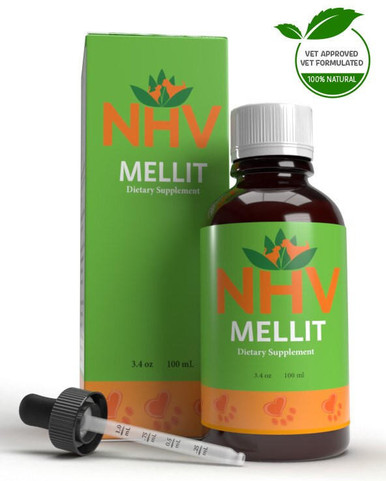
A holistic supplement formulated with 9 powerful herbs to support the healing of pancreatitis and diabetes mellitus in cats.
How Does it Work?
Why Should I Trust It?
Vet-approved and vet-formulated natural remedy.
What is it?
A holistic supplement formulated with 9 powerful herbs to support the healing of pancreatitis and diabetes mellitus in cats.
How Does it Work?
Why Should I Trust It?
Vet-approved and vet-formulated natural remedy.
Diabetes in cats is a common pancreatic disorder that occurs when sugar builds up in the bloodstream instead of entering the tissue to provide energy. If left untreated, your cat can be prone to infections, a slower healing process, and even blindness. Diabetes can also lead to heart, liver or kidney disease.
Some cat breeds are more prone to diabetes, such as the Russian Blue. You can find out if your cat breed is more prone to contract diabetes at NHV breeds and conditions online.
If you have questions about any of our holistic supplements, you can ask an expert at NHV because we want to help your kitty live a longer healthier life naturally.
Read a real pet story of how NHV’s proprietary blend of holistic support helped a cat with diabetes mellitus.
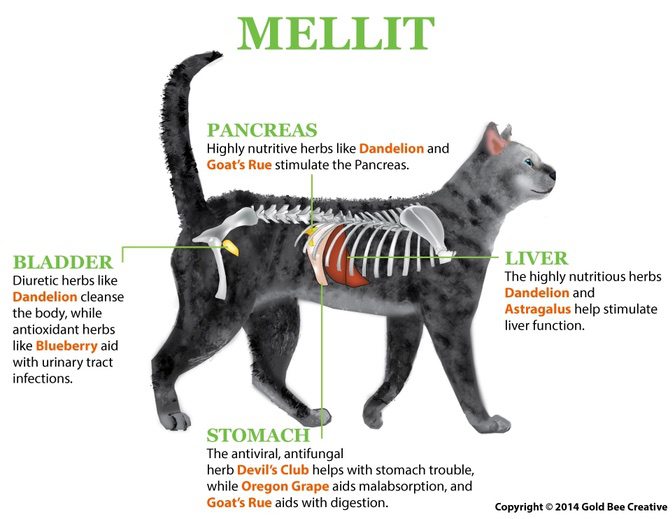
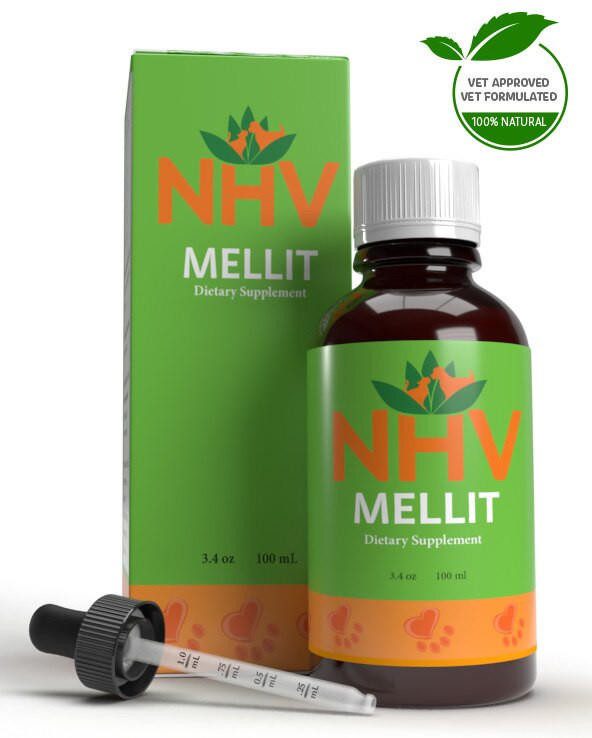
NHV’s Mellit for Cats is an herbal formula explicitly made to support pancreatitis and diabetes mellitus in cats. This potent blend contains nine powerful ingredients designed to help control blood sugar levels and provide cat circulatory support, as well as strengthen and protect other organs that may be affected due to the imbalances triggered in the body.
Select your pet's weight to determine the correct dose.
To be taken twice daily. Determine your pet’s weight and then use the easy chart below to determine the correct dose. This is the minimum dosage.
Pet's Weight Dosage
0 - 15 lb = 0.5 ml
16 - 30 lb = 1.0 ml
31 - 45 lb = 1.5 ml
46 - 60 lb = 2.0 ml
61 - 75 lb = 2.5 ml
Over 75 lb = 3.0 ml
How to Administer
Shake well before use. The easiest method is to use the dropper provide and places the drops into your pet’s food or favorite treat. You can also use the dropper and squirt directly into the pet’s mouth.
Some pets can be finicky, if this occurs consider hiding the drops in foods most pet’s love such as fish, chicken or yogurt or a favourite treat. If your pet only eats dry food then soak a few kibbles at feeding time.
For Best Results
Herbal dietary supplements are beneficial to the health and wellbeing of your pet and are safe for long-term use. Every pet responds to natural herbal supplements differently, therefore it is important to be consistent and administer the product daily. Supplements generally take two to four weeks to take effect, however this will vary from one animal to the next.
Product Storage
All NHV Natural Pet Products are pure herbal extracts and contain no artificial additives, preservatives or coloring. Shelf life after opening is 6 months and must be refrigerated after opening.
Cautions and Contraindications
Do not use Mellit in pregnant or nursing animals. Speak to your vet before using our products. A second visit is recommended if your pet’s condition does not improve, or deteriorates after continued use of the supplements.
All information provided by NHV Natural Pet Products is for educational purposes only.
Diabetes in cats is a common pancreatic disorder that occurs when sugar builds up in the bloodstream instead of entering the tissue to provide energy. If left untreated, your cat can be prone to infections, a slower healing process, and even blindness. Diabetes can also lead to heart, liver or kidney disease.
Some cat breeds are more prone to diabetes, such as the Russian Blue. You can find out if your cat breed is more prone to contract diabetes at NHV breeds and conditions online.
If you have questions about any of our holistic supplements, you can ask an expert at NHV because we want to help your kitty live a longer healthier life naturally.
Read a real pet story of how NHV’s proprietary blend of holistic support helped a cat with diabetes mellitus.
NHV’s Mellit for Cats is an herbal formula explicitly made to support pancreatitis and diabetes mellitus in cats. This potent blend contains nine powerful ingredients designed to help control blood sugar levels and provide cat circulatory support, as well as strengthen and protect other organs that may be affected due to the imbalances triggered in the body.
Select your pet's weight to determine the correct dose.
To be taken twice daily. Determine your pet’s weight and then use the easy chart below to determine the correct dose. This is the minimum dosage.
Pet's Weight Dosage
0 - 15 lb = 0.5 ml
16 - 30 lb = 1.0 ml
31 - 45 lb = 1.5 ml
46 - 60 lb = 2.0 ml
61 - 75 lb = 2.5 ml
Over 75 lb = 3.0 ml
How to Administer
Shake well before use. The easiest method is to use the dropper provide and places the drops into your pet’s food or favorite treat. You can also use the dropper and squirt directly into the pet’s mouth.
Some pets can be finicky, if this occurs consider hiding the drops in foods most pet’s love such as fish, chicken or yogurt or a favourite treat. If your pet only eats dry food then soak a few kibbles at feeding time.
For Best Results
Herbal dietary supplements are beneficial to the health and wellbeing of your pet and are safe for long-term use. Every pet responds to natural herbal supplements differently, therefore it is important to be consistent and administer the product daily. Supplements generally take two to four weeks to take effect, however this will vary from one animal to the next.
Product Storage
All NHV Natural Pet Products are pure herbal extracts and contain no artificial additives, preservatives or coloring. Shelf life after opening is 6 months and must be refrigerated after opening.
Cautions and Contraindications
Do not use Mellit in pregnant or nursing animals. Speak to your vet before using our products. A second visit is recommended if your pet’s condition does not improve, or deteriorates after continued use of the supplements.
All information provided by NHV Natural Pet Products is for educational purposes only.