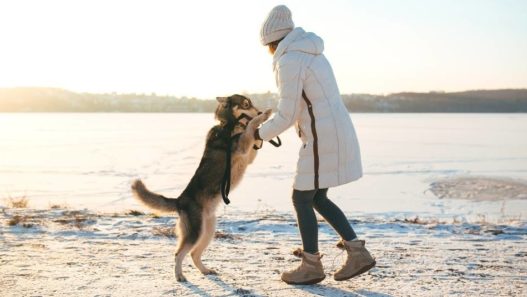

Fall is such a wonderfully cozy season, but it also quietly brings other subtle changes. Cool, damp weather and shorter days can mean shifting routines, and holidays can bring new household hazards. These seemingly small changes can affect dogs and cats in ways many pet parents may not notice at first.
Why Fall Is Harder on Pets Than You Think
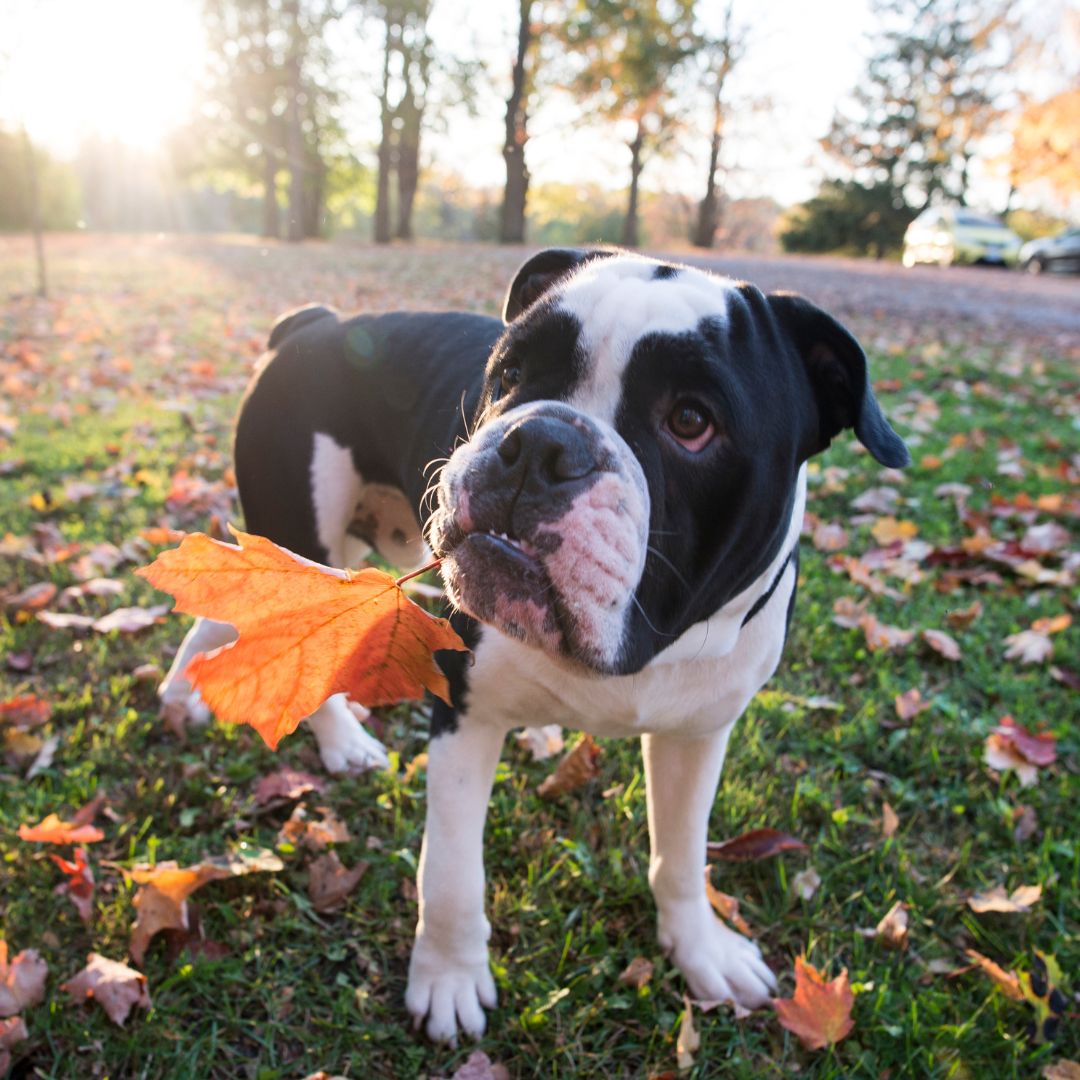
Pet parents and their furkiddos can have such a great time outdoors in the summer, and we wish the fun would never end. However, the transition to fall can come with changes to a pet’s environment, activity options, comfort, and daily routine all at once, which is why this seasonal transition deserves more attention than it usually gets.
It’s important to keep our furry friends safe from common hazards like toxic seasonal foods and plants, outdoor hazards and chemicals, and lower visibility.
Essential Autumn Pet Care Tips
- Toxic Hazards: Antifreeze has an attractive sweet taste, but it can be fatal if ingested. Watch for spills that pets may lick or pick up on their feet. Wild mushrooms may appear when the weather is right, and be sure to check for other toxic plants in your yard or in household decorations.
- Leaf Piles: Damp leaves can hide sharp objects or host bacteria and mold spores that may trigger respiratory or skin issues.
- Lower Visibility: Always use reflective leashes, LED collars, or a flashlight to stay visible when the weather is bad and days get dark earlier.
- Skin and Coat Care: Regular brushing can help manage seasonal shedding and prevent the buildup of matted fur, which can be uncomfortable.
- Toxic Treats: Fall is a time for treats, but candy is not good for pets. Keep chocolates and sugar-free items containing Xylitol well out of reach.
Fall Toxins Hiding in the Garage and Yard
Pet parents should remember that fall dangers for dogs and cats can be found even in familiar places at home. Antifreeze poisoning in pets is more common as the seasonal temperatures drop, so watch out for spills and switch to a pet-safe antifreeze that uses propylene glycol instead of toxic ethylene glycol.
Rock salt is commonly used to melt ice on pavements and can be extremely hazardous to pets. It is irritating to paws, so pet parents should avoid treated areas and thoroughly wash and rinse legs and paws after walks. If ingested, rock salt can cause gastrointestinal irritation, excessive thirst and urination, and even sodium poisoning, which can lead to seizures or even death in severe cases.
Outdoor Safety in the Fall
- Remove toxic mushrooms and plants from the yard, and be wary of seasonal decorative plants, toxic flowers, and bulbs.
- Acorns and pinecones may cause stomach upset or blockages in dogs that ingest them. Remove these as well as fallen leaves that accumulate in the yard.
- Check your garage and home for any potentially toxic substances (like antifreeze or others) and keep them secured away from pets.
Cold, Damp Weather and Joint Stiffness
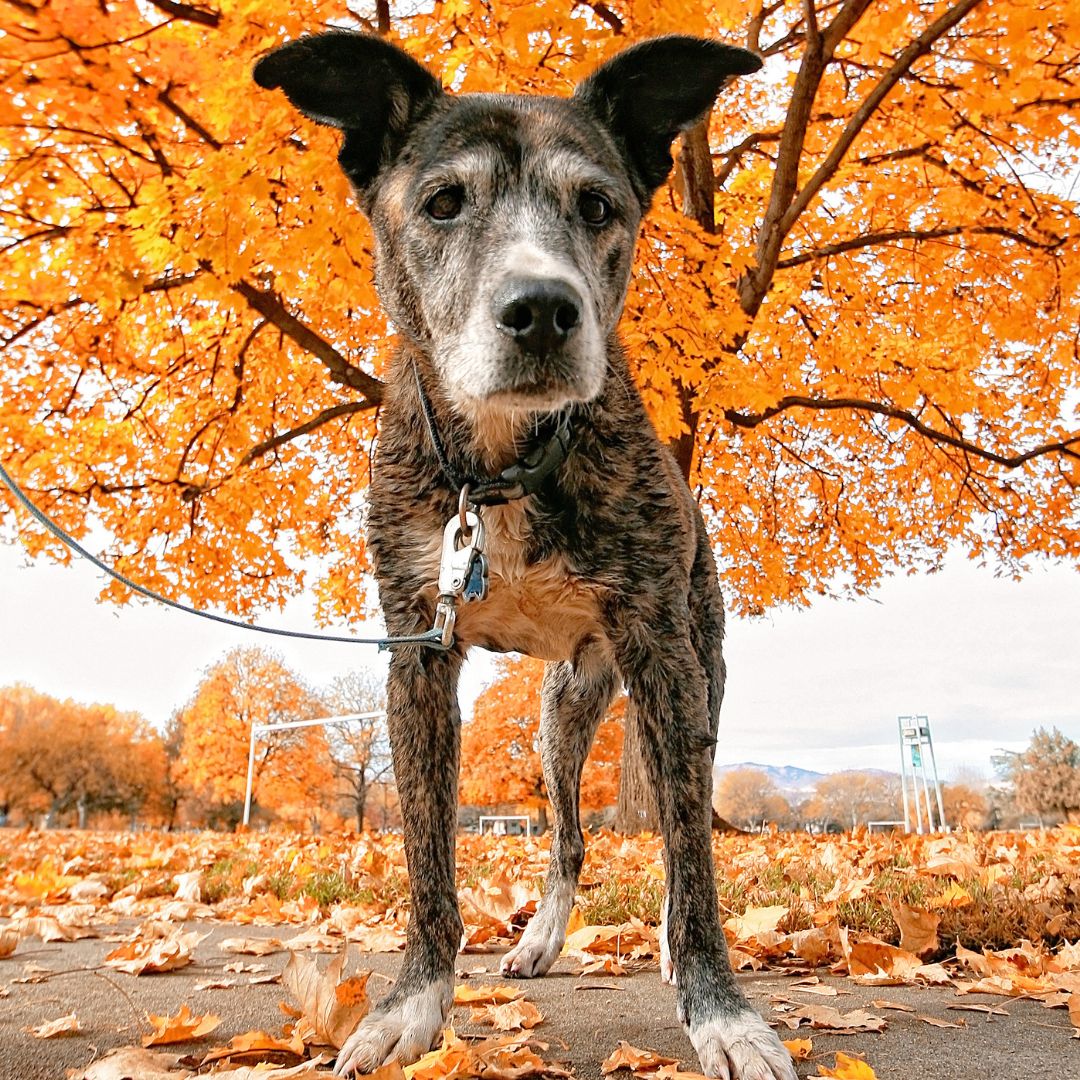
Cooler, wetter weather can cause joint stiffness in dogs and cats, especially when they are senior pets. In cold temperatures, joint fluid may thicken, reducing smooth movement, and muscles may become tense in the cold, straining joints further.
Changes in barometric pressure may also cause joint tissues to swell or shift, causing sensitivity or discomfort. If it is wet as well as cold, senior pets may have a harder time warming up, and reduced activity may cause loss of muscle condition.
Watch for these signs in your pet:
- Taking longer to get up or move after rest, or reluctance to move or go outside.
- Limping or slowing down on walks.
- Seeming quieter, irritable, or less interested in play.
NHV Old Timer offers great support for senior pets dealing with arthritis and provides proactive help at any age for muscles, joints, and mobility with anti-inflammatory properties. It’s an excellent choice to help with cold weather joint stiffness in dogs.
Omega-3 fish oils provide excellent overall health benefits. For extra mobility and joint support, as well as healthier skin and coat, consider adding NHV PetOmega 3 to your pet’s supplement plan.
Easy Cold Weather Comforts:
- Stiff pets can benefit from orthopedic or heated beds away from drafts.
- Use non-slip rugs or yoga mats on hard flooring to provide extra traction.
- Shorter but more frequent walks help maintain regular joint movement.
- Get a well-fitted winter coat or sweater for use during outings.
Fall Allergies and Skin Changes
Decaying leaves can harbor mold, and pollen is still being produced by late-season plants. Even indoor air is drier once the heat comes on, and all of these can affect the skin and coat. If you notice signs like itching, paw licking, ear scratching, or changes in shedding, your pet might benefit from natural supplements.
All-natural support for the immune system can help with seasonal allergies in cats and dogs. NHV Alge-Ex is a great choice for stimulating a healthy immune and histamine response to allergens. It may help reduce mucus in the airways and provide relief for symptoms like itching, sneezing, and nasal discharge.
Shorter Days, Darker Walks, and Changing Routine
Our furry friends can definitely be affected by less light in the fall as well as changes in their routine. Pets love predictability, but bad weather can keep them indoors, and changes in lighting can make walks and outdoor play less safe. Some pets may be reluctant to go to the bathroom outside when it’s cold or wet, and lower activity may cause some weight gain. If your pet’s mood, appetite, bathroom habits, or mobility change significantly during seasonal shifts, mention these changes to your vet.
Fall Safety Tips For Dogs on Dark Walks
- Shorter days mean more walks in the dark. Be visible and stay alert!
- Use reflective vests, collars, and leashes or blinking lights to stay visible to cars.
- Wear light colors and reflective bands or light bracelets to make yourself more visible to cars while walking your dog, especially when the weather is bad.
- Offer tasty treats like NHV’s Beef Liver Jerky to encourage reluctant pets to get outdoors and keep moving.
Fall Festivities: Thanksgiving and Halloween

Thanksgiving and Halloween are two great opportunities for family fun and togetherness. Be sure to make everyone in the furmily aware of holiday risks like potentially toxic foods, plants, and decorations that might be hiding fall dangers for dogs and cats.
Thanksgiving food may contain bones, garlic, onion, or artificial sweeteners that can cause serious gastrointestinal problems for your pet. Xylitol (also called birch sugar) is extremely dangerous and potentially fatal to dogs. Common sources include sugar-free gum, mints, peanut butter, baked goods, chewable vitamins, and human toothpaste. Always check product labels.
In dogs, xylitol causes a rapid release of insulin, leading to life-threatening low blood sugar (hypoglycemia) and acute liver failure. Symptoms start within 15 to 60 minutes and include vomiting, weakness, staggering, seizures, and collapse. Contact your vet immediately if you suspect your dog has ingested xylitol.
Cats do not experience the same severe toxic reactions to xylitol as dogs do, but it is still unsafe to give them human foods.
Seasonal Food and Fun:
- Keep chocolate, grapes, onions, and artificial sweeteners out of reach.
- Keep electrical cords, candles, and small costume pieces away from pets to prevent choking, burns, or tangling.
- Microchip your pets or update their tags, as open doors during Halloween trick-or-treating raise the risk of lost pets.
- Be ready for fireworks and other noisy, busy fun. Provide a safe space where your pet can retreat from company and chaos. If your pet is anxious, you can try a calming supplement like NHV Lesstress or Matricalm.
Key Takeaways for a Fun & Safe Fall
A walk with your dog on a brisk fall day can be a lot of fun. Sights, sounds, and smells might feel fresher and more interesting, so enjoy time outside with your pet, but be vigilant outdoors, as well as at home.
- Monitor your pet’s tolerance to cold, rain, wind, and holiday excitement, and be prepared with ways to keep them comfortable and safe.
- Make adjustments to the time and duration of walks to help your dog stay active during autumn.
- Provide extra mental stimulation for cats and dogs with toys, puzzles, and playtime indoors during poor weather.
- Pay close attention to elderly pets and keep them warm and cozy by placing beds in a draft-free location and providing extra blankets.
Autumn is a beautiful time of year, and by being aware of potential hazards and making some adjustments, you can ensure your pet has a safe and happy season.

NHV Pet Experts
We have a dedicated group of pet expert professionals, including veterinarians, vet techs, and other pet professionals to guide you through any questions. We’re committed to your pet’s wellness and can offer additional tips, resources, nutritional advice, and more.
Published: October 15, 2026