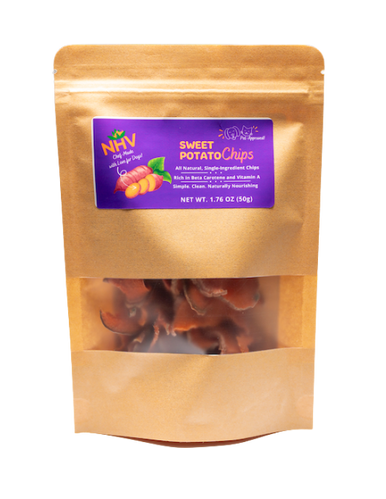
Sweet Potato Chips
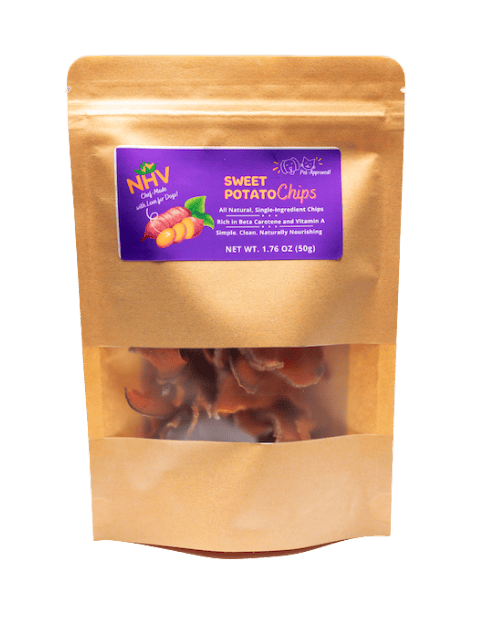
Sweet Potato Dog Chip Treat
USD $10.99
free shipping over $100 (USA & Canada)
1-877-937-4372 the pet expert hotline
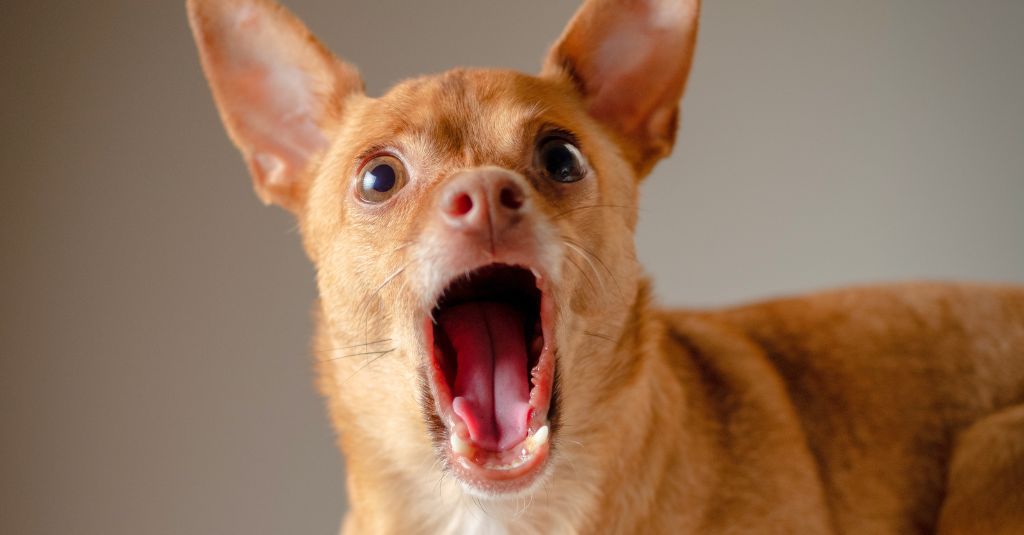
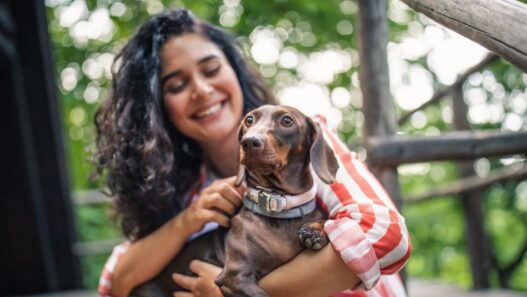
Dogs are one-of-a-kind. The fuzzy being chilling on your couch is actually a surprisingly complex creature, with hidden superpowers and amazing biology. We could watch them endlessly and still learn new quirks and habits. Think you’re an expert pet parent? Check out these five amazing dog facts and test your knowledge!
Have you ever wondered how your pup tilts their ears in those cute, quirky directions? It is all thanks to an impressive muscle network. While humans have just six ear muscles, dogs have at least 18 working in each ear flap. This lets them rotate and tilt their ears independently, helping to pinpoint sound.
Did you know? All puppies are actually born deaf! Their ear canals only open around two to three weeks of age, giving them hearing roughly four times sharper than ours.
To keep their ears comfortable and clean, staying proactive about routine care is key. Gentle, topical formulas like NHV Echo Gold may help support normal ear health and everyday wellness. Clear, healthy ears mean that they can hear you even into seniorhood.
Now we know why our cats think they’re so fearsome! On the inside, they feel like they’re big bad wolves.
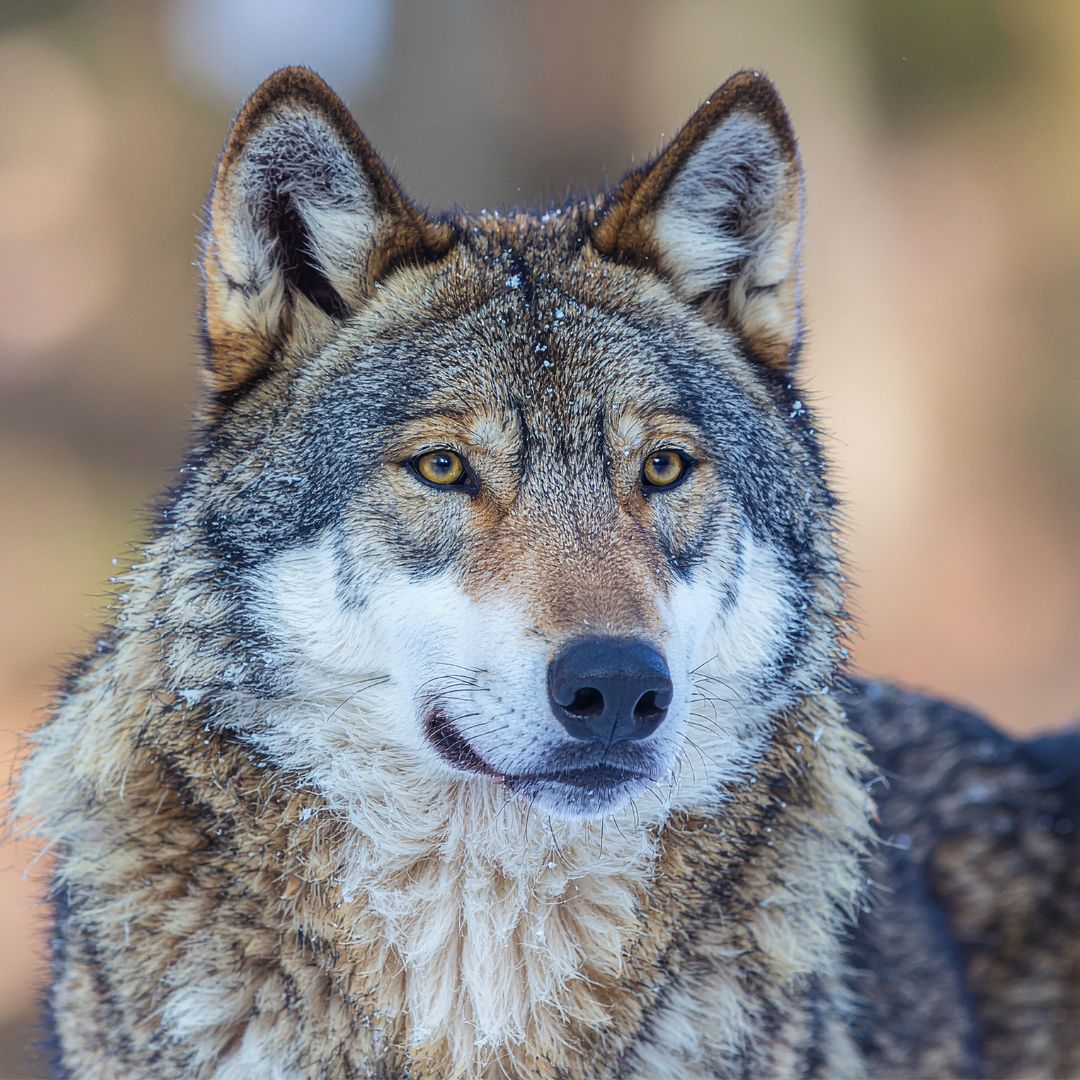
Genetic research shows that domestic pups share up to 99.9% of their DNA with gray wolves. That means your sweet, clingy fur kid is surprisingly close to a wild apex predator!
This shared genetic makeup explains so many iconic canine behaviors. Those zoomies? Pure hunting energy. Singing the song of their people? That’s the howl of a predator (more or less).
Wolves aren’t their only genetic cousins. Domestic pups are also closely related to coyotes. So close, it’s even possible for them to produce hybrids. But the result is probably a bit too wild for most pet parents….
Just like humans are right-handed or left-handed, dogs have a preferred paw!
Studies show that dogs often have a clear paw preference. You can test this at home with your own fur kid. Watch which paw they use first when stepping off a curb or reaching for something under the couch. You may be surprised to see they have a distinct preference.
Interestingly, a dog’s paw preference may actually give us insights into their personality and brain processing!
Research suggests that right-pawed dogs tend to process information using the left side of their brain, which is often associated with calm, positive emotional responses. Meanwhile, left-pawed dogs tend to rely more on the right side of their brain, which handles stress responses and alertness. Left-pawed or ambilateral (no preference) pups are sometimes more reactive to new or unusual situations!
While your fur kid can’t exactly read a clock or tell you it’s a quarter to noon, they do have the ability to sense the progression of time.
If you have ever noticed your pet waiting for food at the right time, you’ve seen this internal clock at work. Pets rely on a combination of circadian rhythms, environmental cues, and scent decay to track time throughout the day.
What is scent decay? Here’s an example: when you leave the house, your personal scent is strong. As the hours pass, your scent gradually fades in the air. Dogs can actually learn to gauge how long you have been gone based on how much your scent has decayed (or dissipated) over time.
They also pick up on subtle daily changes in lighting, shadows, and routine household sounds. So while they do not track time exactly like humans, they certainly know when it’s time to eat!
It is one of the biggest myths in the doggy world. A wagging tail always doesn’t always equal a happy fur kid!
A wagging tail simply indicates emotional arousal
In reality, a wagging tail simply indicates emotional arousal. It can be good, bad, or a mix. To understand what a dog is actually feeling, you have to look at the overall body language.
A loose, broad wag that makes the dog’s whole body wiggle usually signals happiness and friendliness. But a stiff, high, slow wag can actually be a sign of tension, alertness, or even warning.
What’s super interesting is that research shows that the direction of the wag matters, too. Dogs tend to wag to the right more when they feel positive or relaxed. But when they wag to the left, they feel anxious and uncertain. So it turns out that paying attention to their wag can actually tell us a lot about their internal workings!
When it comes to your fur kid’s health, you want to always get the facts from an expert. NHV offers many different ways to connect with Pet Experts.
Reach out to our Pet Experts using the chat button below to connect right away, or schedule a free 15-minute video chat for a face-to-face consultation.
Need something more in-depth? We offer Veterinary Wellness Consultations for 1-on-1 time with a holistic veterinarian, or Personalized Veterinary Nutrition Plans for pet parents who want to enhance their fur kid’s wellness through diet.
No matter the channel, we can’t wait to meet your fur kid and help them feel their best!
Sweet Potato Chips
Sweet potato for dogs and cats is a healthier treat alternative
buy 2 and save $3
Give your fur baby 2-3 pieces per day as a treat
What Is It?
Single-ingredient dehydrated treat that’s 100% natural, tasty, and wholesome.
What Makes It Great?
Why Should I Trust It?
Vet-formulated and made in small batches by a professional chef with local, sustainable ingredients.

What Is It?
Single-ingredient dehydrated treat that’s 100% natural, tasty, and wholesome.
What Makes It Great?
Why Should I Trust It?
Vet-formulated and made in small batches by a professional chef with local, sustainable ingredients.
What better way to tell your fur kiddo “I love you” than by giving them a treat that’s also good for them? Handcrafted in Canada by a professional chef, our sweet potato chips are a single-ingredient dehydrated treat that’s 100% natural, tasty, and wholesome. Show your love with natural treats made from sweet potato for dogs and cats, and you will have them begging for more!
Need a wholesome treat for your little one that’s low in calories and high in nutrition? NHV’s sweet potato chips will be the pawfect addition!
With NHV’s sweet potato for dogs and cats, snacktime can be as wholesome as it is exciting. And as a single-ingredient pet chip, fur kiddos with sensitive tummies or dietary restrictions can enjoy them too as it is grain-free and gluten-free. There are also no artificial flavorings, preservatives, colors, or fillers - just one single ingredient - sweet potatoes!
Sweet potato for dogs and cats can be considered a superfood, meaning that it naturally offers multiple benefits from a single source!
For starters, sweet potato is high in soluble and insoluble fiber. Soluble fiber may lower cholesterol and balance glucose levels, while insoluble fibers help keep pets regular and their guts healthy.
Sweet potatoes also offer a diverse range of phytonutrients (nutrients that naturally occur in plants). For example, its iconic orange-yellow color comes from beta-carotenes, which are pigments that may help promote healthy eyes, skin, and joints.
Sweet potatoes are also rich in vitamins A and C, and the minerals manganese and copper, which are essential nutrients for pets.
As part of our commitment to reducing our environmental impact, we’ve partnered with suppliers to turn rescued sweet potatoes into delicious and nutritious pet chews.
What are rescued sweet potatoes? Slightly misshapen or discolored produce often gets left to rot because people don’t tend to purchase them despite the fact that they are every bit as nutritious as their perfect-looking counterparts! By embracing these natural variations, we provide pets with tasty snacks while doing our part to reduce the carbon footprint and water waste.
NHV Sweet Potato treats are lovingly made in small batches by a professional chef in British Columbia, Canada, a region known for its amazing nature. Each piece is carefully prepared for quality and flavor, as we believe in the best for our furry friends!
100% Sweet Potato: Naturally preserved through dehydration - No artificial flavors, preservatives, colors, or additives
Treats should comprise no more than 10% of your pet’s daily caloric intake. Always provide fresh water, and supervise your pet while giving treats. Store in a cool dry place.
What better way to tell your fur kiddo “I love you” than by giving them a treat that’s also good for them? Handcrafted in Canada by a professional chef, our sweet potato chips are a single-ingredient dehydrated treat that’s 100% natural, tasty, and wholesome. Show your love with natural treats made from sweet potato for dogs and cats, and you will have them begging for more!
Need a wholesome treat for your little one that’s low in calories and high in nutrition? NHV’s sweet potato chips will be the pawfect addition!
With NHV’s sweet potato for dogs and cats, snacktime can be as wholesome as it is exciting. And as a single-ingredient pet chip, fur kiddos with sensitive tummies or dietary restrictions can enjoy them too as it is grain-free and gluten-free. There are also no artificial flavorings, preservatives, colors, or fillers - just one single ingredient - sweet potatoes!
Sweet potato for dogs and cats can be considered a superfood, meaning that it naturally offers multiple benefits from a single source!
For starters, sweet potato is high in soluble and insoluble fiber. Soluble fiber may lower cholesterol and balance glucose levels, while insoluble fibers help keep pets regular and their guts healthy.
Sweet potatoes also offer a diverse range of phytonutrients (nutrients that naturally occur in plants). For example, its iconic orange-yellow color comes from beta-carotenes, which are pigments that may help promote healthy eyes, skin, and joints.
Sweet potatoes are also rich in vitamins A and C, and the minerals manganese and copper, which are essential nutrients for pets.
As part of our commitment to reducing our environmental impact, we’ve partnered with suppliers to turn rescued sweet potatoes into delicious and nutritious pet chews.
What are rescued sweet potatoes? Slightly misshapen or discolored produce often gets left to rot because people don’t tend to purchase them despite the fact that they are every bit as nutritious as their perfect-looking counterparts! By embracing these natural variations, we provide pets with tasty snacks while doing our part to reduce the carbon footprint and water waste.
NHV Sweet Potato treats are lovingly made in small batches by a professional chef in British Columbia, Canada, a region known for its amazing nature. Each piece is carefully prepared for quality and flavor, as we believe in the best for our furry friends!
100% Sweet Potato: Naturally preserved through dehydration - No artificial flavors, preservatives, colors, or additives
Treats should comprise no more than 10% of your pet’s daily caloric intake. Always provide fresh water, and supervise your pet while giving treats. Store in a cool dry place.
Beef Liver Jerky Dog Treats
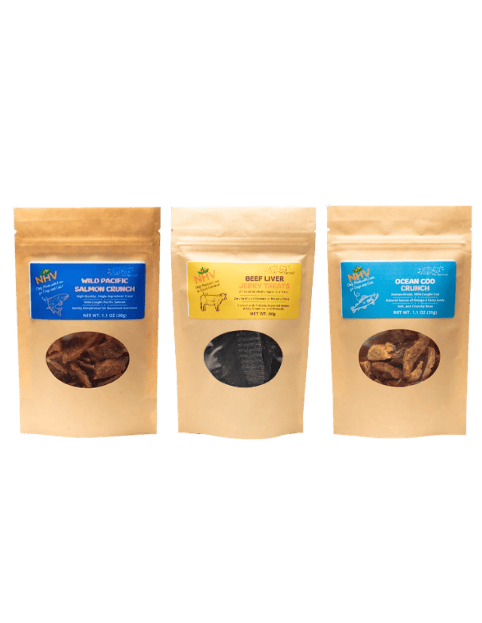
Beef Liver, Salmon & Cod - Single Ingredient
Give your fur baby 1-5 pieces per day as a treat
What Is It?
The Protein Power Bundle has all the high-protein dog treats your fur kid needs to keep those play sessions going strong, thanks to its muscle-healthy protein. With beef liver for muscle and bone strength, salmon jerky for skin and fur, and cod for lean protein, it’s a trio of real, single-ingredient meat and fish dog treats your little one will love.
What Makes It Great?
Why Should I Trust It?
NHV uses trusted suppliers to source the finest wild-caught salmon full of omega-3s and cod full of lean protein, free from antibiotics. Additionally, our beef liver comes from growth hormone-free cattle and never sees artificial ingredients - because your fur kid deserves the best!

What Is It?
The Protein Power Bundle has all the high-protein dog treats your fur kid needs to keep those play sessions going strong, thanks to its muscle-healthy protein. With beef liver for muscle and bone strength, salmon jerky for skin and fur, and cod for lean protein, it’s a trio of real, single-ingredient meat and fish dog treats your little one will love.
What Makes It Great?
Why Should I Trust It?
NHV uses trusted suppliers to source the finest wild-caught salmon full of omega-3s and cod full of lean protein, free from antibiotics. Additionally, our beef liver comes from growth hormone-free cattle and never sees artificial ingredients - because your fur kid deserves the best!
This is the Protein Power Bundle - the ultimate collection of treats for your fur kiddo.
We brought together three of our finest meat and fish-based treats to give your pet a wholesome and lip-licking boost of nutrition. Not only are they super flavorful and satisfyingly crunchy, but they’re also packed with natural protein and amino acids. They’re the perfect swap for helping to maintain strong muscles, whether they’re a growing fur kiddo or a senior who needs to be mindful about maintaining strength.
And they’re only real fish and real meat dog treats: no fillers, gluten, or preservatives. Instead, they’re gently dehydrated to lock in the bold flavors that will have them doing little happy dances.
Your fur kiddo will never grow bored with three delicious chef-made options to choose from:

Full of nutrients and highly motivating during training sessions, this treat is perfect for pets who need a little top-up of protein, vitamins, and minerals after lots of exercise. For instance, iron and vitamin B12 support red blood cell production, which may help keep your fur kid energetic and playful. On top of this, vitamin A and zinc help to keep their immune system ready for outdoor adventures.

From pristine ocean waters, this crunchy reward offers a natural source of omega-3 fatty acids, the healthy fats known to ease inflammation. It’s the tastiest way to support their joints. Salmon also supports brain wellness in fur kids thanks to DHA, a type of omega-3, which can also support eye development.
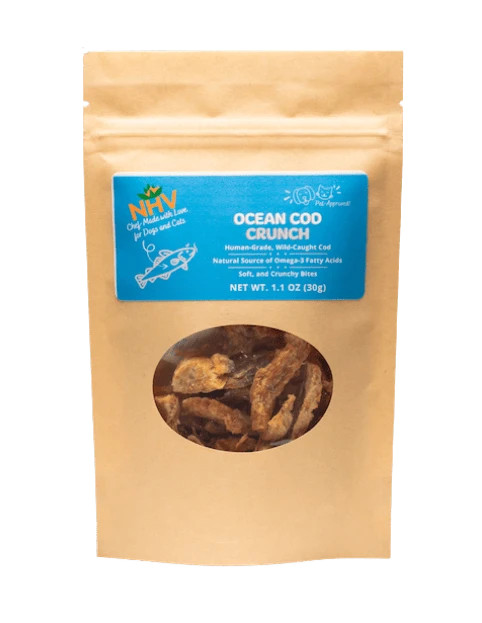
Made from only wild-caught cod, this flaky treat has lean protein and wholesome marine nutrients. It’s easy on the stomach and can support skin and fur thanks to its omega-3 content. Cod also contains natural anti-inflammatory properties that may help keep joints strong for hikes, beach days, and play sessions, whether they’re puppies or in their golden years.
Protein products are everywhere these days! We wanted to offer a high protein dog treat that is free from anything artificial, and with this bundle, you get three unique sources: beef liver, cod, and salmon! Use them for:
 Post-walk or playtime recoveryCrumbled up as a meal topperInside an enrichment toy for healthy funOr just a way to show you love them!
And remember: when it comes to protein, natural is best. Our proteins are sourced from high-quality ingredients that are completely free from growth hormones and antibiotics.
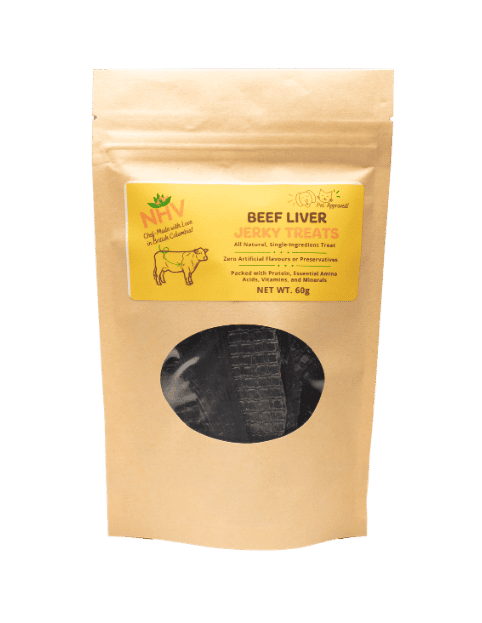
NHV Beef Liver Jerky: 100% dried beef liver
NHV Wild Pacific Salmon Crunch: 100% dried salmon
NHV Ocean Cod Crunch: 100% dried cod
Naturally preserved through dehydration - No artificial flavors, preservatives, colors, or additives
Feed as a treat or training reward between meals. Offer whole or break into smaller pieces.
Treats should comprise no more than 10% of your pet’s daily caloric intake. Always provide fresh water, and supervise your pet while giving treats. Store in a cool, dry place.
This is the Protein Power Bundle - the ultimate collection of treats for your fur kiddo.
We brought together three of our finest meat and fish-based treats to give your pet a wholesome and lip-licking boost of nutrition. Not only are they super flavorful and satisfyingly crunchy, but they’re also packed with natural protein and amino acids. They’re the perfect swap for helping to maintain strong muscles, whether they’re a growing fur kiddo or a senior who needs to be mindful about maintaining strength.
And they’re only real fish and real meat dog treats: no fillers, gluten, or preservatives. Instead, they’re gently dehydrated to lock in the bold flavors that will have them doing little happy dances.
Your fur kiddo will never grow bored with three delicious chef-made options to choose from:
Full of nutrients and highly motivating during training sessions, this treat is perfect for pets who need a little top-up of protein, vitamins, and minerals after lots of exercise. For instance, iron and vitamin B12 support red blood cell production, which may help keep your fur kid energetic and playful. On top of this, vitamin A and zinc help to keep their immune system ready for outdoor adventures.
From pristine ocean waters, this crunchy reward offers a natural source of omega-3 fatty acids, the healthy fats known to ease inflammation. It’s the tastiest way to support their joints. Salmon also supports brain wellness in fur kids thanks to DHA, a type of omega-3, which can also support eye development.
Made from only wild-caught cod, this flaky treat has lean protein and wholesome marine nutrients. It’s easy on the stomach and can support skin and fur thanks to its omega-3 content. Cod also contains natural anti-inflammatory properties that may help keep joints strong for hikes, beach days, and play sessions, whether they’re puppies or in their golden years.
Protein products are everywhere these days! We wanted to offer a high protein dog treat that is free from anything artificial, and with this bundle, you get three unique sources: beef liver, cod, and salmon! Use them for:
Post-walk or playtime recoveryCrumbled up as a meal topperInside an enrichment toy for healthy funOr just a way to show you love them!And remember: when it comes to protein, natural is best. Our proteins are sourced from high-quality ingredients that are completely free from growth hormones and antibiotics.
NHV Beef Liver Jerky: 100% dried beef liver
NHV Wild Pacific Salmon Crunch: 100% dried salmon
NHV Ocean Cod Crunch: 100% dried cod
Naturally preserved through dehydration - No artificial flavors, preservatives, colors, or additives
Feed as a treat or training reward between meals. Offer whole or break into smaller pieces.
Treats should comprise no more than 10% of your pet’s daily caloric intake. Always provide fresh water, and supervise your pet while giving treats. Store in a cool, dry place.
Salmon Jerky Cat Treats
100% Wild-Caught Salmon
Give your fur baby 1-8 pieces per day as a treat
What Is It?
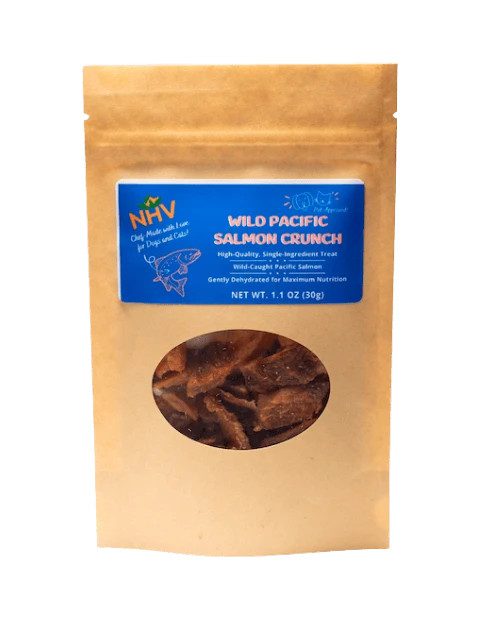
Our chef-made dehydrated wild-caught salmon jerky treats naturally contains protein, healthy omega-3 fats, and no artificial ingredients.
What Makes It Great?
Why Should I Trust It?
We use only 100% wild-caught salmon, sustainably sourced without the use of growth hormones of antibiotics.

What Is It?
Our chef-made dehydrated wild-caught salmon jerky treats naturally contains protein, healthy omega-3 fats, and no artificial ingredients.
What Makes It Great?
Why Should I Trust It?
We use only 100% wild-caught salmon, sustainably sourced without the use of growth hormones of antibiotics.
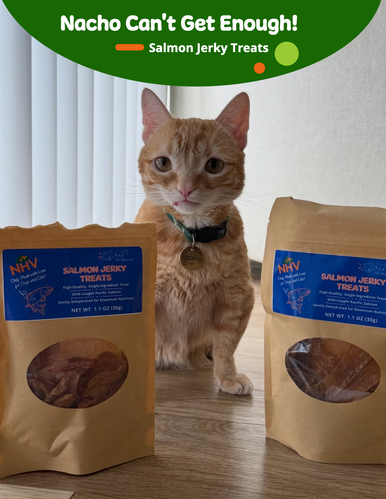
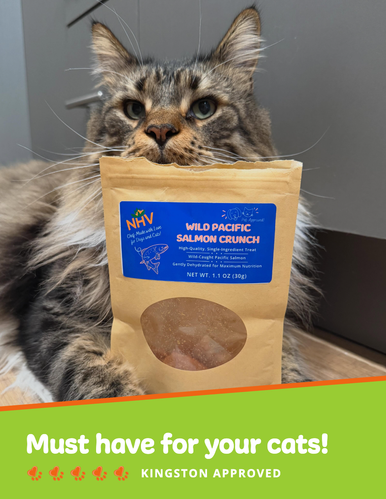
Everything is fishy about our Salmon Jerky! Introducing NHV's Salmon Jerky Treats, the perfect wild-caught snack for cats and kittens. This jerky is incredibly tasty, rich in protein and omega-3s, and supports heart and brain function while promoting a healthy skin and coat for your feline friends.
Our salmon jerky has many benefits for your furkid, thanks to it being wild-caught Pacific salmon, they get high-quality protein and omega-3 fatty acids.
Our treats are made from wild-caught salmon from the Pacific. Wild-caught Pacific salmon is naturally rich in protein and omega-3 fatty acids, free from added hormones, antibiotics, and artificial feed. Sourced sustainably, it provides superior nutrition and flavor, making it one of the healthiest, most wholesome choices for pets.
NHV Salmon Jerky Treats are lovingly made in small batches by our in-house chef for cats and kittens alike. Each bite is carefully crafted for quality and flavor, providing the perfect healthy reward for your furry friends. Grab a pack today to show them some love!
100% Wild-Caught Salmon
Naturally preserved through dehydration - No artificial flavors, preservatives, colors, or additives
Treats should comprise no more than 10% of your pet’s daily caloric intake. Always provide fresh water, and supervise your pet while giving treats. Store in a cool dry place.
Everything is fishy about our Salmon Jerky! Introducing NHV's Salmon Jerky Treats, the perfect wild-caught snack for cats and kittens. This jerky is incredibly tasty, rich in protein and omega-3s, and supports heart and brain function while promoting a healthy skin and coat for your feline friends.
Our salmon jerky has many benefits for your furkid, thanks to it being wild-caught Pacific salmon, they get high-quality protein and omega-3 fatty acids.
Our treats are made from wild-caught salmon from the Pacific. Wild-caught Pacific salmon is naturally rich in protein and omega-3 fatty acids, free from added hormones, antibiotics, and artificial feed. Sourced sustainably, it provides superior nutrition and flavor, making it one of the healthiest, most wholesome choices for pets.
NHV Salmon Jerky Treats are lovingly made in small batches by our in-house chef for cats and kittens alike. Each bite is carefully crafted for quality and flavor, providing the perfect healthy reward for your furry friends. Grab a pack today to show them some love!
100% Wild-Caught Salmon
Naturally preserved through dehydration - No artificial flavors, preservatives, colors, or additives
Treats should comprise no more than 10% of your pet’s daily caloric intake. Always provide fresh water, and supervise your pet while giving treats. Store in a cool dry place.
We have a dedicated group of pet expert professionals, including veterinarians, vet techs, and other pet professionals to guide you through any questions. We’re committed to your pet’s wellness and can offer additional tips, resources, nutritional advice, and more.
Published: August 26, 2026
Beef Liver Jerky Dog Treats
100% Beef Liver
Give your fur baby 1-5 pieces per day as a treat
What Is It?
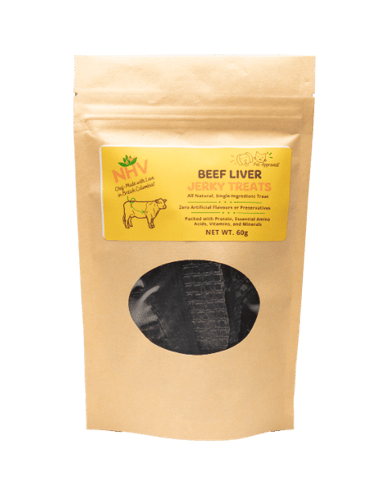
Our chef-made beef liver for dogs and cats naturally contains protein, essential amino acids, vitamins, and minerals.
What Makes It Great?
Why Should I Trust It?
We use only human-grade beef, raised without the use of artificial flavors, colors, or additives.
What Is It?
Our chef-made beef liver for dogs and cats naturally contains protein, essential amino acids, vitamins, and minerals.
What Makes It Great?
Why Should I Trust It?
We use only human-grade beef, raised without the use of artificial flavors, colors, or additives.
Your fur baby might just want something tasty, but as a pet parent, you want it to be healthy, too!
Enter NHV Beef Liver Jerky Treats. This all-natural beef liver for dogs and cats isn’t just irresistibly tasty; it’s got vitamins, minerals, and essential amino acids to fuel their bodies and support their immune system.
Beef liver has many benefits for pets, thanks to its diverse profile of vitamins, minerals, and essential amino acids.
Because of beef liver’s high vitamin and mineral content, it is best used in a treat format like NHV Beef Liver Jerky Treats, comprising about 10% of your pet’s caloric intake.
Our pets’ bodies are just as complex as ours. So why settle for anything less than pure ingredients? That’s why we only use human-grade beef liver in NHV Beef Liver Jerky Treats.
And what we use in these treats is just as important as what we don’t. With no artificial flavors or colors, the natural goodness of pure beef liver shines - without the worry.
There aren’t any artificial preservatives either. Instead, these treats are dehydrated to concentrate flavor, preserve nutrients, and give a hearty chew that pets love.
NHV Beef Liver Jerky Treats are lovingly made in small batches by a professional chef. Each piece is carefully prepared for quality and flavor, as we believe in the best for our furry friends. Get yours today to show them some love!
100% Beef Liver
Naturally preserved through dehydration - No artificial flavors, preservatives, colors, or additives
Treats should comprise no more than 10% of your pet’s daily caloric intake. Always provide fresh water, and supervise your pet while giving treats. Store in a cool dry place.
Your fur baby might just want something tasty, but as a pet parent, you want it to be healthy, too!
Enter NHV Beef Liver Jerky Treats. This all-natural beef liver for dogs and cats isn’t just irresistibly tasty; it’s got vitamins, minerals, and essential amino acids to fuel their bodies and support their immune system.
Beef liver has many benefits for pets, thanks to its diverse profile of vitamins, minerals, and essential amino acids.
Because of beef liver’s high vitamin and mineral content, it is best used in a treat format like NHV Beef Liver Jerky Treats, comprising about 10% of your pet’s caloric intake.
Our pets’ bodies are just as complex as ours. So why settle for anything less than pure ingredients? That’s why we only use human-grade beef liver in NHV Beef Liver Jerky Treats.
And what we use in these treats is just as important as what we don’t. With no artificial flavors or colors, the natural goodness of pure beef liver shines - without the worry.
There aren’t any artificial preservatives either. Instead, these treats are dehydrated to concentrate flavor, preserve nutrients, and give a hearty chew that pets love.
NHV Beef Liver Jerky Treats are lovingly made in small batches by a professional chef. Each piece is carefully prepared for quality and flavor, as we believe in the best for our furry friends. Get yours today to show them some love!
100% Beef Liver
Naturally preserved through dehydration - No artificial flavors, preservatives, colors, or additives
Treats should comprise no more than 10% of your pet’s daily caloric intake. Always provide fresh water, and supervise your pet while giving treats. Store in a cool dry place.