




Anxiety in Cats: Signs, Causes, and Natural Ways to Help Your Cat Feel Safe
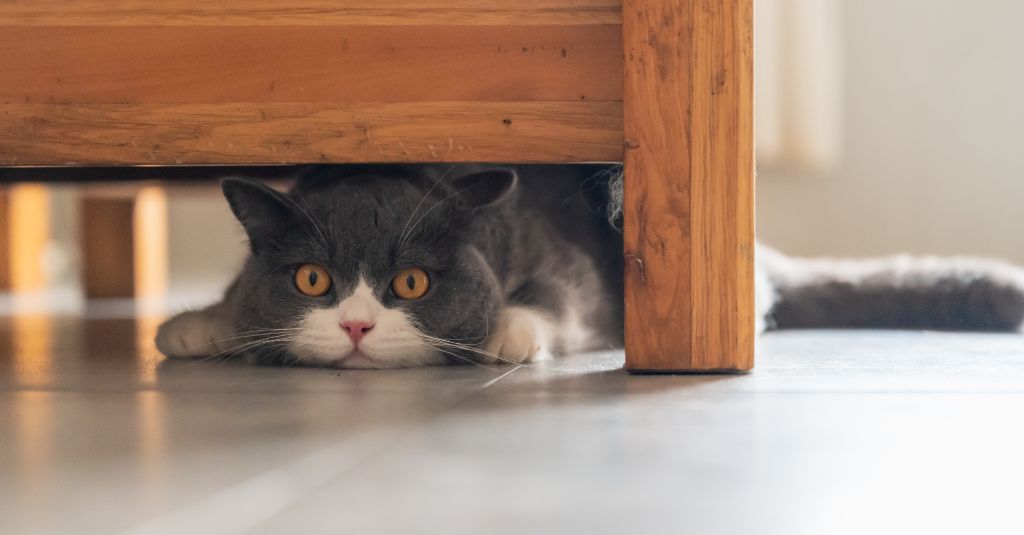
Cats are often seen as independent and self-sufficient companions, but like us, they experience emotions. Changes in their environment, routine, or health can lead to stress and anxiety in cats. While occasional stress is a normal response to a new situation, chronic anxiety can affect their physical and emotional health. Thus, learning to recognize the early signs of stress and/or anxiety can allow pet owners to address potential problems before they become more serious.
In this blog, we will explore some of the causes of feline anxiety, common behavioral signs, and natural ways to help your kitty feel safe and secure.
Do Cats Have Anxiety?
Absolutely – although they often express it differently than dogs or people, cats can experience anxiety.
Stress can be a normal response to a temporary challenge, such as a vet visit, the arrival of visitors, or a new pet. However, once the situation passes or becomes familiar, most cats return to their normal behavior.
As opposed to stress, anxiety occurs when a cat experiences persistent worry or anticipation of a possible threat, even without immediate danger. However, chronic anxiety can affect behavior, appetite, grooming, sleep, immune system, and overall well-being.
Another important fact is that because cats naturally hide signs that they are feeling uncomfortable, anxiety may develop gradually before becoming obvious to us.
Need Professional Guidance?
Schedule a consultation with one of our expertsWhat Causes Anxiety in Cats?
Anxiety can develop from a combination of social, environmental, and medical conditions.
Some of the common causes can include: Environmental Changes such as moving to a new home, house renovations, moving furniture, travel, a new baby or pets, visitors, loss of a family member, including pets, lack of environmental enrichment, loud noise, medical conditions, etc.
For that reason, any sudden behavioral change should always be discussed with your primary veterinarian.
Signs of Anxiety in Cats
Cats rarely demonstrate they’re anxious; however, they can show us some changes in behaviour, such as: hiding more than usual, reduced interaction with family members and other pets, excessive grooming, changes in appetite, restlessness, increased vocalization, irritability, destructive scratching, peeing outside the litter box, sleeping more or less than usual, hypervigilance.
Some of the physical signs can be dilated pupils, trembling, rapid breathing, and a tense body.
Why Is My Cat Hiding All of a Sudden?
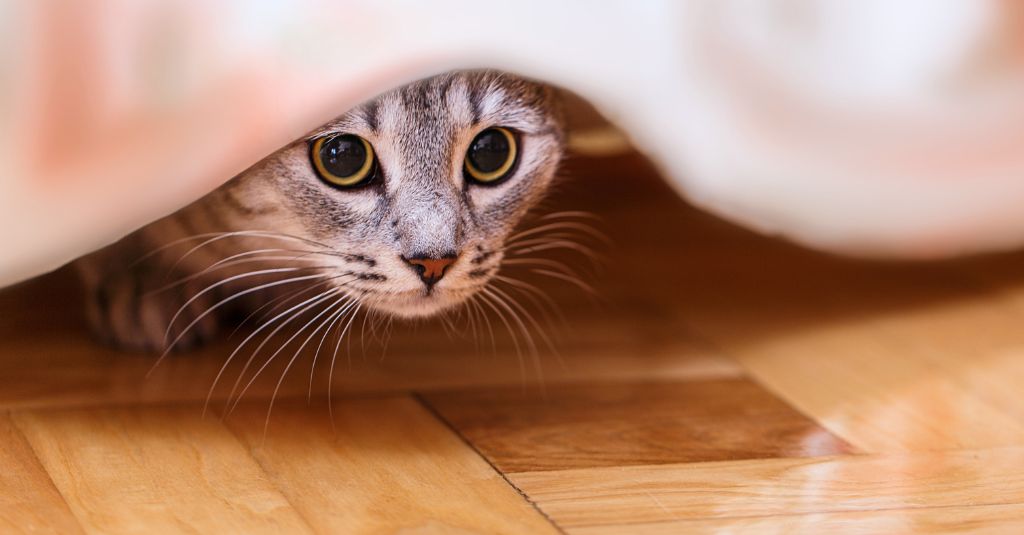
One of the most common questions veterinarians hear is: “Why is my cat hiding all of a sudden?”
The answer is that hiding is a normal survival behavior for felines. However, if your cat suddenly begins hiding more frequently, it may indicate stress, anxiety, pain, illness, fear, or even changes in environment. If hiding persists for more than a day or is accompanied by reduced appetite, vomiting, lethargy, or changes in litter box habits, it is important to visit your veterinarian.
Separation Anxiety & Fear-Based Behaviors
Fortunately, separation anxiety is relatively uncommon in cats compared with dogs, but it does occur. Some cats that form very strong attachments to their owners may become distressed when left alone. Some signs are excessive vocalization after the owner leaves, following the owner constantly, destructive behavior, inappropriate urination or defecation, changes in appetite, and excessive grooming.
Fear Aggression in Cats
Fear is one of the most common causes of aggression in cats. When they feel frightened, cats may hiss, growl, swat, bite, or even attempt to escape. Fear aggression is often triggered when a cat feels trapped or unable to avoid a perceived threat. It is important to note that punishment should never be used, as it may worsen anxiety and damage the bond with your pet.
Can Cats Develop PTSD?
Although research is still evolving, it is recognized that cats can develop long-lasting fear responses after traumatic experiences. Especially those that were rescued from neglect, abuse, natural disaster, or severe accidents can continue to have anxiety or fear long after their experience. However, with patience, environmental changes, and appropriate veterinary guidance, many cats gradually gain confidence.
How to Treat Anxiety in Cats
Managing anxiety normally requires addressing both the underlying cause and the environment. Whenever possible, reducing exposure to situations that trigger anxiety can be very helpful. The treatment may include environmental enrichment with cat trees and climbing paces, window perches, interactive toys, puzzle feeders, scratching posts, and safe palaces. Also, maintaining a predictable routine helps. Cats thrive on consistency; thus, feeding, playtime, and bedtime should occur at regular times whenever possible. Your veterinarian may also recommend pheromone therapy, nutritional support, or prescription medications in moderate to severe cases.
Diagnosing Anxiety in Cats
There is no single test to diagnose anxiety in cats. It is based on your cat’s history, behavior, and physical examination while ruling out underlying medical conditions that can cause similar signs, such as pain, hyperthyroidism, urinary disease, arthritis, etc. Depending on your cat’s age and clinical signs, blood work along with urinalysis and other diagnistic test may be recommended. Once any medical conditions have been excluded, an appropriate treatment plan can be developed to help manage your anxiety in cats.
Recommended Products
At NHV, we believe emotional wellness deserves the same thoughtful, holistic support as physical health. Natural supplements can be incorporated into a comprehensive plan developed with your veterinarian to help promote relaxation and emotional balance.
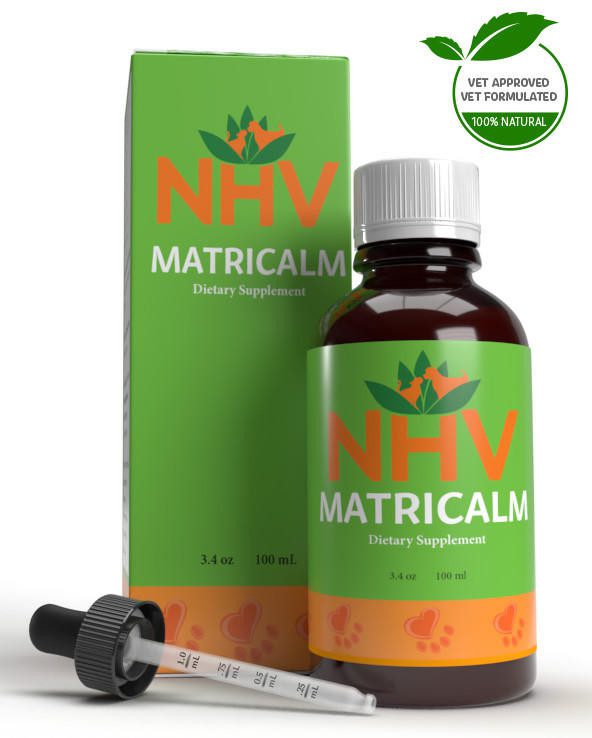
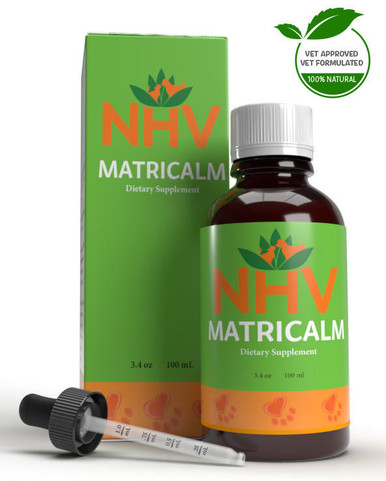
NHV Matricalm: It is formulated with calming herbs traditionally used to help support the nervous system and promote relaxation during periods of stress. It may be helpful for cats experiencing anxiety related to travel, environmental changes, veterinary visits, or other stressful situations.
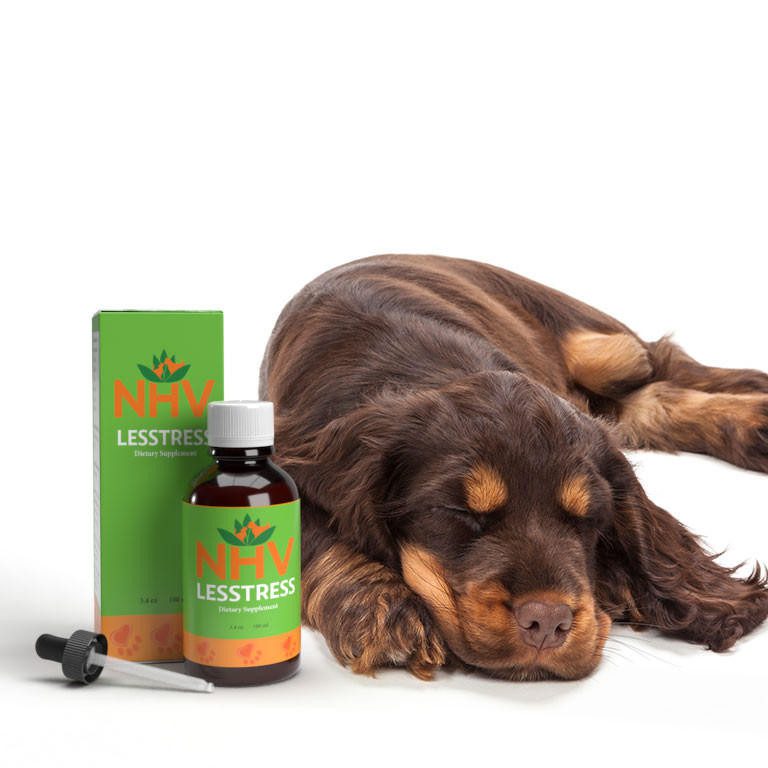
NHV Lesstress: It is designed to help maintain emotional balance while supporting the body’s natural response to stress. Its carefully selected herbal ingredients help promote calm behavior without causing excessive sedation, making it suitable for ongoing support in cats experiencing chronic stress or anxiety.
These herbal formulations are intended to support emotional well-being as part of a comprehensive behavioral management plan. They are not a substitute for veterinary diagnosis or treatment when an underlying medical or behavioral condition is present.
Helping Your Cat Feel Safe
Even small changes can make a huge difference in reducing your cat’s anxiety.
For example: providing multiple safe hiding places, creating vertical spaces for climbing, maintaining predictable routines, using positive reinforcement, scheduling regular play sessions, avoiding punishment, and introducing new people or pets gradually.
However, it is also important to remember that every cat is unique – what feels stressful to one cat may not for another cat.
Conclusion
In conclusion, anxiety in cats is a common but often overlooked condition. For this reason, cats are good at hiding signs of discomfort; subtle behavioral changes such as hiding, excessive grooming, changes in appetite, or increased vocalization may be the first signs that something is not going well.
Therefore, by recognizing these changes early, identifying the potential trigger, and working closely with your regular vet, you can help your cat feel safer, more comfortable, and more confident!
Lesstress for Pets – Stress and Anxiety Support
USD $47.95
Lesstress - Helps support pets suffering from stress and anxiety.


Lesstress - Helps support pets suffering from stress and anxiety.
- item number
- ph1050fb
- weight
- 0.7
-
Description
- item number
- ph1050fb
- weight
- 0.7
-
Ingredients
-
Dosage
anxiety & aggression support
Matricalm for Cats
USD $47.95
Matricalm for Cats
Natural Help for Stress Reduction, Anxiety Relief, Behavioral Problems, and Aggression in Cats
USD $47.95
buy 2 and save $3
3 month supply for a small to medium size pet
What is it?
Matricalm is an all-natural supplement that provides anxiety and stress relief in cats and promotes calm behavior.
How Does it Work?
- Supports anxiety and aggressive behavior
- Helps calm aggression
- Safe for cats and kittens
- Reduces agitation
Why Should I Trust It?
Vet-approved dietary supplement crafted with the finest natural ingredients.


What is it?
Matricalm is an all-natural supplement that provides anxiety and stress relief in cats and promotes calm behavior.
How Does it Work?
- Supports anxiety and aggressive behavior
- Helps calm aggression
- Safe for cats and kittens
- Reduces agitation
Why Should I Trust It?
Vet-approved dietary supplement crafted with the finest natural ingredients.
Help reduce aggressive behavior and provide anxiety and stress relief for your cat with Matricalm, a natural herbal product designed to help reduce excitability in your pet. Cats can become anxious or aggressive when exposed to other animals or to people they are unfamiliar with. When this occurs they may hiss, scratch, howl, or urinate inappropriately.
It’s important to remember that a significant cause of illness in pets results from stress. Helping to keep your cat stress free can help keep them healthier for longer. NHV Pet Experts also often recommend Matricalm for cats dealing with FIV, cancer, kidney issues, hyperthyroidism, and more.
See how NHV Matricalm helped kitty Kimba with yowling and stress.
- item number
- PH1100c
- weight
- 0.7
- volume
- 3.4 fl. oz. (100ml)
- form
- liquid
- life stages
- adult, senior, kitten
- made in
- canada
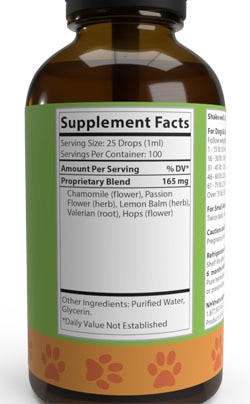
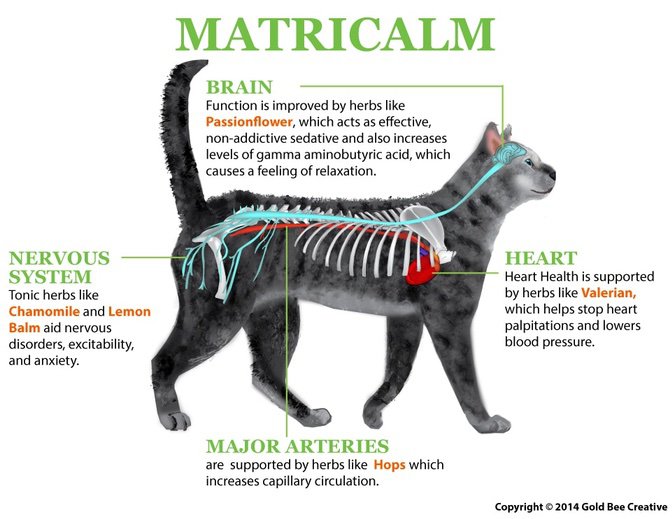
Chamomile – Contains sedative properties. Chamomile also helps the immune system and has a strong affinity for the nervous system.
Passion Flower – An effective, non-addictive sedative. It helps increase gamma-aminobutyric acid (GABA) in the brain, which helps cause a feeling of relaxation. Passion Flower also has strong anti-inflammatory and pain-relieving properties.
Lemon Balm – An aromatic herb used for nervous disorders, excitability, and anxiety. In addition, lemon balm helps lower blood pressure.
Valerian – Helps stop heart palpitations, relaxes spasms, relieves pain, and regulates the nervous system. Valerian also helps improve sleep latency and sleep quality.
Hops – Tension, anxiety, and stress relief in cats. Hops have traditionally been used to help with mood disturbances, such as restlessness and anxiety.
Pet's Weight Dosage
To be taken twice daily. All NHV supplements are designed to be used together, and can, therefore, be given at once for convenience.
Select your pet's weight to determine the correct dose.
To be taken twice daily. Determine your pet’s weight and then use the easy chart below to determine the correct dose. This is the minimum dosage.
Pet's Weight Dosage
0 - 15 lb = 0.5 ml
16 - 30 lb = 1.0 ml
31 - 45 lb = 1.5 ml
46 - 60 lb = 2.0 ml
61 - 75 lb = 2.5 ml
Over 75 lb = 3.0 ml
How to Administer
Shake well before use. The easiest method is to use the dropper provided and place the drops into your pet’s food or favorite treat. You can also use the dropper and squirt directly into the pet’s mouth.
Some pets can be finicky. If this occurs, consider hiding the drops in foods most pets love, such as fish, chicken, yogurt or a favorite treat. If your pet only eats dry food, then soak a few kibbles at feeding time.
For Best Results
Herbal dietary supplements are beneficial to the health and well-being of your pet and are safe for long-term use. Every pet responds to natural herbal supplements differently. Therefore, it is important to be consistent and administer the product daily. Supplements generally take two to four weeks to take effect; however, this interval will vary from one animal to the next.
Product Storage
All NHV Natural Pet Products are pure herbal extracts and contain no artificial additives, preservatives, or coloring. Shelf life after opening is six months, and it must be refrigerated after opening.
Cautions and Contraindications
Do not use Matricalm for cats as stress relief in pregnant or nursing animals. Speak to your vet before using our products. A second visit is recommended if your pet’s condition does not improve or deteriorates after the continued use of the supplements.
All information provided by NHV Natural Pet Products is for educational purposes only.
-
Description
Help reduce aggressive behavior and provide anxiety and stress relief for your cat with Matricalm, a natural herbal product designed to help reduce excitability in your pet. Cats can become anxious or aggressive when exposed to other animals or to people they are unfamiliar with. When this occurs they may hiss, scratch, howl, or urinate inappropriately.
It’s important to remember that a significant cause of illness in pets results from stress. Helping to keep your cat stress free can help keep them healthier for longer. NHV Pet Experts also often recommend Matricalm for cats dealing with FIV, cancer, kidney issues, hyperthyroidism, and more.
See how NHV Matricalm helped kitty Kimba with yowling and stress.

- item number
- PH1100c
- weight
- 0.7
- volume
- 3.4 fl. oz. (100ml)
- form
- liquid
- life stages
- adult, senior, kitten
- made in
- canada
-
Ingredients
Chamomile – Contains sedative properties. Chamomile also helps the immune system and has a strong affinity for the nervous system.
Passion Flower – An effective, non-addictive sedative. It helps increase gamma-aminobutyric acid (GABA) in the brain, which helps cause a feeling of relaxation. Passion Flower also has strong anti-inflammatory and pain-relieving properties.
Lemon Balm – An aromatic herb used for nervous disorders, excitability, and anxiety. In addition, lemon balm helps lower blood pressure.
Valerian – Helps stop heart palpitations, relaxes spasms, relieves pain, and regulates the nervous system. Valerian also helps improve sleep latency and sleep quality.
Hops – Tension, anxiety, and stress relief in cats. Hops have traditionally been used to help with mood disturbances, such as restlessness and anxiety.
-
Dosage
Pet's Weight Dosage
To be taken twice daily. All NHV supplements are designed to be used together, and can, therefore, be given at once for convenience.
Select your pet's weight to determine the correct dose.
To be taken twice daily. Determine your pet’s weight and then use the easy chart below to determine the correct dose. This is the minimum dosage.
Pet's Weight Dosage
0 - 15 lb = 0.5 ml
16 - 30 lb = 1.0 ml
31 - 45 lb = 1.5 ml
46 - 60 lb = 2.0 ml
61 - 75 lb = 2.5 ml
Over 75 lb = 3.0 ml
How to Administer
Shake well before use. The easiest method is to use the dropper provided and place the drops into your pet’s food or favorite treat. You can also use the dropper and squirt directly into the pet’s mouth.
Some pets can be finicky. If this occurs, consider hiding the drops in foods most pets love, such as fish, chicken, yogurt or a favorite treat. If your pet only eats dry food, then soak a few kibbles at feeding time.
For Best Results
Herbal dietary supplements are beneficial to the health and well-being of your pet and are safe for long-term use. Every pet responds to natural herbal supplements differently. Therefore, it is important to be consistent and administer the product daily. Supplements generally take two to four weeks to take effect; however, this interval will vary from one animal to the next.
Product Storage
All NHV Natural Pet Products are pure herbal extracts and contain no artificial additives, preservatives, or coloring. Shelf life after opening is six months, and it must be refrigerated after opening.
Cautions and Contraindications
Do not use Matricalm for cats as stress relief in pregnant or nursing animals. Speak to your vet before using our products. A second visit is recommended if your pet’s condition does not improve or deteriorates after the continued use of the supplements.
All information provided by NHV Natural Pet Products is for educational purposes only.
general wellbeing
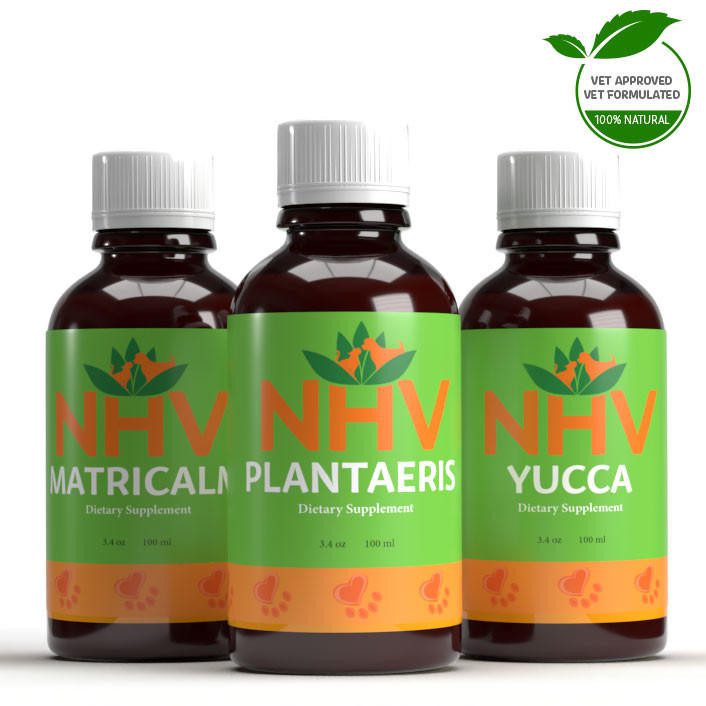
Holiday Essentials Kit
USD $142.95
Holiday Essentials Kit
All-Natural Pet Supplements
USD $142.95
bundle and save with pet expert kits
3 month supply for a small to medium size pet.
What is it?
NHV Holiday Essentials Kit is a comprehensive pet supplement bundle that helps calm stressed pets, supports digestion and diarrhea relief, and provides natural support for joint discomfort.
How Does it Work?
- Natural stress relief remedy
- Support for healthy bowel movements and diarrhea aid
- May improve appetite and improve body’s resistance to stress
- Rich source of pet vitamins and minerals, and trace elements
Why Should I Trust It?
Formulated by veterinarians with the finest herbs.

What is it?
NHV Holiday Essentials Kit is a comprehensive pet supplement bundle that helps calm stressed pets, supports digestion and diarrhea relief, and provides natural support for joint discomfort.
How Does it Work?
- Natural stress relief remedy
- Support for healthy bowel movements and diarrhea aid
- May improve appetite and improve body’s resistance to stress
- Rich source of pet vitamins and minerals, and trace elements
Why Should I Trust It?
Formulated by veterinarians with the finest herbs.
We all want to have a great time during the holidays, but sometimes family gatherings and sudden changes in the home can be stressful for your pet. Give your furry friend the support they need with NHV Holiday Essentials Kit - a comprehensive pet supplement bundle that helps calm a stressed-out pet, provide diarrhea support and overall digestive support, and support for joint discomfort.
Holistic Support and Pet Supplements for the Holidays
'Tis the season you say! Of course, the holidays are a time to celebrate, but with family dinners and get-togethers just around the corner, changes in your pet's daily routine can cause a lot of stress and anxiety. Hanging wires or seasonal decorations can entice your pet's curiosity, and they may gobble up something they weren't supposed to from the kitchen! Bringing home new plants like belladonna, mistletoe, or holly may be toxic to your pets, and may cause an upset tummy resulting in diarrhea from a few casual nibbles. We recommend creating safe spaces for your little one to relax, play and retreat to when the festivities become too much for them. If you're low on space, just opening up a few closets or having a few boxes with blankets or soft bedding inside will do wonders for your pet's mental wellbeing. For added support, we recommend our Holiday Essentials Kit that contains Matricalm (natural stress relief), Plantaeris (diarrhea support) and Yucca (anti-inflammatory and appetite support).
How the NHV Holiday Essentials Kit Supports A Relaxed Pet
With the new faces and changes, your dog, cat or pet’s heart rate and blood pressure may increase, and they may become irritated, excitable, and stressed. These symptoms may cause digestive upset and aggressive behavior. Matricalm contains five calming herbs that may help relax the nervous system, improve digestion and discourage aggressive or anxious behavior.
Dogs and cats of all ages can have very sensitive GI tracts (especially our feline friends), so if they accidentally munch on mistletoe, an ornament, chocolate or an edible arrangement, they will likely get an upset tummy and possibly diarrhea. Plantaeris is a gentle, fast-acting diarrhea remedy that contains herbs like barberry and mullein which help to relax muscle cramping and encourage digestion. Some foods, like chocolate, and plants can be toxic, please see an emergency vet right away if your pet has ingested toxic foods/plants.
Yucca is a nutritive superfood (rich in vitamin C, beta-carotene, B vitamins, magnesium, iron, calcium, manganese, protein) and contains beneficial properties that help support the absorption of nutrients. Yucca also helps with overall digestive discomfort, and can even help reduce the production of urease, which contributes to the unpleasant odors of urine and feces in some pets.
MATRICALM
- Support for stress, anxiety, and aggressive behavior
- May help increase feelings of relaxation
- Safe for dogs and cats of all ages
- All-natural & vet-approved
- May help reduce excitability
PLANTAERIS
- A natural diarrhea remedy that works gently and quickly
- Promotes healthy bowel movements
- May improve digestive health
- Glycerin-based (sweet taste is palatable for pets)
YUCCA
- Support for inflammation in muscles, and joints in pets
- May improve absorption and improve appetite
- Rich source of vitamins, minerals, and trace elements (superfood)
- Promotes healthy GI functions
Holistic Support For Your Pet
Having a healthy pet means the world to us at NHV. Providing your furkiddo with natural support during this holiday season may help prevent infections, digestive issues, and more! If you have any questions about pet supplements for your furry friends, Get in touch with an NHV Pet Expert - we’re always happy to help.
- item number
- WT7021
- weight
- 2.1
- made in
- canada
- form
- liquid
- volume
- 3.4 fl. oz. (100ml)
Made with the finest, organically grown, or ethically harvested herbs. Made specifically for pets, vet-formulated, and vet approved.
Matricalm
- Chamomile is a calming herb with gentle sedative properties that helps to reduce anxiety and nervousness.
- Hops is a diuretic and sedative herb that may increase capillary circulation and stimulate digestion. It is helpful for calming restlessness and anxiety.
- Lemon Balm has been used since the Middle Ages to help reduce stress and anxiety. It may also lower blood pressure and help expel intestinal gas.
- Passion Flower is an herb that may increase the levels of GABA (gamma aminobutyric acid) in the brain and encourages a feeling of relaxation.
- Valerian is a herb that helps to lower blood pressure and relieve inflammation. Its sedative properties may improve sleep latency and sleep quality.
Plantaeris
- Barberry has a long history of use for diarrhea, upset stomach, and for helping to reduce stomach acid. It contains antibiotic, anti-inflammatory, and astringent properties.
- Bayberry has been traditionally used for aiding with diarrhea due to its high levels of tannins, resins, and gums that are effective at fighting bacterial infections and promoting circulation.
- Chamomile has been used for centuries to help soothe indigestion, reduce spasms and for calming nervous energy.
- Chinese Peony has been used in Chinese Medicine to help relax muscle spasms and help reduce stomach discomfort.
- Ginger contains properties that may improve intestinal muscle tone (encourages gentle elimination)
- Mullein is a mucilaginous herb that is known to help soothe inflammation, help alleviate muscle cramps and help relieve diarrhea.
- Myrrh contains terpenoids and sesquiterpenes which contain anti-inflammatory and antioxidant properties that help provide relief for overall digestive discomfort.
- Oregon Grape contains beneficial properties to improve digestion and absorption of nutrients by stimulating bile flow.
- Thyme contains carminative and antispasmodic properties which are beneficial supports for IBD, colitis, and other gastric disorders.
Yucca
- Yucca root is a rich source of vitamins, minerals, and saponin compounds. Saponins are a group of compounds that help encourage a healthy appetite and may improve nutrient absorption.
Pet's Weight Dosage
To be taken twice daily. All NHV supplements are designed to be used together, and can, therefore, be given at once for convenience.
Select your pet's weight to determine the correct dose.
To be taken twice daily. Determine your pet’s weight and then use the easy chart below to determine the correct dose. This is the minimum dosage.
Pet's Weight Dosage
0 - 15 lb = 0.5 ml
16 - 30 lb = 1.0 ml
31 - 45 lb = 1.5 ml
46 - 60 lb = 2.0 ml
61 - 75 lb = 2.5 ml
Over 75 lb = 3.0 ml
For small animals (rabbits, ferrets), avians and reptiles use 1 drop for every 2 lb of body weight.
How to Administer
Shake well before use. The easiest method is to use the dropper provided and place the drops into your pet’s food or favorite treat. You can also use the dropper and squirt directly into the pet’s mouth. Some pets can be finicky, if this occurs consider hiding the drops in foods most pet’s love such as fish, chicken or yogurt or a favorite treat. If your pet only eats dry food then soak a few kibbles at feeding time.
For Best Results
Herbal dietary supplements are beneficial to the health and well-being of your pet and are safe for long-term use. Every pet responds to natural herbal supplements differently, therefore it is important to be consistent and administer the product daily. Supplements generally take two to four weeks to take effect, however this will vary from one animal to the next.
Product Storage
All NHV Natural Pet Products are pure herbal extracts and contain no artificial additives, preservatives or coloring. Shelf life after opening is 6 months and must be refrigerated after opening.
Cautions and Contraindications
Do not use in pregnant or nursing animals.
All information provided by NHV Natural Pet Products is for educational purposes only.
-
Description
We all want to have a great time during the holidays, but sometimes family gatherings and sudden changes in the home can be stressful for your pet. Give your furry friend the support they need with NHV Holiday Essentials Kit - a comprehensive pet supplement bundle that helps calm a stressed-out pet, provide diarrhea support and overall digestive support, and support for joint discomfort.
Holistic Support and Pet Supplements for the Holidays
'Tis the season you say! Of course, the holidays are a time to celebrate, but with family dinners and get-togethers just around the corner, changes in your pet's daily routine can cause a lot of stress and anxiety. Hanging wires or seasonal decorations can entice your pet's curiosity, and they may gobble up something they weren't supposed to from the kitchen! Bringing home new plants like belladonna, mistletoe, or holly may be toxic to your pets, and may cause an upset tummy resulting in diarrhea from a few casual nibbles. We recommend creating safe spaces for your little one to relax, play and retreat to when the festivities become too much for them. If you're low on space, just opening up a few closets or having a few boxes with blankets or soft bedding inside will do wonders for your pet's mental wellbeing. For added support, we recommend our Holiday Essentials Kit that contains Matricalm (natural stress relief), Plantaeris (diarrhea support) and Yucca (anti-inflammatory and appetite support).
How the NHV Holiday Essentials Kit Supports A Relaxed Pet
With the new faces and changes, your dog, cat or pet’s heart rate and blood pressure may increase, and they may become irritated, excitable, and stressed. These symptoms may cause digestive upset and aggressive behavior. Matricalm contains five calming herbs that may help relax the nervous system, improve digestion and discourage aggressive or anxious behavior.
Dogs and cats of all ages can have very sensitive GI tracts (especially our feline friends), so if they accidentally munch on mistletoe, an ornament, chocolate or an edible arrangement, they will likely get an upset tummy and possibly diarrhea. Plantaeris is a gentle, fast-acting diarrhea remedy that contains herbs like barberry and mullein which help to relax muscle cramping and encourage digestion. Some foods, like chocolate, and plants can be toxic, please see an emergency vet right away if your pet has ingested toxic foods/plants.
Yucca is a nutritive superfood (rich in vitamin C, beta-carotene, B vitamins, magnesium, iron, calcium, manganese, protein) and contains beneficial properties that help support the absorption of nutrients. Yucca also helps with overall digestive discomfort, and can even help reduce the production of urease, which contributes to the unpleasant odors of urine and feces in some pets.
MATRICALM
- Support for stress, anxiety, and aggressive behavior
- May help increase feelings of relaxation
- Safe for dogs and cats of all ages
- All-natural & vet-approved
- May help reduce excitability
PLANTAERIS
- A natural diarrhea remedy that works gently and quickly
- Promotes healthy bowel movements
- May improve digestive health
- Glycerin-based (sweet taste is palatable for pets)
YUCCA
- Support for inflammation in muscles, and joints in pets
- May improve absorption and improve appetite
- Rich source of vitamins, minerals, and trace elements (superfood)
- Promotes healthy GI functions
Holistic Support For Your Pet
Having a healthy pet means the world to us at NHV. Providing your furkiddo with natural support during this holiday season may help prevent infections, digestive issues, and more! If you have any questions about pet supplements for your furry friends, Get in touch with an NHV Pet Expert - we’re always happy to help.
- item number
- WT7021
- weight
- 2.1
- made in
- canada
- form
- liquid
- volume
- 3.4 fl. oz. (100ml)
-
Ingredients
Made with the finest, organically grown, or ethically harvested herbs. Made specifically for pets, vet-formulated, and vet approved.
Matricalm
- Chamomile is a calming herb with gentle sedative properties that helps to reduce anxiety and nervousness.
- Hops is a diuretic and sedative herb that may increase capillary circulation and stimulate digestion. It is helpful for calming restlessness and anxiety.
- Lemon Balm has been used since the Middle Ages to help reduce stress and anxiety. It may also lower blood pressure and help expel intestinal gas.
- Passion Flower is an herb that may increase the levels of GABA (gamma aminobutyric acid) in the brain and encourages a feeling of relaxation.
- Valerian is a herb that helps to lower blood pressure and relieve inflammation. Its sedative properties may improve sleep latency and sleep quality.
Plantaeris
- Barberry has a long history of use for diarrhea, upset stomach, and for helping to reduce stomach acid. It contains antibiotic, anti-inflammatory, and astringent properties.
- Bayberry has been traditionally used for aiding with diarrhea due to its high levels of tannins, resins, and gums that are effective at fighting bacterial infections and promoting circulation.
- Chamomile has been used for centuries to help soothe indigestion, reduce spasms and for calming nervous energy.
- Chinese Peony has been used in Chinese Medicine to help relax muscle spasms and help reduce stomach discomfort.
- Ginger contains properties that may improve intestinal muscle tone (encourages gentle elimination)
- Mullein is a mucilaginous herb that is known to help soothe inflammation, help alleviate muscle cramps and help relieve diarrhea.
- Myrrh contains terpenoids and sesquiterpenes which contain anti-inflammatory and antioxidant properties that help provide relief for overall digestive discomfort.
- Oregon Grape contains beneficial properties to improve digestion and absorption of nutrients by stimulating bile flow.
- Thyme contains carminative and antispasmodic properties which are beneficial supports for IBD, colitis, and other gastric disorders.
Yucca
- Yucca root is a rich source of vitamins, minerals, and saponin compounds. Saponins are a group of compounds that help encourage a healthy appetite and may improve nutrient absorption.
-
Dosage
Pet's Weight Dosage
To be taken twice daily. All NHV supplements are designed to be used together, and can, therefore, be given at once for convenience.
Select your pet's weight to determine the correct dose.
To be taken twice daily. Determine your pet’s weight and then use the easy chart below to determine the correct dose. This is the minimum dosage.
Pet's Weight Dosage
0 - 15 lb = 0.5 ml
16 - 30 lb = 1.0 ml
31 - 45 lb = 1.5 ml
46 - 60 lb = 2.0 ml
61 - 75 lb = 2.5 ml
Over 75 lb = 3.0 ml
For small animals (rabbits, ferrets), avians and reptiles use 1 drop for every 2 lb of body weight.
How to Administer
Shake well before use. The easiest method is to use the dropper provided and place the drops into your pet’s food or favorite treat. You can also use the dropper and squirt directly into the pet’s mouth. Some pets can be finicky, if this occurs consider hiding the drops in foods most pet’s love such as fish, chicken or yogurt or a favorite treat. If your pet only eats dry food then soak a few kibbles at feeding time.For Best Results
Herbal dietary supplements are beneficial to the health and well-being of your pet and are safe for long-term use. Every pet responds to natural herbal supplements differently, therefore it is important to be consistent and administer the product daily. Supplements generally take two to four weeks to take effect, however this will vary from one animal to the next.Product Storage
All NHV Natural Pet Products are pure herbal extracts and contain no artificial additives, preservatives or coloring. Shelf life after opening is 6 months and must be refrigerated after opening.Cautions and Contraindications
Do not use in pregnant or nursing animals.All information provided by NHV Natural Pet Products is for educational purposes only.
Recommended Products
-
-
Matricalm for Cats
USD $47.95 -
Holiday Essentials Kit
USD $142.95
Featured Tails
-

Calming Probiotic for Dogs & Cats
The benefits of calming probiotic for dogs and cats go beyon