Stimmune
USD $46.95
free shipping over $100 (USA & Canada)
1-877-937-4372 the pet expert hotline


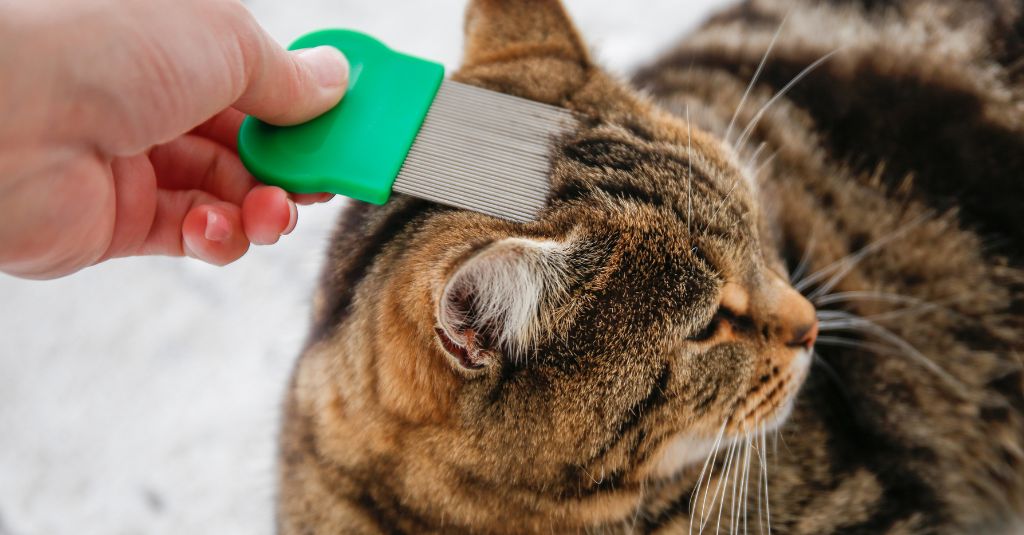
Flea allergy dermatitis (FAD) is one of the most common causes of itching and skin irritation in kitties. Many pet parents assume that severe itching means their fur babies must have many fleas, but this is not always true. Flea allergy dermatitis in pets may occur when the immune system reacts to a protein in the flea saliva, making some cats very sensitive to even a single flea bite.
In allergic felines, that one bite can trigger intense inflammation, itching, and skin issues that may last for days or even weeks. One important thing to remember is that this condition is common and manageable with proper care, flea control, and supportive wellness strategies.
When a flea bites a cat, it injects saliva into the skin while feeding. However, this saliva contains several proteins that prevent blood clotting and, at the same time, help the flea feed more efficiently.
For most fur babies, the immune system tolerates these proteins well without a reaction. However, in some cats with flea bite allergies, the immune system recognizes flea saliva as a problem, and this triggers an allergic response.
Because this reaction is driven by hypersensitivity rather than flea numbers, cats with flea allergy dermatitis may have very few visible fleas. In fact, cats normally groom fleas away before we can ever see them.
Also, because the immune system has already been activated, the symptoms can continue even after the flea is gone.
Cats with flea allergy dermatitis can show many symptoms depending on how sensitive they are and how long they have been exposed.
Some of the common signs include:
Some of the most affected areas are the abdomen, lower back, base of the tail, inner thighs, and neck.
Although fleas can be one of the underlying causes that trigger allergic dermatitis, several factors can increase the risk of exposure.
Even indoor cats can develop FAD because fleas can enter the home through other pets, wildlife, or even through our clothing and shoes. Multi-pets in the house are particularly at higher risk because fleas can move easily between one pet and another and complete their life cycle in the home environment.
Also, seasonality plays an important role. Fleas thrive in warm and humid environments, which means infestations may become more common during summer, for example. However, indoor heating can allow fleas to survive the entire year in many homes.
Usually, veterinarians diagnose flea allergy dermatitis based on the cat’s medical history, clinical signs, and physical examination. For this reason, it is important to visit your regular veterinarian for a full examination.
They may use a flea comb to look for fleas or flea dirt and evaluate the pattern of skin lesions. In some cases, fleas will not be visible, so the vet may recommend a strict flea control trial to see if any symptoms improve.
In some cases, additional tests may be used to rule out other causes of itching, such as food allergies or environmental allergies.
Treatment for flea allergy dermatitis focuses on two main goals: eliminating fleas and reducing the allergic reaction.
The most important step is consistent flea control for all pets in the house. Flea preventives may help break the flea life cycle, preventing future bites.
However, when inflammation and itching are severe, your veterinarian may prescribe medications to control discomfort and allow the skin to heal. Those may include anti-itch medications or short-term anti-inflammatory medications.
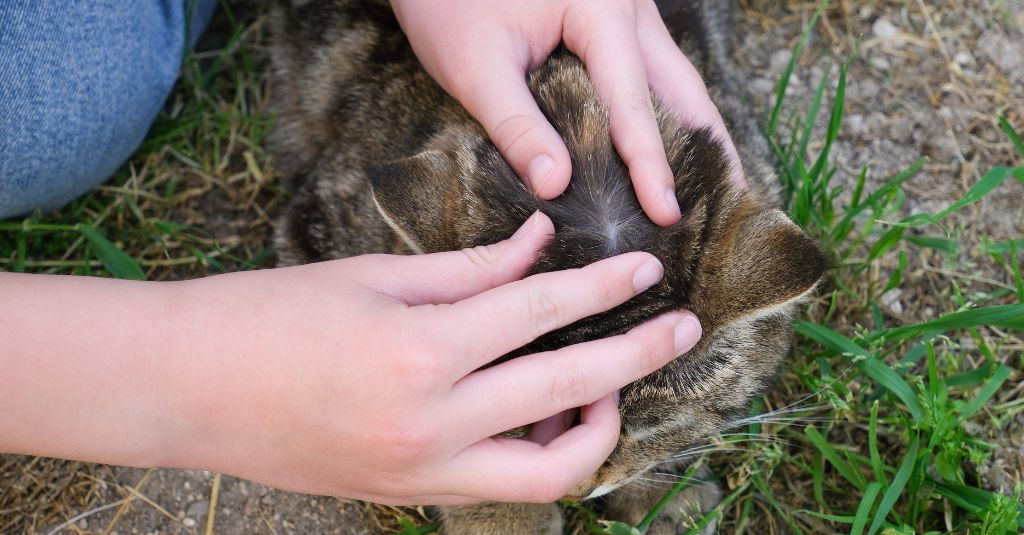
In addition to your vet recommendations, environmental control is extremely important. Flea eggs and larvae often live in carpets, bedding, and furniture, which means treating the home environment can help reduce reinfestation.
There are many good products designed for environmental management, such as NHV Target Spray, which may help reduce fleas in the pet’s surrounding areas when used appropriately. Thus, a clean environment, vacuuming frequently, and washing bedding regularly can also help disrupt the flea life cycle.
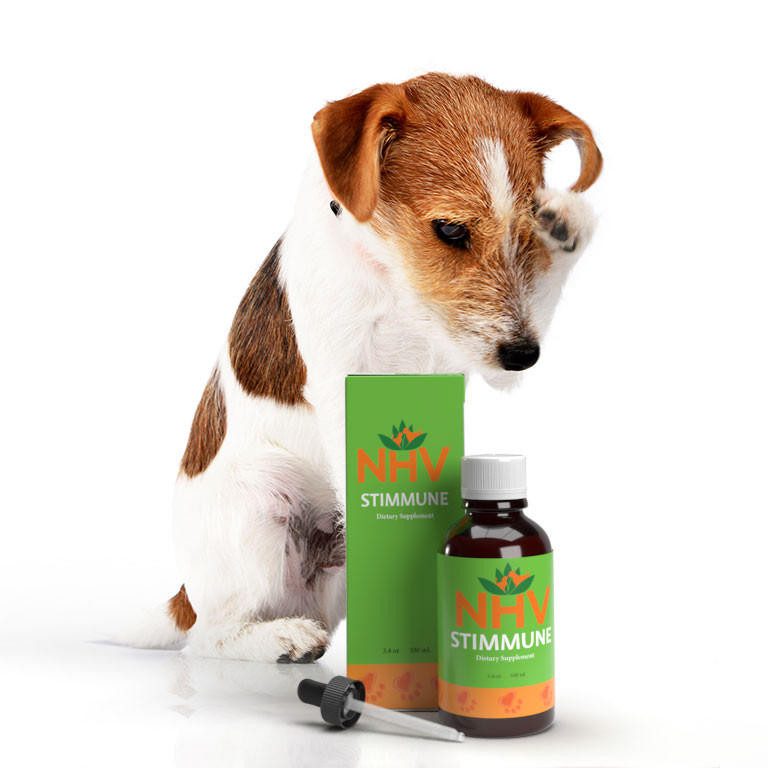
For cats with allergic skin conditions, supportive immune and skin health may also be beneficial. Some veterinarians recommend natural immune-support products such as NHV Stimmune, which may help decrease the overreaction of the immune system.
However, it is important to remember that natural products should complement, not replace, your veterinary flea control recommendations.
Flea allergy dermatitis in cats may cause significant discomfort; thus, understanding the condition is an important step toward effective management. Since this condition is caused by an allergic reaction to the flea saliva, even a single bite can trigger a severe reaction.
Therefore, with consistent flea prevention, proper environmental control, and supportive care, most cats with FAD can live comfortably. Monitoring skin health and addressing problems early can make a meaningful difference.
If you would like to learn more about holistic pet wellness and supportive care options, stay connected with NHV and explore our Learning Center resources.
You can also sign up for our newsletter to receive monthly pet health tips and updates on upcoming sales and promotions – straight from the NHV family to yours.
Stimmune - helps support a pets immune sytem

Stimmune - helps support a pets immune sytem
allergy support
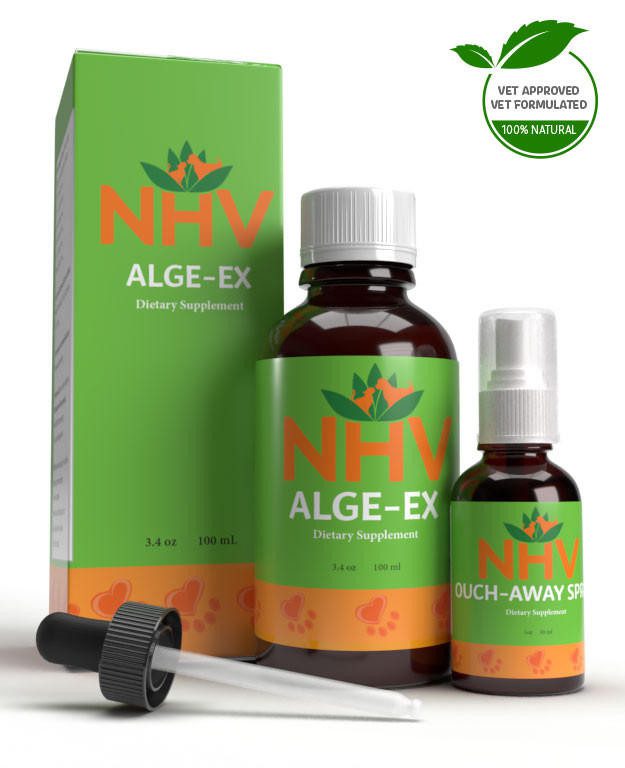
Alge-Ex and Ouch Away
bundle and save with pet expert kits
3 month supply for a small to medium size pet
What Is It?
All-natural bundle formulated to help address allergy symptoms, protect your pet from fleas, and soothe itchy skin.
How Does it Work?
Why Should I Trust It?
Carefully made for pets, vet-formulated and vet approved.

What Is It?
All-natural bundle formulated to help address allergy symptoms, protect your pet from fleas, and soothe itchy skin.
How Does it Work?
Why Should I Trust It?
Carefully made for pets, vet-formulated and vet approved.
If your furkiddo suffers from seasonal allergies and hot spots, we've got you covered with our Allergy Kit with Histamine Support.
We all know how much your furry friends love the great outdoors—especially in warmer months! To help them with insects and environmental allergens, we recommend adding a few things to their daily regimen so that they can make the most of their time outside! NHV Natural Allergy Kit with Histamine Support contains Alge-Ex, and Ouch Away Spray to naturally help shield your pet from fleas and biting insects, support their immune system, and soothe irritated skin from allergies or hot spots.
If your furkiddo is scratching, sneezing or biting themselves nonstop, that’s the opposite of having a good time outside! As their caring pet parent, you can support them with the NHV Allergy Kit with Histamine Support which contains Alge-Ex - an all-natural remedy to help with calm their histamine response and allergy symptoms, and Ouch Away Spray - a soothing topical spray that helps repel insects and helps to heal inflamed skin. For best results, we recommend giving your furbaby Alge-Ex for at least 1 week before they start spending significantly more time outside for long-term preventative care. Ouch Away Spray is great to have on hand to support your pet against biting critters and irritated skin.
It’s great to know that there are ways to support your little one’s health naturally! All NHV products use only the finest organic, or wild-crafted ingredients and formulated by the combined efforts of a master herbalist and veterinarian with 50+ years of experience. If you have any questions about cat or dog seasonal allergies or need help with anything else, please get in touch with an NHV pet expert today!
Made with the finest, organically grown, or ethically harvested herbs. Made specifically for pets, vet-formulated and vet approved.
Alge-Ex
Ouch Away Spray
Select your pet's weight to determine the correct dose.
ALGE EX DOSAGE : To be taken twice daily. Determine your pet’s weight and then use the easy chart below to determine the correct dose. This is the minimum dosage.
Pet's Weight Dosage
0 - 15 lb = 0.5 ml
16 - 30 lb = 1.0 ml
31 - 45 lb = 1.5 ml
46 - 60 lb = 2.0 ml
61 - 75 lb = 2.5 ml
Over 75 lb = 3.0 ml
For small animals (rabbits, ferrets), avians and reptiles use 1 drop for every 2 lb of body weight.
How to Administer
Shake well before use.The easiest method is to use the dropper provided and place the drops into your pet’s food or favorite treat. You can also use the dropper and squirt directly into the pet’s mouth. Some pets can be finicky, if this occurs consider hiding the drops in foods most pet’s love such as fish, chicken or yogurt or a favourite treat. If your pet only eats dry food then soak a few kibbles at feeding time.
For Best Results
Herbal dietary supplements are beneficial to the health and well-being of your pet and are safe for long-term use. Every pet responds to natural herbal supplements differently, therefore it is important to be consistent and administer the product daily. Supplements generally take two to four weeks to take effect, however this will vary from one animal to the next.
Product Storage
All NHV Natural Pet Products are pure herbal extracts and contain no artificial additives, preservatives or coloring. Shelf life after opening is 6 months and must be refrigerated after opening.
Cautions and Contraindications
Do not use in pregnant or nursing animals.
Ouch Away Spray
How to Administer
Topical Spray: Spray several times a day to affected area until healed. It may some times be necessary to shave or trim your pet’s hair so that the Ouch Away spray reaches the affected area. If necessary, cover the affected area with gauze dressing.
Caution
Do not spray near or into eyes or nose. May initially sting on open cut. A vet examination prior to use of this product is recommended. If your pet’s condition does not improve or deteriorates consult your vet and stop the use of the product.
All information provided by NHV Natural Pet Products is for educational purposes only.
If your furkiddo suffers from seasonal allergies and hot spots, we've got you covered with our Allergy Kit with Histamine Support.
We all know how much your furry friends love the great outdoors—especially in warmer months! To help them with insects and environmental allergens, we recommend adding a few things to their daily regimen so that they can make the most of their time outside! NHV Natural Allergy Kit with Histamine Support contains Alge-Ex, and Ouch Away Spray to naturally help shield your pet from fleas and biting insects, support their immune system, and soothe irritated skin from allergies or hot spots.
If your furkiddo is scratching, sneezing or biting themselves nonstop, that’s the opposite of having a good time outside! As their caring pet parent, you can support them with the NHV Allergy Kit with Histamine Support which contains Alge-Ex - an all-natural remedy to help with calm their histamine response and allergy symptoms, and Ouch Away Spray - a soothing topical spray that helps repel insects and helps to heal inflamed skin. For best results, we recommend giving your furbaby Alge-Ex for at least 1 week before they start spending significantly more time outside for long-term preventative care. Ouch Away Spray is great to have on hand to support your pet against biting critters and irritated skin.
It’s great to know that there are ways to support your little one’s health naturally! All NHV products use only the finest organic, or wild-crafted ingredients and formulated by the combined efforts of a master herbalist and veterinarian with 50+ years of experience. If you have any questions about cat or dog seasonal allergies or need help with anything else, please get in touch with an NHV pet expert today!
Made with the finest, organically grown, or ethically harvested herbs. Made specifically for pets, vet-formulated and vet approved.
Alge-Ex
Ouch Away Spray
Select your pet's weight to determine the correct dose.
ALGE EX DOSAGE : To be taken twice daily. Determine your pet’s weight and then use the easy chart below to determine the correct dose. This is the minimum dosage.
Pet's Weight Dosage
0 - 15 lb = 0.5 ml
16 - 30 lb = 1.0 ml
31 - 45 lb = 1.5 ml
46 - 60 lb = 2.0 ml
61 - 75 lb = 2.5 ml
Over 75 lb = 3.0 ml
For small animals (rabbits, ferrets), avians and reptiles use 1 drop for every 2 lb of body weight.
How to Administer
Shake well before use.The easiest method is to use the dropper provided and place the drops into your pet’s food or favorite treat. You can also use the dropper and squirt directly into the pet’s mouth. Some pets can be finicky, if this occurs consider hiding the drops in foods most pet’s love such as fish, chicken or yogurt or a favourite treat. If your pet only eats dry food then soak a few kibbles at feeding time.
For Best Results
Herbal dietary supplements are beneficial to the health and well-being of your pet and are safe for long-term use. Every pet responds to natural herbal supplements differently, therefore it is important to be consistent and administer the product daily. Supplements generally take two to four weeks to take effect, however this will vary from one animal to the next.
Product Storage
All NHV Natural Pet Products are pure herbal extracts and contain no artificial additives, preservatives or coloring. Shelf life after opening is 6 months and must be refrigerated after opening.
Cautions and Contraindications
Do not use in pregnant or nursing animals.
Ouch Away Spray
How to Administer
Topical Spray: Spray several times a day to affected area until healed. It may some times be necessary to shave or trim your pet’s hair so that the Ouch Away spray reaches the affected area. If necessary, cover the affected area with gauze dressing.
Caution
Do not spray near or into eyes or nose. May initially sting on open cut. A vet examination prior to use of this product is recommended. If your pet’s condition does not improve or deteriorates consult your vet and stop the use of the product.
All information provided by NHV Natural Pet Products is for educational purposes only.
dermatitis relief
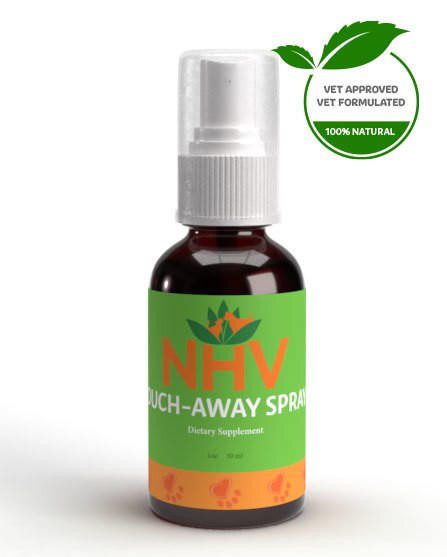
Natural Cat Allergy Spray for Hot Spots
buy 2 and save $3
What is it?
NHV Ouch Away for Cats is a topical spray that helps soothe cat skin allergies and fur loss recovery.
How does it work?
Why trust it?
NHV Ouch Away is vet-formulated and vet-approved.

What is it?
NHV Ouch Away for Cats is a topical spray that helps soothe cat skin allergies and fur loss recovery.
How does it work?
Why trust it?
NHV Ouch Away is vet-formulated and vet-approved.
Natural Support for Cat Skin Allergies and Hot Spots
Protect your cat’s skin naturally. Sensitivities to food, environmental allergens, and biting insects can cause your kitty to lick or bite irritated skin, causing a ‘hot spot’ to form.
What Is A Hot Spot?
A hot spot (aka moist dermatitis) is an inflamed skin lesion that may be further irritated by licking, scratching and chewing, often turning red, becoming infected, and 'hot' to the touch. Kitties are very sensitive and may have very delicate skin, so even small changes in their diet or environment can strongly affect them. The inflamed skin can be very uncomfortable for your kitty, and they may even experience fur loss.
Causes of Hot Spots on Cats
A few factors can cause hot spots in our feline friends, like food sensitivities, allergens in the environment, biting insects, and infections. Kitties with longer coats may be more susceptible to hot spots, especially when the weather is humid (like in the summer months). In most cases, hot spots are caused by allergies to the environment or something in their diet. Cat skin allergies most often develop on their paws, face, ears, front legs, and belly, but itchiness all over the body is common as well.
How NHV's Natural Cat Allergy Spray Relieves Inflamed Skin
If your kitty is licking, biting, or scratching a specific area, they may be experiencing a great level of discomfort. Ingredients like Chamomile, Marigold and Aloe vera are beneficial for soothing skin lesions, reducing swelling and easing discomfort. The immunostimulatory properties in Ouch Away help regulate a healthy histamine response to rebalance the immune system and help prevent infection. Herbs like Tea Tree oil and Lemongrass are effective topically against biting insects (fleas, mites, mosquitos and flies) and fighting infections, while ingredients like Rosemary encourage hair regrowth (recovery from alopecia).
Help Support your Cat Naturally
NHV Ouch Away Spray is an all-natural spray that is non-toxic for your furkiddo and formulated by an experienced herbalist and holistic vet. To learn more about hot spots in cats, check out our blog post about it. Get in touch with an NHV pet expert if you have questions about your kitty’s unique health needs.
Made with the finest, organically grown, or ethically harvested herbs. Made specifically for pets, vet-formulated and vet approved.
How to Administer
Topical Spray: Spray several times a day to affected area(s) until healed. It may sometimes be necessary to shave or trim your pet’s hair so that the Ouch Away Spray reaches the affected area. If necessary, cover the affected area with gauze dressing.
Caution
Do not spray near or into eyes or nose. May initially sting on open cut. A vet examination prior to use of this product is recommended. If your pet’s condition does not improve or deteriorates consult your vet and stop the use of the product.
Information presented by NHV Natural Pet Products is for educational purposes only.
Natural Support for Cat Skin Allergies and Hot Spots
Protect your cat’s skin naturally. Sensitivities to food, environmental allergens, and biting insects can cause your kitty to lick or bite irritated skin, causing a ‘hot spot’ to form.
What Is A Hot Spot?
A hot spot (aka moist dermatitis) is an inflamed skin lesion that may be further irritated by licking, scratching and chewing, often turning red, becoming infected, and 'hot' to the touch. Kitties are very sensitive and may have very delicate skin, so even small changes in their diet or environment can strongly affect them. The inflamed skin can be very uncomfortable for your kitty, and they may even experience fur loss.
Causes of Hot Spots on Cats
A few factors can cause hot spots in our feline friends, like food sensitivities, allergens in the environment, biting insects, and infections. Kitties with longer coats may be more susceptible to hot spots, especially when the weather is humid (like in the summer months). In most cases, hot spots are caused by allergies to the environment or something in their diet. Cat skin allergies most often develop on their paws, face, ears, front legs, and belly, but itchiness all over the body is common as well.
How NHV's Natural Cat Allergy Spray Relieves Inflamed Skin
If your kitty is licking, biting, or scratching a specific area, they may be experiencing a great level of discomfort. Ingredients like Chamomile, Marigold and Aloe vera are beneficial for soothing skin lesions, reducing swelling and easing discomfort. The immunostimulatory properties in Ouch Away help regulate a healthy histamine response to rebalance the immune system and help prevent infection. Herbs like Tea Tree oil and Lemongrass are effective topically against biting insects (fleas, mites, mosquitos and flies) and fighting infections, while ingredients like Rosemary encourage hair regrowth (recovery from alopecia).
Help Support your Cat Naturally
NHV Ouch Away Spray is an all-natural spray that is non-toxic for your furkiddo and formulated by an experienced herbalist and holistic vet. To learn more about hot spots in cats, check out our blog post about it. Get in touch with an NHV pet expert if you have questions about your kitty’s unique health needs.
Made with the finest, organically grown, or ethically harvested herbs. Made specifically for pets, vet-formulated and vet approved.
How to Administer
Topical Spray: Spray several times a day to affected area(s) until healed. It may sometimes be necessary to shave or trim your pet’s hair so that the Ouch Away Spray reaches the affected area. If necessary, cover the affected area with gauze dressing.
Caution
Do not spray near or into eyes or nose. May initially sting on open cut. A vet examination prior to use of this product is recommended. If your pet’s condition does not improve or deteriorates consult your vet and stop the use of the product.
Information presented by NHV Natural Pet Products is for educational purposes only.