overall vitality
Petomega 3 for dogs
USD $45.95
free shipping over $100 (USA & Canada)
1-877-937-4372 the pet expert hotline


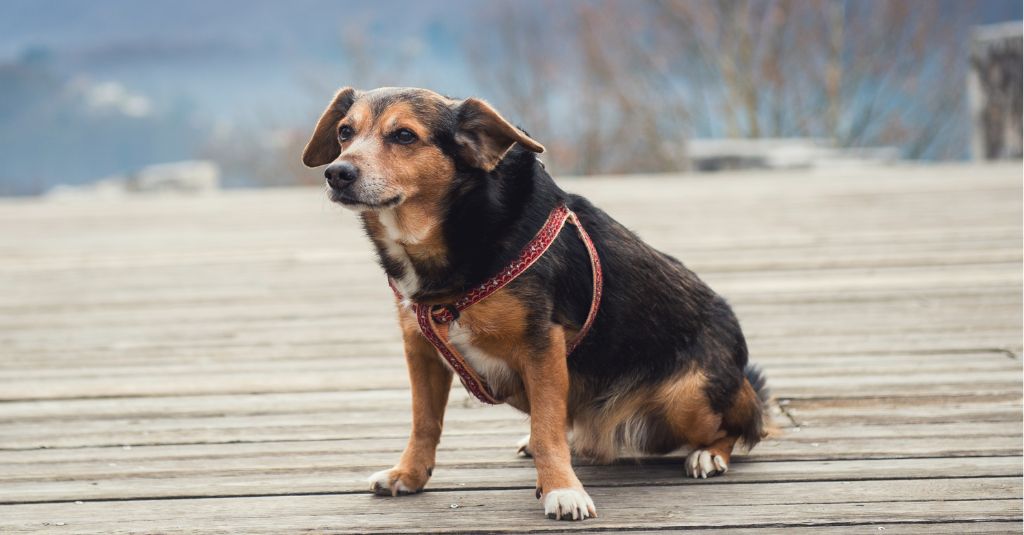
As dogs age, they begin to slow down. They may hesitate before jumping into the car, take longer to get up after resting, or seem less excited about walks. While these changes are often noticed as “just getting older,” they may be signs of osteoarthritis, one of the most common causes of chronic pain and mobility issues in dogs.
Canine osteoarthritis is also known as degenerative joint disease (DJD); this is a progressive condition that affects millions of dogs worldwide and can significantly impact quality of life if left untreated.
However, early recognition and proactive care may help dogs remain comfortable, active, and happy for years.
Osteoarthritis (OA) is a chronic, progressive joint disease characterized by the gradual breakdown of cartilage within a joint. The cartilage serves as a smooth, protective cushion between bones. When there is deterioration of the cartilage, the bones begin to rub against each other, and the result is inflammation, pain, stiffness, and reduced mobility.
Although arthritis is a broader term that refers to inflammation of the joints. The terms osteoarthritis, dog arthritis, and degenerative joint disease in dogs are used interchangeably. OA specifically refers to the degenerative form of arthritis caused by wear and tear, injury, or abnormal joint development.
Different from acute injuries that may heal completely, osteoarthritis is considered a progressive disease, meaning the changes within the joint typically worsen over time. Thus, with proper management, dogs may continue to enjoy a good quality of life.
OA can develop when normal joint structures become unstable or damaged. Over time, this damage can trigger inflammation and may progress to cartilage degeneration.
Many factors can contribute to the development of osteoarthritis in dogs. For example, age is one of the most common risk factors, as joint cartilage naturally wears down over time. Joint abnormalities such as hip dysplasia, elbow dysplasia, luxating patella, and osteochondritis dissecans (OCD) can place abnormal stress on joints, increasing the likelihood of arthritis. Previous injuries, including ligament tears, fractures, and joint trauma, may also lead to long-term joint instability and degeneration. Excess body weight is another significant risk factor, as it increases the mechanical load on joints and can accelerate cartilage breakdown. Genetics also plays an important role, with certain breeds (including Labrador Retriever, German Shepherd, Golden Retriever, Rottweiler, and Newfoundland) being at increased risk. In addition, repetitive stress from high-impact athletic activities.
Early Signs include: Mild stiffness, reluctance to jump, slower walks, reduced excitement for exercise, occasional limping, etc.
Progressive Symptoms: Difficulty rising, increased stiffness after activity, persistent limping, muscle loss, especially in the hind limbs, decreased endurance during walks, changes in gait or posture.
Advanced Symptoms: Significant mobility impairment, difficulty climbing stairs, pain when touched around affected joints, increased irritability, reduced participation in normal activities, and difficulty standing without assistance.
It is important to note that because some dogs can be remarkably good at hiding pain, even subtle changes in behavior should be discussed with your veterinarian.

Veterinarians diagnose osteoarthritis through a combination of medical history, physical examinations, and diagnostic images such as X-rays.
Unfortunately, there is no cure for osteoarthritis. Treatment focuses on reducing pain, controlling inflammation, maintaining mobility, improving quality of life, and slowing disease progression.
A comprehensive management plan may include weight management, appropriate exercise modification, physical rehabilitation therapies such as physiotherapy, hydrotherapy, and acupuncture, nutritional support and supplements, as well as veterinary medications when indicated.
Because osteoarthritis affects each dog differently, treatment plans should be individualized based on the dog’s age, severity of disease, lifestyle, and overall health status. Regular veterinary monitoring can help ensure the management plan remains effective as the condition progresses.
At NHV, we believe natural wellness support works best as part of a comprehensive mobility strategy that includes veterinary care, proper nutrition, exercise, and weight management.
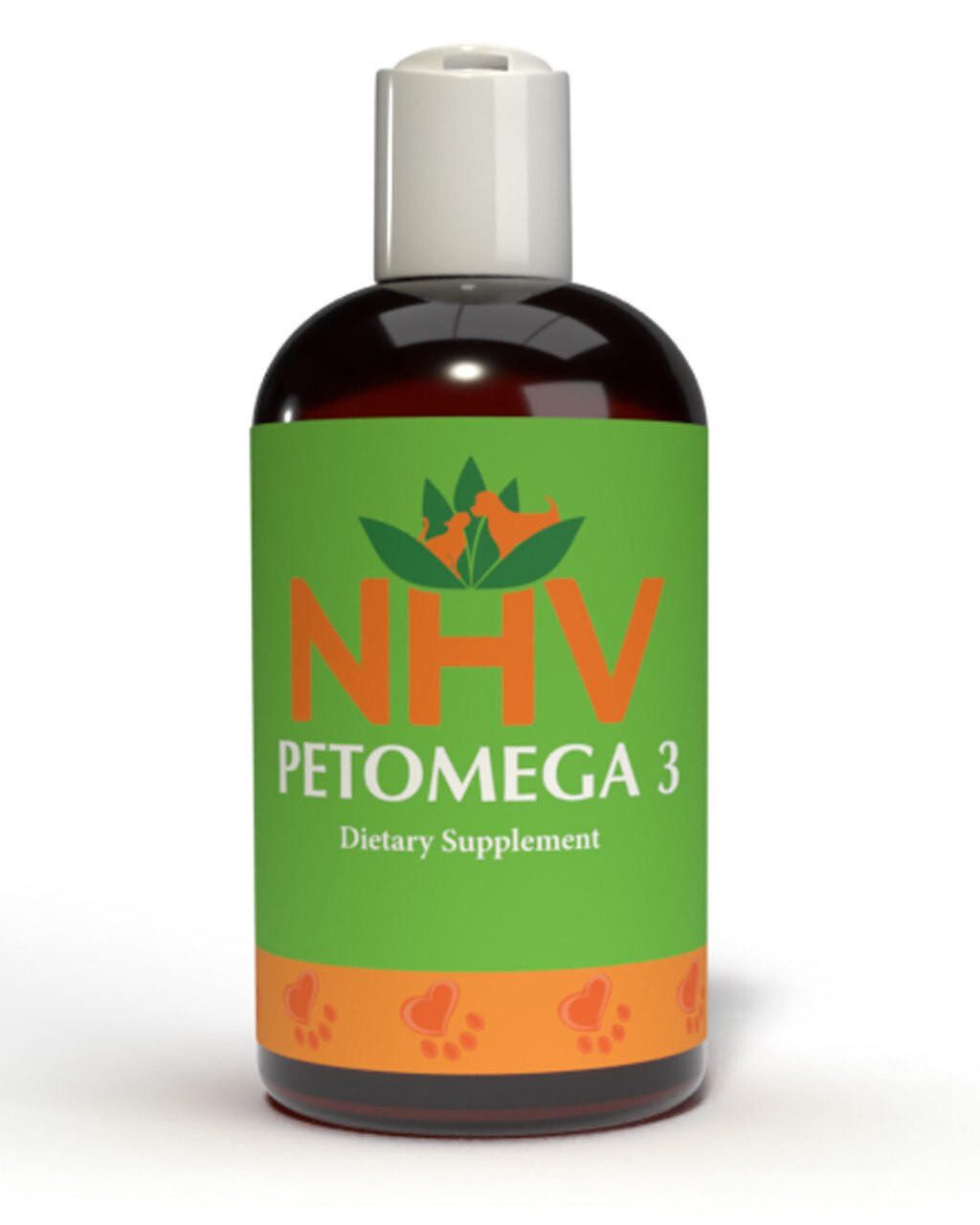
NHV Petomega 3: Omega-3 oils may play an important role in supporting joint health and helping maintain a healthy inflammatory response. NHV Petomega 3 provides concentrated omega-3 support that may help promote mobility, comfort, and overall wellness.
NHV Old Timer: It is formulated to support aging pets by helping maintain vitality, mobility, and overall quality of life. Its carefully selected herbal ingredients help support the body’s natural ability to cope with age-related changes.
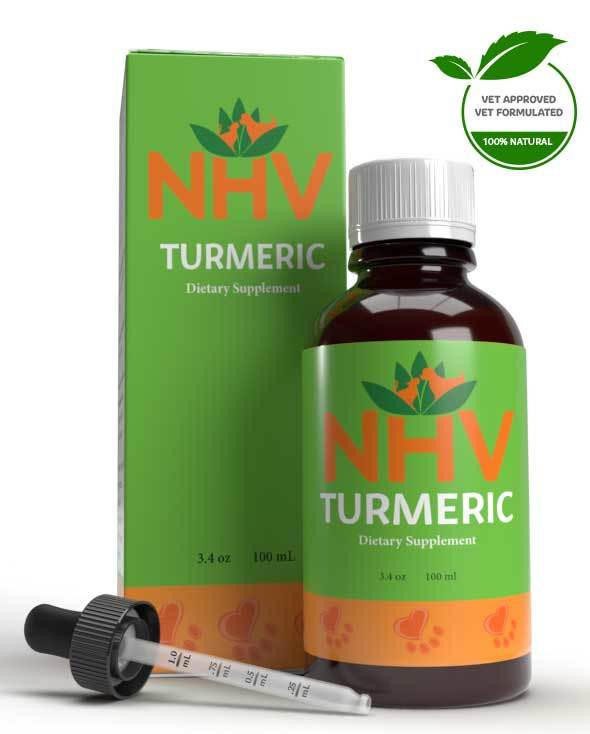
NHV Turmeric: It may help support dogs with arthritis by providing natural antioxidant and anti-inflammatory properties that can help reduce joint discomfort and stiffness.
Dogs with osteoarthritis may also benefit from orthopedic bedding, non-slip flooring, mobility ramps, joint-friendly exercise programs, and regular veterinary monitoring.
One of the most common questions pet parents ask is, “What is the life expectancy of a dog with degenerative joint disease?”
The good news is that osteoarthritis itself is generally not a life-threatening condition. Many dogs with DJD live normal lives. However, untreated arthritis can significantly affect quality of life by reducing mobility, contributing to weight gain, increasing pain, and limiting daily activities.
Thus, dogs that receive early diagnosis, appropriate veterinary care, weight management, and ongoing support may be active and comfortable for many years after the diagnosis.
OA is one of the most common chronic conditions affecting dogs. While it is a progressive disease, early recognition and proactive care may make a significant difference in the quality of the animal’s life.
overall vitality
For Overall Health and Well-Being
buy 2 and save $3
What is it?
Support your dog’s health with omega-3 fish oil for dogs, promoting a healthy coat, eyes, joints, immune system, and overall organ function.
How does it work?
Why trust it?
NHV Petomega 3 has earned 5-star ratings by pet parents from around the world.


What is it?
Support your dog’s health with omega-3 fish oil for dogs, promoting a healthy coat, eyes, joints, immune system, and overall organ function.
How does it work?
Why trust it?
NHV Petomega 3 has earned 5-star ratings by pet parents from around the world.
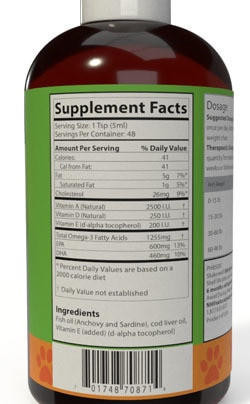
Our omega 3 fish oil for dogs is a great source of EPA (Eicosapentaenoic Acid 600mg) and DHA (Docosahexaenoic acid 460mg) essential fatty acids. This fish oil supplement for dogs is derived from sardines, anchovies and North Atlantic cod liver oil. It is molecularly distilled and cold pressed to improve the bioavailability of the omega 3 fatty acids, and is medical and human grade quality.
Omega 3 fish oil for dogs may be beneficial for the following:
Processed pet foods have increased omega-6 fatty acids, and decreased omega-3 fatty acids. The University of Maryland Medical Center states, "It is very important to maintain a balance between omega-3 and omega-6 fatty acids in the diet. A proper balance helps maintain and even improve health." Your dog’s body cannot easily make essential fatty acids. It is vital to provide omega 3 fish oil for dogs as an added supplement to your pet’s daily diet.
The American Journal of Veterinary Medicine has published studies on the benefits of omega 3 fatty acids (fish oils) for arthritis and degenerative joint disease in dogs. The studies showed that dogs who were given omega 3 fatty acids had a significantly improved ability to get up from a resting position and marked improvement in walking ability.
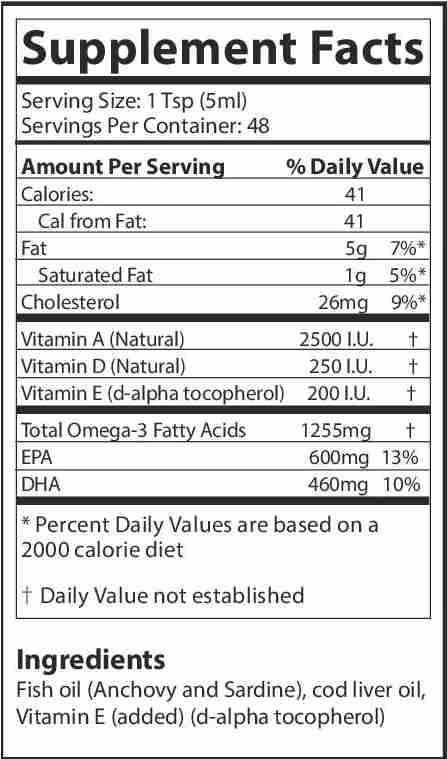
Suggested Dosage: To be taken once per day. Add to food based on weight chart.
Therapeutic Dosage: Double the quantity for maximum period of 4 weeks or follow veterinarian advise.
Pet’s Weight Dosage
0-15 lb = ¼ tsp
15-30 lb = ½ tsp
30-60 lb = 1 tsp
60-90 lb = 1 ½ tsp
How to Administer: Shake well before use. The easiest method is to add the dosage to your pets food. Some pets can be finicky, if this occurs consider hiding the appropriate amount in food most pet’s love such as fish, chicken, yogurt, or a favorite treat. If your pet only eats dry food then soak kibbles at feeding time.
For Best Results
Dietary supplements are beneficial to the health and well-being of your pet and are safe for long-term use. Every pet responds to natural supplements differently, therefore it is important to be consistent and administer the product daily. Supplements generally take two to four weeks to take effect, however this will vary from one animal to the next.
Product Storage
All NHV Natural Pet Products contain no artificial additives, preservatives or coloring. Shelf life after opening is 6 months and must be refrigerated after opening.
Cautions and Contraindications
Avoid During Pregnancy.
Our omega 3 fish oil for dogs is a great source of EPA (Eicosapentaenoic Acid 600mg) and DHA (Docosahexaenoic acid 460mg) essential fatty acids. This fish oil supplement for dogs is derived from sardines, anchovies and North Atlantic cod liver oil. It is molecularly distilled and cold pressed to improve the bioavailability of the omega 3 fatty acids, and is medical and human grade quality.
Omega 3 fish oil for dogs may be beneficial for the following:
Processed pet foods have increased omega-6 fatty acids, and decreased omega-3 fatty acids. The University of Maryland Medical Center states, "It is very important to maintain a balance between omega-3 and omega-6 fatty acids in the diet. A proper balance helps maintain and even improve health." Your dog’s body cannot easily make essential fatty acids. It is vital to provide omega 3 fish oil for dogs as an added supplement to your pet’s daily diet.
The American Journal of Veterinary Medicine has published studies on the benefits of omega 3 fatty acids (fish oils) for arthritis and degenerative joint disease in dogs. The studies showed that dogs who were given omega 3 fatty acids had a significantly improved ability to get up from a resting position and marked improvement in walking ability.
Suggested Dosage: To be taken once per day. Add to food based on weight chart.
Therapeutic Dosage: Double the quantity for maximum period of 4 weeks or follow veterinarian advise.
Pet’s Weight Dosage
0-15 lb = ¼ tsp
15-30 lb = ½ tsp
30-60 lb = 1 tsp
60-90 lb = 1 ½ tsp
How to Administer: Shake well before use. The easiest method is to add the dosage to your pets food. Some pets can be finicky, if this occurs consider hiding the appropriate amount in food most pet’s love such as fish, chicken, yogurt, or a favorite treat. If your pet only eats dry food then soak kibbles at feeding time.
For Best Results
Dietary supplements are beneficial to the health and well-being of your pet and are safe for long-term use. Every pet responds to natural supplements differently, therefore it is important to be consistent and administer the product daily. Supplements generally take two to four weeks to take effect, however this will vary from one animal to the next.
Product Storage
All NHV Natural Pet Products contain no artificial additives, preservatives or coloring. Shelf life after opening is 6 months and must be refrigerated after opening.
Cautions and Contraindications
Avoid During Pregnancy.
joint support
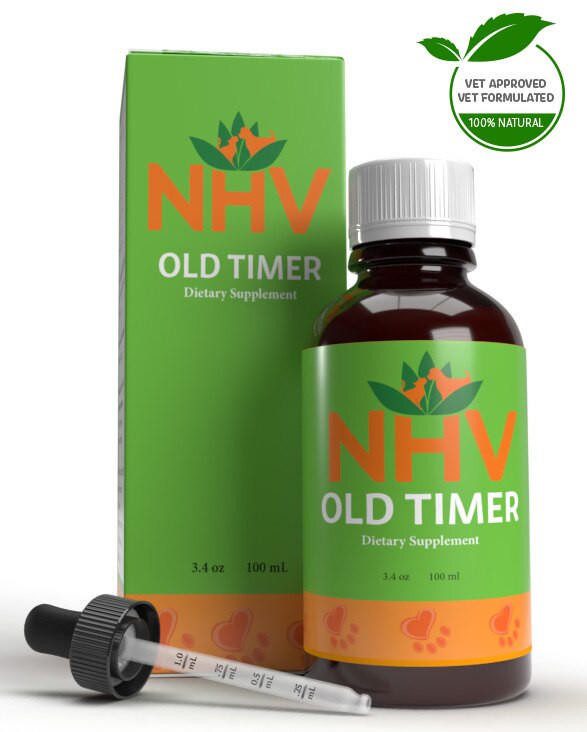
Natural dog joint support to alleviate arthritis, muscle, and joint discomfort
buy 2 and save $3
3 month supply for a small to medium size pet
What Is It?
NHV’s Old Timer is a natural supplement that helps alleviate arthritis, muscle, and joint discomfort.
How Does it Work?
Why Should I Trust It?
Vet-approved and vet-formulated.
What Is It?
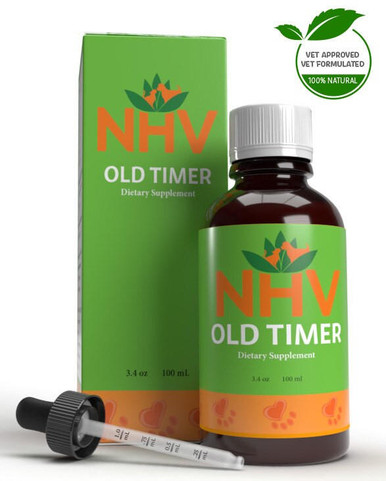
NHV’s Old Timer is a natural supplement that helps alleviate arthritis, muscle, and joint discomfort.
How Does it Work?
Why Should I Trust It?
Vet-approved and vet-formulated.
NHV’s Old Timer joint support for dogs provides your canine companion with natural support to help alleviate arthritis, muscle, and joint discomfort.
Getting older is never easy, especially for dogs. Arthritis is a degenerative disease that progresses with age. It is a debilitating condition that can lead to impaired mobility and even hip dysplasia in dogs.
Finding the right supplements for older dogs can be a challenge, but NHV’s supplements are safe to be given along with any vet prescribed medications. NHV Old Timer can be given to dogs of any age. In fact, we would recommend starting the Old Timer at mid-age even before severe arthritis develops, as a natural and effective proactive care regimen.
We also have a complete Rejuvenation Kit for arthritis and joint discomfort.
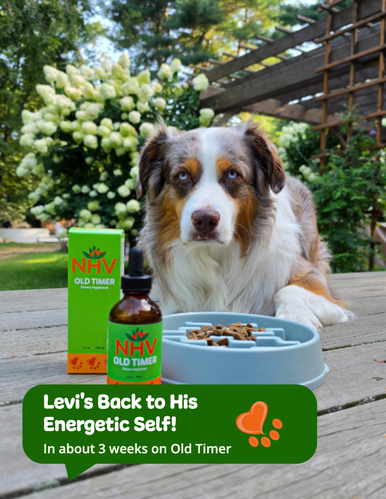
Just because your dog is getting older doesn’t mean playtime is over. Read how Snuku bounces back from arthritis with Old Timer dog joint support supplements.
If you have questions, you can ask an NHV expert because we are here to help give guidance and support so your precious pooch can jump for joy and raise the ruff!
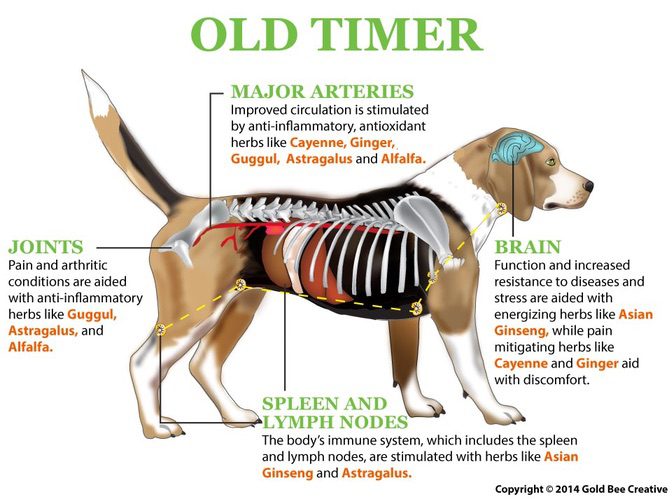
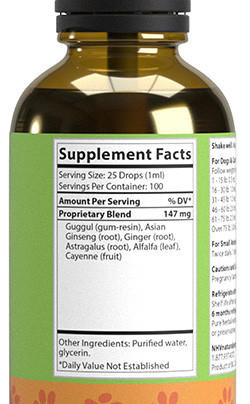
Six potent herbal ingredients will target the entire body to provide dogs support with joints, spleen, lymph nodes, major arteries.
Select your pet's weight to determine the correct dose.
To be taken twice daily. Determine your pet’s weight and then use the easy chart below to determine the correct dose. This is the minimum dosage.
Pet's Weight Dosage
0 - 15 lb = 0.5 ml
16 - 30 lb = 1.0 ml
31 - 45 lb = 1.5 ml
46 - 60 lb = 2.0 ml
61 - 75 lb = 2.5 ml
Over 75 lb = 3.0 ml
How to Administer
Shake well before use. The easiest method is to use the dropper provide and places the drops into your pet’s food or favorite treat. You can also use the dropper and squirt directly into the pet’s mouth.
Some pets can be finicky, if this occurs consider hiding the drops in foods most pet’s love such as fish, chicken or yogurt or a favorite treat. If your pet only eats dry food then soak a few kibbles at feeding time.
For Best Results
Herbal dietary supplements are beneficial to the health and wellbeing of your pet and are safe for long-term use. Every pet responds to natural herbal supplements differently, therefore it is important to be consistent and administer the product daily. Supplements generally take two to four weeks to take effect, however this will vary from one animal to the next.
Product Storage
All NHV Natural Pet Products are pure herbal extracts and contain no artificial additives, preservatives or coloring. Shelf life after opening is 6 months and must be refrigerated after opening.
Cautions and Contraindications
Do not use Old Timer in pregnant or nursing animals. Should be used in moderation in cases of sensitive digestive tract. Speak to your vet before using our products. A second visit is recommended if your pet’s condition does not improve, or deteriorates after continued use of the supplements.
All information provided by NHV Natural Pet Products is for educational purposes only.
NHV’s Old Timer joint support for dogs provides your canine companion with natural support to help alleviate arthritis, muscle, and joint discomfort.
Getting older is never easy, especially for dogs. Arthritis is a degenerative disease that progresses with age. It is a debilitating condition that can lead to impaired mobility and even hip dysplasia in dogs.
Finding the right supplements for older dogs can be a challenge, but NHV’s supplements are safe to be given along with any vet prescribed medications. NHV Old Timer can be given to dogs of any age. In fact, we would recommend starting the Old Timer at mid-age even before severe arthritis develops, as a natural and effective proactive care regimen.
We also have a complete Rejuvenation Kit for arthritis and joint discomfort.
Just because your dog is getting older doesn’t mean playtime is over. Read how Snuku bounces back from arthritis with Old Timer dog joint support supplements.
If you have questions, you can ask an NHV expert because we are here to help give guidance and support so your precious pooch can jump for joy and raise the ruff!
Six potent herbal ingredients will target the entire body to provide dogs support with joints, spleen, lymph nodes, major arteries.
Select your pet's weight to determine the correct dose.
To be taken twice daily. Determine your pet’s weight and then use the easy chart below to determine the correct dose. This is the minimum dosage.
Pet's Weight Dosage
0 - 15 lb = 0.5 ml
16 - 30 lb = 1.0 ml
31 - 45 lb = 1.5 ml
46 - 60 lb = 2.0 ml
61 - 75 lb = 2.5 ml
Over 75 lb = 3.0 ml
How to Administer
Shake well before use. The easiest method is to use the dropper provide and places the drops into your pet’s food or favorite treat. You can also use the dropper and squirt directly into the pet’s mouth.
Some pets can be finicky, if this occurs consider hiding the drops in foods most pet’s love such as fish, chicken or yogurt or a favorite treat. If your pet only eats dry food then soak a few kibbles at feeding time.
For Best Results
Herbal dietary supplements are beneficial to the health and wellbeing of your pet and are safe for long-term use. Every pet responds to natural herbal supplements differently, therefore it is important to be consistent and administer the product daily. Supplements generally take two to four weeks to take effect, however this will vary from one animal to the next.
Product Storage
All NHV Natural Pet Products are pure herbal extracts and contain no artificial additives, preservatives or coloring. Shelf life after opening is 6 months and must be refrigerated after opening.
Cautions and Contraindications
Do not use Old Timer in pregnant or nursing animals. Should be used in moderation in cases of sensitive digestive tract. Speak to your vet before using our products. A second visit is recommended if your pet’s condition does not improve, or deteriorates after continued use of the supplements.
All information provided by NHV Natural Pet Products is for educational purposes only.
arthritis support
For Arthritis and Cancer Support
buy 2 and save $3
3 month supply for a small to medium size
What is it?
NHV Turmeric for Dogs is a natural, antioxidant-rich supplement that supports dogs with arthritis, cancer, and other conditions that cause inflammation.
How does it work?
Why trust it?
NHV Turmeric uses a full-spectrum extract of human-grade turmeric root.
What is it?
NHV Turmeric for Dogs is a natural, antioxidant-rich supplement that supports dogs with arthritis, cancer, and other conditions that cause inflammation.
How does it work?
Why trust it?
NHV Turmeric uses a full-spectrum extract of human-grade turmeric root.
Dogs love to root around in the dirt for goodies. But did you know one of the best things they could find would be turmeric? Sadly, your pup won’t find turmeric in their backyards unless you live in the tropics, where this amazing plant grows. However, they can benefit from this golden plant by taking a full-spectrum extract of Turmeric for Dogs.
Is turmeric good for dogs? Yes, most pups can use this safe and gentle herb for a number of health concerns. This is thanks to the organic compounds produced by the plant.
If you’re the pet parent of a sick pup, you might have a challenging journey ahead. Remember that the love you feel for your dog will also play a big role, and if you need a little advice, our pet experts are here for you and can be reached by chat.
How does this incredible spice work? Turmeric is rich in antioxidants, which can help your precious pet with stress, pollution, and illness.
Pets that are sick have increased oxidation, so the antioxidants they get from food, medication, or supplements can help give them the extra they need.
As pet-parents ourselves, we know you only want the best for your pup. That’s why our extracts are made from human-grade, high quality ingredients. And when you choose NHV Turmeric, you’re choosing decades of holistic pet wellness experience from vets and herbalists who can help support your pet’s wellness journey. Our formula is:
Our turmeric was formulated by a master herbalist and holistic vet. Learn more about Dr. Hillary Cook’s use of turmeric and its benefits for pet health. We are also proud to have been a part of many dog success stories, like with our doggo friend, Captain Morgan.
Captain Morgan’s story: “Our bloodhound has been on turmeric for 2 months now. He has been getting up and down more smoothly and not as stiff in his backend. He loves the taste and we love how it has helped him
You can add daily supplements like Turmeric to top up your dog’s intake of natural, wellness-promoting ingredients. It can be given directly by mouth with the dropper provided, or it can be mixed into food or a favorite treat (this tip is dog-approved)!

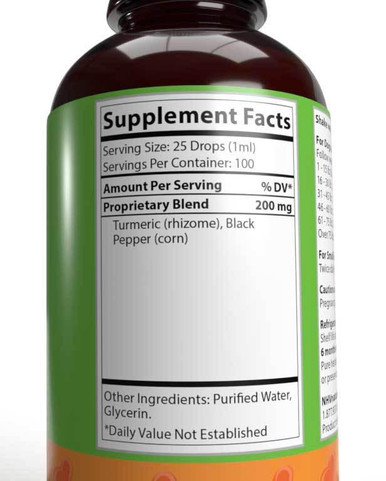
All NHV supplements are made with the finest quality organic or ethically harvested herbs. We use non-GMO vegetable glycerin as our base. NHV products are full-spectrum extracts.
Select your pet's weight to determine the correct dose.
To be taken twice daily. Determine your pet’s weight and then use the easy chart below to determine the correct dose. This is the minimum dosage.
Pet's Weight Dosage
0 - 15 lb = 0.5 ml
16 - 30 lb = 1.0 ml
31 - 45 lb = 1.5 ml
46 - 60 lb = 2.0 ml
61 - 75 lb = 2.5 ml
Over 75 lb = 3.0 ml
How to Administer
Shake well before use. The easiest method is to use the dropper provide and places the drops into your pet’s food or favorite treat. You can also use the dropper and squirt directly into the pet’s mouth.
Some pets can be finicky, if this occurs consider hiding the drops in foods most pet’s love such as fish, chicken or yogurt or a favorite treat. If your pet only eats dry food then soak a few kibbles at feeding time.
For Best Results
Herbal dietary supplements are beneficial to the health and wellbeing of your pet and are safe for long-term use. Every pet responds to natural herbal supplements differently, therefore it is important to be consistent and administer the product daily. Supplements generally take two to four weeks to take effect, however this will vary from one animal to the next.
Product Storage
All NHV Natural Pet Products are pure herbal extracts and contain no artificial additives, preservatives or coloring. Shelf life after opening is 6 months and must be refrigerated after opening.
Cautions and Contraindications: Do not use Turmeric in pregnant or nursing animals. Speak to your vet before using our products. A second visit is recommended if your pet’s condition does not improve, or deteriorates after continued use of the supplements.
Dogs love to root around in the dirt for goodies. But did you know one of the best things they could find would be turmeric? Sadly, your pup won’t find turmeric in their backyards unless you live in the tropics, where this amazing plant grows. However, they can benefit from this golden plant by taking a full-spectrum extract of Turmeric for Dogs.
Is turmeric good for dogs? Yes, most pups can use this safe and gentle herb for a number of health concerns. This is thanks to the organic compounds produced by the plant.
If you’re the pet parent of a sick pup, you might have a challenging journey ahead. Remember that the love you feel for your dog will also play a big role, and if you need a little advice, our pet experts are here for you and can be reached by chat.
How does this incredible spice work? Turmeric is rich in antioxidants, which can help your precious pet with stress, pollution, and illness.
Pets that are sick have increased oxidation, so the antioxidants they get from food, medication, or supplements can help give them the extra they need.
As pet-parents ourselves, we know you only want the best for your pup. That’s why our extracts are made from human-grade, high quality ingredients. And when you choose NHV Turmeric, you’re choosing decades of holistic pet wellness experience from vets and herbalists who can help support your pet’s wellness journey. Our formula is:
Our turmeric was formulated by a master herbalist and holistic vet. Learn more about Dr. Hillary Cook’s use of turmeric and its benefits for pet health. We are also proud to have been a part of many dog success stories, like with our doggo friend, Captain Morgan.
Captain Morgan’s story: “Our bloodhound has been on turmeric for 2 months now. He has been getting up and down more smoothly and not as stiff in his backend. He loves the taste and we love how it has helped him
You can add daily supplements like Turmeric to top up your dog’s intake of natural, wellness-promoting ingredients. It can be given directly by mouth with the dropper provided, or it can be mixed into food or a favorite treat (this tip is dog-approved)!
All NHV supplements are made with the finest quality organic or ethically harvested herbs. We use non-GMO vegetable glycerin as our base. NHV products are full-spectrum extracts.
Select your pet's weight to determine the correct dose.
To be taken twice daily. Determine your pet’s weight and then use the easy chart below to determine the correct dose. This is the minimum dosage.
Pet's Weight Dosage
0 - 15 lb = 0.5 ml
16 - 30 lb = 1.0 ml
31 - 45 lb = 1.5 ml
46 - 60 lb = 2.0 ml
61 - 75 lb = 2.5 ml
Over 75 lb = 3.0 ml
How to Administer
Shake well before use. The easiest method is to use the dropper provide and places the drops into your pet’s food or favorite treat. You can also use the dropper and squirt directly into the pet’s mouth.
Some pets can be finicky, if this occurs consider hiding the drops in foods most pet’s love such as fish, chicken or yogurt or a favorite treat. If your pet only eats dry food then soak a few kibbles at feeding time.
For Best Results
Herbal dietary supplements are beneficial to the health and wellbeing of your pet and are safe for long-term use. Every pet responds to natural herbal supplements differently, therefore it is important to be consistent and administer the product daily. Supplements generally take two to four weeks to take effect, however this will vary from one animal to the next.
Product Storage
All NHV Natural Pet Products are pure herbal extracts and contain no artificial additives, preservatives or coloring. Shelf life after opening is 6 months and must be refrigerated after opening.
Cautions and Contraindications: Do not use Turmeric in pregnant or nursing animals. Speak to your vet before using our products. A second visit is recommended if your pet’s condition does not improve, or deteriorates after continued use of the supplements.