respiratory support
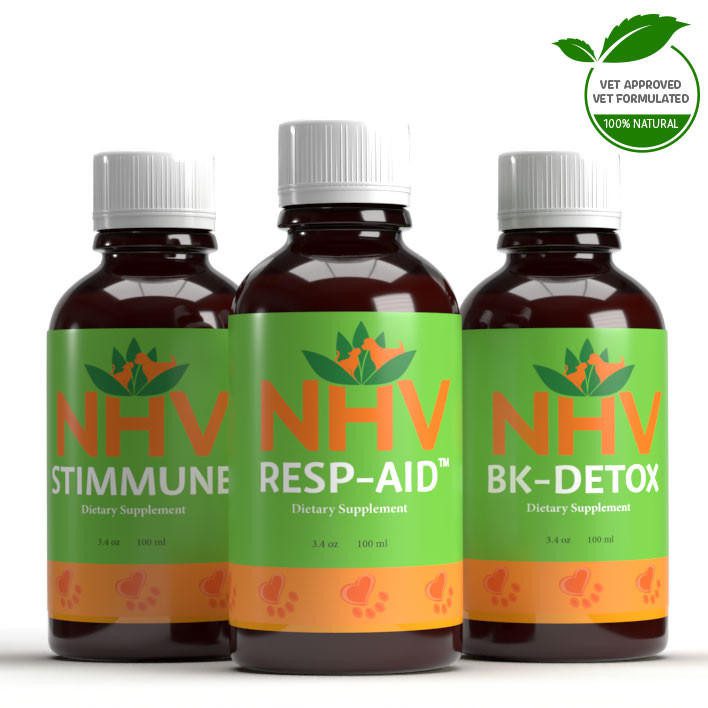
Bronchitis Gold Relief Kit
USD $138.85
free shipping over $100 (USA & Canada)
1-877-937-4372 the pet expert hotline

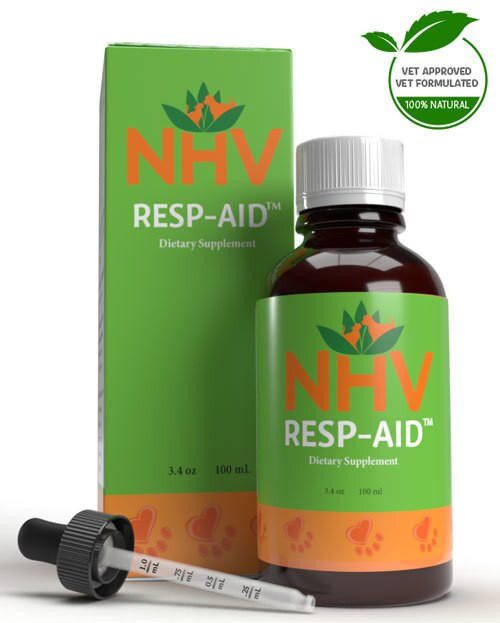
For Coughs, Respiratory Disorders, and Bronchial Infections in Cats
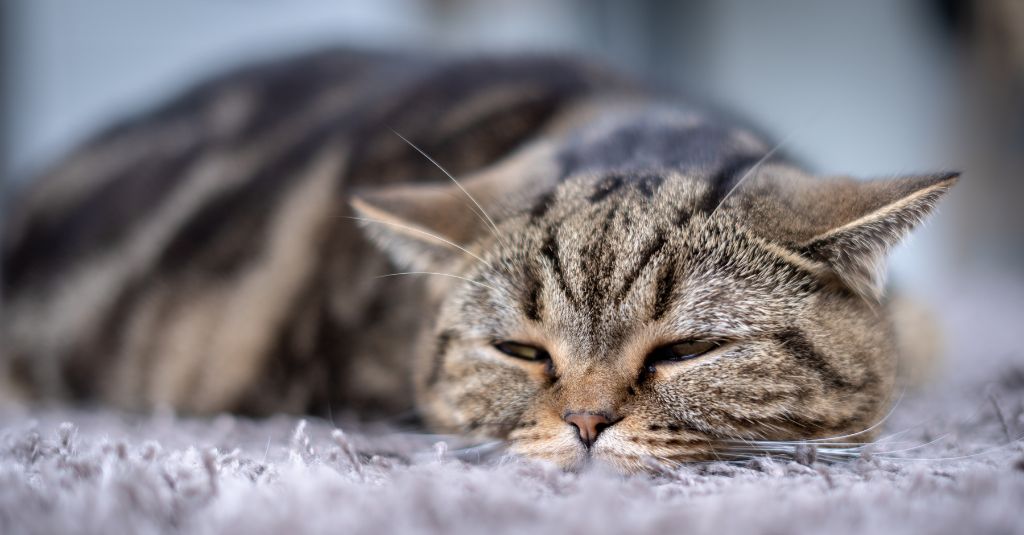
The weather changes, and all of a sudden, your cat starts sniffling, sneezing, and getting a runny nose. All of a sudden, a question pops into your head. Can cats get a cold? As a matter of fact, they can! It might surprise you to learn that cats (like people) can catch colds, displaying similar symptoms such as sneezing and a runny nose.
However, it’s important to know the difference between a common cat cold and a more serious upper respiratory infection. Let’s start by exploring the reasons why cats get common colds, and what are the most common agents are behind our little tiger’s sniffles.
Sneezing and sniffles are warning signs that your cat might have a little cold. Cat colds and upper respiratory infections (URI or “cat flu”) are very common. They can vary considerably in severity, from mild to something that can even be life-threatening. Sometimes, this disease can result from infections caused by feline calcivirus (FCV) or feline herpesvirus (FHV) plus other secondary bacterial infections, such as Bordetella bronchiseptica (which causes severe coughing) or Chlamydia felis (which mainly produces sore, red, runny eyes), and they can be contagious to other cats.

This means that cats who live outdoors are more likely to catch a cold than indoor cats because they are more likely to interact with other cats who might be infected. The same goes for cats who spend their time in cat care. Once a cat is infected, they can pass the virus on to other cats through sneezing or coughing; sometimes, when cats groom each other and they lick their faces, they can transfer viruses.
The severity of the URIs can vary. In some cases, they are very mild and just show a typical case of sneezing, a little discharge from the nose, and some discharge from the eye. This is what we commonly refer to as a cat cold or “cat sniffles”. However, in more severe cases, there can be conjunctivitis, throat inflammation that leads to loss of appetite, inflammation of the trachea that leads to incessant coughing, and skin problems on the face. This is what we call a URI or “Cat Flu.”
The recovery time can take up to 5 – 10 days
While most cats recover from a common cold, the recovery time can take up to 5 – 10 days. When the symptoms become severe, recovery time can take up to 6 weeks, becoming life-threatening if not treated. Some cats may also be left with permanent damage to their nose.
Most cats will develop mild symptoms, such as sneezing, a runny nose, and watery eyes, which are often resolved without any treatment. These cat cold symptoms are important to keep an eye on just to make sure things don’t get worse:
Even though these cold symptoms in cats seem small, they’re worth monitoring closely. What starts as a simple cold sometimes develops into a more serious infection, particularly in vulnerable cats.
In a more severe infection, cats may present with:
Some cats can be a little more sensitive when they catch a cold. This includes senior cats, nursing moms, kittens, or cats who have yet to be vaccinated. If your kitty falls into one of these groups, it’s best to schedule a quick visit to your vet. Sometimes a stubborn cold can turn into something more serious, like pneumonia, if left untreated.
Cats with other underlying conditions can be more likely to present effects of a cold,
Cats with other underlying conditions can be more likely to present effects of a cold, such as a senior cat or a kitten. This is particularly true of cats that are nursing or that have not been vaccinated. If your cat falls into one of these categories, consider making an appointment to seek veterinary care.
For strong and otherwise healthy cats, colds are typically harmless and should clear up in a week or two. You do need to monitor their health, and if there is no sign of improvement by the fourth day, you should make an appointment with your cat’s vet, as a persisting cold that is not treated properly may develop into a full-blown pneumonia.
Your vet will usually make a diagnosis based on the signs your cat shows and after ruling out other causes. While not always needed, confirming which viruses are involved is possible by taking a throat or eye swab from your cat for lab testing.
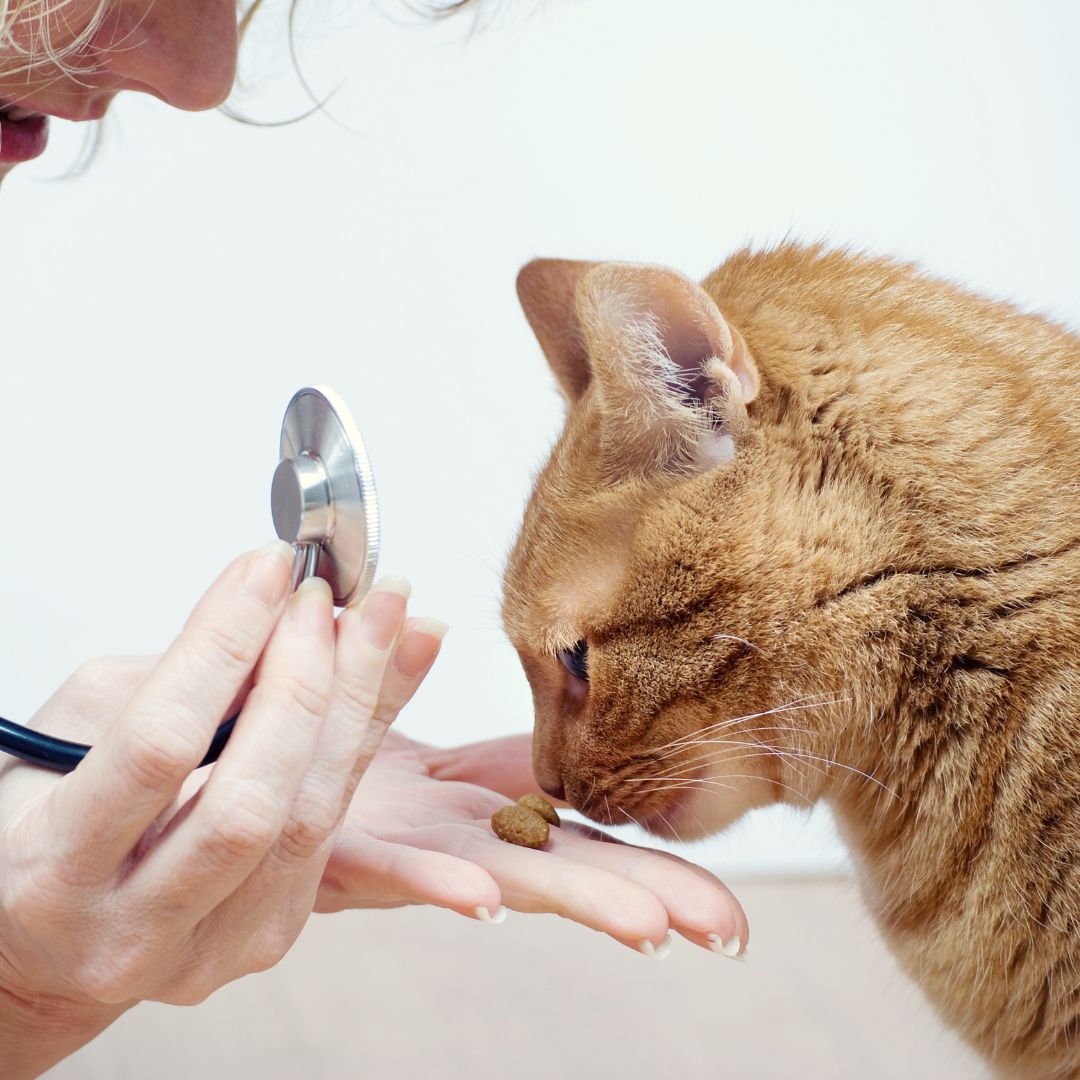
The right treatment for a cat’s cold or upper respiratory infection depends on how your kitty is feeling. Mild cases often clear up with some extra rest, hydration, and a cozy spot to recover. You can gently clean their nose and eyes with a soft, warm, damp cloth, and add a humidifier (without essential oils) to relieve nasal congestion and irritation of the airways.
Together with your vet’s recommendations, you can add some natural supplements to help them recover from the inside out. NHV products can help encourage healing holistically while your little one recovers at home. You may want to offer some nutritious soup to support their body and help ease their symptoms, such as a homemade bone broth. You might want to try natural supplements such as NHV Resp-Aid to help clear out their airways and support healthy breathing, or NHV Felimm to help them strengthen their immune system and help them fight off bacteria and viruses. To support eye infections, you can use Ey-Eas to help restore healthy eyes and soothe the uncomfortable itching.
When symptoms get worse, your vet may recommend extra treatments. For example, cats who are very congested or having trouble breathing might benefit from gentle steam therapy or nebulization to help clear their airways. If your cat isn’t eating or drinking enough water, your vet might suggest subcutaneous fluids, appetite stimulants, or even a short stay at the clinic to keep them hydrated and comfortable. In some cases, antibiotics or other medications are needed, especially if there’s a bacterial infection involved.
Since every cat is different, the best way to know what your furry friend needs is to check in with their vet. They can assess your cat’s condition, decide if they need to be seen right away, and create a treatment plan. Never offer over-the-counter medications, as any kind of medicine is only given by the vet and only when they are necessary.
The best way you can protect your cat against cat colds and cat flu is to ensure they are vaccinated and control environmental factors such as contact with infected cats, overcrowding, and stress. Although vaccination usually prevents severe disease from developing, it can’t always prevent infection from occurring, so mild cases of a cat cold may still occur.
Preventing infection from an unwell cat is important and includes barrier nursing and disinfection.
If you have more than one cat, it’s important to lower the risk of infection being spread to the other cats. If your cat shows symptoms, they should be kept separate from the other cats (for example, confined to one room where they are comfortable and stress-free). Separate food bowls and litter trays should be used, and ideally, your cat should be kept in a room that has very easy-to-disinfect surfaces.
Proactive care can include natural supplements such as NHV Stimmune and NHV Natures Immuno. These all-natural supplements can help strengthen their immune system and offer gentle, natural support. Adding them can be a simple way to support their overall wellness and keep cat colds at bay.
Most cat colds are mild and can clear up with a little extra love, rest, and care. However, it’s important to keep an eye on your cat’s symptoms. This is especially true if they seem unusually tired, stop eating, or have trouble breathing. A quick call or visit to the vet can make all the difference before things get more serious. Remember, your vet can guide you towards the best treatment plan.
Supporting your cat’s immune system can also make a big difference. With gentle supplements such as NHV Stimmune, NHV Natures Immuno, and NHV Resp Aid, you can help strengthen your cat’s natural defenses and support healthy breathing. With the right care and nutrition, your kitty can stay strong, happy, and ready to enjoy life by your side.
respiratory support
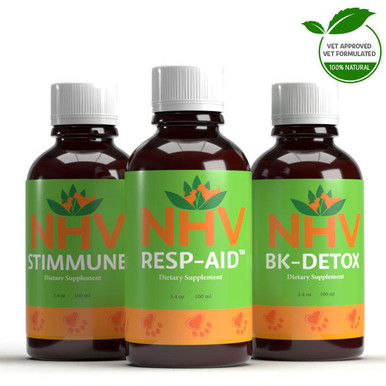
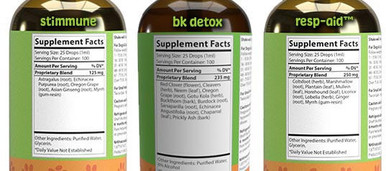
Stimmune, Resp-Aid & BK-Detox
bundle and save with pet expert kits
3 month supply for a small to medium size pet.
What is it?
Help support healthy breathing and soothe inflammation in the airways with NHV’s Bronchitis Gold Relief Kit - a natural supplement bundle for acute or chronic bronchitis in dogs and cats.
How Does it Work?
Why Should I Trust It?
Easy to administer natural supplements with human-grade ingredients.


What is it?
Help support healthy breathing and soothe inflammation in the airways with NHV’s Bronchitis Gold Relief Kit - a natural supplement bundle for acute or chronic bronchitis in dogs and cats.
How Does it Work?
Why Should I Trust It?
Easy to administer natural supplements with human-grade ingredients.
Is your cat or dog coughing, gagging, spitting up mucus or having difficulty breathing? Your pet may be suffering from a respiratory issue such as bronchitis.
What is Bronchitis?
You may have heard of bronchitis, but what is it? The bronchi are the larger airways that move air through the lungs. Air is taken in through the nose and trachea (windpipe), where it goes into the chest and branches into two bronchi, one in each lung. Bronchi are tube-like structures made of cartilage that branch into much smaller structures that carry oxygen into the body. When injured by irritants (eg. air pollution, cigarette smoke, a buildup of toxins, etc.), the body responds with a healing process that is inflammatory by nature. These cycles of irritation and inflammation may result in the overproduction of mucus in the airways. The mucus obstructs smaller bronchial pathways, which triggers coughing, leading to more irritation, inflammation, and mucus. It is a vicious cycle.
As pet parents, we all want what's best for our little ones. So if your furkiddo has recently been diagnosed with bronchitis, luckily there are natural ways to support them to manage symptoms and help them get back on their feet! With bronchitis in dogs or bronchitis in cats, your furry friend may be suffering from constant inflammation and mucus in their airways. In that case, there is a high likelihood that an infection may develop and cause their immune health to weaken, especially if they are constantly trying to deal with an infection that won't go away. This weakened state may lead to a buildup of toxins in the body. Our Bronchitis Kit contains Resp-aid, BK-Detox and Stimmune, which work together to help improve your pet's natural defenses, as well as may help to relieve inflammation, help reduce excess mucus production, and promote healing.
If your pet is experiencing chronic bronchitis, consult your vet to see if there is an underlying cause. When you listen to your cat or dog coughing, the nature of the cough (eg. wet, dry, honking, etc.) does not necessarily provide any clues for its cause.
With bronchitis, the body's natural healing process involves inflammation, so it can be tough to relieve the persistent cough that comes with excess mucus. To help soothe the airways and respiratory system, Resp-Aid's expectorant and healing properties may help prevent mucus buildup and move it along as well as may help calm swelling in the chest and throat. Stimmune is beneficial for adding immune support with its antimicrobial and antibacterial properties while its many healing compounds may help to improve immune response. BK-Detox contains ingredients like cleavers, burdock, and gotu kola that work together to help flush toxins out of the liver, lymphatic system, and respiratory system. With fewer irritants present, the body is encouraged to rebuild and repair.
We know your pets are your family. That’s why we made our supplements for bronchitis in dogs and cats 100% natural, easy to administer (liquid formula) with human-grade ingredients. NHV is here to support you and your furkiddo naturally! For questions or concerns about your pet’s respiratory health, an NHV Pet Expert is here to help you every step of the way!
Made with the finest, organically grown, or ethically harvested herbs. Made specifically for pets, vet-formulated, and vet approved.
Resp-Aid
Stimmune
BK-Detox
Select your pet's weight to determine the correct dose.
To be taken twice daily. Determine your pet’s weight and then use the easy chart below to determine the correct dose. This is the minimum dosage.
Pet's Weight Dosage
0 - 15 lb = 0.5 ml
16 - 30 lb = 1.0 ml
31 - 45 lb = 1.5 ml
46 - 60 lb = 2.0 ml
61 - 75 lb = 2.5 ml
Over 75 lb = 3.0 ml
For small animals (rabbits, ferrets), avians and reptiles use 1 drop for every 2 lb of body weight.
How to Administer
Shake well before use. The easiest method is to use the dropper provided and place the drops into your pet’s food or favorite treat. You can also use the dropper and squirt directly into the pet’s mouth. Some pets can be finicky, if this occurs consider hiding the drops in foods most pet’s love such as fish, chicken or yogurt or a favourite treat. If your pet only eats dry food then soak a few kibbles at feeding time.
For Best Results
Herbal dietary supplements are beneficial to the health and well-being of your pet and are safe for long-term use. Every pet responds to natural herbal supplements differently, therefore it is important to be consistent and administer the product daily. Supplements generally take two to four weeks to take effect, however this will vary from one animal to the next.
Product Storage
All NHV Natural Pet Products are pure herbal extracts and contain no artificial additives, preservatives or coloring. Shelf life after opening is 6 months and must be refrigerated after opening.
All information provided by NHV Natural Pet Products is for educational purposes only.
Is your cat or dog coughing, gagging, spitting up mucus or having difficulty breathing? Your pet may be suffering from a respiratory issue such as bronchitis.
What is Bronchitis?
You may have heard of bronchitis, but what is it? The bronchi are the larger airways that move air through the lungs. Air is taken in through the nose and trachea (windpipe), where it goes into the chest and branches into two bronchi, one in each lung. Bronchi are tube-like structures made of cartilage that branch into much smaller structures that carry oxygen into the body. When injured by irritants (eg. air pollution, cigarette smoke, a buildup of toxins, etc.), the body responds with a healing process that is inflammatory by nature. These cycles of irritation and inflammation may result in the overproduction of mucus in the airways. The mucus obstructs smaller bronchial pathways, which triggers coughing, leading to more irritation, inflammation, and mucus. It is a vicious cycle.
As pet parents, we all want what's best for our little ones. So if your furkiddo has recently been diagnosed with bronchitis, luckily there are natural ways to support them to manage symptoms and help them get back on their feet! With bronchitis in dogs or bronchitis in cats, your furry friend may be suffering from constant inflammation and mucus in their airways. In that case, there is a high likelihood that an infection may develop and cause their immune health to weaken, especially if they are constantly trying to deal with an infection that won't go away. This weakened state may lead to a buildup of toxins in the body. Our Bronchitis Kit contains Resp-aid, BK-Detox and Stimmune, which work together to help improve your pet's natural defenses, as well as may help to relieve inflammation, help reduce excess mucus production, and promote healing.
If your pet is experiencing chronic bronchitis, consult your vet to see if there is an underlying cause. When you listen to your cat or dog coughing, the nature of the cough (eg. wet, dry, honking, etc.) does not necessarily provide any clues for its cause.
With bronchitis, the body's natural healing process involves inflammation, so it can be tough to relieve the persistent cough that comes with excess mucus. To help soothe the airways and respiratory system, Resp-Aid's expectorant and healing properties may help prevent mucus buildup and move it along as well as may help calm swelling in the chest and throat. Stimmune is beneficial for adding immune support with its antimicrobial and antibacterial properties while its many healing compounds may help to improve immune response. BK-Detox contains ingredients like cleavers, burdock, and gotu kola that work together to help flush toxins out of the liver, lymphatic system, and respiratory system. With fewer irritants present, the body is encouraged to rebuild and repair.
We know your pets are your family. That’s why we made our supplements for bronchitis in dogs and cats 100% natural, easy to administer (liquid formula) with human-grade ingredients. NHV is here to support you and your furkiddo naturally! For questions or concerns about your pet’s respiratory health, an NHV Pet Expert is here to help you every step of the way!
Made with the finest, organically grown, or ethically harvested herbs. Made specifically for pets, vet-formulated, and vet approved.
Resp-Aid
Stimmune
BK-Detox
Select your pet's weight to determine the correct dose.
To be taken twice daily. Determine your pet’s weight and then use the easy chart below to determine the correct dose. This is the minimum dosage.
Pet's Weight Dosage
0 - 15 lb = 0.5 ml
16 - 30 lb = 1.0 ml
31 - 45 lb = 1.5 ml
46 - 60 lb = 2.0 ml
61 - 75 lb = 2.5 ml
Over 75 lb = 3.0 ml
For small animals (rabbits, ferrets), avians and reptiles use 1 drop for every 2 lb of body weight.
How to Administer
Shake well before use. The easiest method is to use the dropper provided and place the drops into your pet’s food or favorite treat. You can also use the dropper and squirt directly into the pet’s mouth. Some pets can be finicky, if this occurs consider hiding the drops in foods most pet’s love such as fish, chicken or yogurt or a favourite treat. If your pet only eats dry food then soak a few kibbles at feeding time.
For Best Results
Herbal dietary supplements are beneficial to the health and well-being of your pet and are safe for long-term use. Every pet responds to natural herbal supplements differently, therefore it is important to be consistent and administer the product daily. Supplements generally take two to four weeks to take effect, however this will vary from one animal to the next.
Product Storage
All NHV Natural Pet Products are pure herbal extracts and contain no artificial additives, preservatives or coloring. Shelf life after opening is 6 months and must be refrigerated after opening.
All information provided by NHV Natural Pet Products is for educational purposes only.
eye support
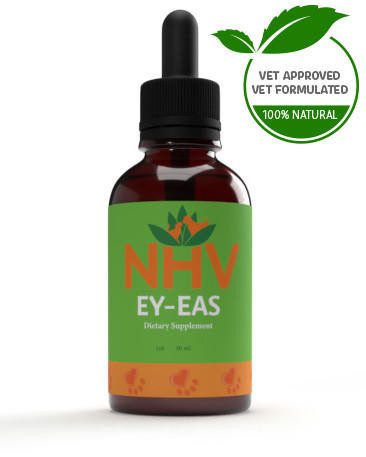
Natural Support for Cat Eye Infections and Issues
buy 2 and save $3
What is it?
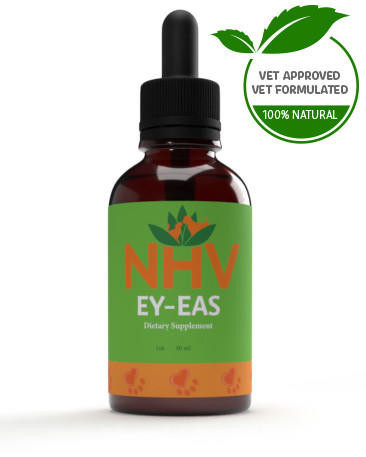
Ey-Eas is a cat eye infection remedy that helps fight eye infections, such as pink eye (conjunctivitis), or runny eyes, which are uncomfortable and stressful.
How Does it Work?
Why Should I Trust It?
100% natural remedy, formulated and approved by vets.


What is it?
Ey-Eas is a cat eye infection remedy that helps fight eye infections, such as pink eye (conjunctivitis), or runny eyes, which are uncomfortable and stressful.
How Does it Work?
Why Should I Trust It?
100% natural remedy, formulated and approved by vets.
Eye infections are common in cats and most cases are due to an infection caused by a virus (feline herpesvirus, FeLV, FIP), an allergic reaction, or bacterial infection. Cats may be prone to eye infections that cause discomfort and long-term damage if left untreated. Ey-Eas natural cat eye infection remedy helps pets with eyes that are red, watery or irritated. It is also helpful for cats that are continually rubbing their eyes, tearing excessively, or avoiding light.
What is Conjunctivitis in Cats?
Conjunctivitis can occur in one or both eyes and is most often the result of a bacterial or viral infection. Other possible causes include allergies, irritants, and fungal infections. If only one eye is affected, then it may be an inflamed tear sac or a foreign object causing the problem. Do not use with existing corneal ulcers.
For more information on your cat’s eye health, visit holistic veterinarian, Dr. Hillary Cook’s blog.
Chamomile – An excellent calming agent, chamomile provides anti-inflammatory action to help soothe and heal inflamed skin.
Eyebright – Reduces inflammation and contains strong astringent properties. This herb has a very long history of use in eye issues. It also helps relieve itchy eyes.
Goldenseal – Contains strong astringent and antibacterial properties. Goldenseal has anti-inflammatory, properties and may be very soothing to a cat’s skin. It is effective for eye-related disorders and helps reduce redness in the eyes.
Rosemary – Has anti-inflammatory and antiseptic properties.
Ey-Eas can be used orally or topically.
ORALLY: To be taken twice daily.
1 drops for every 2lb of body weight up to 50 lb.
TOPICALLY: Using the dropper place 1-3 drops in each eye.
Shaking of the head and rubbing of the eyes is normal.
How to Administer
Shake well before use. The easiest method is to use the dropper provide and places the drops into your pet’s food or favorite treat. You can also use the dropper and squirt directly into the pet’s mouth.
Some pets can be finicky, if this occurs consider hiding the drops in foods most pet’s love such as fish, chicken or yogurt or a favorite treat. If your pet only eats dry food then soak a few kibbles at feeding time.
For Best Results
Herbal dietary supplements are beneficial to the health and wellbeing of your pet and are safe for long-term use. Every pet responds to natural herbal supplements differently, therefore it is important to be consistent and administer the product daily. Supplements generally take two to four weeks to take effect, however this will vary from one animal to the next.
Product Storage
All NHV Natural Pet Products are pure herbal extracts and contain no artificial additives, preservatives or coloring. Shelf life after opening is 6 months and must be refrigerated after opening.
Cautions and Contraindications
Do not use EY EAS in pregnant or nursing animals. When used topically the pet may shake it’s head or rub its eyes and face for a short time; this normal. Speak to your vet before using our products. A second visit is recommended if your pet’s condition does not improve, or deteriorates after continued use of the supplements.
All information provided by NHV Natural Pet Products is for educational purposes only.
Eye infections are common in cats and most cases are due to an infection caused by a virus (feline herpesvirus, FeLV, FIP), an allergic reaction, or bacterial infection. Cats may be prone to eye infections that cause discomfort and long-term damage if left untreated. Ey-Eas natural cat eye infection remedy helps pets with eyes that are red, watery or irritated. It is also helpful for cats that are continually rubbing their eyes, tearing excessively, or avoiding light.
What is Conjunctivitis in Cats?
Conjunctivitis can occur in one or both eyes and is most often the result of a bacterial or viral infection. Other possible causes include allergies, irritants, and fungal infections. If only one eye is affected, then it may be an inflamed tear sac or a foreign object causing the problem. Do not use with existing corneal ulcers.
For more information on your cat’s eye health, visit holistic veterinarian, Dr. Hillary Cook’s blog.
Chamomile – An excellent calming agent, chamomile provides anti-inflammatory action to help soothe and heal inflamed skin.
Eyebright – Reduces inflammation and contains strong astringent properties. This herb has a very long history of use in eye issues. It also helps relieve itchy eyes.
Goldenseal – Contains strong astringent and antibacterial properties. Goldenseal has anti-inflammatory, properties and may be very soothing to a cat’s skin. It is effective for eye-related disorders and helps reduce redness in the eyes.
Rosemary – Has anti-inflammatory and antiseptic properties.
Ey-Eas can be used orally or topically.
ORALLY: To be taken twice daily.
1 drops for every 2lb of body weight up to 50 lb.
TOPICALLY: Using the dropper place 1-3 drops in each eye.
Shaking of the head and rubbing of the eyes is normal.
How to Administer
Shake well before use. The easiest method is to use the dropper provide and places the drops into your pet’s food or favorite treat. You can also use the dropper and squirt directly into the pet’s mouth.
Some pets can be finicky, if this occurs consider hiding the drops in foods most pet’s love such as fish, chicken or yogurt or a favorite treat. If your pet only eats dry food then soak a few kibbles at feeding time.
For Best Results
Herbal dietary supplements are beneficial to the health and wellbeing of your pet and are safe for long-term use. Every pet responds to natural herbal supplements differently, therefore it is important to be consistent and administer the product daily. Supplements generally take two to four weeks to take effect, however this will vary from one animal to the next.
Product Storage
All NHV Natural Pet Products are pure herbal extracts and contain no artificial additives, preservatives or coloring. Shelf life after opening is 6 months and must be refrigerated after opening.
Cautions and Contraindications
Do not use EY EAS in pregnant or nursing animals. When used topically the pet may shake it’s head or rub its eyes and face for a short time; this normal. Speak to your vet before using our products. A second visit is recommended if your pet’s condition does not improve, or deteriorates after continued use of the supplements.
All information provided by NHV Natural Pet Products is for educational purposes only.
medicinal mushroom blend
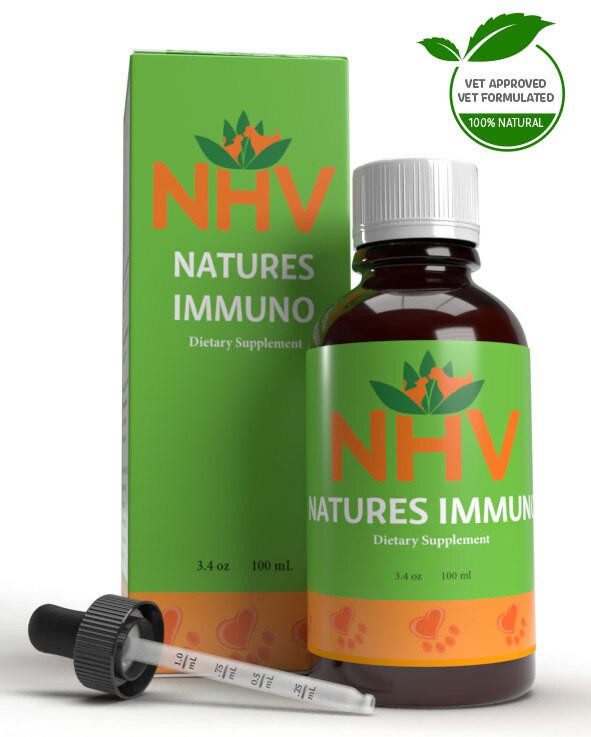
Blend of medicinal mushrooms (turkey tails, cordyceps, reishi, shiitake, agaricus)
buy 2 and save $3
3 month supply for a small to medium size pet
Natures Immuno is a gentle, natural medicinal mushroom blend for cat immune support, helping boost your cat's immune system, energy, and overall wellness—especially during times of illness or stress. Its broad-spectrum support is helpful for cats facing cancer, chronic infections, kidney or endocrine issues, fatigue, or a weakened immune system.
This liquid formula combines mushrooms traditionally known for their wide-ranging health benefits. It helps your kitty by:
Natures Immuno is vet-formulated, made with safe, appropriate medicinal mushroom dosages for pets, and can be used alongside your veterinarian’s treatment plan (just space the doses apart). It’s a gentle, natural cat immune supplement that pet parents trust when their cats need extra care.
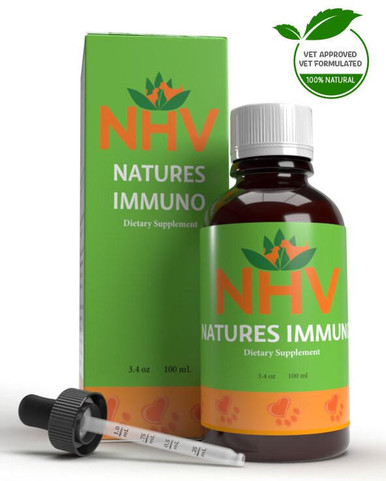

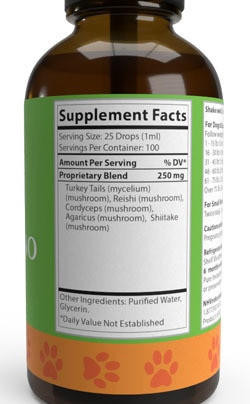

Natures Immuno is a gentle, natural medicinal mushroom blend for cat immune support, helping boost your cat's immune system, energy, and overall wellness—especially during times of illness or stress. Its broad-spectrum support is helpful for cats facing cancer, chronic infections, kidney or endocrine issues, fatigue, or a weakened immune system.
This liquid formula combines mushrooms traditionally known for their wide-ranging health benefits. It helps your kitty by:
Natures Immuno is vet-formulated, made with safe, appropriate medicinal mushroom dosages for pets, and can be used alongside your veterinarian’s treatment plan (just space the doses apart). It’s a gentle, natural cat immune supplement that pet parents trust when their cats need extra care.
Medicinal mushroom blends are used by holistic and conventional veterinarians to help cats suffering from a variety of health conditions. Their immune supporting effects help with feline cancer, chronic feline infections, liver disorders, compromised immune systems, endocrine disorders, and kidney, respiratory, and cardiovascular problems.
Medicinal mushrooms are currently being researched and studied for their vast array of health benefits. NHV uses these mushrooms as a primary ingredient in supplements that support the immune system of cats.
The healing power of medicinal mushrooms has been known throughout Asia for thousands of years. The pharmacological potential of medicinal mushrooms is being extensively studied around the globe. Research is finding that specific medicinal mushrooms, like Turkey Tail mushrooms, may have the potential to help treat cancer, balance the immune system, and aid with digestive problems.
“The mounting evidence from various research groups across the globe, regarding anti-tumor application of mushroom extracts unarguably make it a fast-track research area worth mass attention.” – (Patel and Goyal, 2012)
The five well-researched mushrooms contained in our vet-formulated cat immune support supplement blend include:
Because this blend is in liquid form, it helps increase the bioavailability of the mushrooms, so your cat absorbs the medicine at a faster rate.
Use NHV’s holistic immune cancer support for cats with treatment prescribed by your vet for comprehensive care. You can always ask the experts at NHV where our pet experts are here to help answer questions, offer guidance and give support along the way.
Read more about cat immune support using the miracles of medicinal mushrooms on our blog because, at NHV, we care about your cat’s health naturally.
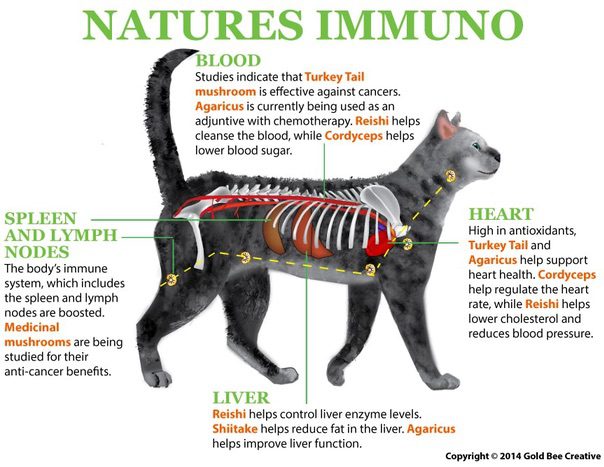
Turkey Tail mushroom has traditionally been used in Native American herbalism and in Chinese medicine to help improve immune function. It is a mushroom that has undergone a considerable resurgence in modern research for its health benefits. Studies have shown that it is beneficial for a wide variety of cancers, including mammary gland cancer and lymphoma. Researchers believe that Turkey Tail mushrooms contain properties that fight cancer while also helping to strengthen the immune system. It has antioxidant, anticarcinogenic, immune-modulating, anti-inflammatory, and cardioprotective properties.
Cordyceps mushroom is rich in phytonutrients and contains polysaccharides, which help with antioxidant properties. Research has indicated that cordyceps have anti-tumor, immune stimulating and hypoglycemic activity. They are beneficial for diabetes as they help lower blood sugar. Cordyceps are also beneficial for heart health, liver and kidney health.
Reishi mushroom has been used for thousands of years in traditional Chinese Medicine. Current research indicates that reishi mushrooms are helpful in supporting the immune and cardiovascular systems, as well as helping to increase oxygenation of the blood. Reishi is effective against sarcoma and tumor necrosis. Reishi is currently being used in Japan and China in conjunction with chemotherapy drugs.
Shiitake mushroom has been used for thousands of years in herbalism, and is also a popular cooking ingredient. Research indicates that Shiitake has strong antibiotic and antibacterial properties against a broad spectrum of pathogens. In addition to its potential cancer-fighting properties, it is useful in supporting heart health as it lowers cholesterol and helps lessen plaque in the arteries.
Agaricus mushroom is studied for their usefulness in preventing cancer cell production. Agaricus is considered an antimutagenic and an adaptogen, which helps combat stress and supports endocrine function. It is useful for pets with autoimmune conditions, digestive issues, and heart problems. Agaricus is being used in Japan as an adjunctive with chemotherapy treatments.
Select your pet's weight to determine the correct dose.
To be taken twice daily.
Determine your pet’s weight and then use the easy chart below to determine the correct dose. You can safely double the recommended dosage.
Pet's Weight Dosage
0 - 15 lb 0.5 mL
16 - 30 lb 1.0 mL
31 - 45 lb 1.5 mL
46 - 60 lb 2.0 mL
61 - 75 lb 2.5 mL
Over 75 lb 3.0 mL
How to Administer
Shake well before use. The easiest method is to use the dropper provided and place the drops into your pet’s food or favorite treat. You can also use the dropper and squirt directly into the pet’s mouth. Some pets can be finicky, if this occurs consider hiding the drops in foods most pet’s love such as fish, chicken, yogurt, or a favorite treat. If your pet only eats dry food then soak a few kibbles at feeding time.
For Best Results
Herbal dietary supplements are beneficial to the health and well-being of your pet and are safe for long-term use. Every pet responds to natural herbal supplements differently, therefore it is important to be consistent and administer the product daily. Supplements generally take two to four weeks to take effect, however this will vary from one animal to the next.
Product Storage
All NHV Natural Pet Products are pure herbal extracts and contain no artificial additives, preservatives or coloring. Shelf life after opening is 6 months and must be refrigerated after opening.
Medicinal mushroom blends are used by holistic and conventional veterinarians to help cats suffering from a variety of health conditions. Their immune supporting effects help with feline cancer, chronic feline infections, liver disorders, compromised immune systems, endocrine disorders, and kidney, respiratory, and cardiovascular problems.
Medicinal mushrooms are currently being researched and studied for their vast array of health benefits. NHV uses these mushrooms as a primary ingredient in supplements that support the immune system of cats.
The healing power of medicinal mushrooms has been known throughout Asia for thousands of years. The pharmacological potential of medicinal mushrooms is being extensively studied around the globe. Research is finding that specific medicinal mushrooms, like Turkey Tail mushrooms, may have the potential to help treat cancer, balance the immune system, and aid with digestive problems.
“The mounting evidence from various research groups across the globe, regarding anti-tumor application of mushroom extracts unarguably make it a fast-track research area worth mass attention.” – (Patel and Goyal, 2012)
The five well-researched mushrooms contained in our vet-formulated cat immune support supplement blend include:
Because this blend is in liquid form, it helps increase the bioavailability of the mushrooms, so your cat absorbs the medicine at a faster rate.
Use NHV’s holistic immune cancer support for cats with treatment prescribed by your vet for comprehensive care. You can always ask the experts at NHV where our pet experts are here to help answer questions, offer guidance and give support along the way.
Read more about cat immune support using the miracles of medicinal mushrooms on our blog because, at NHV, we care about your cat’s health naturally.
Turkey Tail mushroom has traditionally been used in Native American herbalism and in Chinese medicine to help improve immune function. It is a mushroom that has undergone a considerable resurgence in modern research for its health benefits. Studies have shown that it is beneficial for a wide variety of cancers, including mammary gland cancer and lymphoma. Researchers believe that Turkey Tail mushrooms contain properties that fight cancer while also helping to strengthen the immune system. It has antioxidant, anticarcinogenic, immune-modulating, anti-inflammatory, and cardioprotective properties.
Cordyceps mushroom is rich in phytonutrients and contains polysaccharides, which help with antioxidant properties. Research has indicated that cordyceps have anti-tumor, immune stimulating and hypoglycemic activity. They are beneficial for diabetes as they help lower blood sugar. Cordyceps are also beneficial for heart health, liver and kidney health.
Reishi mushroom has been used for thousands of years in traditional Chinese Medicine. Current research indicates that reishi mushrooms are helpful in supporting the immune and cardiovascular systems, as well as helping to increase oxygenation of the blood. Reishi is effective against sarcoma and tumor necrosis. Reishi is currently being used in Japan and China in conjunction with chemotherapy drugs.
Shiitake mushroom has been used for thousands of years in herbalism, and is also a popular cooking ingredient. Research indicates that Shiitake has strong antibiotic and antibacterial properties against a broad spectrum of pathogens. In addition to its potential cancer-fighting properties, it is useful in supporting heart health as it lowers cholesterol and helps lessen plaque in the arteries.
Agaricus mushroom is studied for their usefulness in preventing cancer cell production. Agaricus is considered an antimutagenic and an adaptogen, which helps combat stress and supports endocrine function. It is useful for pets with autoimmune conditions, digestive issues, and heart problems. Agaricus is being used in Japan as an adjunctive with chemotherapy treatments.
Select your pet's weight to determine the correct dose.
To be taken twice daily.
Determine your pet’s weight and then use the easy chart below to determine the correct dose. You can safely double the recommended dosage.
Pet's Weight Dosage
0 - 15 lb 0.5 mL
16 - 30 lb 1.0 mL
31 - 45 lb 1.5 mL
46 - 60 lb 2.0 mL
61 - 75 lb 2.5 mL
Over 75 lb 3.0 mL
How to Administer
Shake well before use. The easiest method is to use the dropper provided and place the drops into your pet’s food or favorite treat. You can also use the dropper and squirt directly into the pet’s mouth. Some pets can be finicky, if this occurs consider hiding the drops in foods most pet’s love such as fish, chicken, yogurt, or a favorite treat. If your pet only eats dry food then soak a few kibbles at feeding time.
For Best Results
Herbal dietary supplements are beneficial to the health and well-being of your pet and are safe for long-term use. Every pet responds to natural herbal supplements differently, therefore it is important to be consistent and administer the product daily. Supplements generally take two to four weeks to take effect, however this will vary from one animal to the next.
Product Storage
All NHV Natural Pet Products are pure herbal extracts and contain no artificial additives, preservatives or coloring. Shelf life after opening is 6 months and must be refrigerated after opening.
Dr. Yuvia Hernandez graduated from the Universidad Autonoma de Ciudad Juarez (Mexico) with a degree in Veterinary Medicine and Animal Husbandry, and later got her Master’s Degree in Educational Strategies from the Universidad Regional del Norte. She has taken several courses throughout her career to train in the veterinary field, such as emergency veterinary care, animal nutrition, and holistic veterinary care. Dr. Hernandez shares her home with two adorable cats as she continues to learn about animal welfare and care.
Published: October 13, 2025
respiratory support
For Coughs, Respiratory Disorders, and Bronchial Infections in Cats
buy 2 and save $3
3 month supply for a small to medium size
Resp-Aid is a gentle, 100% natural liquid herbal formula for cat respiratory support, helping your cat breathe easier while supporting immune health and overall respiratory wellness. When your little one is coughing, congested, or struggling to catch their breath, Resp-Aid offers soothing, plant-based support you can trust—one of the safest natural cat respiratory supplements.
Resp-Aid brings together herbs that have been traditionally used to comfort and protect the respiratory system. It helps your kitty by:
Like all NHV supplements, Resp-Aid is vet-formulated and made with premium, human-grade herbs. It’s loved by cats around the world, and its unique herbal blend has even been studied for respiratory benefits — including in pets with asthma — through research at the University of Calgary and the University of Saskatchewan.


Resp-Aid is a gentle, 100% natural liquid herbal formula for cat respiratory support, helping your cat breathe easier while supporting immune health and overall respiratory wellness. When your little one is coughing, congested, or struggling to catch their breath, Resp-Aid offers soothing, plant-based support you can trust—one of the safest natural cat respiratory supplements.
Resp-Aid brings together herbs that have been traditionally used to comfort and protect the respiratory system. It helps your kitty by:
Like all NHV supplements, Resp-Aid is vet-formulated and made with premium, human-grade herbs. It’s loved by cats around the world, and its unique herbal blend has even been studied for respiratory benefits — including in pets with asthma — through research at the University of Calgary and the University of Saskatchewan.
Many cats suffer from breathing difficulties which can lead to respiratory infections. Symptoms of respiratory infections in cats are similar to those in humans such as watery eyes, runny nose, sneezing, coughing, and difficulty breathing. Resp-Aid™ is a holistic all-natural remedy for respiratory infection in cats to help provide them relief.
NHV Resp-Aid is currently under clinical studies conducted jointly with the University of Saskatchewan and the University of Calgary. The study found that the lungs from asthmatic animals treated with Resp-Aid showed considerably less inflammation and histopathology compared with asthmatic animals lungs that did not receive Resp-Aid. You can read the latest on this innovative study here.
Some cat breeds are more susceptible to breathing difficulties such as Siamese. Find out if your cat breed is prone to breathing difficulties at NHV online breeds and conditions. Respiratory infections in cats can be caused by:
Read about a rescue kitty named Hunter and how he found relief with NHV’s remedy for respiratory infection in cats.
If you have questions about natural remedies for respiratory infections in cats or any of our plant-based products you can ask an expert at NHV. Our pet experts can offer guidance and support because NHV wants all pet parents and their fur children to breathe easy naturally.
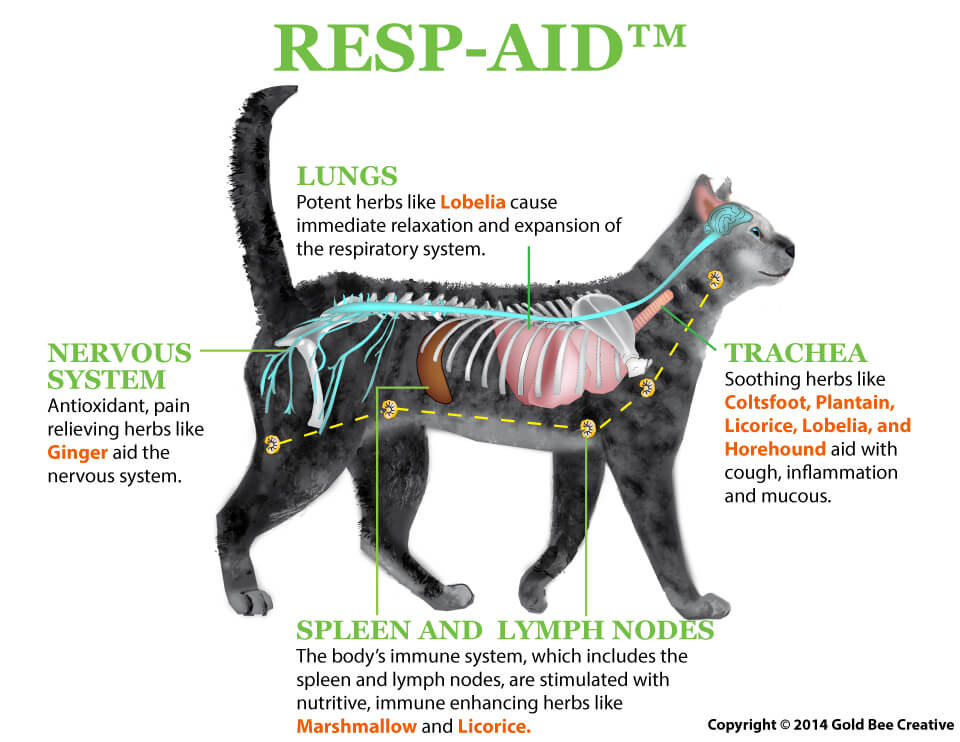
NHV’s Resp-Aid contains a proprietary blend of nine highly effective herbs that help support healthy breathing making this a formidable remedy for respiratory infections in cats.
Select your pet's weight to determine the correct dose.
To be taken twice daily. Determine your pet’s weight and then use the easy chart below to determine the correct dose. This is the minimum dosage.
Pet's Weight Dosage
0 - 15 lb = 0.5 ml
16 - 30 lb = 1.0 ml
31 - 45 lb = 1.5 ml
46 - 60 lb = 2.0 ml
61 - 75 lb = 2.5 ml
Over 75 lb = 3.0 ml
How to Administer
Shake well before use. The easiest method is to use the dropper provide and places the drops into your pet’s food or favorite treat. You can also use the dropper and squirt directly into the pet’s mouth.
Some pets can be finicky, if this occurs consider hiding the drops in foods most pet’s love such as fish, chicken or yogurt or a favourite treat. If your pet only eats dry food then soak a few kibbles at feeding time.
For Best Results
Herbal dietary supplements are beneficial to the health and wellbeing of your pet and are safe for long-term use. Every pet responds to natural herbal supplements differently, therefore it is important to be consistent and administer the product daily. Supplements generally take two to four weeks to take effect, however this will vary from one animal to the next.
Product Storage
All NHV Natural Pet Products are pure herbal extracts and contain no artificial additives, preservatives or coloring. Shelf life after opening is 6 months and must be refrigerated after opening.
Cautions and Contraindications
Do not use in pregnant or nursing animals. Speak to your vet before using our products. A second visit is recommended if your pet’s condition does not improve, or deteriorates after continued use of the supplements.
All information provided by NHV Natural Pet Products is for educational purposes only.
Many cats suffer from breathing difficulties which can lead to respiratory infections. Symptoms of respiratory infections in cats are similar to those in humans such as watery eyes, runny nose, sneezing, coughing, and difficulty breathing. Resp-Aid™ is a holistic all-natural remedy for respiratory infection in cats to help provide them relief.
NHV Resp-Aid is currently under clinical studies conducted jointly with the University of Saskatchewan and the University of Calgary. The study found that the lungs from asthmatic animals treated with Resp-Aid showed considerably less inflammation and histopathology compared with asthmatic animals lungs that did not receive Resp-Aid. You can read the latest on this innovative study here.
Some cat breeds are more susceptible to breathing difficulties such as Siamese. Find out if your cat breed is prone to breathing difficulties at NHV online breeds and conditions. Respiratory infections in cats can be caused by:
Read about a rescue kitty named Hunter and how he found relief with NHV’s remedy for respiratory infection in cats.
If you have questions about natural remedies for respiratory infections in cats or any of our plant-based products you can ask an expert at NHV. Our pet experts can offer guidance and support because NHV wants all pet parents and their fur children to breathe easy naturally.
NHV’s Resp-Aid contains a proprietary blend of nine highly effective herbs that help support healthy breathing making this a formidable remedy for respiratory infections in cats.
Select your pet's weight to determine the correct dose.
To be taken twice daily. Determine your pet’s weight and then use the easy chart below to determine the correct dose. This is the minimum dosage.
Pet's Weight Dosage
0 - 15 lb = 0.5 ml
16 - 30 lb = 1.0 ml
31 - 45 lb = 1.5 ml
46 - 60 lb = 2.0 ml
61 - 75 lb = 2.5 ml
Over 75 lb = 3.0 ml
How to Administer
Shake well before use. The easiest method is to use the dropper provide and places the drops into your pet’s food or favorite treat. You can also use the dropper and squirt directly into the pet’s mouth.
Some pets can be finicky, if this occurs consider hiding the drops in foods most pet’s love such as fish, chicken or yogurt or a favourite treat. If your pet only eats dry food then soak a few kibbles at feeding time.
For Best Results
Herbal dietary supplements are beneficial to the health and wellbeing of your pet and are safe for long-term use. Every pet responds to natural herbal supplements differently, therefore it is important to be consistent and administer the product daily. Supplements generally take two to four weeks to take effect, however this will vary from one animal to the next.
Product Storage
All NHV Natural Pet Products are pure herbal extracts and contain no artificial additives, preservatives or coloring. Shelf life after opening is 6 months and must be refrigerated after opening.
Cautions and Contraindications
Do not use in pregnant or nursing animals. Speak to your vet before using our products. A second visit is recommended if your pet’s condition does not improve, or deteriorates after continued use of the supplements.
All information provided by NHV Natural Pet Products is for educational purposes only.