


kidney & bladder support
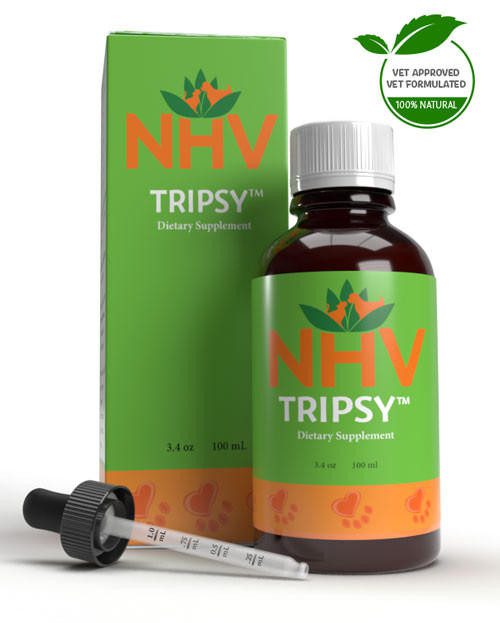
Tripsy™ for cats
USD $47.95
free shipping over $100 (USA & Canada)
1-877-937-4372 the pet expert hotline

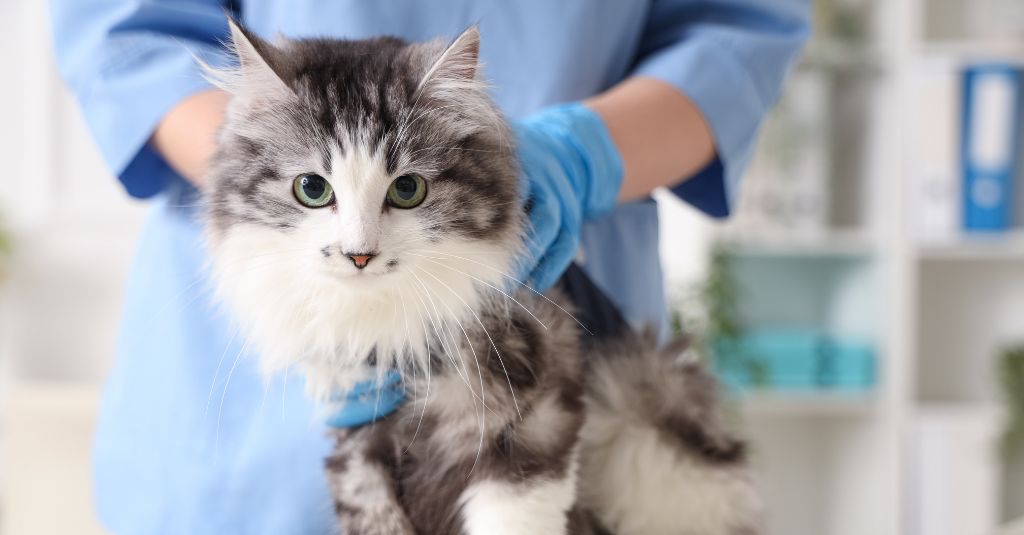
Chronic kidney disease in cats is one of the most common and clinically important conditions in feline medicine, particularly in elderly cats. Although it is a progressive and irreversible disease, early detection and correct management may significantly improve quality of life and survival.
Also referred to as CKD, it is a progressive loss of kidney function over time.
The kidneys play essential roles in filtering metabolic waste from the bloodstream, maintaining fluid and electrolyte balance, regulating blood pressure, supporting red blood cell production through hormone regulation, etc.
As kidney function declines, waste products such as urea and creatinine accumulate, leading to the clinical signs associated with CKD.
It is important to differentiate between acute kidney injury (AKI) and CKD.
AKI is a sudden decline in kidney function, often due to toxins, infections, or severe dehydration. It may be reversible if addressed early. However, CKD is a gradual, irreversible process that develops over months to years.
CKD is very common in senior cats, affecting a significant number of cats over 10 years of age.
It is important to understand the causes of chronic kidney disease in cats for both prevention and management.
Some of the most common causes are degeneration related to age, infection or chronic inflammation, dental disease, genetic factors such as polycystic kidney disease, and previous episodes of acute kidney injury.
Also, there are some contributing factors such as hypertension, hyperthyroidism, exposure to nephrotoxins such as lilies or certain medications, and chronic dehydration.
Progressive loss of functional nephrons can reduce the kidney’s ability to filter blood and concentrate urine, leading to a systemic effect.
CKD is classified using the International Renal Interest Society staging system, which guides prognosis and also treatment decisions. Thus, understanding feline chronic kidney disease stages is very important for tailoring treatment and monitoring progression.
Some of the signs are:
Early Signs: increased thirst and urination, mild weight loss, and a decrease in appetite.
Progressive Symptoms: dehydration, poor quality of the coat, muscle wasting, intermittent vomiting, and halitosis.
Advanced Signs: lethargy, persistent vomiting, ulceration of the mouth, weight loss.
It is important to note that those symptoms often develop gradually. Thus, it is fundamental to have routine screening.
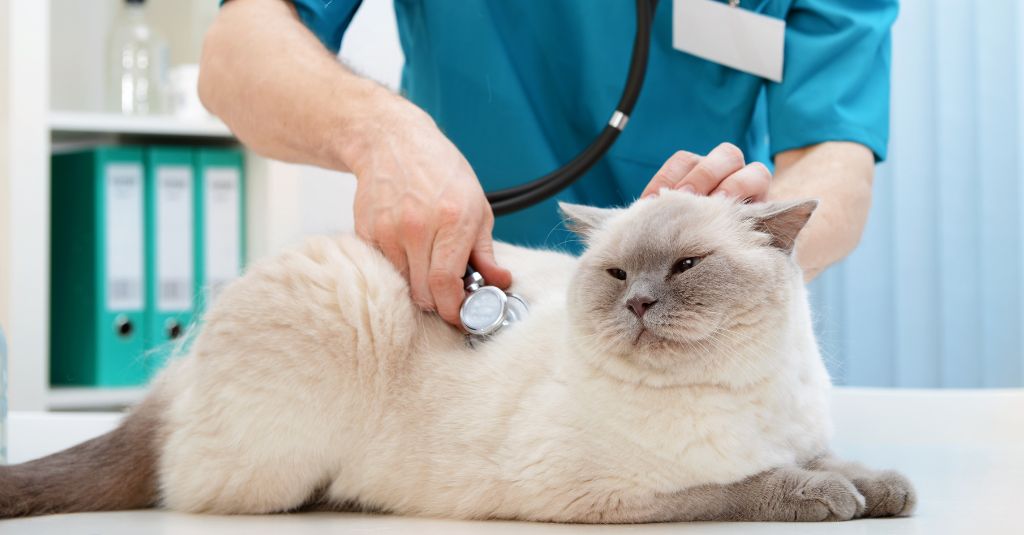
Diagnosis is based on a combination of laboratory findings, clinical evaluation, and imaging.
Laboratory Testing
Additional Diagnostics
SDMA, or symmetric dimethylarginine, has become an essential biomarker in the early detection of chronic kidney disease in cats.
It is a byproduct of protein metabolism that is eliminated primarily through renal filtration. Because of this, it reflects glomerular filtration rate.
Clinical Importance
SDMA increases earlier than creatinine in kidney disease, typically when about 25 to 40 percent of kidney function is lost. Creatinine may not increase until approximately 75 percent of kidney function is compromised. SDMA is less influenced by muscle mass, making it particularly useful in cats with weight loss or muscle wasting.
Clinical Use
SDMA is interpreted alongside creatinine, urine concentration, and clinical signs. Thus, persistent elevation over time is more clinically meaningful than a single measurement. SDMA is also valuable for identifying early CKD stages.
Unfortunately, there is no cure for CKD, but treatment focuses on slowing progression and improving the quality of life of the cats.
Medical Management includes: Therapeutic renal diets, hydration support, phosphate binders, blood pressure control, and anti-nausea therapy.
Nutritional and Holistic Support: It is one of the most critical components in the management of chronic kidney disease in cats.
A renal diet is carefully formulated to reduce kidney workload while maintaining overall health. For example:
Controlled, high-quality protein: Protein should be moderately restricted but highly digestible to preserve lean body mass.
Low phosphorus: Essential to slow progression and reduce secondary complications.
Increased moisture content: Wet diets are preferred to support hydration as they contain more water.
Adequate caloric density: To prevent weight loss and support energy needs.
Palatability: To encourage consistent food intake in kitties with reduced appetite.
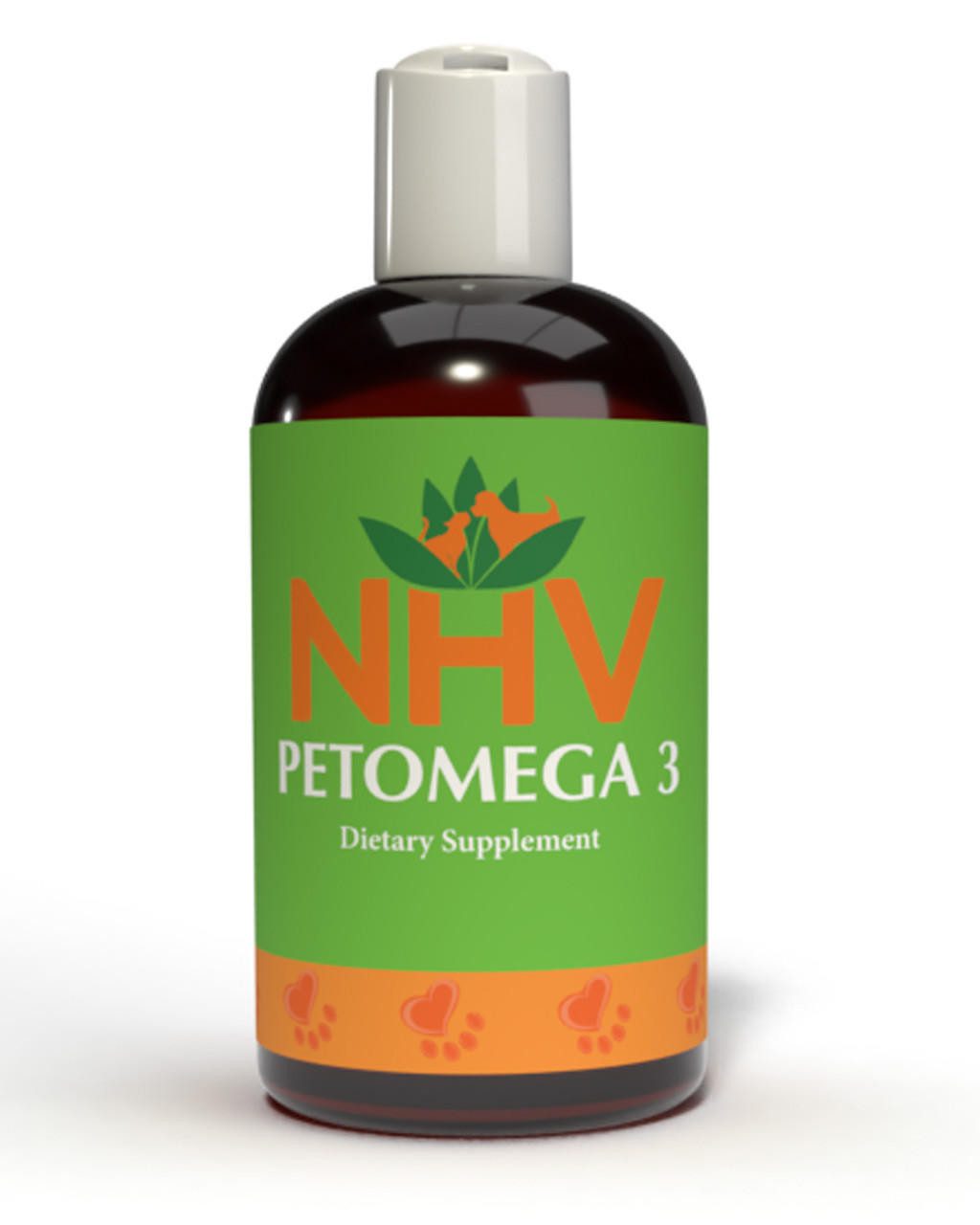
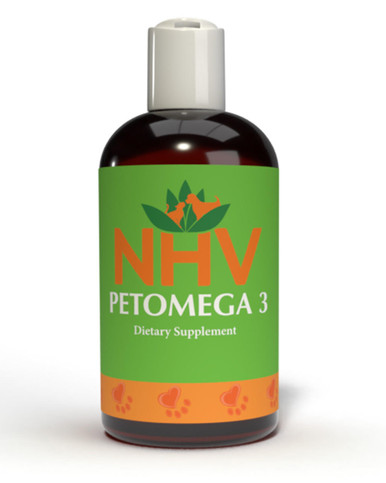
Omega-3 fatty acids, such as NHV Petomega 3, are an important part of nutritional therapy in CKD. Those can help reduce renal inflammation, support renal blood flow, potentially slow disease progression, and reduce proteinuria. These benefits are supported by peer-reviewed veterinary research and are incorporated into therapeutic renal diets.
Supportive therapies can complement medical treatment.
NHV Tripsy: May support kidney and urinary tract function
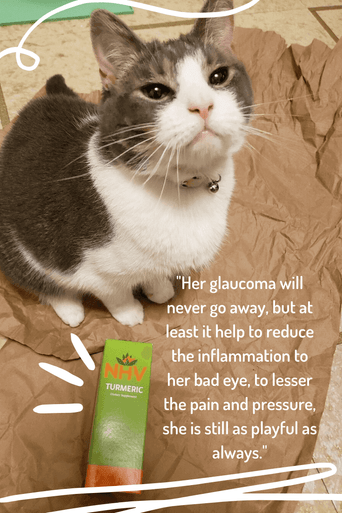
NHV Turmeric: Provides antioxidant and anti-inflammatory support
Supplements should be used as adjuncts, not replacements for standard care.
Unfortunately, CKD cannot always be prevented. However, early detection and proactive care can slow progression, such as routine veterinary examinations, regular blood and urine testing, maintaining hydration, feeding balanced diets, managing dental disease, and avoiding nephrotoxins.
Chronic kidney disease in cats is a common but manageable condition. It is progressive but often slow; early detection is critical, along with IRIS staging to guide treatment. A multimodal approach provides the best outcomes. Nutrition is also important, along with supportive supplements such as NHV Petomega 3 fatty acids, NHV Tripsy, and NHV Turmeric. With appropriate care, many cats with CKD can maintain a good quality of life.
kidney & bladder support
Supplement for kidney, renal and bladder problems in cats
buy 2 and save $3
3 month supply for a small to medium size
What is it?
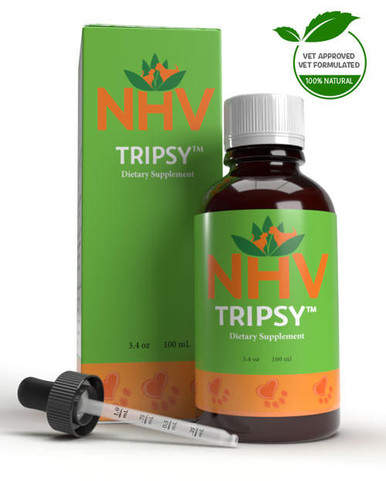
NHV Tripsy was formulated as a natural support for urinary health while easing discomfort caused by kidney problems in cats.
How does it work?
Why trust it?
NHV Tripsy was researched and found to be effective support for pets with lower urinary tract disease.


What is it?
NHV Tripsy was formulated as a natural support for urinary health while easing discomfort caused by kidney problems in cats.
How does it work?
Why trust it?
NHV Tripsy was researched and found to be effective support for pets with lower urinary tract disease.
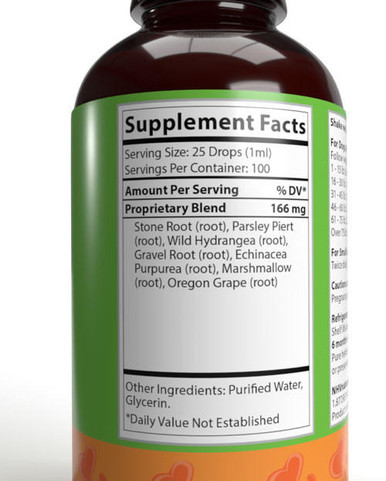
Specially formulated to gently and effectively promote proper urinary health as well as easing uncomfortable urination that often accompanies kidney problems in cats. With seven powerful ingredients, this supplement is highly effective in helping your cat’s urinary system.
NHV Tripsy for kidney problems in cats also helps to:
Many cats can suffer from kidney, renal and urinary disorders that can be uncomfortable. Kidney stones form when the body is unable to properly metabolize minerals due to a poor diet. If untreated, this may eventually lead to kidney failure, so making sure your feline family member gets adequate nutrition is vital.
NHV’s Tripsy is also safe to be given along with conventional treatments for kidney problems in cats. You can read about a recent evaluation done on the healing components of this powerful supplemental blend and how it alleviates bladder problems in cats.
Finding the right blend of kidney supplements for cats is easy online at NHV. If you have questions or concerns, you can always schedule a consultation because at NHV we want to provide you with the best service to help your cat live a healthy purrfect life naturally.

Stone Root – Acts as a tonic for the capillaries and prevents the formation of kidney calculi.
Parsley Piert – Aids digestion. Also used to aid fever, kidney stones, bladder stones and fluid retention.
Wild Hydrangea – May help with discomfort while increasing the flow of urine and eliminating swelling and fluid retention.
Gravel Root – Restores and cleanses the genitourinary (reproductive and urinary) organs.
Echinacea Purpurea – Contains strong immune-stimulating properties.
Marshmallow – An anti-inflammatory that controls bacterial infections and soothes and softens irritated tissues.
Oregon Grape – Helps relieve indigestion and malabsorption. Also has antibiotic and immunostimulatory properties.
Select your pet's weight to determine the correct dose.
To be taken twice daily. Determine your pet’s weight and then use the easy chart below to determine the correct dose. This is the minimum dosage.
Pet's Weight Dosage
0 - 15 lb = 0.5 ml
16 - 30 lb = 1.0 ml
31 - 45 lb = 1.5 ml
46 - 60 lb = 2.0 ml
61 - 75 lb = 2.5 ml
Over 75 lb = 3.0 ml
How to Administer
Shake well before use. The easiest method is to use the dropper provide and places the drops into your pet’s food or favorite treat. You can also use the dropper and squirt directly into the pet’s mouth.
Some pets can be finicky, if this occurs consider hiding the drops in foods most pet’s love such as fish, chicken or yogurt or a favourite treat. If your pet only eats dry food then soak a few kibbles at feeding time.
For Best Results
Herbal dietary supplements are beneficial to the health and wellbeing of your pet and are safe for long-term use. Every pet responds to natural herbal supplements differently, therefore it is important to be consistent and administer the product daily. Supplements generally take two to four weeks to take effect, however this will vary from one animal to the next.
Product Storage
All NHV Natural Pet Products are pure herbal extracts and contain no artificial additives, preservatives or coloring. Shelf life after opening is 6 months and must be refrigerated after opening.
Cautions and Contraindications
Do not use Tripsy if your pet is pregnant. No known side effects. Speak to your vet before using our products. A second visit is recommended if your pet’s condition does not improve, or deteriorates after continued use of the supplements.
All information provided by NHV Natural Pet Products is for educational purposes only.
Specially formulated to gently and effectively promote proper urinary health as well as easing uncomfortable urination that often accompanies kidney problems in cats. With seven powerful ingredients, this supplement is highly effective in helping your cat’s urinary system.
NHV Tripsy for kidney problems in cats also helps to:
Many cats can suffer from kidney, renal and urinary disorders that can be uncomfortable. Kidney stones form when the body is unable to properly metabolize minerals due to a poor diet. If untreated, this may eventually lead to kidney failure, so making sure your feline family member gets adequate nutrition is vital.
NHV’s Tripsy is also safe to be given along with conventional treatments for kidney problems in cats. You can read about a recent evaluation done on the healing components of this powerful supplemental blend and how it alleviates bladder problems in cats.
Finding the right blend of kidney supplements for cats is easy online at NHV. If you have questions or concerns, you can always schedule a consultation because at NHV we want to provide you with the best service to help your cat live a healthy purrfect life naturally.
Stone Root – Acts as a tonic for the capillaries and prevents the formation of kidney calculi.
Parsley Piert – Aids digestion. Also used to aid fever, kidney stones, bladder stones and fluid retention.
Wild Hydrangea – May help with discomfort while increasing the flow of urine and eliminating swelling and fluid retention.
Gravel Root – Restores and cleanses the genitourinary (reproductive and urinary) organs.
Echinacea Purpurea – Contains strong immune-stimulating properties.
Marshmallow – An anti-inflammatory that controls bacterial infections and soothes and softens irritated tissues.
Oregon Grape – Helps relieve indigestion and malabsorption. Also has antibiotic and immunostimulatory properties.
Select your pet's weight to determine the correct dose.
To be taken twice daily. Determine your pet’s weight and then use the easy chart below to determine the correct dose. This is the minimum dosage.
Pet's Weight Dosage
0 - 15 lb = 0.5 ml
16 - 30 lb = 1.0 ml
31 - 45 lb = 1.5 ml
46 - 60 lb = 2.0 ml
61 - 75 lb = 2.5 ml
Over 75 lb = 3.0 ml
How to Administer
Shake well before use. The easiest method is to use the dropper provide and places the drops into your pet’s food or favorite treat. You can also use the dropper and squirt directly into the pet’s mouth.
Some pets can be finicky, if this occurs consider hiding the drops in foods most pet’s love such as fish, chicken or yogurt or a favourite treat. If your pet only eats dry food then soak a few kibbles at feeding time.
For Best Results
Herbal dietary supplements are beneficial to the health and wellbeing of your pet and are safe for long-term use. Every pet responds to natural herbal supplements differently, therefore it is important to be consistent and administer the product daily. Supplements generally take two to four weeks to take effect, however this will vary from one animal to the next.
Product Storage
All NHV Natural Pet Products are pure herbal extracts and contain no artificial additives, preservatives or coloring. Shelf life after opening is 6 months and must be refrigerated after opening.
Cautions and Contraindications
Do not use Tripsy if your pet is pregnant. No known side effects. Speak to your vet before using our products. A second visit is recommended if your pet’s condition does not improve, or deteriorates after continued use of the supplements.
All information provided by NHV Natural Pet Products is for educational purposes only.
arthritis support
Support for Arthritis and Cancer
buy 2 and save $3
3 month supply for a small to medium size
What is it?
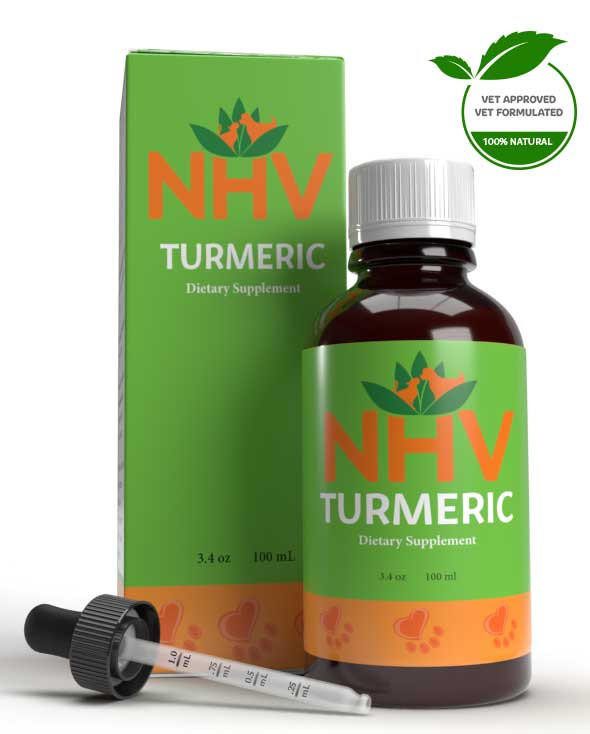
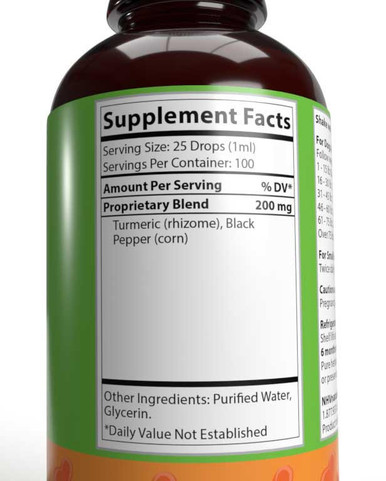
Turmeric is an herb that offers support for cardiovascular issues, skin health, liver and kidney disease, arthritis, and overall well-being.
How does it work?
Why trust it?
NHV Turmeric is vet-formulated and vet-approved.
What is it?
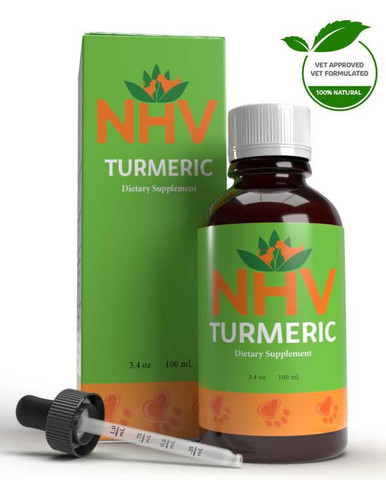
Turmeric is an herb that offers support for cardiovascular issues, skin health, liver and kidney disease, arthritis, and overall well-being.
How does it work?
Why trust it?
NHV Turmeric is vet-formulated and vet-approved.
From their tails to their whiskers, a cat’s body needs to be able to fight whatever comes their way - and not just the toys they like to chase, but health concerns too. NHV Turmeric for cats can be given to your furkiddos for a little extra TLC. It’s well-tolerated by our whiskered furkiddos, and can offer them many benefits!
What goes into your cat’s body every day will make a difference when it is time to fight a disease, or when they already have one. That’s why NHV supplements are designed to be given each and every day for things like:
It can even be used proactively before your furry friend becomes sick in the first place by giving them a regular boost of natural goodness!
Turmeric itself is a root with vibrant orange-golden flesh. It’s golden in the world of herbalism for pets with its many healing properties.
One of turmeric’s most well-recognized healing properties is its antioxidant content. Antioxidants can help scavenge for free radicals, which are unstable molecules that cause damage to the cells. The free radical scavenging properties of turmeric can support the body in processing and removing these molecules, minimizing the damage they can do.
At NHV, we are experts at harnessing the benefits of herbal ingredients specifically for your pets. When you choose NHV Turmeric, you’re choosing decades of holistic pet wellness experience from vets and herbalists. Our formula is:
We are proud to have been a part of many cats’ success stories over the decades. Check out this feline friend of ours, Willow, who has used our Turmeric for cats formula for comfort and wellness.
Willow’s Story: “I have no doubt that the supplements from NHV have been a huge part in maintaining her health and staving off the cancer that was found in late 2021”
Holistic Veterinarian Approves of Using Turmeric for Cats
Dr. Hillary, a holistic vet, writes an in-depth overview of Turmeric and why she believes turmeric can play a beneficial role in pet health. Read Dr. Hillary’s Turmeric overview here.
All NHV supplements are made with the finest quality organic or ethically harvested herbs. We use non-GMO vegetable glycerin as our base. NHV products are full-spectrum extracts.
Select your pet's weight to determine the correct dose.
To be taken twice daily. Determine your pet’s weight and then use the easy chart below to determine the correct dose. This is the minimum dosage.
Pet's Weight Dosage
0 - 15 lb = 0.5 ml
16 - 30 lb = 1.0 ml
31 - 45 lb = 1.5 ml
46 - 60 lb = 2.0 ml
61 - 75 lb = 2.5 ml
Over 75 lb = 3.0 ml
How to Administer
Shake well before use. The easiest method is to use the dropper provide and places the drops into your pet’s food or favorite treat. You can also use the dropper and squirt directly into the pet’s mouth.
Some pets can be finicky, if this occurs consider hiding the drops in foods most pet’s love such as fish, chicken or yogurt or a favourite treat. If your pet only eats dry food then soak a few kibbles at feeding time.
For Best Results
Herbal dietary supplements are beneficial to the health and wellbeing of your pet and are safe for long-term use. Every pet responds to natural herbal supplements differently, therefore it is important to be consistent and administer the product daily. Supplements generally take two to four weeks to take effect, however this will vary from one animal to the next.
Product Storage
All NHV Natural Pet Products are pure herbal extracts and contain no artificial additives, preservatives or coloring. Shelf life after opening is 6 months and must be refrigerated after opening.
Cautions and Contraindications: Do not use Turmeric in pregnant or nursing animals. Speak to your vet before using our products. A second visit is recommended if your pet’s condition does not improve, or deteriorates after continued use of the supplements.
From their tails to their whiskers, a cat’s body needs to be able to fight whatever comes their way - and not just the toys they like to chase, but health concerns too. NHV Turmeric for cats can be given to your furkiddos for a little extra TLC. It’s well-tolerated by our whiskered furkiddos, and can offer them many benefits!
What goes into your cat’s body every day will make a difference when it is time to fight a disease, or when they already have one. That’s why NHV supplements are designed to be given each and every day for things like:
It can even be used proactively before your furry friend becomes sick in the first place by giving them a regular boost of natural goodness!
Turmeric itself is a root with vibrant orange-golden flesh. It’s golden in the world of herbalism for pets with its many healing properties.
One of turmeric’s most well-recognized healing properties is its antioxidant content. Antioxidants can help scavenge for free radicals, which are unstable molecules that cause damage to the cells. The free radical scavenging properties of turmeric can support the body in processing and removing these molecules, minimizing the damage they can do.
At NHV, we are experts at harnessing the benefits of herbal ingredients specifically for your pets. When you choose NHV Turmeric, you’re choosing decades of holistic pet wellness experience from vets and herbalists. Our formula is:
We are proud to have been a part of many cats’ success stories over the decades. Check out this feline friend of ours, Willow, who has used our Turmeric for cats formula for comfort and wellness.
Willow’s Story: “I have no doubt that the supplements from NHV have been a huge part in maintaining her health and staving off the cancer that was found in late 2021”
Holistic Veterinarian Approves of Using Turmeric for Cats
Dr. Hillary, a holistic vet, writes an in-depth overview of Turmeric and why she believes turmeric can play a beneficial role in pet health. Read Dr. Hillary’s Turmeric overview here.
All NHV supplements are made with the finest quality organic or ethically harvested herbs. We use non-GMO vegetable glycerin as our base. NHV products are full-spectrum extracts.
Select your pet's weight to determine the correct dose.
To be taken twice daily. Determine your pet’s weight and then use the easy chart below to determine the correct dose. This is the minimum dosage.
Pet's Weight Dosage
0 - 15 lb = 0.5 ml
16 - 30 lb = 1.0 ml
31 - 45 lb = 1.5 ml
46 - 60 lb = 2.0 ml
61 - 75 lb = 2.5 ml
Over 75 lb = 3.0 ml
How to Administer
Shake well before use. The easiest method is to use the dropper provide and places the drops into your pet’s food or favorite treat. You can also use the dropper and squirt directly into the pet’s mouth.
Some pets can be finicky, if this occurs consider hiding the drops in foods most pet’s love such as fish, chicken or yogurt or a favourite treat. If your pet only eats dry food then soak a few kibbles at feeding time.
For Best Results
Herbal dietary supplements are beneficial to the health and wellbeing of your pet and are safe for long-term use. Every pet responds to natural herbal supplements differently, therefore it is important to be consistent and administer the product daily. Supplements generally take two to four weeks to take effect, however this will vary from one animal to the next.
Product Storage
All NHV Natural Pet Products are pure herbal extracts and contain no artificial additives, preservatives or coloring. Shelf life after opening is 6 months and must be refrigerated after opening.
Cautions and Contraindications: Do not use Turmeric in pregnant or nursing animals. Speak to your vet before using our products. A second visit is recommended if your pet’s condition does not improve, or deteriorates after continued use of the supplements.
overall vitality
For Overall Health and Well-Being
buy 2 and save $3
What is it?
An Omega 3 supplement for cats to support their joints, heart, eyes, immune system, and overall organ function.
How does it help?
Why trust it?
Petomega 3 is made from human-grade fish, so your pet only gets the best.

What is it?
An Omega 3 supplement for cats to support their joints, heart, eyes, immune system, and overall organ function.
How does it help?
Why trust it?
Petomega 3 is made from human-grade fish, so your pet only gets the best.
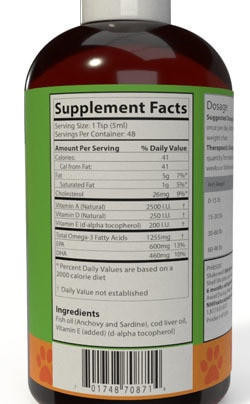
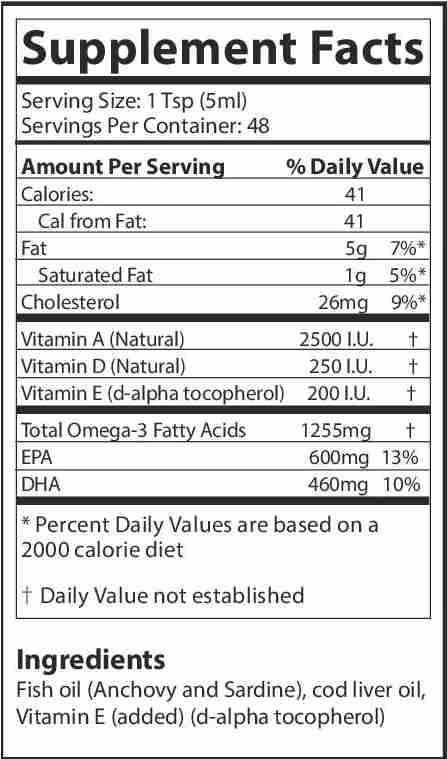
Our cat omega 3 supplement is naturally made from the oils of sardines, anchovies, and North Atlantic cod. It’s an excellent source of EPA (Eicosapentaenoic Acid 600mg) and DHA (Docosahexaenoic acid 460mg) essential omega 3 fatty acids. It’s molecularly distilled and cold-pressed to improve the bioavailability
Support your cat with human-grade quality omega 3 fish oil supplements. Many processed pet foods are deficient in this important nutrient. And according to the University of Maryland Medical Center, "It is very important to maintain a balance between omega-3 and omega-6 fatty acids in the diet. A proper balance helps maintain and even improve health."
It’s important for cats to get essential fatty acids through their diet. This omega 3 supplement for cats will help keep them healthy, and even finicky cats actually like to take it.
Benefits of Cat omega 3 supplements:
Suggested Dosage: To be taken once per day. Add to food based on weight chart.
Therapeutic Dosage: Double the quantity for maximum period of 4 weeks or follow veterinarian advise.
Pet’s Weight Dosage
0-15 lb = ¼ tsp
15-30 lb = ½ tsp
30-60 lb = 1 tsp
60-90 lb = 1 ½ tsp
How to Administer: Shake well before use. The easiest method is to add the dosage to your pets food. Some pets can be finicky, if this occurs consider hiding the appropriate amount in food most pet’s love such as fish, chicken, yogurt, or a favorite treat. If your pet only eats dry food then soak kibbles at feeding time.
For Best Results
Dietary supplements are beneficial to the health and well-being of your pet and are safe for long-term use. Every pet responds to natural supplements differently, therefore it is important to be consistent and administer the product daily. Supplements generally take two to four weeks to take effect, however this will vary from one animal to the next.
Product Storage
All NHV Natural Pet Products contain no artificial additives, preservatives or coloring. Shelf life after opening is 6 months and must be refrigerated after opening.
Cautions and Contraindications
Avoid During Pregnancy.
Our cat omega 3 supplement is naturally made from the oils of sardines, anchovies, and North Atlantic cod. It’s an excellent source of EPA (Eicosapentaenoic Acid 600mg) and DHA (Docosahexaenoic acid 460mg) essential omega 3 fatty acids. It’s molecularly distilled and cold-pressed to improve the bioavailability
Support your cat with human-grade quality omega 3 fish oil supplements. Many processed pet foods are deficient in this important nutrient. And according to the University of Maryland Medical Center, "It is very important to maintain a balance between omega-3 and omega-6 fatty acids in the diet. A proper balance helps maintain and even improve health."
It’s important for cats to get essential fatty acids through their diet. This omega 3 supplement for cats will help keep them healthy, and even finicky cats actually like to take it.
Benefits of Cat omega 3 supplements:
Suggested Dosage: To be taken once per day. Add to food based on weight chart.
Therapeutic Dosage: Double the quantity for maximum period of 4 weeks or follow veterinarian advise.
Pet’s Weight Dosage
0-15 lb = ¼ tsp
15-30 lb = ½ tsp
30-60 lb = 1 tsp
60-90 lb = 1 ½ tsp
How to Administer: Shake well before use. The easiest method is to add the dosage to your pets food. Some pets can be finicky, if this occurs consider hiding the appropriate amount in food most pet’s love such as fish, chicken, yogurt, or a favorite treat. If your pet only eats dry food then soak kibbles at feeding time.
For Best Results
Dietary supplements are beneficial to the health and well-being of your pet and are safe for long-term use. Every pet responds to natural supplements differently, therefore it is important to be consistent and administer the product daily. Supplements generally take two to four weeks to take effect, however this will vary from one animal to the next.
Product Storage
All NHV Natural Pet Products contain no artificial additives, preservatives or coloring. Shelf life after opening is 6 months and must be refrigerated after opening.
Cautions and Contraindications
Avoid During Pregnancy.