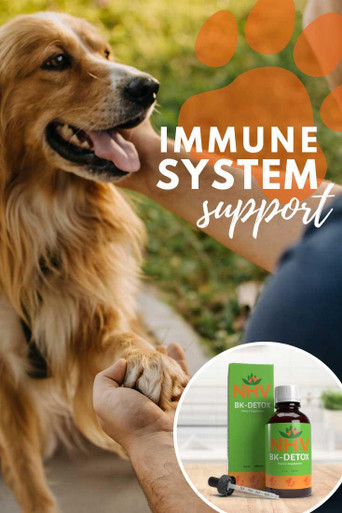
general wellbeing
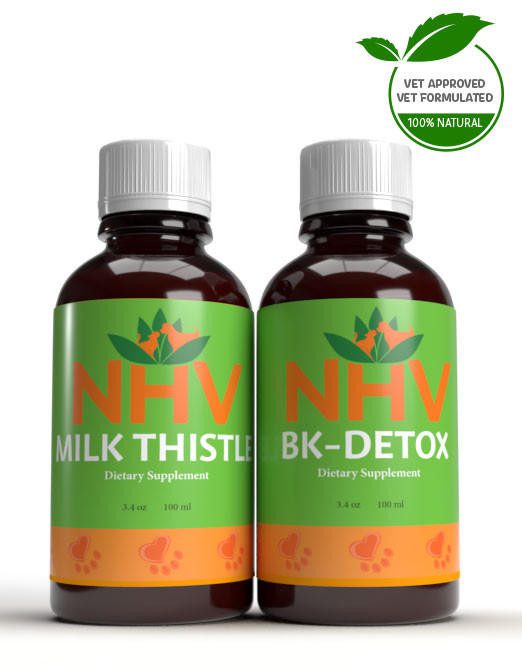
Detoxification Kit
USD $91.95
free shipping over $100 (USA & Canada)
1-877-937-4372 the pet expert hotline


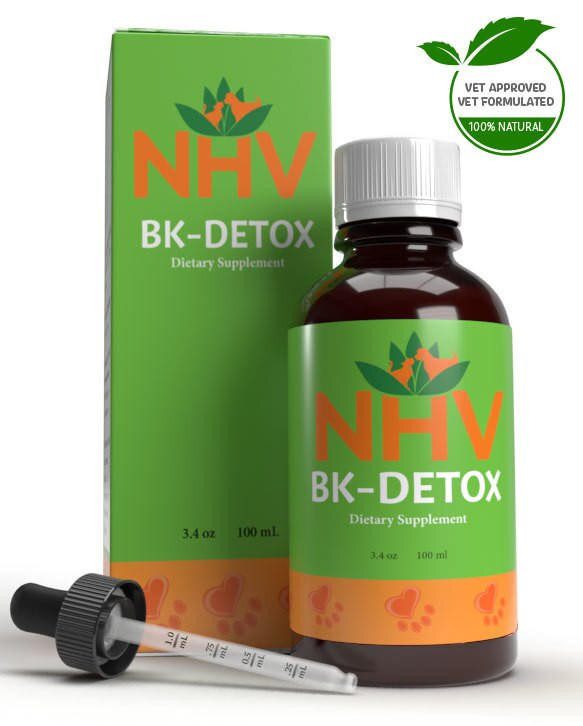
Detoxifies the Blood and Organs, Boosts (support) the Immune System
“Detox” has become one of the biggest buzzwords in wellness nowadays. From juice cleanses to restrictive diets and supplements to flush unwanted substances from the body, there seems to be a detox for just about everything. Naturally, pet parents may wonder whether their beloved furkiddos could benefit from one, too.
But does your dog or cat actually need a detox?
The good news is that dogs and cats already have sophisticated systems designed to process and eliminate waste every day. Their liver, kidneys, digestive tract, immune system, and other organs continuously work together to maintain balance within the body.
So, when we talk about a detox for dogs, dog detox, or cat detox, the goal shouldn’t be to “flush” the body with a harsh cleanse. Instead, a more practical approach is to support the organs responsible for your pet’s natural detoxification processes.
Let’s take a closer look at how this remarkable system works and what you can do to support it.
In veterinary medicine, detoxification isn’t a trendy cleanse or something that happens over a weekend. It’s a collection of normal biological processes happening inside your pet’s body around the clock. The liver, the kidneys, and the digestive system work together to filter out toxins from food, medications, water, and the environment.
You see, as the body metabolizes food, medications, hormones, and other compounds, it produces substances that must be processed or eliminated. Your pet may also encounter substances from their environment that the body needs to metabolize and clear out. For this, the liver plays a central role: it helps metabolize medications and both internal and external compounds, transforming or eliminating substances so the body can maintain normal balance.

So, rather than thinking of a holistic detox as “cleaning out” your pet’s body, think of it as supporting the organs that already know how to do this job. And these organs don’t work alone.
Simply put, your little furball has an entire team of organs and biological systems working together to maintain internal balance. Let’s talk about each of these systems:
If your pet’s natural detoxification system had a team captain, that would be the liver. This organ alone performs hundreds of important functions:
This is why maintaining a healthy liver function is so important to your pet’s overall wellness.
While the liver processes many compounds, the kidneys help remove waste from the bloodstream. They continuously filter blood and eliminate many metabolic waste products through urine. They also help maintain appropriate fluid and electrolyte balance, making adequate hydration particularly important for normal kidney and urinary function.
Your furbaby’s gastrointestinal tract isn’t only responsible for turning dinner into nutrients. The digestive tract provides another important route through which the body eliminates substances it no longer needs. A healthy digestive system also supports nutrient absorption and houses a complex community of microorganisms known as gut flora.
Proper nutrition, therefore, supports much more than your pet’s stomach. It provides the nutrients their organs need to perform normal metabolic functions throughout the body.
Your pet’s immune system also works closely with these organs to identify and respond to potentially harmful substances and microorganisms. The liver itself has important immune functions: specialized immune cells within the liver help clear bacteria, cellular debris, and other materials from the blood.
Together, the liver, kidneys, digestive tract, and immune system form an interconnected network that works every day to protect your pet and maintain internal balance.
If you’ve ever wondered this, the answer isn’t quite as simple as comparing them to those of humans. Dogs and cats have highly effective detoxification mechanisms adapted to their own physiology. However, they don’t metabolize every substance in the same way as humans do, or the same way as each other, for that matter.
That’s one reason why something relatively harmless to a person might be dangerous to a pet, such as certain medications (like ibuprofen) or treats (like chocolate).
The efficiency of your pet’s natural detoxification processes may also be influenced by factors such as:
Generally, healthy dogs and cats don’t need periodic “cleanses” to remove toxins from their bodies; their detoxification organs are already doing the job every day.
More importantly, harsh cleanses, fasting, extremely restrictive diets, or unverified internet remedies can interfere with your pet’s nutrition and may even be dangerous, particularly for pets with existing health conditions. Cats require special considerations. Going without adequate nutrition can be particularly dangerous for them, so fasting should never be used as a DIY detoxification method!
What are those everyday factors that may challenge natural detoxification? We know we can’t protect our furkiddos from everything they encounter, but awareness can help reduce unnecessary risks. Some common considerations include:
The ASPCA Animal Poison Control Center reports hundreds of potential pet toxin exposures each year, with human medications and supplements among common concerns. If you believe your pet has ingested or been exposed to a toxic substance, don’t attempt an at-home detox or wait for their natural detoxification system to handle it. Contact your veterinarian immediately.
So, instead of asking “how to detox a dog/cat naturally?”, a better question would be, “how can I support my pet’s natural detoxification system?” That starts by reducing unnecessary exposures and supporting normal organ function. We need to remember that supporting natural detoxification doesn’t require an extreme cleanse; some of the most effective strategies are also the simplest:
At NHV, we created veterinarian-formulated herbal supplements that may provide additional support for the organs involved in your pet’s natural detoxification process. Think of it less as “flushing toxins” and more as giving your pet’s natural detoxification team nutritional and herbal support while it performs the job it was designed to do.
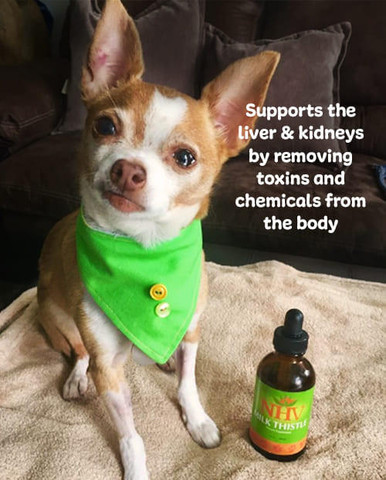
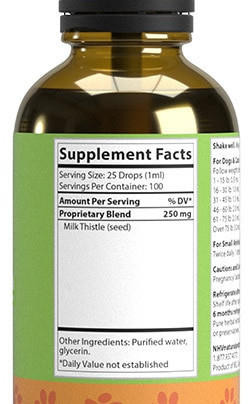
One of those is NHV Milk Thistle, which is formulated to support healthy liver function. NHV Milk Thistle contains naturally occurring compounds collectively known as silymarin, and they are commonly used as nutritional support for the liver.
Another good detoxification supplement is NHV BK-Detox, which is formulated to support both liver and kidney function, helping maintain the organs involved in the body’s normal filtration and elimination processes.
While each supplement can be used individually depending on your pet’s needs, they are paired in the NHV Detoxification Kit, to provide broader support for two of the body’s major detoxification organs.
Just remember that supplements aren’t a substitute for veterinary diagnosis or treatment, particularly if your pet has a diagnosed liver or kidney disease, is taking medication, or may have been exposed to something toxic. Always discuss with your veterinarian any new supplements your furkiddo takes.
So, can dogs and cats detox naturally? Absolutely! They’re doing it right now!
Your pet’s liver, kidneys, digestive tract, immune system, and other organs work continuously to process nutrients, manage metabolic byproducts, and eliminate waste. Rather than relying on harsh cleanses or internet detox trends, focus on helping these systems function normally through balanced nutrition, hydration, regular exercise, preventive veterinary care, and appropriate wellness support.
When additional liver and kidney support is appropriate, veterinarian-formulated options such as NHV Milk Thistle and NHV BK Detox can complement a comprehensive wellness plan.
Ultimately, the best pet detox isn’t a quick cleanse. It’s supporting your furry companion’s body every day, so their remarkable natural systems can continue doing what they do best.
Love natural pet wellness? Don’t forget to subscribe to our newsletter for more great tips from our team of Pet Experts.
general wellbeing
Milk Thistle & BK Detox
bundle and save with pet expert kits
3 month supply for a small to medium size pet.
What is it?
Our Natural Detoxification Kit supports gentle detoxification of the liver, and other major organs to remove metabolic wastes and support healthy skin and blood.
How Does it Work?
Why Should I Trust It?
Vet-approved remedies that were carefully crafted with natural ingredients.


What is it?
Our Natural Detoxification Kit supports gentle detoxification of the liver, and other major organs to remove metabolic wastes and support healthy skin and blood.
How Does it Work?
Why Should I Trust It?
Vet-approved remedies that were carefully crafted with natural ingredients.
Anytime your furkiddo is battling an illness such as ezcema, psoriasis, arthritis, liver disease and more, they are likely suffering from a buildup of toxins in their blood. This buildup of toxins may exhaust the liver and kidneys (the waste management system) and leave your furkiddo’s body vulnerable to secondary infections (on top of the conditions they are dealing with). Our Detoxification Kit contains two of our remedies: BK-Detox and Milk Thistle. On their own, each remedy contains many beneficial properties but when combined, they work together to support healthy elimination and increased immune function.
Your vet may recommend specific medications for a health condition that your pet is battling. For added support alongside these vet-prescribed medications, we recommend NHV's Detoxification Kit to help improve their elimination of harmful wastes (that build up from illness) and help restore immune function. This supplement bundle contains BK-Detox and Milk Thistle. BK-Detox contains beneficial herbal ingredients like burdock, cleavers, and gotu kola to help flush toxic wastes from the liver, blood, and other vital organs. Milk Thistle contains silymarin which supports healthy functioning in the liver and kidneys (waste management center) and for promoting healthy skin and blood.
If your furkiddo is struggling with their health, know that you don't have to face it alone. We are here with our team of pet experts to help you every step of the way!
Made with the finest, organically grown, or ethically harvested herbs. Made specifically for pets, vet-formulated and vet approved.
Milk Thistle
BK-Detox
Select your pet's weight to determine the correct dose.
To be taken twice daily. Determine your pet’s weight and then use the easy chart below to determine the correct dose. This is the minimum dosage.
Pet's Weight Dosage
0 - 15 lb = 0.5 ml
16 - 30 lb = 1.0 ml
31 - 45 lb = 1.5 ml
46 - 60 lb = 2.0 ml
61 - 75 lb = 2.5 ml
Over 75 lb = 3.0 ml
How to Administer
Shake well before use. The easiest method is to use the dropper provided and place the drops into your pet’s food or favorite treat. You can also use the dropper and squirt directly into the pet’s mouth. Some pets can be finicky, if this occurs consider hiding the drops in foods most pet’s love such as fish, chicken or yogurt or a favorite treat. If your pet only eats dry food then soak a few kibbles at feeding time.
For Best Results
Herbal dietary supplements are beneficial to the health and well-being of your pet and are safe for long-term use. Every pet responds to natural herbal supplements differently, therefore it is important to be consistent and administer the product daily. Supplements generally take two to four weeks to take effect, however this will vary from one animal to the next.
Product Storage
All NHV Natural Pet Products are pure herbal extracts and contain no artificial additives, preservatives or coloring. Shelf life after opening is 6 months and must be refrigerated after opening.
All information provided by NHV Natural Pet Products is for educational purposes only.
Anytime your furkiddo is battling an illness such as ezcema, psoriasis, arthritis, liver disease and more, they are likely suffering from a buildup of toxins in their blood. This buildup of toxins may exhaust the liver and kidneys (the waste management system) and leave your furkiddo’s body vulnerable to secondary infections (on top of the conditions they are dealing with). Our Detoxification Kit contains two of our remedies: BK-Detox and Milk Thistle. On their own, each remedy contains many beneficial properties but when combined, they work together to support healthy elimination and increased immune function.
Your vet may recommend specific medications for a health condition that your pet is battling. For added support alongside these vet-prescribed medications, we recommend NHV's Detoxification Kit to help improve their elimination of harmful wastes (that build up from illness) and help restore immune function. This supplement bundle contains BK-Detox and Milk Thistle. BK-Detox contains beneficial herbal ingredients like burdock, cleavers, and gotu kola to help flush toxic wastes from the liver, blood, and other vital organs. Milk Thistle contains silymarin which supports healthy functioning in the liver and kidneys (waste management center) and for promoting healthy skin and blood.
If your furkiddo is struggling with their health, know that you don't have to face it alone. We are here with our team of pet experts to help you every step of the way!
Made with the finest, organically grown, or ethically harvested herbs. Made specifically for pets, vet-formulated and vet approved.
Milk Thistle
BK-Detox
Select your pet's weight to determine the correct dose.
To be taken twice daily. Determine your pet’s weight and then use the easy chart below to determine the correct dose. This is the minimum dosage.
Pet's Weight Dosage
0 - 15 lb = 0.5 ml
16 - 30 lb = 1.0 ml
31 - 45 lb = 1.5 ml
46 - 60 lb = 2.0 ml
61 - 75 lb = 2.5 ml
Over 75 lb = 3.0 ml
How to Administer
Shake well before use. The easiest method is to use the dropper provided and place the drops into your pet’s food or favorite treat. You can also use the dropper and squirt directly into the pet’s mouth. Some pets can be finicky, if this occurs consider hiding the drops in foods most pet’s love such as fish, chicken or yogurt or a favorite treat. If your pet only eats dry food then soak a few kibbles at feeding time.
For Best Results
Herbal dietary supplements are beneficial to the health and well-being of your pet and are safe for long-term use. Every pet responds to natural herbal supplements differently, therefore it is important to be consistent and administer the product daily. Supplements generally take two to four weeks to take effect, however this will vary from one animal to the next.
Product Storage
All NHV Natural Pet Products are pure herbal extracts and contain no artificial additives, preservatives or coloring. Shelf life after opening is 6 months and must be refrigerated after opening.
All information provided by NHV Natural Pet Products is for educational purposes only.
liver support
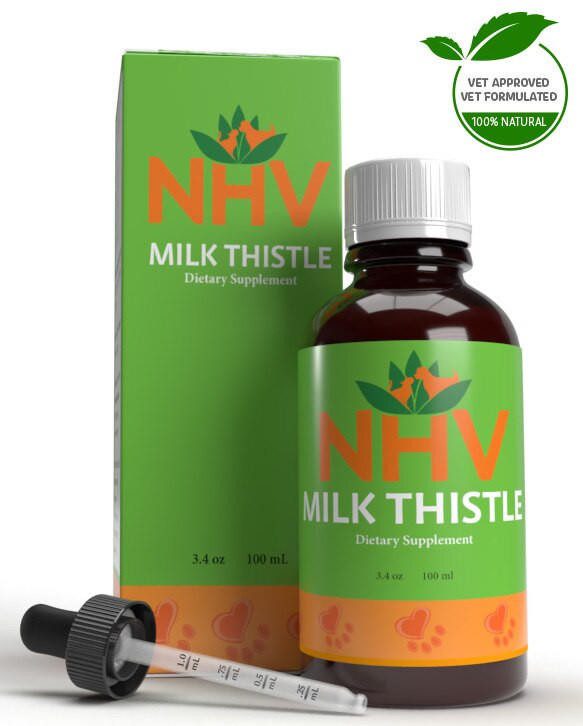
Support for liver and kidney detox and cancer support in dogs
3 month supply for a small to medium size pet
What Is It?
Milk Thistle for dogs is a gentle supplement that supports liver and kidney health, helps with detoxification, and provides antioxidant protection for long-term wellness.
How Does it Work?
Why Should I Trust It?
100% natural vet-formulated herbal remedy.

What Is It?
Milk Thistle for dogs is a gentle supplement that supports liver and kidney health, helps with detoxification, and provides antioxidant protection for long-term wellness.
How Does it Work?
Why Should I Trust It?
100% natural vet-formulated herbal remedy.
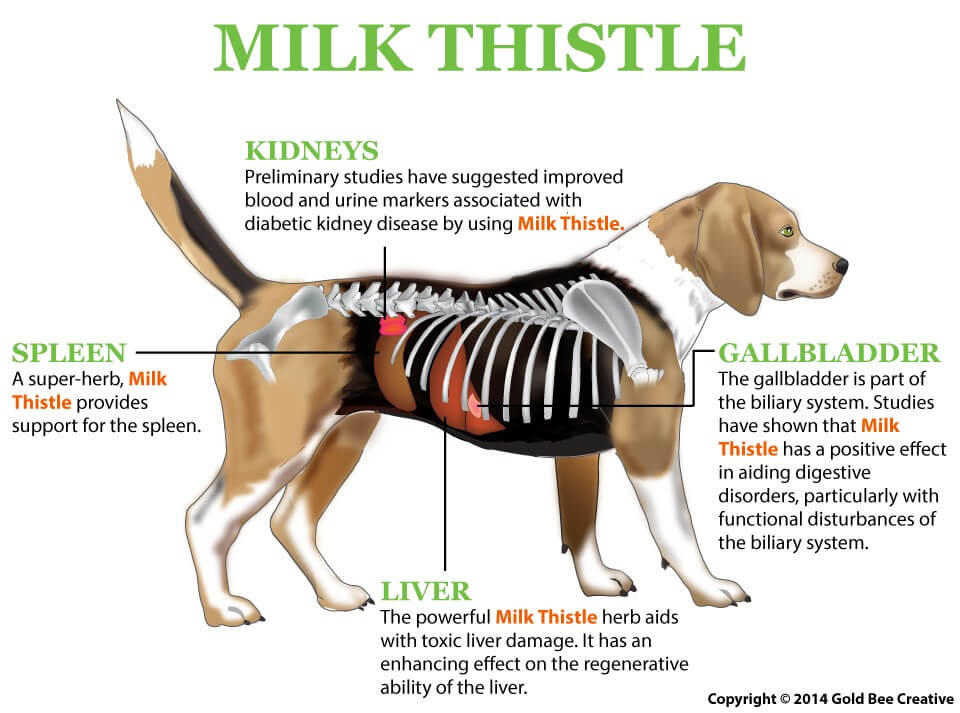
Milk Thistle is a powerful herb that’s been used by humans for thousands of years. The active ingredient, silymarin, has been shown through scientific studies to possess strong anti-inflammatory, antioxidant, and detoxifying properties. It also promotes cellular regeneration and repair.
This supplement by NHV Natural Pet Products uses 100% natural milk thistle to support dogs through liver and kidney conditions in addition to conventional treatment by their veterinarian.
Milk thistle improves kidney function due to the damage from:
The extraordinary antioxidant properties of milk thistle for dog extract acts to:
The scientific name for milk thistle is Silybum Marianum. It’s also referred to as wild artichoke and holy thistle.
Milk thistle for dog liver support can be used in conjunction with conventional treatments and is glycerin based and safe for long-term use. You can read more about the benefits of using milk thistle on Dr. Hillary Cook’s blog.
At NHV, all of our products including milk thistle for dog kidney support are plant-based and make excellent proactive support for many health conditions. If you have questions on milk thistle for dogs or any of our holistic supplements, you can ask an expert at NHV because we put your pet first when it comes to health and healing naturally.
Select your pet's weight to determine the correct dose.
To be taken twice daily. Determine your pet’s weight and then use the easy chart below to determine the correct dose. This is the minimum dosage.
Pet's Weight Dosage
0 - 15 lb = 0.5 ml
16 - 30 lb = 1.0 ml
31 - 45 lb = 1.5 ml
46 - 60 lb = 2.0 ml
61 - 75 lb = 2.5 ml
Over 75 lb = 3.0 ml
How to Administer
Shake well before use. The easiest method is to use the dropper provide and places the drops into your pet’s food or favorite treat. You can also use the dropper and squirt directly into the pet’s mouth.
Some pets can be finicky, if this occurs consider hiding the drops in foods most pet’s love such as fish, chicken or yogurt or a favourite treat. If your pet only eats dry food then soak a few kibbles at feeding time.
For Best Results
Herbal dietary supplements are beneficial to the health and wellbeing of your pet and are safe for long-term use. Every pet responds to natural herbal supplements differently, therefore it is important to be consistent and administer the product daily. Supplements generally take two to four weeks to take effect, however this will vary from one animal to the next.
Product Storage
All NHV Natural Pet Products are pure herbal extracts and contain no artificial additives, preservatives or coloring. Shelf life after opening is 6 months and must be refrigerated after opening.
Cautions and Contraindications
Do not use Milk Thistle in pregnant or nursing animals. Speak to your vet before using our products. A second visit is recommended if your pet’s condition does not improve, or deteriorates after continued use of the supplements.
All information provided by NHV Natural Pet Products is for educational purposes only.
Milk Thistle is a powerful herb that’s been used by humans for thousands of years. The active ingredient, silymarin, has been shown through scientific studies to possess strong anti-inflammatory, antioxidant, and detoxifying properties. It also promotes cellular regeneration and repair.
This supplement by NHV Natural Pet Products uses 100% natural milk thistle to support dogs through liver and kidney conditions in addition to conventional treatment by their veterinarian.
Milk thistle improves kidney function due to the damage from:
The extraordinary antioxidant properties of milk thistle for dog extract acts to:
The scientific name for milk thistle is Silybum Marianum. It’s also referred to as wild artichoke and holy thistle.
Milk thistle for dog liver support can be used in conjunction with conventional treatments and is glycerin based and safe for long-term use. You can read more about the benefits of using milk thistle on Dr. Hillary Cook’s blog.
At NHV, all of our products including milk thistle for dog kidney support are plant-based and make excellent proactive support for many health conditions. If you have questions on milk thistle for dogs or any of our holistic supplements, you can ask an expert at NHV because we put your pet first when it comes to health and healing naturally.
Select your pet's weight to determine the correct dose.
To be taken twice daily. Determine your pet’s weight and then use the easy chart below to determine the correct dose. This is the minimum dosage.
Pet's Weight Dosage
0 - 15 lb = 0.5 ml
16 - 30 lb = 1.0 ml
31 - 45 lb = 1.5 ml
46 - 60 lb = 2.0 ml
61 - 75 lb = 2.5 ml
Over 75 lb = 3.0 ml
How to Administer
Shake well before use. The easiest method is to use the dropper provide and places the drops into your pet’s food or favorite treat. You can also use the dropper and squirt directly into the pet’s mouth.
Some pets can be finicky, if this occurs consider hiding the drops in foods most pet’s love such as fish, chicken or yogurt or a favourite treat. If your pet only eats dry food then soak a few kibbles at feeding time.
For Best Results
Herbal dietary supplements are beneficial to the health and wellbeing of your pet and are safe for long-term use. Every pet responds to natural herbal supplements differently, therefore it is important to be consistent and administer the product daily. Supplements generally take two to four weeks to take effect, however this will vary from one animal to the next.
Product Storage
All NHV Natural Pet Products are pure herbal extracts and contain no artificial additives, preservatives or coloring. Shelf life after opening is 6 months and must be refrigerated after opening.
Cautions and Contraindications
Do not use Milk Thistle in pregnant or nursing animals. Speak to your vet before using our products. A second visit is recommended if your pet’s condition does not improve, or deteriorates after continued use of the supplements.
All information provided by NHV Natural Pet Products is for educational purposes only.
detox support for the liver
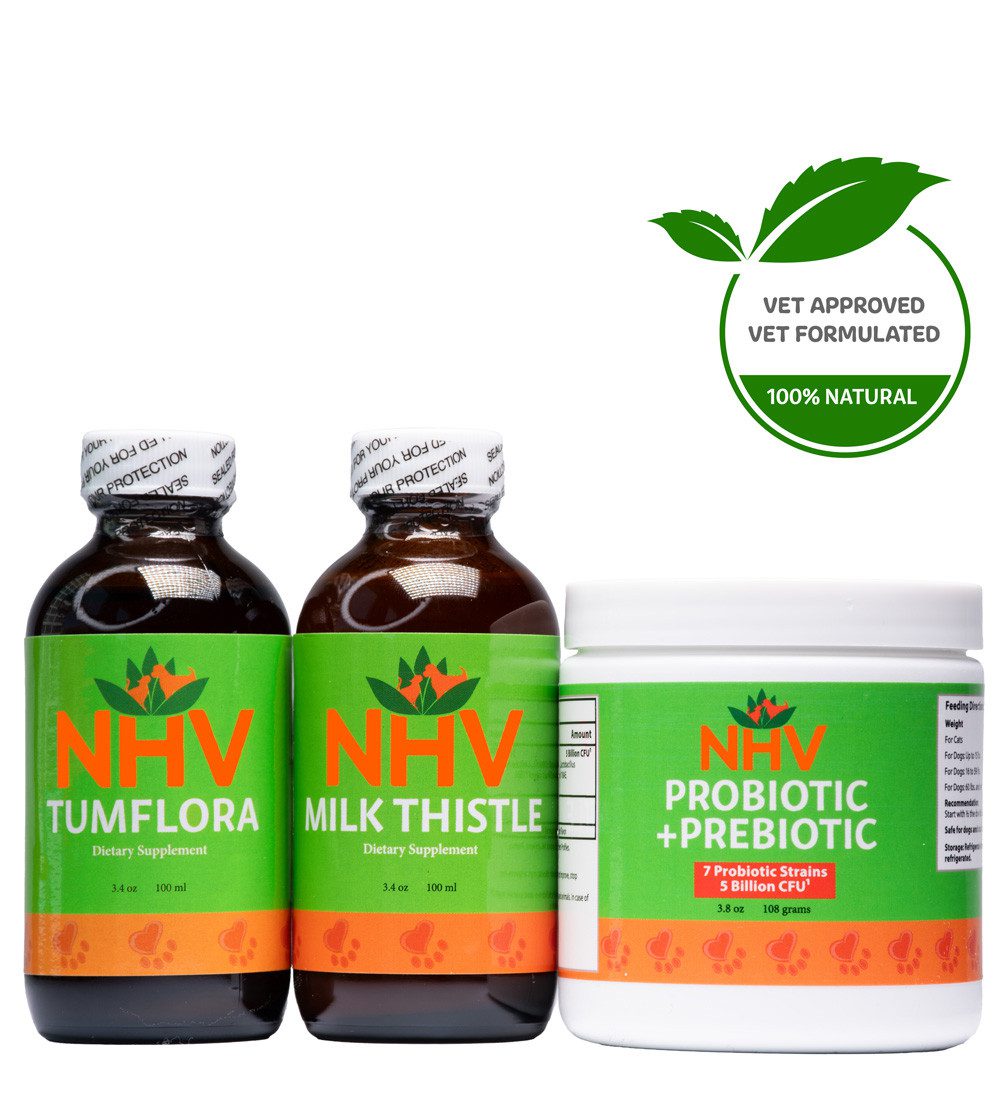
Probiotic + Prebiotic, TumFlora & Milk Thistle
bundle and save with pet expert kits
3 month supply for a small to medium size pet
What is it?
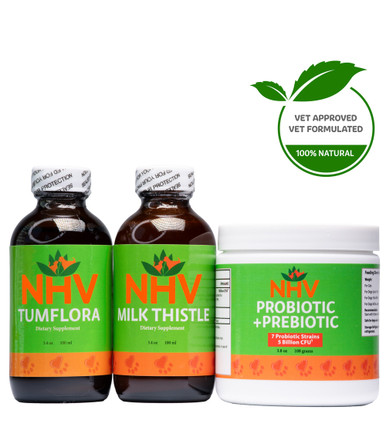
The NHV Reset and Rebalance kit may help your pet replenish their stores of good bacteria that were damaged during a course of treatments, while providing detox support for the liver.
How Does it Work?
Why Should I Trust It?
Formulated by vets with the finest, organically grown, or ethically harvested herbs.
What is it?
The NHV Reset and Rebalance kit may help your pet replenish their stores of good bacteria that were damaged during a course of treatments, while providing detox support for the liver.
How Does it Work?
Why Should I Trust It?
Formulated by vets with the finest, organically grown, or ethically harvested herbs.
A course of harsh pharmaceuticals may cause unwanted side effects in your fur kiddo. Of course, when our little ones are already sick, the only thing we want is for them to feel their best.
While sometimes necessary, certain vet-prescribed pharmaceuticals may reduce the diversity in your pet’s gut microbiome and tax the liver.
However, a pet’s microbiome plays an important role in digestion, immunity, mental health, and overall well-being. Therefore, after a course of harsh pharmaceuticals, promoting good bacteria and detoxification in your pet will be important for their recovery.
Some pharmaceuticals are designed to keep bad bacteria at bay, like for example, when your pet has an infection. However, these substances don’t discriminate between good bacteria and bad bacteria.
NHV Probiotic + Prebiotic contains 5 billion good bacteria. As a dry powder, these bacteria are in a dormant state until they are exposed to a moist environment, like your cat or dog’s digestive tract. Once inside, they help to replenish the gut to benefit the immune system and digestion. What's more, this formula contains prebiotics (a type of fiber) to feed and help establish the new microbiome.
Other concerns for pets on harsh pharmaceuticals include diarrhea and inflammation in the bowel. NHV TumFlora has 9 herbs that may offer support for troubled digestive tracts. For instance, licorice and ashwagandha may help balance immune functioning, while marshmallow may provide calming relief as a demulcent herb.
Whether your pet is currently on pharmaceuticals or is recovering from treatments, their liver is working overtime to keep them healthy. But did you know a unique plant may help their liver do its thing as it processes everyday toxins and pharmaceuticals?
NHV Milk Thistle is a full-spectrum extract of the milk thistle seed. This formula may help with the regeneration of the liver while also providing a natural source of silymarin, an antioxidant that has been studied for its healing properties.
With a holistic perspective, we can help our pets heal after harsh treatments to achieve even better wellness.
Need help with your pet’s treatment plan, or have any questions about the supplements in the NHV Reset and Rebalance Kit? You can chat with our friendly Pet Experts on the NHV Contact Us page.
All NHV supplements are made with the finest quality organic or ethically harvested herbs. We use non-GMO vegetable glycerin as our base. NHV products are full-spectrum extracts.
Made with the finest, organically grown, or ethically harvested herbs. Made specifically for pets, vet-formulated and vet approved.
Select your pet's weight to determine the correct dose.
DOSAGE FOR Probiotic + Prebiotic For dogs by weight
0 - 15 lb = ½ scoop per day (FOUR months supply)
16 - 59 lb = 1 scoop per day (TWO months supply)
60 lb & over = 2 scoops per day (ONE month supply)
How to Administer
Sprinkle over food. It is recommended to start with HALF the dose for 2 days to allow your little one to acclimate to the probiotic.
DOSAGE FOR TumFlora and Milk Thistle: To be taken twice daily. Determine your pet’s weight and then use the easy chart below to determine the correct dose. This is the minimum dosage.
Pet's Weight Dosage
0 - 15 lb = 0.5 ml
16 - 30 lb = 1.0 ml
31 - 45 lb = 1.5 ml
46 - 60 lb = 2.0 ml
61 - 75 lb = 2.5 ml
Over 75 lb = 3.0 ml
How to Administer
Shake well before use. The easiest method is to use the dropper provided and place the drops into your pet’s food or favorite treat. You can also use the dropper and squirt directly into the pet’s mouth. Some pets can be finicky, if this occurs consider hiding the drops in foods most pet’s love such as fish, chicken or yogurt or a favorite treat. If your pet only eats dry food then soak a few kibbles at feeding time.
For Best Results
Herbal dietary supplements are beneficial to the health and well-being of your pet and are safe for long-term use. Every pet responds to natural herbal supplements differently, therefore it is important to be consistent and administer the product daily. Supplements generally take two to four weeks to take effect, however this will vary from one animal to the next.
Product Storage
All NHV Natural Pet Products are pure herbal extracts and contain no artificial additives, preservatives or coloring. Shelf life after opening is 6 months and must be refrigerated after opening.
Cautions and Contraindications
Do not use in pregnant or nursing animals.
All information provided by NHV Natural Pet Products is for educational purposes only.
A course of harsh pharmaceuticals may cause unwanted side effects in your fur kiddo. Of course, when our little ones are already sick, the only thing we want is for them to feel their best.
While sometimes necessary, certain vet-prescribed pharmaceuticals may reduce the diversity in your pet’s gut microbiome and tax the liver.
However, a pet’s microbiome plays an important role in digestion, immunity, mental health, and overall well-being. Therefore, after a course of harsh pharmaceuticals, promoting good bacteria and detoxification in your pet will be important for their recovery.
Some pharmaceuticals are designed to keep bad bacteria at bay, like for example, when your pet has an infection. However, these substances don’t discriminate between good bacteria and bad bacteria.
NHV Probiotic + Prebiotic contains 5 billion good bacteria. As a dry powder, these bacteria are in a dormant state until they are exposed to a moist environment, like your cat or dog’s digestive tract. Once inside, they help to replenish the gut to benefit the immune system and digestion. What's more, this formula contains prebiotics (a type of fiber) to feed and help establish the new microbiome.
Other concerns for pets on harsh pharmaceuticals include diarrhea and inflammation in the bowel. NHV TumFlora has 9 herbs that may offer support for troubled digestive tracts. For instance, licorice and ashwagandha may help balance immune functioning, while marshmallow may provide calming relief as a demulcent herb.
Whether your pet is currently on pharmaceuticals or is recovering from treatments, their liver is working overtime to keep them healthy. But did you know a unique plant may help their liver do its thing as it processes everyday toxins and pharmaceuticals?
NHV Milk Thistle is a full-spectrum extract of the milk thistle seed. This formula may help with the regeneration of the liver while also providing a natural source of silymarin, an antioxidant that has been studied for its healing properties.
With a holistic perspective, we can help our pets heal after harsh treatments to achieve even better wellness.
Need help with your pet’s treatment plan, or have any questions about the supplements in the NHV Reset and Rebalance Kit? You can chat with our friendly Pet Experts on the NHV Contact Us page.
All NHV supplements are made with the finest quality organic or ethically harvested herbs. We use non-GMO vegetable glycerin as our base. NHV products are full-spectrum extracts.
Made with the finest, organically grown, or ethically harvested herbs. Made specifically for pets, vet-formulated and vet approved.
Select your pet's weight to determine the correct dose.
DOSAGE FOR Probiotic + Prebiotic For dogs by weight
0 - 15 lb = ½ scoop per day (FOUR months supply)
16 - 59 lb = 1 scoop per day (TWO months supply)
60 lb & over = 2 scoops per day (ONE month supply)
How to Administer
Sprinkle over food. It is recommended to start with HALF the dose for 2 days to allow your little one to acclimate to the probiotic.
DOSAGE FOR TumFlora and Milk Thistle: To be taken twice daily. Determine your pet’s weight and then use the easy chart below to determine the correct dose. This is the minimum dosage.
Pet's Weight Dosage
0 - 15 lb = 0.5 ml
16 - 30 lb = 1.0 ml
31 - 45 lb = 1.5 ml
46 - 60 lb = 2.0 ml
61 - 75 lb = 2.5 ml
Over 75 lb = 3.0 ml
How to Administer
Shake well before use. The easiest method is to use the dropper provided and place the drops into your pet’s food or favorite treat. You can also use the dropper and squirt directly into the pet’s mouth. Some pets can be finicky, if this occurs consider hiding the drops in foods most pet’s love such as fish, chicken or yogurt or a favorite treat. If your pet only eats dry food then soak a few kibbles at feeding time.
For Best Results
Herbal dietary supplements are beneficial to the health and well-being of your pet and are safe for long-term use. Every pet responds to natural herbal supplements differently, therefore it is important to be consistent and administer the product daily. Supplements generally take two to four weeks to take effect, however this will vary from one animal to the next.
Product Storage
All NHV Natural Pet Products are pure herbal extracts and contain no artificial additives, preservatives or coloring. Shelf life after opening is 6 months and must be refrigerated after opening.
Cautions and Contraindications
Do not use in pregnant or nursing animals.
All information provided by NHV Natural Pet Products is for educational purposes only.

Dr. Yuvia Hernandez graduated from the Universidad Autonoma de Ciudad Juarez (Mexico) with a degree in Veterinary Medicine and Animal Husbandry, and later got her Master’s Degree in Educational Strategies from the Universidad Regional del Norte. She has taken several courses throughout her career to train in the veterinary field, such as emergency veterinary care, animal nutrition, and holistic veterinary care. Dr. Hernandez shares her home with two adorable cats as she continues to learn about animal welfare and care.
Published: August 24, 2026
immune support
Detoxifies the Blood and Organs, Boosts (support) the Immune System
buy 2 and save $3
3 month supply for a small to medium size pet.
What is it?
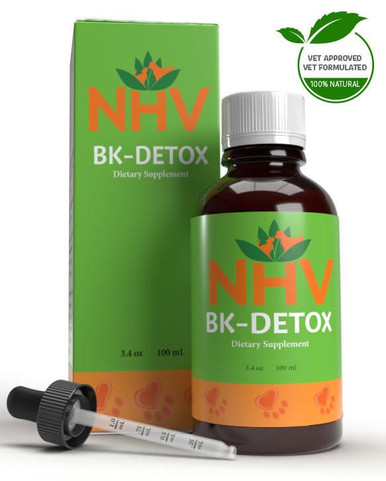
A dog immune support supplement that helps with compromised immune systems that may be fighting cancer, skin problems or heartworms.
How Does it Work?
Why Should I Trust It?
Natural, safe, and vet-formulated.
What is it?
A dog immune support supplement that helps with compromised immune systems that may be fighting cancer, skin problems or heartworms.
How Does it Work?
Why Should I Trust It?
Natural, safe, and vet-formulated.
Dogs live in a world full of pollutants that they breathe, ingest, and play in every day. Protect them with BK Detox, an all-natural dog immune system (support) booster and detoxifier specially formulated to restore balance, regulate the immune system, and help your pet live a healthier, happier life.
What many people think of as boosting the immune system is actually balancing the immune system. A balanced immune response is the healthiest for helping your pet’s body detect and respond to toxins and infections.
Your dog’s body filters blood impurities through the liver and other vital organs of a dog’s body and then supplies nutrients and oxygen to the cells and tissue, which plays an important role in keeping your dog healthy. BK Detox dog immune system support and detoxifier will help flush toxins out of your pet’s blood and vital organs. When the immune system is compromised, toxins can accumulate in your dog and cause problems including liver disorders, urinary tract infections, skin allergies, tumors, bad breath, and respiratory issues.
Red Clover – A blood-purifying herb with antibiotic and anti-inflammatory properties. It promotes cleansing and the elimination of toxins and deposits through diuretic and expectorant activity.
Cleavers – A tonic that increases the circulation of lymph-impaired areas of the body and aids in the drainage of lymph-engorged cysts, tumors, and inflamed tissues of the urinary tract.
Neem – Has powerful blood purifying and detoxifying effects.
Oregon Grape – Supports and improves digestion by helping rid the body of waste and toxins in the blood.
Gotu Kola – Known for its cleansing, diuretic, and strong antioxidant properties.
Buckthorn – A gentle laxative and blood-cleansing tonic.
Burdock – A highly effective blood purifier abundant in calcium, phosphorus, iron, thiamine, and riboflavin. Supports the entire body while gently eliminating toxic build-up.
Sarsaparilla – A cleansing herb that stimulates the kidneys to flush deposits and clear toxins.
Echinacea Angustifolia – Boosts a dog’s immune system and stimulates the body’s defense mechanism.
Chaparral – A blood purifying antioxidant-rich in amino acids.
Prickly Ash – A tonic that stimulates the entire lymphatic system to encourage the elimination of toxic metabolites.
Select your pet's weight to determine the correct dose.
Bk Detox can be used as a detoxifier every 6 months. For best results administer the recommended dosage until the bottle is finished.
To be taken twice daily. Determine your pet’s weight and then use the easy chart below to determine the correct dose. This is the minimum dosage.
Pet's Weight Dosage
0 - 15 lb = 0.5 ml
16 - 30 lb = 1.0 ml
31 - 45 lb = 1.5 ml
46 - 60 lb = 2.0 ml
61 - 75 lb = 2.5 ml
Over 75 lb = 3.0 ml
For small animals (rabbits, ferrets), avians and reptiles use 1 drop for every 2 lb of body weight.
How to Administer: Shake well before use. The easiest method is to use the dropper provided and place the drops into your pet’s food or favorite treat. You can also use the dropper and squirt directly into the pet’s mouth. Some pets can be finicky, if this occurs consider hiding the drops in foods most pet’s love such as fish, chicken, yogurt, or a favorite treat. If your pet only eats dry food then soak a few kibbles at feeding time.
For Best Results
Herbal dietary supplements are beneficial to the health and well-being of your pet and are safe for long-term use. Every pet responds to natural herbal supplements differently, therefore it is important to be consistent and administer the product daily. Supplements generally take two to four weeks to take effect, however this will vary from one animal to the next.
Product Storage
All NHV Natural Pet Products are pure herbal extracts and contain no artificial additives, preservatives, or coloring. Shelf life after opening is 6 months and must be refrigerated after opening.
Cautions and Contraindications
Do not use BK Detox in pregnant or nursing animals.
Speak to your vet before using our products. A second visit is recommended if your pet’s condition does not improve, or deteriorates after continued use of the supplements.
All information provided by NHV Natural Pet Products is for educational purposes only.
Dogs live in a world full of pollutants that they breathe, ingest, and play in every day. Protect them with BK Detox, an all-natural dog immune system (support) booster and detoxifier specially formulated to restore balance, regulate the immune system, and help your pet live a healthier, happier life.
What many people think of as boosting the immune system is actually balancing the immune system. A balanced immune response is the healthiest for helping your pet’s body detect and respond to toxins and infections.
Your dog’s body filters blood impurities through the liver and other vital organs of a dog’s body and then supplies nutrients and oxygen to the cells and tissue, which plays an important role in keeping your dog healthy. BK Detox dog immune system support and detoxifier will help flush toxins out of your pet’s blood and vital organs. When the immune system is compromised, toxins can accumulate in your dog and cause problems including liver disorders, urinary tract infections, skin allergies, tumors, bad breath, and respiratory issues.
Red Clover – A blood-purifying herb with antibiotic and anti-inflammatory properties. It promotes cleansing and the elimination of toxins and deposits through diuretic and expectorant activity.
Cleavers – A tonic that increases the circulation of lymph-impaired areas of the body and aids in the drainage of lymph-engorged cysts, tumors, and inflamed tissues of the urinary tract.
Neem – Has powerful blood purifying and detoxifying effects.
Oregon Grape – Supports and improves digestion by helping rid the body of waste and toxins in the blood.
Gotu Kola – Known for its cleansing, diuretic, and strong antioxidant properties.
Buckthorn – A gentle laxative and blood-cleansing tonic.
Burdock – A highly effective blood purifier abundant in calcium, phosphorus, iron, thiamine, and riboflavin. Supports the entire body while gently eliminating toxic build-up.
Sarsaparilla – A cleansing herb that stimulates the kidneys to flush deposits and clear toxins.
Echinacea Angustifolia – Boosts a dog’s immune system and stimulates the body’s defense mechanism.
Chaparral – A blood purifying antioxidant-rich in amino acids.
Prickly Ash – A tonic that stimulates the entire lymphatic system to encourage the elimination of toxic metabolites.
Select your pet's weight to determine the correct dose.
Bk Detox can be used as a detoxifier every 6 months. For best results administer the recommended dosage until the bottle is finished.
To be taken twice daily. Determine your pet’s weight and then use the easy chart below to determine the correct dose. This is the minimum dosage.
Pet's Weight Dosage
0 - 15 lb = 0.5 ml
16 - 30 lb = 1.0 ml
31 - 45 lb = 1.5 ml
46 - 60 lb = 2.0 ml
61 - 75 lb = 2.5 ml
Over 75 lb = 3.0 ml
For small animals (rabbits, ferrets), avians and reptiles use 1 drop for every 2 lb of body weight.
How to Administer: Shake well before use. The easiest method is to use the dropper provided and place the drops into your pet’s food or favorite treat. You can also use the dropper and squirt directly into the pet’s mouth. Some pets can be finicky, if this occurs consider hiding the drops in foods most pet’s love such as fish, chicken, yogurt, or a favorite treat. If your pet only eats dry food then soak a few kibbles at feeding time.
For Best Results
Herbal dietary supplements are beneficial to the health and well-being of your pet and are safe for long-term use. Every pet responds to natural herbal supplements differently, therefore it is important to be consistent and administer the product daily. Supplements generally take two to four weeks to take effect, however this will vary from one animal to the next.
Product Storage
All NHV Natural Pet Products are pure herbal extracts and contain no artificial additives, preservatives, or coloring. Shelf life after opening is 6 months and must be refrigerated after opening.
Cautions and Contraindications
Do not use BK Detox in pregnant or nursing animals.
Speak to your vet before using our products. A second visit is recommended if your pet’s condition does not improve, or deteriorates after continued use of the supplements.
All information provided by NHV Natural Pet Products is for educational purposes only.