hairball support
Hairb-Ez for Rabbits
USD $55.95
free shipping over $100 (USA & Canada)
1-877-937-4372 the pet expert hotline


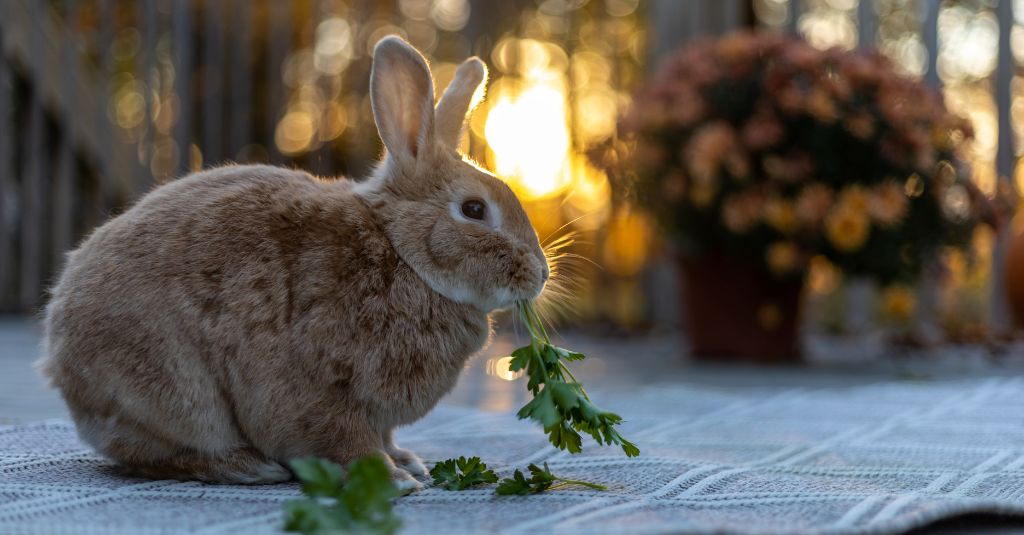
Rabbits are naturally quiet creatures, which can make it difficult to notice when something isn’t quite right. Many pet parents start picking up on the subtle changes in their bunnies: they are not finishing their food, their droppings look smaller (or even less frequent), or they aren’t drinking enough water. These small shifts in behavior can be easily overlooked, but they are the earliest clues of a serious condition.
GI stasis can develop quickly and become life-threatening
GI stasis can develop quickly and become life-threatening if not addressed early. Understanding what it is, what causes it, and how to recognize the signs can make a real, critical difference in your bunny’s health and recovery.
Let’s take a look at how a rabbit’s digestive system works. Rabbits rely on the constant movement of food through their gastrointestinal (GI) tract. Unlike other animals, their digestive system is designed to keep moving at all times, processing fiber-rich foods.
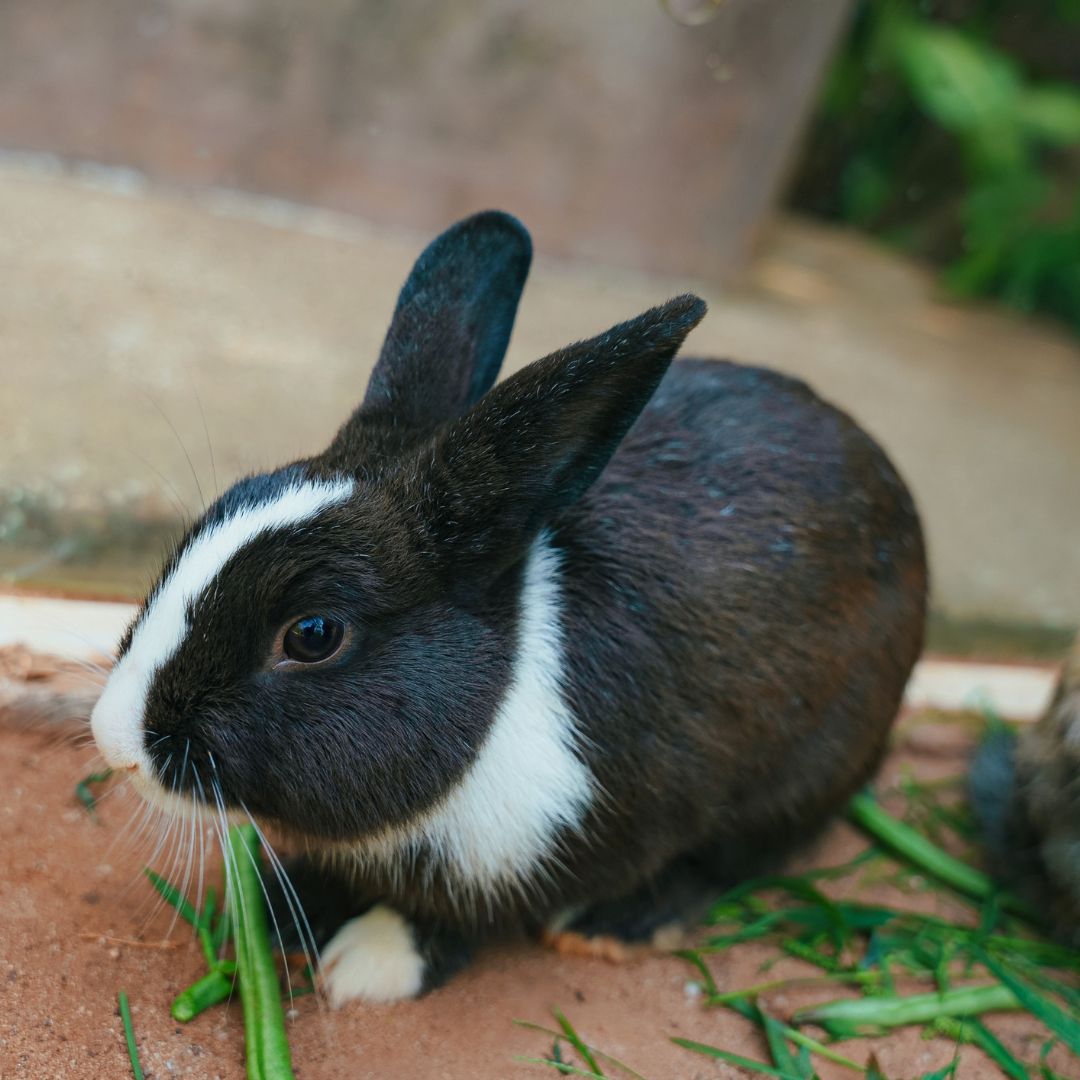
Gastrointestinal stasis is the common term used to describe reduced or absent motility of the GI tract. When that happens, food, hair, and gas can build up in the intestines. This leads to discomfort, reduced appetite, and (in more severe cases) dangerous blockages.
According to the Merck Veterinary Manual, decreased gut motility allows ingesta to dehydrate and compact, worsening the slowdown and making it harder for the digestive system to restart.
Gastrointestinal stasis is not a disease, but rather a symptom of many rabbit diseases. It has a strong psychosomatic presence (physical symptoms caused or worsened by mental factors).
The very early signs of GI stasis in your bunny can be very subtle and easy to miss, especially if you’re not actively looking for changes in their daily habits:
These early changes are often the first indication that something isn’t right, and recognizing them early can make a significant difference in outcome.
As the condition progresses, the symptoms of GI stasis in rabbits become more obvious and more serious. Common signs include:
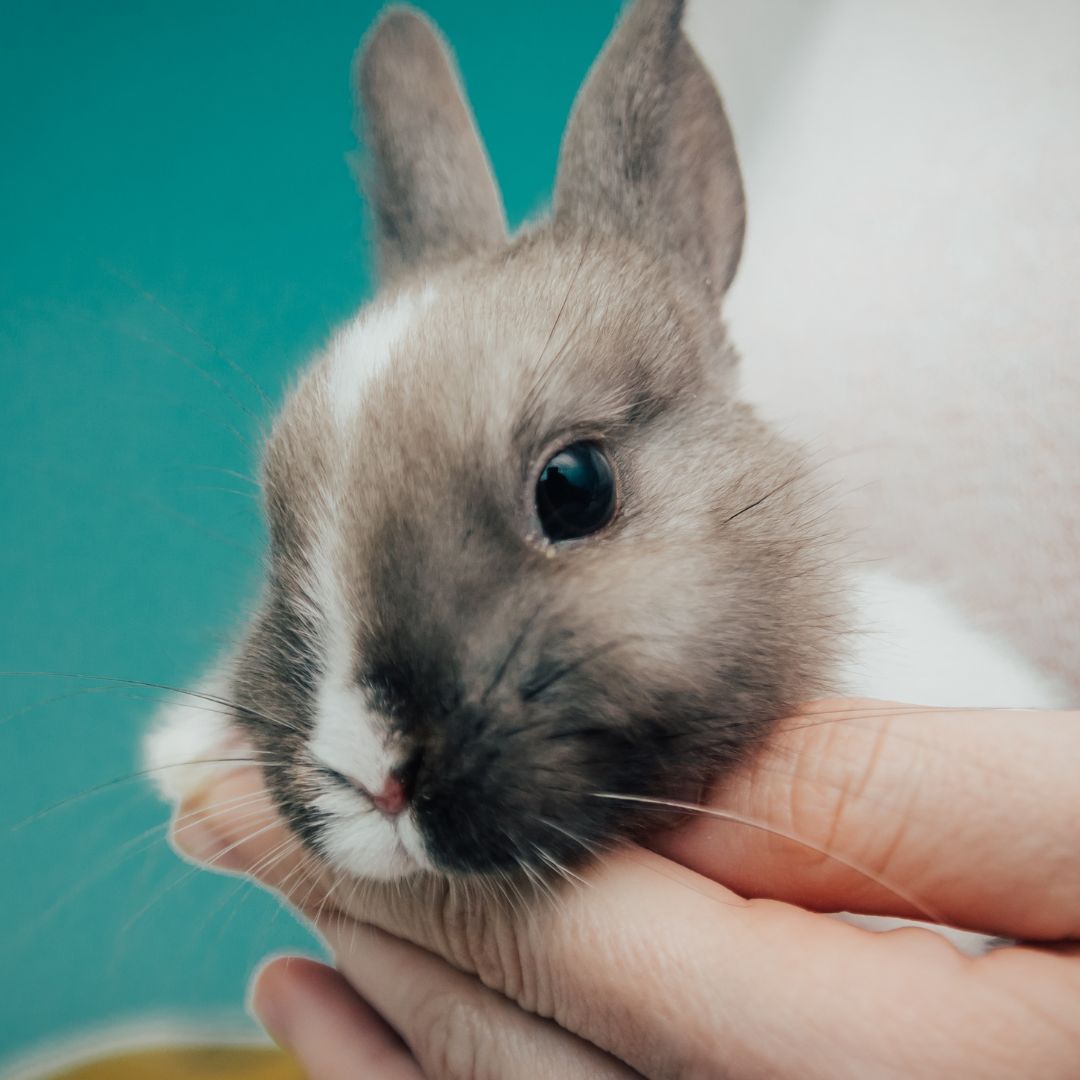
The House Rabbit Society notes that rabbits in GI stasis may also isolate themselves or sit in unusual positions due to discomfort.
At this stage, immediate veterinary care is essential, as GI stasis can worsen rapidly without treatment.
Understanding how to prevent GI stasis in rabbits comes down to maintaining consistent, healthy habits. Prevention is often very achievable with the right daily care:
Daily monitoring is key! Keeping an eye on your rabbit’s appetite and droppings can help you catch early changes before they become serious.
Supporting the body naturally may help maintain balance
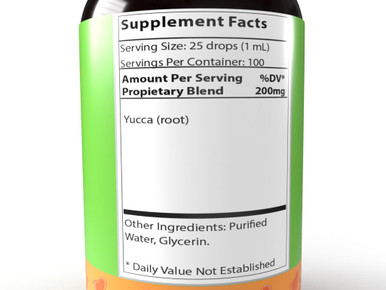
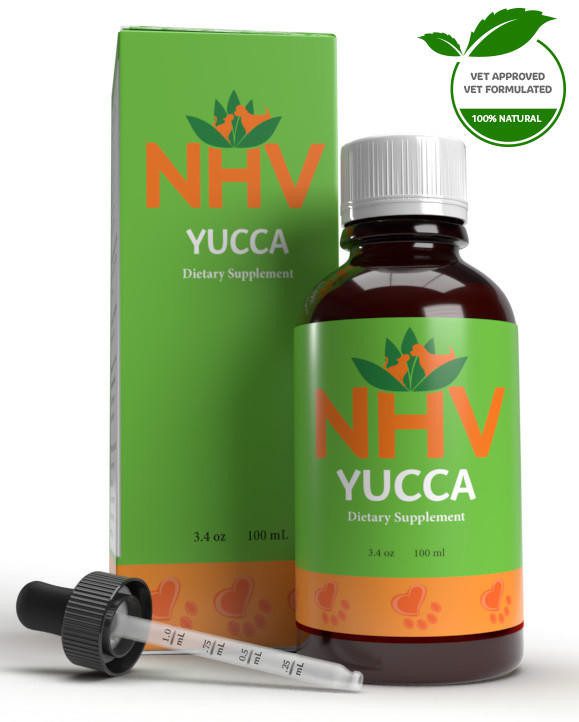
Natural support can also play a role. NHV Yucca for Rabbits may help provide gentle anti-inflammatory support and promote digestive comfort. Since inflammation and discomfort can contribute to reduced appetite and slowed gut movement, supporting the body naturally may help maintain balance.
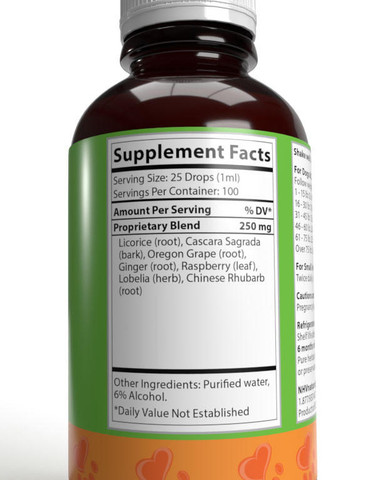
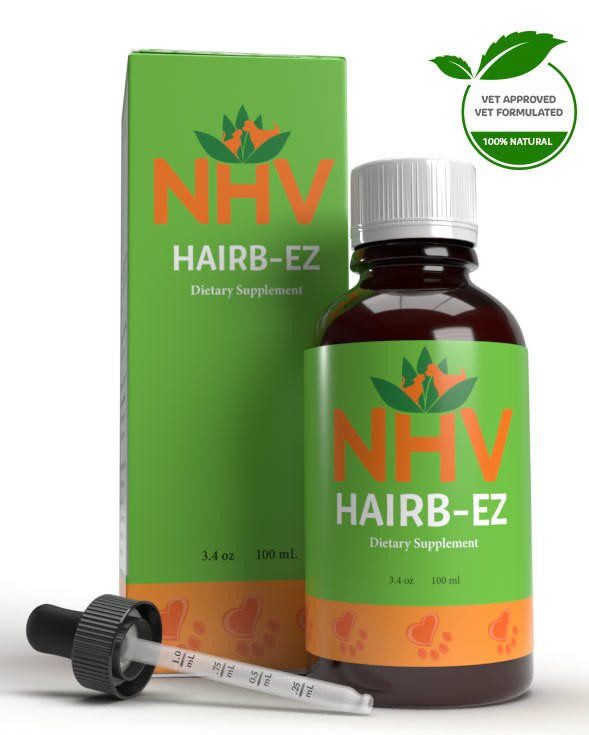
To help bunnies dissolve hair buildup in the GI tract, soothe inflammation, and help undigested matter move through the digestive tract, NHV Hairb-EZ is formulated to support the digestive tract and help eliminate hairballs naturally.
In addition to these lifestyle factors, supporting digestive health from within can make a meaningful difference. Supplements like NHV TumFlora may help maintain a healthy balance of beneficial gut bacteria, which is essential for proper digestion and nutrient absorption. A stable gut microbiome can support overall digestive function, especially during times of stress or dietary change.
Your rabbit may not be able to tell you when something is wrong, but they can show clear signs that you should pay attention to. GI stasis in rabbits is a serious but often preventable condition that can begin with subtle, easy-to-miss changes, but with attentive care and maintaining a consistent routine (focused on diet, hydration, stress reduction), along with some natural support, you can help your lovably bunny live a long, happy life.
hairball support
Natural Support for Hairballs and Rabbit Gastric Stasis Prevention
buy 2 and save $3
3 month supply for a small to medium size pet.
What is it?
NHV Hairb-EZ is our all-natural formulation to help break down impacted hair, help relieve indigestion and help prevent gut stasis in your bunny friends.
How does it work?
Why should I trust it?
NHV supplements have no artificial fillers, additives, or preservatives. We use only natural ingredients so your fur kiddo gets the best!

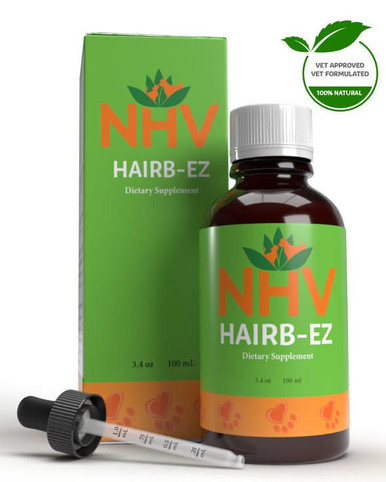
What is it?
NHV Hairb-EZ is our all-natural formulation to help break down impacted hair, help relieve indigestion and help prevent gut stasis in your bunny friends.
How does it work?
Why should I trust it?
NHV supplements have no artificial fillers, additives, or preservatives. We use only natural ingredients so your fur kiddo gets the best!
If your sweet bunny has an upset tummy from a hairball, they may be suffering from GI stasis (gastrointestinal stasis). Rabbits cannot throw up, so to keep your little one healthy, you need to keep things moving in their GI tract and encourage healthy elimination.
Unlike a cat or a ferret whose hairballs are 100% hair, a rabbit hairball is not just hair, it tends to be a mixture of hair plus stomach contents. Long-haired bunnies like Angoras and Jersey Woollys are more likely to develop hairballs than their short-haired bunny cousins; however, all rabbits can develop them. Bunnies require a lot of indigestible fiber to keep things moving along, so if their diet is out of balance, they may develop rabbit gastric stasis. Our NHV Hairb-EZ helps to dissolve hair buildup, soothe inflammation, and help undigested matter move through the digestive tract.
Because of the way a rabbit’s digestive system works, they cannot vomit. So unlike kitties who can cough up hairballs and loose fur, if a bunny cannot get something out of their system, they may stop eating, become lethargic and eventually die. Bunnies groom a lot so they tend to ingest a lot of hair. Rabbit hairballs only become a problem if your little one’s digestive system can't move the hair through the stomach and intestinal tract at an average speed, leading to a possible blockage and issues with other organs. NHV Hairb-EZ is formulated to support your bunny’s digestive health, organ health and to help eliminate hairballs naturally.
It’s great to know that there are ways to support your little one’s health naturally! All NHV products use only the finest organic, or wild-crafted plant extracts and formulated by the combined efforts of a master herbalist and veterinarian with 50+ years of experience. If you have any questions about your bunny’s digestive health or rabbit hairballs, please get in touch with an NHV pet expert - we are here to help!
Made with the finest, organically grown, or ethically harvested herbs. Made specifically for pets, vet-formulated and vet approved.
Select your pet's weight to determine the correct dose.
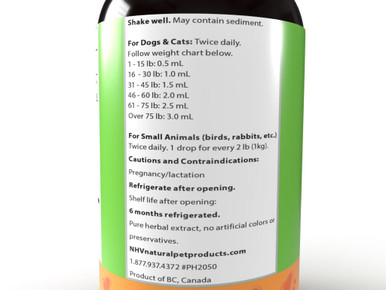
For rabbits: 0.5ml twice daily.
How to Administer
Shake well before use. The easiest method is to use the dropper provide and places the drops into your pet’s food or favorite treat. You can also use the dropper and squirt directly into the pet’s mouth.
Some pets can be finicky, if this occurs consider hiding the drops in foods most pet’s love such as mashed banana, strawberry or another favorite treat.
For Best Results
Herbal dietary supplements are beneficial to the health and well-being of your pet and are safe for long-term use. Every pet responds to natural herbal supplements differently, therefore it is important to be consistent and administer the product daily. Supplements generally take two to four weeks to take effect, however this will vary from one animal to the next.
Product Storage
All NHV Natural Pet Products are pure herbal extracts and contain no artificial additives, preservatives or coloring. Shelf life after opening is 6 months and must be refrigerated after opening.
Cautions and Contraindications
Do not use Hairb-EZ in pregnant or nursing animals. Speak to your vet before using our products. A second visit is recommended if your pet’s condition does not improve, or deteriorates after continued use of the supplements.
All information provided by NHV Natural Pet Products is for educational purposes only.
If your sweet bunny has an upset tummy from a hairball, they may be suffering from GI stasis (gastrointestinal stasis). Rabbits cannot throw up, so to keep your little one healthy, you need to keep things moving in their GI tract and encourage healthy elimination.
Unlike a cat or a ferret whose hairballs are 100% hair, a rabbit hairball is not just hair, it tends to be a mixture of hair plus stomach contents. Long-haired bunnies like Angoras and Jersey Woollys are more likely to develop hairballs than their short-haired bunny cousins; however, all rabbits can develop them. Bunnies require a lot of indigestible fiber to keep things moving along, so if their diet is out of balance, they may develop rabbit gastric stasis. Our NHV Hairb-EZ helps to dissolve hair buildup, soothe inflammation, and help undigested matter move through the digestive tract.
Because of the way a rabbit’s digestive system works, they cannot vomit. So unlike kitties who can cough up hairballs and loose fur, if a bunny cannot get something out of their system, they may stop eating, become lethargic and eventually die. Bunnies groom a lot so they tend to ingest a lot of hair. Rabbit hairballs only become a problem if your little one’s digestive system can't move the hair through the stomach and intestinal tract at an average speed, leading to a possible blockage and issues with other organs. NHV Hairb-EZ is formulated to support your bunny’s digestive health, organ health and to help eliminate hairballs naturally.
It’s great to know that there are ways to support your little one’s health naturally! All NHV products use only the finest organic, or wild-crafted plant extracts and formulated by the combined efforts of a master herbalist and veterinarian with 50+ years of experience. If you have any questions about your bunny’s digestive health or rabbit hairballs, please get in touch with an NHV pet expert - we are here to help!
Made with the finest, organically grown, or ethically harvested herbs. Made specifically for pets, vet-formulated and vet approved.
Select your pet's weight to determine the correct dose.
For rabbits: 0.5ml twice daily.
How to Administer
Shake well before use. The easiest method is to use the dropper provide and places the drops into your pet’s food or favorite treat. You can also use the dropper and squirt directly into the pet’s mouth.
Some pets can be finicky, if this occurs consider hiding the drops in foods most pet’s love such as mashed banana, strawberry or another favorite treat.
For Best Results
Herbal dietary supplements are beneficial to the health and well-being of your pet and are safe for long-term use. Every pet responds to natural herbal supplements differently, therefore it is important to be consistent and administer the product daily. Supplements generally take two to four weeks to take effect, however this will vary from one animal to the next.
Product Storage
All NHV Natural Pet Products are pure herbal extracts and contain no artificial additives, preservatives or coloring. Shelf life after opening is 6 months and must be refrigerated after opening.
Cautions and Contraindications
Do not use Hairb-EZ in pregnant or nursing animals. Speak to your vet before using our products. A second visit is recommended if your pet’s condition does not improve, or deteriorates after continued use of the supplements.
All information provided by NHV Natural Pet Products is for educational purposes only.
hairball support
Natural Support for Hairballs and Digestive Health
bundle and save with pet expert kits
3 month supply for a small to medium size pet.
What is it?
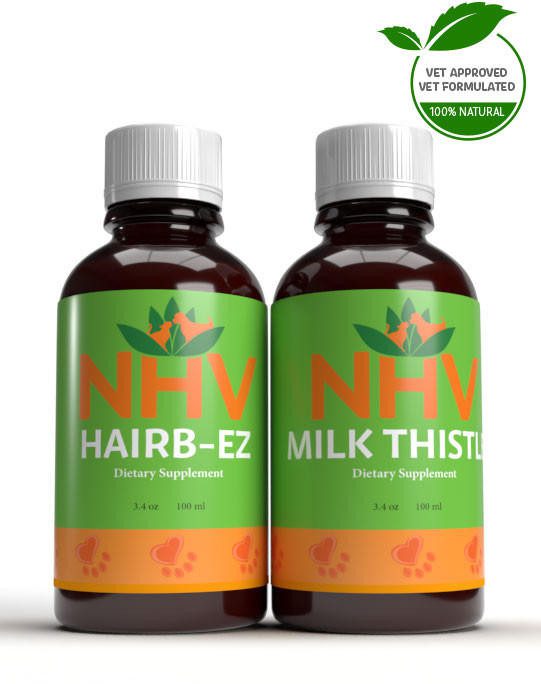
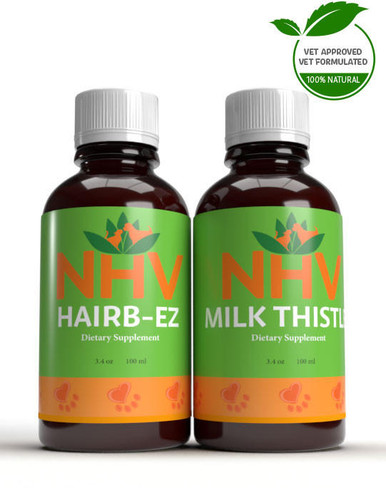
NHV’s Hairball Control Kit helps reduce hairballs, supports digestion, and protects vital organs like the liver and kidneys from hairball-related stress.
How Does it Work?
Why Should I Trust It?
Natural support vet-approved and vet-formulated for cats.
What is it?
NHV’s Hairball Control Kit helps reduce hairballs, supports digestion, and protects vital organs like the liver and kidneys from hairball-related stress.
How Does it Work?
Why Should I Trust It?
Natural support vet-approved and vet-formulated for cats.
Did you know that your furkiddo spends 30% of their waking life grooming? And because of their natural habit, they tend to swallow a lot of hair! Long haired cat breeds like Main Coons, Persians, and Ragdolls are more likely to develop hairballs than their short-haired meow-sins; however, all cats can get them. If the ingested hair cannot get past your kitty's stomach and small intestine, then a hairball will form. NHV Hairball Control Kit contains Hairb-Ez, which helps to dissolve hair buildup, soothe inflammation along the GI tract and improve the motility of undigested matter, while Milk Thistle helps with detoxification, reducing oxidative stress on the liver, and supporting healthy kidney/gallbladder function.
The hacking sound of your kitty retching is pretty unpleasant to witness for any pet parent, but hairballs are a side effect of your cat's constant grooming. Suppose your furry friend is throwing up a hairball more than once a month. In that case, there may be something more serious going on like intestinal motility problems, skin issues, abdomen issues, urinary tract problems, or musculoskeletal concerns. When your kitty is grooming, their tongue is barbed (like a miniature brush), moving loose hair down their throat. Typically, this ingested hair passes through their GI tract and into their litter box. Sometimes, however, the hair can get stuck in their stomach, and they throw this up as hairballs. Hairballs become a problem when your kitty's digestive system can't move the hair through the stomach and intestinal tract at an average speed, leading to a possible blockage and issues with other organs. NHV Hairball Control Kit contains Hairb-Ez and Milk Thistle to help support your kitty's digestive health, organ health and to help pass hairballs naturally.
Hairball Control Kit is a natural healthcare support that aids with dissolving hairballs, improving GI tract health as well as support detoxification and immune function. These liquid supplements with high bioavailability are safe and effective to use alongside other hairball treatments.
At NHV, we are a team of pet experts, vets, and animal lovers. Get in touch with us if you have any questions or concerns about your kitty's unique health concerns.
Made with the finest, organically grown, or ethically harvested herbs. Made specifically for pets, vet-formulated and vet approved.
Hairb-Ez
Milk Thistle
Select your pet's weight to determine the correct dose.
To be taken twice daily. Determine your pet’s weight and then use the easy chart below to determine the correct dose. This is the minimum dosage.
Pet's Weight Dosage
0 - 15 lb = 0.5 ml
16 - 30 lb = 1.0 ml
31 - 45 lb = 1.5 ml
46 - 60 lb = 2.0 ml
61 - 75 lb = 2.5 ml
Over 75 lb = 3.0 ml
For rabbits: 0.5 ml twice a day
How to Administer
Shake well before use. The easiest method is to use the dropper provided and place the drops into your pet’s food or favorite treat. You can also use the dropper and squirt directly into the pet’s mouth. Some pets can be finicky, if this occurs consider hiding the drops in foods most pet’s love such as fish, chicken or yogurt or a favorite treat. If your pet only eats dry food then soak a few kibbles at feeding time.
For Best Results
Herbal dietary supplements are beneficial to the health and well-being of your pet and are safe for long-term use. Every pet responds to natural herbal supplements differently, therefore it is important to be consistent and administer the product daily. Supplements generally take two to four weeks to take effect, however this will vary from one animal to the next.
Product Storage
All NHV Natural Pet Products are pure herbal extracts and contain no artificial additives, preservatives or coloring. Shelf life after opening is 6 months and must be refrigerated after opening.
Cautions and Contraindications
Do not use in pregnant or nursing animals.
All information provided by NHV Natural Pet Products is for educational purposes only.
Did you know that your furkiddo spends 30% of their waking life grooming? And because of their natural habit, they tend to swallow a lot of hair! Long haired cat breeds like Main Coons, Persians, and Ragdolls are more likely to develop hairballs than their short-haired meow-sins; however, all cats can get them. If the ingested hair cannot get past your kitty's stomach and small intestine, then a hairball will form. NHV Hairball Control Kit contains Hairb-Ez, which helps to dissolve hair buildup, soothe inflammation along the GI tract and improve the motility of undigested matter, while Milk Thistle helps with detoxification, reducing oxidative stress on the liver, and supporting healthy kidney/gallbladder function.
The hacking sound of your kitty retching is pretty unpleasant to witness for any pet parent, but hairballs are a side effect of your cat's constant grooming. Suppose your furry friend is throwing up a hairball more than once a month. In that case, there may be something more serious going on like intestinal motility problems, skin issues, abdomen issues, urinary tract problems, or musculoskeletal concerns. When your kitty is grooming, their tongue is barbed (like a miniature brush), moving loose hair down their throat. Typically, this ingested hair passes through their GI tract and into their litter box. Sometimes, however, the hair can get stuck in their stomach, and they throw this up as hairballs. Hairballs become a problem when your kitty's digestive system can't move the hair through the stomach and intestinal tract at an average speed, leading to a possible blockage and issues with other organs. NHV Hairball Control Kit contains Hairb-Ez and Milk Thistle to help support your kitty's digestive health, organ health and to help pass hairballs naturally.
Hairball Control Kit is a natural healthcare support that aids with dissolving hairballs, improving GI tract health as well as support detoxification and immune function. These liquid supplements with high bioavailability are safe and effective to use alongside other hairball treatments.
At NHV, we are a team of pet experts, vets, and animal lovers. Get in touch with us if you have any questions or concerns about your kitty's unique health concerns.
Made with the finest, organically grown, or ethically harvested herbs. Made specifically for pets, vet-formulated and vet approved.
Hairb-Ez
Milk Thistle
Select your pet's weight to determine the correct dose.
To be taken twice daily. Determine your pet’s weight and then use the easy chart below to determine the correct dose. This is the minimum dosage.
Pet's Weight Dosage
0 - 15 lb = 0.5 ml
16 - 30 lb = 1.0 ml
31 - 45 lb = 1.5 ml
46 - 60 lb = 2.0 ml
61 - 75 lb = 2.5 ml
Over 75 lb = 3.0 ml
For rabbits: 0.5 ml twice a day
How to Administer
Shake well before use. The easiest method is to use the dropper provided and place the drops into your pet’s food or favorite treat. You can also use the dropper and squirt directly into the pet’s mouth. Some pets can be finicky, if this occurs consider hiding the drops in foods most pet’s love such as fish, chicken or yogurt or a favorite treat. If your pet only eats dry food then soak a few kibbles at feeding time.
For Best Results
Herbal dietary supplements are beneficial to the health and well-being of your pet and are safe for long-term use. Every pet responds to natural herbal supplements differently, therefore it is important to be consistent and administer the product daily. Supplements generally take two to four weeks to take effect, however this will vary from one animal to the next.
Product Storage
All NHV Natural Pet Products are pure herbal extracts and contain no artificial additives, preservatives or coloring. Shelf life after opening is 6 months and must be refrigerated after opening.
Cautions and Contraindications
Do not use in pregnant or nursing animals.
All information provided by NHV Natural Pet Products is for educational purposes only.
bowel support for dogs

Natural Support for Inflammatory Bowel Disease in Cats
buy 2 and save $3
3 month supply for a small to medium size pet.
What is it?
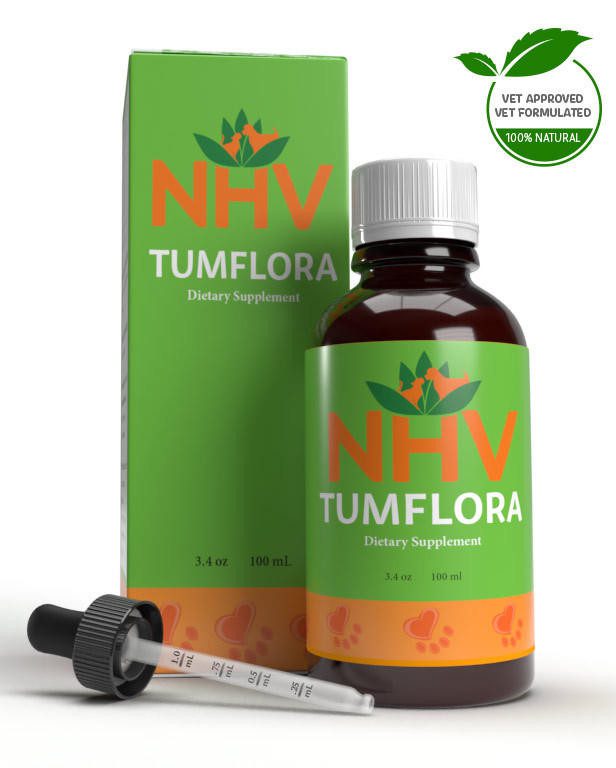
NHV TumFlora can help naturally balance the intestinal flora in your kitty’s body and help maintain a healthy gut. It’s also a great proactive gut supplement for a happy, healthy cat.
How does it work?
Why should I trust it?
NHV supplements have no artificial ingredients - only pure, plant-based goodness.
What is it?
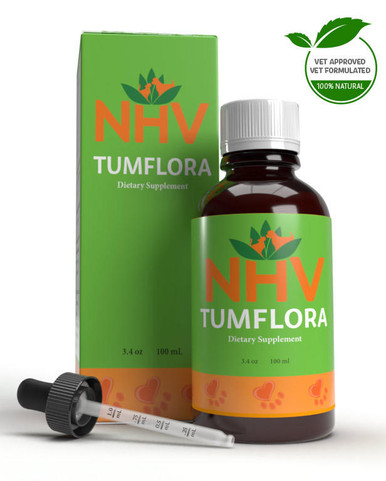
NHV TumFlora can help naturally balance the intestinal flora in your kitty’s body and help maintain a healthy gut. It’s also a great proactive gut supplement for a happy, healthy cat.
How does it work?
Why should I trust it?
NHV supplements have no artificial ingredients - only pure, plant-based goodness.
If your kitty’s fur is looking dull, they won’t eat their favorite treats and are suffering from vomiting, weight loss, diarrhea, and lethargy, your sweet kitty may have Inflammatory Bowel Disease (IBD in cats).
Inflammatory Bowel Disease in cats (IBD) is a condition that mainly affects middle-aged to senior kitties, though it can occur at any age. IBD in cats is caused by an inflammatory response to an irritated and inflamed GI tract.
How TumFlora Supports Inflammatory Bowel Disease in Cats
The exact causes of IBD in cats are unknown, however, evidence does suggest that it may arise from an abnormal interaction between bacterial populations in the intestines, diet, a compromised immune system, and other environmental factors as well as genetic abnormalities. TumFlora helps support the body on a variety of levels, which helps address this complex problem.
To help address the imbalance of bacterial populations in the intestines, TumFlora’s blend of herbs work to improve natural intestinal flora. Herbs like licorice and ashwagandha offer support for the immune system, while vitamin and mineral dense herbs like slippery elm and oregon grape help improve nutrient absorption.
In addition to helping with IBD in cats, TumFlora can also help support your kitty if they are suffering from food allergies, gastrointestinal ulcers, and bacterial infections of the gut. Don’t wait for your kitty to have IBD for adding TumFlora, this gentle supplement can be used on a long term proactive basis to support your pet’s gut health.
Inflammatory response thickens the lining of the GI tract, which ends up affecting digestion, absorption of nutrients, and healthy bathroom habits. Cats with Irritable Bowel Disease can experience the following symptoms:
Symptoms of Inflammatory Bowel Disease in Cats
Your veterinarian may recommend treatment for intestinal parasites as well as a combination of medications and diet therapy as a first step. A novel protein, like rabbit or duck, may also be recommended. It takes time and your veterinarian may need to try several different therapies and medications. For a personalized veterinary nutrition plan for your little one, click here.
At NHV, we are a team of holistic veterinarians, pet experts and animal enthusiasts. Get in touch with us if you have any questions or concerns about your pup’s GI tract health or need some extra support.
Made with the finest, organically grown, or ethically harvested herbs. Made specifically for pets, vet-formulated, and vet approved.
Ashwagandha also known as Indian ginseng, is a root that contains a range of beneficial properties including anti-stress and anti-inflammatory action. It also helps defend against microorganisms and balances the immune system.
Boswellia has powerful anti-inflammatory properties and has been used in traditional herbal medicine to treat inflammatory bowel disease.
Chamomile has traditionally been used to help relieve indigestion, expel gas, ease nervous spasms, improve bile flow, and relieve vomiting due to inflammatory bowel disease in cats.
Fennel is an anti-inflammatory, nutritive herb that helps against microorganisms and soothes digestive upset, expels intestinal gas, and relaxes stomach cramps or spasms.
Indian Gooseberry is prized in Ayurvedic medicine for its many health benefits. It may help regulate cholesterol levels, and soothe nausea.
Licorice has been used for centuries for its immunostimulant and anti-inflammatory properties to support against microorganisms, digestion and general well-being. It contains free radical scavengers to help promote healing.
Marshmallow contains demulcent, and diuretic properties. It helps defend against microorganisms, controls bacterial infection, protects the intestinal mucosa, and soothes inflamed mucosa. It has been used in herbalism as a treatment for gastroenteritis.
Oregon Grape contains anti-inflammatory, anti-bacterial, and anti-fungal properties with strong affinities to the liver, digestive system, and mucous membranes.
Slippery Elm contains anti-inflammatory properties and is rich in vitamins and minerals. It is beneficial for gastritis, colitis, duodenal ulcers, and diarrhea.
Select your pet's weight to determine the correct dose.
To be taken twice daily. Determine your pet’s weight and then use the easy chart below to determine the correct dose. This is the minimum dosage.
Pet's Weight Dosage
0 - 15 lb = 0.5 ml
16 - 30 lb = 1.0 ml
31 - 45 lb = 1.5 ml
46 - 60 lb = 2.0 ml
61 - 75 lb = 2.5 ml
Over 75 lb = 3.0 ml
How to Administer
Shake well before use. The easiest method is to use the dropper provide and places the drops into your pet’s food or favorite treat. You can also use the dropper and squirt directly into the pet’s mouth.
Some pets can be finicky, if this occurs consider hiding the drops in foods most pet’s love such as fish, chicken or yogurt or a favorite treat. If your pet only eats dry food then soak a few kibbles at feeding time.
For Best Results
Herbal dietary supplements are beneficial to the health and wellbeing of your pet and are safe for long-term use. Every pet responds to natural herbal supplements differently, therefore it is important to be consistent and administer the product daily. Supplements generally take two to four weeks to take effect, however this will vary from one animal to the next.
Product Storage
All NHV Natural Pet Products are pure herbal extracts and contain no artificial additives, preservatives or coloring. Shelf life after opening is 6 months and must be refrigerated after opening.
Cautions and Contraindications: Do not use TumFlora in pregnant or nursing animals. Speak to your vet before using our products. A second visit is recommended if your pet’s condition does not improve, or deteriorates after continued use of the supplements.
If your kitty’s fur is looking dull, they won’t eat their favorite treats and are suffering from vomiting, weight loss, diarrhea, and lethargy, your sweet kitty may have Inflammatory Bowel Disease (IBD in cats).
Inflammatory Bowel Disease in cats (IBD) is a condition that mainly affects middle-aged to senior kitties, though it can occur at any age. IBD in cats is caused by an inflammatory response to an irritated and inflamed GI tract.
How TumFlora Supports Inflammatory Bowel Disease in Cats
The exact causes of IBD in cats are unknown, however, evidence does suggest that it may arise from an abnormal interaction between bacterial populations in the intestines, diet, a compromised immune system, and other environmental factors as well as genetic abnormalities. TumFlora helps support the body on a variety of levels, which helps address this complex problem.
To help address the imbalance of bacterial populations in the intestines, TumFlora’s blend of herbs work to improve natural intestinal flora. Herbs like licorice and ashwagandha offer support for the immune system, while vitamin and mineral dense herbs like slippery elm and oregon grape help improve nutrient absorption.
In addition to helping with IBD in cats, TumFlora can also help support your kitty if they are suffering from food allergies, gastrointestinal ulcers, and bacterial infections of the gut. Don’t wait for your kitty to have IBD for adding TumFlora, this gentle supplement can be used on a long term proactive basis to support your pet’s gut health.
Inflammatory response thickens the lining of the GI tract, which ends up affecting digestion, absorption of nutrients, and healthy bathroom habits. Cats with Irritable Bowel Disease can experience the following symptoms:
Symptoms of Inflammatory Bowel Disease in Cats
Your veterinarian may recommend treatment for intestinal parasites as well as a combination of medications and diet therapy as a first step. A novel protein, like rabbit or duck, may also be recommended. It takes time and your veterinarian may need to try several different therapies and medications. For a personalized veterinary nutrition plan for your little one, click here.
At NHV, we are a team of holistic veterinarians, pet experts and animal enthusiasts. Get in touch with us if you have any questions or concerns about your pup’s GI tract health or need some extra support.
Made with the finest, organically grown, or ethically harvested herbs. Made specifically for pets, vet-formulated, and vet approved.
Ashwagandha also known as Indian ginseng, is a root that contains a range of beneficial properties including anti-stress and anti-inflammatory action. It also helps defend against microorganisms and balances the immune system.
Boswellia has powerful anti-inflammatory properties and has been used in traditional herbal medicine to treat inflammatory bowel disease.
Chamomile has traditionally been used to help relieve indigestion, expel gas, ease nervous spasms, improve bile flow, and relieve vomiting due to inflammatory bowel disease in cats.
Fennel is an anti-inflammatory, nutritive herb that helps against microorganisms and soothes digestive upset, expels intestinal gas, and relaxes stomach cramps or spasms.
Indian Gooseberry is prized in Ayurvedic medicine for its many health benefits. It may help regulate cholesterol levels, and soothe nausea.
Licorice has been used for centuries for its immunostimulant and anti-inflammatory properties to support against microorganisms, digestion and general well-being. It contains free radical scavengers to help promote healing.
Marshmallow contains demulcent, and diuretic properties. It helps defend against microorganisms, controls bacterial infection, protects the intestinal mucosa, and soothes inflamed mucosa. It has been used in herbalism as a treatment for gastroenteritis.
Oregon Grape contains anti-inflammatory, anti-bacterial, and anti-fungal properties with strong affinities to the liver, digestive system, and mucous membranes.
Slippery Elm contains anti-inflammatory properties and is rich in vitamins and minerals. It is beneficial for gastritis, colitis, duodenal ulcers, and diarrhea.
Select your pet's weight to determine the correct dose.
To be taken twice daily. Determine your pet’s weight and then use the easy chart below to determine the correct dose. This is the minimum dosage.
Pet's Weight Dosage
0 - 15 lb = 0.5 ml
16 - 30 lb = 1.0 ml
31 - 45 lb = 1.5 ml
46 - 60 lb = 2.0 ml
61 - 75 lb = 2.5 ml
Over 75 lb = 3.0 ml
How to Administer
Shake well before use. The easiest method is to use the dropper provide and places the drops into your pet’s food or favorite treat. You can also use the dropper and squirt directly into the pet’s mouth.
Some pets can be finicky, if this occurs consider hiding the drops in foods most pet’s love such as fish, chicken or yogurt or a favorite treat. If your pet only eats dry food then soak a few kibbles at feeding time.
For Best Results
Herbal dietary supplements are beneficial to the health and wellbeing of your pet and are safe for long-term use. Every pet responds to natural herbal supplements differently, therefore it is important to be consistent and administer the product daily. Supplements generally take two to four weeks to take effect, however this will vary from one animal to the next.
Product Storage
All NHV Natural Pet Products are pure herbal extracts and contain no artificial additives, preservatives or coloring. Shelf life after opening is 6 months and must be refrigerated after opening.
Cautions and Contraindications: Do not use TumFlora in pregnant or nursing animals. Speak to your vet before using our products. A second visit is recommended if your pet’s condition does not improve, or deteriorates after continued use of the supplements.
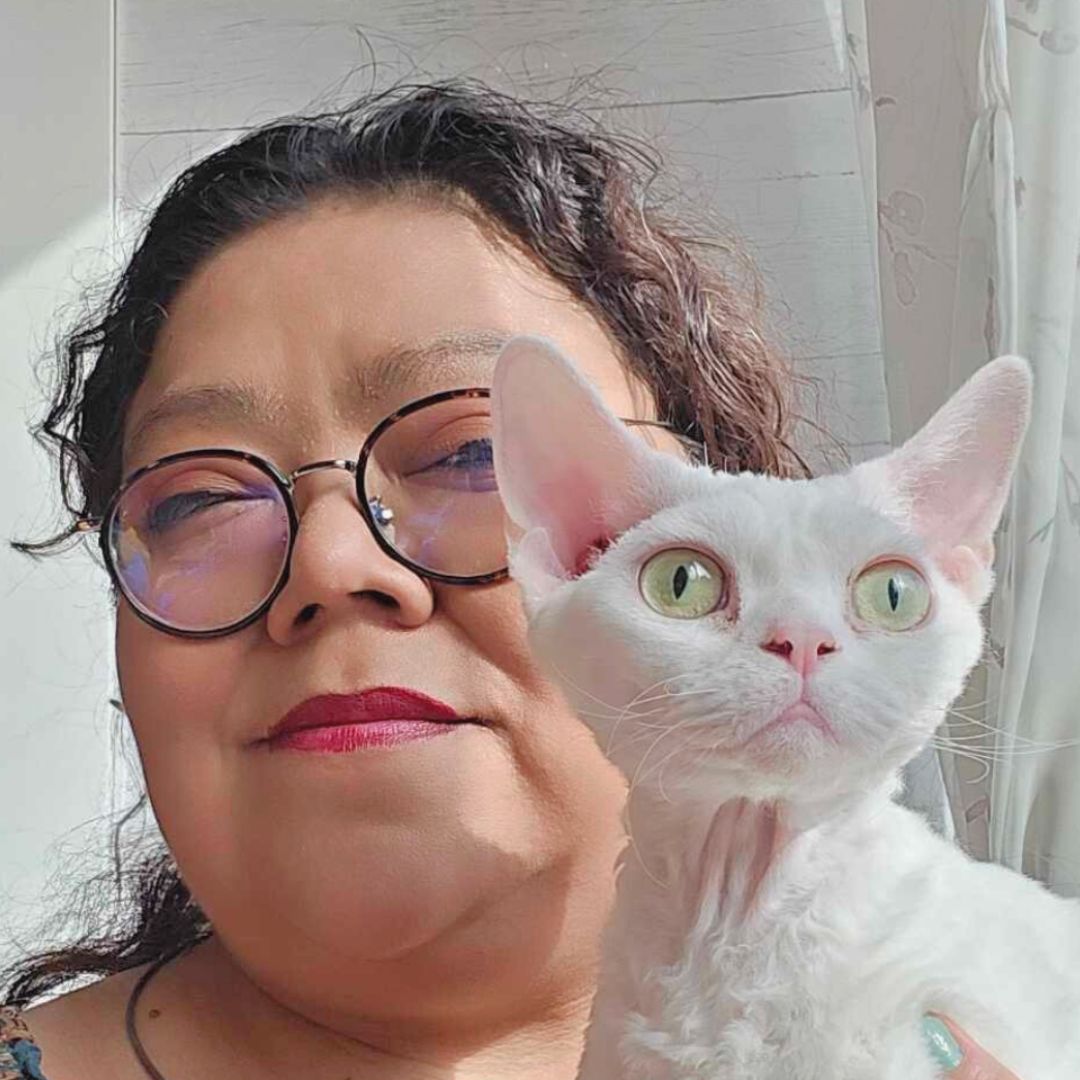
Dr. Yuvia Hernandez graduated from the Universidad Autonoma de Ciudad Juarez (Mexico) with a degree in Veterinary Medicine and Animal Husbandry, and later got her Master’s Degree in Educational Strategies from the Universidad Regional del Norte. She has taken several courses throughout her career to train in the veterinary field, such as emergency veterinary care, animal nutrition, and holistic veterinary care. Dr. Hernandez shares her home with two adorable cats as she continues to learn about animal welfare and care.
Published: April 15, 2026
discomfort support
Arthritis and Digestive Wellness
buy 2 and save $3
3 month supply for a small to medium size
What is it?
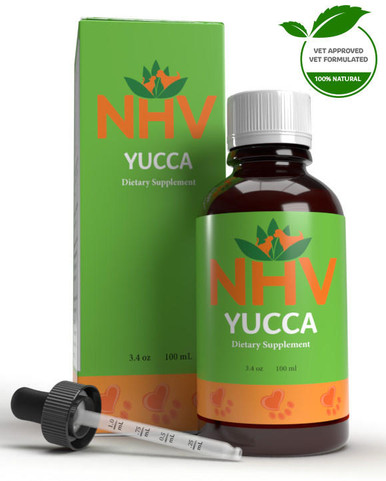
NHV Yucca is a vet-formulated supplement that supports digestive wellness, arthritis, and more.
What makes it great?
Why trust it?
NHV supplements use only human-grade ingredients, so your bunny gets the best.
What is it?
NHV Yucca is a vet-formulated supplement that supports digestive wellness, arthritis, and more.
What makes it great?
Why trust it?
NHV supplements use only human-grade ingredients, so your bunny gets the best.
The yucca plant is used in bunny feed because it is full of vitamins and minerals, such as magnesium and Vitamin C, which are used by the immune system.
As a natural rabbit supplement, yucca has many uses for our big-eared friends.
In addition to vitamins and minerals, the root of yucca contains saponins. These natural saponins may encourage the body to stimulate its own production of steroids, making yucca a potentially useful addition for bunnies with head tilt.
Another common use is as a digestive wellness rabbit supplement. That’s because the saponins may also help bunnies break down nutrients, leading to better absorption in the gut and a balanced appetite. As a bonus, yucca may even help reduce potty-time odors by binding to ammonia (the smelly chemical!).
Finally, yucca root is recognized for its potential to help the body respond to inflammation. Therefore, it may help ease inflammation and discomfort in bunnies with arthritis.
While rabbits should not eat other parts of the yucca plant, such as the leaves, the root of yucca provides benefits for rabbits in vet-determined amounts when formulated correctly. NHV Yucca is formulated and approved by our vet team for uses such as digestive wellness, arthritis support, and more.
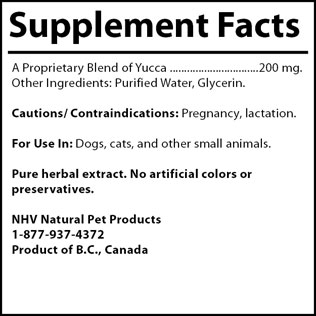
Yucca - We use a full-spectrum extract of human-grade yucca root. Common uses of yucca for rabbits include arthritis, inflammation support, discomfort, digestive support, and overall vitality.
Select your pet's weight to determine the correct dose.
For Rabbits: 0.5ml twice daily
How to Administer
Shake well before use. The easiest method is to use the dropper provide and places the drops into your pet’s food or favorite treat. You can also use the dropper and squirt directly into the pet’s mouth.
Some pets can be finicky, if this occurs consider hiding the drops in foods most pet’s love such as mashed banana, strawberry or another favorite treat.
For Best Results
Herbal dietary supplements are beneficial to the health and wellbeing of your pet and are safe for long-term use. Every pet responds to natural herbal supplements differently, therefore it is important to be consistent and administer the product daily. Supplements generally take two to four weeks to take effect, however this will vary from one animal to the next.
Product Storage
All NHV Natural Pet Products are pure herbal extracts and contain no artificial additives, preservatives or coloring. Shelf life after opening is 6 months and must be refrigerated after opening.
Cautions and Contraindications
Do not use Tripsy if your pet is pregnant. No known side effects. Speak to your vet before using our products. A second visit is recommended if your pet’s condition does not improve, or deteriorates after continued use of the supplements.
All information provided by NHV Natural Pet Products is for educational purposes only.
The yucca plant is used in bunny feed because it is full of vitamins and minerals, such as magnesium and Vitamin C, which are used by the immune system.
As a natural rabbit supplement, yucca has many uses for our big-eared friends.
In addition to vitamins and minerals, the root of yucca contains saponins. These natural saponins may encourage the body to stimulate its own production of steroids, making yucca a potentially useful addition for bunnies with head tilt.
Another common use is as a digestive wellness rabbit supplement. That’s because the saponins may also help bunnies break down nutrients, leading to better absorption in the gut and a balanced appetite. As a bonus, yucca may even help reduce potty-time odors by binding to ammonia (the smelly chemical!).
Finally, yucca root is recognized for its potential to help the body respond to inflammation. Therefore, it may help ease inflammation and discomfort in bunnies with arthritis.
While rabbits should not eat other parts of the yucca plant, such as the leaves, the root of yucca provides benefits for rabbits in vet-determined amounts when formulated correctly. NHV Yucca is formulated and approved by our vet team for uses such as digestive wellness, arthritis support, and more.
Yucca - We use a full-spectrum extract of human-grade yucca root. Common uses of yucca for rabbits include arthritis, inflammation support, discomfort, digestive support, and overall vitality.
Select your pet's weight to determine the correct dose.
For Rabbits: 0.5ml twice daily
How to Administer
Shake well before use. The easiest method is to use the dropper provide and places the drops into your pet’s food or favorite treat. You can also use the dropper and squirt directly into the pet’s mouth.
Some pets can be finicky, if this occurs consider hiding the drops in foods most pet’s love such as mashed banana, strawberry or another favorite treat.
For Best Results
Herbal dietary supplements are beneficial to the health and wellbeing of your pet and are safe for long-term use. Every pet responds to natural herbal supplements differently, therefore it is important to be consistent and administer the product daily. Supplements generally take two to four weeks to take effect, however this will vary from one animal to the next.
Product Storage
All NHV Natural Pet Products are pure herbal extracts and contain no artificial additives, preservatives or coloring. Shelf life after opening is 6 months and must be refrigerated after opening.
Cautions and Contraindications
Do not use Tripsy if your pet is pregnant. No known side effects. Speak to your vet before using our products. A second visit is recommended if your pet’s condition does not improve, or deteriorates after continued use of the supplements.
All information provided by NHV Natural Pet Products is for educational purposes only.