digestive support
Metabolism Gold Support
USD $101.95
free shipping over $100 (USA & Canada)
1-877-937-4372 the pet expert hotline

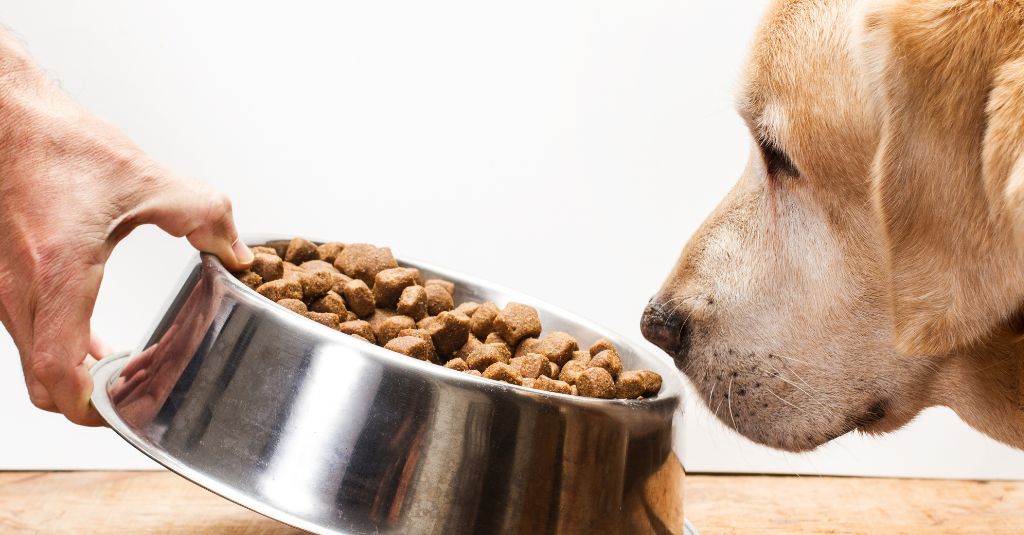
Appetite is one of the clearest, most accessible daily indicators of a pet’s overall health. Because you see your pet eat every day, you are naturally in the best position to establish what “normal” looks like for them. Whether they are a dog who inhales their meal in thirty seconds or a cat who prefers to graze throughout the afternoon, any noticeable shift in these established patterns can offer valuable insight into their physical and emotional well-being.
It helps to distinguish between a temporary bump in the road and a sign of an underlying medical concern
When facing a dog not eating, it helps to distinguish between a temporary bump in the road and a sign of an underlying medical concern. Dogs may occasionally turn up their nose at a bowl for benign, short-term reasons. Environmental shifts, such as a recent move, a new family member, hot weather, or mild stress from loud noises, can temporarily dampen a dog’s desire to eat. Similarly, minor dietary indiscretions (like sneaking a piece of rich table food) can lead to transient upset stomachs.
However, if you find yourself asking, “Why is my dog not eating?” for more than 24 to 48 hours, it becomes crucial to look deeper.
Persistent loss of appetite, clinically referred to as anorexia (or hyporexia when food intake is merely reduced), often stems from systemic issues. Common medical drivers include:
Anorexia in dogs is frequently a non-specific secondary response to systemic inflammation or visceral pain, making prompt veterinary evaluation vital when the behavior persists.
If you are a cat parent wondering, “Why is my cat not eating?“, it is important to treat this situation with heightened attention. While a dog can sometimes safely skip a meal or two, feline physiology responds far more drastically to periods of fasting.
Cats are obligate carnivores with unique metabolic pathways. When a cat stops eating, or significantly reduces their caloric intake over a few days, their body begins mobilizing fat stores to the liver for energy. This sudden influx of lipids can overwhelm the organ, leading to a serious, life-threatening condition called hepatic lipidosis (commonly known as fatty liver disease). A cat may stop eating due to:
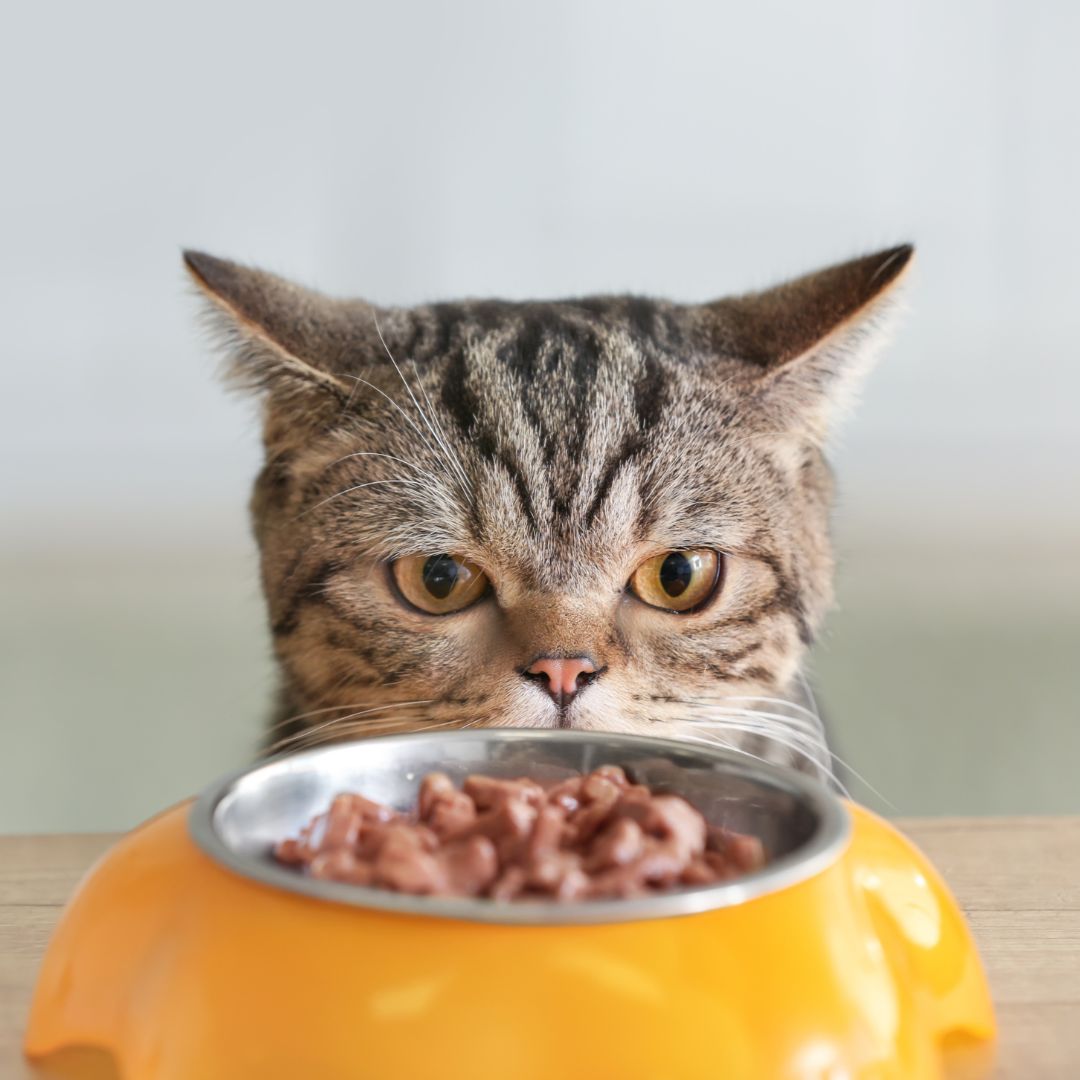
Early intervention for feline inappetence is critical to prevent the onset of metabolic complications like hepatic lipidosis. If your cat refuses food for more than 24 hours, contact your veterinarian promptly.
Appetite changes are not always as simple as a pet completely refusing their bowl. Shifts in eating behavior can manifest in subtle, varied ways:
There is a major clinical distinction between a pet who lacks an appetite (true anorexia) and a pet who wants to eat but physically cannot.
If your pet walks eagerly to their bowl, sniffs or licks at the food, attempts to chew, but then drops the kibble, whines, or tilts their head awkwardly, they are having trouble with apprehension or mastication. Common causes for this behavior include:
Dental pathology is one of the most underdiagnosed causes of altered eating habits in adult pets, often mistaken by owners for picky eating.
While a single skipped meal is rarely cause for immediate alarm, you should seek veterinary evaluation if an appetite change is accompanied by any of the following:
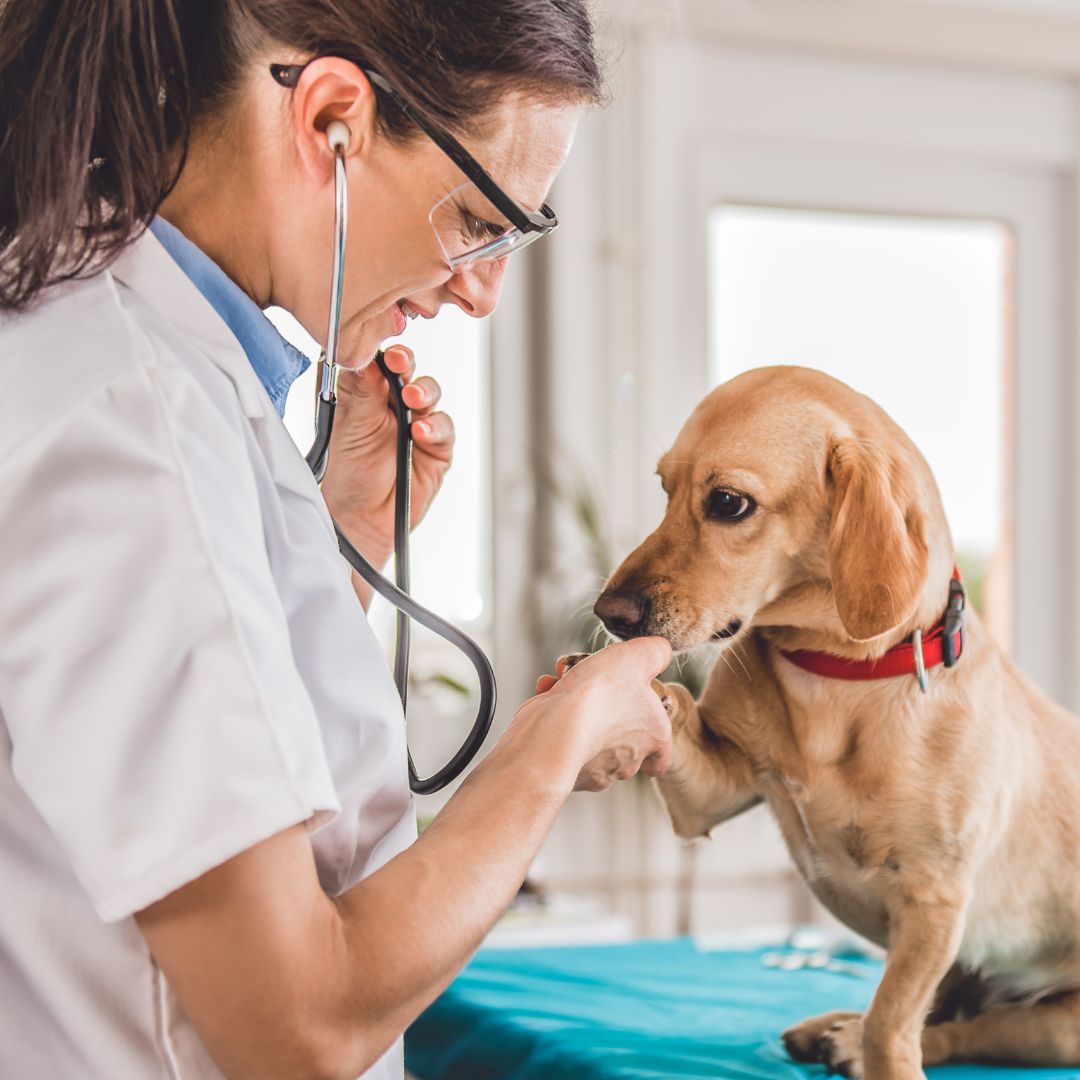
When pets experience temporary appetite fluctuations due to mild stress, age, or medical recovery, maintaining adequate hydration and balanced nutrition is a top clinical priority.
Always consult your veterinarian before offering home-cooked diets or human foods, as unbalanced meals can exacerbate underlying illness.
Addressing your pet’s appetite goes beyond encouraging them to finish a single meal; it is about establishing a long-term strategy that supports their overall health and vital organ function. Every pet has unique dietary requirements influenced by their age, breed, activity level, and underlying health status.
At NHV, we believe in a holistic, individualized approach to pet health. Developing a tailored Personalized Veterinarian Nutritional Plan helps pet parents navigate the complexities of pet food choices, home-cooked meal formulation, and proper dietary balance.
Complementing a solid nutritional foundation with wholesome, natural treats can also help you bond with and gently encourage your pet during training or stressful events. However, it is essential to remember that treats and custom dietary plans are meant to support everyday wellness and nutrition; they are not a replacement for medical diagnosis or treatment if your pet is experiencing unexplained, persistent appetite loss.
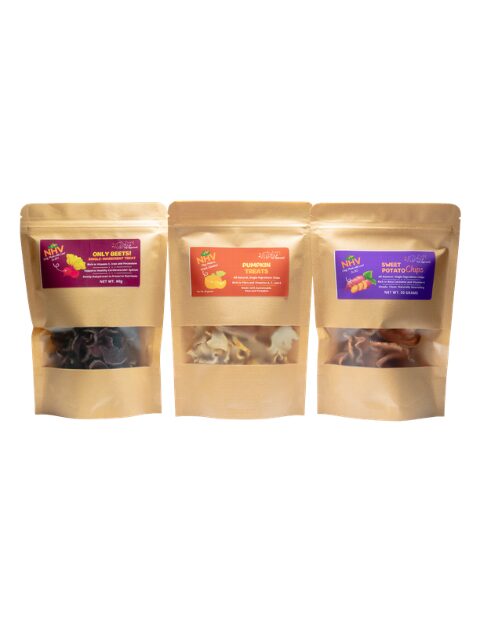
The Plant-Based Bundle from NHV Natural Pet Products provides a gentle, allergen-friendly option packed with natural fiber, vitamins, and antioxidants from nutrient-rich botanical ingredients like sweet potato, pumpkin, and beets, making it ideal for pets with protein sensitivities or delicate digestive systems. In contrast, The Protein Power Bundle (the meat-based alternative featuring single-ingredient options like beef liver and wild salmon) offers bioavailable protein, essential amino acids, and omega-3 fatty acids to help support strong muscle development, healthy joint function, and a vibrant skin and coat. Together, both bundles deliver clean, single-ingredient rewards that allow pet owners to tailor nutritional enrichment directly to their dog or cat’s specific dietary needs.
Your pet’s appetite is a window into their daily well-being. Pet parents don’t need to overanalyze every unfinished bite or occasional day of light eating, but understanding your furkid’s personal “normal” how much, how often, and how enthusiastically they eat- equips you to recognize meaningful changes early. By staying observant and working closely with your veterinary team, you can keep your companion feeling their best for years to come.
digestive support
Multi Essentials & Yucca
bundle and save with pet expert kits
3 month supply for a small to medium size pet
What Is It?
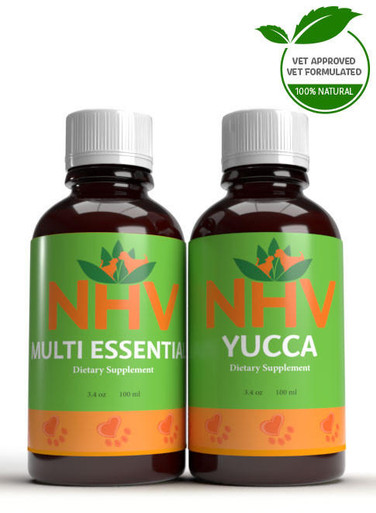
A vet-formulated bundle of natural supplements that support your pet’s metabolism, helping maintain a healthy weight, balanced cholesterol, and overall vitality.
How Does it Work?
Why Should I Trust It?
Pure herbal extracts, formulated and approved by vets.

What Is It?
A vet-formulated bundle of natural supplements that support your pet’s metabolism, helping maintain a healthy weight, balanced cholesterol, and overall vitality.
How Does it Work?
Why Should I Trust It?
Pure herbal extracts, formulated and approved by vets.
The key to a healthy weight, cholesterol level, and even diabetes could be your pet’s metabolism. Support your cat or dog’s metabolism with a combination of our revitalizing natural pet products.
Your pet’s metabolism is how they convert food into energy. That energy is used for everything from running and playing, to growing up healthy, to fighting off diseases. Metabolic disorders in both pets and people disrupt this natural flow, leading to possible weight gain, raised blood pressure, heightened cholesterol levels, and increased susceptibility to other illnesses such as heart disease and diabetes.
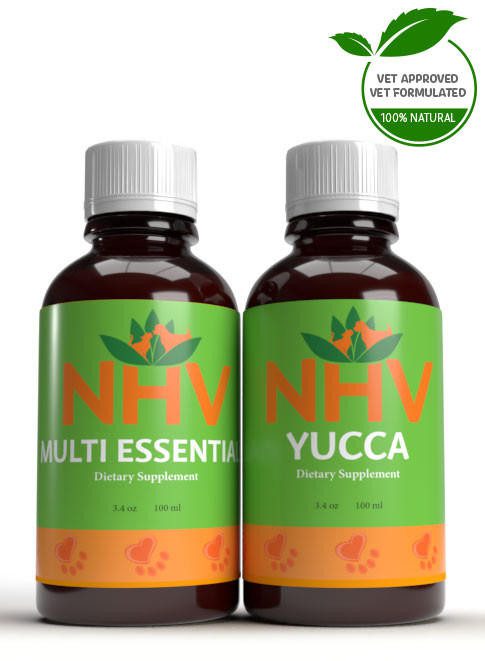
Metabolism Kit 1 is packed with healthy, safe ingredients that have been formulated to support positive metabolic health in cats and dogs. When used in combination, our Multi Essentials and Yucca supplements increase your dog or cat’s metabolism and target symptoms of age and metabolic deficiencies. A surplus of vitamins, minerals, found in these two products serve to help fill dietary gaps, promote nutrient absorption, and also provide benefits like anti-inflammatory properties.
NHV’s all-natural dog and cat metabolism aids are human-grade, third-party tested supplements. Call our pet expert hotline today to learn more about what you can do to maintain your pet’s overall wellness.
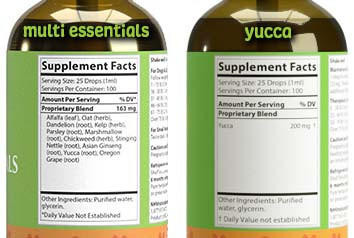
Alfalfa – Contains vitamins, minerals, and antioxidants
Asian Ginseng – Helps increase energy levels and supports carbohydrate and lipid metabolism.
Chickweed Contains ascorbic acid, beta-carotene, riboflavin, thiamin, and minerals like calcium, potassium, and zinc.
Dandelion – Is a great source of vitamins A, B, C, and D as well as minerals like iron, potassium, zinc, and phosphorus.
Kelp – is rich in vitamins, minerals, and enzymes including riboflavin, copper, manganese, and vitamins A, B12, B6, and C.
Marshmallow – Is high in calcium.
Oat – Contains protein, B vitamins, as well as vitamins E and K. Also is a source of minerals like magnesium, iron, and calcium.
Oregon Grape – Helps support healthy digestion and promotes nutrient absorption
Parsley - – Contains vitamins, minerals, and other nutrients that promote bone health and immune system support.
Stinging Nettle – Is rich in beta-carotene, lutein, and vitamins A, B, and K.
Yucca – Contains vitamin C and iron. Strengthens the immune system and reduces inflammation. Also contains properties that promote the absorption of nutrients in the intestinal membrane.
Select your pet's weight to determine the correct dose.
To be taken twice daily. Determine your pet’s weight and then use the easy chart below to determine the correct dose. This is the minimum dosage.
Pet's Weight Dosage
0 - 15 lb = 0.5 ml
16 - 30 lb = 1.0 ml
31 - 45 lb = 1.5 ml
46 - 60 lb = 2.0 ml
61 - 75 lb = 2.5 ml
Over 75 lb = 3.0 ml
For small animals (rabbits, ferrets), avians and reptiles use 1 drop for every 2 lb of body weight.
How to Administer
Shake well before use. The easiest method is to use the dropper provided and place the drops into your pet’s food or favorite treat. You can also use the dropper and squirt directly into the pet’s mouth. Some pets can be finicky, if this occurs consider hiding the drops in foods most pet’s love such as fish, chicken or yogurt or a favorite treat. If your pet only eats dry food then soak a few kibbles at feeding time.
For Best Results
Herbal dietary supplements are beneficial to the health and well-being of your pet and are safe for long-term use. Every pet responds to natural herbal supplements differently, therefore it is important to be consistent and administer the product daily. Supplements generally take two to four weeks to take effect, however this will vary from one animal to the next.
Product Storage
All NHV Natural Pet Products are pure herbal extracts and contain no artificial additives, preservatives or coloring. Shelf life after opening is 6 months and must be refrigerated after opening.
Cautions and Contraindications
Do not use in pregnant or nursing animals.
All information provided by NHV Natural Pet Products is for educational purposes only.
The key to a healthy weight, cholesterol level, and even diabetes could be your pet’s metabolism. Support your cat or dog’s metabolism with a combination of our revitalizing natural pet products.
Your pet’s metabolism is how they convert food into energy. That energy is used for everything from running and playing, to growing up healthy, to fighting off diseases. Metabolic disorders in both pets and people disrupt this natural flow, leading to possible weight gain, raised blood pressure, heightened cholesterol levels, and increased susceptibility to other illnesses such as heart disease and diabetes.
Metabolism Kit 1 is packed with healthy, safe ingredients that have been formulated to support positive metabolic health in cats and dogs. When used in combination, our Multi Essentials and Yucca supplements increase your dog or cat’s metabolism and target symptoms of age and metabolic deficiencies. A surplus of vitamins, minerals, found in these two products serve to help fill dietary gaps, promote nutrient absorption, and also provide benefits like anti-inflammatory properties.
NHV’s all-natural dog and cat metabolism aids are human-grade, third-party tested supplements. Call our pet expert hotline today to learn more about what you can do to maintain your pet’s overall wellness.
Alfalfa – Contains vitamins, minerals, and antioxidants
Asian Ginseng – Helps increase energy levels and supports carbohydrate and lipid metabolism.
Chickweed Contains ascorbic acid, beta-carotene, riboflavin, thiamin, and minerals like calcium, potassium, and zinc.
Dandelion – Is a great source of vitamins A, B, C, and D as well as minerals like iron, potassium, zinc, and phosphorus.
Kelp – is rich in vitamins, minerals, and enzymes including riboflavin, copper, manganese, and vitamins A, B12, B6, and C.
Marshmallow – Is high in calcium.
Oat – Contains protein, B vitamins, as well as vitamins E and K. Also is a source of minerals like magnesium, iron, and calcium.
Oregon Grape – Helps support healthy digestion and promotes nutrient absorption
Parsley - – Contains vitamins, minerals, and other nutrients that promote bone health and immune system support.
Stinging Nettle – Is rich in beta-carotene, lutein, and vitamins A, B, and K.
Yucca – Contains vitamin C and iron. Strengthens the immune system and reduces inflammation. Also contains properties that promote the absorption of nutrients in the intestinal membrane.
Select your pet's weight to determine the correct dose.
To be taken twice daily. Determine your pet’s weight and then use the easy chart below to determine the correct dose. This is the minimum dosage.
Pet's Weight Dosage
0 - 15 lb = 0.5 ml
16 - 30 lb = 1.0 ml
31 - 45 lb = 1.5 ml
46 - 60 lb = 2.0 ml
61 - 75 lb = 2.5 ml
Over 75 lb = 3.0 ml
For small animals (rabbits, ferrets), avians and reptiles use 1 drop for every 2 lb of body weight.
How to Administer
Shake well before use. The easiest method is to use the dropper provided and place the drops into your pet’s food or favorite treat. You can also use the dropper and squirt directly into the pet’s mouth. Some pets can be finicky, if this occurs consider hiding the drops in foods most pet’s love such as fish, chicken or yogurt or a favorite treat. If your pet only eats dry food then soak a few kibbles at feeding time.
For Best Results
Herbal dietary supplements are beneficial to the health and well-being of your pet and are safe for long-term use. Every pet responds to natural herbal supplements differently, therefore it is important to be consistent and administer the product daily. Supplements generally take two to four weeks to take effect, however this will vary from one animal to the next.
Product Storage
All NHV Natural Pet Products are pure herbal extracts and contain no artificial additives, preservatives or coloring. Shelf life after opening is 6 months and must be refrigerated after opening.
Cautions and Contraindications
Do not use in pregnant or nursing animals.
All information provided by NHV Natural Pet Products is for educational purposes only.
Beef Liver Jerky Dog Treats
Beef Liver, Salmon & Cod - Single Ingredient
Give your fur baby 1-5 pieces per day as a treat
What Is It?
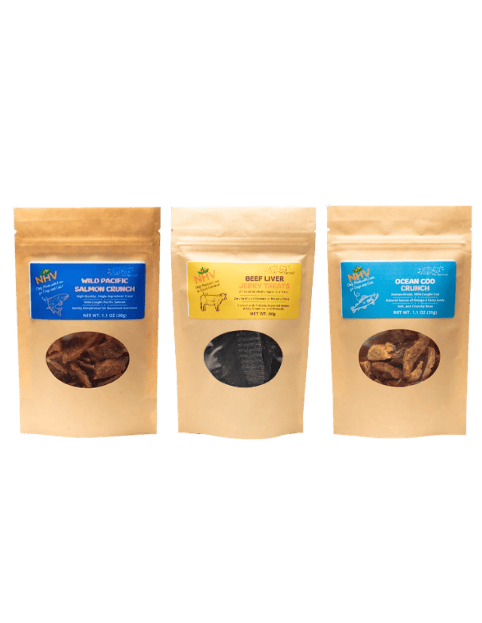
The Protein Power Bundle has all the high-protein dog treats your fur kid needs to keep those play sessions going strong, thanks to its muscle-healthy protein. With beef liver for muscle and bone strength, salmon jerky for skin and fur, and cod for lean protein, it’s a trio of real, single-ingredient meat and fish dog treats your little one will love.
What Makes It Great?
Why Should I Trust It?
NHV uses trusted suppliers to source the finest wild-caught salmon full of omega-3s and cod full of lean protein, free from antibiotics. Additionally, our beef liver comes from growth hormone-free cattle and never sees artificial ingredients - because your fur kid deserves the best!

What Is It?
The Protein Power Bundle has all the high-protein dog treats your fur kid needs to keep those play sessions going strong, thanks to its muscle-healthy protein. With beef liver for muscle and bone strength, salmon jerky for skin and fur, and cod for lean protein, it’s a trio of real, single-ingredient meat and fish dog treats your little one will love.
What Makes It Great?
Why Should I Trust It?
NHV uses trusted suppliers to source the finest wild-caught salmon full of omega-3s and cod full of lean protein, free from antibiotics. Additionally, our beef liver comes from growth hormone-free cattle and never sees artificial ingredients - because your fur kid deserves the best!
This is the Protein Power Bundle - the ultimate collection of treats for your fur kiddo.
We brought together three of our finest meat and fish-based treats to give your pet a wholesome and lip-licking boost of nutrition. Not only are they super flavorful and satisfyingly crunchy, but they’re also packed with natural protein and amino acids. They’re the perfect swap for helping to maintain strong muscles, whether they’re a growing fur kiddo or a senior who needs to be mindful about maintaining strength.
And they’re only real fish and real meat dog treats: no fillers, gluten, or preservatives. Instead, they’re gently dehydrated to lock in the bold flavors that will have them doing little happy dances.
Your fur kiddo will never grow bored with three delicious chef-made options to choose from:

Full of nutrients and highly motivating during training sessions, this treat is perfect for pets who need a little top-up of protein, vitamins, and minerals after lots of exercise. For instance, iron and vitamin B12 support red blood cell production, which may help keep your fur kid energetic and playful. On top of this, vitamin A and zinc help to keep their immune system ready for outdoor adventures.

From pristine ocean waters, this crunchy reward offers a natural source of omega-3 fatty acids, the healthy fats known to ease inflammation. It’s the tastiest way to support their joints. Salmon also supports brain wellness in fur kids thanks to DHA, a type of omega-3, which can also support eye development.
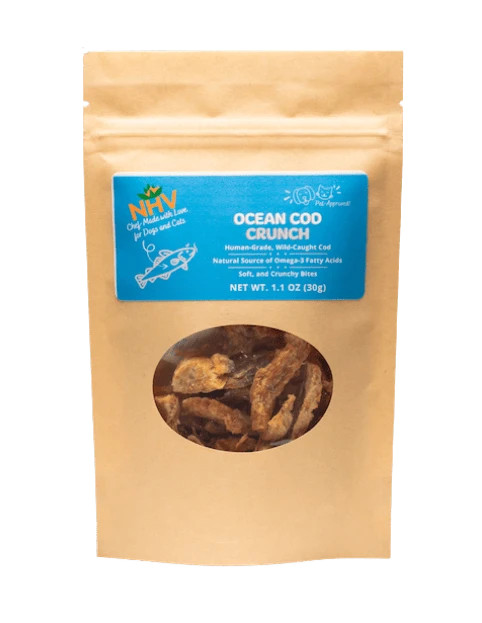
Made from only wild-caught cod, this flaky treat has lean protein and wholesome marine nutrients. It’s easy on the stomach and can support skin and fur thanks to its omega-3 content. Cod also contains natural anti-inflammatory properties that may help keep joints strong for hikes, beach days, and play sessions, whether they’re puppies or in their golden years.
Protein products are everywhere these days! We wanted to offer a high protein dog treat that is free from anything artificial, and with this bundle, you get three unique sources: beef liver, cod, and salmon! Use them for:
 Post-walk or playtime recoveryCrumbled up as a meal topperInside an enrichment toy for healthy funOr just a way to show you love them!
And remember: when it comes to protein, natural is best. Our proteins are sourced from high-quality ingredients that are completely free from growth hormones and antibiotics.
NHV Beef Liver Jerky: 100% dried beef liver
NHV Wild Pacific Salmon Crunch: 100% dried salmon
NHV Ocean Cod Crunch: 100% dried cod
Naturally preserved through dehydration - No artificial flavors, preservatives, colors, or additives
Feed as a treat or training reward between meals. Offer whole or break into smaller pieces.
Treats should comprise no more than 10% of your pet’s daily caloric intake. Always provide fresh water, and supervise your pet while giving treats. Store in a cool, dry place.
This is the Protein Power Bundle - the ultimate collection of treats for your fur kiddo.
We brought together three of our finest meat and fish-based treats to give your pet a wholesome and lip-licking boost of nutrition. Not only are they super flavorful and satisfyingly crunchy, but they’re also packed with natural protein and amino acids. They’re the perfect swap for helping to maintain strong muscles, whether they’re a growing fur kiddo or a senior who needs to be mindful about maintaining strength.
And they’re only real fish and real meat dog treats: no fillers, gluten, or preservatives. Instead, they’re gently dehydrated to lock in the bold flavors that will have them doing little happy dances.
Your fur kiddo will never grow bored with three delicious chef-made options to choose from:
Full of nutrients and highly motivating during training sessions, this treat is perfect for pets who need a little top-up of protein, vitamins, and minerals after lots of exercise. For instance, iron and vitamin B12 support red blood cell production, which may help keep your fur kid energetic and playful. On top of this, vitamin A and zinc help to keep their immune system ready for outdoor adventures.
From pristine ocean waters, this crunchy reward offers a natural source of omega-3 fatty acids, the healthy fats known to ease inflammation. It’s the tastiest way to support their joints. Salmon also supports brain wellness in fur kids thanks to DHA, a type of omega-3, which can also support eye development.
Made from only wild-caught cod, this flaky treat has lean protein and wholesome marine nutrients. It’s easy on the stomach and can support skin and fur thanks to its omega-3 content. Cod also contains natural anti-inflammatory properties that may help keep joints strong for hikes, beach days, and play sessions, whether they’re puppies or in their golden years.
Protein products are everywhere these days! We wanted to offer a high protein dog treat that is free from anything artificial, and with this bundle, you get three unique sources: beef liver, cod, and salmon! Use them for:
Post-walk or playtime recoveryCrumbled up as a meal topperInside an enrichment toy for healthy funOr just a way to show you love them!And remember: when it comes to protein, natural is best. Our proteins are sourced from high-quality ingredients that are completely free from growth hormones and antibiotics.
NHV Beef Liver Jerky: 100% dried beef liver
NHV Wild Pacific Salmon Crunch: 100% dried salmon
NHV Ocean Cod Crunch: 100% dried cod
Naturally preserved through dehydration - No artificial flavors, preservatives, colors, or additives
Feed as a treat or training reward between meals. Offer whole or break into smaller pieces.
Treats should comprise no more than 10% of your pet’s daily caloric intake. Always provide fresh water, and supervise your pet while giving treats. Store in a cool, dry place.
digestive support
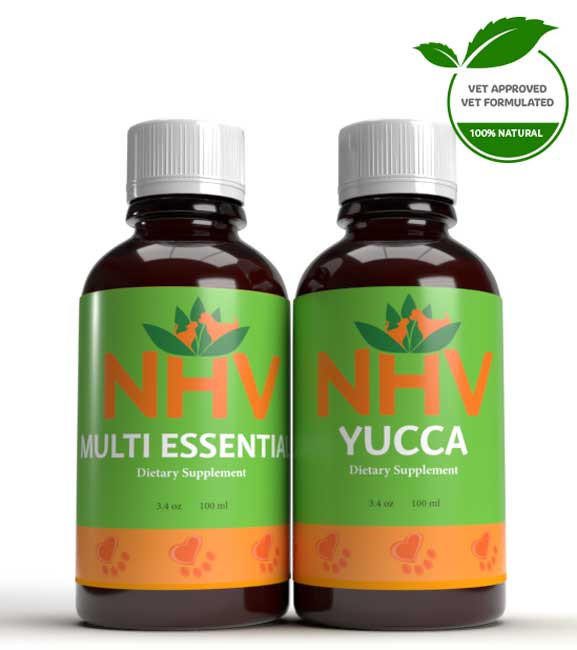
Yucca & Multi Essentials
bundle and save with pet expert kits
3 month supply for a small to medium size pet.
What is it?
NHV’s Digestion Kit is a comprehensive bundle that helps to soothe inflammation, encourage better absorption, and stimulate metabolism.
How Does it Work?
Why Should I Trust It?
Made with the finest, organically grown, or ethically harvested herbs.
What is it?
NHV’s Digestion Kit is a comprehensive bundle that helps to soothe inflammation, encourage better absorption, and stimulate metabolism.
How Does it Work?
Why Should I Trust It?
Made with the finest, organically grown, or ethically harvested herbs.
Regardless of your furkiddo’s age, it’s never easy to see them slowing down and having difficulties with their health. If your furry friend is having a tough time with their digestion, then they may not be able to break down and absorb all of the nutrients necessary for maintaining healthy skin, fur and overall health. Our Digestion Kit is formulated to help fill nutritional voids, improve absorption and overall gastrointestinal health.
Just like humans, as our pets age, they may be a little less energetic. That's totally normal! We all require different levels of support at different stages in our lives. Our Digestion Kit contains Yucca, and Multi Essentials, which is a supplement bundle designed to help our pets better absorb nutrients and trigger metabolism. Yucca contains a high level of antioxidant properties that are beneficial for promoting healthy appetite and improving absorption. When it comes to cat sensitive stomach and gastrointestinal dog care, the herbs in Multi Essentials provide many key vitamins and minerals for building and maintaining healthy GI tract health, promoting healthy metabolism, and helping to reduce fatigue. Ingredients like chickweed and dandelion are effective digestive tonics that may help to enhance absorption while herbs like Oregon grape help to reduce indigestion and malabsorption.
It’s great to know that there are ways to support your furkiddo’s digestion naturally! Other than adding natural supports to their daily meals, if you’re wondering about options for gastrointestinal dog care and cat care, a personalized diet for your pet, created by Dr. Amanda, is another great way to support your furry friend!
Made with the finest, organically grown, or ethically harvested herbs. Made specifically for pets, vet-formulated, and vet approved.
Multi Essentials
Select your pet's weight to determine the correct dose.
To be taken twice daily. Determine your pet’s weight and then use the easy chart below to determine the correct dose. This is the minimum dosage.
Pet's Weight Dosage
0 - 15 lb = 0.5 ml
16 - 30 lb = 1.0 ml
31 - 45 lb = 1.5 ml
46 - 60 lb = 2.0 ml
61 - 75 lb = 2.5 ml
Over 75 lb = 3.0 ml
How to Administer
Shake well before use. The easiest method is to use the dropper provided and place the drops into your pet’s food or favorite treat. You can also use the dropper and squirt directly into the pet’s mouth. Some pets can be finicky, if this occurs consider hiding the drops in foods most pet’s love such as fish, chicken or yogurt or a favorite treat. If your pet only eats dry food then soak a few kibbles at feeding time.
For Best Results
Herbal dietary supplements are beneficial to the health and well-being of your pet and are safe for long-term use. Every pet responds to natural herbal supplements differently, therefore it is important to be consistent and administer the product daily. Supplements generally take two to four weeks to take effect, however this will vary from one animal to the next.
Product Storage
All NHV Natural Pet Products are pure herbal extracts and contain no artificial additives, preservatives or coloring. Shelf life after opening is 6 months and must be refrigerated after opening.
All information provided by NHV Natural Pet Products is for educational purposes only.
Regardless of your furkiddo’s age, it’s never easy to see them slowing down and having difficulties with their health. If your furry friend is having a tough time with their digestion, then they may not be able to break down and absorb all of the nutrients necessary for maintaining healthy skin, fur and overall health. Our Digestion Kit is formulated to help fill nutritional voids, improve absorption and overall gastrointestinal health.
Just like humans, as our pets age, they may be a little less energetic. That's totally normal! We all require different levels of support at different stages in our lives. Our Digestion Kit contains Yucca, and Multi Essentials, which is a supplement bundle designed to help our pets better absorb nutrients and trigger metabolism. Yucca contains a high level of antioxidant properties that are beneficial for promoting healthy appetite and improving absorption. When it comes to cat sensitive stomach and gastrointestinal dog care, the herbs in Multi Essentials provide many key vitamins and minerals for building and maintaining healthy GI tract health, promoting healthy metabolism, and helping to reduce fatigue. Ingredients like chickweed and dandelion are effective digestive tonics that may help to enhance absorption while herbs like Oregon grape help to reduce indigestion and malabsorption.
It’s great to know that there are ways to support your furkiddo’s digestion naturally! Other than adding natural supports to their daily meals, if you’re wondering about options for gastrointestinal dog care and cat care, a personalized diet for your pet, created by Dr. Amanda, is another great way to support your furry friend!
Made with the finest, organically grown, or ethically harvested herbs. Made specifically for pets, vet-formulated, and vet approved.
Multi Essentials
Select your pet's weight to determine the correct dose.
To be taken twice daily. Determine your pet’s weight and then use the easy chart below to determine the correct dose. This is the minimum dosage.
Pet's Weight Dosage
0 - 15 lb = 0.5 ml
16 - 30 lb = 1.0 ml
31 - 45 lb = 1.5 ml
46 - 60 lb = 2.0 ml
61 - 75 lb = 2.5 ml
Over 75 lb = 3.0 ml
How to Administer
Shake well before use. The easiest method is to use the dropper provided and place the drops into your pet’s food or favorite treat. You can also use the dropper and squirt directly into the pet’s mouth. Some pets can be finicky, if this occurs consider hiding the drops in foods most pet’s love such as fish, chicken or yogurt or a favorite treat. If your pet only eats dry food then soak a few kibbles at feeding time.
For Best Results
Herbal dietary supplements are beneficial to the health and well-being of your pet and are safe for long-term use. Every pet responds to natural herbal supplements differently, therefore it is important to be consistent and administer the product daily. Supplements generally take two to four weeks to take effect, however this will vary from one animal to the next.
Product Storage
All NHV Natural Pet Products are pure herbal extracts and contain no artificial additives, preservatives or coloring. Shelf life after opening is 6 months and must be refrigerated after opening.
All information provided by NHV Natural Pet Products is for educational purposes only.
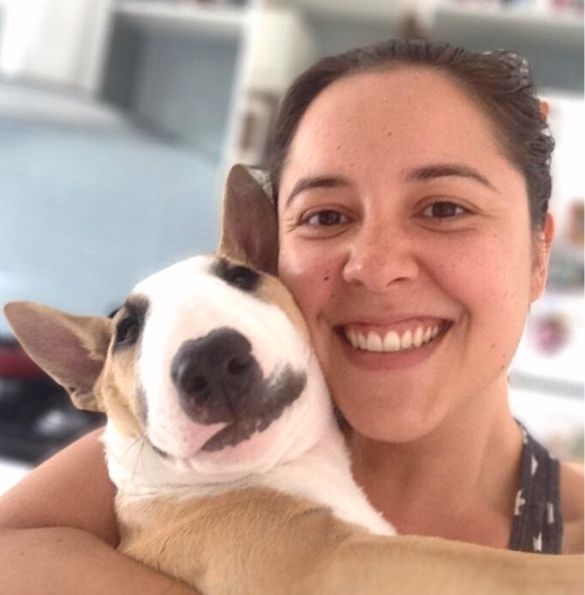
Dr. Barbara is a veterinarian from Brazil with a specialty in pet nutrition. She completed her Bachelor’s degree in Veterinary Medicine in 2006 from the University of Uberaba. In 2010, Dr. Barbara received her Master’s of Science in Pet Nutrition from the Federal University of Minas Gerais. She has over 15 years of experience in research and development in the pet food industry. When Barbara isn’t helping pet parents, you can find her spending time with her family, including her senior dog, Caze.
Published: September 29, 2026
The Plant-Based Bundle
Beets, Pumpkin & Sweet Potato - Single Ingredient
Give your fur baby 1-5 pieces per day as a treat
What Is It?
Get your fur kid to eat their veggies and even ask for more! This trio of plant-based pet treats is as pure and wholesome as your little one, with a taste that will bring out their big smiles (and even a little drool). They’re naturally rich in antioxidants, fiber, vitamins, and minerals, so you can feel good about giving these three out when treat time rolls around.
What Makes It Great?
Why Should I Trust It?
NHV treats are made by professionals in a CFIA-inspected facility-certified kitchen with high-quality ingredients. Because those ingredients are locally sourced and sustainable, they’re good for your fur kid and the planet!

What Is It?
Get your fur kid to eat their veggies and even ask for more! This trio of plant-based pet treats is as pure and wholesome as your little one, with a taste that will bring out their big smiles (and even a little drool). They’re naturally rich in antioxidants, fiber, vitamins, and minerals, so you can feel good about giving these three out when treat time rolls around.
What Makes It Great?
Why Should I Trust It?
NHV treats are made by professionals in a CFIA-inspected facility-certified kitchen with high-quality ingredients. Because those ingredients are locally sourced and sustainable, they’re good for your fur kid and the planet!
This is the Plant-Based Bundle - three gourmet, chef-made vegan treats made from dehydrated veggies and nothing else.
Can’t pick between the awesome benefits of our plant-based pet treats? With the Plant-Based Bundle, your fur kid can get all three of our gourmet, chef-made vegan dog treats made from dehydrated veggies.
These treats are satisfyingly crunchy and packed with the kind of nutrients that only real veggies can provide. That’s why we use only one single ingredient without any fillers, wheat, or gluten. Just the good stuff for your good boy or good girl!
By gently dehydrating each ingredient, we lock it all in - natural vitamins, fiber, and bright flavors - without relying on a single artificial preservative. Because why would you need anything else?
Three drool-worthy, single-ingredient treats to keep treat time exciting:
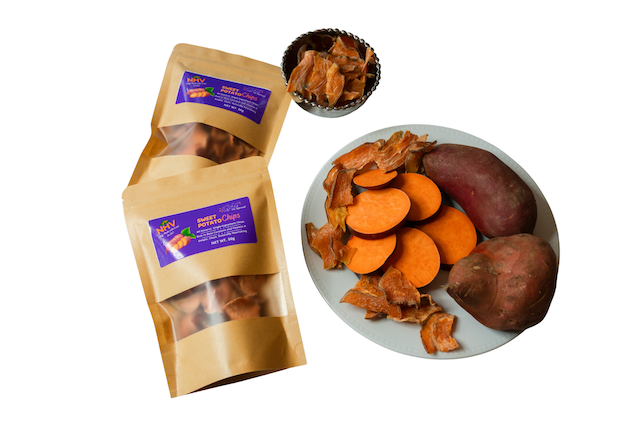
Golden and naturally tasty, these single-ingredient slices are full of beta-carotenes, the antioxidant known for benefiting the eyes. Sweet potato is also a favorite treat for pets with digestive troubles because it offers tons of dietary fiber to help keep things running smoothly. Finally, sweet potatoes are a natural source of antioxidants, which may help to protect your fur kid’s cells from damage.
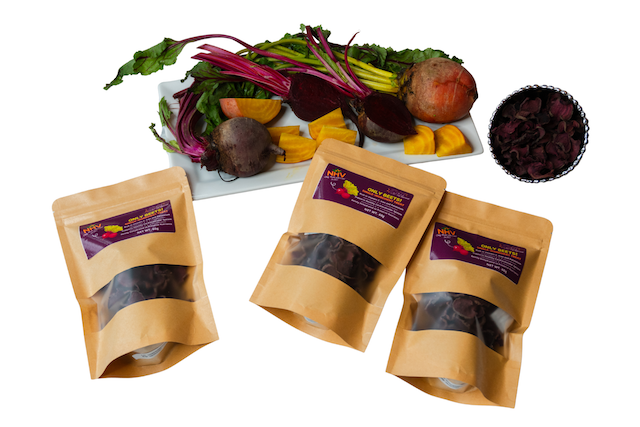
These deep red crunchy bites are a whole food filled with natural vitamins. Loaded with heart-supportive compounds like antioxidants yet naturally low in calories, they’re a treat that’s a great swap for calorie-dense treats while supporting movement. That’s because beets are a rich source of dietary nitrates, which help to encourage blood flow to the heart and throughout the body. Plus, they’re known for their potential to help ease inflammation thanks to a compound called “betalains,” which also provide their signature red color.
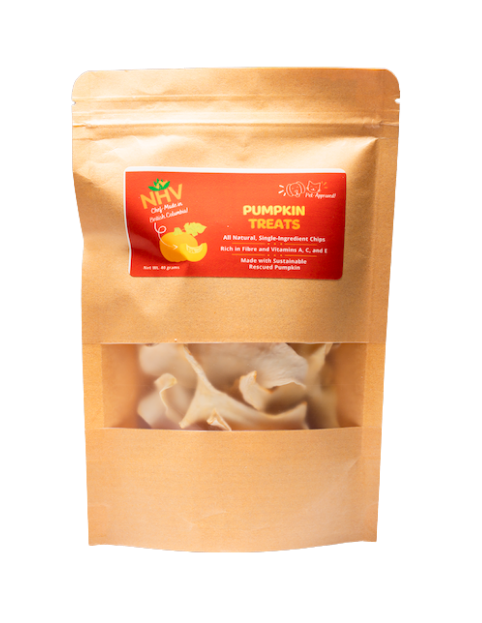
Crafted from sustainably rescued produce, these dehydrated pumpkin bites are a digestive powerhouse. Pumpkin is famous for supporting smooth, healthy digestion and firm stools, making it a great daily snack for sensitive tummies. On top of that, it’s naturally low in calories but high in nutrition. With vitamins A, C, and E, it may help support the immune system, while natural pigments called beta-carotenes can support the skin.
These plant-powered goodies can fit perfectly into your fur kid’s routine. You can easily use them as:
High-reward training treats that keep them focusedNutritious food toppers to keep mealtime interestingMental stimulation tucked inside an enrichment toyA simple way to say “I love you”Every choice you make builds a stronger foundation for your pet’s long-term wellness. Treat your champion to the pure, clean power of plants today!
NHV Sweet Potato Chips: 100% dried sweet potato
NHV Only Beets!: 100% dried beets
NHV Pumpkin Treats: 100% dried pumpkin
Naturally preserved through dehydration - No artificial flavors, preservatives, colors, or additives
Feed as a treat or training reward between meals. Offer whole or break into smaller pieces.
Treats should comprise no more than 10% of your pet’s daily caloric intake. Always provide fresh water, and supervise your pet while giving treats. Store in a cool, dry place.
This is the Plant-Based Bundle - three gourmet, chef-made vegan treats made from dehydrated veggies and nothing else.
Can’t pick between the awesome benefits of our plant-based pet treats? With the Plant-Based Bundle, your fur kid can get all three of our gourmet, chef-made vegan dog treats made from dehydrated veggies.
These treats are satisfyingly crunchy and packed with the kind of nutrients that only real veggies can provide. That’s why we use only one single ingredient without any fillers, wheat, or gluten. Just the good stuff for your good boy or good girl!
By gently dehydrating each ingredient, we lock it all in - natural vitamins, fiber, and bright flavors - without relying on a single artificial preservative. Because why would you need anything else?
Three drool-worthy, single-ingredient treats to keep treat time exciting:
Golden and naturally tasty, these single-ingredient slices are full of beta-carotenes, the antioxidant known for benefiting the eyes. Sweet potato is also a favorite treat for pets with digestive troubles because it offers tons of dietary fiber to help keep things running smoothly. Finally, sweet potatoes are a natural source of antioxidants, which may help to protect your fur kid’s cells from damage.
These deep red crunchy bites are a whole food filled with natural vitamins. Loaded with heart-supportive compounds like antioxidants yet naturally low in calories, they’re a treat that’s a great swap for calorie-dense treats while supporting movement. That’s because beets are a rich source of dietary nitrates, which help to encourage blood flow to the heart and throughout the body. Plus, they’re known for their potential to help ease inflammation thanks to a compound called “betalains,” which also provide their signature red color.
Crafted from sustainably rescued produce, these dehydrated pumpkin bites are a digestive powerhouse. Pumpkin is famous for supporting smooth, healthy digestion and firm stools, making it a great daily snack for sensitive tummies. On top of that, it’s naturally low in calories but high in nutrition. With vitamins A, C, and E, it may help support the immune system, while natural pigments called beta-carotenes can support the skin.
These plant-powered goodies can fit perfectly into your fur kid’s routine. You can easily use them as:
High-reward training treats that keep them focusedNutritious food toppers to keep mealtime interestingMental stimulation tucked inside an enrichment toyA simple way to say “I love you”Every choice you make builds a stronger foundation for your pet’s long-term wellness. Treat your champion to the pure, clean power of plants today!
NHV Sweet Potato Chips: 100% dried sweet potato
NHV Only Beets!: 100% dried beets
NHV Pumpkin Treats: 100% dried pumpkin
Naturally preserved through dehydration - No artificial flavors, preservatives, colors, or additives
Feed as a treat or training reward between meals. Offer whole or break into smaller pieces.
Treats should comprise no more than 10% of your pet’s daily caloric intake. Always provide fresh water, and supervise your pet while giving treats. Store in a cool, dry place.