Supraglan
USD $50.95
free shipping over $100 (USA & Canada)
1-877-937-4372 the pet expert hotline

Natural Support for Hyperthyroidism in Cats & Pets
Understanding thyroid disorders in dogs and cats is crucial for pet owners, as these conditions can significantly impact their pets’ health and quality of life. This guide will help you recognize the key differences between hyperthyroidism and hypothyroidism in pets, focusing on causes, symptoms, diagnosis, and supportive care options.
The thyroid gland is a small, butterfly-shaped organ
The thyroid gland is a small, butterfly-shaped organ located in your pet’s neck. It produces hormones, primarily thyroxine (T4) and triiodothyronine (T3), that regulate metabolism, energy levels, and the function of many organs. These hormones influence various aspects of the body, including body temperature, weight, heart rate, and skin health. Maintaining a proper balance of thyroid hormones is crucial: too little or too much can disrupt your pet’s overall well-being and lead to a range of health issues.
The difference between hyperthyroidism and hypothyroidism in pets is most apparent when comparing how these conditions affect dogs and cats. Here’s a side-by-side look:
| Feature | Hypothyroidism in Dogs | Hypothyroidism in Cats | Hyperthyroidism in Cats | Hyperthyroidism in Dogs |
| Prevalence | Common | Rare (usually congenital) | Very common in older cats | Rare (usually due to cancer) |
| Typical Age | Middle-aged to older | Kittens (if congenital) | Senior (10+) | Middle-aged to older |
| Main Cause | Autoimmune thyroiditis, gland atrophy | Congenital, rare if acquired | Benign thyroid adenoma | Thyroid carcinoma (malignant) |
| Key Symptoms | Lethargy, weight gain, hair loss, skin issues, cold intolerance | Lethargy, obesity, hair changes | Weight loss, increased appetite, hyperactivity, vomiting, rapid heart rate | Weight loss, increased appetite, hyperactivity (rare) |
| Species Most Affected | More commonly dogs | Rare in cats | More commonly cats | Rare in dogs |
Diagnosing thyroid disorders in pets involves a combination of clinical evaluation and laboratory testing:
While veterinary treatment is essential, natural support can help improve your little one’s quality of life.
A balanced diet rich in essential nutrients (amino acids, iodine, selenium, zinc, vitamins, and antioxidants) supports thyroid health.
Some holistic veterinarians may recommend supplements such as kelp (for iodine), omega-3 fatty acids, or herbal blends designed to support thyroid metabolism and skin health.
NHV Thyro-Up and NHV Multi Essentials are our go-to supports for hypothyroidism. Thyro-Up supports the thyroid gland in pets with hypothyroidism, as well as its associated symptoms. Multi Essentials brings overall health, including the skin and coat, which is often negatively affected during hypothyroidism.
A diet formulated to support kidney and heart health is important, as these organs can be affected by the disease.
As an herbal blend, NHV Resthyro is recommended as it may help balance thyroid hormone levels in pets with hyperthyroidism. Additionally, regular monitoring and hydration are also key. Furthermore, a diet formulated to support kidney and heart health is important, as these organs can be affected when the thyroid is overactive.
Understanding the difference between thyroid disorders in dogs and cats is crucial for pet parents. Hypothyroidism is common in dogs and rare in cats, while hyperthyroidism is common in older cats and rare in dogs. Both conditions require veterinary diagnosis and ongoing management, but with the right care, including natural support, pets with thyroid disorders can live happy, healthy lives.
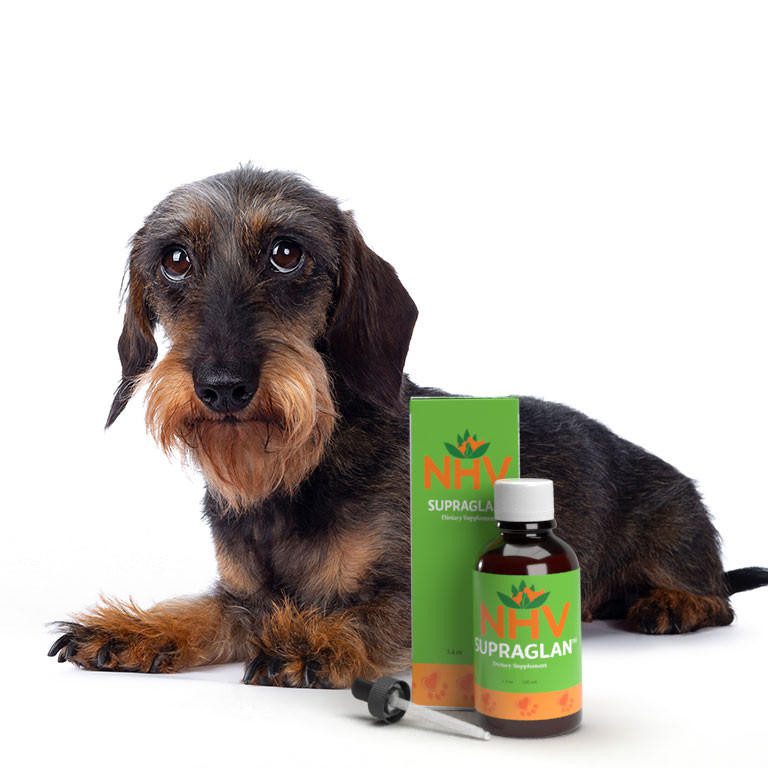
Supraglan - support healthy adrenal function


Supraglan - support healthy adrenal function
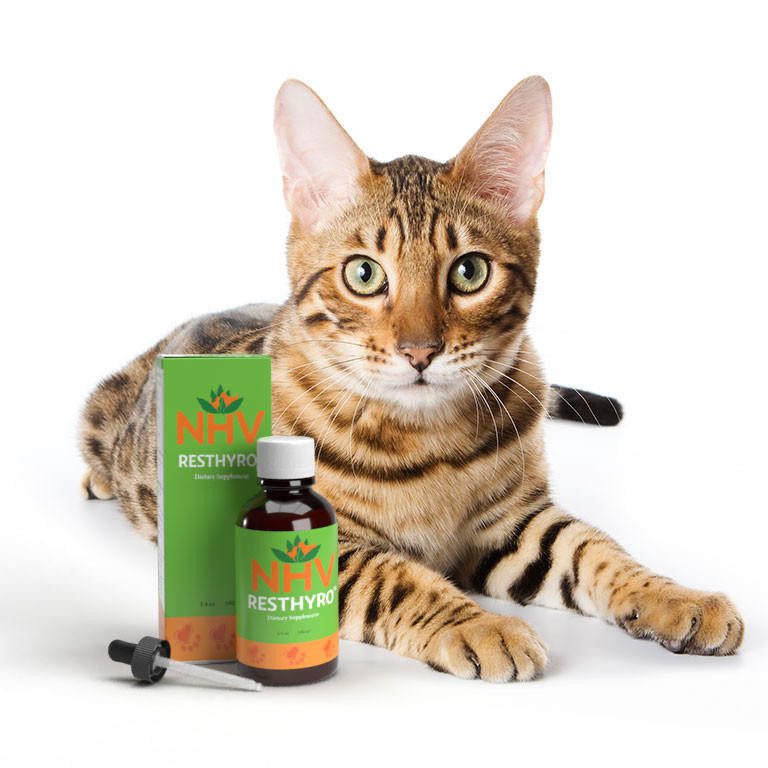
Resthyro -helps balance thyroid function in pet hat have a hyperactive thyroid


Resthyro -helps balance thyroid function in pet hat have a hyperactive thyroid
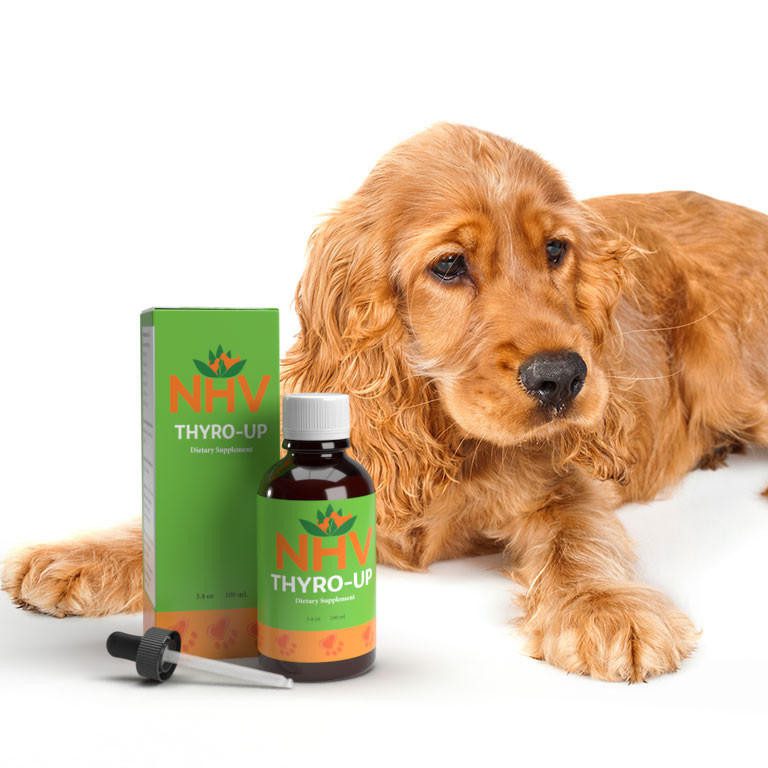
Thyro UP- natural support to help pets dealing with hypothyroidism


Thyro UP- natural support to help pets dealing with hypothyroidism
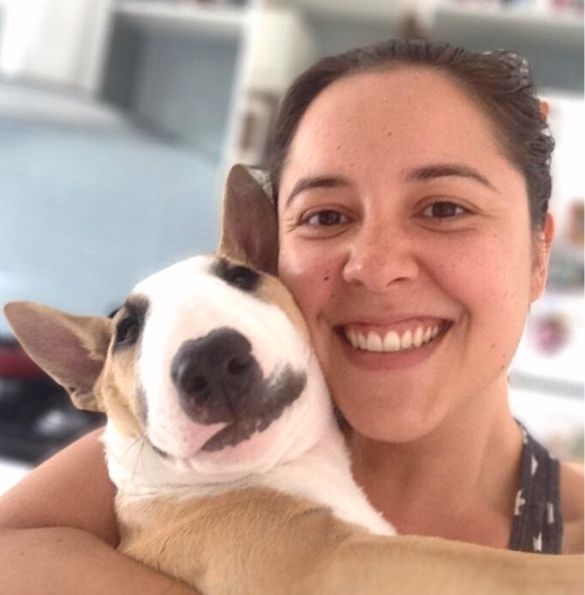
Dr. Barbara is a veterinarian from Brazil with a specialty in pet nutrition. She completed her Bachelor’s degree in Veterinary Medicine in 2006 from the University of Uberaba. In 2010, Dr. Barbara received her Master’s of Science in Pet Nutrition from the Federal University of Minas Gerais. She has over 15 years of experience in research and development in the pet food industry. When Barbara isn’t helping pet parents, you can find her spending time with her family, including her senior dog, Caze.
Published: August 19, 2025
hyperthyroidism support
Natural Support for Hyperthyroidism in Cats & Pets
bundle and save with pet expert kits
3 month supply for a small to medium size pet
What is it?
A complete kit to support your pet through symptoms of hyperthyroidism.
How Does it Work?
Why Should I Trust It?
Safe to use long-term, vet-formulated, and vet-approved.


What is it?
A complete kit to support your pet through symptoms of hyperthyroidism.
How Does it Work?
Why Should I Trust It?
Safe to use long-term, vet-formulated, and vet-approved.
This supplement has been formulated combining several different herbs that are known to help control thyroid hormone production, and support heart circulatory and kidney function.
When using supplements to support hyperthyroidism it is important that the organs most affected by the condition are supported as well. Turmeric contains curcumin, which is a powerful antioxidant that makes it beneficial for discomfort and inflammation. Research has found that it is a powerful herb for heart health. It helps with hypertension, lowers bad cholesterol and supports both the heart and liver function. It is also beneficial in aiding digestion and diarrhea in cats and dogs.
Natural Support and can be used in conjunction with Vet-Prescribed Treatment of Hyperthyroidism in Cats
Hyperthyroidism is a common condition seen in middle-aged to older cats. This condition is exceedingly rare in dogs. Hyperthyroidism is caused when there is an overproduction of thyroid hormones T3 and T4. As the thyroid hormones control the function of nearly all the organs, it is common to see secondary health conditions such as heart disease, hypertension, and kidney disease.
With NHV’s Hyperthyroidism Gold Support Kit, you will get an effective blend of herbs that are safe to use long-term and are vet-recommended natural treatments for hyperthyroidism in cats. Find out how Penny improved her quality of life with NHV’s plant-based products.
Read more about hyperthyroidism medicine for cats on our blog at Vet Talk with Dr. Hillary Cook, because at NHV we want to support pet parents to help their fur babies in every way possible.
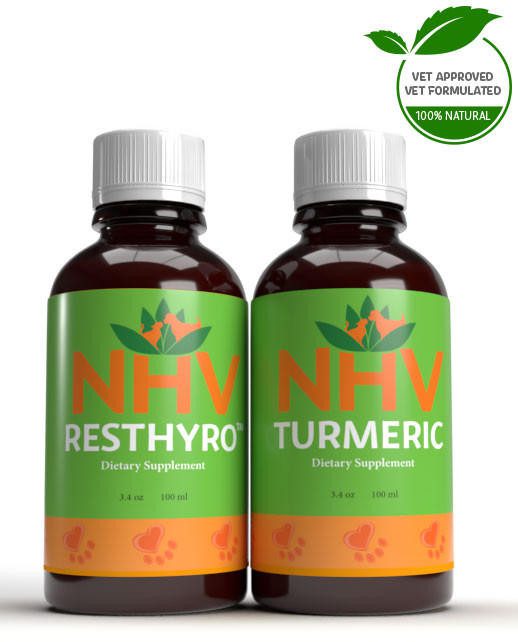
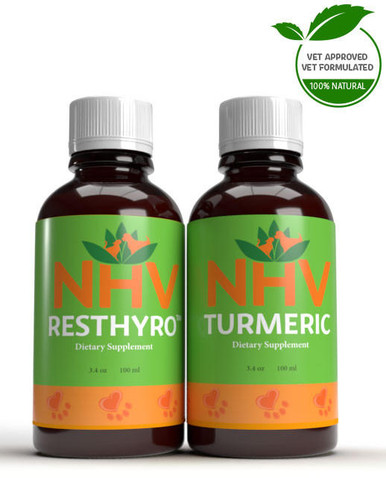
NHV’s Hyperthyroidism Gold Support Kit contains two potent blends of vet-formulated herbal supplements that may help support your cat’s thyroid as well as the overall function of the thyroid gland.
1.NHV’s Resthyro — A powerful blend of herbs that help control thyroid function as well as supporting heart circulation and kidney function make this a great additional support as well as being a vet-recommended natural support for hyperthyroidism in cats.
2.NHV’s Turmeric — A potent antioxidant and anti-inflammatory that contains curcumin, which is highly effective for discomfort and inflammation. This herb also aids in
Select your pet's weight to determine the correct dose.
To be taken twice daily. Determine your pet’s weight and then use the easy chart below to determine the correct dose. This is the minimum dosage.
Pet's Weight Dosage
0 - 15 lb = 0.5 ml
16 - 30 lb = 1.0 ml
31 - 45 lb = 1.5 ml
46 - 60 lb = 2.0 ml
61 - 75 lb = 2.5 ml
Over 75 lb = 3.0 ml
For small animals (rabbits, ferrets), avians and reptiles use 1 drop for every 2 lb of body weight.
How to Administer
Shake well before use. The easiest method is to use the dropper provided and place the drops into your pet’s food or favorite treat. You can also use the dropper and squirt directly into the pet’s mouth. Some pets can be finicky, if this occurs consider hiding the drops in foods most pet’s love such as fish, chicken or yogurt or a favorite treat. If your pet only eats dry food then soak a few kibbles at feeding time.
For Best Results
Herbal dietary supplements are beneficial to the health and well-being of your pet and are safe for long-term use. Every pet responds to natural herbal supplements differently, therefore it is important to be consistent and administer the product daily. Supplements generally take two to four weeks to take effect, however this will vary from one animal to the next.
Product Storage
All NHV Natural Pet Products are pure herbal extracts and contain no artificial additives, preservatives or coloring. Shelf life after opening is 6 months and must be refrigerated after opening.
Cautions and Contraindications
Do not use in pregnant or nursing animals.
All information provided by NHV Natural Pet Products is for educational purposes only.
This supplement has been formulated combining several different herbs that are known to help control thyroid hormone production, and support heart circulatory and kidney function.
When using supplements to support hyperthyroidism it is important that the organs most affected by the condition are supported as well. Turmeric contains curcumin, which is a powerful antioxidant that makes it beneficial for discomfort and inflammation. Research has found that it is a powerful herb for heart health. It helps with hypertension, lowers bad cholesterol and supports both the heart and liver function. It is also beneficial in aiding digestion and diarrhea in cats and dogs.
Natural Support and can be used in conjunction with Vet-Prescribed Treatment of Hyperthyroidism in Cats
Hyperthyroidism is a common condition seen in middle-aged to older cats. This condition is exceedingly rare in dogs. Hyperthyroidism is caused when there is an overproduction of thyroid hormones T3 and T4. As the thyroid hormones control the function of nearly all the organs, it is common to see secondary health conditions such as heart disease, hypertension, and kidney disease.
With NHV’s Hyperthyroidism Gold Support Kit, you will get an effective blend of herbs that are safe to use long-term and are vet-recommended natural treatments for hyperthyroidism in cats. Find out how Penny improved her quality of life with NHV’s plant-based products.
Read more about hyperthyroidism medicine for cats on our blog at Vet Talk with Dr. Hillary Cook, because at NHV we want to support pet parents to help their fur babies in every way possible.
NHV’s Hyperthyroidism Gold Support Kit contains two potent blends of vet-formulated herbal supplements that may help support your cat’s thyroid as well as the overall function of the thyroid gland.
1.NHV’s Resthyro — A powerful blend of herbs that help control thyroid function as well as supporting heart circulation and kidney function make this a great additional support as well as being a vet-recommended natural support for hyperthyroidism in cats.
2.NHV’s Turmeric — A potent antioxidant and anti-inflammatory that contains curcumin, which is highly effective for discomfort and inflammation. This herb also aids in
Select your pet's weight to determine the correct dose.
To be taken twice daily. Determine your pet’s weight and then use the easy chart below to determine the correct dose. This is the minimum dosage.
Pet's Weight Dosage
0 - 15 lb = 0.5 ml
16 - 30 lb = 1.0 ml
31 - 45 lb = 1.5 ml
46 - 60 lb = 2.0 ml
61 - 75 lb = 2.5 ml
Over 75 lb = 3.0 ml
For small animals (rabbits, ferrets), avians and reptiles use 1 drop for every 2 lb of body weight.
How to Administer
Shake well before use. The easiest method is to use the dropper provided and place the drops into your pet’s food or favorite treat. You can also use the dropper and squirt directly into the pet’s mouth. Some pets can be finicky, if this occurs consider hiding the drops in foods most pet’s love such as fish, chicken or yogurt or a favorite treat. If your pet only eats dry food then soak a few kibbles at feeding time.
For Best Results
Herbal dietary supplements are beneficial to the health and well-being of your pet and are safe for long-term use. Every pet responds to natural herbal supplements differently, therefore it is important to be consistent and administer the product daily. Supplements generally take two to four weeks to take effect, however this will vary from one animal to the next.
Product Storage
All NHV Natural Pet Products are pure herbal extracts and contain no artificial additives, preservatives or coloring. Shelf life after opening is 6 months and must be refrigerated after opening.
Cautions and Contraindications
Do not use in pregnant or nursing animals.
All information provided by NHV Natural Pet Products is for educational purposes only.