




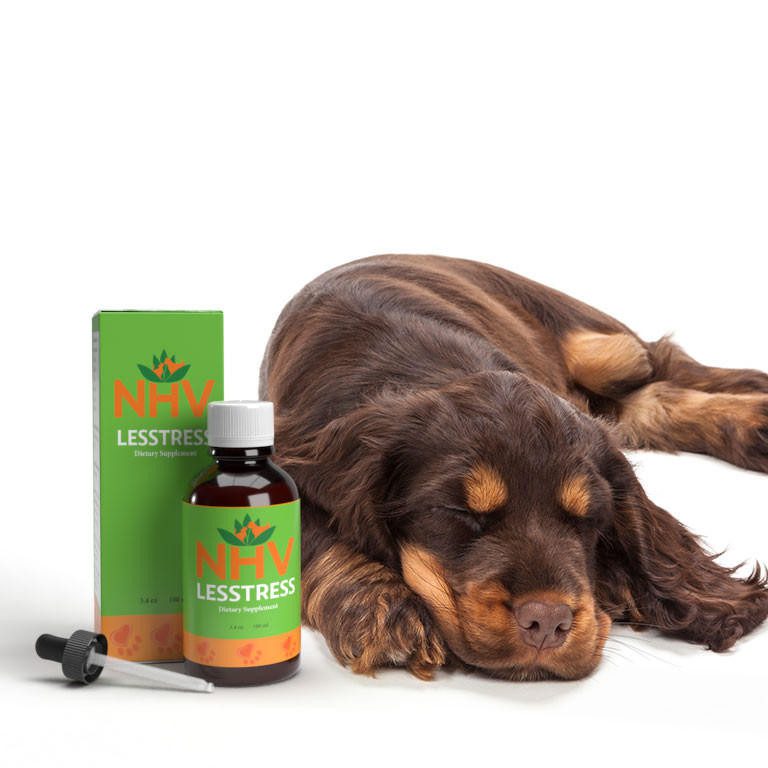
Lesstress for Pets – Stress and Anxiety Support
USD $47.95
Add to Cart
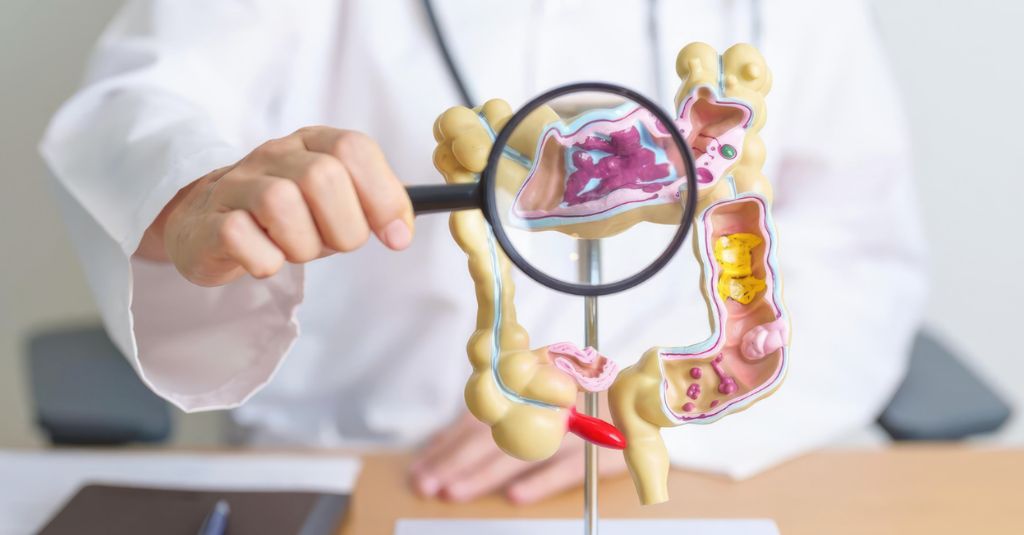
As pet owners, we often associate stress with changes in behavior, such as hiding, barking, or becoming clingier. However, stress affects much more than your pet’s emotions. It can have a significant impact on physical health, especially the digestive system.
Pets have a strong connection between their brain and their gut
Just like people, pets have a strong connection between their brain and their gut. Understanding this relationship can help owners recognize early signs of illness and take steps to keep their pets healthy and comfortable.
Understanding the Gut–Brain Connection
The digestive system and the brain communicate continuously through what veterinarians refer to as the gut–brain axis. This communication allows the body to respond quickly to changes in the environment.
When a pet experiences stress, the body releases hormones such as cortisol and adrenaline. These hormones are designed to help the body respond to challenges, but they also affect normal digestion by:
- Altering intestinal movement
- Reducing digestive efficiency
- Changing appetite
- Disrupting the balance of beneficial gut bacteria
- Increasing inflammation within the digestive tract
As a result, emotional stress can often lead to physical digestive problems.
Common Sources of Stress in Pets
Many everyday situations can cause stress for our pets, including:
- Moving to a new home
- Boarding or traveling
- Introducing a new pet or family member
- Loud noises such as fireworks or thunderstorms
- Separation from their owner
- Changes in daily routine
- Veterinary visits
- Pain or chronic illness
What may seem like a minor change to us can feel overwhelming to a dog or cat.
Recognizing the Signs
Stress can present itself through both behavioral and digestive changes.
Behavioral Signs
- Hiding
- Excessive barking or meowing
- Panting
- Trembling
- Restlessness
- Increased aggression
- Excessive grooming
Digestive Signs
- Vomiting
- Diarrhea
- Constipation
- Reduced appetite
- Eating too quickly or refusing food
- Increased gas
- Weight loss
If digestive problems occur repeatedly during stressful events, stress may be an important contributing factor.
How Stress Affects Digestive Health
Stress can contribute to several digestive disorders.
Acute Stress Colitis
Dogs may develop inflammation of the large intestine after stressful situations such as boarding, travel, or major environmental changes. This often results in sudden diarrhea, mucus in the stool, frequent attempts to defecate, and occasionally fresh blood.
Changes in The Gut Microbiome
The digestive tract contains trillions of beneficial bacteria that support digestion, strengthen the immune system, and protect against harmful microorganisms.
Stress can disrupt this delicate balance, reduce beneficial bacteria while allowing harmful bacteria to multiply. This imbalance may increase the risk of digestive disease and prolong recovery.
Worsening Chronic Digestive Disease
For pets already living with sensitive stomachs or chronic gastrointestinal conditions, stress can trigger flare-ups and make symptoms more severe.
Supporting Your Pet’s Digestive Health
Fortunately, there are several practical ways to reduce stress and support digestive wellness.
Maintain a Consistent Routine
Pets feel more secure when feeding times, walks, play sessions, and bedtime remain predictable.
Provide Mental Enrichment
Interactive toys, food puzzles, sniffing games, and regular training sessions provide mental stimulation and reduce anxiety.
Create a Safe Space
Every pet should have a quiet area where they can rest undisturbed, especially during stressful events such as visitors or fireworks.
Encourage Regular Exercise
Daily physical activity helps reduce stress hormones while supporting healthy digestion and maintaining an ideal body weight.
Feed a Balanced Diet
Good nutrition is the foundation of digestive health. Feed a complete and balanced diet appropriate for your pet’s age and health status and avoid sudden diet changes. If a new diet is necessary, introduce it gradually over several days.
Fresh, clean water should always be available.
Holistic Support
Providing holistic support means addressing both the digestive system and the underlying emotional stress that may be triggering these issues. Creating a calm, predictable environment, maintaining a consistent routine, and incorporating gentle natural supplements can help promote both emotional balance and healthy digestion.
For comprehensive support, NHV Lesstress and NHV Matricalm work to encourage relaxation, and help pets better cope with everyday stressors. At the same time, Pumpkin Treats provide a natural source of fiber to support healthy digestion and stool quality. This combination can be especially beneficial during periods of change, travel, separation anxiety, or other stressful situations that may affect your pet’s gastrointestinal health.
As with any supplement, consistency is key, and improvements are often most noticeable after regular daily use.
When Should You Visit Your Veterinarian?
Although stress can affect digestion, vomiting, and diarrhea should never automatically be blamed on anxiety. Many medical conditions can produce similar signs.
Seek veterinary attention if your pet experiences:

- Vomiting lasting longer than 24 hours
- Severe or persistent diarrhea
- Blood in the vomit or stool
- Loss of appetite
- Weight loss
- Lethargy
- Repeated digestive problems
- Signs of dehydration
Your veterinarian may recommend a physical examination, laboratory testing, fecal analysis, or imaging to identify the underlying cause and determine the most appropriate treatment.
Final Thoughts
Stress is not simply an emotional experience; it has real physical effects on your pet’s body. The digestive system is particularly sensitive to changes in stress levels, making it one of the first places where problems may appear.
By recognizing the signs of stress, maintaining consistent routines, providing enrichment, and seeking veterinary care when digestive symptoms persist, pet owners can help support both their pet’s emotional well-being and digestive health.
A healthy gut contributes to a healthier, happier pet
A healthy gut contributes to a healthier, happier pet. Taking steps to reduce stress is one of the simplest ways to improve your companion’s overall quality of life.
Love natural pet wellness tips? Don’t forget to sign up for our newsletter to stay in the know about the latest ways to help your fur kid live a happy and healthy life with nature, plus be the first to know about our sales.
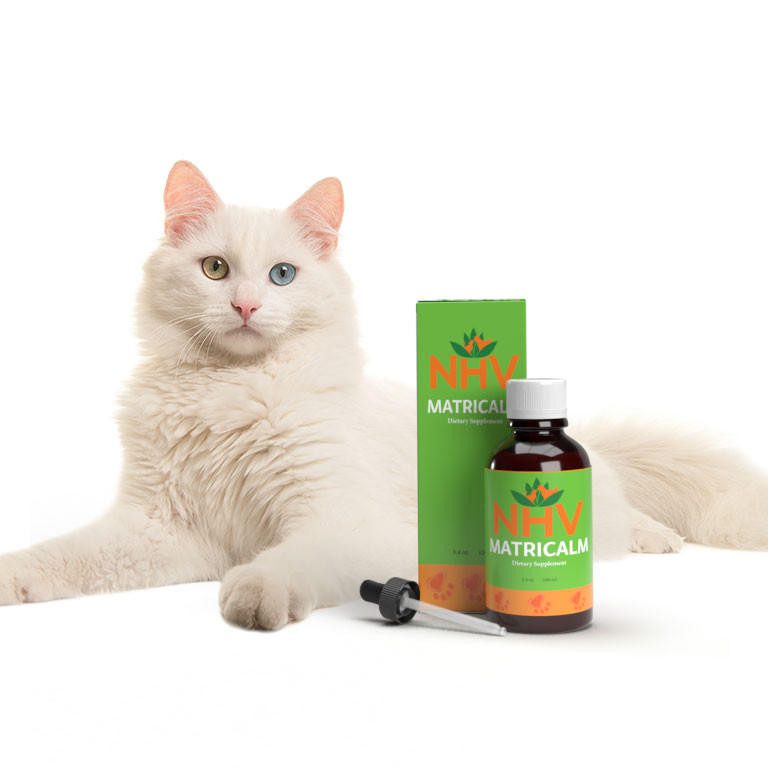
Matricalm for Pets – Stress and Anxiety Support
USD $47.95
Matricalm - Helps support pets suffering from stress and anxiety.


Matricalm - Helps support pets suffering from stress and anxiety.
- item number
- ph1100fbd
- weight
- 0.7
-
Description
- item number
- ph1100fbd
- weight
- 0.7
-
Ingredients
-
Dosage
Anxiety and Stress support
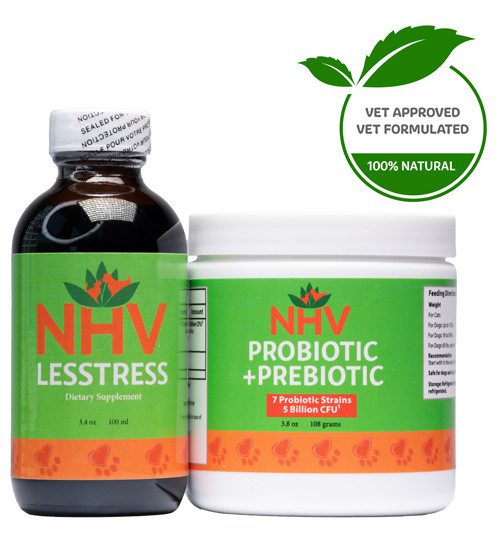
Anxiety and Stress in Dogs Support Kit
USD $92.95
Anxiety and Stress in Dogs Support Kit
Lesstress & Probiotic + Prebiotic
USD $92.95
bundle and save with pet expert kits
3 month supply for a small to medium size pet
What is it?
The NHV Anxiety and Stress in Dogs kit was created to simultaneously address both gut health and anxiety, providing fur kiddos with a more comprehensive stress management plan.
How Does it Work?
- Vet-approved and vet-created
- Easy to administer formulas
- 100% natural with zero artificial additives
- May be used alongside vet recommendations
Why Should I Trust It?
Natural supplements carefully formulated by vets.


What is it?
The NHV Anxiety and Stress in Dogs kit was created to simultaneously address both gut health and anxiety, providing fur kiddos with a more comprehensive stress management plan.
How Does it Work?
- Vet-approved and vet-created
- Easy to administer formulas
- 100% natural with zero artificial additives
- May be used alongside vet recommendations
Why Should I Trust It?
Natural supplements carefully formulated by vets.
Our poor pups can easily get worried by loud noises or uncertain situations. When that fear becomes a trigger, it can lead to anxiety and chronic stress. Some common symptoms of stress and anxiety in dogs are:
- Trembling
- Hiding
- Pacing
- Destructive behavior
As it turns out, the brain and gut are constantly communicating and influencing one another in a relationship known as the “gut-brain axis.”
Over time, chronic anxiety in dogs may even lead to consequences for their physical health. This includes consequences like a weakened immune system, inflammation, and digestive upset (including diarrhea).
To help your pet cope with stress, natural supplements may play a supportive role in their daily wellness routine to help them in each of these areas.
Combatting Stress and NHV Lesstress
Natural supplements may offer additional support for your dog experiencing stress and anxiety. When taken daily, herbal formulas like NHV Lesstress may promote feelings of calmness.
In a calm state, a pet’s body can better repair the harms of stress, like inflammation and damage to the gut microbiome. Therefore, the importance of helping to keep your pet calm and happy is not just important for their mental well-being, it’s important for their physical well-being too.
Lesstress also contains ingredients that may support the immune system, such as Reishi, Eleuthero, and Echinacea Angustifolia.
Stress in Pets and NHV Probiotic + Prebiotic
Probiotics may help reduce stress in dogs by promoting a healthy gut, which is linked to improved mood and emotional stability. Some research even suggests that a healthy microbiome may reduce anxiety by influencing neurotransmitter production, such as serotonin.
NHV Probiotic + Prebiotic offers 7 strains of healthy bacteria. For example, Bacillus coagulans LBSC, which may soothe constipation, diarrhea, gas, indigestion, and IBS, or Lactobacillus acidophilus 033AE, which may help with immune functioning.
Supporting Your Dog with Stress and Anxiety
By addressing both the gut microbiome and the symptoms of anxiety, your fur kiddo may get better results than addressing one factor alone. It’s all part of the holistic care strategy: one where we look at all aspects of health at the same time, rather than one at a time.
Need help with your pet’s stress care plan, or have any questions about our supplements? You can reach out to our friendly Pet Experts on the NHV Contact Us page.
- item number
- BD5122
- weight
- 1.4
- form
- liquid
- made in
- canada
- volume
- Each bottle - 3.4 fl. oz. (100ml)
All NHV supplements are made with the finest quality organic or ethically harvested herbs. We use non-GMO vegetable glycerin as our base. NHV products are full-spectrum extracts.
Made with the finest, organically grown, or ethically harvested herbs. Made specifically for pets, vet-formulated and vet approved.
- Chamomile, Echinacea Angustifolia, Eleuthero (Siberian Ginseng), Lemon Balm, Passion Flower, Reishi
- Contains seven strains of probiotics, two sources of prebiotics (maltodextrin, Fructooligosaccharides), and natural flavors (pumpkin powder, carrot powder, natural carrot flavor)
Pet's Weight Dosage
To be taken twice daily. All NHV supplements are designed to be used together, and can, therefore, be given at once for convenience.
Select your pet's weight to determine the correct dose.
DOSAGE FOR Probiotic + Prebiotic For dogs by weight
0 - 15 lb = ½ scoop per day (FOUR months supply)
16 - 59 lb = 1 scoop per day (TWO months supply)
60 lb & over = 2 scoops per day (ONE month supply)
How to Administer
Sprinkle over food. It is recommended to start with HALF the dose for 2 days to allow your little one to acclimate to the probiotic.
DOSAGE FOR Lesstress: To be taken twice daily. Determine your pet’s weight and then use the easy chart below to determine the correct dose. This is the minimum dosage.
Pet's Weight Dosage
0 - 15 lb = 0.5 ml
16 - 30 lb = 1.0 ml
31 - 45 lb = 1.5 ml
46 - 60 lb = 2.0 ml
61 - 75 lb = 2.5 ml
Over 75 lb = 3.0 ml
How to Administer
Shake well before use. The easiest method is to use the dropper provided and place the drops into your pet’s food or favorite treat. You can also use the dropper and squirt directly into the pet’s mouth. Some pets can be finicky, if this occurs consider hiding the drops in foods most pet’s love such as fish, chicken or yogurt or a favorite treat. If your pet only eats dry food then soak a few kibbles at feeding time.
For Best Results
Herbal dietary supplements are beneficial to the health and well-being of your pet and are safe for long-term use. Every pet responds to natural herbal supplements differently, therefore it is important to be consistent and administer the product daily. Supplements generally take two to four weeks to take effect, however this will vary from one animal to the next.
Product Storage
All NHV Natural Pet Products are pure herbal extracts and contain no artificial additives, preservatives or coloring. Shelf life after opening is 6 months and must be refrigerated after opening.
Cautions and Contraindications
Do not use in pregnant or nursing animals.
All information provided by NHV Natural Pet Products is for educational purposes only.
-
Description
Our poor pups can easily get worried by loud noises or uncertain situations. When that fear becomes a trigger, it can lead to anxiety and chronic stress. Some common symptoms of stress and anxiety in dogs are:
- Trembling
- Hiding
- Pacing
- Destructive behavior
As it turns out, the brain and gut are constantly communicating and influencing one another in a relationship known as the “gut-brain axis.”
Over time, chronic anxiety in dogs may even lead to consequences for their physical health. This includes consequences like a weakened immune system, inflammation, and digestive upset (including diarrhea).
To help your pet cope with stress, natural supplements may play a supportive role in their daily wellness routine to help them in each of these areas.
Combatting Stress and NHV Lesstress
Natural supplements may offer additional support for your dog experiencing stress and anxiety. When taken daily, herbal formulas like NHV Lesstress may promote feelings of calmness.
In a calm state, a pet’s body can better repair the harms of stress, like inflammation and damage to the gut microbiome. Therefore, the importance of helping to keep your pet calm and happy is not just important for their mental well-being, it’s important for their physical well-being too.
Lesstress also contains ingredients that may support the immune system, such as Reishi, Eleuthero, and Echinacea Angustifolia.
Stress in Pets and NHV Probiotic + Prebiotic
Probiotics may help reduce stress in dogs by promoting a healthy gut, which is linked to improved mood and emotional stability. Some research even suggests that a healthy microbiome may reduce anxiety by influencing neurotransmitter production, such as serotonin.
NHV Probiotic + Prebiotic offers 7 strains of healthy bacteria. For example, Bacillus coagulans LBSC, which may soothe constipation, diarrhea, gas, indigestion, and IBS, or Lactobacillus acidophilus 033AE, which may help with immune functioning.
Supporting Your Dog with Stress and Anxiety
By addressing both the gut microbiome and the symptoms of anxiety, your fur kiddo may get better results than addressing one factor alone. It’s all part of the holistic care strategy: one where we look at all aspects of health at the same time, rather than one at a time.
Need help with your pet’s stress care plan, or have any questions about our supplements? You can reach out to our friendly Pet Experts on the NHV Contact Us page.
- item number
- BD5122
- weight
- 1.4
- form
- liquid
- made in
- canada
- volume
- Each bottle - 3.4 fl. oz. (100ml)
-
Ingredients
All NHV supplements are made with the finest quality organic or ethically harvested herbs. We use non-GMO vegetable glycerin as our base. NHV products are full-spectrum extracts.
Made with the finest, organically grown, or ethically harvested herbs. Made specifically for pets, vet-formulated and vet approved.
- Chamomile, Echinacea Angustifolia, Eleuthero (Siberian Ginseng), Lemon Balm, Passion Flower, Reishi
- Contains seven strains of probiotics, two sources of prebiotics (maltodextrin, Fructooligosaccharides), and natural flavors (pumpkin powder, carrot powder, natural carrot flavor)
-
Dosage
Pet's Weight Dosage
To be taken twice daily. All NHV supplements are designed to be used together, and can, therefore, be given at once for convenience.
Select your pet's weight to determine the correct dose.
DOSAGE FOR Probiotic + Prebiotic For dogs by weight
0 - 15 lb = ½ scoop per day (FOUR months supply)
16 - 59 lb = 1 scoop per day (TWO months supply)
60 lb & over = 2 scoops per day (ONE month supply)
How to Administer
Sprinkle over food. It is recommended to start with HALF the dose for 2 days to allow your little one to acclimate to the probiotic.
DOSAGE FOR Lesstress: To be taken twice daily. Determine your pet’s weight and then use the easy chart below to determine the correct dose. This is the minimum dosage.
Pet's Weight Dosage
0 - 15 lb = 0.5 ml
16 - 30 lb = 1.0 ml
31 - 45 lb = 1.5 ml
46 - 60 lb = 2.0 ml
61 - 75 lb = 2.5 ml
Over 75 lb = 3.0 ml
How to Administer
Shake well before use. The easiest method is to use the dropper provided and place the drops into your pet’s food or favorite treat. You can also use the dropper and squirt directly into the pet’s mouth. Some pets can be finicky, if this occurs consider hiding the drops in foods most pet’s love such as fish, chicken or yogurt or a favorite treat. If your pet only eats dry food then soak a few kibbles at feeding time.For Best Results
Herbal dietary supplements are beneficial to the health and well-being of your pet and are safe for long-term use. Every pet responds to natural herbal supplements differently, therefore it is important to be consistent and administer the product daily. Supplements generally take two to four weeks to take effect, however this will vary from one animal to the next.Product Storage
All NHV Natural Pet Products are pure herbal extracts and contain no artificial additives, preservatives or coloring. Shelf life after opening is 6 months and must be refrigerated after opening.Cautions and Contraindications
Do not use in pregnant or nursing animals.All information provided by NHV Natural Pet Products is for educational purposes only.
Sweet Potato Chips
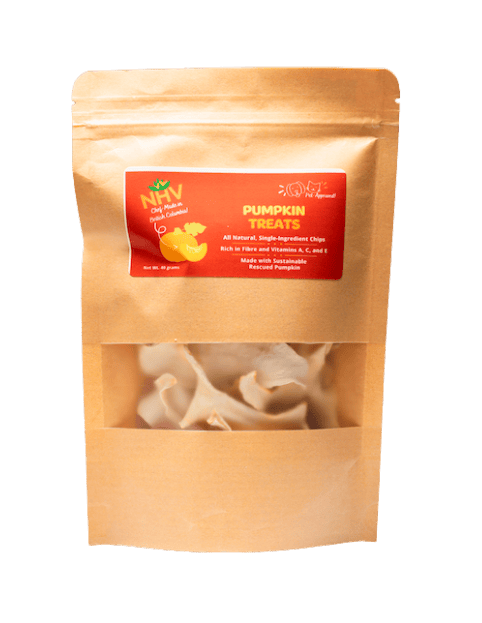
Dehydrated Pumpkin Treats for Dogs
USD $8.79
Dehydrated Pumpkin Treats for Dogs
100% Pumpkin
USD $8.79
buy 2 and save $3
Give your fur baby 2-3 pieces per day as a treat
What Is It?
100% natural, single-ingredient Pumpkin treats for dogs.
What Makes It Great?
- Made with sustainable rescued pumpkins
- Low in calories, high in nutrients
- 100% natural and pet approved
- Rich in fiber and vitamins A, C, and E
Why Should I Trust It?
Chef-made in small batches with no artificial preservatives, flavors, or colors.


What Is It?
100% natural, single-ingredient Pumpkin treats for dogs.
What Makes It Great?
- Made with sustainable rescued pumpkins
- Low in calories, high in nutrients
- 100% natural and pet approved
- Rich in fiber and vitamins A, C, and E
Why Should I Trust It?
Chef-made in small batches with no artificial preservatives, flavors, or colors.
Your fur kiddo’s treats should be as pure as their love for you! With NHV’s chef-made pumpkin treats, you can pamper your pet with a wholesome treat that’s good for them too. But only for a limited time! We only made a limited quantity while pumpkin is in season, so be sure to stock up while they’re here. Pet-approved and 100% natural.
Imagine your little one running around a pumpkin patch and having the time of their lives hiding in the leaves or climbing a great big orange pumpkin.
With this single-ingredient pet treat, we’re bringing the pumpkin patch right to your door with no artificial preservatives, flavors, or colors - just flavor, fun, and nutrients!
NutritiousGourd-y Goodness
Can dogs eat pumpkin as a treat? Pumpkin for dogs and cats offers loads of wellness benefits, especially in comparison to overly processed pet treats!
It’s low in calories but high in fiber, making it an excellent addition for pets who need to lose weight or for maintaining a healthy range. Pumpkin is rich in vitamins - such as vitamins A, C, and E - which help balance and maintain the immune system. It also contains traces of iron and potassium for overall wellness, whether they’re healthy or coping with a health condition.
Rescued Pumpkins = Happy Planet
Perfect-looking pumpkins often get picked first while their counterparts get left to rot, even though they are just as nutritious. To help reduce carbon and water waste, we’ve partnered with our suppliers to transform imperfect pumpkins into wholesome and tasty single-ingredient treats made from pumpkin for dogs, cats, and other critters to enjoy.
Chef-Made in Canada
NHV Pumpkin Treats are lovingly made in small batches by a professional chef in Canada, meaning each and every piece is carefully inspected and prepared for quality and flavor.
These treats are only available for a short time while pumpkin is in season, so grab them while you can!
- item number
- DT2140
- weight
- 0.05
- volume
- 50 grams
- life stages
- adult, senior
- form
- powder
- made in
- Canada
100% Pumpkin: Naturally preserved through dehydration - No artificial flavors, preservatives, colors, or additives
Treats should comprise no more than 10% of your pet’s daily caloric intake. Always provide fresh water, and supervise your pet while giving treats. Store in a cool dry place.
-
Description
Your fur kiddo’s treats should be as pure as their love for you! With NHV’s chef-made pumpkin treats, you can pamper your pet with a wholesome treat that’s good for them too. But only for a limited time! We only made a limited quantity while pumpkin is in season, so be sure to stock up while they’re here. Pet-approved and 100% natural.
Imagine your little one running around a pumpkin patch and having the time of their lives hiding in the leaves or climbing a great big orange pumpkin.
With this single-ingredient pet treat, we’re bringing the pumpkin patch right to your door with no artificial preservatives, flavors, or colors - just flavor, fun, and nutrients!NutritiousGourd-y Goodness
Can dogs eat pumpkin as a treat? Pumpkin for dogs and cats offers loads of wellness benefits, especially in comparison to overly processed pet treats!
It’s low in calories but high in fiber, making it an excellent addition for pets who need to lose weight or for maintaining a healthy range. Pumpkin is rich in vitamins - such as vitamins A, C, and E - which help balance and maintain the immune system. It also contains traces of iron and potassium for overall wellness, whether they’re healthy or coping with a health condition.Rescued Pumpkins = Happy Planet
Perfect-looking pumpkins often get picked first while their counterparts get left to rot, even though they are just as nutritious. To help reduce carbon and water waste, we’ve partnered with our suppliers to transform imperfect pumpkins into wholesome and tasty single-ingredient treats made from pumpkin for dogs, cats, and other critters to enjoy.
Chef-Made in Canada
NHV Pumpkin Treats are lovingly made in small batches by a professional chef in Canada, meaning each and every piece is carefully inspected and prepared for quality and flavor.
These treats are only available for a short time while pumpkin is in season, so grab them while you can!
- item number
- DT2140
- weight
- 0.05
- volume
- 50 grams
- life stages
- adult, senior
- form
- powder
- made in
- Canada
-
Ingredients
100% Pumpkin: Naturally preserved through dehydration - No artificial flavors, preservatives, colors, or additives
-
Dosage
Treats should comprise no more than 10% of your pet’s daily caloric intake. Always provide fresh water, and supervise your pet while giving treats. Store in a cool dry place.
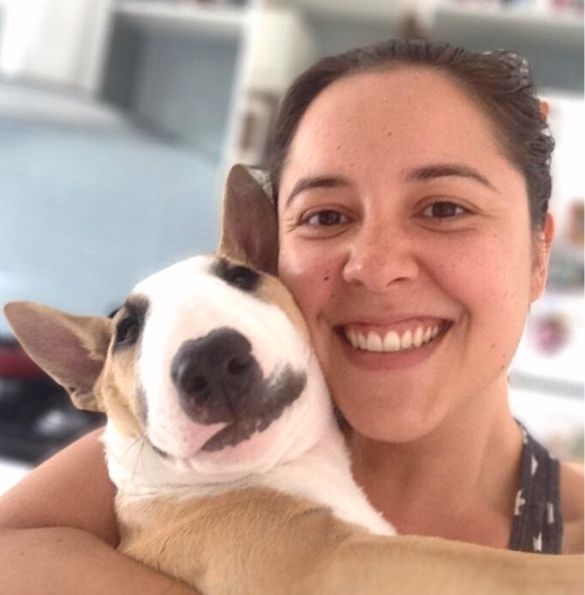
Dr. Barbara Benitez DVM, MS
Dr. Barbara is a veterinarian from Brazil with a specialty in pet nutrition. She completed her Bachelor’s degree in Veterinary Medicine in 2006 from the University of Uberaba. In 2010, Dr. Barbara received her Master’s of Science in Pet Nutrition from the Federal University of Minas Gerais. She has over 15 years of experience in research and development in the pet food industry. When Barbara isn’t helping pet parents, you can find her spending time with her family, including her senior dog, Caze.
Published: July 20, 2026
You May Also Like
Lesstress for Pets – Stress and Anxiety Support
USD $47.95
Lesstress - Helps support pets suffering from stress and anxiety.


Lesstress - Helps support pets suffering from stress and anxiety.
- item number
- ph1050fb
- weight
- 0.7
-
Description
- item number
- ph1050fb
- weight
- 0.7
-
Ingredients
-
Dosage