



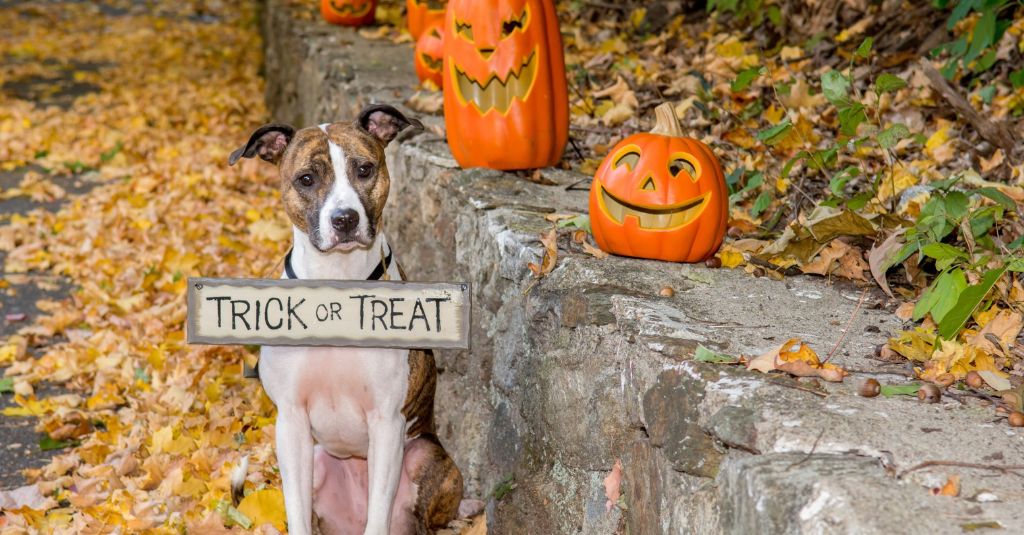
Halloween night brings a familiar, festive energy: bowls of colorful candy by the front door, treat bags spilling across the living room floor, kids excitedly sorting their loot, and one very curious canine tail wagging right alongside them. While we enjoy the holiday’s playful scares, the real fright often happens quietly on the floor or out of reach on the kitchen counter.
For dog parents, the biggest hazards aren’t always spooky decorations; they are the delicious, sweet, and fatty items left unguarded. Maintaining Halloween pet safety means understanding that even a brief moment of distraction can turn a festive evening into a veterinary emergency.
The Halloween Candy Bowl: Naughty or Nice?
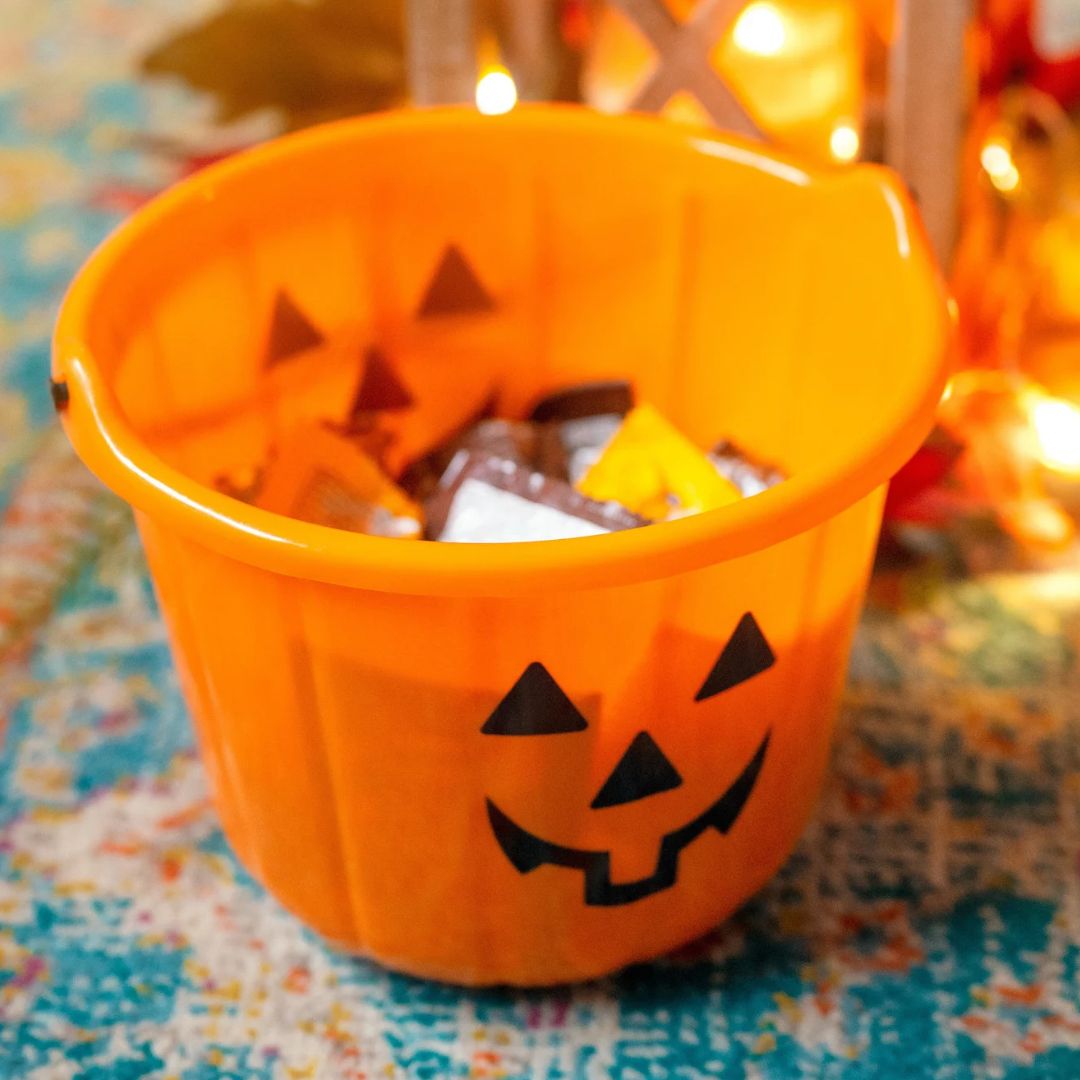
When it comes to the candy bowl, the rule for dogs is simple: almost all of it is strictly “naughty.” A quick breakdown helps clarify what is safe versus what constitutes toxic Halloween candy for dogs:
- Chocolate (Unsafe): Contains theobromine and caffeine, stimulants that dogs metabolize much more slowly than humans. Dark chocolate and baking chocolate are especially dangerous.
- Sugar-Free Candy & Gum (Unsafe): Often packed with artificial sweeteners that pose acute systemic risks.
- Raisins & Grapes (Unsafe): Frequently found in snack-sized boxes; highly toxic and capable of causing sudden kidney failure.
- Gummies & Hard Candy (Unsafe): Beyond chemical sweeteners, these present severe choking hazards and can cause profound gastrointestinal blockages.
Understanding how Halloween candy and dogs mix starts with recognizing that even small amounts can trigger severe physiological stress. As noted by veterinary toxicology resources from organizations like the American Society for the Prevention of Cruelty to Animals (ASPCA) Animal Poison Control Center, ingestion requires immediate professional risk assessment.
The Sneaky Ingredients Pet Parents May Miss
Sometimes, the danger isn’t the primary candy piece, but the hidden components tucked inside baked goods, homemade party snacks, or gourmet chocolates. When examining foods toxic to dogs, Halloween nights often bring them into the home; look closely at these hidden culprits:
- Xylitol (A Sweetener Nightmare): A sugar substitute found in sugar-free gums, mints, and certain peanut butters. According to veterinary literature published in journals such as the Journal of Veterinary Emergency and Critical Care, xylitol toxicity in dogs causes a rapid, massive release of insulin, leading to profound hypoglycemia (dangerously low blood sugar) and potential liver necrosis within hours.
- Macadamia Nuts: Commonly found in cookies and party mixes, these nuts cause temporary weakness, hyperthermia, and vomiting in dogs.
- High-Fat Foods & Charcuterie: Rich, fatty snacks can trigger acute pancreatitis, a painful, potentially life-threatening inflammation of the pancreas.
- Alcohol & Caffeine: Even small sips of unattended drinks can lead to severe neurological and cardiovascular distress.
The Wrapper Can Be a Trick Too
While pet parents focus entirely on the food contents, the packaging itself presents a major hazard. Dealing with a dog-ate-candy-wrapper scenario is more common than you might think during the holiday rush.
Dogs rarely unwrap candy politely; they inhale the foil, cellophane, plastic wrappers, lollipop sticks, and cupcake liners right along with the sugar. This behavior frequently leads to:
- Choking Hazards: Plastic or foil sheets can obstruct the airway.
- Intestinal Obstructions: Non-digestible materials can lodge in the stomach or intestines, requiring emergency endoscopic retrieval or surgical intervention.
Keeping an eye out for these Halloween hazards for dogs means sweeping up discarded wrappers immediately before your pet can forage on the carpet.
The Post-Trick-or-Treat Floor Sweep
Once the kids head to bed and the candy sorting winds down, a thorough environment check is non-negotiable. A proper post-trick-or-treating checklist includes:
- Inspecting under couches, low tables, and behind chairs where miniature candy bars easily roll.
- Securing all backpacks, pillowcases, and plastic pumpkins filled with candy in high, closed closets or upper pantries.
- Checking the mudroom and entryway for dropped candy corn, wrappers, or caramel bits.
What If Your Dog Raids the Candy Bag?
If you catch your dog raiding the stash, swift action is essential. When a dog eats Halloween candy or a dog eats chocolate, follow this mini response guide:
Don’t Panic, Do This:
- Secure the Area: Remove all remaining candy and packaging immediately out of reach.
- Gather the Evidence: Identify the exact type of candy, wrapper material, and estimate how much was consumed. Check ingredient labels for xylitol.
- Contact Professionals: Call your veterinarian or a pet poison emergency hotline (such as the ASPCA Animal Poison Control or Pet Poison Helpline) right away.
- Never Induce Vomiting Unless Instructed: Do not attempt home remedies like hydrogen peroxide unless specifically directed by a veterinary professional, as incorrect execution can cause severe esophageal damage.
(Note: Always ask your veterinarian for any medical guidance or treatment changes; never attempt to manage severe toxicity or alter medication regimens at home.)
Make Them Their Own Halloween Treat Bag
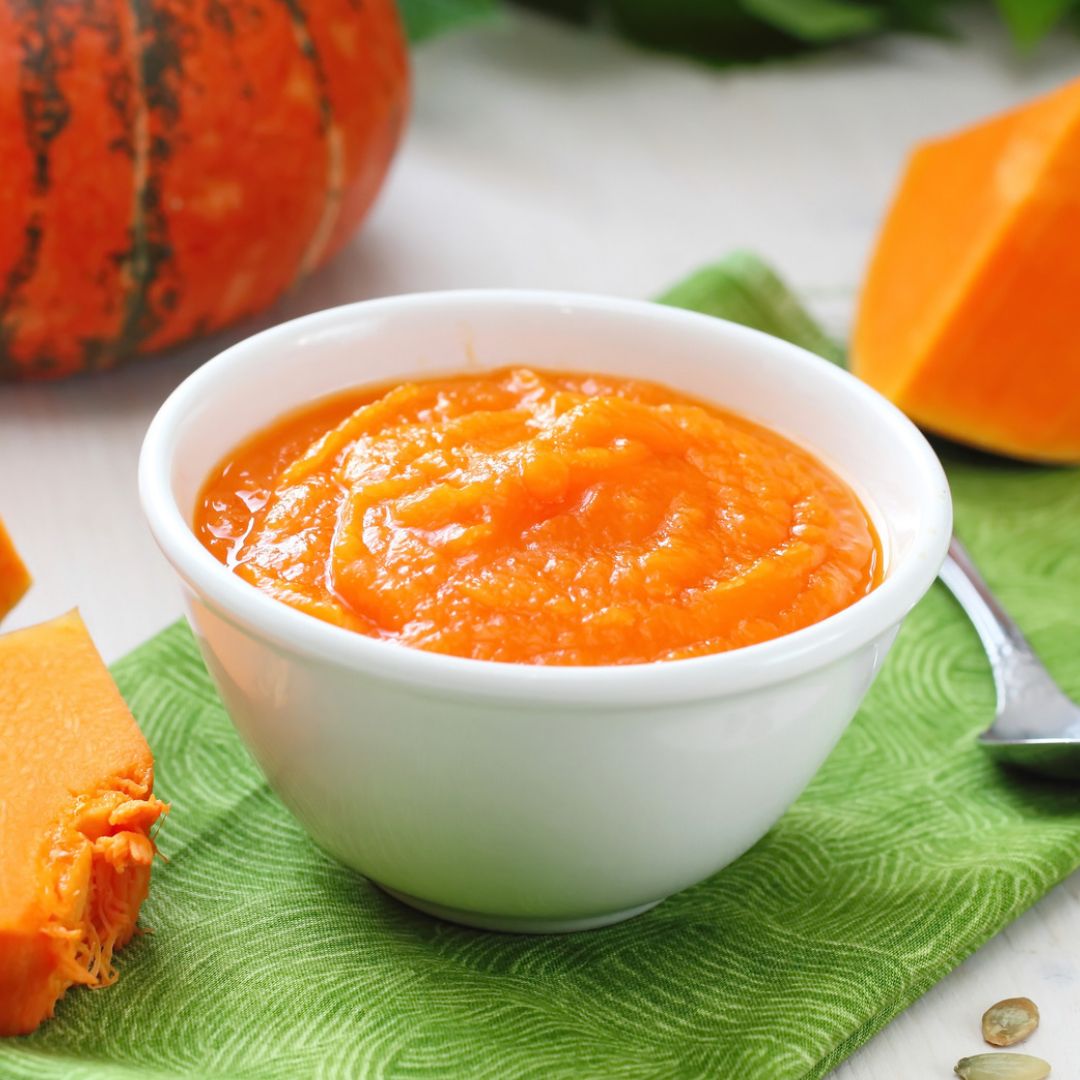
The best way to keep your dog safe from human treats is to provide delicious, species-appropriate alternatives. Offering safe Halloween treats for dogs ensures they feel included in the holiday fun without any health risks.
- Pumpkin Purée Bites: Plain, 100% pure canned pumpkin (not pie filling) is rich in fiber and gentle on digestion. You can freeze dollops on a silicone mat for a festive orange snack.
- Carrot Sticks & Apple Slices: Crunchy, low-calorie alternatives that satisfy their desire to chew. Ensure apple slices do not contain seeds, pits, or stems.
- NHV Treats, which include single-ingredient options like Beef Liver Jerky, or plant-based and gluten-free options like Woof U Be Mine.
Preparing these dog Halloween treats ahead of time gives your furry friend a dedicated stash to enjoy while you celebrate.
Halloween Party Foods That Deserve a Mention Too
The candy bowl isn’t the only battleground. During Halloween gatherings, party buffets introduce a wider array of party foods toxic to dogs. When evaluating Halloween foods dogs can’t eat, keep these common party hazards in mind:
- Charcuterie Boards: Heavily laden with garlic, onions, chives (all toxic to canine red blood cells), and high-sodium cured meats.
- Cooked Bones & Skewers: Chicken bones, rib bones, and wooden skewers splinter easily, posing severe perforation risks to the digestive tract.
- Rich Holiday Desserts: Items containing nutmeg (which contains myristicin, a toxin causing neurological issues in dogs) or excessive dairy and butter.
Maintaining proper Halloween safety for dogs during parties often means designating a quiet, secure, and comfortable room away from the main food tables where your dog can relax safely.
Have a Happy Halloween!
Halloween can still be a magical, fun-filled night for the whole family, dogs included! With a little proactive planning, a stash of canine-approved goodies, and keeping human sweets safely out of reach, you can ensure the night remains free of veterinary scares.
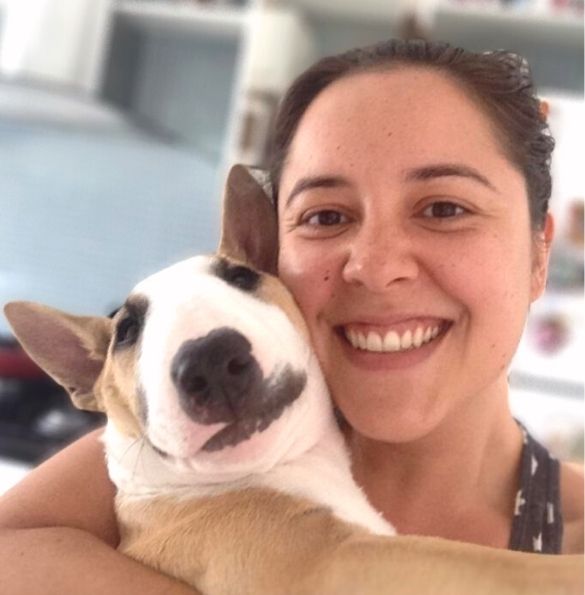
Dr. Barbara Benitez DVM, MS
Dr. Barbara is a veterinarian from Brazil with a specialty in pet nutrition. She completed her Bachelor’s degree in Veterinary Medicine in 2006 from the University of Uberaba. In 2010, Dr. Barbara received her Master’s of Science in Pet Nutrition from the Federal University of Minas Gerais. She has over 15 years of experience in research and development in the pet food industry. When Barbara isn’t helping pet parents, you can find her spending time with her family, including her senior dog, Caze.
Published: October 27, 2026

