general wellbeing
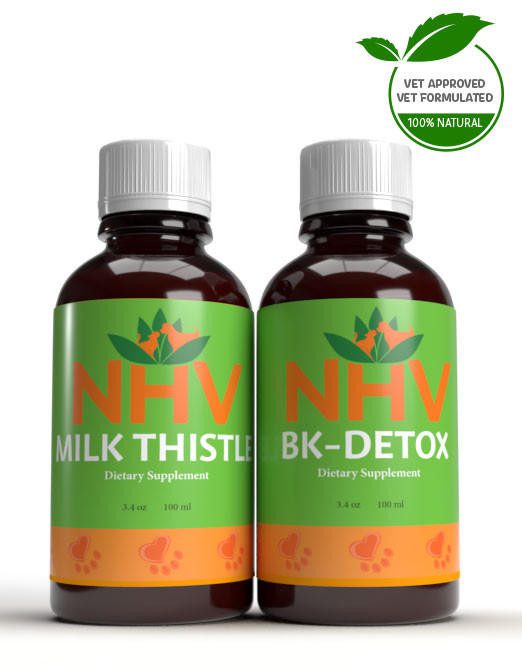
Detoxification Kit
USD $91.95
free shipping over $100 (USA & Canada)
1-877-937-4372 the pet expert hotline


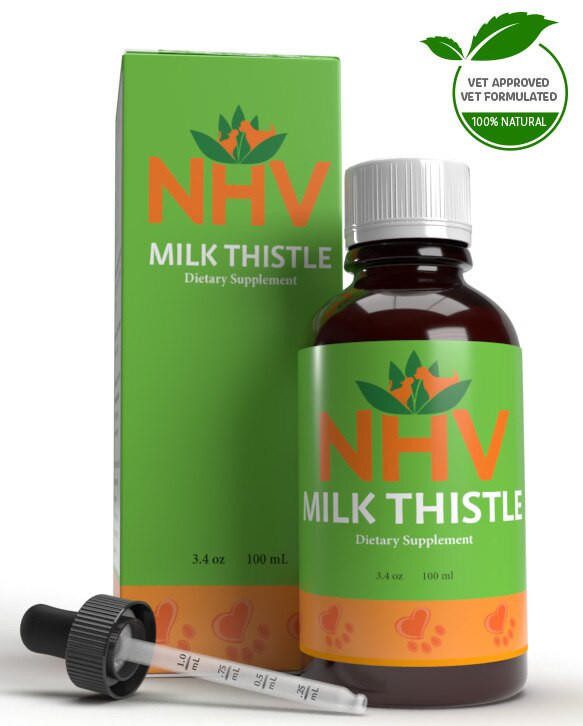
100% Natural Liver and Kidney Detox and Cancer Support in Cats
The liver is one of the most important organs in your pet’s body. It is located behind the diaphragm, where it acts as a hardworking hub for filtering blood and supporting digestion.
But what about pets who can’t avoid certain harms, like those who need to take pharmaceuticals in the long term? Let’s explore what the liver does, how you can identify liver problems, and how you may help it adapt to long-term pharmaceutical use.
The liver acts sort of like a machine that:
In short, it is a multi-tasking organ that works all day, every day, so that your pet’s body stays in tip-top shape. When liver function is compromised, the entire body can suffer.
When your pet takes meds, their liver acts like a cleaning crew for the entire body. Its main job is to filter and break down the meds so the ingredients can do their work and then safely leave the system.
However, when a pet is on a prescription for a long time, the liver has to work harder to keep up. Over time, this constant heavy lifting may essentially tire the liver’s cells. Supporting the liver helps ensure this filter stays strong and resilient – allowing it to keep the body in balance without getting worn out.
Some of the early signs of liver issues are very subtle and easy to miss:
Because this organ constantly filters toxins, it needs optimal support to remain healthy. Diet is a very important part of liver health; providing high-quality, easily digestible nutrients can reduce the metabolic workload, aid regeneration, and help manage symptoms of liver dysfunction.
For natural support of the liver, Milk Thistle is one of the herbs that has no equivalent in the world of conventional medicine.
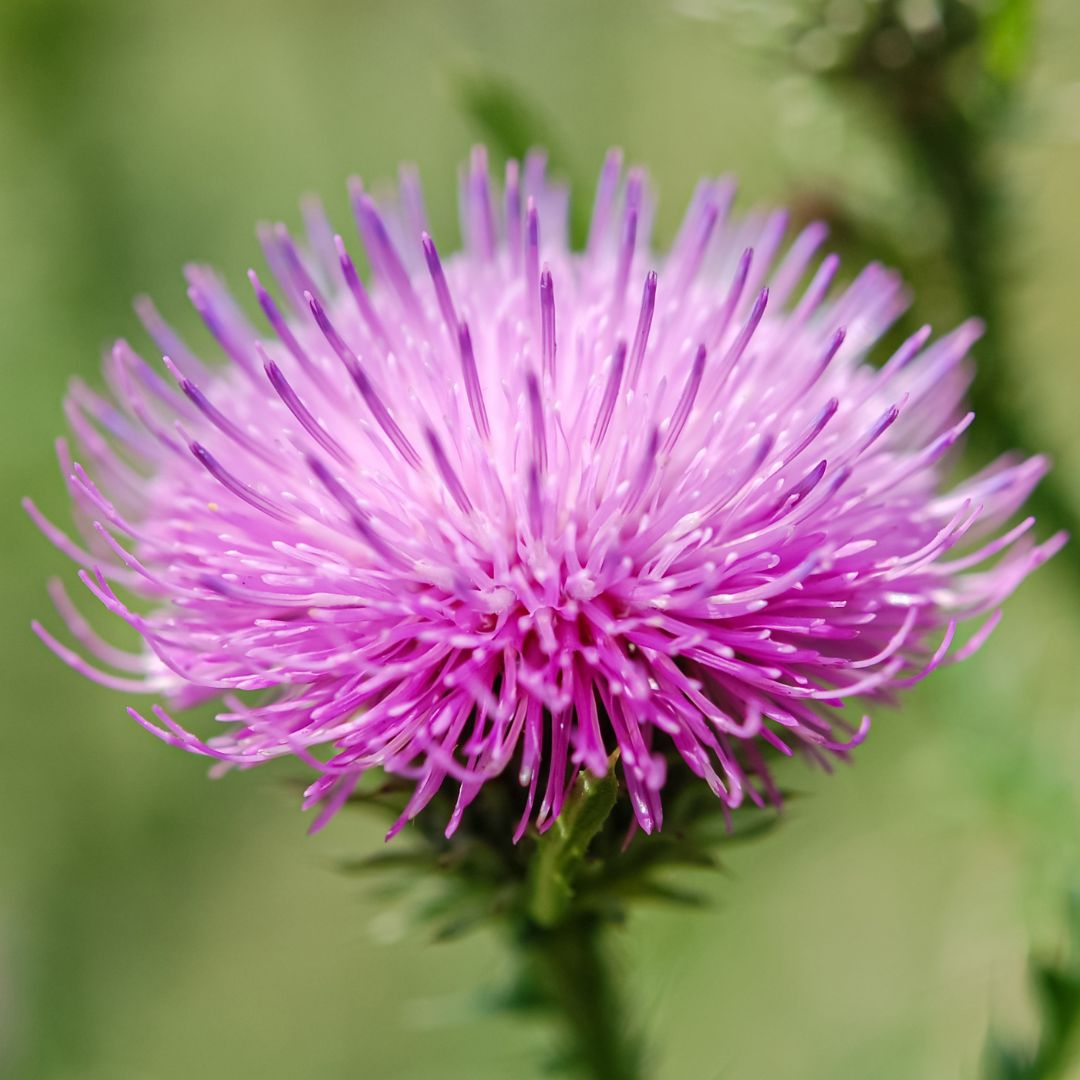
With no artificial preservatives or additives, NHV Milk Thistle is 100% natural. This formula contains the naturally occurring compound Silymarin, which is the active substance in Milk Thistle. It displaces toxins trying to bind to the liver and acts as an antioxidant by scavenging free radicals. It is even more potent than Vitamin E in that regard.
Milk thistle also stimulates the production of new liver cells, replacing the damaged ones. These are just some of the benefits found in this herb, and this is why NHV Milk Thistle is our suggestion for liver protection – especially for livers coping with pharmaceuticals long-term.
The NHV team is made up of Pet Experts, many of whom have degrees related to pet and animal health. If you’re supporting a fur kiddo with elevated liver enzymes, liver failure, liver inflammation, or you just want to support their body as they process pharmaceuticals, you can reach out to us with any of your questions. We’re here for you and your fur kid!
general wellbeing
Milk Thistle & BK Detox
bundle and save with pet expert kits
3 month supply for a small to medium size pet.
What is it?
Our Natural Detoxification Kit supports gentle detoxification of the liver, and other major organs to remove metabolic wastes and support healthy skin and blood.
How Does it Work?
Why Should I Trust It?
Vet-approved remedies that were carefully crafted with natural ingredients.


What is it?
Our Natural Detoxification Kit supports gentle detoxification of the liver, and other major organs to remove metabolic wastes and support healthy skin and blood.
How Does it Work?
Why Should I Trust It?
Vet-approved remedies that were carefully crafted with natural ingredients.
Anytime your furkiddo is battling an illness such as ezcema, psoriasis, arthritis, liver disease and more, they are likely suffering from a buildup of toxins in their blood. This buildup of toxins may exhaust the liver and kidneys (the waste management system) and leave your furkiddo’s body vulnerable to secondary infections (on top of the conditions they are dealing with). Our Detoxification Kit contains two of our remedies: BK-Detox and Milk Thistle. On their own, each remedy contains many beneficial properties but when combined, they work together to support healthy elimination and increased immune function.
Your vet may recommend specific medications for a health condition that your pet is battling. For added support alongside these vet-prescribed medications, we recommend NHV's Detoxification Kit to help improve their elimination of harmful wastes (that build up from illness) and help restore immune function. This supplement bundle contains BK-Detox and Milk Thistle. BK-Detox contains beneficial herbal ingredients like burdock, cleavers, and gotu kola to help flush toxic wastes from the liver, blood, and other vital organs. Milk Thistle contains silymarin which supports healthy functioning in the liver and kidneys (waste management center) and for promoting healthy skin and blood.
If your furkiddo is struggling with their health, know that you don't have to face it alone. We are here with our team of pet experts to help you every step of the way!
Made with the finest, organically grown, or ethically harvested herbs. Made specifically for pets, vet-formulated and vet approved.
Milk Thistle
BK-Detox
Select your pet's weight to determine the correct dose.
To be taken twice daily. Determine your pet’s weight and then use the easy chart below to determine the correct dose. This is the minimum dosage.
Pet's Weight Dosage
0 - 15 lb = 0.5 ml
16 - 30 lb = 1.0 ml
31 - 45 lb = 1.5 ml
46 - 60 lb = 2.0 ml
61 - 75 lb = 2.5 ml
Over 75 lb = 3.0 ml
How to Administer
Shake well before use. The easiest method is to use the dropper provided and place the drops into your pet’s food or favorite treat. You can also use the dropper and squirt directly into the pet’s mouth. Some pets can be finicky, if this occurs consider hiding the drops in foods most pet’s love such as fish, chicken or yogurt or a favorite treat. If your pet only eats dry food then soak a few kibbles at feeding time.
For Best Results
Herbal dietary supplements are beneficial to the health and well-being of your pet and are safe for long-term use. Every pet responds to natural herbal supplements differently, therefore it is important to be consistent and administer the product daily. Supplements generally take two to four weeks to take effect, however this will vary from one animal to the next.
Product Storage
All NHV Natural Pet Products are pure herbal extracts and contain no artificial additives, preservatives or coloring. Shelf life after opening is 6 months and must be refrigerated after opening.
All information provided by NHV Natural Pet Products is for educational purposes only.
Anytime your furkiddo is battling an illness such as ezcema, psoriasis, arthritis, liver disease and more, they are likely suffering from a buildup of toxins in their blood. This buildup of toxins may exhaust the liver and kidneys (the waste management system) and leave your furkiddo’s body vulnerable to secondary infections (on top of the conditions they are dealing with). Our Detoxification Kit contains two of our remedies: BK-Detox and Milk Thistle. On their own, each remedy contains many beneficial properties but when combined, they work together to support healthy elimination and increased immune function.
Your vet may recommend specific medications for a health condition that your pet is battling. For added support alongside these vet-prescribed medications, we recommend NHV's Detoxification Kit to help improve their elimination of harmful wastes (that build up from illness) and help restore immune function. This supplement bundle contains BK-Detox and Milk Thistle. BK-Detox contains beneficial herbal ingredients like burdock, cleavers, and gotu kola to help flush toxic wastes from the liver, blood, and other vital organs. Milk Thistle contains silymarin which supports healthy functioning in the liver and kidneys (waste management center) and for promoting healthy skin and blood.
If your furkiddo is struggling with their health, know that you don't have to face it alone. We are here with our team of pet experts to help you every step of the way!
Made with the finest, organically grown, or ethically harvested herbs. Made specifically for pets, vet-formulated and vet approved.
Milk Thistle
BK-Detox
Select your pet's weight to determine the correct dose.
To be taken twice daily. Determine your pet’s weight and then use the easy chart below to determine the correct dose. This is the minimum dosage.
Pet's Weight Dosage
0 - 15 lb = 0.5 ml
16 - 30 lb = 1.0 ml
31 - 45 lb = 1.5 ml
46 - 60 lb = 2.0 ml
61 - 75 lb = 2.5 ml
Over 75 lb = 3.0 ml
How to Administer
Shake well before use. The easiest method is to use the dropper provided and place the drops into your pet’s food or favorite treat. You can also use the dropper and squirt directly into the pet’s mouth. Some pets can be finicky, if this occurs consider hiding the drops in foods most pet’s love such as fish, chicken or yogurt or a favorite treat. If your pet only eats dry food then soak a few kibbles at feeding time.
For Best Results
Herbal dietary supplements are beneficial to the health and well-being of your pet and are safe for long-term use. Every pet responds to natural herbal supplements differently, therefore it is important to be consistent and administer the product daily. Supplements generally take two to four weeks to take effect, however this will vary from one animal to the next.
Product Storage
All NHV Natural Pet Products are pure herbal extracts and contain no artificial additives, preservatives or coloring. Shelf life after opening is 6 months and must be refrigerated after opening.
All information provided by NHV Natural Pet Products is for educational purposes only.
detox support for the liver
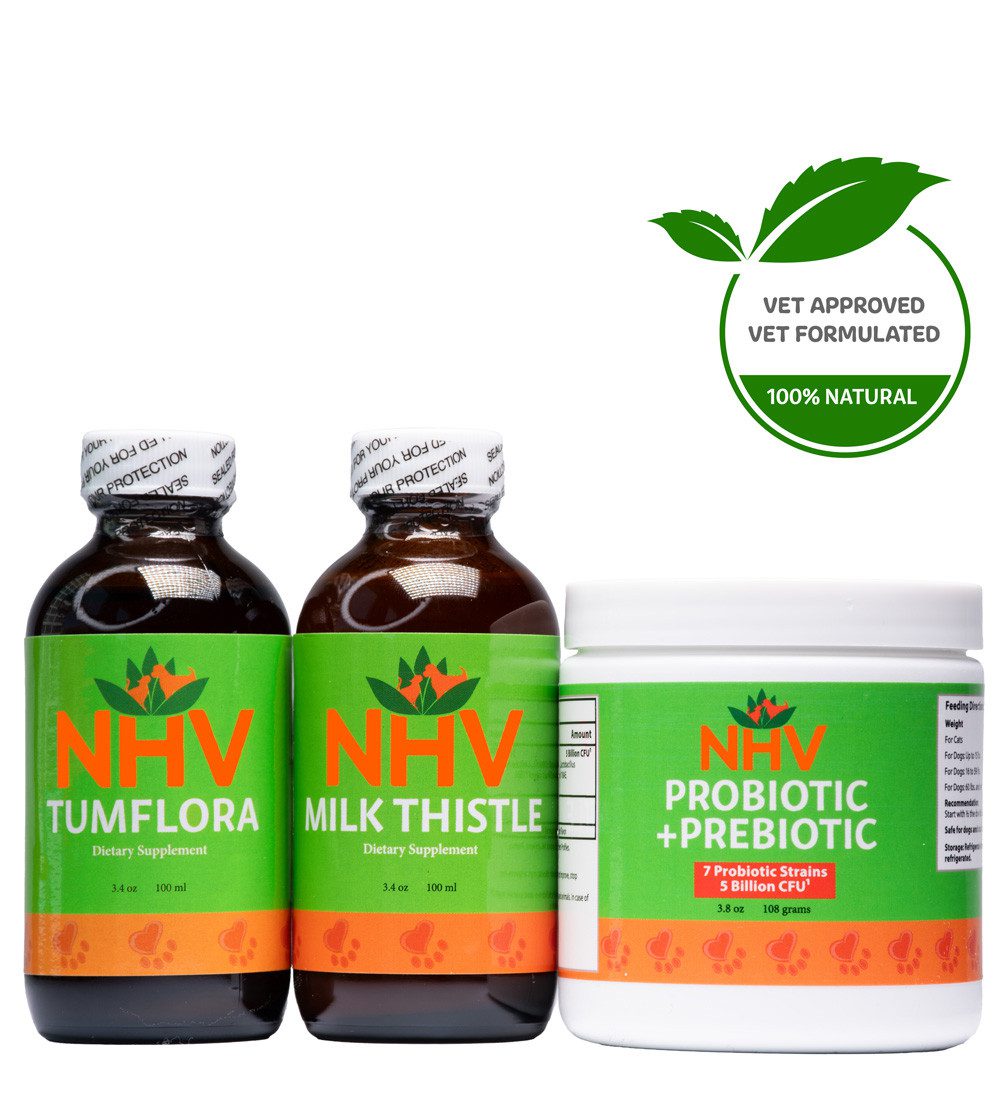
Probiotic + Prebiotic, TumFlora & Milk Thistle
bundle and save with pet expert kits
3 month supply for a small to medium size pet
What is it?
The NHV Reset and Rebalance kit may help your pet replenish their stores of good bacteria that were damaged during a course of treatments, while providing detox support for the liver.
How Does it Work?
Why Should I Trust It?
Formulated by vets with the finest, organically grown, or ethically harvested herbs.
What is it?
The NHV Reset and Rebalance kit may help your pet replenish their stores of good bacteria that were damaged during a course of treatments, while providing detox support for the liver.
How Does it Work?
Why Should I Trust It?
Formulated by vets with the finest, organically grown, or ethically harvested herbs.
A course of harsh pharmaceuticals may cause unwanted side effects in your fur kiddo. Of course, when our little ones are already sick, the only thing we want is for them to feel their best.
While sometimes necessary, certain vet-prescribed pharmaceuticals may reduce the diversity in your pet’s gut microbiome and tax the liver.
However, a pet’s microbiome plays an important role in digestion, immunity, mental health, and overall well-being. Therefore, after a course of harsh pharmaceuticals, promoting good bacteria and detoxification in your pet will be important for their recovery.
Some pharmaceuticals are designed to keep bad bacteria at bay, like for example, when your pet has an infection. However, these substances don’t discriminate between good bacteria and bad bacteria.
NHV Probiotic + Prebiotic contains 5 billion good bacteria. As a dry powder, these bacteria are in a dormant state until they are exposed to a moist environment, like your cat or dog’s digestive tract. Once inside, they help to replenish the gut to benefit the immune system and digestion. What's more, this formula contains prebiotics (a type of fiber) to feed and help establish the new microbiome.
Other concerns for pets on harsh pharmaceuticals include diarrhea and inflammation in the bowel. NHV TumFlora has 9 herbs that may offer support for troubled digestive tracts. For instance, licorice and ashwagandha may help balance immune functioning, while marshmallow may provide calming relief as a demulcent herb.
Whether your pet is currently on pharmaceuticals or is recovering from treatments, their liver is working overtime to keep them healthy. But did you know a unique plant may help their liver do its thing as it processes everyday toxins and pharmaceuticals?
NHV Milk Thistle is a full-spectrum extract of the milk thistle seed. This formula may help with the regeneration of the liver while also providing a natural source of silymarin, an antioxidant that has been studied for its healing properties.
With a holistic perspective, we can help our pets heal after harsh treatments to achieve even better wellness.
Need help with your pet’s treatment plan, or have any questions about the supplements in the NHV Reset and Rebalance Kit? You can chat with our friendly Pet Experts on the NHV Contact Us page.
All NHV supplements are made with the finest quality organic or ethically harvested herbs. We use non-GMO vegetable glycerin as our base. NHV products are full-spectrum extracts.
Made with the finest, organically grown, or ethically harvested herbs. Made specifically for pets, vet-formulated and vet approved.
Select your pet's weight to determine the correct dose.
DOSAGE FOR Probiotic + Prebiotic For dogs by weight
0 - 15 lb = ½ scoop per day (FOUR months supply)
16 - 59 lb = 1 scoop per day (TWO months supply)
60 lb & over = 2 scoops per day (ONE month supply)
How to Administer
Sprinkle over food. It is recommended to start with HALF the dose for 2 days to allow your little one to acclimate to the probiotic.
DOSAGE FOR TumFlora and Milk Thistle: To be taken twice daily. Determine your pet’s weight and then use the easy chart below to determine the correct dose. This is the minimum dosage.
Pet's Weight Dosage
0 - 15 lb = 0.5 ml
16 - 30 lb = 1.0 ml
31 - 45 lb = 1.5 ml
46 - 60 lb = 2.0 ml
61 - 75 lb = 2.5 ml
Over 75 lb = 3.0 ml
How to Administer
Shake well before use. The easiest method is to use the dropper provided and place the drops into your pet’s food or favorite treat. You can also use the dropper and squirt directly into the pet’s mouth. Some pets can be finicky, if this occurs consider hiding the drops in foods most pet’s love such as fish, chicken or yogurt or a favorite treat. If your pet only eats dry food then soak a few kibbles at feeding time.
For Best Results
Herbal dietary supplements are beneficial to the health and well-being of your pet and are safe for long-term use. Every pet responds to natural herbal supplements differently, therefore it is important to be consistent and administer the product daily. Supplements generally take two to four weeks to take effect, however this will vary from one animal to the next.
Product Storage
All NHV Natural Pet Products are pure herbal extracts and contain no artificial additives, preservatives or coloring. Shelf life after opening is 6 months and must be refrigerated after opening.
Cautions and Contraindications
Do not use in pregnant or nursing animals.
All information provided by NHV Natural Pet Products is for educational purposes only.
A course of harsh pharmaceuticals may cause unwanted side effects in your fur kiddo. Of course, when our little ones are already sick, the only thing we want is for them to feel their best.
While sometimes necessary, certain vet-prescribed pharmaceuticals may reduce the diversity in your pet’s gut microbiome and tax the liver.
However, a pet’s microbiome plays an important role in digestion, immunity, mental health, and overall well-being. Therefore, after a course of harsh pharmaceuticals, promoting good bacteria and detoxification in your pet will be important for their recovery.
Some pharmaceuticals are designed to keep bad bacteria at bay, like for example, when your pet has an infection. However, these substances don’t discriminate between good bacteria and bad bacteria.
NHV Probiotic + Prebiotic contains 5 billion good bacteria. As a dry powder, these bacteria are in a dormant state until they are exposed to a moist environment, like your cat or dog’s digestive tract. Once inside, they help to replenish the gut to benefit the immune system and digestion. What's more, this formula contains prebiotics (a type of fiber) to feed and help establish the new microbiome.
Other concerns for pets on harsh pharmaceuticals include diarrhea and inflammation in the bowel. NHV TumFlora has 9 herbs that may offer support for troubled digestive tracts. For instance, licorice and ashwagandha may help balance immune functioning, while marshmallow may provide calming relief as a demulcent herb.
Whether your pet is currently on pharmaceuticals or is recovering from treatments, their liver is working overtime to keep them healthy. But did you know a unique plant may help their liver do its thing as it processes everyday toxins and pharmaceuticals?
NHV Milk Thistle is a full-spectrum extract of the milk thistle seed. This formula may help with the regeneration of the liver while also providing a natural source of silymarin, an antioxidant that has been studied for its healing properties.
With a holistic perspective, we can help our pets heal after harsh treatments to achieve even better wellness.
Need help with your pet’s treatment plan, or have any questions about the supplements in the NHV Reset and Rebalance Kit? You can chat with our friendly Pet Experts on the NHV Contact Us page.
All NHV supplements are made with the finest quality organic or ethically harvested herbs. We use non-GMO vegetable glycerin as our base. NHV products are full-spectrum extracts.
Made with the finest, organically grown, or ethically harvested herbs. Made specifically for pets, vet-formulated and vet approved.
Select your pet's weight to determine the correct dose.
DOSAGE FOR Probiotic + Prebiotic For dogs by weight
0 - 15 lb = ½ scoop per day (FOUR months supply)
16 - 59 lb = 1 scoop per day (TWO months supply)
60 lb & over = 2 scoops per day (ONE month supply)
How to Administer
Sprinkle over food. It is recommended to start with HALF the dose for 2 days to allow your little one to acclimate to the probiotic.
DOSAGE FOR TumFlora and Milk Thistle: To be taken twice daily. Determine your pet’s weight and then use the easy chart below to determine the correct dose. This is the minimum dosage.
Pet's Weight Dosage
0 - 15 lb = 0.5 ml
16 - 30 lb = 1.0 ml
31 - 45 lb = 1.5 ml
46 - 60 lb = 2.0 ml
61 - 75 lb = 2.5 ml
Over 75 lb = 3.0 ml
How to Administer
Shake well before use. The easiest method is to use the dropper provided and place the drops into your pet’s food or favorite treat. You can also use the dropper and squirt directly into the pet’s mouth. Some pets can be finicky, if this occurs consider hiding the drops in foods most pet’s love such as fish, chicken or yogurt or a favorite treat. If your pet only eats dry food then soak a few kibbles at feeding time.
For Best Results
Herbal dietary supplements are beneficial to the health and well-being of your pet and are safe for long-term use. Every pet responds to natural herbal supplements differently, therefore it is important to be consistent and administer the product daily. Supplements generally take two to four weeks to take effect, however this will vary from one animal to the next.
Product Storage
All NHV Natural Pet Products are pure herbal extracts and contain no artificial additives, preservatives or coloring. Shelf life after opening is 6 months and must be refrigerated after opening.
Cautions and Contraindications
Do not use in pregnant or nursing animals.
All information provided by NHV Natural Pet Products is for educational purposes only.
Sweet Potato Chips
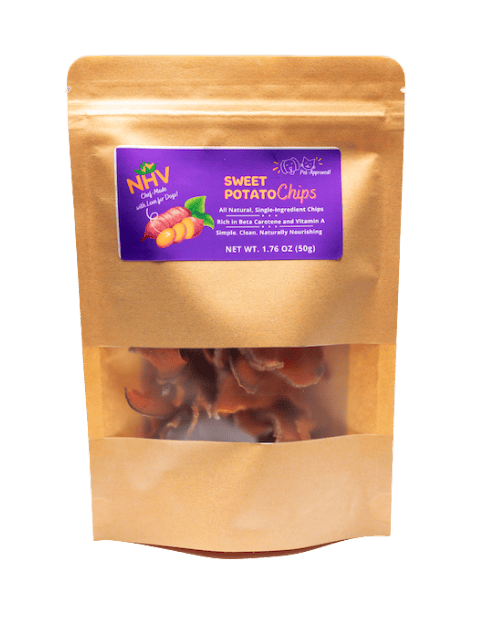
Sweet potato for dogs and cats is a healthier treat alternative
buy 2 and save $3
Give your fur baby 2-3 pieces per day as a treat
What Is It?
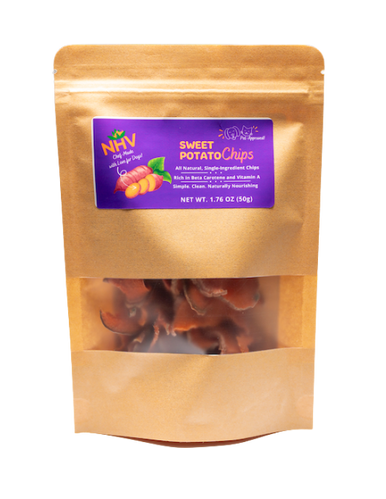
Single-ingredient dehydrated treat that’s 100% natural, tasty, and wholesome.
What Makes It Great?
Why Should I Trust It?
Vet-formulated and made in small batches by a professional chef with local, sustainable ingredients.
What Is It?
Single-ingredient dehydrated treat that’s 100% natural, tasty, and wholesome.
What Makes It Great?
Why Should I Trust It?
Vet-formulated and made in small batches by a professional chef with local, sustainable ingredients.
What better way to tell your fur kiddo “I love you” than by giving them a treat that’s also good for them? Handcrafted in Canada by a professional chef, our sweet potato chips are a single-ingredient dehydrated treat that’s 100% natural, tasty, and wholesome. Show your love with natural treats made from sweet potato for dogs and cats, and you will have them begging for more!
Need a wholesome treat for your little one that’s low in calories and high in nutrition? NHV’s sweet potato chips will be the pawfect addition!
With NHV’s sweet potato for dogs and cats, snacktime can be as wholesome as it is exciting. And as a single-ingredient pet chip, fur kiddos with sensitive tummies or dietary restrictions can enjoy them too as it is grain-free and gluten-free. There are also no artificial flavorings, preservatives, colors, or fillers - just one single ingredient - sweet potatoes!
Sweet potato for dogs and cats can be considered a superfood, meaning that it naturally offers multiple benefits from a single source!
For starters, sweet potato is high in soluble and insoluble fiber. Soluble fiber may lower cholesterol and balance glucose levels, while insoluble fibers help keep pets regular and their guts healthy.
Sweet potatoes also offer a diverse range of phytonutrients (nutrients that naturally occur in plants). For example, its iconic orange-yellow color comes from beta-carotenes, which are pigments that may help promote healthy eyes, skin, and joints.
Sweet potatoes are also rich in vitamins A and C, and the minerals manganese and copper, which are essential nutrients for pets.
As part of our commitment to reducing our environmental impact, we’ve partnered with suppliers to turn rescued sweet potatoes into delicious and nutritious pet chews.
What are rescued sweet potatoes? Slightly misshapen or discolored produce often gets left to rot because people don’t tend to purchase them despite the fact that they are every bit as nutritious as their perfect-looking counterparts! By embracing these natural variations, we provide pets with tasty snacks while doing our part to reduce the carbon footprint and water waste.
NHV Sweet Potato treats are lovingly made in small batches by a professional chef in British Columbia, Canada, a region known for its amazing nature. Each piece is carefully prepared for quality and flavor, as we believe in the best for our furry friends!
100% Sweet Potato: Naturally preserved through dehydration - No artificial flavors, preservatives, colors, or additives
Treats should comprise no more than 10% of your pet’s daily caloric intake. Always provide fresh water, and supervise your pet while giving treats. Store in a cool dry place.
What better way to tell your fur kiddo “I love you” than by giving them a treat that’s also good for them? Handcrafted in Canada by a professional chef, our sweet potato chips are a single-ingredient dehydrated treat that’s 100% natural, tasty, and wholesome. Show your love with natural treats made from sweet potato for dogs and cats, and you will have them begging for more!
Need a wholesome treat for your little one that’s low in calories and high in nutrition? NHV’s sweet potato chips will be the pawfect addition!
With NHV’s sweet potato for dogs and cats, snacktime can be as wholesome as it is exciting. And as a single-ingredient pet chip, fur kiddos with sensitive tummies or dietary restrictions can enjoy them too as it is grain-free and gluten-free. There are also no artificial flavorings, preservatives, colors, or fillers - just one single ingredient - sweet potatoes!
Sweet potato for dogs and cats can be considered a superfood, meaning that it naturally offers multiple benefits from a single source!
For starters, sweet potato is high in soluble and insoluble fiber. Soluble fiber may lower cholesterol and balance glucose levels, while insoluble fibers help keep pets regular and their guts healthy.
Sweet potatoes also offer a diverse range of phytonutrients (nutrients that naturally occur in plants). For example, its iconic orange-yellow color comes from beta-carotenes, which are pigments that may help promote healthy eyes, skin, and joints.
Sweet potatoes are also rich in vitamins A and C, and the minerals manganese and copper, which are essential nutrients for pets.
As part of our commitment to reducing our environmental impact, we’ve partnered with suppliers to turn rescued sweet potatoes into delicious and nutritious pet chews.
What are rescued sweet potatoes? Slightly misshapen or discolored produce often gets left to rot because people don’t tend to purchase them despite the fact that they are every bit as nutritious as their perfect-looking counterparts! By embracing these natural variations, we provide pets with tasty snacks while doing our part to reduce the carbon footprint and water waste.
NHV Sweet Potato treats are lovingly made in small batches by a professional chef in British Columbia, Canada, a region known for its amazing nature. Each piece is carefully prepared for quality and flavor, as we believe in the best for our furry friends!
100% Sweet Potato: Naturally preserved through dehydration - No artificial flavors, preservatives, colors, or additives
Treats should comprise no more than 10% of your pet’s daily caloric intake. Always provide fresh water, and supervise your pet while giving treats. Store in a cool dry place.
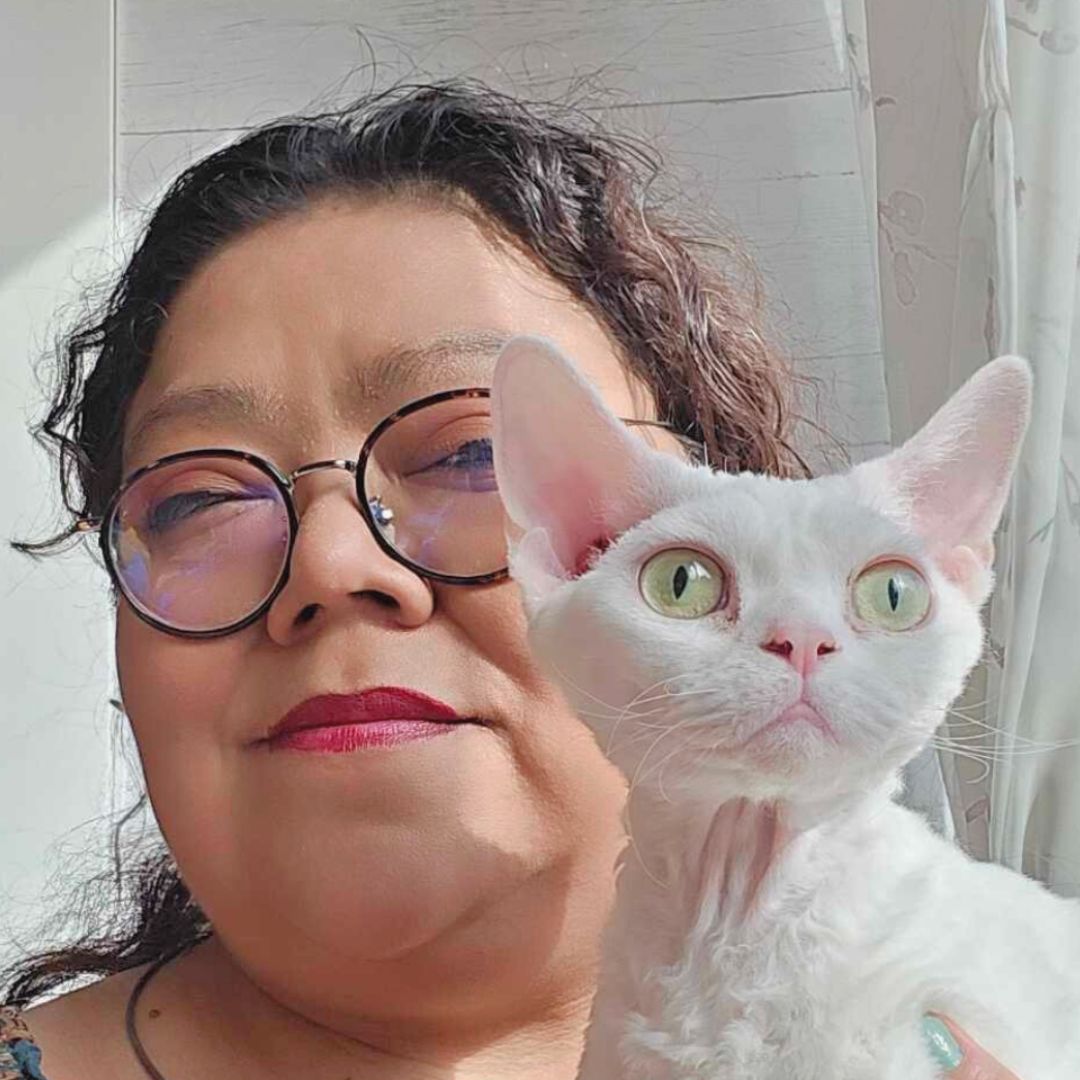
Dr. Yuvia Hernandez graduated from the Universidad Autonoma de Ciudad Juarez (Mexico) with a degree in Veterinary Medicine and Animal Husbandry, and later got her Master’s Degree in Educational Strategies from the Universidad Regional del Norte. She has taken several courses throughout her career to train in the veterinary field, such as emergency veterinary care, animal nutrition, and holistic veterinary care. Dr. Hernandez shares her home with two adorable cats as she continues to learn about animal welfare and care.
Published: February 13, 2026
liver support
100% Natural Liver and Kidney Detox and Cancer Support in Cats
buy 2 and save $3
3 month supply for a small to medium size pet
What Is It?
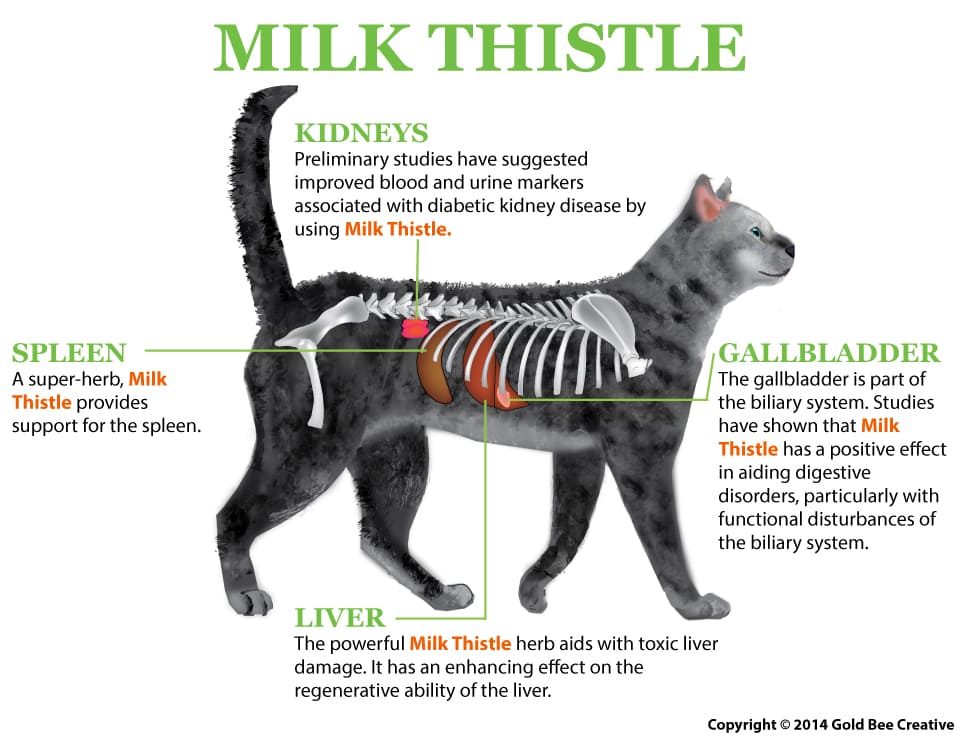
Milk Thistle is a well-known herb among conventional and holistic veterinarians, often recommended for cats who have liver disorders, are fighting cancer, diabetes, kidney issues, gallbladder and bile duct issues, as well as hyperthyroidism.
How Does it Work?
Why Should I Trust It?
100% natural supplement approved and formulated by vets.
What Is It?
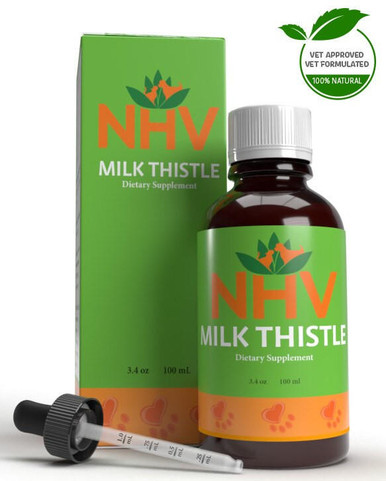
Milk Thistle is a well-known herb among conventional and holistic veterinarians, often recommended for cats who have liver disorders, are fighting cancer, diabetes, kidney issues, gallbladder and bile duct issues, as well as hyperthyroidism.
How Does it Work?
Why Should I Trust It?
100% natural supplement approved and formulated by vets.
Milk thistle, also known as Silybum Marianum is an herb that has been used for thousands of years by humans for its powerful medicinal properties. The active ingredient is Silymarin which contains flavonoids that have many beneficial properties including:
Milk thistle is one of the few herbs that have no equivalent in conventional medicine and has many uses. You can read about the many applications of Milk Thistle for cats and dogs on Dr. Hillary Cook's blog.
Milk Thistle for Liver Function
Milk Thistle for cats with liver disease is glycerin-based and safe for long-term use. This potent herbal formula provides excellent proactive support and can be taken in conjunction with conventional treatment.
Milk Thistle for Kidney Function
Milk Thistle for Anti-Cancer Support
Milk Thistle may also be beneficial to cats undergoing chemotherapy as Silymarium may enhance the activity of certain chemo drugs.
You can read Peachez's Story with Milk Thistle for cats and how it helped her with cancer and liver problems.
NHV’s certified organic Milk Thistle is a safe herb that is recommended and used by holistic practitioners. All of our products are all-natural and formulated by veterinarians with a focus on comprehensively supporting the health and well-being of your feline family member.
If you have questions about Milk Thistle or any of our plant-based products, ask an NHV expert because at NHV we want your kitty’s health to be purrfect!
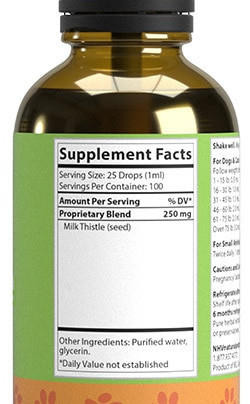
NHV’s Milk Thistle for Cats contains just one ingredient.
Select your pet's weight to determine the correct dose.
To be taken twice daily. Determine your pet’s weight and then use the easy chart below to determine the correct dose. This is the minimum dosage.
Pet's Weight Dosage
0 - 15 lb = 0.5 ml
16 - 30 lb = 1.0 ml
31 - 45 lb = 1.5 ml
46 - 60 lb = 2.0 ml
61 - 75 lb = 2.5 ml
Over 75 lb = 3.0 ml
How to Administer
Shake well before use. The easiest method is to use the dropper provide and places the drops into your pet’s food or favorite treat. You can also use the dropper and squirt directly into the pet’s mouth.
Some pets can be finicky, if this occurs consider hiding the drops in foods most pet’s love such as fish, chicken or yogurt or a favorite treat. If your pet only eats dry food then soak a few kibbles at feeding time.
For Best Results
Herbal dietary supplements are beneficial to the health and wellbeing of your pet and are safe for long-term use. Every pet responds to natural herbal supplements differently, therefore it is important to be consistent and administer the product daily. Supplements generally take two to four weeks to take effect, however this will vary from one animal to the next.
Product Storage
All NHV Natural Pet Products are pure herbal extracts and contain no artificial additives, preservatives or coloring. Shelf life after opening is 6 months and must be refrigerated after opening.
Cautions and Contraindications
Do not use Milk Thistle in pregnant or nursing animals. Speak to your vet before using our products. A second visit is recommended if your pet’s condition does not improve, or deteriorates after continued use of the supplements.
All information provided by NHV Natural Pet Products is for educational purposes only.
Milk thistle, also known as Silybum Marianum is an herb that has been used for thousands of years by humans for its powerful medicinal properties. The active ingredient is Silymarin which contains flavonoids that have many beneficial properties including:
Milk thistle is one of the few herbs that have no equivalent in conventional medicine and has many uses. You can read about the many applications of Milk Thistle for cats and dogs on Dr. Hillary Cook's blog.
Milk Thistle for Liver Function
Milk Thistle for cats with liver disease is glycerin-based and safe for long-term use. This potent herbal formula provides excellent proactive support and can be taken in conjunction with conventional treatment.
Milk Thistle for Kidney Function
Milk Thistle for Anti-Cancer Support
Milk Thistle may also be beneficial to cats undergoing chemotherapy as Silymarium may enhance the activity of certain chemo drugs.
You can read Peachez's Story with Milk Thistle for cats and how it helped her with cancer and liver problems.
NHV’s certified organic Milk Thistle is a safe herb that is recommended and used by holistic practitioners. All of our products are all-natural and formulated by veterinarians with a focus on comprehensively supporting the health and well-being of your feline family member.
If you have questions about Milk Thistle or any of our plant-based products, ask an NHV expert because at NHV we want your kitty’s health to be purrfect!
NHV’s Milk Thistle for Cats contains just one ingredient.
Select your pet's weight to determine the correct dose.
To be taken twice daily. Determine your pet’s weight and then use the easy chart below to determine the correct dose. This is the minimum dosage.
Pet's Weight Dosage
0 - 15 lb = 0.5 ml
16 - 30 lb = 1.0 ml
31 - 45 lb = 1.5 ml
46 - 60 lb = 2.0 ml
61 - 75 lb = 2.5 ml
Over 75 lb = 3.0 ml
How to Administer
Shake well before use. The easiest method is to use the dropper provide and places the drops into your pet’s food or favorite treat. You can also use the dropper and squirt directly into the pet’s mouth.
Some pets can be finicky, if this occurs consider hiding the drops in foods most pet’s love such as fish, chicken or yogurt or a favorite treat. If your pet only eats dry food then soak a few kibbles at feeding time.
For Best Results
Herbal dietary supplements are beneficial to the health and wellbeing of your pet and are safe for long-term use. Every pet responds to natural herbal supplements differently, therefore it is important to be consistent and administer the product daily. Supplements generally take two to four weeks to take effect, however this will vary from one animal to the next.
Product Storage
All NHV Natural Pet Products are pure herbal extracts and contain no artificial additives, preservatives or coloring. Shelf life after opening is 6 months and must be refrigerated after opening.
Cautions and Contraindications
Do not use Milk Thistle in pregnant or nursing animals. Speak to your vet before using our products. A second visit is recommended if your pet’s condition does not improve, or deteriorates after continued use of the supplements.
All information provided by NHV Natural Pet Products is for educational purposes only.