Old Timer – Support for Senior Pets
USD $49.95
free shipping over $100 (USA & Canada)
1-877-937-4372 the pet expert hotline



The chilly season brings its own set of challenges to our furry family members. While many pets enjoy playing in the snow or going on crisp morning walks, the physiological changes caused by cold temperatures can quietly impact their joints, skin, and overall comfort.
Winter affects multiple body systems at once
This is the time of year when pets need extra care during cold weather, even if they seem perfectly fine on the outside. From stiffness in older pets to dry, irritated skin in both dogs and cats, winter affects multiple body systems at once.
In this blog, we’ll explore how winter impacts pet joints, why skin gets more sensitive during cold weather, and what you can do to naturally protect and support your pet during the colder months.
The cold weather may impact our pets joints and mobility in several ways.
Just like humans, pets with arthritis or early joint degeneration often experience worsening symptoms in the winter. Lower temperatures can lead to decreased synovial fluid viscosity (the lubricating fluid inside joints), making movements stiff and uncomfortable.
Cold weather slows blood flow to extremities and joints, especially in older or already arthritic pets. Reduced circulation means:
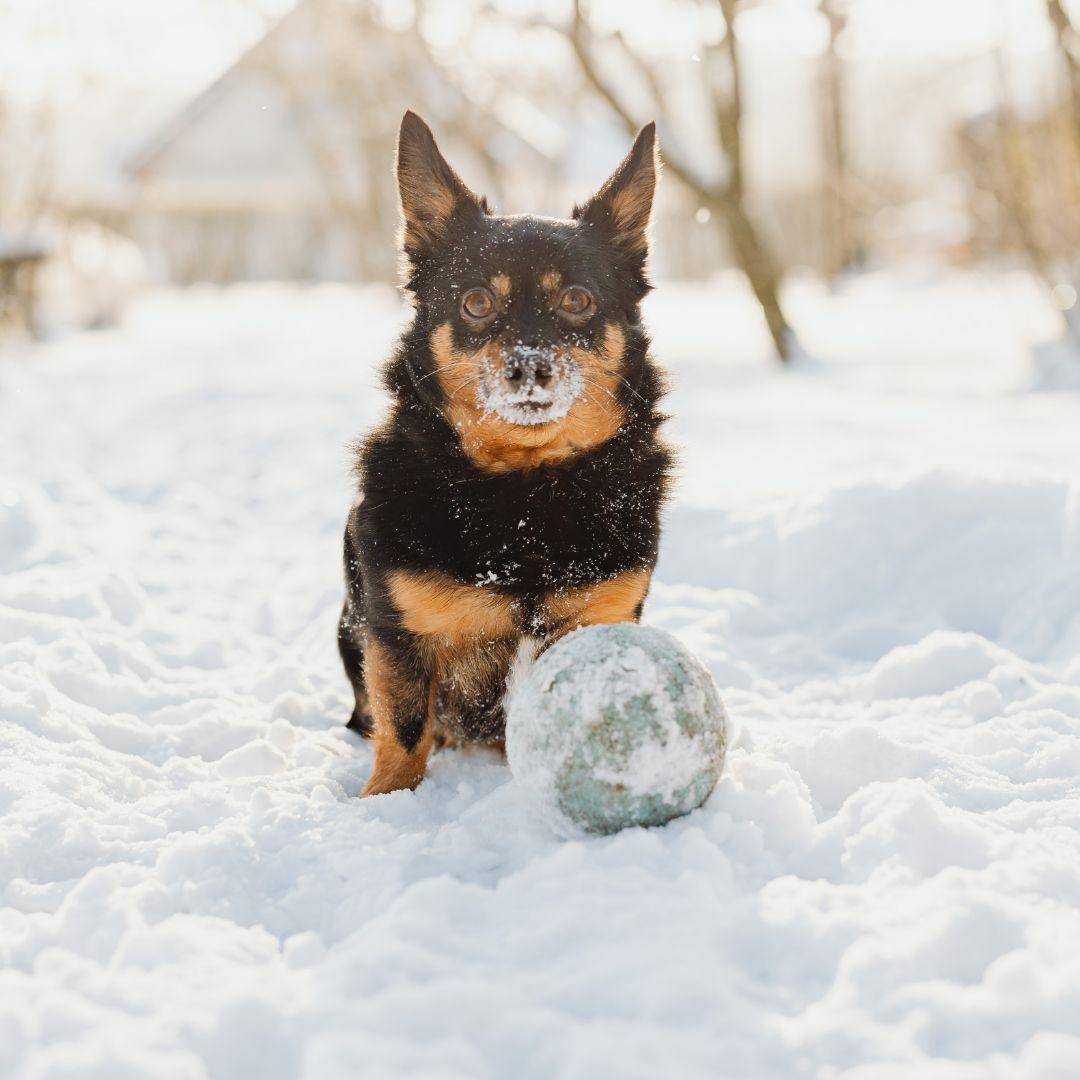
Even young pets may show mild stiffness due to the cold, especially after long periods of inactivity.
Winter is the perfect time to be more proactive about joint supplements for pets. Holistic joint care focuses on anti-inflammatory botanicals, circulation support, and gentle, long-term nourishment.
Key natural ingredients backed by research include:
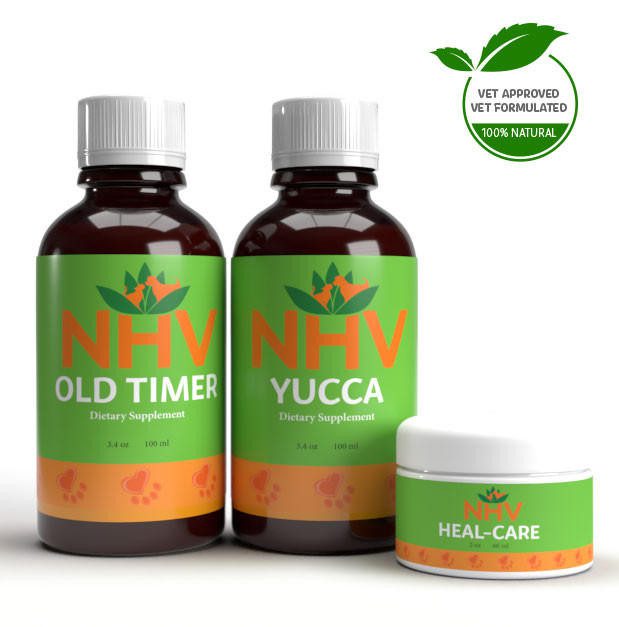
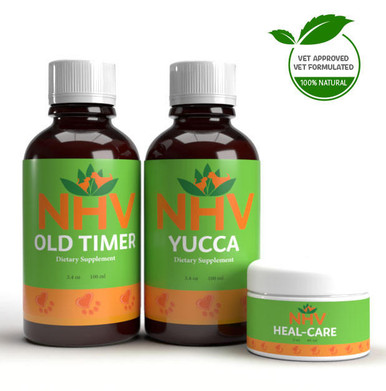
The NHV Winter Health Kit includes a combination of joint and skin supporting supplements like NHV Old Timer, Yucca, and Heal Care Ointment for natural joint and skin comfort all season long.
Winter isn’t just tough on joints, it also takes a toll on your pet’s skin. Dry indoor heating combined with cold, windy outdoor air creates the perfect environment for skin irritation.
Dry air pulls moisture from the skin, damaging its natural barrier. Dogs and cats rely on sebaceous oils to keep their skin healthy, but winter can strip these oils away.
This can increase the risk of:
Some symptoms of winter-related skin issues in pets include:
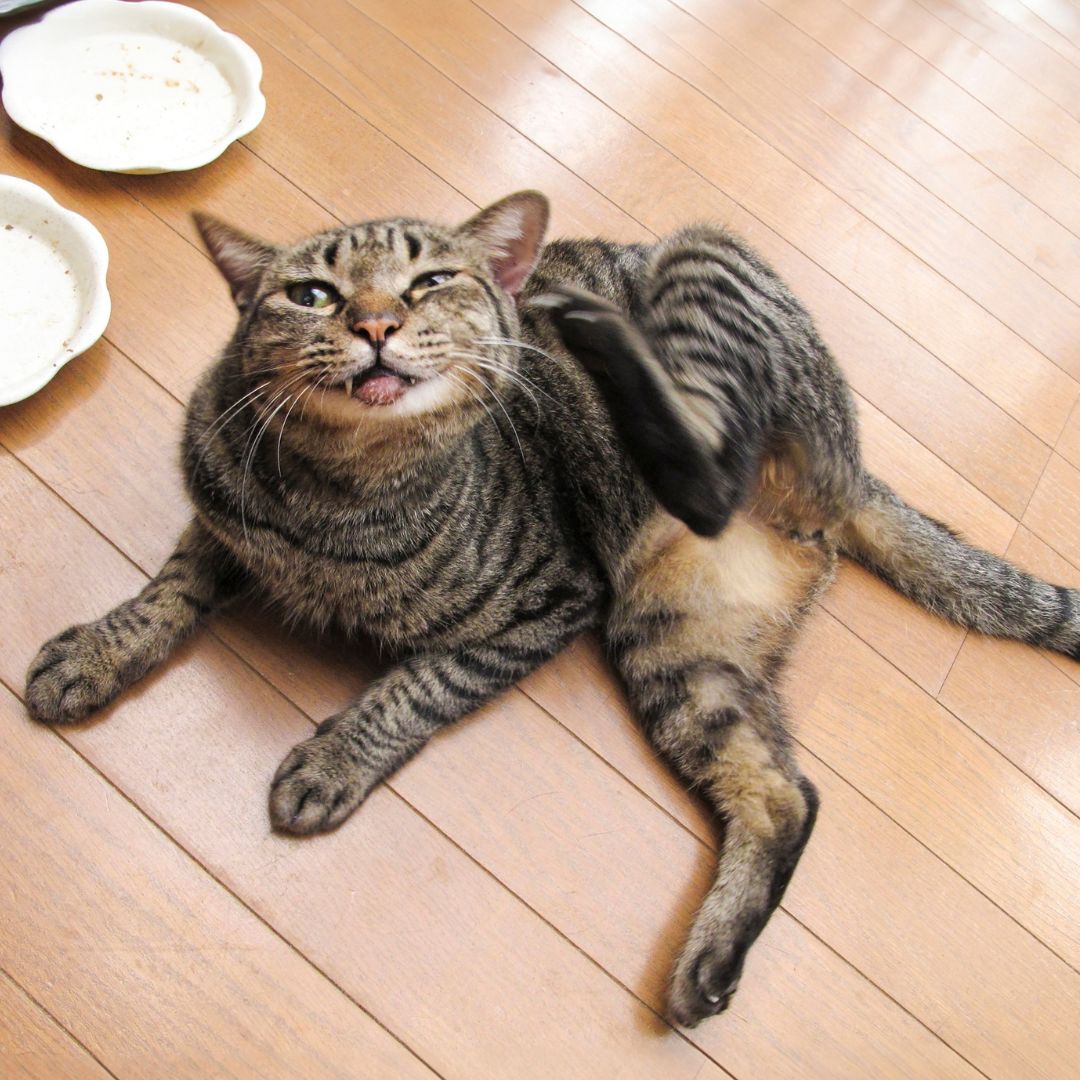
Internal hydration is just as important as topical care. Always ensure that pets have fresh drinking water available and that drinking bowls are cleaned regularly.
Certain supplements can benefit skin hydration as well. Omega-3 fatty acids help:
NHV PetOmega 3 promotes healthy skin from within, helping pets maintain moisture balance and overall skin resilience throughout the winter.
Winter surfaces like ice, snow, and salted sidewalks can cause micro-abrasions, cracking, and irritation. Paws are heavily exposed in winter, and preventing dryness early helps avoid discomfort later. NHV Heal Care is an all-around soothing ointment for dog paw pads, sore muscles and even dry skin on their sweet little noses.
Winter wellness isn’t just about addressing problems, it’s about preparing your pet’s body ahead of the seasonal stress.
Here’s how natural supplements, proper nutrition, and environmental adjustments can help keep your pet comfortable.
PROTECT your pet against the cold:
PREVENT winter triggers before they start:
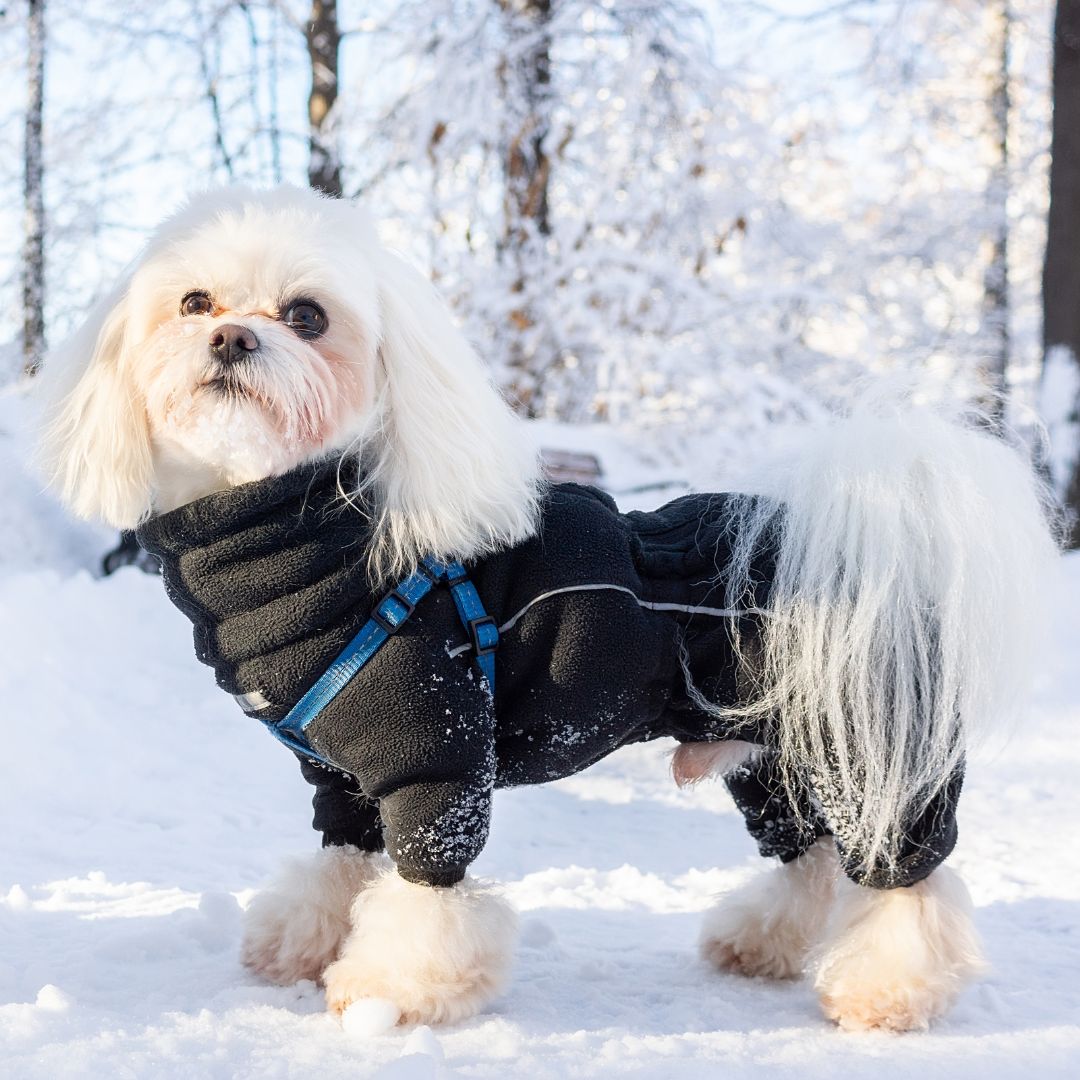
PREPARE a winter wellness routine:
NHV’s holistic herbal blends work synergistically to support pets during the winter months. Each formula in this kit is veterinarian-crafted and made with natural ingredients that help the body maintain balance.
Winter doesn’t have to be uncomfortable for your pet. With natural support and proactive care, you can help them feel warm, mobile, and happy all season long.
Winter is beautiful, but it can be tough on your pet’s joints and skin. By understanding how cold weather influences their body and taking simple steps to support them naturally, you can make this season a comfortable and joyful one for your furry friend.
Winter wellness is essential
Whether your pet is a playful puppy, an energetic adult, or a wise senior, winter wellness is essential. From joint support to skin protection, prevention is always better than treatment.
Sign up for our newsletter to receive monthly pet health tips, expert insights, and upcoming promotions, straight from the NHV family to yours!
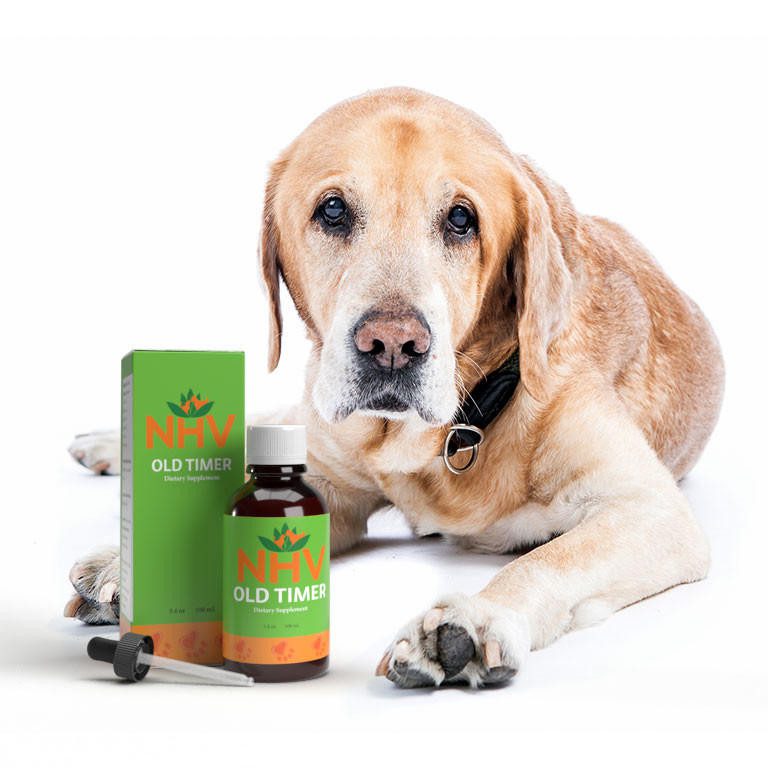
Old Timer - Support for senior pets with joint and muscle issues
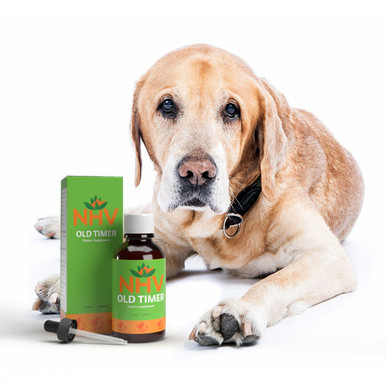
Old Timer - Support for senior pets with joint and muscle issues
general wellbeing
All-Natural Pet Supplements
bundle and save with pet expert kits
3 month supply for a small to medium size pet.
What is it?
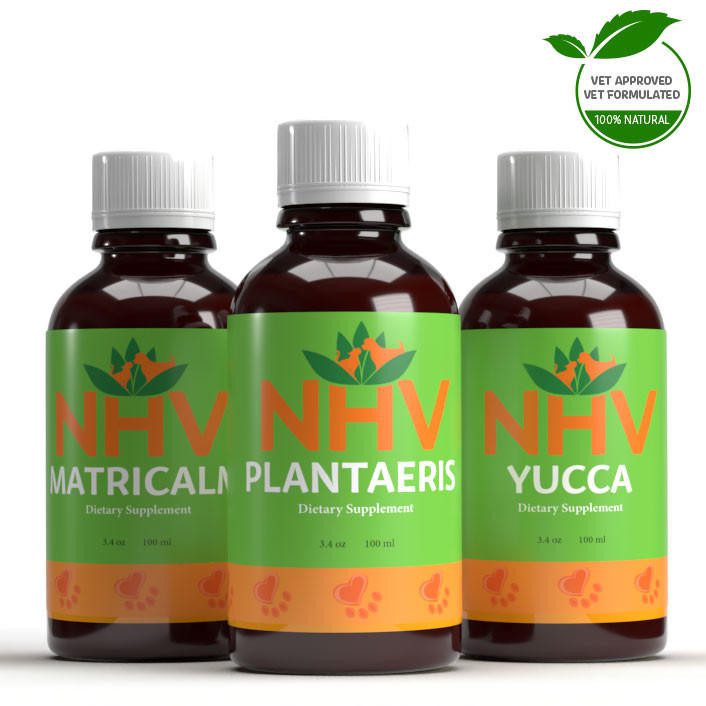
NHV Holiday Essentials Kit is a comprehensive pet supplement bundle that helps calm stressed pets, supports digestion and diarrhea relief, and provides natural support for joint discomfort.
How Does it Work?
Why Should I Trust It?
Formulated by veterinarians with the finest herbs.

What is it?
NHV Holiday Essentials Kit is a comprehensive pet supplement bundle that helps calm stressed pets, supports digestion and diarrhea relief, and provides natural support for joint discomfort.
How Does it Work?
Why Should I Trust It?
Formulated by veterinarians with the finest herbs.
We all want to have a great time during the holidays, but sometimes family gatherings and sudden changes in the home can be stressful for your pet. Give your furry friend the support they need with NHV Holiday Essentials Kit - a comprehensive pet supplement bundle that helps calm a stressed-out pet, provide diarrhea support and overall digestive support, and support for joint discomfort.
Holistic Support and Pet Supplements for the Holidays
'Tis the season you say! Of course, the holidays are a time to celebrate, but with family dinners and get-togethers just around the corner, changes in your pet's daily routine can cause a lot of stress and anxiety. Hanging wires or seasonal decorations can entice your pet's curiosity, and they may gobble up something they weren't supposed to from the kitchen! Bringing home new plants like belladonna, mistletoe, or holly may be toxic to your pets, and may cause an upset tummy resulting in diarrhea from a few casual nibbles. We recommend creating safe spaces for your little one to relax, play and retreat to when the festivities become too much for them. If you're low on space, just opening up a few closets or having a few boxes with blankets or soft bedding inside will do wonders for your pet's mental wellbeing. For added support, we recommend our Holiday Essentials Kit that contains Matricalm (natural stress relief), Plantaeris (diarrhea support) and Yucca (anti-inflammatory and appetite support).
How the NHV Holiday Essentials Kit Supports A Relaxed Pet
With the new faces and changes, your dog, cat or pet’s heart rate and blood pressure may increase, and they may become irritated, excitable, and stressed. These symptoms may cause digestive upset and aggressive behavior. Matricalm contains five calming herbs that may help relax the nervous system, improve digestion and discourage aggressive or anxious behavior.
Dogs and cats of all ages can have very sensitive GI tracts (especially our feline friends), so if they accidentally munch on mistletoe, an ornament, chocolate or an edible arrangement, they will likely get an upset tummy and possibly diarrhea. Plantaeris is a gentle, fast-acting diarrhea remedy that contains herbs like barberry and mullein which help to relax muscle cramping and encourage digestion. Some foods, like chocolate, and plants can be toxic, please see an emergency vet right away if your pet has ingested toxic foods/plants.
Yucca is a nutritive superfood (rich in vitamin C, beta-carotene, B vitamins, magnesium, iron, calcium, manganese, protein) and contains beneficial properties that help support the absorption of nutrients. Yucca also helps with overall digestive discomfort, and can even help reduce the production of urease, which contributes to the unpleasant odors of urine and feces in some pets.
MATRICALM
PLANTAERIS
YUCCA
Holistic Support For Your Pet
Having a healthy pet means the world to us at NHV. Providing your furkiddo with natural support during this holiday season may help prevent infections, digestive issues, and more! If you have any questions about pet supplements for your furry friends, Get in touch with an NHV Pet Expert - we’re always happy to help.
Made with the finest, organically grown, or ethically harvested herbs. Made specifically for pets, vet-formulated, and vet approved.
Matricalm
Plantaeris
Yucca
Select your pet's weight to determine the correct dose.
To be taken twice daily. Determine your pet’s weight and then use the easy chart below to determine the correct dose. This is the minimum dosage.
Pet's Weight Dosage
0 - 15 lb = 0.5 ml
16 - 30 lb = 1.0 ml
31 - 45 lb = 1.5 ml
46 - 60 lb = 2.0 ml
61 - 75 lb = 2.5 ml
Over 75 lb = 3.0 ml
For small animals (rabbits, ferrets), avians and reptiles use 1 drop for every 2 lb of body weight.
How to Administer
Shake well before use. The easiest method is to use the dropper provided and place the drops into your pet’s food or favorite treat. You can also use the dropper and squirt directly into the pet’s mouth. Some pets can be finicky, if this occurs consider hiding the drops in foods most pet’s love such as fish, chicken or yogurt or a favorite treat. If your pet only eats dry food then soak a few kibbles at feeding time.
For Best Results
Herbal dietary supplements are beneficial to the health and well-being of your pet and are safe for long-term use. Every pet responds to natural herbal supplements differently, therefore it is important to be consistent and administer the product daily. Supplements generally take two to four weeks to take effect, however this will vary from one animal to the next.
Product Storage
All NHV Natural Pet Products are pure herbal extracts and contain no artificial additives, preservatives or coloring. Shelf life after opening is 6 months and must be refrigerated after opening.
Cautions and Contraindications
Do not use in pregnant or nursing animals.
All information provided by NHV Natural Pet Products is for educational purposes only.
We all want to have a great time during the holidays, but sometimes family gatherings and sudden changes in the home can be stressful for your pet. Give your furry friend the support they need with NHV Holiday Essentials Kit - a comprehensive pet supplement bundle that helps calm a stressed-out pet, provide diarrhea support and overall digestive support, and support for joint discomfort.
Holistic Support and Pet Supplements for the Holidays
'Tis the season you say! Of course, the holidays are a time to celebrate, but with family dinners and get-togethers just around the corner, changes in your pet's daily routine can cause a lot of stress and anxiety. Hanging wires or seasonal decorations can entice your pet's curiosity, and they may gobble up something they weren't supposed to from the kitchen! Bringing home new plants like belladonna, mistletoe, or holly may be toxic to your pets, and may cause an upset tummy resulting in diarrhea from a few casual nibbles. We recommend creating safe spaces for your little one to relax, play and retreat to when the festivities become too much for them. If you're low on space, just opening up a few closets or having a few boxes with blankets or soft bedding inside will do wonders for your pet's mental wellbeing. For added support, we recommend our Holiday Essentials Kit that contains Matricalm (natural stress relief), Plantaeris (diarrhea support) and Yucca (anti-inflammatory and appetite support).
How the NHV Holiday Essentials Kit Supports A Relaxed Pet
With the new faces and changes, your dog, cat or pet’s heart rate and blood pressure may increase, and they may become irritated, excitable, and stressed. These symptoms may cause digestive upset and aggressive behavior. Matricalm contains five calming herbs that may help relax the nervous system, improve digestion and discourage aggressive or anxious behavior.
Dogs and cats of all ages can have very sensitive GI tracts (especially our feline friends), so if they accidentally munch on mistletoe, an ornament, chocolate or an edible arrangement, they will likely get an upset tummy and possibly diarrhea. Plantaeris is a gentle, fast-acting diarrhea remedy that contains herbs like barberry and mullein which help to relax muscle cramping and encourage digestion. Some foods, like chocolate, and plants can be toxic, please see an emergency vet right away if your pet has ingested toxic foods/plants.
Yucca is a nutritive superfood (rich in vitamin C, beta-carotene, B vitamins, magnesium, iron, calcium, manganese, protein) and contains beneficial properties that help support the absorption of nutrients. Yucca also helps with overall digestive discomfort, and can even help reduce the production of urease, which contributes to the unpleasant odors of urine and feces in some pets.
MATRICALM
PLANTAERIS
YUCCA
Holistic Support For Your Pet
Having a healthy pet means the world to us at NHV. Providing your furkiddo with natural support during this holiday season may help prevent infections, digestive issues, and more! If you have any questions about pet supplements for your furry friends, Get in touch with an NHV Pet Expert - we’re always happy to help.
Made with the finest, organically grown, or ethically harvested herbs. Made specifically for pets, vet-formulated, and vet approved.
Matricalm
Plantaeris
Yucca
Select your pet's weight to determine the correct dose.
To be taken twice daily. Determine your pet’s weight and then use the easy chart below to determine the correct dose. This is the minimum dosage.
Pet's Weight Dosage
0 - 15 lb = 0.5 ml
16 - 30 lb = 1.0 ml
31 - 45 lb = 1.5 ml
46 - 60 lb = 2.0 ml
61 - 75 lb = 2.5 ml
Over 75 lb = 3.0 ml
For small animals (rabbits, ferrets), avians and reptiles use 1 drop for every 2 lb of body weight.
How to Administer
Shake well before use. The easiest method is to use the dropper provided and place the drops into your pet’s food or favorite treat. You can also use the dropper and squirt directly into the pet’s mouth. Some pets can be finicky, if this occurs consider hiding the drops in foods most pet’s love such as fish, chicken or yogurt or a favorite treat. If your pet only eats dry food then soak a few kibbles at feeding time.
For Best Results
Herbal dietary supplements are beneficial to the health and well-being of your pet and are safe for long-term use. Every pet responds to natural herbal supplements differently, therefore it is important to be consistent and administer the product daily. Supplements generally take two to four weeks to take effect, however this will vary from one animal to the next.
Product Storage
All NHV Natural Pet Products are pure herbal extracts and contain no artificial additives, preservatives or coloring. Shelf life after opening is 6 months and must be refrigerated after opening.
Cautions and Contraindications
Do not use in pregnant or nursing animals.
All information provided by NHV Natural Pet Products is for educational purposes only.
overall vitality
For Overall Health and Well-Being
buy 2 and save $3
What is it?
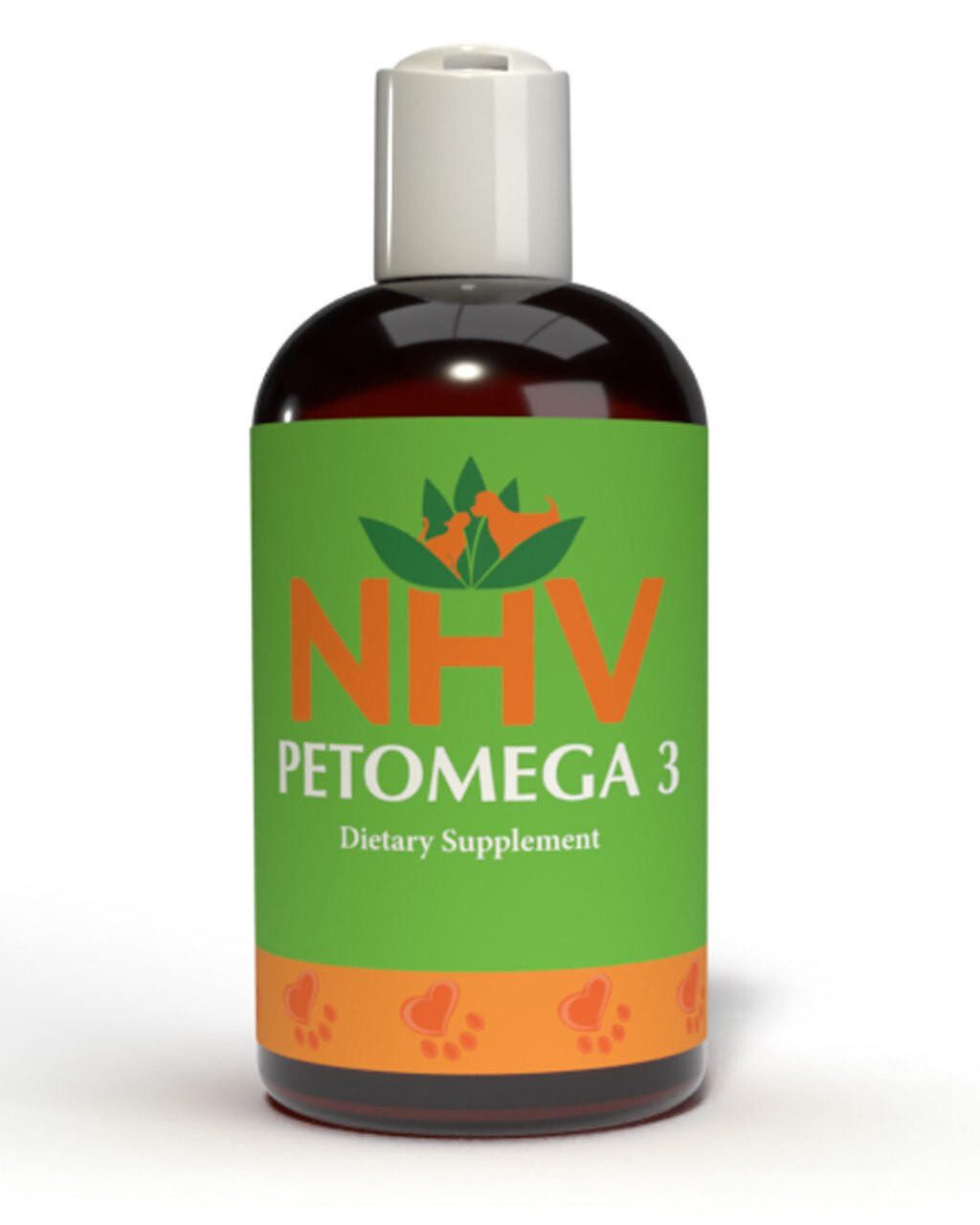
Support your dog’s health with omega-3 fish oil for dogs, promoting a healthy coat, eyes, joints, immune system, and overall organ function.
How does it work?
Why trust it?
NHV Petomega 3 has earned 5-star ratings by pet parents from around the world.

What is it?
Support your dog’s health with omega-3 fish oil for dogs, promoting a healthy coat, eyes, joints, immune system, and overall organ function.
How does it work?
Why trust it?
NHV Petomega 3 has earned 5-star ratings by pet parents from around the world.
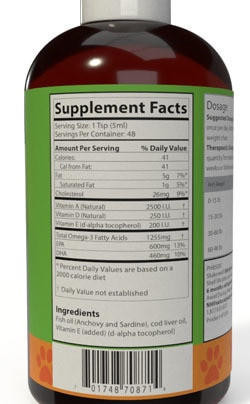
Our omega 3 fish oil for dogs is a great source of EPA (Eicosapentaenoic Acid 600mg) and DHA (Docosahexaenoic acid 460mg) essential fatty acids. This fish oil supplement for dogs is derived from sardines, anchovies and North Atlantic cod liver oil. It is molecularly distilled and cold pressed to improve the bioavailability of the omega 3 fatty acids, and is medical and human grade quality.
Omega 3 fish oil for dogs may be beneficial for the following:
Processed pet foods have increased omega-6 fatty acids, and decreased omega-3 fatty acids. The University of Maryland Medical Center states, "It is very important to maintain a balance between omega-3 and omega-6 fatty acids in the diet. A proper balance helps maintain and even improve health." Your dog’s body cannot easily make essential fatty acids. It is vital to provide omega 3 fish oil for dogs as an added supplement to your pet’s daily diet.
The American Journal of Veterinary Medicine has published studies on the benefits of omega 3 fatty acids (fish oils) for arthritis and degenerative joint disease in dogs. The studies showed that dogs who were given omega 3 fatty acids had a significantly improved ability to get up from a resting position and marked improvement in walking ability.
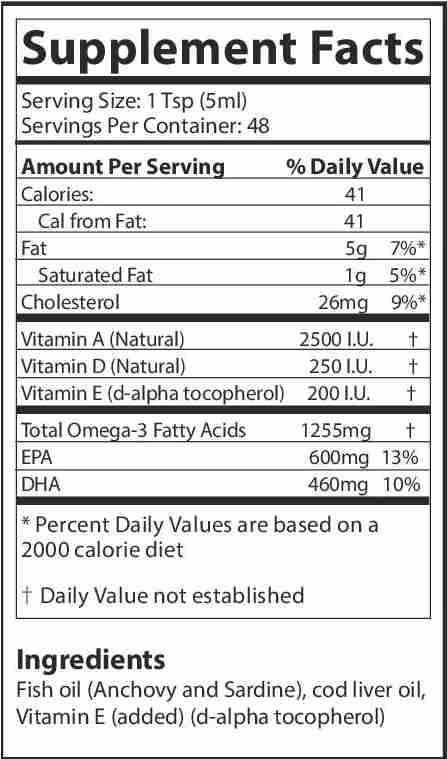
Suggested Dosage: To be taken once per day. Add to food based on weight chart.
Therapeutic Dosage: Double the quantity for maximum period of 4 weeks or follow veterinarian advise.
Pet’s Weight Dosage
0-15 lb = ¼ tsp
15-30 lb = ½ tsp
30-60 lb = 1 tsp
60-90 lb = 1 ½ tsp
How to Administer: Shake well before use. The easiest method is to add the dosage to your pets food. Some pets can be finicky, if this occurs consider hiding the appropriate amount in food most pet’s love such as fish, chicken, yogurt, or a favorite treat. If your pet only eats dry food then soak kibbles at feeding time.
For Best Results
Dietary supplements are beneficial to the health and well-being of your pet and are safe for long-term use. Every pet responds to natural supplements differently, therefore it is important to be consistent and administer the product daily. Supplements generally take two to four weeks to take effect, however this will vary from one animal to the next.
Product Storage
All NHV Natural Pet Products contain no artificial additives, preservatives or coloring. Shelf life after opening is 6 months and must be refrigerated after opening.
Cautions and Contraindications
Avoid During Pregnancy.
Our omega 3 fish oil for dogs is a great source of EPA (Eicosapentaenoic Acid 600mg) and DHA (Docosahexaenoic acid 460mg) essential fatty acids. This fish oil supplement for dogs is derived from sardines, anchovies and North Atlantic cod liver oil. It is molecularly distilled and cold pressed to improve the bioavailability of the omega 3 fatty acids, and is medical and human grade quality.
Omega 3 fish oil for dogs may be beneficial for the following:
Processed pet foods have increased omega-6 fatty acids, and decreased omega-3 fatty acids. The University of Maryland Medical Center states, "It is very important to maintain a balance between omega-3 and omega-6 fatty acids in the diet. A proper balance helps maintain and even improve health." Your dog’s body cannot easily make essential fatty acids. It is vital to provide omega 3 fish oil for dogs as an added supplement to your pet’s daily diet.
The American Journal of Veterinary Medicine has published studies on the benefits of omega 3 fatty acids (fish oils) for arthritis and degenerative joint disease in dogs. The studies showed that dogs who were given omega 3 fatty acids had a significantly improved ability to get up from a resting position and marked improvement in walking ability.
Suggested Dosage: To be taken once per day. Add to food based on weight chart.
Therapeutic Dosage: Double the quantity for maximum period of 4 weeks or follow veterinarian advise.
Pet’s Weight Dosage
0-15 lb = ¼ tsp
15-30 lb = ½ tsp
30-60 lb = 1 tsp
60-90 lb = 1 ½ tsp
How to Administer: Shake well before use. The easiest method is to add the dosage to your pets food. Some pets can be finicky, if this occurs consider hiding the appropriate amount in food most pet’s love such as fish, chicken, yogurt, or a favorite treat. If your pet only eats dry food then soak kibbles at feeding time.
For Best Results
Dietary supplements are beneficial to the health and well-being of your pet and are safe for long-term use. Every pet responds to natural supplements differently, therefore it is important to be consistent and administer the product daily. Supplements generally take two to four weeks to take effect, however this will vary from one animal to the next.
Product Storage
All NHV Natural Pet Products contain no artificial additives, preservatives or coloring. Shelf life after opening is 6 months and must be refrigerated after opening.
Cautions and Contraindications
Avoid During Pregnancy.

Published: December 2, 2025
seasonal support
Old Timer, Yucca & Heal Care Ointment
bundle and save with pet expert kits
3 month supply for a small to medium size
What is it?
As the weather dampens and cools down, you're not the only one who's feeling a sudden chill in their bones—pets can be especially vulnerable to joint pain during colder fall and winter months. Give your furkiddo the support they deserve with NHV’s Winter Health Kit.
How does it work?
Why trust it?
NHV supplements are vet-formulated and vet-approved.
What is it?
As the weather dampens and cools down, you're not the only one who's feeling a sudden chill in their bones—pets can be especially vulnerable to joint pain during colder fall and winter months. Give your furkiddo the support they deserve with NHV’s Winter Health Kit.
How does it work?
Why trust it?
NHV supplements are vet-formulated and vet-approved.
When the weather changes, it isn't just us that notices! Our pets feel it too! During colder fall and winter months, your furkiddo may be especially vulnerable to joint inflammation, arthritic flare-ups, bruises, cuts and paw pad injuries. As their pet pawrent, you may notice them acting a little differently, for example, if your dog or cat's joints are sore, they may have difficulty going to the bathroom normally. And in many places that deal with ice and snow in colder months, the salt on the roads may further aggravate your pet. Salt can really dry out and crack the skin on their paw pads, or worse, the salt is licked and ingested, causing salt poisoning. Signs of salt poisoning are drooling, loss of appetite, vomiting, and diarrhea. More severe cases of salt poisoning may lead to seizures, comas, and even death. We highly recommend washing your pet's paws with warm soapy water after wintery romps to prevent salt from irritating the skin. Once the paws are clean and dry, NHV Heal Care is a beneficial dog paw balm and cat paw balm for adding moisture back into the skin and creating a protective barrier against the elements. To provide internal support from the elements, Old Timer and Yucca round out the Winter Health Kit to help soothe inflammation in the muscles and joints, help revitalize energy levels and add immune support so that our furry friends are protected inside and out!
You may notice small changes in your dog or cat's behavior when they aren't feeling their best. Arthritis in cats and dogs can become more noticeable in the winter, as colder temperatures may increase joint discomfort—just like in humans.
And then the added issue of road salt in colder months may cause further stress and discomfort. As their paw parent, you will want to reduce swelling and inflammation, improve circulation and support their immune system so that they can bounce back and get outside! NHV Winter Health Kit contains Old Timer, Yucca, and Heal Care. Old Timer's blend of nutrient-rich herbs is beneficial for immune support, improving energy levels and helping the body deal with stress. Ingredients like asian ginseng have a long history of being used to improve overall vitality, energy levels and muscle strength. Yucca contains natural steroid-like properties that help alleviate inflammation and encourage healthy appetite. And St. John's wort combined with arnica in Heal Care provide a soothing cat and dog pawbalm to support the healing of bruises, cuts, inflamed paw pads, sore muscles and more.
It’s great to know that there are ways to support your little one’s health naturally! All NHV products use only the finest organic, wild-crafted ingredients and formulated by the combined efforts of a master herbalist and veterinarian with 50+ years of experience. If you have any questions about cat and dog joint supplements or need any holistic advice, an NHV pet expert is happy to help.
Made with the finest, organically grown, or ethically harvested herbs. Made specifically for pets, vet-formulated, and vet approved.
Old Timer
Yucca
Heal Care
Select your pet's weight to determine the correct dose.
All NHV natural pet supplements can be used together simultaneously.
DIRECTIONS AND DOSAGE FOR NHV YUCCA AND NHV OLD TIMER
To be taken twice daily. Determine your pet’s weight and then use the easy chart below to determine the correct dose. This is the minimum dosage.
Pet's Weight Dosage
0 - 15 lb = 0.5 ml
16 - 30 lb = 1.0 ml
31 - 45 lb = 1.5 ml
46 - 60 lb = 2.0 ml
61 - 75 lb = 2.5 ml
Over 75 lb = 3.0 ml
For small animals (rabbits, ferrets), avians and reptiles use 1 drop for every 2 lb of body weight.
How to Administer
Shake well before use. The easiest method is to use the dropper provide and places the drops into your pet’s food or favorite treat. You can also use the dropper and squirt directly into the pet’s mouth.
Some pets can be finicky, if this occurs consider hiding the drops in foods most pet’s love such as fish, chicken or yogurt or a favourite treat. If your pet only eats dry food then soak a few kibbles at feeding time.
For Best Results
Herbal dietary supplements are beneficial to the health and wellbeing of your pet and are safe for long-term use. Every pet responds to natural herbal supplements differently, therefore it is important to be consistent and administer the product daily. Supplements generally take two to four weeks to take effect, however this will vary from one animal to the next.
Product Storage
All NHV Natural Pet Products are pure herbal extracts and contain no artificial additives, preservatives or coloring. Shelf life after opening is 6 months and must be refrigerated after opening.
Cautions and Contraindications
Do not in pregnant or nursing animals. Speak to your vet before using our products. A second visit is recommended if your pet’s condition does not improve, or deteriorates after continued use of the supplements.
DIRECTIONS AND DOSAGE FOR NHV HEAL CARE OINTMENT
How to Administer
Topical ointment: Clean and dry paw pads. Apply to affected area 3 to 4 times per day until healed. It may be necessary to use booties or wrap the paw with gauze dressing so that your pet does not lick the ointment.
Caution
Do not apply on open or bleeding wounds. Heal Care ointment contains arnica which may cause a skin allergy on some very sensitive pet’s. Try the product on a hairless part of the body first to test for sensitivity
All information provided by NHV Natural Pet Products is for educational purposes only.
When the weather changes, it isn't just us that notices! Our pets feel it too! During colder fall and winter months, your furkiddo may be especially vulnerable to joint inflammation, arthritic flare-ups, bruises, cuts and paw pad injuries. As their pet pawrent, you may notice them acting a little differently, for example, if your dog or cat's joints are sore, they may have difficulty going to the bathroom normally. And in many places that deal with ice and snow in colder months, the salt on the roads may further aggravate your pet. Salt can really dry out and crack the skin on their paw pads, or worse, the salt is licked and ingested, causing salt poisoning. Signs of salt poisoning are drooling, loss of appetite, vomiting, and diarrhea. More severe cases of salt poisoning may lead to seizures, comas, and even death. We highly recommend washing your pet's paws with warm soapy water after wintery romps to prevent salt from irritating the skin. Once the paws are clean and dry, NHV Heal Care is a beneficial dog paw balm and cat paw balm for adding moisture back into the skin and creating a protective barrier against the elements. To provide internal support from the elements, Old Timer and Yucca round out the Winter Health Kit to help soothe inflammation in the muscles and joints, help revitalize energy levels and add immune support so that our furry friends are protected inside and out!
You may notice small changes in your dog or cat's behavior when they aren't feeling their best. Arthritis in cats and dogs can become more noticeable in the winter, as colder temperatures may increase joint discomfort—just like in humans.
And then the added issue of road salt in colder months may cause further stress and discomfort. As their paw parent, you will want to reduce swelling and inflammation, improve circulation and support their immune system so that they can bounce back and get outside! NHV Winter Health Kit contains Old Timer, Yucca, and Heal Care. Old Timer's blend of nutrient-rich herbs is beneficial for immune support, improving energy levels and helping the body deal with stress. Ingredients like asian ginseng have a long history of being used to improve overall vitality, energy levels and muscle strength. Yucca contains natural steroid-like properties that help alleviate inflammation and encourage healthy appetite. And St. John's wort combined with arnica in Heal Care provide a soothing cat and dog pawbalm to support the healing of bruises, cuts, inflamed paw pads, sore muscles and more.
It’s great to know that there are ways to support your little one’s health naturally! All NHV products use only the finest organic, wild-crafted ingredients and formulated by the combined efforts of a master herbalist and veterinarian with 50+ years of experience. If you have any questions about cat and dog joint supplements or need any holistic advice, an NHV pet expert is happy to help.
Made with the finest, organically grown, or ethically harvested herbs. Made specifically for pets, vet-formulated, and vet approved.
Old Timer
Yucca
Heal Care
Select your pet's weight to determine the correct dose.
All NHV natural pet supplements can be used together simultaneously.
DIRECTIONS AND DOSAGE FOR NHV YUCCA AND NHV OLD TIMER
To be taken twice daily. Determine your pet’s weight and then use the easy chart below to determine the correct dose. This is the minimum dosage.
Pet's Weight Dosage
0 - 15 lb = 0.5 ml
16 - 30 lb = 1.0 ml
31 - 45 lb = 1.5 ml
46 - 60 lb = 2.0 ml
61 - 75 lb = 2.5 ml
Over 75 lb = 3.0 ml
For small animals (rabbits, ferrets), avians and reptiles use 1 drop for every 2 lb of body weight.
How to Administer
Shake well before use. The easiest method is to use the dropper provide and places the drops into your pet’s food or favorite treat. You can also use the dropper and squirt directly into the pet’s mouth.
Some pets can be finicky, if this occurs consider hiding the drops in foods most pet’s love such as fish, chicken or yogurt or a favourite treat. If your pet only eats dry food then soak a few kibbles at feeding time.
For Best Results
Herbal dietary supplements are beneficial to the health and wellbeing of your pet and are safe for long-term use. Every pet responds to natural herbal supplements differently, therefore it is important to be consistent and administer the product daily. Supplements generally take two to four weeks to take effect, however this will vary from one animal to the next.
Product Storage
All NHV Natural Pet Products are pure herbal extracts and contain no artificial additives, preservatives or coloring. Shelf life after opening is 6 months and must be refrigerated after opening.
Cautions and Contraindications
Do not in pregnant or nursing animals. Speak to your vet before using our products. A second visit is recommended if your pet’s condition does not improve, or deteriorates after continued use of the supplements.
DIRECTIONS AND DOSAGE FOR NHV HEAL CARE OINTMENT
How to Administer
Topical ointment: Clean and dry paw pads. Apply to affected area 3 to 4 times per day until healed. It may be necessary to use booties or wrap the paw with gauze dressing so that your pet does not lick the ointment.
Caution
Do not apply on open or bleeding wounds. Heal Care ointment contains arnica which may cause a skin allergy on some very sensitive pet’s. Try the product on a hairless part of the body first to test for sensitivity
All information provided by NHV Natural Pet Products is for educational purposes only.