general wellbeing
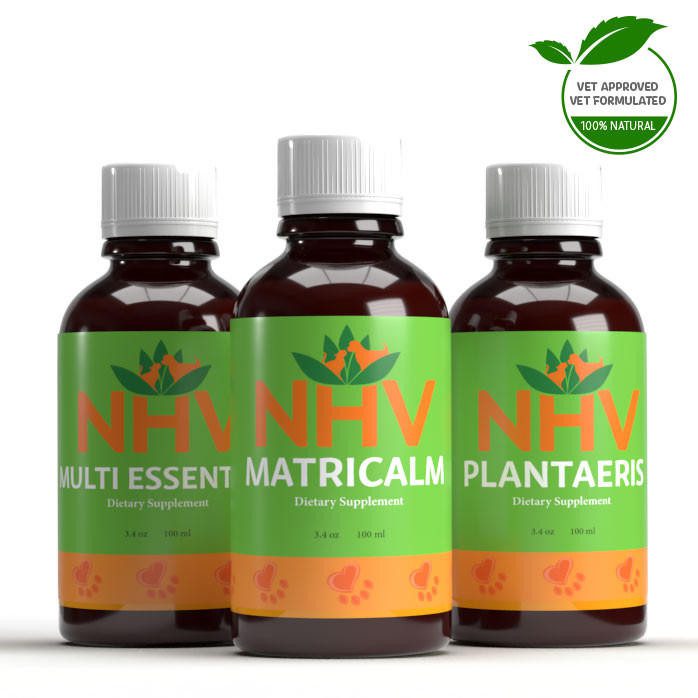
Shelter Pet Happy Start Kit
USD $146.85
free shipping over $100 (USA & Canada)
1-877-937-4372 the pet expert hotline

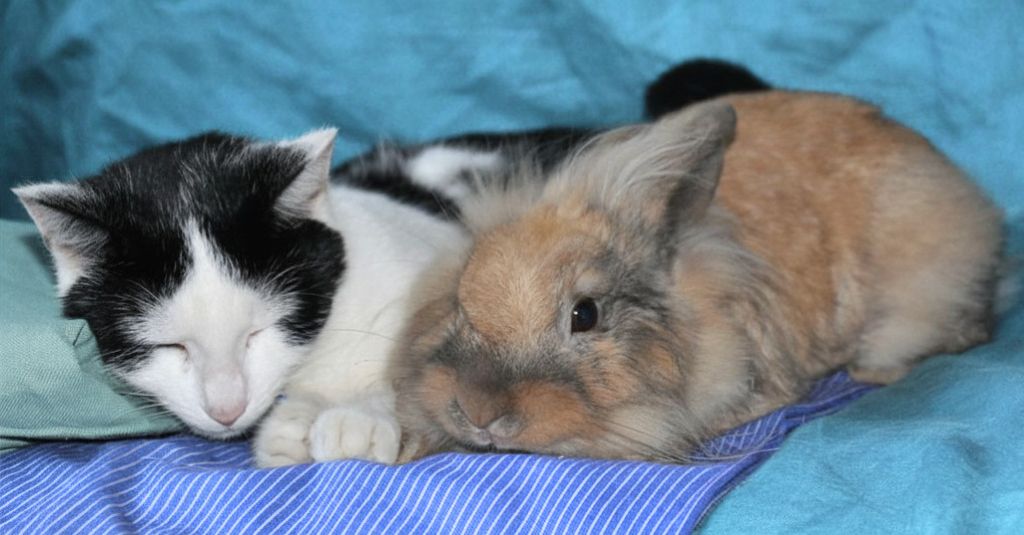
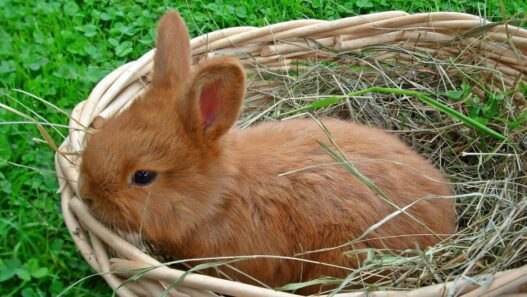
Are you wondering whether you can introduce a bunny to your existing family with cats and dogs? While it’s always exciting to add a new fur kid into the mix, rabbits have quite different needs than other fur kiddos. They’re prey animals, which means their natural instinct is to run – while your dog or cat has an instinct to chase. To make sure everyone has a good, safe time, you should first learn some tips to navigate those first introductions!
As they say, first impressions are everything. This holds true for our fur kiddos, too! Begin introductions in a neutral space where pets won’t feel territorial. So, instead of near food, toys, or beds, choose an area in the home without any “resources” to guard. For the first meetings, keep your new bun inside a secure enclosure or exercise pen, and keep your dog or cat on a leash. This allows them to sniff and see each other without the risk of a sudden chase.
Pets are constantly communicating through body language
Pets are constantly communicating through body language, and it’s important to pay attention. Watch your dog for high tension or “hyper-focus” and your cat for crouching. If anyone seems overwhelmed, end the session and try again the next day. Short, positive interactions are much better than one long, stressful one.
Before they even meet face-to-face, let them get used to each other’s scents. Swap their bedding or use a soft cloth to rub one pet and then place it near the other. This helps them identify the new family member as a friend rather than a stranger, making the actual physical introduction much less shocking for everyone involved.
Some pets simply aren’t going to get along well. For instance, certain breeds of dog are quite literally bred to chase small furry animals. This includes breeds like retrievers, terriers, and more. Also, younger dogs still considered puppies aren’t as good at regulating their instincts. You should hold off until they are older and proven to be calmer. Likewise, cats that have strong hunting instincts (bringing you their prey, for example) may not be ideal candidates.
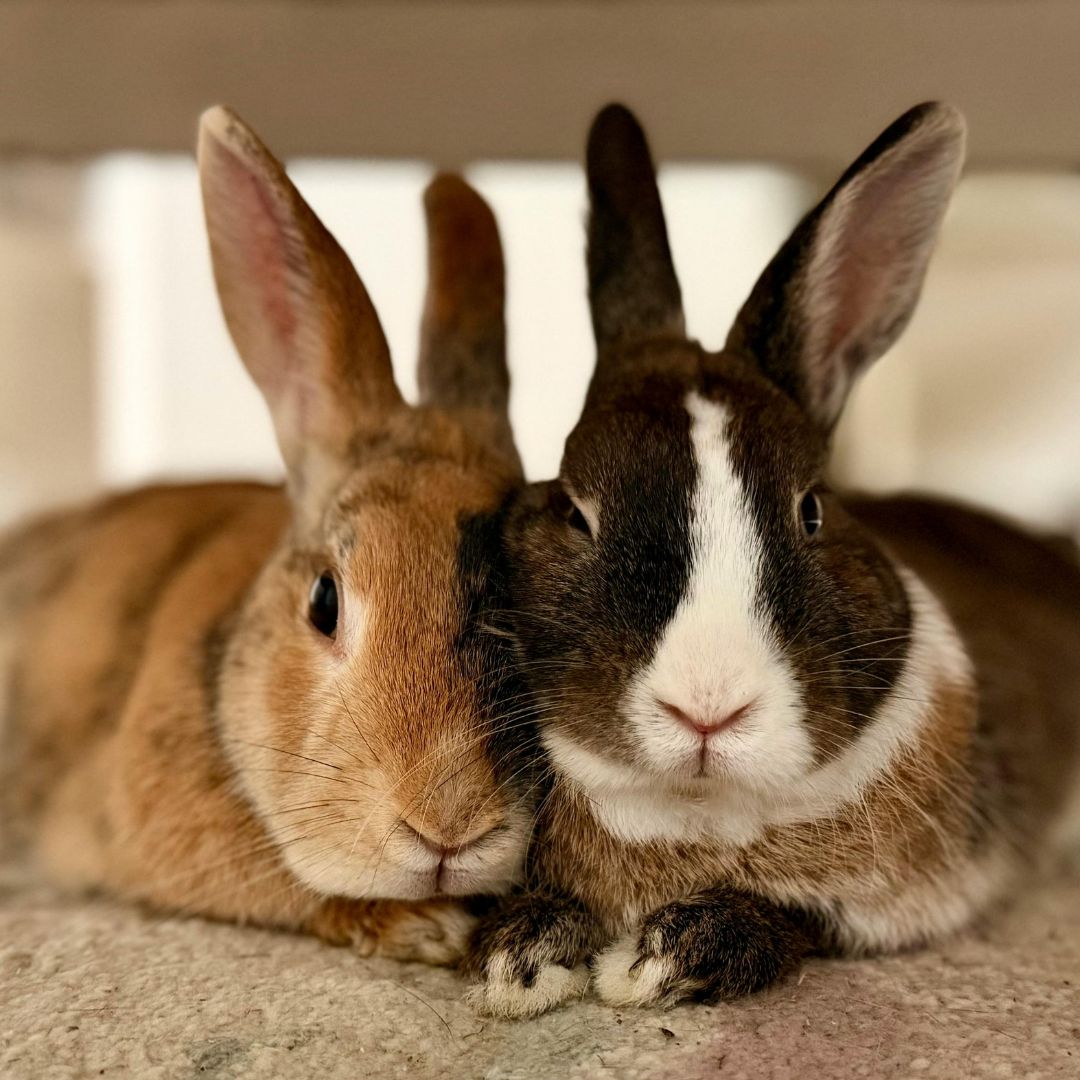
For the same reason, spayed and neutered pets are often better candidates for a bunny because they tend to be a bit more chill.
Even if they seem like best friends after a while, never leave a rabbit alone with a dog or cat. Accidents can happen in a split second if a predatory instinct kicks in or if a bunny gets spooked. Always be present to moderate their playtime and ensure that the bunny has a “safe zone” or a hiding spot where the other pets cannot reach them.
Always make sure to have a plan and know your pets well before introducing a new bunny.
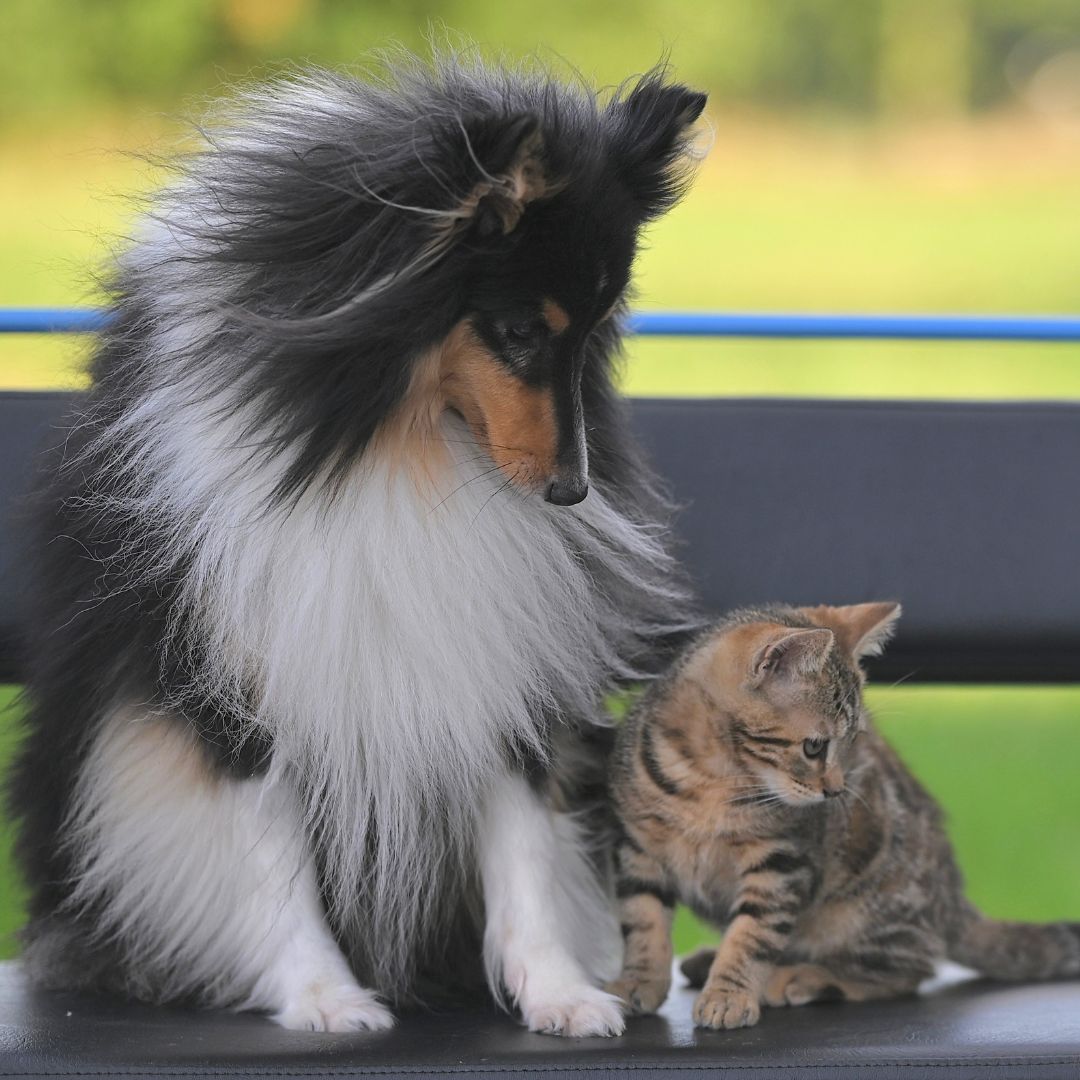
This is incredibly important, because rabbits have been known to get long-term health effects from stress. However, with patience and care, it is possible to successfully integrate rabbits into the home. When in doubt, check in with your vet or a pet behaviourist to understand whether it will be too great of a risk for any of your fur kiddos.
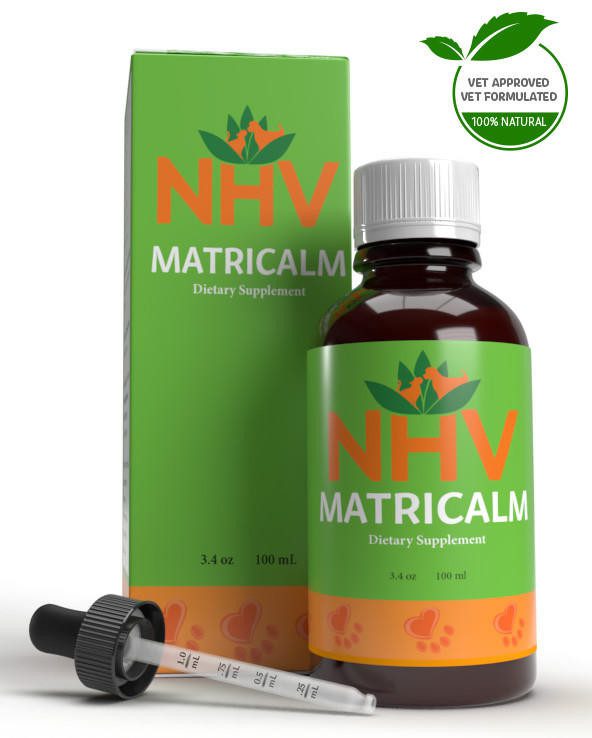
If your pet needs a little extra zen when introducing a new big-eared family member, you can add NHV Matricalm. While it is not a replacement for supervision or carefully controlled introductions, it may help ease an excitable dog or cat in the weeks following a bunny meeting. It is a vet-formulated and 100% natural support with herbs like chamomile and passion flower, which have been used for centuries in herbalism to support relaxation.
Need support or have questions about reducing stress in pets? Reach out to our Pet Experts using the chat button below!
general wellbeing
Matricalm, Multi Essentials & Plantaeris
bundle and save with pet expert kits
3 month supply for a small to medium size
What is it?
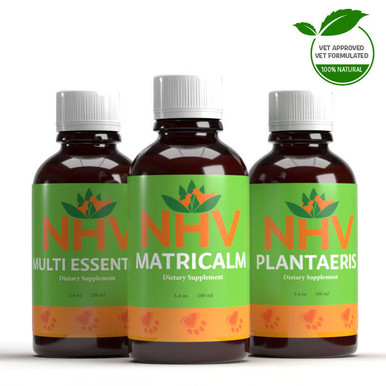
Our Shelter Pet Happy Starter Kit is formulated to help reduce stress and anxiety (e.g. destructive behavior), add nutritional supports and help improve their digestive health as they adjust to a new life.
How does it work?
Why trust it?
The NHV team is comprised of veterinarians, veterinary technicians, and holistic Pet Experts who use NHV formulas on their own fur babies.

What is it?
Our Shelter Pet Happy Starter Kit is formulated to help reduce stress and anxiety (e.g. destructive behavior), add nutritional supports and help improve their digestive health as they adjust to a new life.
How does it work?
Why trust it?
The NHV team is comprised of veterinarians, veterinary technicians, and holistic Pet Experts who use NHV formulas on their own fur babies.
A rescued puppy or kitten is a welcome addition to any home! But sometimes, your new furbaby has encountered trauma or a severe illness before coming home with you. If you’re a new pet pawrent asking yourself if there is an adopted puppy kit or kitten kit out there?
So many young pets are rescued from terrible situations or surrendered to shelters, so they may experience a lot of stress going from one place to another. Small changes can feel incredibly stressful for animals which can present as destructive or aggressive behavior. Unfortunately for rescued pets, it is hard to know what environment they were in or what they were eating before coming home with you. Foodwise, they may have been eating low-quality processed food that is missing essential nutrients or maybe they were malnourished (from living on the streets). To help ease your new furry friend into their forever home, we recommend adding natural supplements to their daily meals after they have been vaccinated and weaned. This preventative care plan is beneficial for supporting their overall health and to help slow down or prevent chronic illness (which may develop due to age, genetics, or environment). NHV Shelter Pet Happy Starter Hit contains Matricalm, Multi Essentials, and Plantaeris. This bundle of natural supplements has been formulated to calm stressed and anxious pets, help fill nutritional voids, and support quick recovery from diarrhea (which is prone to happen in young animals). To learn more about caring for your new furbaby, read our post on simple steps for a healthy puppy or kitten.
Changes in your new puppy or kitten’s environment can cause a lot of anxiety, especially if they are super sensitive (some breeds of dogs and cats are more prone to stress) or have experienced trauma. To express this nervous energy, they may exhibit destructive or aggressive behavior. To help ease your fluffy friend into their forever home, Matricalm’s blend of herbs like passion flower, chamomile and valerian contain soothing properties that may relax the body and improve the feeling of relaxation while the smell of lemon balm may instantly calm your pet’s nerves. Multi Essentials is like a multi-vitamin for pets. It helps to fill nutritional voids (especially for malnourished pets) and supports essential processes like blood pressure and metabolism. Puppies and kittens have very sensitive tummies so if you’re trying out different foods for them, or they mischievously snack on things they aren’t supposed to, Plantaeris’ blend of ingredients help to relax muscle cramping and helps lubricate delicate intestinal mucosa to aid proper digestion and help restore healthy bowel movements.
Your furry friend’s health means the world to us! Providing your new furkiddo with natural support from the get-go may help prevent chronic illnesses and other health issues down the road. If your new pet needs a little extra support, learn how a personalized pet diet can help your new puppy or kitten live their best life!
Made with the finest, organically grown, or ethically harvested herbs. Made specifically for pets, vet-formulated and vet approved.
Matricalm
Multi Essentials
Plantaeris
Select your pet's weight to determine the correct dose.
To be taken twice daily. (Each supplement) Determine your pet’s weight and then use the easy chart below to determine the correct dose. This is the minimum dosage.
Pet's Weight Dosage
0 - 15 lb = 0.5 ml
16 - 30 lb = 1.0 ml
31 - 45 lb = 1.5 ml
46 - 60 lb = 2.0 ml
61 - 75 lb = 2.5 ml
Over 75 lb = 3.0 ml
For small animals (rabbits, ferrets), avians and reptiles use 1 drop for every 2 lb of body weight.
Long term use: Feed recommended dosage every other day (1 day on 1 day off). If used in large dosages or over a long period of time it may become irritating to the stomach lining. Some pets may require a larger dosage due to their metabolism. You can safely double the recommended dosage.
How to Administer: Shake well before use. The easiest method is to use the dropper provided and place the drops into your pet’s food or favorite treat. You can also use the dropper and squirt directly into the pet’s mouth. Some pets can be finicky, if this occurs consider hiding the drops in foods most pet’s love such as fish, chicken or yogurt or a favourite treat. If your pet only eats dry food then soak a few kibbles at feeding time.
For Best Results: Herbal dietary supplements are beneficial to the health and well-being of your pet and are safe for long-term use. Every pet responds to natural herbal supplements differently, therefore it is important to be consistent and administer the product daily. Supplements generally take two to four weeks to take effect, however this will vary from one animal to the next.
Product Storage: All NHV Natural Pet Products are pure herbal extracts and contain no artificial additives, preservatives or coloring. Shelf life after opening is 6 months and must be refrigerated after opening.
Cautions and Contraindications: Do not use Yucca in pregnant or nursing animals. Allowing breaks in feeding helps alleviate the possibility of a irritating effect on the digestive tract. Speak to your vet before using our products. A second visit is recommended if your pet’s condition does not improve, or deteriorates after continued use of the supplements. All information provided by NHV Natural Pet Products is for educational purposes only.
A rescued puppy or kitten is a welcome addition to any home! But sometimes, your new furbaby has encountered trauma or a severe illness before coming home with you. If you’re a new pet pawrent asking yourself if there is an adopted puppy kit or kitten kit out there?
So many young pets are rescued from terrible situations or surrendered to shelters, so they may experience a lot of stress going from one place to another. Small changes can feel incredibly stressful for animals which can present as destructive or aggressive behavior. Unfortunately for rescued pets, it is hard to know what environment they were in or what they were eating before coming home with you. Foodwise, they may have been eating low-quality processed food that is missing essential nutrients or maybe they were malnourished (from living on the streets). To help ease your new furry friend into their forever home, we recommend adding natural supplements to their daily meals after they have been vaccinated and weaned. This preventative care plan is beneficial for supporting their overall health and to help slow down or prevent chronic illness (which may develop due to age, genetics, or environment). NHV Shelter Pet Happy Starter Hit contains Matricalm, Multi Essentials, and Plantaeris. This bundle of natural supplements has been formulated to calm stressed and anxious pets, help fill nutritional voids, and support quick recovery from diarrhea (which is prone to happen in young animals). To learn more about caring for your new furbaby, read our post on simple steps for a healthy puppy or kitten.
Changes in your new puppy or kitten’s environment can cause a lot of anxiety, especially if they are super sensitive (some breeds of dogs and cats are more prone to stress) or have experienced trauma. To express this nervous energy, they may exhibit destructive or aggressive behavior. To help ease your fluffy friend into their forever home, Matricalm’s blend of herbs like passion flower, chamomile and valerian contain soothing properties that may relax the body and improve the feeling of relaxation while the smell of lemon balm may instantly calm your pet’s nerves. Multi Essentials is like a multi-vitamin for pets. It helps to fill nutritional voids (especially for malnourished pets) and supports essential processes like blood pressure and metabolism. Puppies and kittens have very sensitive tummies so if you’re trying out different foods for them, or they mischievously snack on things they aren’t supposed to, Plantaeris’ blend of ingredients help to relax muscle cramping and helps lubricate delicate intestinal mucosa to aid proper digestion and help restore healthy bowel movements.
Your furry friend’s health means the world to us! Providing your new furkiddo with natural support from the get-go may help prevent chronic illnesses and other health issues down the road. If your new pet needs a little extra support, learn how a personalized pet diet can help your new puppy or kitten live their best life!
Made with the finest, organically grown, or ethically harvested herbs. Made specifically for pets, vet-formulated and vet approved.
Matricalm
Multi Essentials
Plantaeris
Select your pet's weight to determine the correct dose.
To be taken twice daily. (Each supplement) Determine your pet’s weight and then use the easy chart below to determine the correct dose. This is the minimum dosage.
Pet's Weight Dosage
0 - 15 lb = 0.5 ml
16 - 30 lb = 1.0 ml
31 - 45 lb = 1.5 ml
46 - 60 lb = 2.0 ml
61 - 75 lb = 2.5 ml
Over 75 lb = 3.0 ml
For small animals (rabbits, ferrets), avians and reptiles use 1 drop for every 2 lb of body weight.
Long term use: Feed recommended dosage every other day (1 day on 1 day off). If used in large dosages or over a long period of time it may become irritating to the stomach lining. Some pets may require a larger dosage due to their metabolism. You can safely double the recommended dosage.
How to Administer: Shake well before use. The easiest method is to use the dropper provided and place the drops into your pet’s food or favorite treat. You can also use the dropper and squirt directly into the pet’s mouth. Some pets can be finicky, if this occurs consider hiding the drops in foods most pet’s love such as fish, chicken or yogurt or a favourite treat. If your pet only eats dry food then soak a few kibbles at feeding time.
For Best Results: Herbal dietary supplements are beneficial to the health and well-being of your pet and are safe for long-term use. Every pet responds to natural herbal supplements differently, therefore it is important to be consistent and administer the product daily. Supplements generally take two to four weeks to take effect, however this will vary from one animal to the next.
Product Storage: All NHV Natural Pet Products are pure herbal extracts and contain no artificial additives, preservatives or coloring. Shelf life after opening is 6 months and must be refrigerated after opening.
Cautions and Contraindications: Do not use Yucca in pregnant or nursing animals. Allowing breaks in feeding helps alleviate the possibility of a irritating effect on the digestive tract. Speak to your vet before using our products. A second visit is recommended if your pet’s condition does not improve, or deteriorates after continued use of the supplements. All information provided by NHV Natural Pet Products is for educational purposes only.
stress & anxiety support
Natural Support for Canine Stress and Anxiety
buy 2 and save $3
3 month supply for a small to medium size pet
What is it?
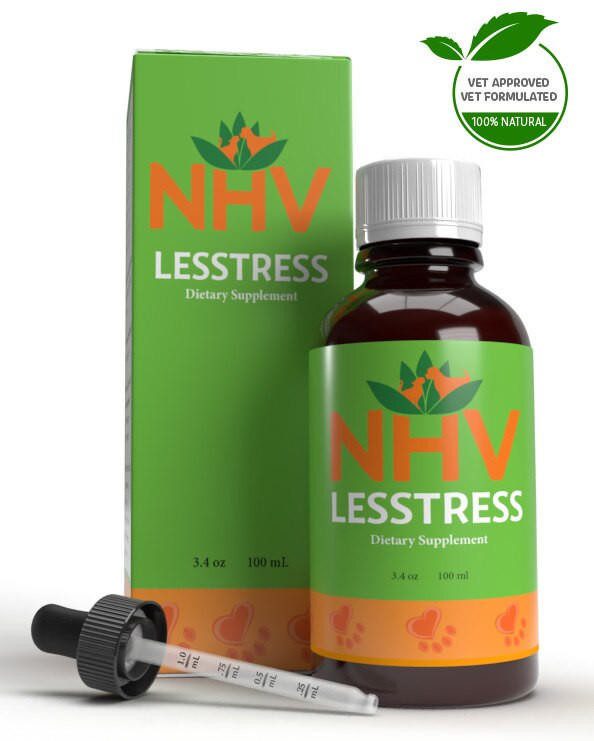
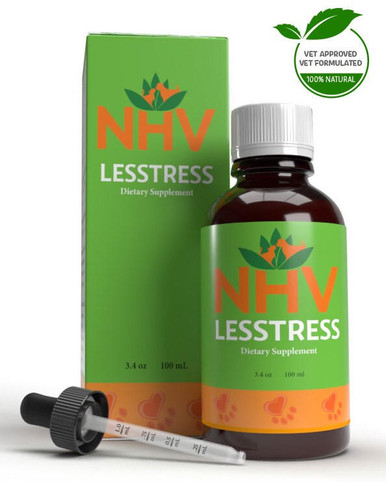
Everyone knows what stress feels like, and we all know that too much stress can make us ill—high blood pressure, ulcers and even cancer can result from excessive stress. Like us, dogs can get stressed by numerous factors as well. Help your furkiddo relax into a long and happy life with NHV Lesstress - a natural dog stress support.
How does it work?
Why trust it?
NHV uses full-spectrum extracts of human-grade herbs, so your pet only gets the best.



What is it?
Everyone knows what stress feels like, and we all know that too much stress can make us ill—high blood pressure, ulcers and even cancer can result from excessive stress. Like us, dogs can get stressed by numerous factors as well. Help your furkiddo relax into a long and happy life with NHV Lesstress - a natural dog stress support.
How does it work?
Why trust it?
NHV uses full-spectrum extracts of human-grade herbs, so your pet only gets the best.
Natural Dog Stress Reliever Supplemental Support
With a heightened sense of hearing and smell, small events that seem mundane to us can be terrifying and stressful for your dogs. Sometimes the stress is from the ride to the office, or maybe they are missing their human companions. This all contributes to changes in behavior like excessive panting, drooling, sweaty paws, dilated eyes, pacing, excessively shedding, or just completely shutting down. Some dogs become so stressed that it may lead to fear and aggression.
Other forms of stress in a dog’s life include:
In addition to panting, excessive barking/whining, chewing on themselves, shivering (when it’s not cold), panicked tail wagging, or tense muscles, stress can also cause GI tract issues such as diarrhea or vomiting.
The key to a healthy pup is balance. Too much or too little activity can be harmful, as well as too much or too little socialization. A balanced, clean diet also helps maintain the body and the mind. If your dog is susceptible to stress, you can use calming herbs like those found in NHV Lesstress. This formulation gently acts on the nervous system and immune system to provide a natural dog stress reliever.
How NHV’s Natural Dog Stress Relief Eases Stress and Anxiety
For stressful experiences such as separation anxiety, the loss or addition of a furry friend, special events (eg. fireworks) and illness (stress can cause conditions to worsen), the natural (non-addictive) sedative properties of Lesstress gently relax the nervous system and endocrine system. Ingredients like Chamomile, Passion Flower and Lemon Balm work to calm nerves while ingredients like Reishi, Eleuthero, and Echinacea Angustifolia are very beneficial for helping the body adapt to stress and illness and stimulate healthy immune function.
Help Support Your Dog Naturally
All NHV supplements like Lesstress are 100% natural and created by a holistic veterinarian and a master herbalist, specially formulated for pets. Feel free to contact our veterinary professionals to get more insight into your little one’s health and wellbeing.
Made with the finest, organically grown, or ethically harvested herbs. Made specifically for pets, vet-formulated and vet approved.
Lesstress for Dogs
Select your pet's weight to determine the correct dose.
To be taken twice daily. Determine your pet’s weight and then use the easy chart below to determine the correct dose. This is the minimum dosage.
Pet's Weight Dosage
0 - 15 lb = 0.5 ml
16 - 30 lb = 1.0 ml
31 - 45 lb = 1.5 ml
46 - 60 lb = 2.0 ml
61 - 75 lb = 2.5 ml
Over 75 lb = 3.0 ml
For small animals (rabbits, ferrets), avians and reptiles use 1 drop for every 2 lb of body weight.
How to Administer
Shake well before use.
The easiest method is to use the dropper provide and places the drops into your pet’s food or favorite treat. You can also use the dropper and squirt directly into the pet’s mouth.
Some pets can be finicky, if this occurs consider hiding the drops in foods most pet’s love such as fish, chicken or yogurt or a favourite treat. If your pet only eats dry food then soak a few kibbles at feeding time.
For Best Results
Herbal dietary supplements are beneficial to the health and wellbeing of your pet and are safe for long-term use. Every pet responds to natural herbal supplements differently, therefore it is important to be consistent and administer the product daily. Supplements generally take two to four weeks to take effect, however this will vary from one animal to the next.
Product Storage
All NHV Natural Pet Products are pure herbal extracts and contain no artificial additives, preservatives or coloring. Shelf life after opening is 6 months and must be refrigerated after opening.
Cautions and Contraindications
Do not use Lesstress in pregnant or nursing animals.
Speak to your vet before using our products. A second visit is recommended if your pet’s condition does not improve, or deteriorates after continued use of the supplements.
All information provided by NHV Natural Pet Products is for educational purposes only.
Natural Dog Stress Reliever Supplemental Support
With a heightened sense of hearing and smell, small events that seem mundane to us can be terrifying and stressful for your dogs. Sometimes the stress is from the ride to the office, or maybe they are missing their human companions. This all contributes to changes in behavior like excessive panting, drooling, sweaty paws, dilated eyes, pacing, excessively shedding, or just completely shutting down. Some dogs become so stressed that it may lead to fear and aggression.
Other forms of stress in a dog’s life include:
In addition to panting, excessive barking/whining, chewing on themselves, shivering (when it’s not cold), panicked tail wagging, or tense muscles, stress can also cause GI tract issues such as diarrhea or vomiting.
The key to a healthy pup is balance. Too much or too little activity can be harmful, as well as too much or too little socialization. A balanced, clean diet also helps maintain the body and the mind. If your dog is susceptible to stress, you can use calming herbs like those found in NHV Lesstress. This formulation gently acts on the nervous system and immune system to provide a natural dog stress reliever.
How NHV’s Natural Dog Stress Relief Eases Stress and Anxiety
For stressful experiences such as separation anxiety, the loss or addition of a furry friend, special events (eg. fireworks) and illness (stress can cause conditions to worsen), the natural (non-addictive) sedative properties of Lesstress gently relax the nervous system and endocrine system. Ingredients like Chamomile, Passion Flower and Lemon Balm work to calm nerves while ingredients like Reishi, Eleuthero, and Echinacea Angustifolia are very beneficial for helping the body adapt to stress and illness and stimulate healthy immune function.
Help Support Your Dog Naturally
All NHV supplements like Lesstress are 100% natural and created by a holistic veterinarian and a master herbalist, specially formulated for pets. Feel free to contact our veterinary professionals to get more insight into your little one’s health and wellbeing.
Made with the finest, organically grown, or ethically harvested herbs. Made specifically for pets, vet-formulated and vet approved.
Lesstress for Dogs
Select your pet's weight to determine the correct dose.
To be taken twice daily. Determine your pet’s weight and then use the easy chart below to determine the correct dose. This is the minimum dosage.
Pet's Weight Dosage
0 - 15 lb = 0.5 ml
16 - 30 lb = 1.0 ml
31 - 45 lb = 1.5 ml
46 - 60 lb = 2.0 ml
61 - 75 lb = 2.5 ml
Over 75 lb = 3.0 ml
For small animals (rabbits, ferrets), avians and reptiles use 1 drop for every 2 lb of body weight.
How to Administer
Shake well before use.
The easiest method is to use the dropper provide and places the drops into your pet’s food or favorite treat. You can also use the dropper and squirt directly into the pet’s mouth.
Some pets can be finicky, if this occurs consider hiding the drops in foods most pet’s love such as fish, chicken or yogurt or a favourite treat. If your pet only eats dry food then soak a few kibbles at feeding time.
For Best Results
Herbal dietary supplements are beneficial to the health and wellbeing of your pet and are safe for long-term use. Every pet responds to natural herbal supplements differently, therefore it is important to be consistent and administer the product daily. Supplements generally take two to four weeks to take effect, however this will vary from one animal to the next.
Product Storage
All NHV Natural Pet Products are pure herbal extracts and contain no artificial additives, preservatives or coloring. Shelf life after opening is 6 months and must be refrigerated after opening.
Cautions and Contraindications
Do not use Lesstress in pregnant or nursing animals.
Speak to your vet before using our products. A second visit is recommended if your pet’s condition does not improve, or deteriorates after continued use of the supplements.
All information provided by NHV Natural Pet Products is for educational purposes only.
Sweet Potato Chips
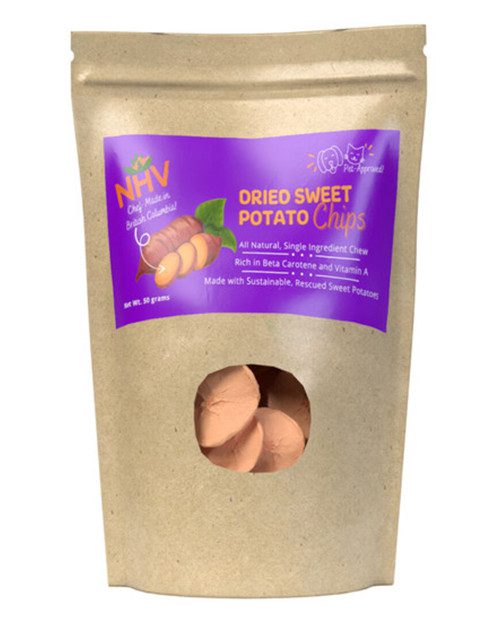
Sweet potato for dogs and cats is a healthier treat alternative
buy 2 and save $3
Give your fur baby 2-3 pieces per day as a treat
What Is It?
Single-ingredient dehydrated treat that’s 100% natural, tasty, and wholesome.
What Makes It Great?
Why Should I Trust It?
Vet-formulated and made in small batches by a professional chef with local, sustainable ingredients.



What Is It?
Single-ingredient dehydrated treat that’s 100% natural, tasty, and wholesome.
What Makes It Great?
Why Should I Trust It?
Vet-formulated and made in small batches by a professional chef with local, sustainable ingredients.
What better way to tell your fur kiddo “I love you” than by giving them a treat that’s also good for them? Handcrafted in Canada by a professional chef, our sweet potato chips are a single-ingredient dehydrated treat that’s 100% natural, tasty, and wholesome. Show your love with natural treats made from sweet potato for dogs and cats, and you will have them begging for more!
Need a wholesome treat for your little one that’s low in calories and high in nutrition? NHV’s sweet potato chips will be the pawfect addition!
With NHV’s sweet potato for dogs and cats, snacktime can be as wholesome as it is exciting. And as a single-ingredient pet chip, fur kiddos with sensitive tummies or dietary restrictions can enjoy them too as it is grain-free and gluten-free. There are also no artificial flavorings, preservatives, colors, or fillers - just one single ingredient - sweet potatoes!
Sweet potato for dogs and cats can be considered a superfood, meaning that it naturally offers multiple benefits from a single source!
For starters, sweet potato is high in soluble and insoluble fiber. Soluble fiber may lower cholesterol and balance glucose levels, while insoluble fibers help keep pets regular and their guts healthy.
Sweet potatoes also offer a diverse range of phytonutrients (nutrients that naturally occur in plants). For example, its iconic orange-yellow color comes from beta-carotenes, which are pigments that may help promote healthy eyes, skin, and joints.
Sweet potatoes are also rich in vitamins A and C, and the minerals manganese and copper, which are essential nutrients for pets.
As part of our commitment to reducing our environmental impact, we’ve partnered with suppliers to turn rescued sweet potatoes into delicious and nutritious pet chews.
What are rescued sweet potatoes? Slightly misshapen or discolored produce often gets left to rot because people don’t tend to purchase them despite the fact that they are every bit as nutritious as their perfect-looking counterparts! By embracing these natural variations, we provide pets with tasty snacks while doing our part to reduce the carbon footprint and water waste.
NHV Sweet Potato treats are lovingly made in small batches by a professional chef in British Columbia, Canada, a region known for its amazing nature. Each piece is carefully prepared for quality and flavor, as we believe in the best for our furry friends!
100% Sweet Potato: Naturally preserved through dehydration - No artificial flavors, preservatives, colors, or additives
Treats should comprise no more than 10% of your pet’s daily caloric intake. Always provide fresh water, and supervise your pet while giving treats. Store in a cool dry place.
What better way to tell your fur kiddo “I love you” than by giving them a treat that’s also good for them? Handcrafted in Canada by a professional chef, our sweet potato chips are a single-ingredient dehydrated treat that’s 100% natural, tasty, and wholesome. Show your love with natural treats made from sweet potato for dogs and cats, and you will have them begging for more!
Need a wholesome treat for your little one that’s low in calories and high in nutrition? NHV’s sweet potato chips will be the pawfect addition!
With NHV’s sweet potato for dogs and cats, snacktime can be as wholesome as it is exciting. And as a single-ingredient pet chip, fur kiddos with sensitive tummies or dietary restrictions can enjoy them too as it is grain-free and gluten-free. There are also no artificial flavorings, preservatives, colors, or fillers - just one single ingredient - sweet potatoes!
Sweet potato for dogs and cats can be considered a superfood, meaning that it naturally offers multiple benefits from a single source!
For starters, sweet potato is high in soluble and insoluble fiber. Soluble fiber may lower cholesterol and balance glucose levels, while insoluble fibers help keep pets regular and their guts healthy.
Sweet potatoes also offer a diverse range of phytonutrients (nutrients that naturally occur in plants). For example, its iconic orange-yellow color comes from beta-carotenes, which are pigments that may help promote healthy eyes, skin, and joints.
Sweet potatoes are also rich in vitamins A and C, and the minerals manganese and copper, which are essential nutrients for pets.
As part of our commitment to reducing our environmental impact, we’ve partnered with suppliers to turn rescued sweet potatoes into delicious and nutritious pet chews.
What are rescued sweet potatoes? Slightly misshapen or discolored produce often gets left to rot because people don’t tend to purchase them despite the fact that they are every bit as nutritious as their perfect-looking counterparts! By embracing these natural variations, we provide pets with tasty snacks while doing our part to reduce the carbon footprint and water waste.
NHV Sweet Potato treats are lovingly made in small batches by a professional chef in British Columbia, Canada, a region known for its amazing nature. Each piece is carefully prepared for quality and flavor, as we believe in the best for our furry friends!
100% Sweet Potato: Naturally preserved through dehydration - No artificial flavors, preservatives, colors, or additives
Treats should comprise no more than 10% of your pet’s daily caloric intake. Always provide fresh water, and supervise your pet while giving treats. Store in a cool dry place.

We have a dedicated group of pet expert professionals, including veterinarians, vet techs, and other pet professionals to guide you through any questions. We’re committed to your pet’s wellness and can offer additional tips, resources, nutritional advice, and more.
Published: April 7, 2026
anxiety & aggression support
Support for Anxiety and Aggressive Behavior
buy 2 and save $3
3 month supply for a small to medium size pet
What is it?
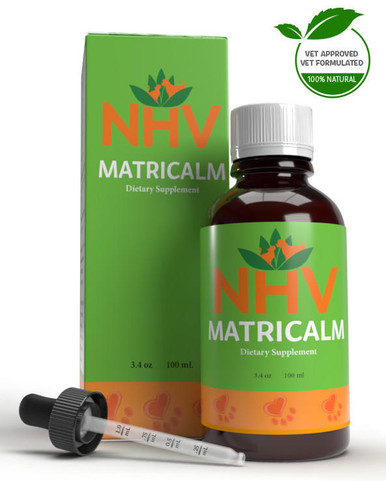
NHV Matricalm is a supplement for relaxing nervousness and aggressive behavior in canines through herbal ingredients.
How Does it Work?
Why Should I Trust It?
Formulated with all-natural ingredients by expert veterinarians.

What is it?
NHV Matricalm is a supplement for relaxing nervousness and aggressive behavior in canines through herbal ingredients.
How Does it Work?
Why Should I Trust It?
Formulated with all-natural ingredients by expert veterinarians.
A Calming Supplement for Dogs
Dogs can become anxious or aggressive when exposed to other animals or to people they are unfamiliar with. Separation from an owner or a move to a new home can also trigger troubling symptoms including excessive barking, chewing, and inappropriate urination. A calming dog supplement can help your pet through these situations.
How Matricalm Calms Your Dog
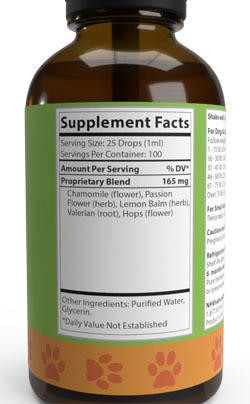
Matricalm is formulated with powerful, natural ingredients that will help put your dog at ease. Ingredients like Chamomile, Passion Flower, and Hops have non-addictive sedative properties.
Ingredients like Lemon Balm and Valerian are especially helpful in easing anxiety. Your dog will find it easier to behave during times of stress, and may even be more receptive to training.
Use Matricalm to help ease anxiety in your dog, as a supplement for dog aggression, and to help reduce excitability in your pet.
Help Calm Your Dog Naturally
NHV supplements are formulated with all-natural ingredients by expert veterinarians with 20+ years of experience. They’re perfectly fine to take together with prescribed medications. Try Matricalm, the natural calming supplement for dogs, and see the difference it makes for you and your pet.
Chamomile – Contains sedative properties.
Passion Flower – An effective, non-addictive sedative.
Lemon Balm – An aromatic herb used for nervous disorders, excitability, and anxiety.
Valerian – Stops heart palpitations, relaxes spasms, relieves pain, and regulates the nervous system.
Hops – Eases tension and anxiety in pets.
Select your pet's weight to determine the correct dose.
To be taken twice daily. Determine your pet’s weight and then use the easy chart below to determine the correct dose. This is the minimum dosage.
Pet's Weight Dosage
0 - 15 lb = 0.5 ml
16 - 30 lb = 1.0 ml
31 - 45 lb = 1.5 ml
46 - 60 lb = 2.0 ml
61 - 75 lb = 2.5 ml
Over 75 lb = 3.0 ml
How to Administer
Shake well before use.
The easiest method is to use the dropper provide and places the drops into your pet’s food or favorite treat. You can also use the dropper and squirt directly into the pet’s mouth.
Some pets can be finicky, if this occurs consider hiding the drops in foods most pet’s love such as fish, chicken or yogurt or a favorite treat. If your pet only eats dry food then soak a few kibbles at feeding time.
For Best Results
Herbal dietary supplements are beneficial to the health and wellbeing of your pet and are safe for long-term use. Every pet responds to natural herbal supplements differently, therefore it is important to be consistent and administer the product daily. Supplements generally take two to four weeks to take effect, however this will vary from one animal to the next.
Product Storage
All NHV Natural Pet Products are pure herbal extracts and contain no artificial additives, preservatives or coloring. Shelf life after opening is 6 months and must be refrigerated after opening.
Cautions and Contraindications
Do not use Matricalm in pregnant or nursing animals.
Speak to your vet before using our products. A second visit is recommended if your pet’s condition does not improve, or deteriorates after continued use of the supplements.
All information provided by NHV Natural Pet Products is for educational purposes only.
A Calming Supplement for Dogs
Dogs can become anxious or aggressive when exposed to other animals or to people they are unfamiliar with. Separation from an owner or a move to a new home can also trigger troubling symptoms including excessive barking, chewing, and inappropriate urination. A calming dog supplement can help your pet through these situations.
How Matricalm Calms Your Dog
Matricalm is formulated with powerful, natural ingredients that will help put your dog at ease. Ingredients like Chamomile, Passion Flower, and Hops have non-addictive sedative properties.
Ingredients like Lemon Balm and Valerian are especially helpful in easing anxiety. Your dog will find it easier to behave during times of stress, and may even be more receptive to training.
Use Matricalm to help ease anxiety in your dog, as a supplement for dog aggression, and to help reduce excitability in your pet.
Help Calm Your Dog Naturally
NHV supplements are formulated with all-natural ingredients by expert veterinarians with 20+ years of experience. They’re perfectly fine to take together with prescribed medications. Try Matricalm, the natural calming supplement for dogs, and see the difference it makes for you and your pet.
Chamomile – Contains sedative properties.
Passion Flower – An effective, non-addictive sedative.
Lemon Balm – An aromatic herb used for nervous disorders, excitability, and anxiety.
Valerian – Stops heart palpitations, relaxes spasms, relieves pain, and regulates the nervous system.
Hops – Eases tension and anxiety in pets.
Select your pet's weight to determine the correct dose.
To be taken twice daily. Determine your pet’s weight and then use the easy chart below to determine the correct dose. This is the minimum dosage.
Pet's Weight Dosage
0 - 15 lb = 0.5 ml
16 - 30 lb = 1.0 ml
31 - 45 lb = 1.5 ml
46 - 60 lb = 2.0 ml
61 - 75 lb = 2.5 ml
Over 75 lb = 3.0 ml
How to Administer
Shake well before use.
The easiest method is to use the dropper provide and places the drops into your pet’s food or favorite treat. You can also use the dropper and squirt directly into the pet’s mouth.
Some pets can be finicky, if this occurs consider hiding the drops in foods most pet’s love such as fish, chicken or yogurt or a favorite treat. If your pet only eats dry food then soak a few kibbles at feeding time.
For Best Results
Herbal dietary supplements are beneficial to the health and wellbeing of your pet and are safe for long-term use. Every pet responds to natural herbal supplements differently, therefore it is important to be consistent and administer the product daily. Supplements generally take two to four weeks to take effect, however this will vary from one animal to the next.
Product Storage
All NHV Natural Pet Products are pure herbal extracts and contain no artificial additives, preservatives or coloring. Shelf life after opening is 6 months and must be refrigerated after opening.
Cautions and Contraindications
Do not use Matricalm in pregnant or nursing animals.
Speak to your vet before using our products. A second visit is recommended if your pet’s condition does not improve, or deteriorates after continued use of the supplements.
All information provided by NHV Natural Pet Products is for educational purposes only.