arthritis support
free shipping over $100 (USA & Canada)
1-877-937-4372 the pet expert hotline


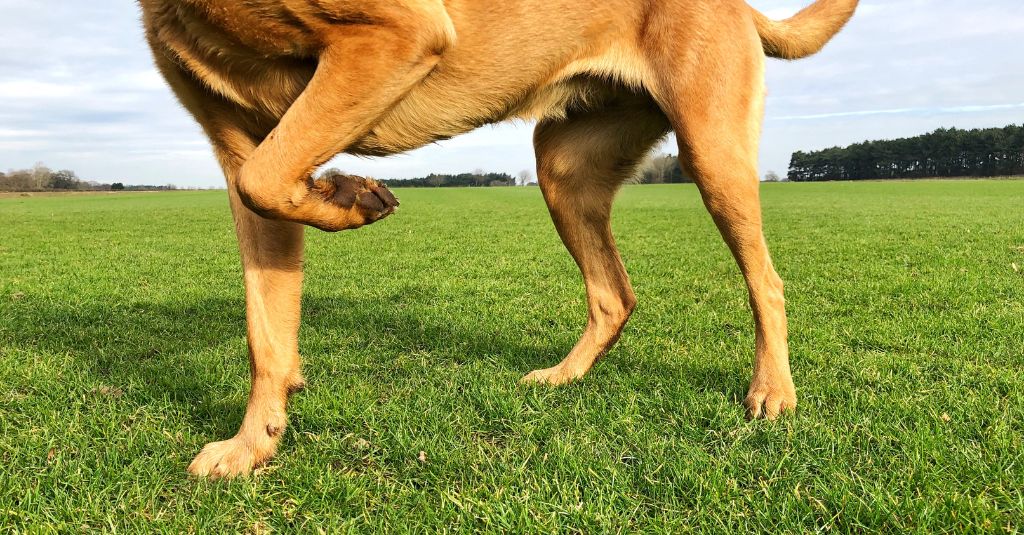
Does your dog love to run, jump, and chase a tennis ball? Or maybe your furry friend simply never seems to run out of energy! An active lifestyle offers many health benefits, helping dogs maintain a healthy weight, build strong muscles, and support both their physical and mental well-being.
Repeated strain over time can affect their health
However, all that running, jumping, twisting, and turning also places extra demands on your dog’s joints. While healthy joints are built to handle everyday movement, repeated strain over time can affect their health and, in some dogs, contribute to discomfort and reduced mobility.
When we talk about joint stress in dogs, we’re referring to the physical forces placed on the joints during movement. Every time your dog runs, jumps, climbs stairs, or lands after catching a toy, their joints absorb and distribute those forces.
To understand why joint stress happens, it helps to know how a healthy joint works.
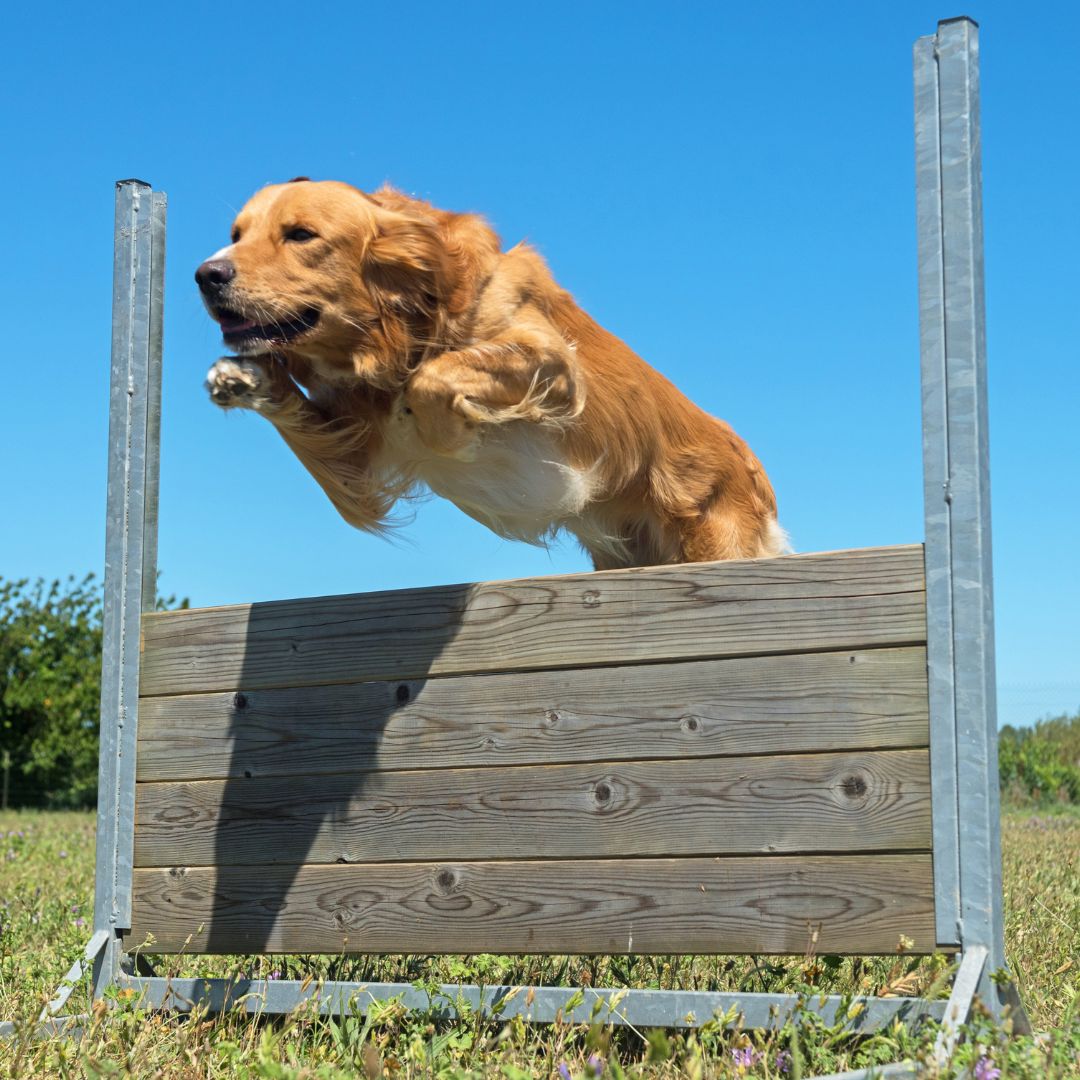
Healthy joints are designed to move smoothly and comfortably. The ends of the bones are covered with smooth cartilage that acts like a cushion, while a special joint fluid helps the bones glide over one another with very little friction. Strong muscles, tendons, and ligaments surrounding the joint also help absorb impact and keep the joint stable.
Most of the time, healthy joints recover well after normal activity. However, problems can develop when the joints experience repeated or excessive strain, especially if they don’t have enough time to recover or if an underlying joint condition already exists. Over time, this may contribute to discomfort, reduced mobility, and, in some dogs, the development of osteoarthritis.
Exercise is essential for good health, but like people, dogs benefit most from balanced activity rather than “too much, too soon.”
Several factors can increase joint stress in active dogs, including:
Repeated jumping, sudden stops, sharp turns, agility training, Frisbee games, and long-distance running all place greater forces on the joints.
A common mistake is dramatically increasing a dog’s activity level after several days of rest. For example, a dog that spends most of the week relaxing before joining a long weekend hike may place more stress on their muscles and joints than they’re prepared to handle.
Past ligament injuries, fractures, or joint trauma may change how weight is distributed through a joint, increasing wear over time.
Even a few extra pounds can significantly increase the force placed on the hips, knees, elbows, and shoulders. Maintaining a lean body condition is one of the best ways to support long-term joint health.
Strong muscles help stabilize joints and absorb shock. Dogs that suddenly begin intense exercise without gradually building strength may be at greater risk of joint strain.
Often, it’s not just one factor but a combination of several that gradually increases stress on a dog’s joints.
Although any dog can experience joint stress, some are naturally more susceptible than others.
Dogs at higher risk include:
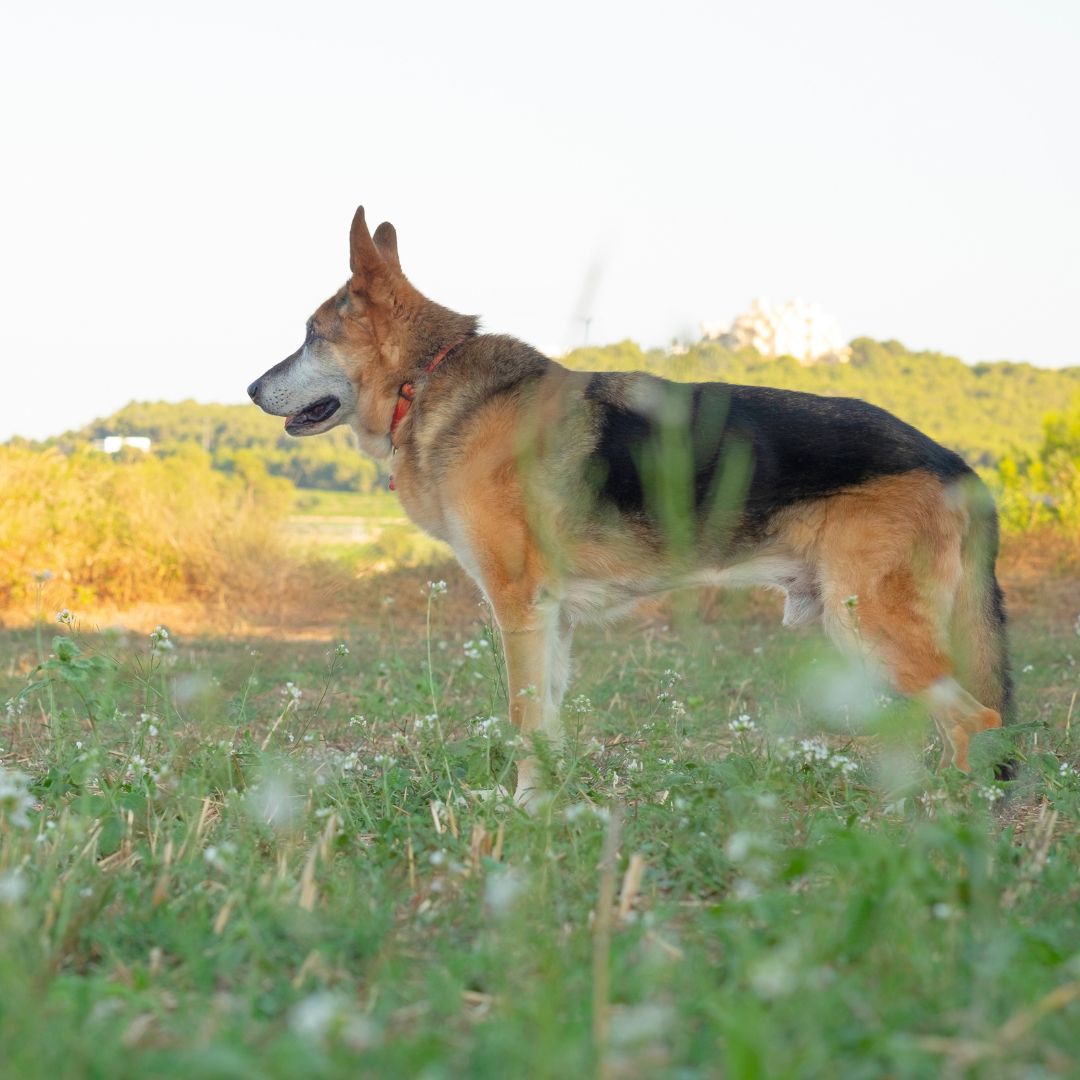
Some dogs are also born with inherited joint conditions, such as hip dysplasia or elbow dysplasia. These conditions affect how the joints develop and can make them less stable, increasing wear over time. While not every dog with these conditions develops arthritis, they can increase the risk of joint stress, especially in active and large-breed dogs.
The good news is that maintaining a healthy weight, providing appropriate exercise, and supporting joint health early may help reduce unnecessary stress on the joints.
One of the biggest challenges is that early joint discomfort can be surprisingly subtle.
Many pet parents assume these changes are simply part of getting older, but younger active dogs can also show early signs of joint stress. In the beginning, these signs may come and go, making them easy to miss.
Watch for changes such as:
Dogs are remarkably good at hiding pain, so even small changes in behavior deserve attention. If these signs persist or become more frequent, it’s a good idea to schedule a veterinary examination. Early recognition often gives your veterinarian more options to help keep your dog comfortable and active.
Exercise strengthens the body, but recovery is when much of the healing and adaptation happens. Think of recovery as an important part of your dog’s exercise routine, not a break from it.
After vigorous activity, muscles, tendons, and joints need time to recover from the normal stresses of exercise. Without adequate recovery, repeated strain can gradually overwhelm the body’s natural repair processes.
Supporting your dog’s recovery doesn’t mean eliminating activity. Instead, focus on healthy exercise habits such as:
Balanced exercise and proper recovery work together to support lifelong mobility.
Natural wellness support works best as part of an overall mobility plan.
Along with regular veterinary checkups, maintaining a healthy weight, and providing appropriate exercise, some natural supplements may help support healthy joints and overall mobility.
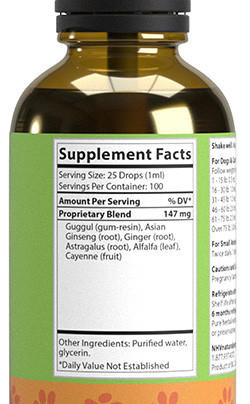
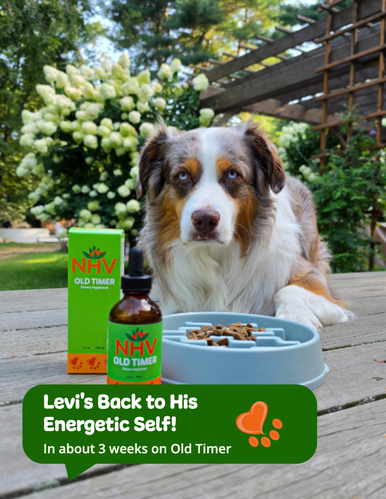
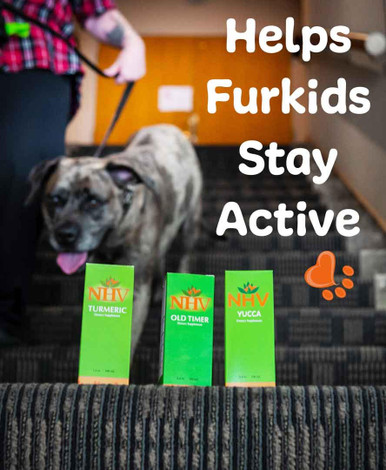
NHV Old Timer contains a blend of herbs traditionally used to help support healthy joints, connective tissues, flexibility, and everyday mobility. It may be especially beneficial for active dogs and senior dogs that experience regular wear and tear on their joints.
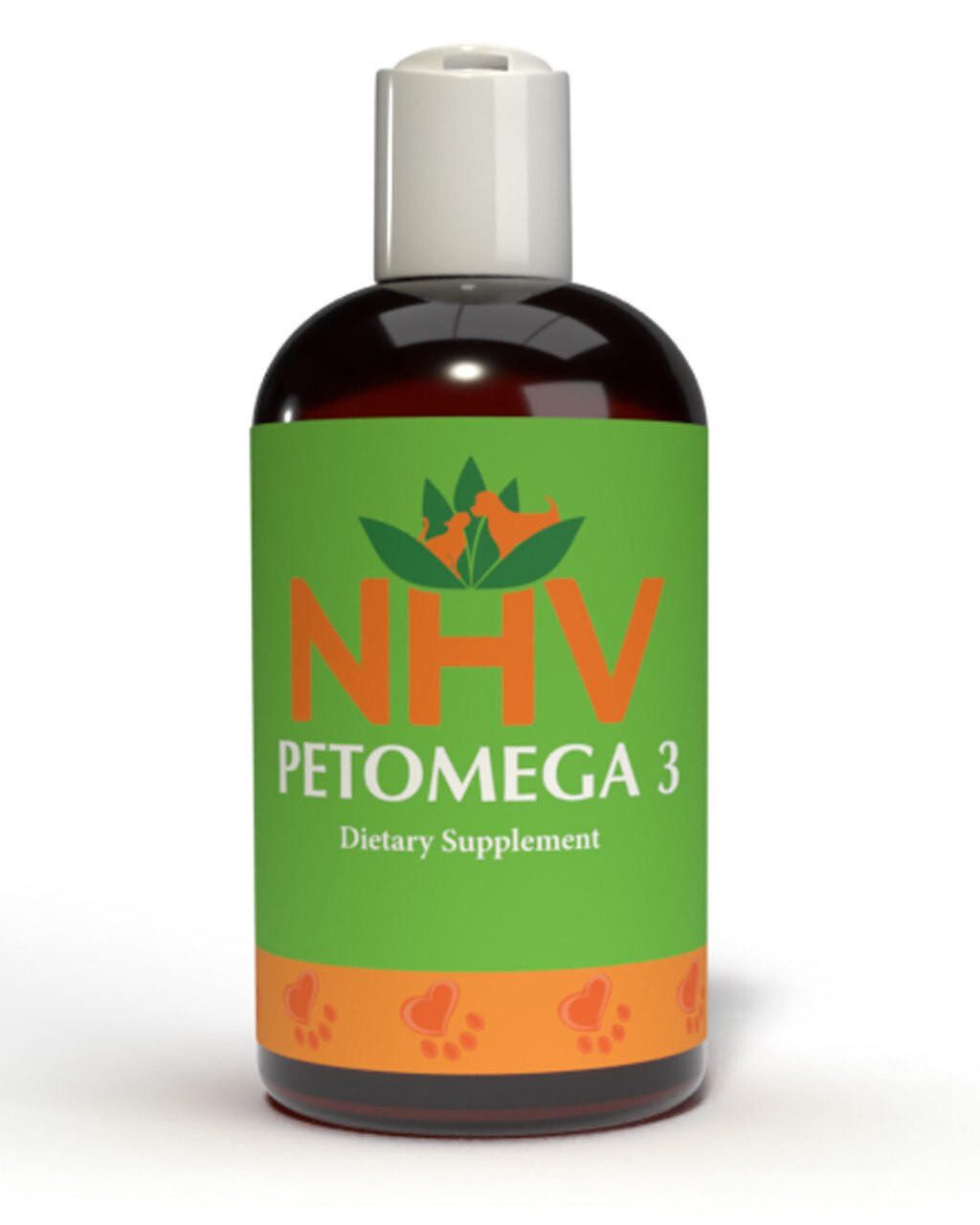
NHV Petomega 3 provides beneficial omega-3 fatty acids, including EPA and DHA, which help support a healthy inflammatory response. These healthy fats may also help support joint comfort and mobility while promoting healthy skin, a shiny coat, heart health, and brain function.
NHV Turmeric contains naturally occurring compounds called curcuminoids, which provide antioxidant support and help maintain a healthy inflammatory response. When combined with a balanced lifestyle, turmeric may help support overall joint comfort and recovery after exercise.
Remember that supplements work best as part of a proactive plan that also includes:
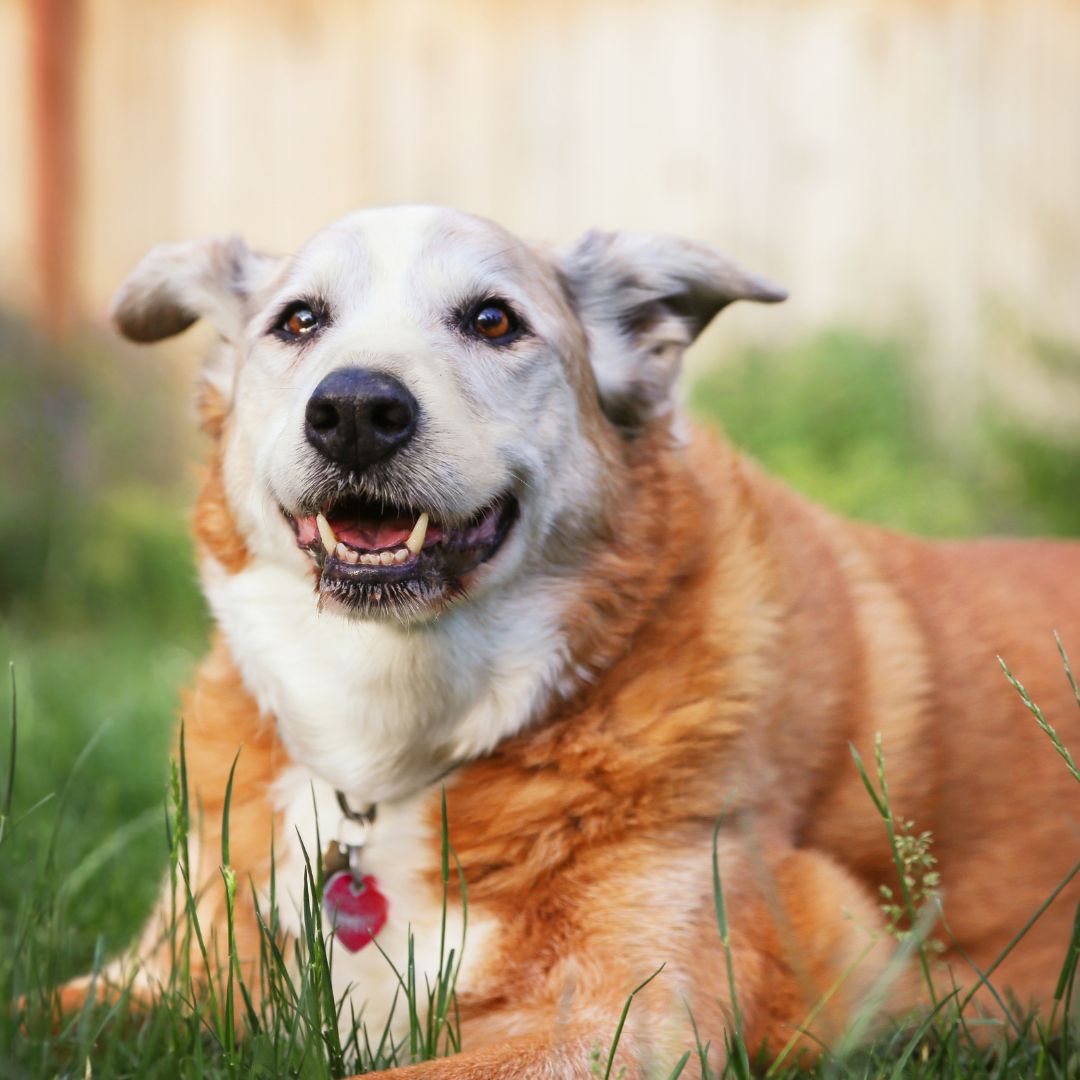
If your dog develops persistent lameness, swelling, or difficulty moving, consult your veterinarian promptly. Natural supplements should complement but not replace professional veterinary diagnosis and treatment.
Every dog is different, so the ideal amount of exercise depends on their age, breed, and overall health.
Rather than focusing only on the number of minutes, pay attention to how your dog responds. A healthy exercise routine should leave your dog pleasantly tired but not exhausted. If your dog seems stiff the next day, limps after activity, struggles to get up, or is reluctant to exercise again, it may be a sign that they need more recovery time or a visit to the veterinarian.
As a general rule, it’s better to provide consistent daily exercise than occasional bursts of intense activity.
An active lifestyle is one of the best gifts you can give your dog, but it’s also important to take care of the joints that make all those adventures possible.
You can help them stay comfortable and active for years
By recognizing the early signs of joint stress, allowing proper recovery after exercise, maintaining healthy exercise habits, and supporting your dog’s joints with good nutrition and natural wellness products, you can help them stay comfortable and active for years to come.
If you notice ongoing stiffness, limping, reluctance to exercise, or any other changes in your dog’s mobility, don’t wait. Speak with your veterinarian. Early care can make a meaningful difference in your dog’s comfort, mobility, and quality of life.
Active dogs love to run, jump, and play, but all that activity also puts extra stress on their joints. While healthy joints are built to handle movement, repeated strain, poor recovery, excess weight, or inherited joint conditions can gradually affect your dog’s mobility over time. In this article, we explain what joint stress is, which dogs are most at risk, the early signs pet parents should watch for, and simple ways to support lifelong joint health. We also explore how proper exercise, recovery, and natural supplements like NHV Old Timer, NHV Petomega 3, and NHV Turmeric can help keep your dog active and comfortable for years to come.
arthritis support
All-Natural Hip and Joint Supplements for Dogs and Cats
bundle and save with pet expert kits
3 month supply for a small to medium size pet.
What is it?
NHV’s Arthritis, Joint Pain & Rejuvenation Kit is a comprehensive bundle that supports overall joint, muscle, bone and metabolic health.
How Does it Work?
Why Should I Trust It?
Natural supplements vet-formulated and vet-approved.


What is it?
NHV’s Arthritis, Joint Pain & Rejuvenation Kit is a comprehensive bundle that supports overall joint, muscle, bone and metabolic health.
How Does it Work?
Why Should I Trust It?
Natural supplements vet-formulated and vet-approved.
All-Natural Cat and Dog Arthritis Supplements
Regardless of your furry friend's age, it’s never easy to see them aging. As pet parents, we need to enjoy every moment together and have lots of patience when it comes to caring for our little ones. Our Arthritis Joint Pain & Rejuvenation Kit is formulated to help relieve stiff joints, help fill nutritional voids, improve energy levels and circulation to help your furkiddos live a long and healthy life.
For pet parents with a purebred furkiddo, check out our dog and cat breed pages to become better acquainted with their unique history and possible breed-related issues.
How NHV Supplements Can Help
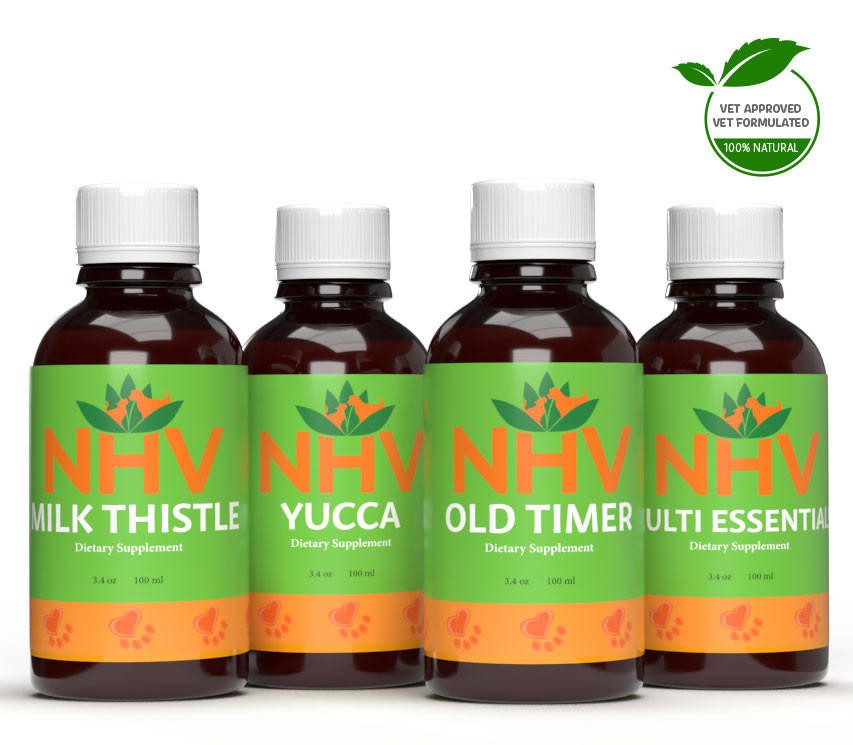
Just like humans, as our pets age, they may be a little less bouncy, and their energy levels may go down. That's normal! We all require varying levels of support at different points in our lives. Our Arthritis, Joint Pain & Rejuvenation Kit contains Milk Thistle, Yucca, Old Timer, and Multi Essentials, which is a supplement bundle designed to help our pets age gracefully.
Milk Thistle
Yucca
Old Timer
Multi Essentials
Help Support A Healthy Body and More with NHV
It’s great to know that there are ways to support your furkiddo’s health and vitality naturally! Apart from adding supplements to their daily care plan, if you want to know more about joint health for dogs and cats, a personalized diet for your pet, created by Dr. Amanda, is another great way to support your furry friend’s aging body.
Made with the finest, organically grown, or ethically harvested herbs. Made specifically for pets, vet-formulated, and vet approved.
Milk Thistle
Yucca
Old Timer
Multi Essentials
Select your pet's weight to determine the correct dose.
To be taken twice daily. Determine your pet’s weight and then use the easy chart below to determine the correct dose. This is the minimum dosage.
Pet's Weight Dosage
0 - 15 lb = 0.5 ml
16 - 30 lb = 1.0 ml
31 - 45 lb = 1.5 ml
46 - 60 lb = 2.0 ml
61 - 75 lb = 2.5 ml
Over 75 lb = 3.0 ml
For small animals (rabbits, ferrets), avians and reptiles use 1 drop for every 2 lb of body weight.
How to Administer
Shake well before use. The easiest method is to use the dropper provided and place the drops into your pet’s food or favorite treat. You can also use the dropper and squirt directly into the pet’s mouth. Some pets can be finicky, if this occurs consider hiding the drops in foods most pet’s love such as fish, chicken or yogurt or a favorite treat. If your pet only eats dry food then soak a few kibbles at feeding time.
For Best Results
Herbal dietary supplements are beneficial to the health and well-being of your pet and are safe for long-term use. Every pet responds to natural herbal supplements differently, therefore it is important to be consistent and administer the product daily. Supplements generally take two to four weeks to take effect, however this will vary from one animal to the next.
Product Storage
All NHV Natural Pet Products are pure herbal extracts and contain no artificial additives, preservatives or coloring. Shelf life after opening is 6 months and must be refrigerated after opening.
All information provided by NHV Natural Pet Products is for educational purposes only.
All-Natural Cat and Dog Arthritis Supplements
Regardless of your furry friend's age, it’s never easy to see them aging. As pet parents, we need to enjoy every moment together and have lots of patience when it comes to caring for our little ones. Our Arthritis Joint Pain & Rejuvenation Kit is formulated to help relieve stiff joints, help fill nutritional voids, improve energy levels and circulation to help your furkiddos live a long and healthy life.
For pet parents with a purebred furkiddo, check out our dog and cat breed pages to become better acquainted with their unique history and possible breed-related issues.
How NHV Supplements Can Help
Just like humans, as our pets age, they may be a little less bouncy, and their energy levels may go down. That's normal! We all require varying levels of support at different points in our lives. Our Arthritis, Joint Pain & Rejuvenation Kit contains Milk Thistle, Yucca, Old Timer, and Multi Essentials, which is a supplement bundle designed to help our pets age gracefully.
Milk Thistle
Yucca
Old Timer
Multi Essentials
Help Support A Healthy Body and More with NHV
It’s great to know that there are ways to support your furkiddo’s health and vitality naturally! Apart from adding supplements to their daily care plan, if you want to know more about joint health for dogs and cats, a personalized diet for your pet, created by Dr. Amanda, is another great way to support your furry friend’s aging body.
Made with the finest, organically grown, or ethically harvested herbs. Made specifically for pets, vet-formulated, and vet approved.
Milk Thistle
Yucca
Old Timer
Multi Essentials
Select your pet's weight to determine the correct dose.
To be taken twice daily. Determine your pet’s weight and then use the easy chart below to determine the correct dose. This is the minimum dosage.
Pet's Weight Dosage
0 - 15 lb = 0.5 ml
16 - 30 lb = 1.0 ml
31 - 45 lb = 1.5 ml
46 - 60 lb = 2.0 ml
61 - 75 lb = 2.5 ml
Over 75 lb = 3.0 ml
For small animals (rabbits, ferrets), avians and reptiles use 1 drop for every 2 lb of body weight.
How to Administer
Shake well before use. The easiest method is to use the dropper provided and place the drops into your pet’s food or favorite treat. You can also use the dropper and squirt directly into the pet’s mouth. Some pets can be finicky, if this occurs consider hiding the drops in foods most pet’s love such as fish, chicken or yogurt or a favorite treat. If your pet only eats dry food then soak a few kibbles at feeding time.
For Best Results
Herbal dietary supplements are beneficial to the health and well-being of your pet and are safe for long-term use. Every pet responds to natural herbal supplements differently, therefore it is important to be consistent and administer the product daily. Supplements generally take two to four weeks to take effect, however this will vary from one animal to the next.
Product Storage
All NHV Natural Pet Products are pure herbal extracts and contain no artificial additives, preservatives or coloring. Shelf life after opening is 6 months and must be refrigerated after opening.
All information provided by NHV Natural Pet Products is for educational purposes only.
joint support
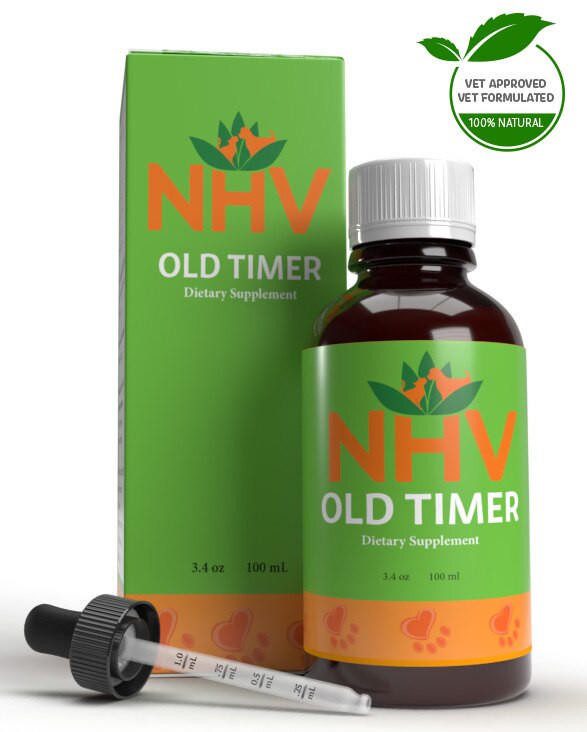
Natural dog joint support to alleviate arthritis, muscle, and joint discomfort
buy 2 and save $3
3 month supply for a small to medium size pet
What Is It?
NHV’s Old Timer is a natural supplement that helps alleviate arthritis, muscle, and joint discomfort.
How Does it Work?
Why Should I Trust It?
Vet-approved and vet-formulated.
What Is It?
NHV’s Old Timer is a natural supplement that helps alleviate arthritis, muscle, and joint discomfort.
How Does it Work?
Why Should I Trust It?
Vet-approved and vet-formulated.
NHV’s Old Timer joint support for dogs provides your canine companion with natural support to help alleviate arthritis, muscle, and joint discomfort.
Getting older is never easy, especially for dogs. Arthritis is a degenerative disease that progresses with age. It is a debilitating condition that can lead to impaired mobility and even hip dysplasia in dogs.
Finding the right supplements for older dogs can be a challenge, but NHV’s supplements are safe to be given along with any vet prescribed medications. NHV Old Timer can be given to dogs of any age. In fact, we would recommend starting the Old Timer at mid-age even before severe arthritis develops, as a natural and effective proactive care regimen.
We also have a complete Rejuvenation Kit for arthritis and joint discomfort.
Just because your dog is getting older doesn’t mean playtime is over. Read how Snuku bounces back from arthritis with Old Timer dog joint support supplements.
If you have questions, you can ask an NHV expert because we are here to help give guidance and support so your precious pooch can jump for joy and raise the ruff!
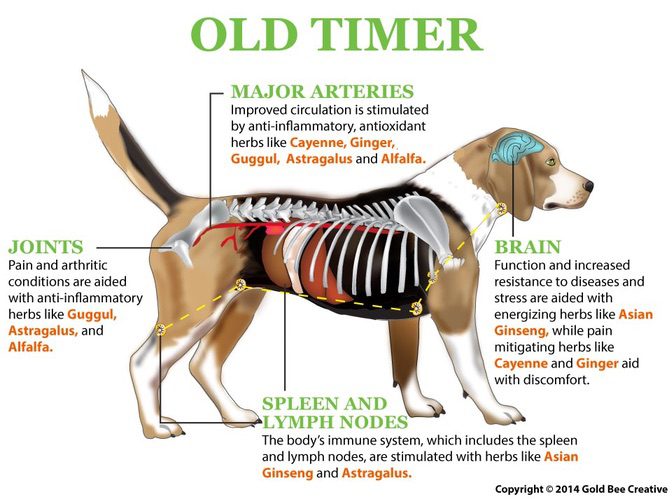
Six potent herbal ingredients will target the entire body to provide dogs support with joints, spleen, lymph nodes, major arteries.
Select your pet's weight to determine the correct dose.
To be taken twice daily. Determine your pet’s weight and then use the easy chart below to determine the correct dose. This is the minimum dosage.
Pet's Weight Dosage
0 - 15 lb = 0.5 ml
16 - 30 lb = 1.0 ml
31 - 45 lb = 1.5 ml
46 - 60 lb = 2.0 ml
61 - 75 lb = 2.5 ml
Over 75 lb = 3.0 ml
How to Administer
Shake well before use. The easiest method is to use the dropper provide and places the drops into your pet’s food or favorite treat. You can also use the dropper and squirt directly into the pet’s mouth.
Some pets can be finicky, if this occurs consider hiding the drops in foods most pet’s love such as fish, chicken or yogurt or a favorite treat. If your pet only eats dry food then soak a few kibbles at feeding time.
For Best Results
Herbal dietary supplements are beneficial to the health and wellbeing of your pet and are safe for long-term use. Every pet responds to natural herbal supplements differently, therefore it is important to be consistent and administer the product daily. Supplements generally take two to four weeks to take effect, however this will vary from one animal to the next.
Product Storage
All NHV Natural Pet Products are pure herbal extracts and contain no artificial additives, preservatives or coloring. Shelf life after opening is 6 months and must be refrigerated after opening.
Cautions and Contraindications
Do not use Old Timer in pregnant or nursing animals. Should be used in moderation in cases of sensitive digestive tract. Speak to your vet before using our products. A second visit is recommended if your pet’s condition does not improve, or deteriorates after continued use of the supplements.
All information provided by NHV Natural Pet Products is for educational purposes only.
NHV’s Old Timer joint support for dogs provides your canine companion with natural support to help alleviate arthritis, muscle, and joint discomfort.
Getting older is never easy, especially for dogs. Arthritis is a degenerative disease that progresses with age. It is a debilitating condition that can lead to impaired mobility and even hip dysplasia in dogs.
Finding the right supplements for older dogs can be a challenge, but NHV’s supplements are safe to be given along with any vet prescribed medications. NHV Old Timer can be given to dogs of any age. In fact, we would recommend starting the Old Timer at mid-age even before severe arthritis develops, as a natural and effective proactive care regimen.
We also have a complete Rejuvenation Kit for arthritis and joint discomfort.
Just because your dog is getting older doesn’t mean playtime is over. Read how Snuku bounces back from arthritis with Old Timer dog joint support supplements.
If you have questions, you can ask an NHV expert because we are here to help give guidance and support so your precious pooch can jump for joy and raise the ruff!
Six potent herbal ingredients will target the entire body to provide dogs support with joints, spleen, lymph nodes, major arteries.
Select your pet's weight to determine the correct dose.
To be taken twice daily. Determine your pet’s weight and then use the easy chart below to determine the correct dose. This is the minimum dosage.
Pet's Weight Dosage
0 - 15 lb = 0.5 ml
16 - 30 lb = 1.0 ml
31 - 45 lb = 1.5 ml
46 - 60 lb = 2.0 ml
61 - 75 lb = 2.5 ml
Over 75 lb = 3.0 ml
How to Administer
Shake well before use. The easiest method is to use the dropper provide and places the drops into your pet’s food or favorite treat. You can also use the dropper and squirt directly into the pet’s mouth.
Some pets can be finicky, if this occurs consider hiding the drops in foods most pet’s love such as fish, chicken or yogurt or a favorite treat. If your pet only eats dry food then soak a few kibbles at feeding time.
For Best Results
Herbal dietary supplements are beneficial to the health and wellbeing of your pet and are safe for long-term use. Every pet responds to natural herbal supplements differently, therefore it is important to be consistent and administer the product daily. Supplements generally take two to four weeks to take effect, however this will vary from one animal to the next.
Product Storage
All NHV Natural Pet Products are pure herbal extracts and contain no artificial additives, preservatives or coloring. Shelf life after opening is 6 months and must be refrigerated after opening.
Cautions and Contraindications
Do not use Old Timer in pregnant or nursing animals. Should be used in moderation in cases of sensitive digestive tract. Speak to your vet before using our products. A second visit is recommended if your pet’s condition does not improve, or deteriorates after continued use of the supplements.
All information provided by NHV Natural Pet Products is for educational purposes only.
joint support
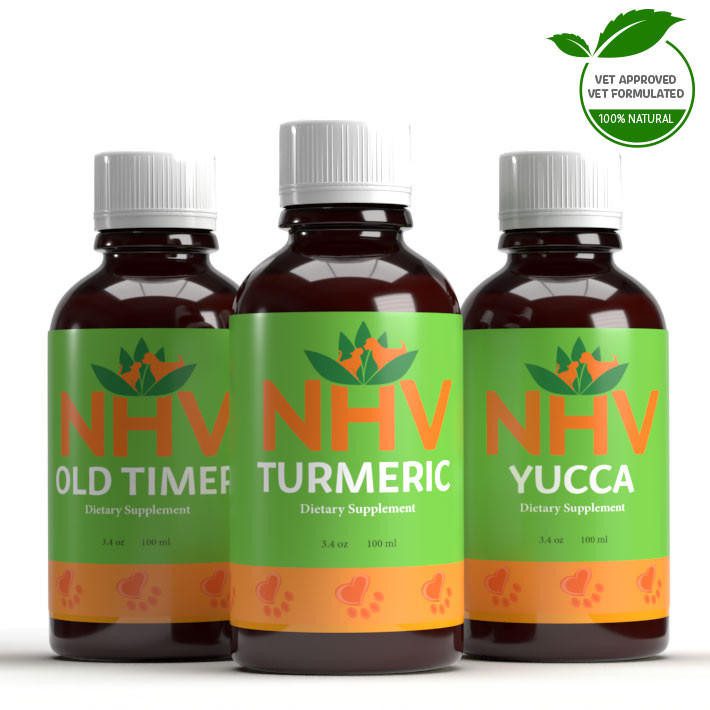
Old Timer, Yucca & Turmeric
bundle and save with pet expert kits
3 month supply for a small to medium size pet.
What is it?
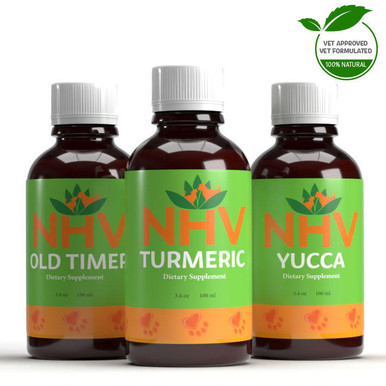
NHV's Hip Dysplasia Kit is designed to support pets with joint and muscle inflammation, helping ease discomfort, improve circulation and energy, and re-balance the immune system.
How Does it Work?
Why Should I Trust It?
Made specifically for pets, vet-formulated and vet-approved.
What is it?
NHV's Hip Dysplasia Kit is designed to support pets with joint and muscle inflammation, helping ease discomfort, improve circulation and energy, and re-balance the immune system.
How Does it Work?
Why Should I Trust It?
Made specifically for pets, vet-formulated and vet-approved.
Maybe your furry friend isn’t as bouncy as they once were and they are having a tough time jumping up into their favorite spots. It happens! If you see them limping or their hips are a little stiff, give them the extra support they deserve (especially in colder months) with NHV’s Hip Dysplasia Kit.
As pet parents, it’s hard to see your furry friends not jumping and bouncing around as they used to. Whether they're tiny little fluffballs, or wise and experienced in life when they come home with us, we want them to be happy and healthy! Sadly, hip dysplasia is one of the most common health issues among our furry friends but don't you worry because NHV Hip Dysplasia Kit is here to help! It contains Old Timer, Yucca and Turmeric, which can help relieve joint discomfort, increase energy levels and re-balance your little one's immune system.
As our pets age, their behavior may change and it is up to us as their pet parent to notice small changes. Suddenly they may be resting longer, not bouncing around like they once did or having difficulty using the bathroom. These signs could mean an underlying mobility issue, like hip dysplasia. Hip Dysplasia is a condition where the ball and socket of the hip joint do not form properly and rather than sliding smoothly, they rub or scrape causing joint degeneration and arthritis. For some dogs and cats, this may be a genetic condition and for others, it may develop as they age. As a pet parent, you will want to reduce inflammation, improve circulation and support their immune system so that they can get their health back on track! NHV Hip Dysplasia Kit contains Old Timer, Yucca and Turmeric. Old Timer contains nutritive plant extracts that relieve inflammation and discomfort while supporting healthy bones and joints. While ingredients like Astragalus help stimulate the liver, circulatory system and immune system. Yucca contains natural steroid-like properties that soothe discomfort and inflammation. Turmeric is rich in anti-inflammatory and antioxidant properties that support gentle detoxification and circulation.
NHV supplements are formulated by a holistic vet and master herbalist to be gentle, effective remedies that complement vet-formulated care plans. But it should never replace professional advice from your veterinarian. If you have any questions about dog hip dysplasia prevention or want to chat about your pet’s ongoing care plan, get in touch with an NHV Pet Expert.
Made with the finest, organically grown, or ethically harvested herbs. Made specifically for pets, vet-formulated and vet approved.
Old Timer
Yucca
Turmeric
Select your pet's weight to determine the correct dose.
To be taken twice daily. Determine your pet’s weight and then use the easy chart below to determine the correct dose. This is the minimum dosage.
Pet's Weight Dosage
0 - 15 lb = 0.5 ml
16 - 30 lb = 1.0 ml
31 - 45 lb = 1.5 ml
46 - 60 lb = 2.0 ml
61 - 75 lb = 2.5 ml
Over 75 lb = 3.0 ml
How to Administer
Shake well before use. The easiest method is to use the dropper provided and place the drops into your pet’s food or favorite treat. You can also use the dropper and squirt directly into the pet’s mouth. Some pets can be finicky, if this occurs consider hiding the drops in foods most pet’s love such as fish, chicken or yogurt or a favorite treat. If your pet only eats dry food then soak a few kibbles at feeding time.
For Best Results
Herbal dietary supplements are beneficial to the health and well-being of your pet and are safe for long-term use. Every pet responds to natural herbal supplements differently, therefore it is important to be consistent and administer the product daily. Supplements generally take two to four weeks to take effect, however this will vary from one animal to the next.
Product Storage
All NHV Natural Pet Products are pure herbal extracts and contain no artificial additives, preservatives or coloring. Shelf life after opening is 6 months and must be refrigerated after opening.
Cautions and Contraindications
Do not use in pregnant or nursing animals.
All information provided by NHV Natural Pet Products is for educational purposes only.
Maybe your furry friend isn’t as bouncy as they once were and they are having a tough time jumping up into their favorite spots. It happens! If you see them limping or their hips are a little stiff, give them the extra support they deserve (especially in colder months) with NHV’s Hip Dysplasia Kit.
As pet parents, it’s hard to see your furry friends not jumping and bouncing around as they used to. Whether they're tiny little fluffballs, or wise and experienced in life when they come home with us, we want them to be happy and healthy! Sadly, hip dysplasia is one of the most common health issues among our furry friends but don't you worry because NHV Hip Dysplasia Kit is here to help! It contains Old Timer, Yucca and Turmeric, which can help relieve joint discomfort, increase energy levels and re-balance your little one's immune system.
As our pets age, their behavior may change and it is up to us as their pet parent to notice small changes. Suddenly they may be resting longer, not bouncing around like they once did or having difficulty using the bathroom. These signs could mean an underlying mobility issue, like hip dysplasia. Hip Dysplasia is a condition where the ball and socket of the hip joint do not form properly and rather than sliding smoothly, they rub or scrape causing joint degeneration and arthritis. For some dogs and cats, this may be a genetic condition and for others, it may develop as they age. As a pet parent, you will want to reduce inflammation, improve circulation and support their immune system so that they can get their health back on track! NHV Hip Dysplasia Kit contains Old Timer, Yucca and Turmeric. Old Timer contains nutritive plant extracts that relieve inflammation and discomfort while supporting healthy bones and joints. While ingredients like Astragalus help stimulate the liver, circulatory system and immune system. Yucca contains natural steroid-like properties that soothe discomfort and inflammation. Turmeric is rich in anti-inflammatory and antioxidant properties that support gentle detoxification and circulation.
NHV supplements are formulated by a holistic vet and master herbalist to be gentle, effective remedies that complement vet-formulated care plans. But it should never replace professional advice from your veterinarian. If you have any questions about dog hip dysplasia prevention or want to chat about your pet’s ongoing care plan, get in touch with an NHV Pet Expert.
Made with the finest, organically grown, or ethically harvested herbs. Made specifically for pets, vet-formulated and vet approved.
Old Timer
Yucca
Turmeric
Select your pet's weight to determine the correct dose.
To be taken twice daily. Determine your pet’s weight and then use the easy chart below to determine the correct dose. This is the minimum dosage.
Pet's Weight Dosage
0 - 15 lb = 0.5 ml
16 - 30 lb = 1.0 ml
31 - 45 lb = 1.5 ml
46 - 60 lb = 2.0 ml
61 - 75 lb = 2.5 ml
Over 75 lb = 3.0 ml
How to Administer
Shake well before use. The easiest method is to use the dropper provided and place the drops into your pet’s food or favorite treat. You can also use the dropper and squirt directly into the pet’s mouth. Some pets can be finicky, if this occurs consider hiding the drops in foods most pet’s love such as fish, chicken or yogurt or a favorite treat. If your pet only eats dry food then soak a few kibbles at feeding time.
For Best Results
Herbal dietary supplements are beneficial to the health and well-being of your pet and are safe for long-term use. Every pet responds to natural herbal supplements differently, therefore it is important to be consistent and administer the product daily. Supplements generally take two to four weeks to take effect, however this will vary from one animal to the next.
Product Storage
All NHV Natural Pet Products are pure herbal extracts and contain no artificial additives, preservatives or coloring. Shelf life after opening is 6 months and must be refrigerated after opening.
Cautions and Contraindications
Do not use in pregnant or nursing animals.
All information provided by NHV Natural Pet Products is for educational purposes only.

Dr. Mehdi Sharbafi graduated from Tehran University in 2014, earning his DVM. He is a dedicated and compassionate Vet Expert at NHV with experience spanning clinical practice, emergency medicine, and infectious diseases. He provides empathetic guidance and elevates the customer experience for pet parents seeking natural support. As a cat dad to Hana and Silky, he understands how cats and dogs are more than just pets; they’re family. Though sometimes, he feels a bit less like a cat dad and more like a tenant to these bossy felines!
Published: July 3, 2026
overall vitality
For Overall Health and Well-Being
buy 2 and save $3
What is it?
Support your dog’s health with omega-3 fish oil for dogs, promoting a healthy coat, eyes, joints, immune system, and overall organ function.
How does it work?
Why trust it?
NHV Petomega 3 has earned 5-star ratings by pet parents from around the world.

What is it?
Support your dog’s health with omega-3 fish oil for dogs, promoting a healthy coat, eyes, joints, immune system, and overall organ function.
How does it work?
Why trust it?
NHV Petomega 3 has earned 5-star ratings by pet parents from around the world.
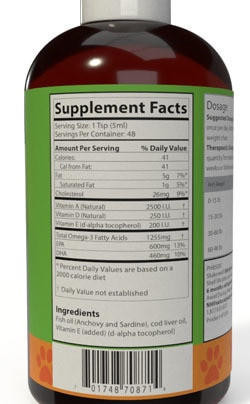
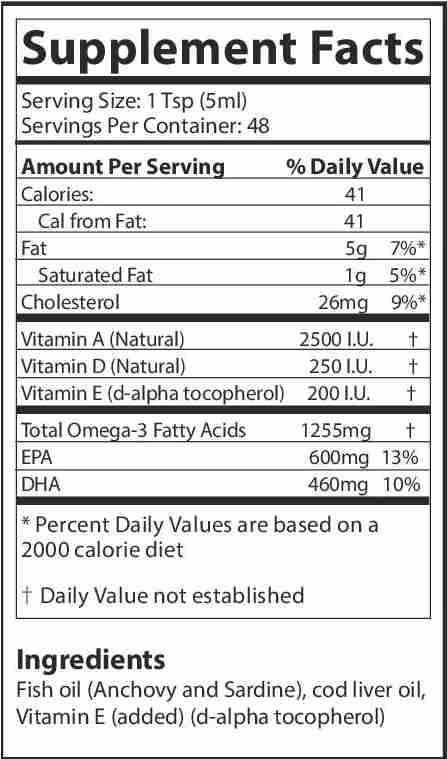
Our omega 3 fish oil for dogs is a great source of EPA (Eicosapentaenoic Acid 600mg) and DHA (Docosahexaenoic acid 460mg) essential fatty acids. This fish oil supplement for dogs is derived from sardines, anchovies and North Atlantic cod liver oil. It is molecularly distilled and cold pressed to improve the bioavailability of the omega 3 fatty acids, and is medical and human grade quality.
Omega 3 fish oil for dogs may be beneficial for the following:
Processed pet foods have increased omega-6 fatty acids, and decreased omega-3 fatty acids. The University of Maryland Medical Center states, "It is very important to maintain a balance between omega-3 and omega-6 fatty acids in the diet. A proper balance helps maintain and even improve health." Your dog’s body cannot easily make essential fatty acids. It is vital to provide omega 3 fish oil for dogs as an added supplement to your pet’s daily diet.
The American Journal of Veterinary Medicine has published studies on the benefits of omega 3 fatty acids (fish oils) for arthritis and degenerative joint disease in dogs. The studies showed that dogs who were given omega 3 fatty acids had a significantly improved ability to get up from a resting position and marked improvement in walking ability.
Suggested Dosage: To be taken once per day. Add to food based on weight chart.
Therapeutic Dosage: Double the quantity for maximum period of 4 weeks or follow veterinarian advise.
Pet’s Weight Dosage
0-15 lb = ¼ tsp
15-30 lb = ½ tsp
30-60 lb = 1 tsp
60-90 lb = 1 ½ tsp
How to Administer: Shake well before use. The easiest method is to add the dosage to your pets food. Some pets can be finicky, if this occurs consider hiding the appropriate amount in food most pet’s love such as fish, chicken, yogurt, or a favorite treat. If your pet only eats dry food then soak kibbles at feeding time.
For Best Results
Dietary supplements are beneficial to the health and well-being of your pet and are safe for long-term use. Every pet responds to natural supplements differently, therefore it is important to be consistent and administer the product daily. Supplements generally take two to four weeks to take effect, however this will vary from one animal to the next.
Product Storage
All NHV Natural Pet Products contain no artificial additives, preservatives or coloring. Shelf life after opening is 6 months and must be refrigerated after opening.
Cautions and Contraindications
Avoid During Pregnancy.
Our omega 3 fish oil for dogs is a great source of EPA (Eicosapentaenoic Acid 600mg) and DHA (Docosahexaenoic acid 460mg) essential fatty acids. This fish oil supplement for dogs is derived from sardines, anchovies and North Atlantic cod liver oil. It is molecularly distilled and cold pressed to improve the bioavailability of the omega 3 fatty acids, and is medical and human grade quality.
Omega 3 fish oil for dogs may be beneficial for the following:
Processed pet foods have increased omega-6 fatty acids, and decreased omega-3 fatty acids. The University of Maryland Medical Center states, "It is very important to maintain a balance between omega-3 and omega-6 fatty acids in the diet. A proper balance helps maintain and even improve health." Your dog’s body cannot easily make essential fatty acids. It is vital to provide omega 3 fish oil for dogs as an added supplement to your pet’s daily diet.
The American Journal of Veterinary Medicine has published studies on the benefits of omega 3 fatty acids (fish oils) for arthritis and degenerative joint disease in dogs. The studies showed that dogs who were given omega 3 fatty acids had a significantly improved ability to get up from a resting position and marked improvement in walking ability.
Suggested Dosage: To be taken once per day. Add to food based on weight chart.
Therapeutic Dosage: Double the quantity for maximum period of 4 weeks or follow veterinarian advise.
Pet’s Weight Dosage
0-15 lb = ¼ tsp
15-30 lb = ½ tsp
30-60 lb = 1 tsp
60-90 lb = 1 ½ tsp
How to Administer: Shake well before use. The easiest method is to add the dosage to your pets food. Some pets can be finicky, if this occurs consider hiding the appropriate amount in food most pet’s love such as fish, chicken, yogurt, or a favorite treat. If your pet only eats dry food then soak kibbles at feeding time.
For Best Results
Dietary supplements are beneficial to the health and well-being of your pet and are safe for long-term use. Every pet responds to natural supplements differently, therefore it is important to be consistent and administer the product daily. Supplements generally take two to four weeks to take effect, however this will vary from one animal to the next.
Product Storage
All NHV Natural Pet Products contain no artificial additives, preservatives or coloring. Shelf life after opening is 6 months and must be refrigerated after opening.
Cautions and Contraindications
Avoid During Pregnancy.