seasonal allergy support
Alge-Ex for cats
USD $51.95
free shipping over $100 (USA & Canada)
1-877-937-4372 the pet expert hotline


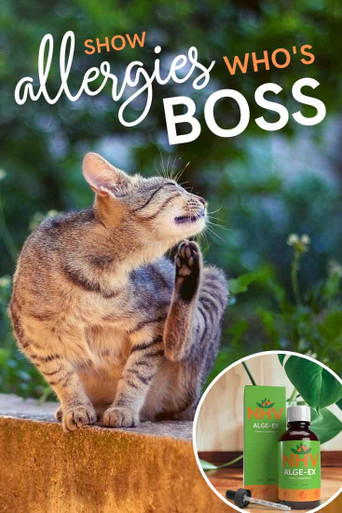
The Cozy Days of fall and winter have arrived! It’s time to bundle up against the cold, snuggle into some blankets with your best furry friend, and watch the weather outside be frightful while inside is so delightful. Having a warm, calm room can keep senior pets or anxious pets more comfortable and help the whole furmily relax.
Imagine spending a peaceful winter evening by a crackling fireplace, windows frosty with flickering candles against the dark, and the scent of pine and cinnamon and warm cookies coming out of the oven. Even if it doesn’t seem like a concern, the air quality inside may not be the best, and that can affect overall health.
During the chilly, grey days of fall and winter, everyone wants to be cozy. We keep our homes warmer and more closed up and want to avoid damp, cold weather. However, spending more time indoors can increase exposure to irritants already present in the home. Any time of year, indoor air can be a source of allergy triggers and irritants like dust, dander, smoke, fragrances, cleaning-product fumes, mold spores, and more.
Not to worry! We have practical pet-care advice to help caring pet parents improve indoor air quality and make cozy days more comfortable for sensitive pets. Recognizing signs and possible sources of irritation is the first step. Making simple changes at home to improve air quality can make your best furry friend a lot more comfortable.
Winter significantly changes indoor air quality due to decreased ventilation, low humidity levels, and trapped airborne pollutants.
According to the American Lung Association, indoor air can be 2-5 times more polluted than outdoor air. This is especially true during the winter months when we seal up our homes to conserve heat, trapping pollutants inside.
Toxic gases can cause headaches, nausea, confusion and lung irritation, and these heaters also pose a fire risk. Consider electric space heaters for a safer heating alternative. Have heaters inspected and serviced annually, do not use for extended periods of time, and install a carbon monoxide detector and fire alarm. For kerosene heaters, only use grade K-1 kerosene.
Smoke can contain harmful pollutants, so wood-burning stoves or fireplaces must be properly vented to the outside and have regular maintenance at least once a year. It’s best to use seasoned firewood (dried for 6+ months). Consider an EPA-certified wood stove and run a portable air cleaner to reduce airborne pollutants.
Using scented candles, wood-burning fireplaces, and various cleaning products can increase the concentration of VOC’s indoors, especially when ventilation is poor. Breathing VOCs can irritate the eyes, nose, and throat and may cause difficulty breathing and nausea. Use safer, less toxic products and avoid using essential oils and diffusers.
Increase ventilation by opening windows at least five minutes every day to reduce overall VOC levels in your home, unless outdoor pollution levels are high.
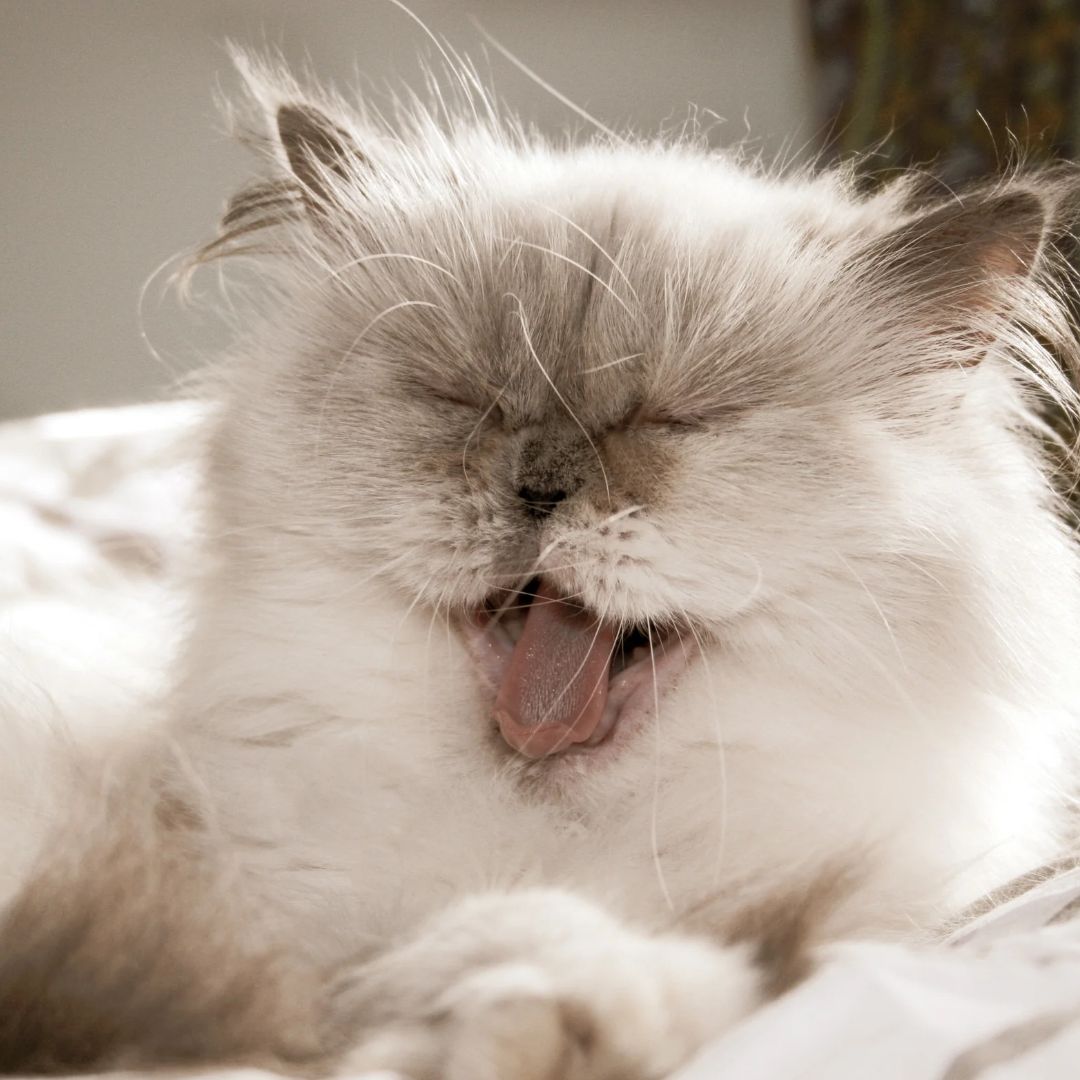
Recognizing signs like itching or discomfort, sneezing, respiratory problems, or runny eyes is a signal to look for possible sources of irritants in the home. If symptoms become uncomfortable, severe, or persistent, be sure to consult your vet for advice.
Dry air and pollutants can dry out your pet’s skin and coat, causing itching, flaky skin, or brittle fur. Supplements like NHV PetOmega 3 are a beneficial addition for overall wellness support, aid for joints and mobility, and encouraging healthy skin and coat.
Here are some common sources of indoor air pollution that can affect pet health:
Seasonal allergies or environmental allergies may result from exposure to pollen or household irritants like cleaning agents. You may notice signs like runny eyes, chronic ear infections, scratching or biting at paws, as well as digestive issues.
Indoor heating can contribute to dry household air, which can irritate eyes, skin, and airways, while excess humidity from condensation, water leaks, bathing, or cooking can create a habitat for mold growth. Airborne mold can cause respiratory irritation and may trigger allergic reactions or asthma in sensitive pets and people.
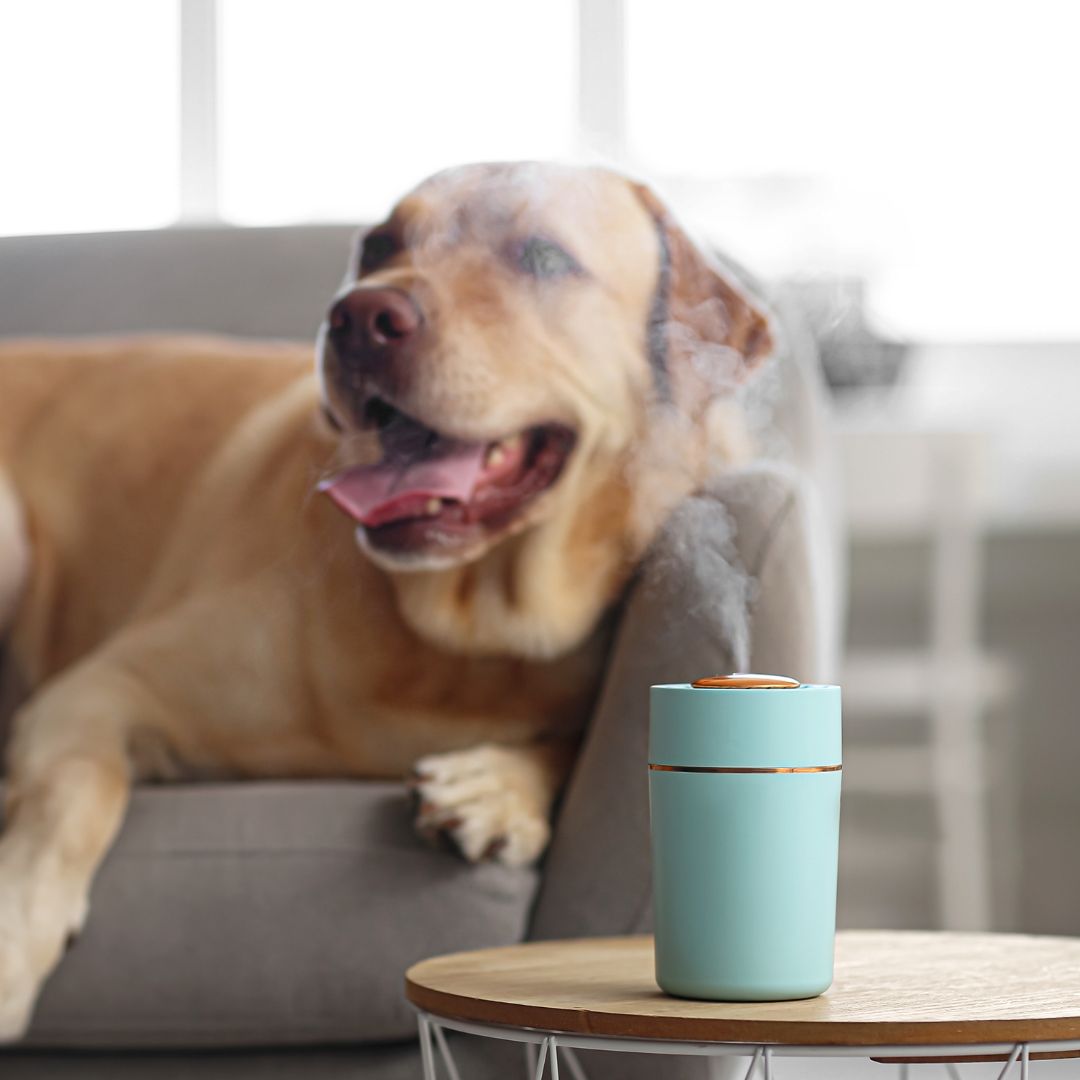
Maintaining indoor humidity at 30-50% helps prevent mold and mildew growth and is still comfortable for the family. Balanced humidity is also beneficial for the skin, paw pads, nasal passages, and general respiratory comfort.
If the air in your home is too dry, you can use a humidifier to balance the moisture content.
Pets breathe the same air we do, and pollutants like dust, mold spores, tobacco smoke, chemicals, and pet dander can cause respiratory irritation.
Creating a safe, comfortable indoor environment for a sensitive pet (whether they have skin allergies, respiratory sensitivities, or general anxiety) requires adjusting your air quality, cleaning habits, and home layout.
There are lots of ways to improve air quality indoors. Whether you choose an air purifier or small changes in lifestyle, reducing pollutants is a healthy choice.
Pine and cedar fragrances are popular in holiday products as well as natural litter or bedding for animals. To humans, these woodsy scents might seem refreshing and seasonally nostalgic, but for our pets with more acute senses, they can be powerful allergy triggers or respiratory irritants. Pets that already suffer from other allergies or respiratory conditions like asthma may be even more sensitive to strong scents, causing flare ups.
The occasional snort, sneeze, or itch is probably not too much of a worry. Bursts of coughing, wheezing, or sneezing, could have many possible causes from a snootful of dust when sniffing out some treats to the beginning of an infection that may worsen over time. Significant skin irritation (localized to a specific area, like the paws, or generalized itching and redness across the body) or unusual lethargy can also have many different causes.
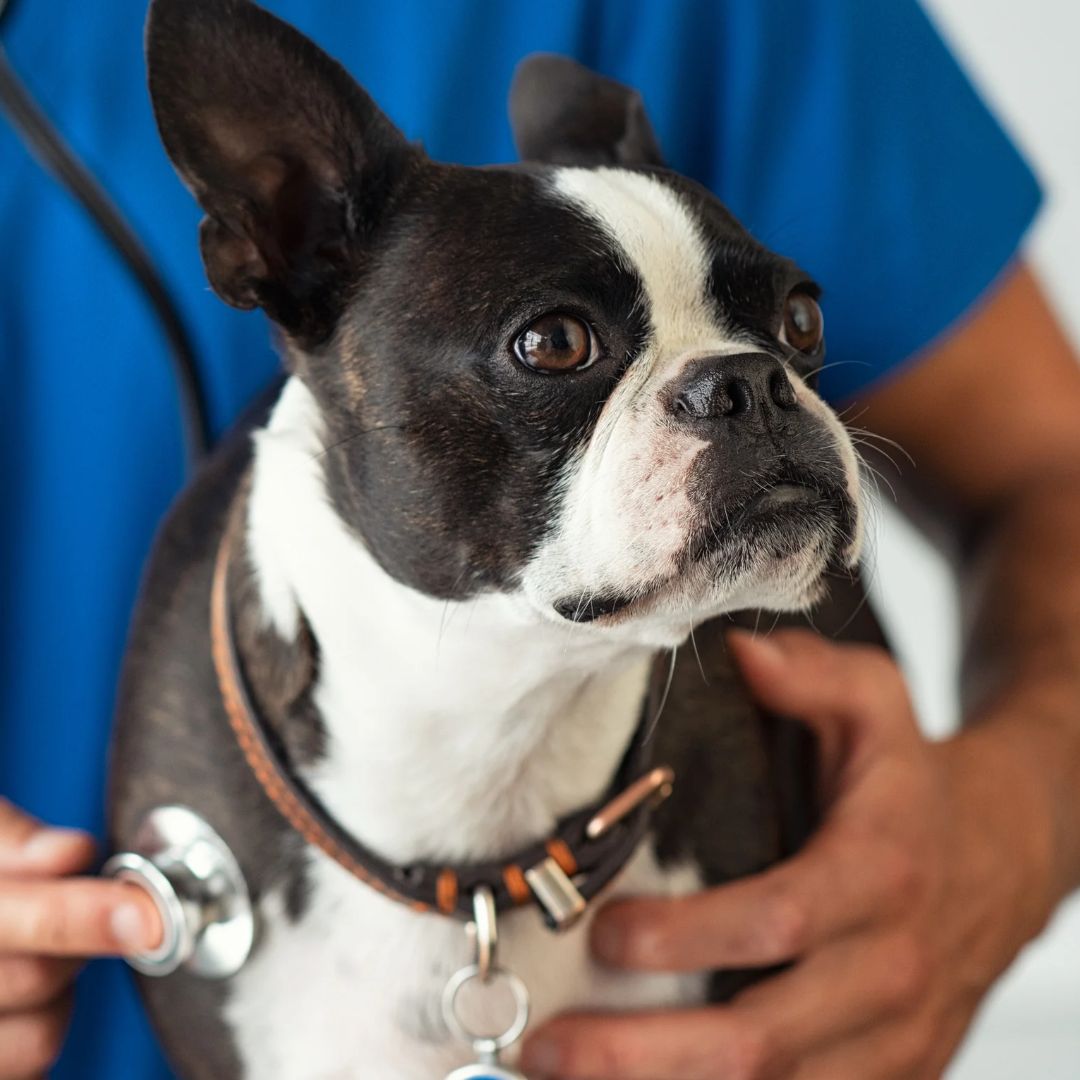
For pets that have recurring, persistent, or severe symptoms, it’s important to consult your vet to help distinguish the cause.
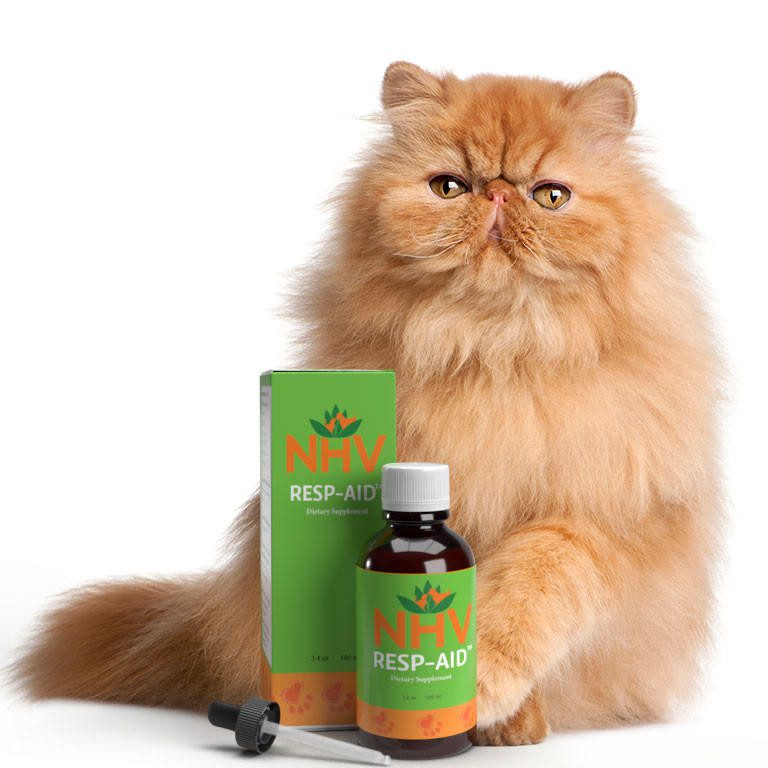
NHV Resp-Aid is a 100% natural herbal supplement designed to support respiratory health, ease breathing difficulties, and combat respiratory infections in pets. It is effective at reducing inflammation in the lungs and easing coughing and congestion, to help your pet relax and breathe easier.
NHV Stimmune may be helpful for food allergies, itching, dermatitis, and balancing the immune system. It helps the body manage reactions to allergy triggers and general skin irritations. It can be helpful for chronic ear infections, skin flare ups, and overall immune support.
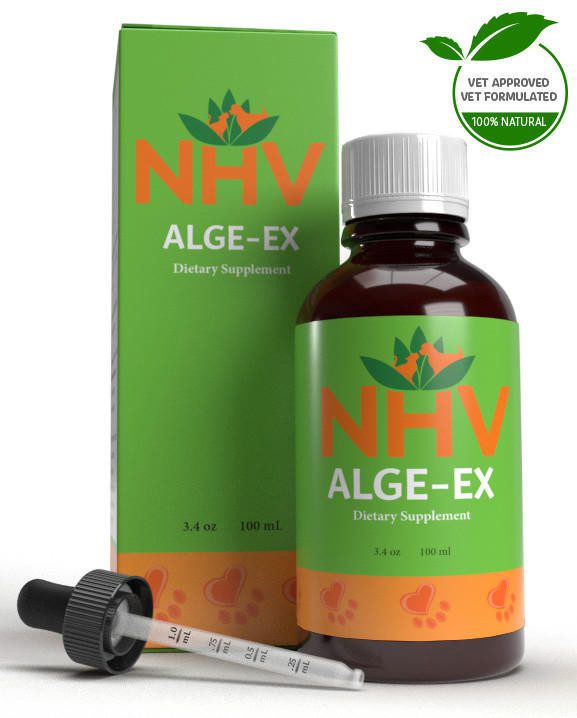
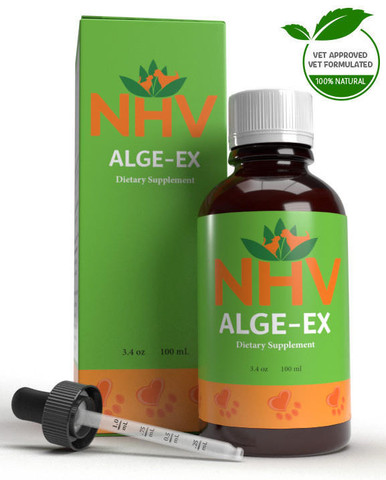
NHV Alge-Ex is best for acute seasonal or environmental allergies. This blend of herbs helps balance the histamine response, reduce inflammation, and soothe respiratory irritation. It may help with sneezing, coughing, runny eyes and nose, and inflamed paws.
A warm home can feel like the perfect winter retreat, but creating a truly pet friendly indoor environment means thinking about the air your furkiddo is breathing too. Taking simple steps to improve indoor air quality, balancing humidity, providing good ventilation and reducing airborne irritants can help make your home more comfortable for everyone.
We encourage pet parents to pay close attention to changes in their pet’s breathing, skin, or behavior during the winter, especially for senior and sensitive pets. Seek advice from your vet if symptoms of respiratory concerns persist or worsen.
Stay safe and warm everyone! Enjoy this cozy season with your furmily!
seasonal allergy support
Herbal Support for Cats with Allergies
buy 2 and save $3
3 month supply for a small to medium size pet.
What is it?
Are you looking for natural holistic supplements for cats with allergies? NHV Alge-Ex for Cats can help relieve allergy symptoms in cats and proactively support hay fever and environmental and seasonal allergies in your little one.
How Does it Work?
Why Should I Trust It?
Vet-formulated, 100% natural, and free of preservatives.

What is it?
Are you looking for natural holistic supplements for cats with allergies? NHV Alge-Ex for Cats can help relieve allergy symptoms in cats and proactively support hay fever and environmental and seasonal allergies in your little one.
How Does it Work?
Why Should I Trust It?
Vet-formulated, 100% natural, and free of preservatives.
Scratching, sneezing and wheezing - it is never easy to see your beloved kitty suffer from allergic reactions. How can we make our furkiddos feel better?
Natural supplements like NHV’s Alge-Ex for Cats can proactively protect your cat from environmental and seasonal allergies and help relieve the symptoms alongside traditional medication.
All our supplements are 100% natural and free of preservatives, additives, flavorings, or artificial color. You can rest assured they are completely safe for your little one.
As the name suggests, environmental allergies are caused by foreign substances in our surroundings. This can be pollens, mold, grass, fleas, other pets, and dust mites. Allergic reactions can be triggered by ingesting these allergens or being in physical contact with them. Even though cat environmental allergies are usually seasonal, the symptoms can last all year.
If you notice these symptoms, please visit a vet for a body check and allergy test.
The blend of herbs in Alge-Ex contains powerful anti-inflammatory and antispasmodic properties that can help soothe the swelling and stomachache caused by allergies. Herbs like eyebright have been used internally for catarrh of the upper respiratory tract and can help with eye itchiness. Echinacea Angustifolia, additionally, has been used to help with sinusitis in dogs and cats, hay fever, asthma, and ear infections.
Alge-Ex for Cats and our other products are liquid-based and have a dropper, making them extremely easy to administer to pets. They can be given directly in the cheek pockets or mixed with food.
Please reach out if you have any questions or concerns about cats with allergies or anything else! We have a team of supportive Pet Experts who are always here to help you and your kitty!
Help protect your cat from allergies by ordering our Alge-Ex for Cats!
All NHV supplements are made with the finest quality organic or ethically harvested herbs.
We use non-GMO vegetable glycerin as our base. NHV products are full-spectrum extracts.
Select your pet's weight to determine the correct dose.
To be taken twice daily. Determine your pet’s weight and then use the easy chart below to determine the correct dose. This is the minimum dosage.
Pet's Weight Dosage
0 - 15 lb = 0.5 ml
16 - 30 lb = 1.0 ml
31 - 45 lb = 1.5 ml
46 - 60 lb = 2.0 ml
61 - 75 lb = 2.5 ml
Over 75 lb = 3.0 ml
How to Administer: Shake well before use. The easiest method is to use the dropper provided and place the drops into your pet’s food or favorite treat. You can also use the dropper and squirt directly into the pet’s mouth. Some pets can be finicky, if this occurs consider hiding the drops in foods most pet’s love such as fish, chicken, yogurt, or a favorite treat. If your pet only eats dry food then soak a few kibbles at feeding time.
For Best Results
Herbal dietary supplements are beneficial to the health and well-being of your pet and are safe for long-term use. Every pet responds to natural herbal supplements differently, therefore it is important to be consistent and administer the product daily. Supplements generally take two to four weeks to take effect, however this will vary from one animal to the next.
Product Storage
All NHV Natural Pet Products are pure herbal extracts and contain no artificial additives, preservatives, or coloring. Shelf life after opening is 6 months and must be refrigerated after opening.
Cautions and Contraindications
Do not use Alge-Ex in pregnant or nursing animals.
Speak to your vet before using our products. A second visit is recommended if your pet’s condition does not improve, or deteriorates after continued use of the supplements.
All information provided by NHV Natural Pet Products is for educational purposes only.
overall vitality
For Overall Health and Well-Being
buy 2 and save $3
What is it?
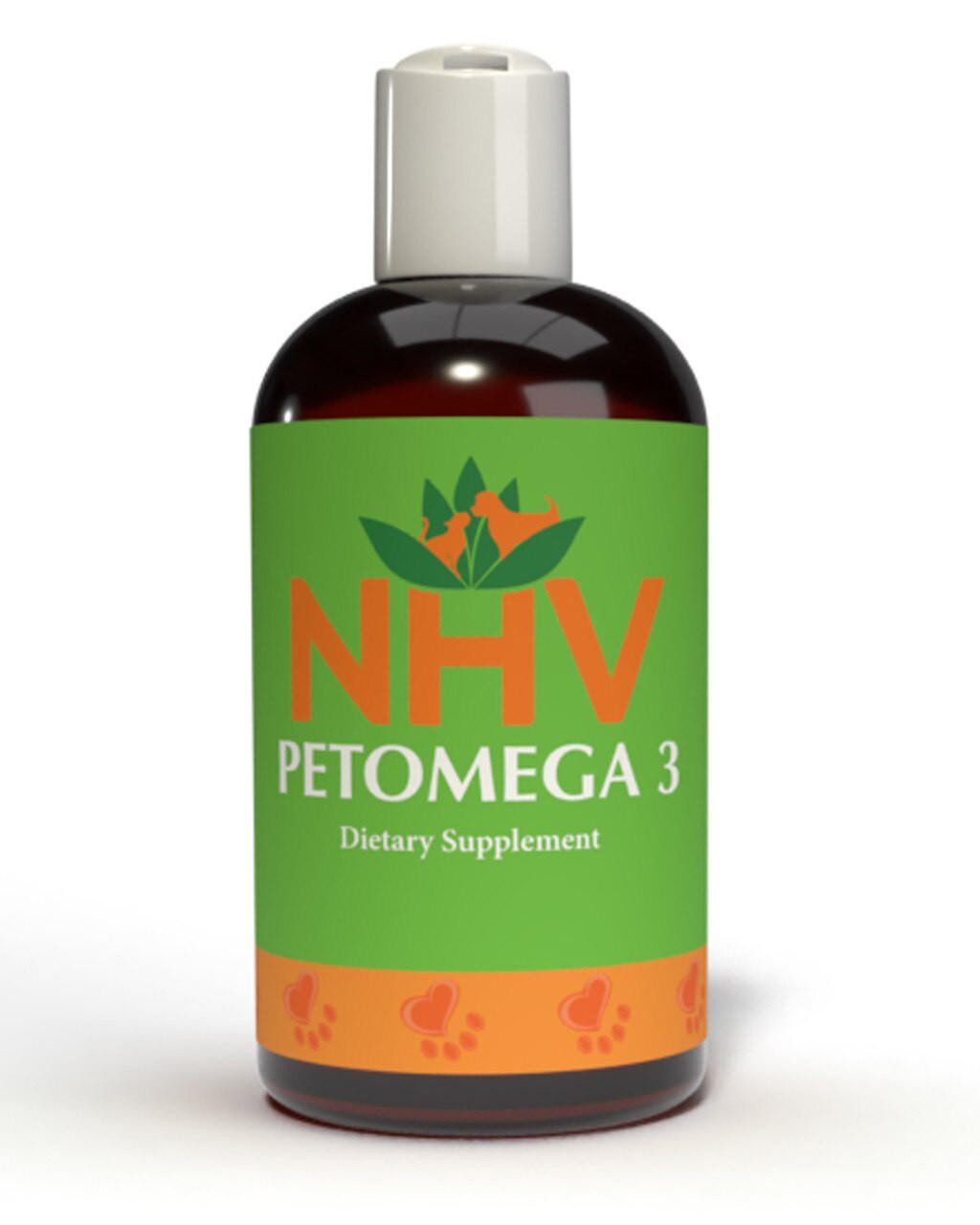
Support your dog’s health with omega-3 fish oil for dogs, promoting a healthy coat, eyes, joints, immune system, and overall organ function.
How does it work?
Why trust it?
NHV Petomega 3 has earned 5-star ratings by pet parents from around the world.

What is it?
Support your dog’s health with omega-3 fish oil for dogs, promoting a healthy coat, eyes, joints, immune system, and overall organ function.
How does it work?
Why trust it?
NHV Petomega 3 has earned 5-star ratings by pet parents from around the world.
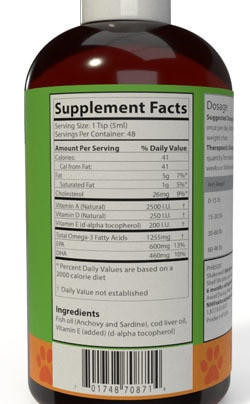
Our omega 3 fish oil for dogs is a great source of EPA (Eicosapentaenoic Acid 600mg) and DHA (Docosahexaenoic acid 460mg) essential fatty acids. This fish oil supplement for dogs is derived from sardines, anchovies and North Atlantic cod liver oil. It is molecularly distilled and cold pressed to improve the bioavailability of the omega 3 fatty acids, and is medical and human grade quality.
Omega 3 fish oil for dogs may be beneficial for the following:
Processed pet foods have increased omega-6 fatty acids, and decreased omega-3 fatty acids. The University of Maryland Medical Center states, "It is very important to maintain a balance between omega-3 and omega-6 fatty acids in the diet. A proper balance helps maintain and even improve health." Your dog’s body cannot easily make essential fatty acids. It is vital to provide omega 3 fish oil for dogs as an added supplement to your pet’s daily diet.
The American Journal of Veterinary Medicine has published studies on the benefits of omega 3 fatty acids (fish oils) for arthritis and degenerative joint disease in dogs. The studies showed that dogs who were given omega 3 fatty acids had a significantly improved ability to get up from a resting position and marked improvement in walking ability.
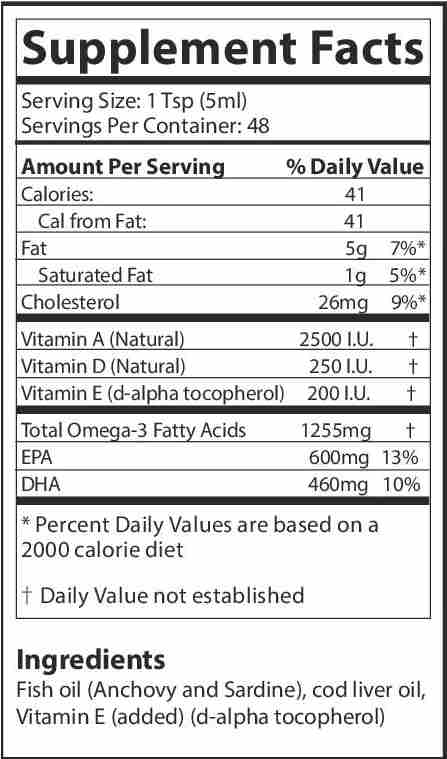
Suggested Dosage: To be taken once per day. Add to food based on weight chart.
Therapeutic Dosage: Double the quantity for maximum period of 4 weeks or follow veterinarian advise.
Pet’s Weight Dosage
0-15 lb = ¼ tsp
15-30 lb = ½ tsp
30-60 lb = 1 tsp
60-90 lb = 1 ½ tsp
How to Administer: Shake well before use. The easiest method is to add the dosage to your pets food. Some pets can be finicky, if this occurs consider hiding the appropriate amount in food most pet’s love such as fish, chicken, yogurt, or a favorite treat. If your pet only eats dry food then soak kibbles at feeding time.
For Best Results
Dietary supplements are beneficial to the health and well-being of your pet and are safe for long-term use. Every pet responds to natural supplements differently, therefore it is important to be consistent and administer the product daily. Supplements generally take two to four weeks to take effect, however this will vary from one animal to the next.
Product Storage
All NHV Natural Pet Products contain no artificial additives, preservatives or coloring. Shelf life after opening is 6 months and must be refrigerated after opening.
Cautions and Contraindications
Avoid During Pregnancy.
Our omega 3 fish oil for dogs is a great source of EPA (Eicosapentaenoic Acid 600mg) and DHA (Docosahexaenoic acid 460mg) essential fatty acids. This fish oil supplement for dogs is derived from sardines, anchovies and North Atlantic cod liver oil. It is molecularly distilled and cold pressed to improve the bioavailability of the omega 3 fatty acids, and is medical and human grade quality.
Omega 3 fish oil for dogs may be beneficial for the following:
Processed pet foods have increased omega-6 fatty acids, and decreased omega-3 fatty acids. The University of Maryland Medical Center states, "It is very important to maintain a balance between omega-3 and omega-6 fatty acids in the diet. A proper balance helps maintain and even improve health." Your dog’s body cannot easily make essential fatty acids. It is vital to provide omega 3 fish oil for dogs as an added supplement to your pet’s daily diet.
The American Journal of Veterinary Medicine has published studies on the benefits of omega 3 fatty acids (fish oils) for arthritis and degenerative joint disease in dogs. The studies showed that dogs who were given omega 3 fatty acids had a significantly improved ability to get up from a resting position and marked improvement in walking ability.
Suggested Dosage: To be taken once per day. Add to food based on weight chart.
Therapeutic Dosage: Double the quantity for maximum period of 4 weeks or follow veterinarian advise.
Pet’s Weight Dosage
0-15 lb = ¼ tsp
15-30 lb = ½ tsp
30-60 lb = 1 tsp
60-90 lb = 1 ½ tsp
How to Administer: Shake well before use. The easiest method is to add the dosage to your pets food. Some pets can be finicky, if this occurs consider hiding the appropriate amount in food most pet’s love such as fish, chicken, yogurt, or a favorite treat. If your pet only eats dry food then soak kibbles at feeding time.
For Best Results
Dietary supplements are beneficial to the health and well-being of your pet and are safe for long-term use. Every pet responds to natural supplements differently, therefore it is important to be consistent and administer the product daily. Supplements generally take two to four weeks to take effect, however this will vary from one animal to the next.
Product Storage
All NHV Natural Pet Products contain no artificial additives, preservatives or coloring. Shelf life after opening is 6 months and must be refrigerated after opening.
Cautions and Contraindications
Avoid During Pregnancy.
general wellbeing
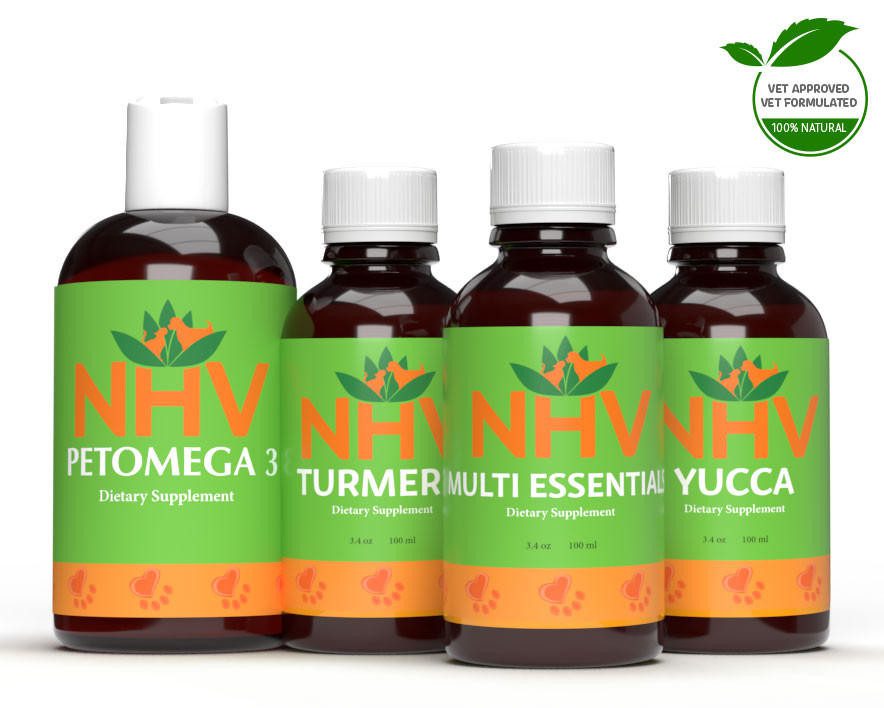
Holistic Daily Pet Vitamins for Cats and Dogs
bundle and save with pet expert kits
3 month supply for a small to medium size pet
What Is It?
A vet-formulated daily supplement bundle that provides essential vitamins and minerals to support your pet’s metabolism, heart health, skin and coat, and overall vitality.
How Does it Work?
Why Should I Trust It?
Full-spectrum supplements made from the finest quality herbs.

What Is It?
A vet-formulated daily supplement bundle that provides essential vitamins and minerals to support your pet’s metabolism, heart health, skin and coat, and overall vitality.
How Does it Work?
Why Should I Trust It?
Full-spectrum supplements made from the finest quality herbs.
Vitamins and minerals are essential to life - they help your dog or cat with their overall health and vitality by regulating the metabolism and supporting many other biochemical processes across the body.
Daily Nutritional Support for Pets
Without vitamins and minerals, your furkiddo may develop nutritional deficiencies that disrupt normal body functioning and can lead to chronic injury or illness. You may be wondering why your pet would benefit from daily dog vitamins or natural cat vitamins if they are getting everything they need from their food. Most commercial pet foods try their best to meet the minimum recommendations for vitamins and minerals set by regulating organizations like the AAFCO. However, things to keep in mind are:
Like humans, vitamins and minerals in our furbaby’s body work together synergistically rather than function as isolated chemicals. When we single out a vitamin, we may lose the balance that nature provides with interdependent co-factors (helper molecules) like trace minerals or phytochemicals. The best way for your pet to get the vitamins and minerals they need is to get them from whole plant sources rather than made synthetically in a lab. Our Daily Pet Supplement Bundle contains NHV Multi-Essentials, NHV Turmeric, NHV Petomega 3 and NHV Yucca. All of our supplements are full-spectrum and made from the finest quality herbs. Each blend is specifically formulated for pets. Full-spectrum means that all of the vitamins, minerals and trace elements are kept intact during the extraction process to make it bioavailable as daily dog vitamins or natural cat vitamins for your furkiddo.
How NHV’s Natural Daily Dog and Cat Vitamins Support Health and Vitality
NHV Multi Essentials is full of herbs that are rich in vitamins and minerals to help with many important body processes including healthy immune function and metabolism. Turmeric contains free-radical scavengers that may help reduce inflammation in the body; it is high in antioxidants which support healthy detoxification and liver function. Petomega 3 is beneficial for cardiac health, metabolism and healthy skin and coat. And Yucca is a highly nutritious superfood that promotes healthy absorption and a soothing aid for inflamed joints.
Multi Essentials
Turmeric
Petomega 3
Yucca
Help your Pet Live Their Best Life With NHV Supplements
In short, it’s a good idea to supplement your furkiddo’s daily diet with vitamins and minerals. All of our products are 100% natural and free of any artificial colors, additives or preservatives. Your pet’s health is important to us so if you have any more questions about using multivitamins to optimize their health, hit the button below to get in touch with an NHV Pet Expert.
Made with the finest, organically grown, or ethically harvested herbs. Made specifically for pets, vet-formulated and vet approved.
Multi Essentials
Turmeric
Petomega 3
Yucca
Select your pet's weight to determine the correct dose.
PETOMEGA 3 : Pet’s Weight Dosage to be taken once a day.
0-15 lb = ¼ tsp
15-30 lb = ½ tsp
30-60 lb = 1 tsp
60-90 lb = 1 ½ tsp
MULTI ESSENTIALS, TURMERIC, YUCCA DOSAGE : To be taken twice daily. Determine your pet’s weight and then use the easy chart below to determine the correct dose. This is the minimum dosage.
Pet's Weight Dosage
0 - 15 lb = 0.5 ml
16 - 30 lb = 1.0 ml
31 - 45 lb = 1.5 ml
46 - 60 lb = 2.0 ml
61 - 75 lb = 2.5 ml
Over 75 lb = 3.0 ml
How to Administer
Shake well before use.The easiest method is to use the dropper provided and place the drops into your pet’s food or favorite treat. You can also use the dropper and squirt directly into the pet’s mouth. Some pets can be finicky, if this occurs consider hiding the drops in foods most pet’s love such as fish, chicken or yogurt or a favourite treat. If your pet only eats dry food then soak a few kibbles at feeding time.
For Best Results
Herbal dietary supplements are beneficial to the health and well-being of your pet and are safe for long-term use. Every pet responds to natural herbal supplements differently, therefore it is important to be consistent and administer the product daily. Supplements generally take two to four weeks to take effect, however this will vary from one animal to the next.
Product Storage
All NHV Natural Pet Products are pure herbal extracts and contain no artificial additives, preservatives or coloring. Shelf life after opening is 6 months and must be refrigerated after opening.
Cautions and Contraindications
Do not use in pregnant or nursing animals.
All information provided by NHV Natural Pet Products is for educational purposes only.
All information provided by NHV Natural Pet Products is for educational purposes only.
We have a dedicated group of pet expert professionals, including veterinarians, vet techs, and other pet professionals to guide you through any questions. We’re committed to your pet’s wellness and can offer additional tips, resources, nutritional advice, and more.
Published: November 17, 2026
Resp Aid- helps support health respiratory function

Resp Aid- helps support health respiratory function