respiratory support
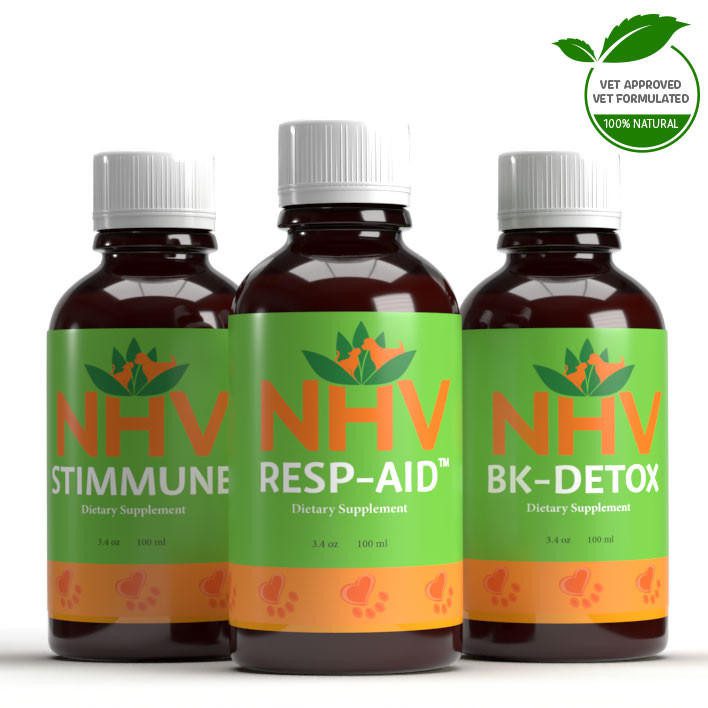
Bronchitis Gold Relief Kit
USD $147.95
free shipping over $100 (USA & Canada)
1-877-937-4372 the pet expert hotline


Hearing your dog cough repeatedly can be worrying. For many pet parents, it raises the question: Can dogs get bronchitis? The answer is yes, and when the condition persists for an extended period, it’s known as chronic bronchitis in dogs. While this illness can’t be cured, the good news is that with proper care, dogs can still enjoy happy, active lives.
In this article, we’ll explain what chronic bronchitis is, the signs to watch for, how veterinarians diagnose and manage it, and ways you can support your dog’s respiratory health naturally.
Chronic bronchitis is a long-term inflammatory condition that affects the airways (bronchi) in a dog’s lungs. Unlike acute bronchitis, which usually develops suddenly due to an infection or irritation and clears up in a few weeks, chronic bronchitis is defined by a persistent cough lasting at least two months that is not caused by another underlying disease (such as heart disease or pneumonia).
The condition is more commonly seen in middle-aged or older dogs, and especially in small breeds like Poodles and Cocker Spaniels.
If your dog is showing these symptoms, chronic bronchitis may be a concern:
These signs occur because chronic inflammation causes the airways to swell and produce excess mucus, making it harder for air to flow normally.
The exact cause of chronic bronchitis in dogs isn’t always clear, but several factors contribute to it:

Unlike kennel cough, chronic bronchitis is not contagious.
Your veterinarian may perform:
Diagnosis is often made after ruling out other causes of chronic coughing.
There is currently no cure for chronic bronchitis, but treatment focuses on reducing inflammation, easing breathing, and improving quality of life.
In addition to veterinary care, many pet parents look for natural ways to support their dog’s respiratory health. Herbal and nutritional supplements can help support the lungs and immune system.
Some options include:
Always consult your veterinarian before starting supplements, especially if your dog is already on prescription medications.
Caring for a dog with chronic bronchitis requires patience and consistency. Here are some tips to help your pup thrive:

With the right combination of veterinary treatment, environmental care, and natural support, many dogs with chronic bronchitis continue to live active, joyful lives.
Chronic bronchitis in dogs can be difficult to manage, but it doesn’t mean your pet can’t flourish. By collaborating with your veterinarian, making lifestyle changes, and considering natural respiratory and immune support, you can help your dog breathe more easily and enjoy more good days together.
If your dog has a persistent cough, don’t wait; schedule a veterinary visit. Early diagnosis and proactive management make all the difference.
respiratory support
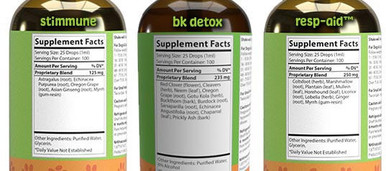
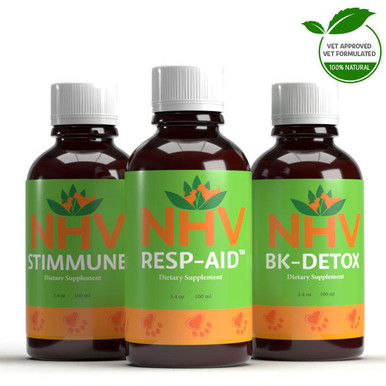
Stimmune, Resp-Aid & BK-Detox
bundle and save with pet expert kits
3 month supply for a small to medium size pet.
What is it?
Help support healthy breathing and soothe inflammation in the airways with NHV’s Bronchitis Gold Relief Kit - a natural supplement bundle for acute or chronic bronchitis in dogs and cats.
How Does it Work?
Why Should I Trust It?
Easy to administer natural supplements with human-grade ingredients.

What is it?
Help support healthy breathing and soothe inflammation in the airways with NHV’s Bronchitis Gold Relief Kit - a natural supplement bundle for acute or chronic bronchitis in dogs and cats.
How Does it Work?
Why Should I Trust It?
Easy to administer natural supplements with human-grade ingredients.
Is your cat or dog coughing, gagging, spitting up mucus or having difficulty breathing? Your pet may be suffering from a respiratory issue such as bronchitis.
What is Bronchitis?
You may have heard of bronchitis, but what is it? The bronchi are the larger airways that move air through the lungs. Air is taken in through the nose and trachea (windpipe), where it goes into the chest and branches into two bronchi, one in each lung. Bronchi are tube-like structures made of cartilage that branch into much smaller structures that carry oxygen into the body. When injured by irritants (eg. air pollution, cigarette smoke, a buildup of toxins, etc.), the body responds with a healing process that is inflammatory by nature. These cycles of irritation and inflammation may result in the overproduction of mucus in the airways. The mucus obstructs smaller bronchial pathways, which triggers coughing, leading to more irritation, inflammation, and mucus. It is a vicious cycle.
As pet parents, we all want what's best for our little ones. So if your furkiddo has recently been diagnosed with bronchitis, luckily there are natural ways to support them to manage symptoms and help them get back on their feet! With bronchitis in dogs or bronchitis in cats, your furry friend may be suffering from constant inflammation and mucus in their airways. In that case, there is a high likelihood that an infection may develop and cause their immune health to weaken, especially if they are constantly trying to deal with an infection that won't go away. This weakened state may lead to a buildup of toxins in the body. Our Bronchitis Kit contains Resp-aid, BK-Detox and Stimmune, which work together to help improve your pet's natural defenses, as well as may help to relieve inflammation, help reduce excess mucus production, and promote healing.
If your pet is experiencing chronic bronchitis, consult your vet to see if there is an underlying cause. When you listen to your cat or dog coughing, the nature of the cough (eg. wet, dry, honking, etc.) does not necessarily provide any clues for its cause.
With bronchitis, the body's natural healing process involves inflammation, so it can be tough to relieve the persistent cough that comes with excess mucus. To help soothe the airways and respiratory system, Resp-Aid's expectorant and healing properties may help prevent mucus buildup and move it along as well as may help calm swelling in the chest and throat. Stimmune is beneficial for adding immune support with its antimicrobial and antibacterial properties while its many healing compounds may help to improve immune response. BK-Detox contains ingredients like cleavers, burdock, and gotu kola that work together to help flush toxins out of the liver, lymphatic system, and respiratory system. With fewer irritants present, the body is encouraged to rebuild and repair.
We know your pets are your family. That’s why we made our supplements for bronchitis in dogs and cats 100% natural, easy to administer (liquid formula) with human-grade ingredients. NHV is here to support you and your furkiddo naturally! For questions or concerns about your pet’s respiratory health, an NHV Pet Expert is here to help you every step of the way!
Made with the finest, organically grown, or ethically harvested herbs. Made specifically for pets, vet-formulated, and vet approved.
Resp-Aid
Stimmune
BK-Detox
Select your pet's weight to determine the correct dose.
To be taken twice daily. Determine your pet’s weight and then use the easy chart below to determine the correct dose. This is the minimum dosage.
Pet's Weight Dosage
0 - 15 lb = 0.5 ml
16 - 30 lb = 1.0 ml
31 - 45 lb = 1.5 ml
46 - 60 lb = 2.0 ml
61 - 75 lb = 2.5 ml
Over 75 lb = 3.0 ml
For small animals (rabbits, ferrets), avians and reptiles use 1 drop for every 2 lb of body weight.
How to Administer
Shake well before use. The easiest method is to use the dropper provided and place the drops into your pet’s food or favorite treat. You can also use the dropper and squirt directly into the pet’s mouth. Some pets can be finicky, if this occurs consider hiding the drops in foods most pet’s love such as fish, chicken or yogurt or a favourite treat. If your pet only eats dry food then soak a few kibbles at feeding time.
For Best Results
Herbal dietary supplements are beneficial to the health and well-being of your pet and are safe for long-term use. Every pet responds to natural herbal supplements differently, therefore it is important to be consistent and administer the product daily. Supplements generally take two to four weeks to take effect, however this will vary from one animal to the next.
Product Storage
All NHV Natural Pet Products are pure herbal extracts and contain no artificial additives, preservatives or coloring. Shelf life after opening is 6 months and must be refrigerated after opening.
All information provided by NHV Natural Pet Products is for educational purposes only.
Is your cat or dog coughing, gagging, spitting up mucus or having difficulty breathing? Your pet may be suffering from a respiratory issue such as bronchitis.
What is Bronchitis?
You may have heard of bronchitis, but what is it? The bronchi are the larger airways that move air through the lungs. Air is taken in through the nose and trachea (windpipe), where it goes into the chest and branches into two bronchi, one in each lung. Bronchi are tube-like structures made of cartilage that branch into much smaller structures that carry oxygen into the body. When injured by irritants (eg. air pollution, cigarette smoke, a buildup of toxins, etc.), the body responds with a healing process that is inflammatory by nature. These cycles of irritation and inflammation may result in the overproduction of mucus in the airways. The mucus obstructs smaller bronchial pathways, which triggers coughing, leading to more irritation, inflammation, and mucus. It is a vicious cycle.
As pet parents, we all want what's best for our little ones. So if your furkiddo has recently been diagnosed with bronchitis, luckily there are natural ways to support them to manage symptoms and help them get back on their feet! With bronchitis in dogs or bronchitis in cats, your furry friend may be suffering from constant inflammation and mucus in their airways. In that case, there is a high likelihood that an infection may develop and cause their immune health to weaken, especially if they are constantly trying to deal with an infection that won't go away. This weakened state may lead to a buildup of toxins in the body. Our Bronchitis Kit contains Resp-aid, BK-Detox and Stimmune, which work together to help improve your pet's natural defenses, as well as may help to relieve inflammation, help reduce excess mucus production, and promote healing.
If your pet is experiencing chronic bronchitis, consult your vet to see if there is an underlying cause. When you listen to your cat or dog coughing, the nature of the cough (eg. wet, dry, honking, etc.) does not necessarily provide any clues for its cause.
With bronchitis, the body's natural healing process involves inflammation, so it can be tough to relieve the persistent cough that comes with excess mucus. To help soothe the airways and respiratory system, Resp-Aid's expectorant and healing properties may help prevent mucus buildup and move it along as well as may help calm swelling in the chest and throat. Stimmune is beneficial for adding immune support with its antimicrobial and antibacterial properties while its many healing compounds may help to improve immune response. BK-Detox contains ingredients like cleavers, burdock, and gotu kola that work together to help flush toxins out of the liver, lymphatic system, and respiratory system. With fewer irritants present, the body is encouraged to rebuild and repair.
We know your pets are your family. That’s why we made our supplements for bronchitis in dogs and cats 100% natural, easy to administer (liquid formula) with human-grade ingredients. NHV is here to support you and your furkiddo naturally! For questions or concerns about your pet’s respiratory health, an NHV Pet Expert is here to help you every step of the way!
Made with the finest, organically grown, or ethically harvested herbs. Made specifically for pets, vet-formulated, and vet approved.
Resp-Aid
Stimmune
BK-Detox
Select your pet's weight to determine the correct dose.
To be taken twice daily. Determine your pet’s weight and then use the easy chart below to determine the correct dose. This is the minimum dosage.
Pet's Weight Dosage
0 - 15 lb = 0.5 ml
16 - 30 lb = 1.0 ml
31 - 45 lb = 1.5 ml
46 - 60 lb = 2.0 ml
61 - 75 lb = 2.5 ml
Over 75 lb = 3.0 ml
For small animals (rabbits, ferrets), avians and reptiles use 1 drop for every 2 lb of body weight.
How to Administer
Shake well before use. The easiest method is to use the dropper provided and place the drops into your pet’s food or favorite treat. You can also use the dropper and squirt directly into the pet’s mouth. Some pets can be finicky, if this occurs consider hiding the drops in foods most pet’s love such as fish, chicken or yogurt or a favourite treat. If your pet only eats dry food then soak a few kibbles at feeding time.
For Best Results
Herbal dietary supplements are beneficial to the health and well-being of your pet and are safe for long-term use. Every pet responds to natural herbal supplements differently, therefore it is important to be consistent and administer the product daily. Supplements generally take two to four weeks to take effect, however this will vary from one animal to the next.
Product Storage
All NHV Natural Pet Products are pure herbal extracts and contain no artificial additives, preservatives or coloring. Shelf life after opening is 6 months and must be refrigerated after opening.
All information provided by NHV Natural Pet Products is for educational purposes only.
medicinal mushroom blend
Vet-Formulated Supplement of Medicinal Mushrooms for Dogs
buy 2 and save $3
3 month supply for a small to medium size pet
What Is It?
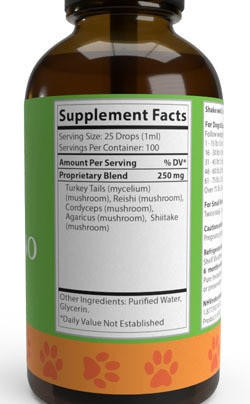
Natures Immuno is a natural supplement formulated for dogs from Turkey Tail, Cordyceps, Reishi, Shiitake, and Agaricus mushrooms.
How Does it Work?
Why Should I Trust It?
Formulated by a holistic veterinarian and master herbalist.
What Is It?
Natures Immuno is a natural supplement formulated for dogs from Turkey Tail, Cordyceps, Reishi, Shiitake, and Agaricus mushrooms.
How Does it Work?
Why Should I Trust It?
Formulated by a holistic veterinarian and master herbalist.
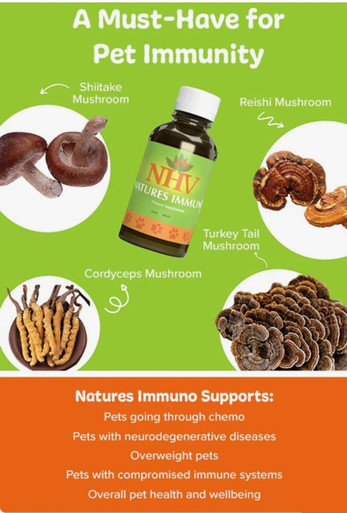
Natures Immuno is formulated for dogs from Turkey Tail, Cordyceps, Reishi, Shiitake, and Agaricus mushrooms by a holistic veterinarian and master herbalist. Medicinal mushrooms like these have been used for thousands of years in Chinese medicine as well as traditional herbalism. Researchers around the globe are now studying their potential in helping with cancer, balancing the immune system, and helping with digestive problems and more.
Natures Immuno Medicinal Mushroom blend for dogs also helps:
Medicinal mushrooms and mushroom extracts are used worldwide to help fight cancer and to help enhance and modulate the immune response of both people and animals. NHV’s mushroom blend contains 5 species of medicinal mushrooms for dogs, which have a long history of use, are well studied, and have been credited with having success against cancer as well as having antioxidant, hypocholesterolemia, anti-tumor, immunomodulatory, anti-allergic, nephroprotective, prebiotic, immunostimulant, anti-inflammatory, cardiovascular, and anti-diabetic properties
Properties of these Medicinal Mushrooms
Benefits of Natures Immuno Medicinal Mushrooms Blend for Dogs
You can read more about medicinal mushrooms for dogs and how they help give added support to pets for cancer and immunity.
NHV carries a wide range of holistic, natural vet-approved remedies that provide support along with a vet-recommended treatment plan. If you have questions about any of our plant-based supplements, ask an NHV expert, because, at NHV, we want your pet to live healthier and longer naturally.
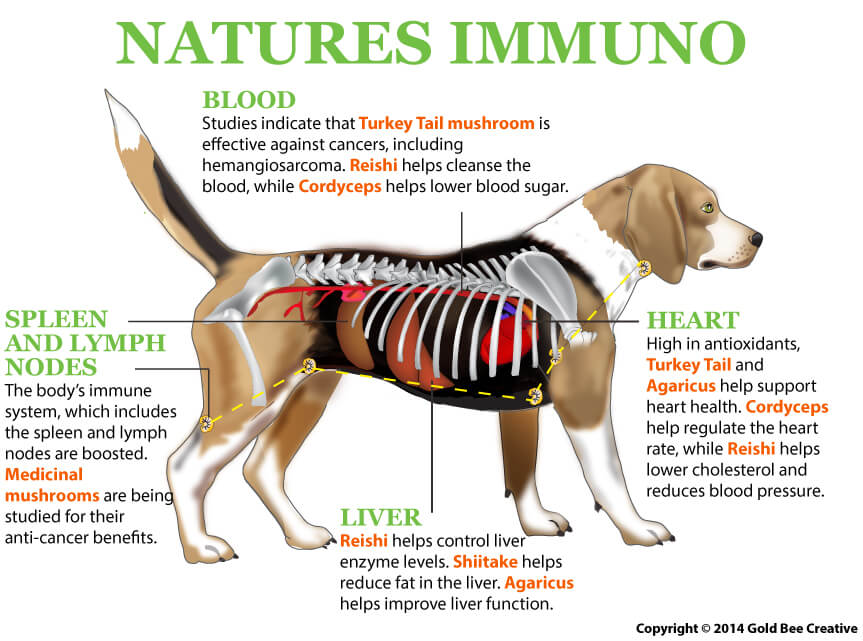
Turkey Tail mushroom is native to Asia, North America, and Europe. It has a long history of use in traditional herbalism and is currently being studied for its health benefits, including its value in fighting cancer. Research has shown that Turkey Tail is beneficial for many types of cancer as it contains properties that help fight cancer cells while helping to strengthen the immune system. Turkey tail mushroom for dogs has shown to be beneficial in spleen and liver hemangiosarcoma in dogs. It is also useful for heart health, lowering cholesterol, digestive issues, and skin problems.
Cordyceps mushroom is very rich in phytonutrients. Research has indicated that these mushrooms demonstrate anti-tumor, immune enhancing and hypoglycemic activity. It has anti-inflammatory, antioxidant, anti-tumor, anti-cancer, antimetastatic, and antiviral properties. It is very useful for diabetes as it helps lower blood sugar. Cordyceps also help enhance lymphocyte activity, which balance the immune system.
Reishi mushroom has been used for thousands of years in traditional Chinese medicine. It helps detoxify the blood, helps lower cholesterol and reduces blood pressure. It is also beneficial for the lymphatic system, which helps with a dog’s immunity.
Shiitake mushroom is a popular ingredient in cooking and is highly valued in traditional herbalism for its immune stimulating properties. It helps reduce fat in the liver, helps lower cholesterol, and is beneficial for heart health as it aids in reducing plaque in the arteries. Shiitake may help inhibit the growth of leukemia cells. Shiitake is also a good source of protein, vitamins, and minerals.
Agaricus mushroom is cultivated widely for dietary supplements and culinary purposes. Agaricus is useful for bone health, and helps with insulin production and helps with liver function. Agaricus is considered an adaptogen, which helps combat stress and supports the endocrine functions. This mushroom is currently used in Japan as an adjunctive with chemotherapy treatments.
Select your pet's weight to determine the correct dose.
To be taken twice daily.
Determine your pet’s weight and then use the easy chart below to determine the correct dose. You can safely double the recommended dosage.
Pet's Weight Dosage
0 - 15 lb 0.5 mL
16 - 30 lb 1.0 mL
31 - 45 lb 1.5 mL
46 - 60 lb 2.0 mL
61 - 75 lb 2.5 mL
Over 75 lb 3.0 mL
For small animals (rabbits, ferrets), avians and reptiles use 1 drop for every 2 lb of body weight.
How to Administer
Shake well before use. The easiest method is to use the dropper provided and place the drops into your pet’s food or favorite treat. You can also use the dropper and squirt directly into the pet’s mouth. Some pets can be finicky, if this occurs consider hiding the drops in foods most pet’s love such as fish, chicken, yogurt, or a favorite treat. If your pet only eats dry food then soak a few kibbles at feeding time.
For Best Results
Herbal dietary supplements are beneficial to the health and well-being of your pet and are safe for long-term use. Every pet responds to natural herbal supplements differently, therefore it is important to be consistent and administer the product daily. Supplements generally take two to four weeks to take effect, however this will vary from one animal to the next.
Product Storage
All NHV Natural Pet Products are pure herbal extracts and contain no artificial additives, preservatives or coloring. Shelf life after opening is 6 months and must be refrigerated after opening.
Natures Immuno is formulated for dogs from Turkey Tail, Cordyceps, Reishi, Shiitake, and Agaricus mushrooms by a holistic veterinarian and master herbalist. Medicinal mushrooms like these have been used for thousands of years in Chinese medicine as well as traditional herbalism. Researchers around the globe are now studying their potential in helping with cancer, balancing the immune system, and helping with digestive problems and more.
Natures Immuno Medicinal Mushroom blend for dogs also helps:
Medicinal mushrooms and mushroom extracts are used worldwide to help fight cancer and to help enhance and modulate the immune response of both people and animals. NHV’s mushroom blend contains 5 species of medicinal mushrooms for dogs, which have a long history of use, are well studied, and have been credited with having success against cancer as well as having antioxidant, hypocholesterolemia, anti-tumor, immunomodulatory, anti-allergic, nephroprotective, prebiotic, immunostimulant, anti-inflammatory, cardiovascular, and anti-diabetic properties
Properties of these Medicinal Mushrooms
Benefits of Natures Immuno Medicinal Mushrooms Blend for Dogs
You can read more about medicinal mushrooms for dogs and how they help give added support to pets for cancer and immunity.
NHV carries a wide range of holistic, natural vet-approved remedies that provide support along with a vet-recommended treatment plan. If you have questions about any of our plant-based supplements, ask an NHV expert, because, at NHV, we want your pet to live healthier and longer naturally.
Turkey Tail mushroom is native to Asia, North America, and Europe. It has a long history of use in traditional herbalism and is currently being studied for its health benefits, including its value in fighting cancer. Research has shown that Turkey Tail is beneficial for many types of cancer as it contains properties that help fight cancer cells while helping to strengthen the immune system. Turkey tail mushroom for dogs has shown to be beneficial in spleen and liver hemangiosarcoma in dogs. It is also useful for heart health, lowering cholesterol, digestive issues, and skin problems.
Cordyceps mushroom is very rich in phytonutrients. Research has indicated that these mushrooms demonstrate anti-tumor, immune enhancing and hypoglycemic activity. It has anti-inflammatory, antioxidant, anti-tumor, anti-cancer, antimetastatic, and antiviral properties. It is very useful for diabetes as it helps lower blood sugar. Cordyceps also help enhance lymphocyte activity, which balance the immune system.
Reishi mushroom has been used for thousands of years in traditional Chinese medicine. It helps detoxify the blood, helps lower cholesterol and reduces blood pressure. It is also beneficial for the lymphatic system, which helps with a dog’s immunity.
Shiitake mushroom is a popular ingredient in cooking and is highly valued in traditional herbalism for its immune stimulating properties. It helps reduce fat in the liver, helps lower cholesterol, and is beneficial for heart health as it aids in reducing plaque in the arteries. Shiitake may help inhibit the growth of leukemia cells. Shiitake is also a good source of protein, vitamins, and minerals.
Agaricus mushroom is cultivated widely for dietary supplements and culinary purposes. Agaricus is useful for bone health, and helps with insulin production and helps with liver function. Agaricus is considered an adaptogen, which helps combat stress and supports the endocrine functions. This mushroom is currently used in Japan as an adjunctive with chemotherapy treatments.
Select your pet's weight to determine the correct dose.
To be taken twice daily.
Determine your pet’s weight and then use the easy chart below to determine the correct dose. You can safely double the recommended dosage.
Pet's Weight Dosage
0 - 15 lb 0.5 mL
16 - 30 lb 1.0 mL
31 - 45 lb 1.5 mL
46 - 60 lb 2.0 mL
61 - 75 lb 2.5 mL
Over 75 lb 3.0 mL
For small animals (rabbits, ferrets), avians and reptiles use 1 drop for every 2 lb of body weight.
How to Administer
Shake well before use. The easiest method is to use the dropper provided and place the drops into your pet’s food or favorite treat. You can also use the dropper and squirt directly into the pet’s mouth. Some pets can be finicky, if this occurs consider hiding the drops in foods most pet’s love such as fish, chicken, yogurt, or a favorite treat. If your pet only eats dry food then soak a few kibbles at feeding time.
For Best Results
Herbal dietary supplements are beneficial to the health and well-being of your pet and are safe for long-term use. Every pet responds to natural herbal supplements differently, therefore it is important to be consistent and administer the product daily. Supplements generally take two to four weeks to take effect, however this will vary from one animal to the next.
Product Storage
All NHV Natural Pet Products are pure herbal extracts and contain no artificial additives, preservatives or coloring. Shelf life after opening is 6 months and must be refrigerated after opening.
immune support
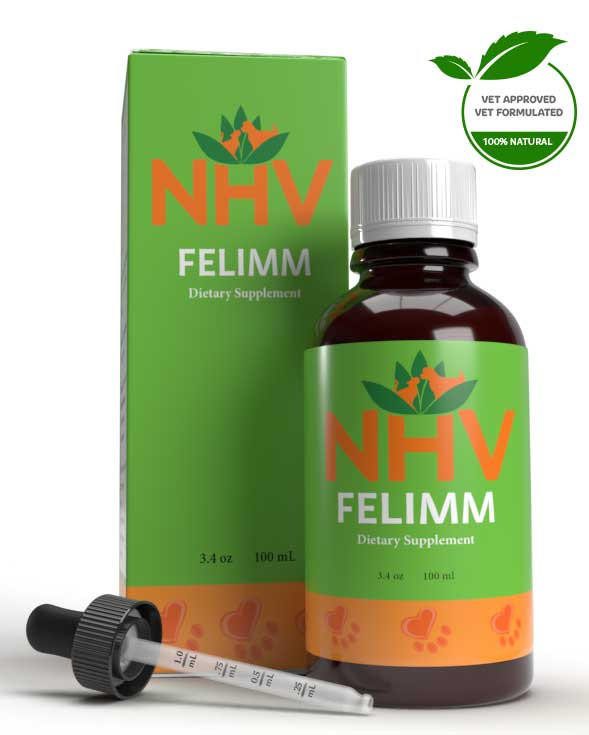
Natural herbal supplement to help your dog fight many viral, fungal, and bacterial related infections.
buy 2 and save $3
3 month supply for a small to medium size pet.
What is it?
Felimm helps your pup fight a variety of fungal and viral infections. This infection remedy for dogs helps combat Canine Herpesvirus, Canine Influenza, Lyme disease, Staphylococcal Bacterial, Ehrlichiosis, Aspergillosis, Blastomycosis Cryptococcus, Valley Fever, and yeast infections.
How Does it Work?
Why Should I Trust It?
Formulated with powerful, yet gentle herbs.
What is it?
Felimm helps your pup fight a variety of fungal and viral infections. This infection remedy for dogs helps combat Canine Herpesvirus, Canine Influenza, Lyme disease, Staphylococcal Bacterial, Ehrlichiosis, Aspergillosis, Blastomycosis Cryptococcus, Valley Fever, and yeast infections.
How Does it Work?
Why Should I Trust It?
Formulated with powerful, yet gentle herbs.
Dogs can get viral, fungal, and bacterial infections of many kinds. Canine herpesvirus, Canine influenza, Lyme disease, Staphylococcal bacterial, Ehrlichiosis, Aspergillosis, Blastomycosis Cryptococcus, Valley Fever, and yeast infections just to name a few. Felimm is a natural vet-formulated remedy that helps support your dog’s body and helps them fight back against all of these conditions. Add Felimm canine infection remedy to the regimen prescribed by your vet to give them the most comprehensive possible care.
Felimm is an infection remedy for dogs with many ingredients that have strong antiviral properties. Turmeric, Aloe Vera, St. John’s Wort, and Myrrh have antiseptic, antibacterial, antiviral, and anti-inflammatory qualities that help make Felimm a powerful remedy to support your dog against a variety of conditions.
Viruses, as well as fungal and bacterial infections, can harm your dog’s immune system and affect the function of other organs. Some of these viruses, such as canine herpesvirus (CHV) or canine influenza virus, affect the respiratory and reproductive system. Felimm is also an excellent support supplement for pets fighting lymphoma.
To help your pet heal, it is important to support the affected organs and balance their immune system. NHV Felimm contains a variety of potent herbs that help support and defend the body against viral, fungal, and bacterial infections while boosting the immune system and detoxifying the lymph nodes.
NHV Felimm can help with Lyme disease in dogs and cats - a bacterial infection transmitted by ticks. This dog infection remedy can also help with Cryptococcus, a fungal infection caused by environmental yeast.
NHV’s holistic pet products contain human-grade herbal ingredients. All of our supplements are vet-approved and specially formulated by a veterinarian and master herbalist with over 20 years of experience.
Call the NHV pet expert hotline at 1-877-937-4327 to learn about our dog infection treatment aids.
St. John’s Wort – A herb known to have strong antiviral, immunostimulant, anti-inflammatory, antiretroviral and antibacterial properties. St. John’s Wort has a history of use to help the body fight the herpes virus, as well as viral hepatitis and HIV. It helps with inhibiting the reproduction of the viruses and has been shown to be beneficial for canine distemper.
Turmeric – A very powerful antioxidant that helps combat the damaging effects of free radicals. It strengthens liver function and contains strong antifungal properties.
Aloe Vera – Helps control fungal infections, and helps improve white blood cell counts which helps destroy infectious organisms. An herb that is known for its immunostimulating, antibacterial, antitumor, and anti-inflammatory properties.
Alfalfa – An extremely nutritious herb that is high in minerals, amino acids, a good source of chlorophyll, and high in antioxidants.
Burdock – Is an herb and a food that is very nutritive as it contains high levels of minerals such as iron and calcium. Strong antiviral properties support the liver and gallbladder, and help clean and improve the quality of blood. It helps remove toxins that accumulate during illness and helps scavenge free radicals from a dog’s body.
Cat’s Claw – Has traditionally been used in herbal medicine to treat the herpes virus and other related viral infections due to properties that help balance the immune system while fighting off infections and inflammation.
Osha – Used for centuries to help fight viral infections that affect the respiratory system. It helps to relieve inflammation of the bronchial tube, relax the muscles, and stops bacteria and viruses from spreading. A natural immune builder that helps dogs fight infections and helps improve immune function.
Dandelion – A highly nutritious food that stimulates liver secretion, protects the kidneys, improves digestion, and stimulates appetite. It helps provide a pet’s body with the vitamins and minerals needed when fighting an infection. It is known to help reduce inflammation.
Gotu Kola – An antioxidant-rich herb known to strengthen the immune system and protect cells from damage caused by free radicals. It helps calm the nervous system to reduce the added stress canines exhibit when fighting infections. It is also used to help with respiratory issues.
Usnea – An immune system stimulant with antibacterial and antifungal properties that helps protect a dog’s suppressed immune system from respiratory and sinus infections, bronchial issues, canine influenza, and herpes virus. It helps boost and restore proper immune function.
Goldenseal – An herb known for improving immune function. It helps eliminate toxins from the blood. It has strong fungal fighting properties and is used when dealing with Candida and thrush in dogs.
Myrrh – a medicinal herb that dates back to 1550 BC. Considered to be a natural antibiotic, antiviral, and astringent herb. It strengthens and improves the immune system and helps fight infections.
Select your pet's weight to determine the correct dose.
To be taken twice daily. Determine your pet’s weight and then use the easy chart below to determine the correct dose. This is the minimum dosage.
Pet's Weight Dosage
0 - 15 lb = 0.5 ml
16 - 30 lb = 1.0 ml
31 - 45 lb = 1.5 ml
46 - 60 lb = 2.0 ml
61 - 75 lb = 2.5 ml
Over 75 lb = 3.0 ml
How to Administer
Shake well before use. The easiest method is to use the dropper provided and place the drops into your pet’s food or favorite treat. You can also use the dropper and squirt directly into the pet’s mouth. Some pets can be finicky, if this occurs consider hiding the drops in foods most pet’s love such as fish, chicken or yogurt or a favorite treat. If your pet only eats dry food then soak a few kibbles at feeding time.
For Best Results
Herbal dietary supplements are beneficial to the health and well-being of your pet and are safe for long-term use. Every pet responds to natural herbal supplements differently, therefore it is important to be consistent and administer the product daily. Supplements generally take two to four weeks to take effect, however this will vary from one animal to the next.
Product Storage
All NHV Natural Pet Products are pure herbal extracts and contain no artificial additives, preservatives or coloring. Shelf life after opening is 6 months and must be refrigerated after opening.
Cautions and Contraindications
Do not use Felimm in pregnant or nursing animals. Speak to your vet before using our products. A second visit is recommended if your pet’s condition does not improve, or deteriorates after continued use of the supplements.
All information provided by NHV Natural Pet Products is for educational purposes only.
Dogs can get viral, fungal, and bacterial infections of many kinds. Canine herpesvirus, Canine influenza, Lyme disease, Staphylococcal bacterial, Ehrlichiosis, Aspergillosis, Blastomycosis Cryptococcus, Valley Fever, and yeast infections just to name a few. Felimm is a natural vet-formulated remedy that helps support your dog’s body and helps them fight back against all of these conditions. Add Felimm canine infection remedy to the regimen prescribed by your vet to give them the most comprehensive possible care.
Felimm is an infection remedy for dogs with many ingredients that have strong antiviral properties. Turmeric, Aloe Vera, St. John’s Wort, and Myrrh have antiseptic, antibacterial, antiviral, and anti-inflammatory qualities that help make Felimm a powerful remedy to support your dog against a variety of conditions.
Viruses, as well as fungal and bacterial infections, can harm your dog’s immune system and affect the function of other organs. Some of these viruses, such as canine herpesvirus (CHV) or canine influenza virus, affect the respiratory and reproductive system. Felimm is also an excellent support supplement for pets fighting lymphoma.
To help your pet heal, it is important to support the affected organs and balance their immune system. NHV Felimm contains a variety of potent herbs that help support and defend the body against viral, fungal, and bacterial infections while boosting the immune system and detoxifying the lymph nodes.
NHV Felimm can help with Lyme disease in dogs and cats - a bacterial infection transmitted by ticks. This dog infection remedy can also help with Cryptococcus, a fungal infection caused by environmental yeast.
NHV’s holistic pet products contain human-grade herbal ingredients. All of our supplements are vet-approved and specially formulated by a veterinarian and master herbalist with over 20 years of experience.
Call the NHV pet expert hotline at 1-877-937-4327 to learn about our dog infection treatment aids.
St. John’s Wort – A herb known to have strong antiviral, immunostimulant, anti-inflammatory, antiretroviral and antibacterial properties. St. John’s Wort has a history of use to help the body fight the herpes virus, as well as viral hepatitis and HIV. It helps with inhibiting the reproduction of the viruses and has been shown to be beneficial for canine distemper.
Turmeric – A very powerful antioxidant that helps combat the damaging effects of free radicals. It strengthens liver function and contains strong antifungal properties.
Aloe Vera – Helps control fungal infections, and helps improve white blood cell counts which helps destroy infectious organisms. An herb that is known for its immunostimulating, antibacterial, antitumor, and anti-inflammatory properties.
Alfalfa – An extremely nutritious herb that is high in minerals, amino acids, a good source of chlorophyll, and high in antioxidants.
Burdock – Is an herb and a food that is very nutritive as it contains high levels of minerals such as iron and calcium. Strong antiviral properties support the liver and gallbladder, and help clean and improve the quality of blood. It helps remove toxins that accumulate during illness and helps scavenge free radicals from a dog’s body.
Cat’s Claw – Has traditionally been used in herbal medicine to treat the herpes virus and other related viral infections due to properties that help balance the immune system while fighting off infections and inflammation.
Osha – Used for centuries to help fight viral infections that affect the respiratory system. It helps to relieve inflammation of the bronchial tube, relax the muscles, and stops bacteria and viruses from spreading. A natural immune builder that helps dogs fight infections and helps improve immune function.
Dandelion – A highly nutritious food that stimulates liver secretion, protects the kidneys, improves digestion, and stimulates appetite. It helps provide a pet’s body with the vitamins and minerals needed when fighting an infection. It is known to help reduce inflammation.
Gotu Kola – An antioxidant-rich herb known to strengthen the immune system and protect cells from damage caused by free radicals. It helps calm the nervous system to reduce the added stress canines exhibit when fighting infections. It is also used to help with respiratory issues.
Usnea – An immune system stimulant with antibacterial and antifungal properties that helps protect a dog’s suppressed immune system from respiratory and sinus infections, bronchial issues, canine influenza, and herpes virus. It helps boost and restore proper immune function.
Goldenseal – An herb known for improving immune function. It helps eliminate toxins from the blood. It has strong fungal fighting properties and is used when dealing with Candida and thrush in dogs.
Myrrh – a medicinal herb that dates back to 1550 BC. Considered to be a natural antibiotic, antiviral, and astringent herb. It strengthens and improves the immune system and helps fight infections.
Select your pet's weight to determine the correct dose.
To be taken twice daily. Determine your pet’s weight and then use the easy chart below to determine the correct dose. This is the minimum dosage.
Pet's Weight Dosage
0 - 15 lb = 0.5 ml
16 - 30 lb = 1.0 ml
31 - 45 lb = 1.5 ml
46 - 60 lb = 2.0 ml
61 - 75 lb = 2.5 ml
Over 75 lb = 3.0 ml
How to Administer
Shake well before use. The easiest method is to use the dropper provided and place the drops into your pet’s food or favorite treat. You can also use the dropper and squirt directly into the pet’s mouth. Some pets can be finicky, if this occurs consider hiding the drops in foods most pet’s love such as fish, chicken or yogurt or a favorite treat. If your pet only eats dry food then soak a few kibbles at feeding time.
For Best Results
Herbal dietary supplements are beneficial to the health and well-being of your pet and are safe for long-term use. Every pet responds to natural herbal supplements differently, therefore it is important to be consistent and administer the product daily. Supplements generally take two to four weeks to take effect, however this will vary from one animal to the next.
Product Storage
All NHV Natural Pet Products are pure herbal extracts and contain no artificial additives, preservatives or coloring. Shelf life after opening is 6 months and must be refrigerated after opening.
Cautions and Contraindications
Do not use Felimm in pregnant or nursing animals. Speak to your vet before using our products. A second visit is recommended if your pet’s condition does not improve, or deteriorates after continued use of the supplements.
All information provided by NHV Natural Pet Products is for educational purposes only.
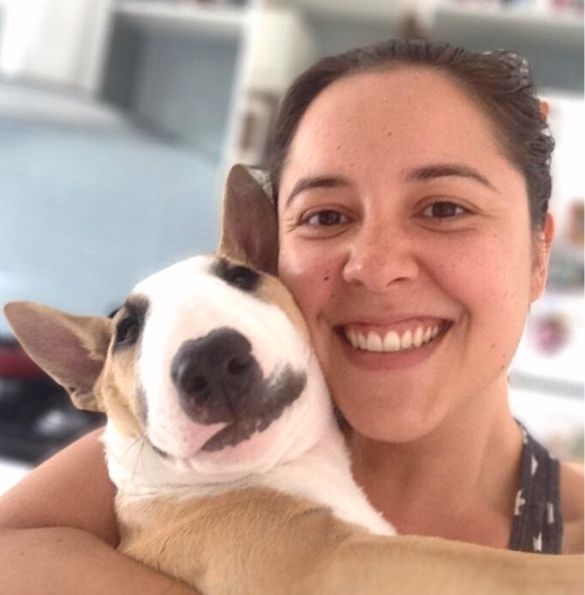
Dr. Barbara is a veterinarian from Brazil with a specialty in pet nutrition. She completed her Bachelor’s degree in Veterinary Medicine in 2006 from the University of Uberaba. In 2010, Dr. Barbara received her Master’s of Science in Pet Nutrition from the Federal University of Minas Gerais. She has over 15 years of experience in research and development in the pet food industry. When Barbara isn’t helping pet parents, you can find her spending time with her family, including her senior dog, Caze.
Published: October 27, 2025
respiratory support
Vet-Formulated Remedy for Respiratory Infection in Dogs
buy 2 and save $3
3 month supply for a small to medium size
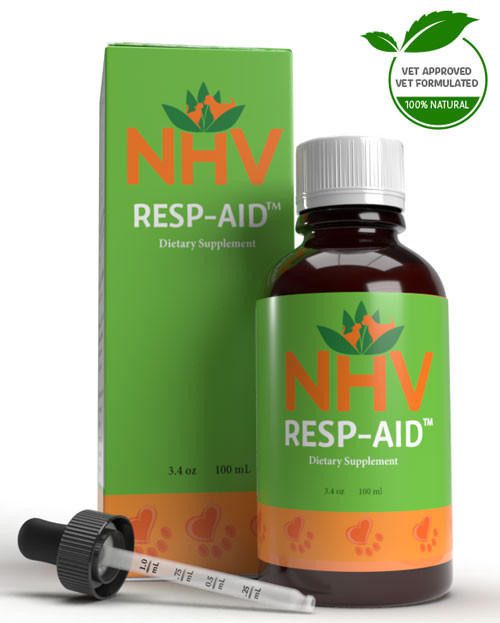
Resp-Aid is a 100% natural, vet-formulated respiratory supplement for dogs that help fight respiratory infections, ease coughing, and breathe more comfortably — all with gentle, plant-based ingredients.
Resp-Aid is vet-formulated and used by pet experts worldwide, and its herbal blend has even been studied for its benefits in pets with asthma and respiratory challenges through research at the University of Calgary and the University of Saskatchewan. It’s safe, natural support you can feel confident giving to your furkid.
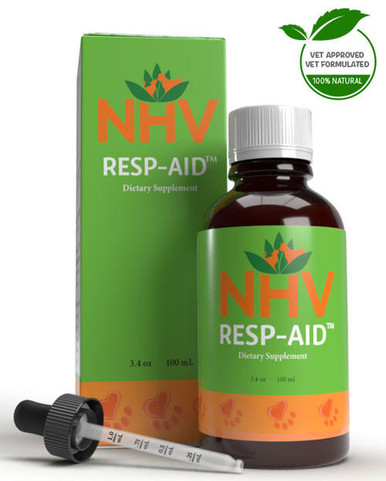
Resp-Aid is a 100% natural, vet-formulated respiratory supplement for dogs that help fight respiratory infections, ease coughing, and breathe more comfortably — all with gentle, plant-based ingredients.
Resp-Aid is vet-formulated and used by pet experts worldwide, and its herbal blend has even been studied for its benefits in pets with asthma and respiratory challenges through research at the University of Calgary and the University of Saskatchewan. It’s safe, natural support you can feel confident giving to your furkid.
Dogs are susceptible to upper respiratory infections just like humans, and once infected, they can be highly contagious. Some breeds of dogs are more prone to getting respiratory infections, such as the Boston Terrier and Shih-Tzu. Find out if your dog breed is more prone to breathing difficulties and respiratory infections, and effective remedies for respiratory infection in dogs at NHV.
Symptoms of Respiratory Infections in Dogs
The symptoms are very similar to infection in humans.
Causes of Respiratory Infection in Dogs
Kennel cough is a common ailment among dogs that can be caused by a bacteria or viral infection.
NHV’s plant-based remedies can provide support along with vet-recommended treatment for respiratory infections in dogs. Read Bailee's tale of how NHV’s Resp-aid came to her rescue for allergic bronchitis.
You can read more about NHV Natural Pet Products and if you have questions about holistic supplements including our natural remedies for respiratory infections in dogs, ask an NHV expert, because, at NHV we want you and your canine companion to breathe easy naturally.
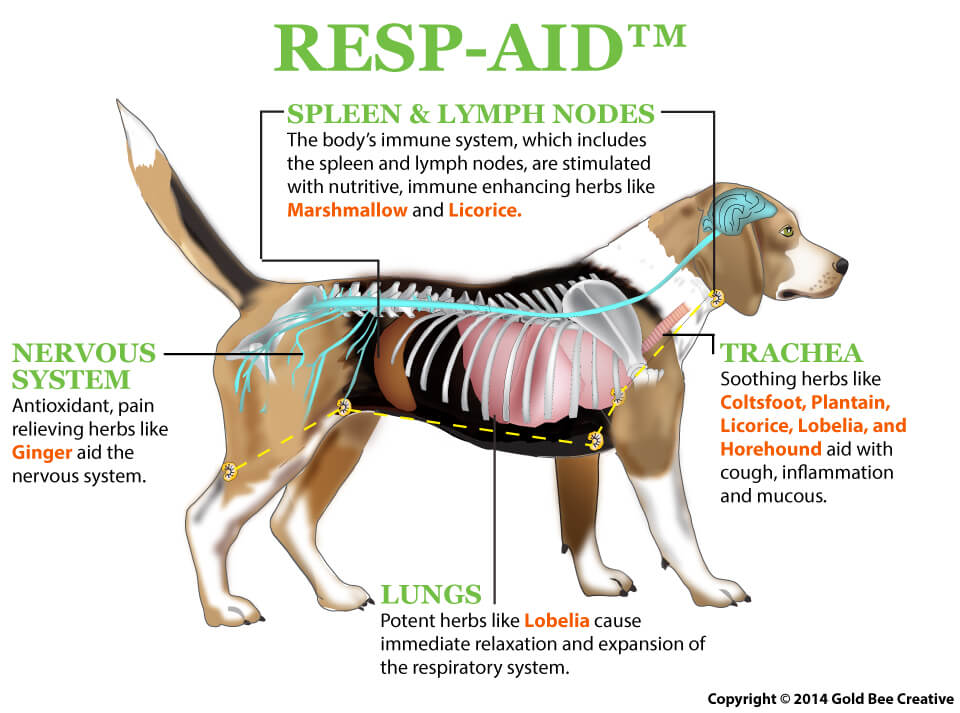
Your dog will breathe easier with NHV’s Resp-Aid, an all-natural plant-based formula containing these nine powerful herbs.
Beneficial Ingredients in NHV’s Natural Remedies for Respiratory Infections in Dogs
Select your pet's weight to determine the correct dose.
To be taken twice daily. Determine your pet’s weight and then use the easy chart below to determine the correct dose. This is the minimum dosage.
Pet's Weight Dosage
0 - 15 lb = 0.5 ml
16 - 30 lb = 1.0 ml
31 - 45 lb = 1.5 ml
46 - 60 lb = 2.0 ml
61 - 75 lb = 2.5 ml
Over 75 lb = 3.0 ml
How to Administer
Shake well before use. The easiest method is to use the dropper provide and places the drops into your pet’s food or favorite treat. You can also use the dropper and squirt directly into the pet’s mouth.
Some pets can be finicky, if this occurs consider hiding the drops in foods most pet’s love such as fish, chicken or yogurt or a favorite treat. If your pet only eats dry food then soak a few kibbles at feeding time.
For Best Results
Herbal dietary supplements are beneficial to the health and wellbeing of your pet and are safe for long-term use. Every pet responds to natural herbal supplements differently, therefore it is important to be consistent and administer the product daily. Supplements generally take two to four weeks to take effect, however this will vary from one animal to the next.
Product Storage
All NHV Natural Pet Products are pure herbal extracts and contain no artificial additives, preservatives or coloring. Shelf life after opening is 6 months and must be refrigerated after opening.
Cautions and Contraindications
Do not use in pregnant or nursing animals. Speak to your vet before using our products. A second visit is recommended if your pet’s condition does not improve, or deteriorates after continued use of the supplements.
All information provided by NHV Natural Pet Products is for educational purposes only.
Dogs are susceptible to upper respiratory infections just like humans, and once infected, they can be highly contagious. Some breeds of dogs are more prone to getting respiratory infections, such as the Boston Terrier and Shih-Tzu. Find out if your dog breed is more prone to breathing difficulties and respiratory infections, and effective remedies for respiratory infection in dogs at NHV.
Symptoms of Respiratory Infections in Dogs
The symptoms are very similar to infection in humans.
Causes of Respiratory Infection in Dogs
Kennel cough is a common ailment among dogs that can be caused by a bacteria or viral infection.
NHV’s plant-based remedies can provide support along with vet-recommended treatment for respiratory infections in dogs. Read Bailee's tale of how NHV’s Resp-aid came to her rescue for allergic bronchitis.
You can read more about NHV Natural Pet Products and if you have questions about holistic supplements including our natural remedies for respiratory infections in dogs, ask an NHV expert, because, at NHV we want you and your canine companion to breathe easy naturally.
Your dog will breathe easier with NHV’s Resp-Aid, an all-natural plant-based formula containing these nine powerful herbs.
Beneficial Ingredients in NHV’s Natural Remedies for Respiratory Infections in Dogs
Select your pet's weight to determine the correct dose.
To be taken twice daily. Determine your pet’s weight and then use the easy chart below to determine the correct dose. This is the minimum dosage.
Pet's Weight Dosage
0 - 15 lb = 0.5 ml
16 - 30 lb = 1.0 ml
31 - 45 lb = 1.5 ml
46 - 60 lb = 2.0 ml
61 - 75 lb = 2.5 ml
Over 75 lb = 3.0 ml
How to Administer
Shake well before use. The easiest method is to use the dropper provide and places the drops into your pet’s food or favorite treat. You can also use the dropper and squirt directly into the pet’s mouth.
Some pets can be finicky, if this occurs consider hiding the drops in foods most pet’s love such as fish, chicken or yogurt or a favorite treat. If your pet only eats dry food then soak a few kibbles at feeding time.
For Best Results
Herbal dietary supplements are beneficial to the health and wellbeing of your pet and are safe for long-term use. Every pet responds to natural herbal supplements differently, therefore it is important to be consistent and administer the product daily. Supplements generally take two to four weeks to take effect, however this will vary from one animal to the next.
Product Storage
All NHV Natural Pet Products are pure herbal extracts and contain no artificial additives, preservatives or coloring. Shelf life after opening is 6 months and must be refrigerated after opening.
Cautions and Contraindications
Do not use in pregnant or nursing animals. Speak to your vet before using our products. A second visit is recommended if your pet’s condition does not improve, or deteriorates after continued use of the supplements.
All information provided by NHV Natural Pet Products is for educational purposes only.