skin support
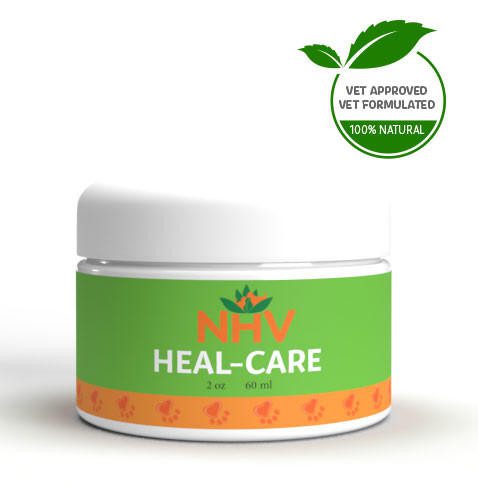
Heal Care Ointment for dogs
USD $31.95
free shipping over $100 (USA & Canada)
1-877-937-4372 the pet expert hotline


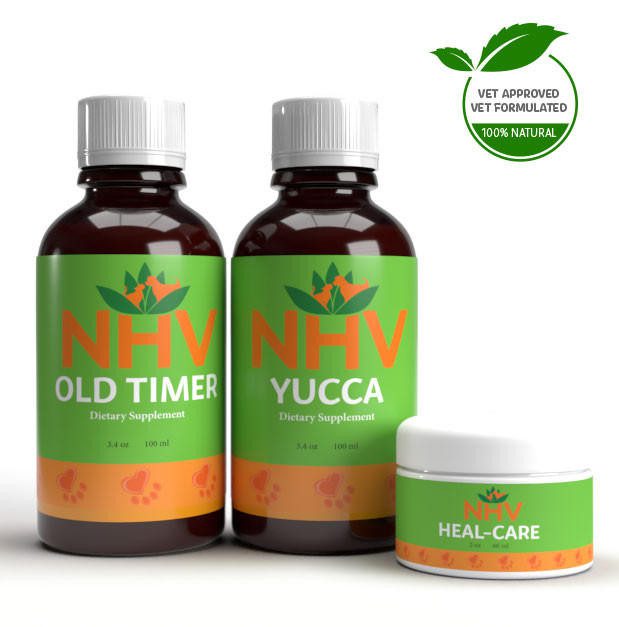
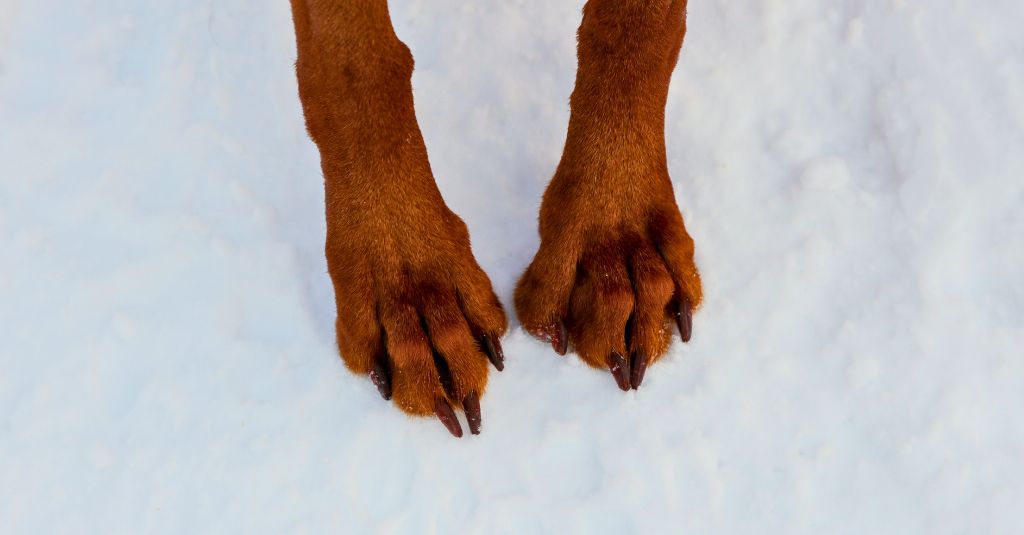
Seeing your dog’s paws turn red, pink, or inflamed in winter is concerning – especially when they start licking or limping. Irritated dog paws are surprisingly common during the colder months, and many pet parents notice flare-ups as soon as temperatures drop. So why do so many dogs develop paw irritation during cold weather – and what can you do to help?
In this blog, we’ll walk through the most common causes of winter paw irritation, the seasonal triggers that make symptoms worse, simple at-home care tips, and gentle, natural ways to support your dog’s comfort all season long.
Why does winter cause irritated paws in dogs? The answer is actually pretty simple.
Cold weather itself is the biggest trigger. Direct contact with ice, snow, and cold surfaces can greatly irritate a dog’s paws, as studies show. Winter air is also naturally dry, and indoor heating removes even more moisture from your dog’s skin.
Many pets wind up drinking less water in the cold weather, which means their paw pads get drier and more sensitive. Throw in the fact that de-icing chemicals can work their way into paws – and you’ve got a perfect storm for irritated dog paws.
As mentioned above, winter coldness can cause irritated paws in dogs. But these issues can get worse as winter goes on.
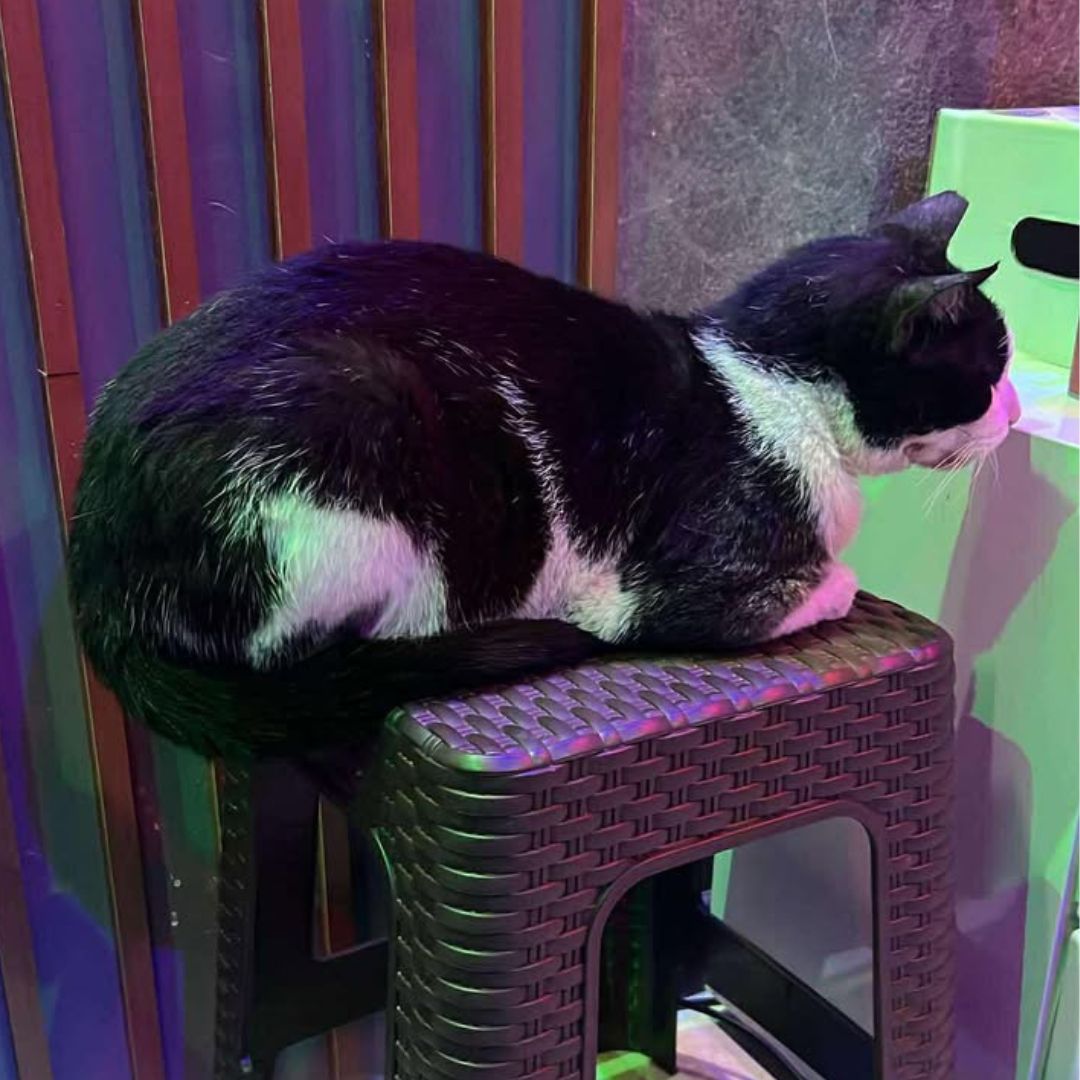
When exposed to cold conditions for long stretches of time, the paws start to get poor blood circulation, which starves the cells of vital nutrients. If this goes on long enough, it can lead to cell damage and other problems with your pet’s paws. You may see redness, inflammation, irritation, and in some cases, actual damage to the paws themselves.
Although the cold weather may worsen certain paw-related conditions, not all irritated paws are linked to cold weather.
Many cases result from conditions that can occur year-round. The most common are infectious causes such as yeast, or bacteria. These often develop when a dog repeatedly licks or scratches their paws, creating small openings in the skin that allow infections to take hold.
Trauma is another frequent cause – anything from minor scrapes and cuts after intense physical activity, to irritation from something caught between the toes. Less commonly, issues like immune-related, genetic, metabolic, or even growth-related conditions can also make paw pads more sensitive and prone to irritation. A veterinarian will be able to best help determine the cause of the irritation.
Most mild paw irritation improves with simple care at home, but some situations need professional attention. Contact your veterinarian if:
A quick check-up can help prevent the issue from getting worse and ensure your dog gets the right treatment.
There are a few simple ways to help keep a dog’s paws safe and comfortable during the winter.
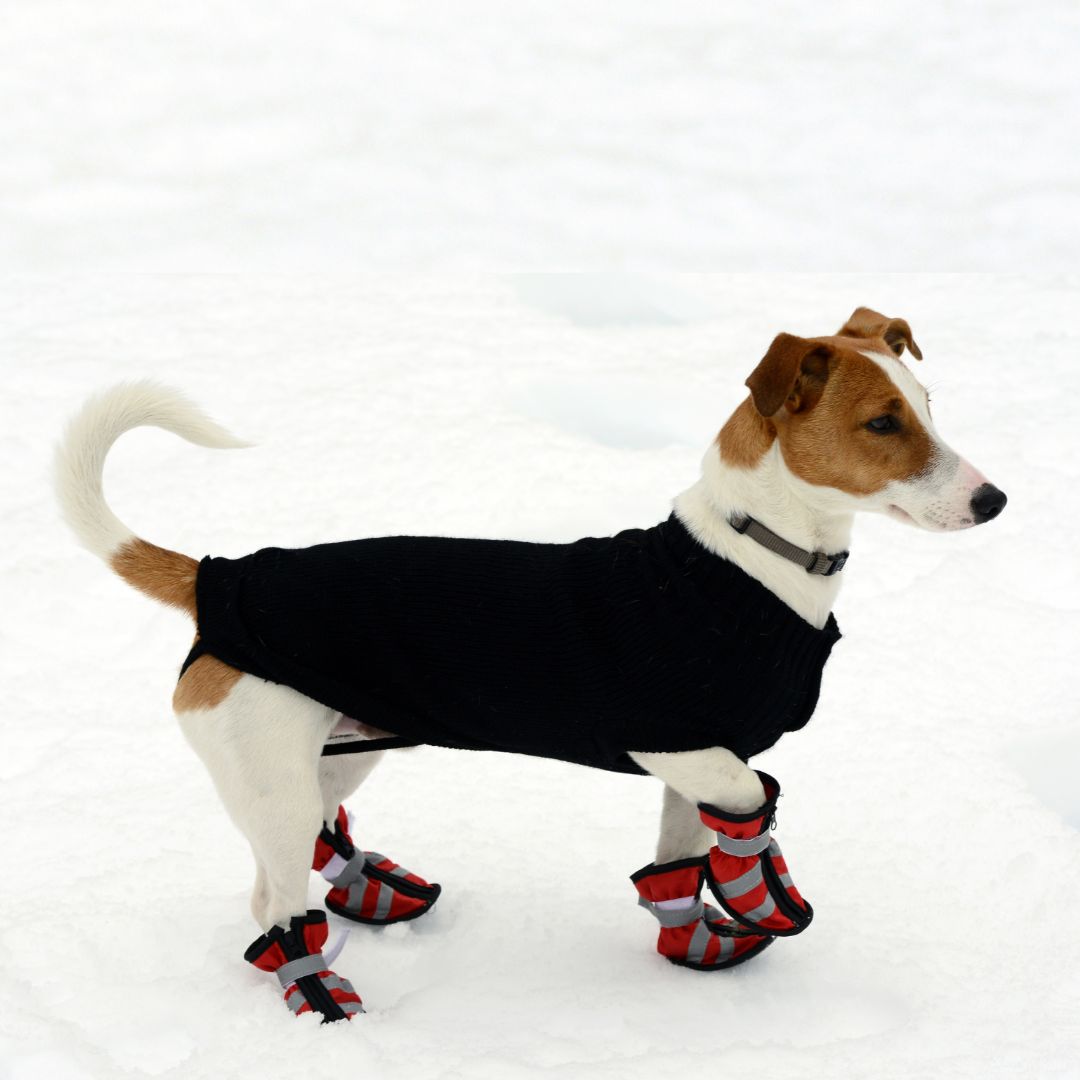
Using dog shoes can offer physical protection from the elements, as well as de-icing chemicals, which can quickly irritate the skin. If your dog is wearing boots – especially during long walks or hikes – check their paws occasionally to make sure everything looks comfortable and dry. Generally, a dog should not wear booties for longer than 2 – 4 hours.
Try to avoid long periods of exposure to extreme snow and ice. The saying “If you’re cold, they’re cold” can be helpful to keep in mind.
Hydration is also essential in winter. Many dogs drink less when it’s cold, so offering options like warm bone broth can help encourage better water intake and keep the skin more hydrated.
For added support, consider supplementing with omega-3 oils, such as those found in NHV Petomega 3. These healthy fats help nourish the skin from within and may improve overall paw health throughout the winter and beyond.
Certain supplements may help calm irritation in your dog’s paws. These include:
Irritated paws are common in winter, but with the right care and attention, most dogs can stay comfortable and healthy. If you have questions or want personalized advice, our Pet Experts are here to help. Please feel welcome to chat with us below!
skin support
All-Natural Dog Paw Pad Ointment & Muscle Aid
buy 2 and save $3
What is it?
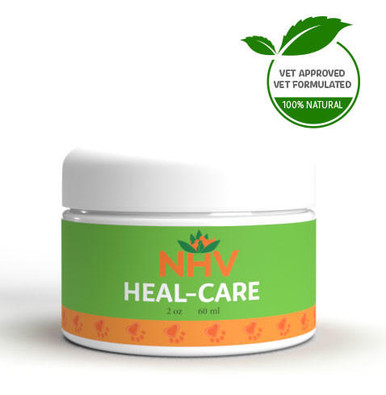
NHV Heal Care is an all-around soothing ointment for dog paw pads, sore muscles and even dry skin on their sweet little noses.
How Does it Work?
Why Should I Trust It?
Wild-crafted ingredients and vet-approved formulation.

What is it?
NHV Heal Care is an all-around soothing ointment for dog paw pads, sore muscles and even dry skin on their sweet little noses.
How Does it Work?
Why Should I Trust It?
Wild-crafted ingredients and vet-approved formulation.
Most dogs love to run and play in the great outdoors, and many pups would be over the moon playing fetch for hours on end. But sometimes, they don't even notice that they are damaging their little toe beans because they are having too much fun! NHV Heal Care is an all-around soothing ointment for dog paw pads, sore muscles and even dry skin on their sweet little noses.
Dog Paw Pad Ointment for Burn Support
Paw pad injuries due to over-exercise are common injuries for active pups, especially on hot summer days. Running back and forth on rough surfaces like concrete, pavement, or gravel may cause tenderness, blisters, burns, and possible peeling in the pad skin. As a rule of thumb, if the surface is too hot to put the back of your hand onto it, then it isn't safe for your little one to be walking on it either. Dog paw pads are pretty tough, but they aren't meant for running on such hard surfaces for long periods of time. Don't feel bad if your fluffy friend has a paw pad injury and you didn’t notice right away because there may not be any symptoms until they are settling down at home later. Just like summer, winter can present some risks as well. It is easy for your pup's paw pads to get dehydrated, dry or cracked with dry, cold weather. The iconic blue/green salt that is sprinkled onto sideways and walkways can definitely cause ouchies in your furkiddo's paws. To avoid paw pad injuries, consider protective accessories like booties or shoes for your furbaby. Shorter walks, limiting time on hot surfaces and using a topical ointment for dog paws are other ways to prevent paw pad injuries.
How NHV’s Dog Paw Ointment Supports Paw Pad Injuries and More
Paw pad injuries can be minor scratches but sometimes the pads are so badly damaged that the surface of the skin begins to blister and peel away from the foot. These injuries can take quite a while to heal and cause a lot of pain and discomfort for your furkiddo. For more severe injuries, vet-prescribed antibiotics may be required. For less severe burns and scrapes, a topical ointment for dog paws like NHV Heal Care can help soothe inflamed skin and help decrease the risk of infection - your pup's paws aren't always the cleanest so they can be at a higher risk for a bacterial or fungal (yeast) infection.
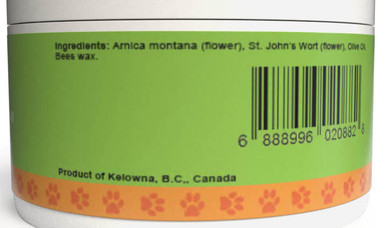
Heal care for dogs contains ingredients like Arnica and St. John's Wort which are beneficial for a variety of issues from burnt paw pads to achy joints. Arnica is known for its ability to help sprains and joint discomfort by dilating blood vessels, increasing circulation to the affected area and enhancing recovery. St. John’s Wort is a cooling herb that has traditionally been used for reducing inflammation and promoting healing from injuries such as burns, bruises, sores, cramps, sprains and discomfort caused by nerve damage.
Promote Healing and Provide Relief with NHV’s Natural Pet Products
It’s great to know that there are ways to support your furkiddo’s health naturally! All NHV products use only the finest organic, wild-crafted ingredients and formulated by the combined efforts of a master herbalist and veterinarian with 50+ years of experience. If you have any questions about paw pad health or need any holistic advice, please get in touch with an NHV pet expert using the button below.
Made with the finest, organically grown, or ethically harvested herbs. Made specifically for pets, vet-formulated and vet approved.
How to Administer
Topical ointment: Clean and dry paw pads. Apply to affected area 3 to 4 times per day until healed. It may be necessary to use booties or wrap the paw with gauze dressing so that your pet does not lick the ointment.
Caution
Do not apply on open or bleeding wounds. Heal Care ointment contains arnica which may cause a skin allergy on some very sensitive pet’s. Try the product on a hairless part of the body first to test for sensitivity
Most dogs love to run and play in the great outdoors, and many pups would be over the moon playing fetch for hours on end. But sometimes, they don't even notice that they are damaging their little toe beans because they are having too much fun! NHV Heal Care is an all-around soothing ointment for dog paw pads, sore muscles and even dry skin on their sweet little noses.
Dog Paw Pad Ointment for Burn Support
Paw pad injuries due to over-exercise are common injuries for active pups, especially on hot summer days. Running back and forth on rough surfaces like concrete, pavement, or gravel may cause tenderness, blisters, burns, and possible peeling in the pad skin. As a rule of thumb, if the surface is too hot to put the back of your hand onto it, then it isn't safe for your little one to be walking on it either. Dog paw pads are pretty tough, but they aren't meant for running on such hard surfaces for long periods of time. Don't feel bad if your fluffy friend has a paw pad injury and you didn’t notice right away because there may not be any symptoms until they are settling down at home later. Just like summer, winter can present some risks as well. It is easy for your pup's paw pads to get dehydrated, dry or cracked with dry, cold weather. The iconic blue/green salt that is sprinkled onto sideways and walkways can definitely cause ouchies in your furkiddo's paws. To avoid paw pad injuries, consider protective accessories like booties or shoes for your furbaby. Shorter walks, limiting time on hot surfaces and using a topical ointment for dog paws are other ways to prevent paw pad injuries.
How NHV’s Dog Paw Ointment Supports Paw Pad Injuries and More
Paw pad injuries can be minor scratches but sometimes the pads are so badly damaged that the surface of the skin begins to blister and peel away from the foot. These injuries can take quite a while to heal and cause a lot of pain and discomfort for your furkiddo. For more severe injuries, vet-prescribed antibiotics may be required. For less severe burns and scrapes, a topical ointment for dog paws like NHV Heal Care can help soothe inflamed skin and help decrease the risk of infection - your pup's paws aren't always the cleanest so they can be at a higher risk for a bacterial or fungal (yeast) infection.
Heal care for dogs contains ingredients like Arnica and St. John's Wort which are beneficial for a variety of issues from burnt paw pads to achy joints. Arnica is known for its ability to help sprains and joint discomfort by dilating blood vessels, increasing circulation to the affected area and enhancing recovery. St. John’s Wort is a cooling herb that has traditionally been used for reducing inflammation and promoting healing from injuries such as burns, bruises, sores, cramps, sprains and discomfort caused by nerve damage.
Promote Healing and Provide Relief with NHV’s Natural Pet Products
It’s great to know that there are ways to support your furkiddo’s health naturally! All NHV products use only the finest organic, wild-crafted ingredients and formulated by the combined efforts of a master herbalist and veterinarian with 50+ years of experience. If you have any questions about paw pad health or need any holistic advice, please get in touch with an NHV pet expert using the button below.
Made with the finest, organically grown, or ethically harvested herbs. Made specifically for pets, vet-formulated and vet approved.
How to Administer
Topical ointment: Clean and dry paw pads. Apply to affected area 3 to 4 times per day until healed. It may be necessary to use booties or wrap the paw with gauze dressing so that your pet does not lick the ointment.
Caution
Do not apply on open or bleeding wounds. Heal Care ointment contains arnica which may cause a skin allergy on some very sensitive pet’s. Try the product on a hairless part of the body first to test for sensitivity
overall vitality
For Overall Health and Well-Being
buy 2 and save $3
What is it?
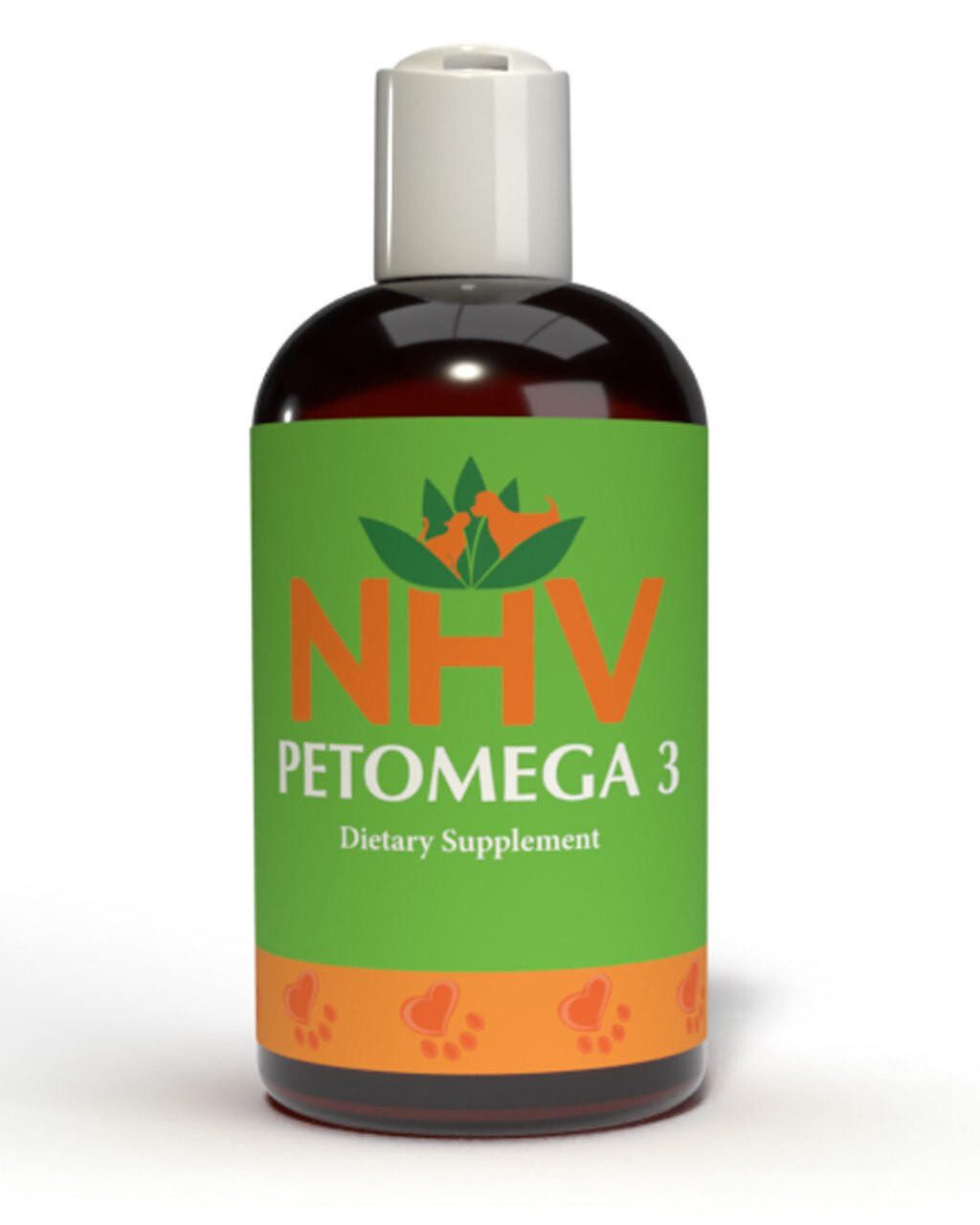
Support your dog’s health with omega-3 fish oil for dogs, promoting a healthy coat, eyes, joints, immune system, and overall organ function.
How does it work?
Why trust it?
NHV Petomega 3 has earned 5-star ratings by pet parents from around the world.

What is it?
Support your dog’s health with omega-3 fish oil for dogs, promoting a healthy coat, eyes, joints, immune system, and overall organ function.
How does it work?
Why trust it?
NHV Petomega 3 has earned 5-star ratings by pet parents from around the world.
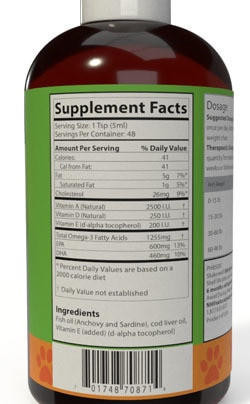
Our omega 3 fish oil for dogs is a great source of EPA (Eicosapentaenoic Acid 600mg) and DHA (Docosahexaenoic acid 460mg) essential fatty acids. This fish oil supplement for dogs is derived from sardines, anchovies and North Atlantic cod liver oil. It is molecularly distilled and cold pressed to improve the bioavailability of the omega 3 fatty acids, and is medical and human grade quality.
Omega 3 fish oil for dogs may be beneficial for the following:
Processed pet foods have increased omega-6 fatty acids, and decreased omega-3 fatty acids. The University of Maryland Medical Center states, "It is very important to maintain a balance between omega-3 and omega-6 fatty acids in the diet. A proper balance helps maintain and even improve health." Your dog’s body cannot easily make essential fatty acids. It is vital to provide omega 3 fish oil for dogs as an added supplement to your pet’s daily diet.
The American Journal of Veterinary Medicine has published studies on the benefits of omega 3 fatty acids (fish oils) for arthritis and degenerative joint disease in dogs. The studies showed that dogs who were given omega 3 fatty acids had a significantly improved ability to get up from a resting position and marked improvement in walking ability.
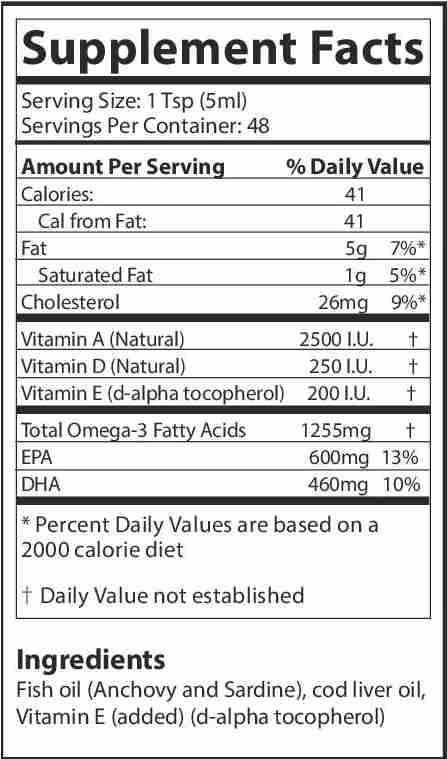
Suggested Dosage: To be taken once per day. Add to food based on weight chart.
Therapeutic Dosage: Double the quantity for maximum period of 4 weeks or follow veterinarian advise.
Pet’s Weight Dosage
0-15 lb = ¼ tsp
15-30 lb = ½ tsp
30-60 lb = 1 tsp
60-90 lb = 1 ½ tsp
How to Administer: Shake well before use. The easiest method is to add the dosage to your pets food. Some pets can be finicky, if this occurs consider hiding the appropriate amount in food most pet’s love such as fish, chicken, yogurt, or a favorite treat. If your pet only eats dry food then soak kibbles at feeding time.
For Best Results
Dietary supplements are beneficial to the health and well-being of your pet and are safe for long-term use. Every pet responds to natural supplements differently, therefore it is important to be consistent and administer the product daily. Supplements generally take two to four weeks to take effect, however this will vary from one animal to the next.
Product Storage
All NHV Natural Pet Products contain no artificial additives, preservatives or coloring. Shelf life after opening is 6 months and must be refrigerated after opening.
Cautions and Contraindications
Avoid During Pregnancy.
Our omega 3 fish oil for dogs is a great source of EPA (Eicosapentaenoic Acid 600mg) and DHA (Docosahexaenoic acid 460mg) essential fatty acids. This fish oil supplement for dogs is derived from sardines, anchovies and North Atlantic cod liver oil. It is molecularly distilled and cold pressed to improve the bioavailability of the omega 3 fatty acids, and is medical and human grade quality.
Omega 3 fish oil for dogs may be beneficial for the following:
Processed pet foods have increased omega-6 fatty acids, and decreased omega-3 fatty acids. The University of Maryland Medical Center states, "It is very important to maintain a balance between omega-3 and omega-6 fatty acids in the diet. A proper balance helps maintain and even improve health." Your dog’s body cannot easily make essential fatty acids. It is vital to provide omega 3 fish oil for dogs as an added supplement to your pet’s daily diet.
The American Journal of Veterinary Medicine has published studies on the benefits of omega 3 fatty acids (fish oils) for arthritis and degenerative joint disease in dogs. The studies showed that dogs who were given omega 3 fatty acids had a significantly improved ability to get up from a resting position and marked improvement in walking ability.
Suggested Dosage: To be taken once per day. Add to food based on weight chart.
Therapeutic Dosage: Double the quantity for maximum period of 4 weeks or follow veterinarian advise.
Pet’s Weight Dosage
0-15 lb = ¼ tsp
15-30 lb = ½ tsp
30-60 lb = 1 tsp
60-90 lb = 1 ½ tsp
How to Administer: Shake well before use. The easiest method is to add the dosage to your pets food. Some pets can be finicky, if this occurs consider hiding the appropriate amount in food most pet’s love such as fish, chicken, yogurt, or a favorite treat. If your pet only eats dry food then soak kibbles at feeding time.
For Best Results
Dietary supplements are beneficial to the health and well-being of your pet and are safe for long-term use. Every pet responds to natural supplements differently, therefore it is important to be consistent and administer the product daily. Supplements generally take two to four weeks to take effect, however this will vary from one animal to the next.
Product Storage
All NHV Natural Pet Products contain no artificial additives, preservatives or coloring. Shelf life after opening is 6 months and must be refrigerated after opening.
Cautions and Contraindications
Avoid During Pregnancy.
senior support
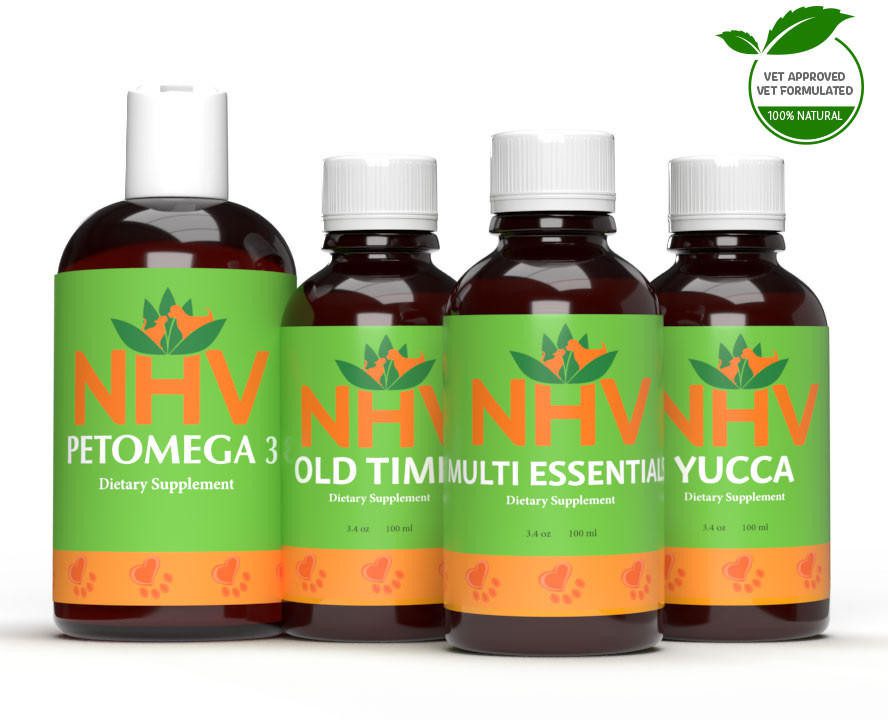
PetOmega 3, Multi Essentials, Yucca & Old Timer
bundle and save with pet expert kits
3 month supply for a small to medium size
What is it?
NHV’s Vitality Kit for Senior Pets is a comprehensive bundle that supports overall joint, skin, and coat health as well as helps slow down or prevent chronic illness.
How does it work?
Why trust it?
NHV is a proud member of the American Holistic Veterinary Medical Association (AHVMA).

What is it?
NHV’s Vitality Kit for Senior Pets is a comprehensive bundle that supports overall joint, skin, and coat health as well as helps slow down or prevent chronic illness.
How does it work?
Why trust it?
NHV is a proud member of the American Holistic Veterinary Medical Association (AHVMA).
Regardless of what age your furry friend is when you take them home, it is always tough to see them get older or fall ill. As pet parents, we need to enjoy every moment together, have lots of patience, and lend a hand when they need it. NHV Vitality Kit for Senior Pets contains Petomega3, Old Timer, Multi Essentials, and Yucca to encourage healthy skin and coat, help relieve stiff joints, help fill nutritional voids, and promote overall vitality so your pets may keep their pep for years to come.
For pet parents with purebred furbabies, check out our dog breed and cat breed pages to become better acquainted with your pet’s unique history and personality.
Just like humans, our aging furry friends may have a few more bumps, bruises, and scrapes as the years go by. That's totally normal! We all require varying levels of support at different points in our lives.
Additional Info:
Common Issues in Senior Pets:
It’s great to know that there are ways to support your furkiddo’s health naturally! Apart from adding supplements to their daily care plan, if you’re wondering about senior dog food or senior cat food options, a personalized diet for your pet, created by Dr. Amanda, is a great way to support your furry friend’s aging body and unique health needs.
Made with the finest, organically grown, or ethically harvested herbs. Made specifically for pets, vet-formulated, and vet approved.
Petomega 3
Old Timer
Multi Essentials
Yucca
Select your pet's weight to determine the correct dose.
MULTI ESSENTIALS, YUCCA, OLD TIMER
To be taken twice daily. Determine your pet’s weight and then use the easy chart below to determine the correct dose. This is the minimum dosage.
Pet's Weight Dosage
0 - 15 lb = 0.5 ml
16 - 30 lb = 1.0 ml
31 - 45 lb = 1.5 ml
46 - 60 lb = 2.0 ml
61 - 75 lb = 2.5 ml
Over 75 lb = 3.0 ml
How to Administer
Shake well before use. The easiest method is to use the dropper provided and place the drops into your pet’s food or favorite treat. You can also use the dropper and squirt directly into the pet’s mouth. Some pets can be finicky, if this occurs consider hiding the drops in foods most pet’s love such as fish, chicken or yogurt or a favorite treat. If your pet only eats dry food then soak a few kibbles at feeding time.
PETOMEGA 3
Suggested Dosage: To be taken once per day. Add to food based on weight chart.
Therapeutic Dosage: Double the quantity for maximum period of 4 weeks or follow veterinarian advise.
0-15 lb = ¼ tsp
15-30 lb = ½ tsp
30-60 lb = 1 tsp
60-90 lb = 1 ½ tsp
For Best Results
Herbal dietary supplements are beneficial to the health and well-being of your pet and are safe for long-term use. Every pet responds to natural herbal supplements differently, therefore it is important to be consistent and administer the product daily. Supplements generally take two to four weeks to take effect, however this will vary from one animal to the next.
Product Storage
All NHV Natural Pet Products are pure herbal extracts and contain no artificial additives, preservatives or coloring. Shelf life after opening is 6 months and must be refrigerated after opening.
Cautions and Contraindications
Do not use in pregnant or nursing animals.
All information provided by NHV Natural Pet Products is for educational purposes only.
Regardless of what age your furry friend is when you take them home, it is always tough to see them get older or fall ill. As pet parents, we need to enjoy every moment together, have lots of patience, and lend a hand when they need it. NHV Vitality Kit for Senior Pets contains Petomega3, Old Timer, Multi Essentials, and Yucca to encourage healthy skin and coat, help relieve stiff joints, help fill nutritional voids, and promote overall vitality so your pets may keep their pep for years to come.
For pet parents with purebred furbabies, check out our dog breed and cat breed pages to become better acquainted with your pet’s unique history and personality.
Just like humans, our aging furry friends may have a few more bumps, bruises, and scrapes as the years go by. That's totally normal! We all require varying levels of support at different points in our lives.
Additional Info:
Common Issues in Senior Pets:
It’s great to know that there are ways to support your furkiddo’s health naturally! Apart from adding supplements to their daily care plan, if you’re wondering about senior dog food or senior cat food options, a personalized diet for your pet, created by Dr. Amanda, is a great way to support your furry friend’s aging body and unique health needs.
Made with the finest, organically grown, or ethically harvested herbs. Made specifically for pets, vet-formulated, and vet approved.
Petomega 3
Old Timer
Multi Essentials
Yucca
Select your pet's weight to determine the correct dose.
MULTI ESSENTIALS, YUCCA, OLD TIMER
To be taken twice daily. Determine your pet’s weight and then use the easy chart below to determine the correct dose. This is the minimum dosage.
Pet's Weight Dosage
0 - 15 lb = 0.5 ml
16 - 30 lb = 1.0 ml
31 - 45 lb = 1.5 ml
46 - 60 lb = 2.0 ml
61 - 75 lb = 2.5 ml
Over 75 lb = 3.0 ml
How to Administer
Shake well before use. The easiest method is to use the dropper provided and place the drops into your pet’s food or favorite treat. You can also use the dropper and squirt directly into the pet’s mouth. Some pets can be finicky, if this occurs consider hiding the drops in foods most pet’s love such as fish, chicken or yogurt or a favorite treat. If your pet only eats dry food then soak a few kibbles at feeding time.
PETOMEGA 3
Suggested Dosage: To be taken once per day. Add to food based on weight chart.
Therapeutic Dosage: Double the quantity for maximum period of 4 weeks or follow veterinarian advise.
0-15 lb = ¼ tsp
15-30 lb = ½ tsp
30-60 lb = 1 tsp
60-90 lb = 1 ½ tsp
For Best Results
Herbal dietary supplements are beneficial to the health and well-being of your pet and are safe for long-term use. Every pet responds to natural herbal supplements differently, therefore it is important to be consistent and administer the product daily. Supplements generally take two to four weeks to take effect, however this will vary from one animal to the next.
Product Storage
All NHV Natural Pet Products are pure herbal extracts and contain no artificial additives, preservatives or coloring. Shelf life after opening is 6 months and must be refrigerated after opening.
Cautions and Contraindications
Do not use in pregnant or nursing animals.
All information provided by NHV Natural Pet Products is for educational purposes only.
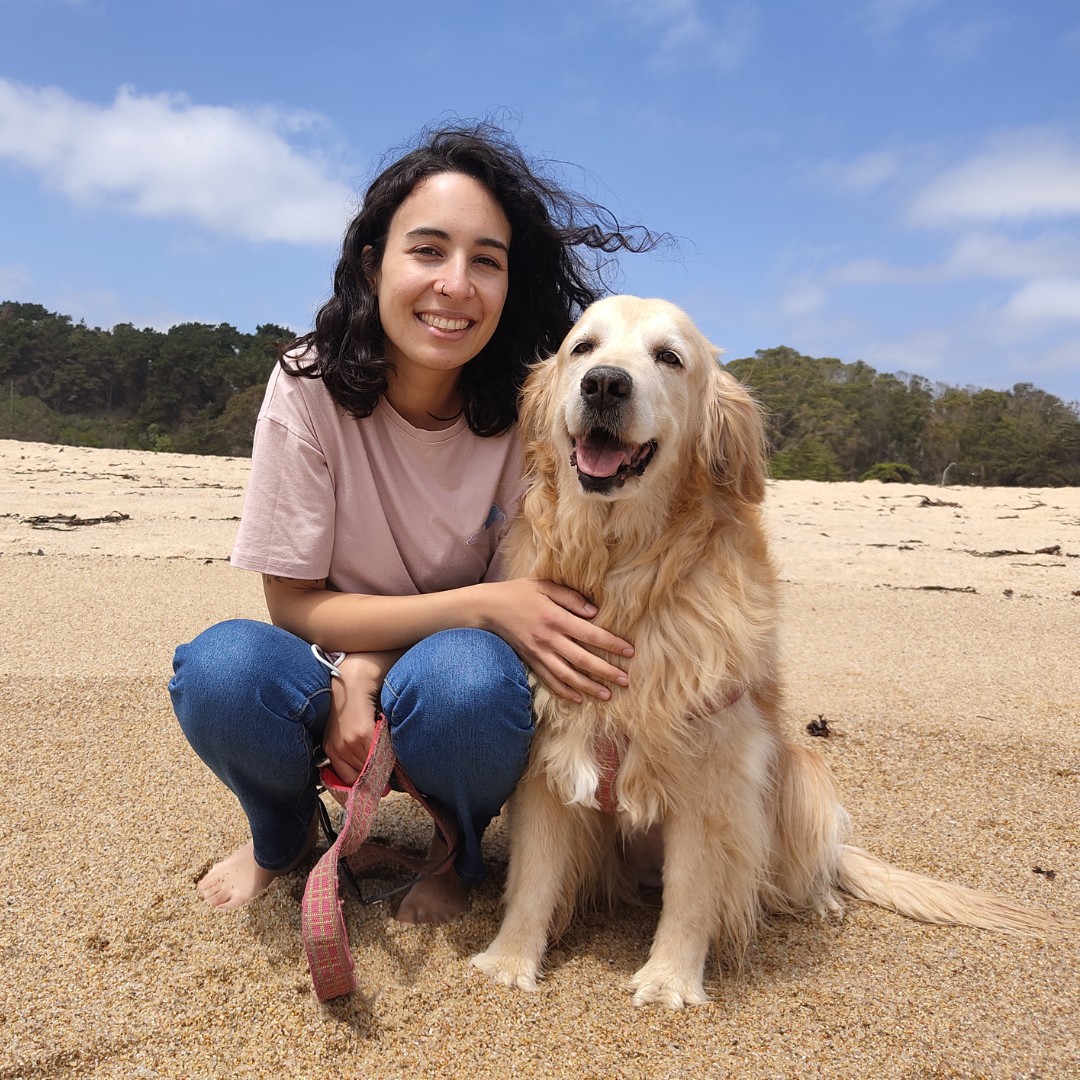
Dr. Carla Moran graduated from the University of Chile in Veterinary Medicine and later obtained a Diploma in Zoonotic and Infectious Diseases from the same university. She has had the opportunity to learn from diverse areas of the veterinary profession through her professional training, like small animal medicine, wildlife conservation, and public health. Dr. Moran loves being able to support animals and their guardians through natural medicine, and she strongly believes that nature can provide us with what every being needs to be happy and healthy, mentally, and physically.
Published: December 9, 2025
seasonal support
Old Timer, Yucca & Heal Care Ointment
bundle and save with pet expert kits
3 month supply for a small to medium size
What is it?
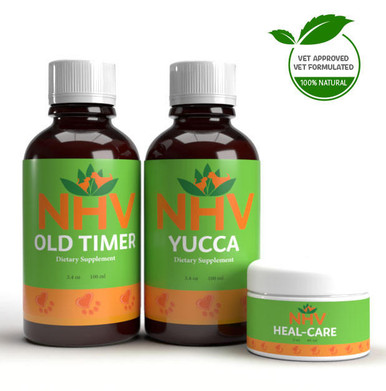
As the weather dampens and cools down, you're not the only one who's feeling a sudden chill in their bones—pets can be especially vulnerable to joint pain during colder fall and winter months. Give your furkiddo the support they deserve with NHV’s Winter Health Kit.
How does it work?
Why trust it?
NHV supplements are vet-formulated and vet-approved.
What is it?
As the weather dampens and cools down, you're not the only one who's feeling a sudden chill in their bones—pets can be especially vulnerable to joint pain during colder fall and winter months. Give your furkiddo the support they deserve with NHV’s Winter Health Kit.
How does it work?
Why trust it?
NHV supplements are vet-formulated and vet-approved.
When the weather changes, it isn't just us that notices! Our pets feel it too! During colder fall and winter months, your furkiddo may be especially vulnerable to joint inflammation, arthritic flare-ups, bruises, cuts and paw pad injuries. As their pet pawrent, you may notice them acting a little differently, for example, if your dog or cat's joints are sore, they may have difficulty going to the bathroom normally. And in many places that deal with ice and snow in colder months, the salt on the roads may further aggravate your pet. Salt can really dry out and crack the skin on their paw pads, or worse, the salt is licked and ingested, causing salt poisoning. Signs of salt poisoning are drooling, loss of appetite, vomiting, and diarrhea. More severe cases of salt poisoning may lead to seizures, comas, and even death. We highly recommend washing your pet's paws with warm soapy water after wintery romps to prevent salt from irritating the skin. Once the paws are clean and dry, NHV Heal Care is a beneficial dog paw balm and cat paw balm for adding moisture back into the skin and creating a protective barrier against the elements. To provide internal support from the elements, Old Timer and Yucca round out the Winter Health Kit to help soothe inflammation in the muscles and joints, help revitalize energy levels and add immune support so that our furry friends are protected inside and out!
You may notice small changes in your dog or cat's behavior when they aren't feeling their best. Arthritis in cats and dogs can become more noticeable in the winter, as colder temperatures may increase joint discomfort—just like in humans.
And then the added issue of road salt in colder months may cause further stress and discomfort. As their paw parent, you will want to reduce swelling and inflammation, improve circulation and support their immune system so that they can bounce back and get outside! NHV Winter Health Kit contains Old Timer, Yucca, and Heal Care. Old Timer's blend of nutrient-rich herbs is beneficial for immune support, improving energy levels and helping the body deal with stress. Ingredients like asian ginseng have a long history of being used to improve overall vitality, energy levels and muscle strength. Yucca contains natural steroid-like properties that help alleviate inflammation and encourage healthy appetite. And St. John's wort combined with arnica in Heal Care provide a soothing cat and dog pawbalm to support the healing of bruises, cuts, inflamed paw pads, sore muscles and more.
It’s great to know that there are ways to support your little one’s health naturally! All NHV products use only the finest organic, wild-crafted ingredients and formulated by the combined efforts of a master herbalist and veterinarian with 50+ years of experience. If you have any questions about cat and dog joint supplements or need any holistic advice, an NHV pet expert is happy to help.
Made with the finest, organically grown, or ethically harvested herbs. Made specifically for pets, vet-formulated, and vet approved.
Old Timer
Yucca
Heal Care
Select your pet's weight to determine the correct dose.
All NHV natural pet supplements can be used together simultaneously.
DIRECTIONS AND DOSAGE FOR NHV YUCCA AND NHV OLD TIMER
To be taken twice daily. Determine your pet’s weight and then use the easy chart below to determine the correct dose. This is the minimum dosage.
Pet's Weight Dosage
0 - 15 lb = 0.5 ml
16 - 30 lb = 1.0 ml
31 - 45 lb = 1.5 ml
46 - 60 lb = 2.0 ml
61 - 75 lb = 2.5 ml
Over 75 lb = 3.0 ml
For small animals (rabbits, ferrets), avians and reptiles use 1 drop for every 2 lb of body weight.
How to Administer
Shake well before use. The easiest method is to use the dropper provide and places the drops into your pet’s food or favorite treat. You can also use the dropper and squirt directly into the pet’s mouth.
Some pets can be finicky, if this occurs consider hiding the drops in foods most pet’s love such as fish, chicken or yogurt or a favourite treat. If your pet only eats dry food then soak a few kibbles at feeding time.
For Best Results
Herbal dietary supplements are beneficial to the health and wellbeing of your pet and are safe for long-term use. Every pet responds to natural herbal supplements differently, therefore it is important to be consistent and administer the product daily. Supplements generally take two to four weeks to take effect, however this will vary from one animal to the next.
Product Storage
All NHV Natural Pet Products are pure herbal extracts and contain no artificial additives, preservatives or coloring. Shelf life after opening is 6 months and must be refrigerated after opening.
Cautions and Contraindications
Do not in pregnant or nursing animals. Speak to your vet before using our products. A second visit is recommended if your pet’s condition does not improve, or deteriorates after continued use of the supplements.
DIRECTIONS AND DOSAGE FOR NHV HEAL CARE OINTMENT
How to Administer
Topical ointment: Clean and dry paw pads. Apply to affected area 3 to 4 times per day until healed. It may be necessary to use booties or wrap the paw with gauze dressing so that your pet does not lick the ointment.
Caution
Do not apply on open or bleeding wounds. Heal Care ointment contains arnica which may cause a skin allergy on some very sensitive pet’s. Try the product on a hairless part of the body first to test for sensitivity
All information provided by NHV Natural Pet Products is for educational purposes only.
When the weather changes, it isn't just us that notices! Our pets feel it too! During colder fall and winter months, your furkiddo may be especially vulnerable to joint inflammation, arthritic flare-ups, bruises, cuts and paw pad injuries. As their pet pawrent, you may notice them acting a little differently, for example, if your dog or cat's joints are sore, they may have difficulty going to the bathroom normally. And in many places that deal with ice and snow in colder months, the salt on the roads may further aggravate your pet. Salt can really dry out and crack the skin on their paw pads, or worse, the salt is licked and ingested, causing salt poisoning. Signs of salt poisoning are drooling, loss of appetite, vomiting, and diarrhea. More severe cases of salt poisoning may lead to seizures, comas, and even death. We highly recommend washing your pet's paws with warm soapy water after wintery romps to prevent salt from irritating the skin. Once the paws are clean and dry, NHV Heal Care is a beneficial dog paw balm and cat paw balm for adding moisture back into the skin and creating a protective barrier against the elements. To provide internal support from the elements, Old Timer and Yucca round out the Winter Health Kit to help soothe inflammation in the muscles and joints, help revitalize energy levels and add immune support so that our furry friends are protected inside and out!
You may notice small changes in your dog or cat's behavior when they aren't feeling their best. Arthritis in cats and dogs can become more noticeable in the winter, as colder temperatures may increase joint discomfort—just like in humans.
And then the added issue of road salt in colder months may cause further stress and discomfort. As their paw parent, you will want to reduce swelling and inflammation, improve circulation and support their immune system so that they can bounce back and get outside! NHV Winter Health Kit contains Old Timer, Yucca, and Heal Care. Old Timer's blend of nutrient-rich herbs is beneficial for immune support, improving energy levels and helping the body deal with stress. Ingredients like asian ginseng have a long history of being used to improve overall vitality, energy levels and muscle strength. Yucca contains natural steroid-like properties that help alleviate inflammation and encourage healthy appetite. And St. John's wort combined with arnica in Heal Care provide a soothing cat and dog pawbalm to support the healing of bruises, cuts, inflamed paw pads, sore muscles and more.
It’s great to know that there are ways to support your little one’s health naturally! All NHV products use only the finest organic, wild-crafted ingredients and formulated by the combined efforts of a master herbalist and veterinarian with 50+ years of experience. If you have any questions about cat and dog joint supplements or need any holistic advice, an NHV pet expert is happy to help.
Made with the finest, organically grown, or ethically harvested herbs. Made specifically for pets, vet-formulated, and vet approved.
Old Timer
Yucca
Heal Care
Select your pet's weight to determine the correct dose.
All NHV natural pet supplements can be used together simultaneously.
DIRECTIONS AND DOSAGE FOR NHV YUCCA AND NHV OLD TIMER
To be taken twice daily. Determine your pet’s weight and then use the easy chart below to determine the correct dose. This is the minimum dosage.
Pet's Weight Dosage
0 - 15 lb = 0.5 ml
16 - 30 lb = 1.0 ml
31 - 45 lb = 1.5 ml
46 - 60 lb = 2.0 ml
61 - 75 lb = 2.5 ml
Over 75 lb = 3.0 ml
For small animals (rabbits, ferrets), avians and reptiles use 1 drop for every 2 lb of body weight.
How to Administer
Shake well before use. The easiest method is to use the dropper provide and places the drops into your pet’s food or favorite treat. You can also use the dropper and squirt directly into the pet’s mouth.
Some pets can be finicky, if this occurs consider hiding the drops in foods most pet’s love such as fish, chicken or yogurt or a favourite treat. If your pet only eats dry food then soak a few kibbles at feeding time.
For Best Results
Herbal dietary supplements are beneficial to the health and wellbeing of your pet and are safe for long-term use. Every pet responds to natural herbal supplements differently, therefore it is important to be consistent and administer the product daily. Supplements generally take two to four weeks to take effect, however this will vary from one animal to the next.
Product Storage
All NHV Natural Pet Products are pure herbal extracts and contain no artificial additives, preservatives or coloring. Shelf life after opening is 6 months and must be refrigerated after opening.
Cautions and Contraindications
Do not in pregnant or nursing animals. Speak to your vet before using our products. A second visit is recommended if your pet’s condition does not improve, or deteriorates after continued use of the supplements.
DIRECTIONS AND DOSAGE FOR NHV HEAL CARE OINTMENT
How to Administer
Topical ointment: Clean and dry paw pads. Apply to affected area 3 to 4 times per day until healed. It may be necessary to use booties or wrap the paw with gauze dressing so that your pet does not lick the ointment.
Caution
Do not apply on open or bleeding wounds. Heal Care ointment contains arnica which may cause a skin allergy on some very sensitive pet’s. Try the product on a hairless part of the body first to test for sensitivity
All information provided by NHV Natural Pet Products is for educational purposes only.