senior pet support
Rejuvenation Kit For Senior Pets
USD $150.95
free shipping over $100 (USA & Canada)
1-877-937-4372 the pet expert hotline

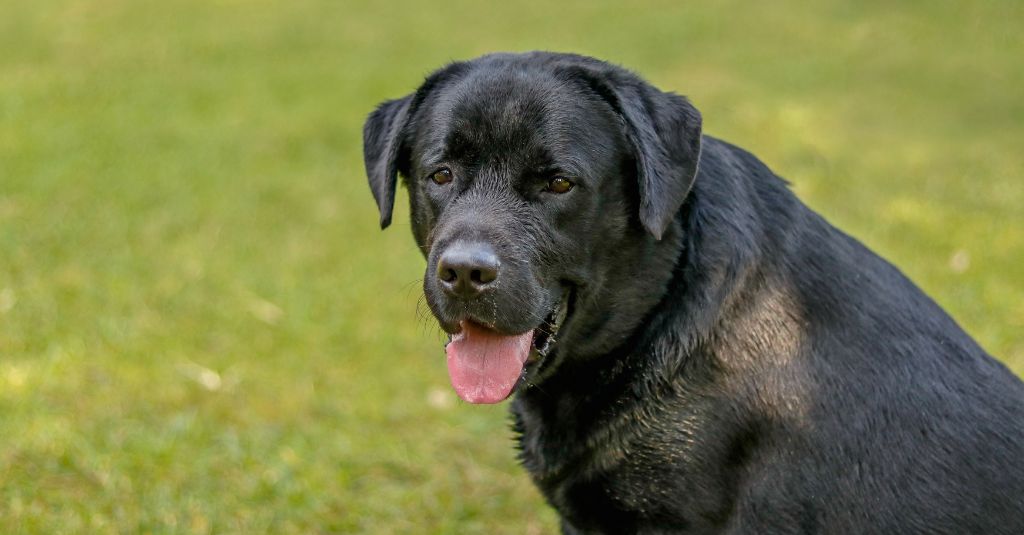
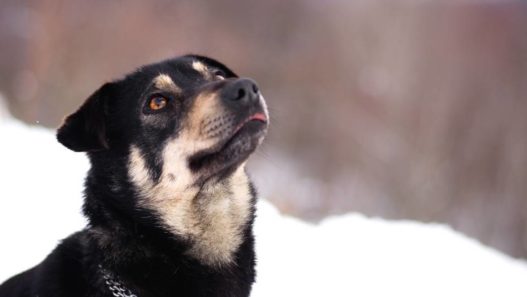
One day, your dog is happily greeting you at the door, eager for their walk and ready to play. The next day, they’re hiding under the table, refusing food, pacing around the house, or acting unlike themselves. It’s no surprise that one of the first questions many pet parents ask is “Why is my dog acting weird?”
They communicate through changes in their behavior
Dogs can’t tell us when they’re feeling sore, anxious, or unwell, so they communicate through changes in their behavior instead. Sometimes these changes are harmless and temporary, but in other cases, they can be an early sign of pain, illness, stress, or emotional distress. Learning to recognize these subtle cues can help you respond quickly and get your dog the care they need.
Dogs are creatures of habit. When their normal routine or personality changes, it’s often their way of communicating that there’s something not quite right. Unlike people, dogs can’t tell us they’re anxious, sore, nauseous, or feeling under the weather. Instead, they’ll rely on changes in their behavior: posture, facial expression, a little cry here and there, or even daily habits to tell us how they’re feeling.
While some behavioral changes are harmless and temporary (they, too, have bad days sometimes), others may signal illness, pain, stress, or an underlying medical condition that deserves proper veterinary attention.
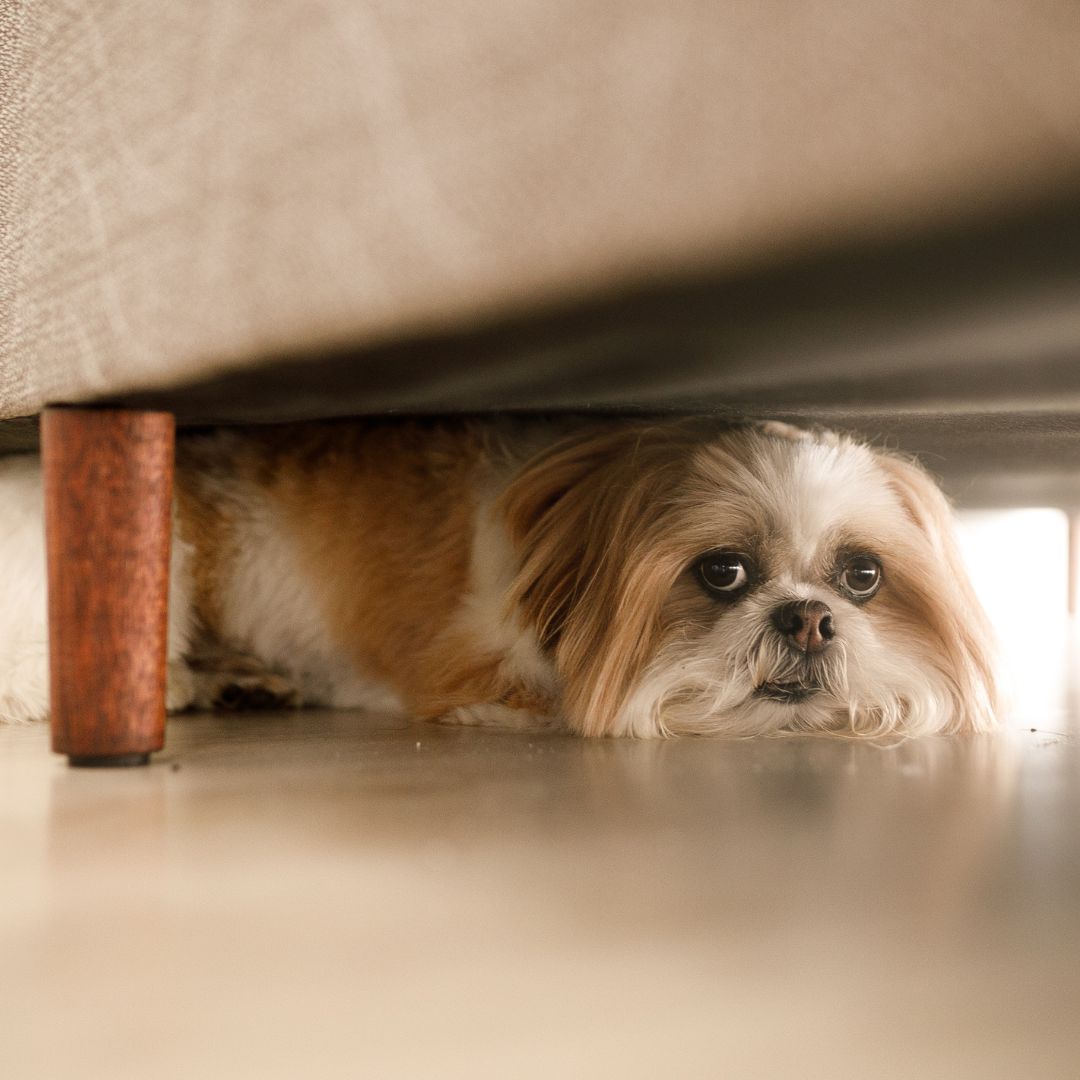
If your sweet furbaby is acting weird suddenly, remember that there isn’t a single answer. Changes in behavior often result from a combination of physical, emotional, and environmental factors. Some of the most common causes for a change in behavior are as follows.
This is one of the most common reasons for sudden behavior changes. Dogs instinctively hide discomfort, so they may not cry or limp immediately; however, you might notice that they become withdrawn, avoid being touched, sleep more than usual, seem irritable, or lose interest in walks or playtime. According to the American Animal Hospital Association (AAHA), behavioral changes are often one of the earliest indicators that a dog is experiencing pain.
Many illnesses affect a dog’s behavior before other physical symptoms appear. You might notice your dog appears to be quieter, restless, clingy, or unusually withdrawn with conditions such as ear infections, dental disease, gastrointestinal upset, kidney disease, liver disease, urinary tract infections, or hormonal disorders.
Dogs are sensitive to changes in their environment. VCA Canada states that situations such as moving to a new home, loud noises, fireworks, new family members moving in, travel, separation from their favorite person, and even slight changes in their routine could trigger anxiety. Amongst the signs are: panting, trembling, pacing, vocalizing more than usual, or seeking constant reassurance.
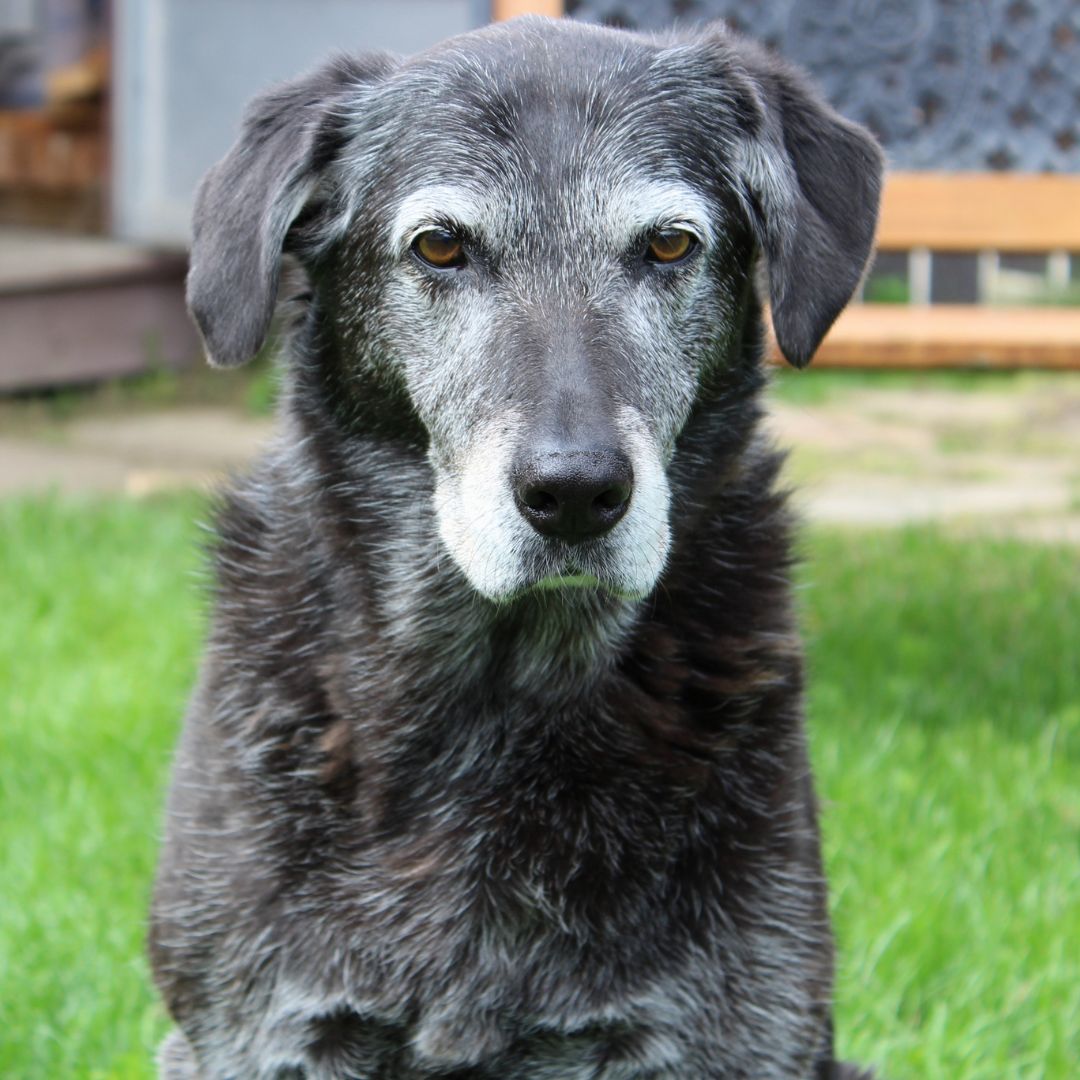
Senior dogs sometimes develop cognitive dysfunction, a condition like dementia in people. According to the ASPCA, some of the most common signs are forgetting familiar routines, sleeping during the day and pacing at night, increased confusion, and wandering aimlessly.
Many pet parents show concern when their furkiddo starts trembling, as this can be alarming to see. The truth is that dog shaking or dog shivering doesn’t always mean there is something serious, but it shouldn’t be ignored either. Dogs may shake when they are cold, excited, nervous, or when they are recovering from exercise. However, shaking can also indicate:
If you’re wondering why your furkiddo is shaking for no apparent reason, the answer is that there usually is a reason, but it may not be obvious from the outside. You should consider it an emergency when your dog experiences:
If you’re concerned about your dog’s shaking, it’s always best to have them evaluated by a veterinarian.
Many pet parents wonder how dogs show pain, especially since dogs often mask discomfort surprisingly well. Learning to read dog body language may help you recognize problems earlier. Proactive pain recognition helps slow the progression of chronic pain and improves your furkiddo’s quality of life.
Rather than focusing on one single sign or symptom, look for patterns. Multiple subtle changes together often provide valuable clues about your dog’s health. Some of these changes are:
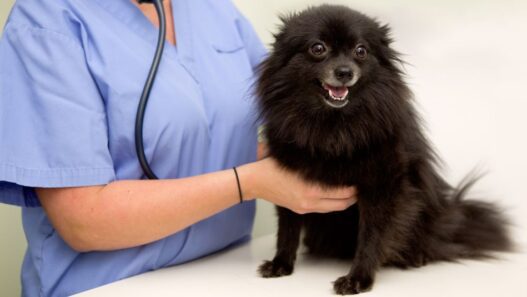
When your dog starts acting strange, the best thing to do is to remain calm; observe and notice the patterns so that you can gather all the information and give a full picture to your furkiddo’s veterinarian.
Finally, create a consistent pet care schedule. Knowing how to create a pet-care schedule could make it easier to recognize subtle changes before they become significant problems. A healthy routine should include regular feeding times, daily walks, grooming, mental stimulation, medication or supplement reminders, and routine vet check-ups.
NHV natural supplements are vet-formulated to promote your dog’s natural health alongside veterinary care. Depending on your dog’s individual needs, we might recommend:
Because every dog is unique, it’s always best to choose supplements based on your furkiddo’s unique, specific health needs.
Trust your instincts. You know your furbaby better than anyone! If something feels “off”, don’t ignore it, even if you can’t immediately explain why. Behavior is one of the earliest ways dogs communicate discomfort, illness, stress, or pain. Paying attention to these subtle signals allows you to seek help before small problems become larger ones.
At NHV, we’re committed to helping pet parents
Whether you’re wondering why your dog is acting weird, why they are shaking, or why their behavior is changing, careful observation and prompt veterinary care are your best tools. At NHV, we’re committed to helping pet parents support their furkiddos naturally alongside veterinary care to help them enjoy a happier, healthier life.
Want to get the latest monthly pet health tips, wellness insights, and sales and promotions updates? Sign up for pet wellness with our newsletter for pet wellness info from the NHV family to yours.
senior pet support
Holistic Dog and Cat Daily Supplements
bundle and save with pet expert kits
3 month supply for a small to medium size
What is it?
NHV’s Rejuvenation Kit for Senior Pet Care is a comprehensive supplement bundle that helps relieve discomfort from stiff joints and support overall vitality as well as slow down or prevent chronic illness so your pet can age gracefully.
How does it work?
Why trust it?
NHV is the supplement of choice for 1000s of senior pets from all over the world.


What is it?
NHV’s Rejuvenation Kit for Senior Pet Care is a comprehensive supplement bundle that helps relieve discomfort from stiff joints and support overall vitality as well as slow down or prevent chronic illness so your pet can age gracefully.
How does it work?
Why trust it?
NHV is the supplement of choice for 1000s of senior pets from all over the world.
Holistic Support for Aging Pets - Senior Pet Products
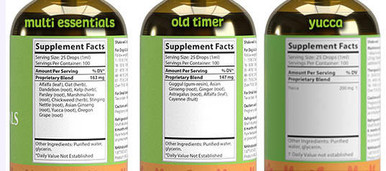
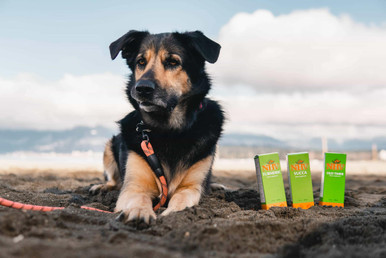
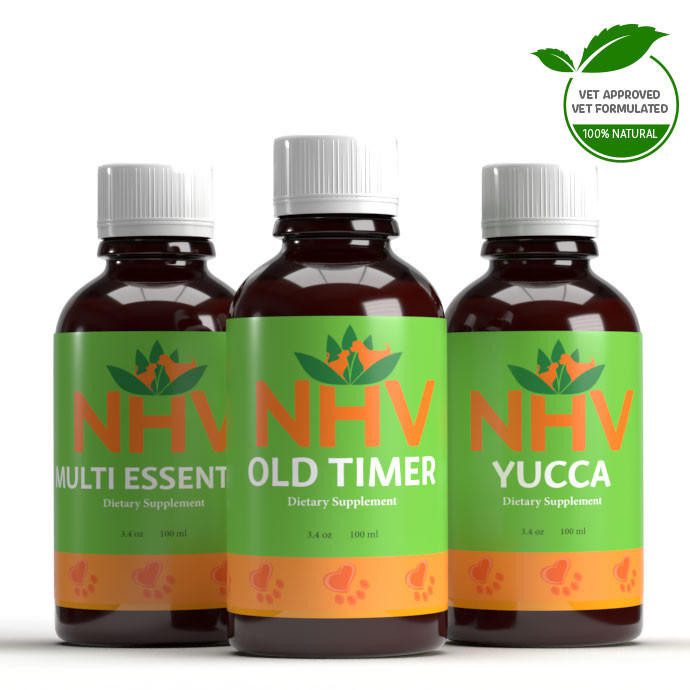
Whether you raised your furkiddo from a young pup or they have come into your life with a frosted face, watching them age is tough. As pet parents, we need to cherish every moment we have with them, and remember to have lots of patience and lend support when they need it. This supplement bundle is formulated to provide support for aging senior pets, so they can remain full of pep for as long as possible! NHV Rejuvenation Kit for Senior Pets contains Old Timer, Multi Essentials, and Yucca to naturally relieve stiff joints, help fill nutritional voids, and promote healthy metabolism and energy levels.
How NHV Supplements Restore Health and Support Vitality
Just like humans, as our furry companions reach their golden years, they may have a few more bumps, bruises and aches than they used to. That's totally normal! We all need different levels of support at different stages in life. Ingredients like Alfalfa, Asian Ginseng, Astragalus, and Ginger in Old Timer are very gentle aids that help relieve inflammation and joint discomfort, gently detoxify and help improve energy levels. Multi Essentials contains a proprietary blend of herbs with a broad range of vitamins and mineral properties to improve metabolism and nutrient absorption. It also helps stimulate healthy immune function and promote overall vitality. Yucca has excellent anti-inflammatory properties beneficial for relieving muscle and joint discomfort and restoring appetite.
Common Issues in Senior Pets:
OLD TIMER
MULTI ESSENTIALS
YUCCA
Additional support for senior pet care
For pet parents with a purebred pet, get to know your little one’s unique history and personality with our dog and cat breed pages.
Natural Support for a Long Life
Apart from adding supplements to their daily care plan, learn how your furkiddo can live their best life with an NHV personalized diet that takes into consideration their age, breed and medical history with our in-house veterinarian, Dr. Amanda, who brings years of experience and care to her dietary consultations.
Made with the finest, organically grown, or ethically harvested herbs. Made specifically for pets, vet-formulated and vet approved.
Old Timer
Multi Essentials
Yucca
Select your pet's weight to determine the correct dose.
To be taken twice daily. Determine your pet’s weight and then use the easy chart below to determine the correct dose. This is the minimum dosage.
Pet's Weight Dosage
0 - 15 lb = 0.5 ml
16 - 30 lb = 1.0 ml
31 - 45 lb = 1.5 ml
46 - 60 lb = 2.0 ml
61 - 75 lb = 2.5 ml
Over 75 lb = 3.0 ml
How to Administer
Shake well before use. The easiest method is to use the dropper provided and place the drops into your pet’s food or favorite treat. You can also use the dropper and squirt directly into the pet’s mouth. Some pets can be finicky, if this occurs consider hiding the drops in foods most pet’s love such as fish, chicken or yogurt or a favorite treat. If your pet only eats dry food then soak a few kibbles at feeding time.
For Best Results
Herbal dietary supplements are beneficial to the health and well-being of your pet and are safe for long-term use. Every pet responds to natural herbal supplements differently, therefore it is important to be consistent and administer the product daily. Supplements generally take two to four weeks to take effect, however this will vary from one animal to the next.
Product Storage
All NHV Natural Pet Products are pure herbal extracts and contain no artificial additives, preservatives or coloring. Shelf life after opening is 6 months and must be refrigerated after opening.
Cautions and Contraindications
Do not use in pregnant or nursing animals.
All information provided by NHV Natural Pet Products is for educational purposes only.
Holistic Support for Aging Pets - Senior Pet Products
Whether you raised your furkiddo from a young pup or they have come into your life with a frosted face, watching them age is tough. As pet parents, we need to cherish every moment we have with them, and remember to have lots of patience and lend support when they need it. This supplement bundle is formulated to provide support for aging senior pets, so they can remain full of pep for as long as possible! NHV Rejuvenation Kit for Senior Pets contains Old Timer, Multi Essentials, and Yucca to naturally relieve stiff joints, help fill nutritional voids, and promote healthy metabolism and energy levels.
How NHV Supplements Restore Health and Support Vitality
Just like humans, as our furry companions reach their golden years, they may have a few more bumps, bruises and aches than they used to. That's totally normal! We all need different levels of support at different stages in life. Ingredients like Alfalfa, Asian Ginseng, Astragalus, and Ginger in Old Timer are very gentle aids that help relieve inflammation and joint discomfort, gently detoxify and help improve energy levels. Multi Essentials contains a proprietary blend of herbs with a broad range of vitamins and mineral properties to improve metabolism and nutrient absorption. It also helps stimulate healthy immune function and promote overall vitality. Yucca has excellent anti-inflammatory properties beneficial for relieving muscle and joint discomfort and restoring appetite.
Common Issues in Senior Pets:
OLD TIMER
MULTI ESSENTIALS
YUCCA
Additional support for senior pet care
For pet parents with a purebred pet, get to know your little one’s unique history and personality with our dog and cat breed pages.
Natural Support for a Long Life
Apart from adding supplements to their daily care plan, learn how your furkiddo can live their best life with an NHV personalized diet that takes into consideration their age, breed and medical history with our in-house veterinarian, Dr. Amanda, who brings years of experience and care to her dietary consultations.
Made with the finest, organically grown, or ethically harvested herbs. Made specifically for pets, vet-formulated and vet approved.
Old Timer
Multi Essentials
Yucca
Select your pet's weight to determine the correct dose.
To be taken twice daily. Determine your pet’s weight and then use the easy chart below to determine the correct dose. This is the minimum dosage.
Pet's Weight Dosage
0 - 15 lb = 0.5 ml
16 - 30 lb = 1.0 ml
31 - 45 lb = 1.5 ml
46 - 60 lb = 2.0 ml
61 - 75 lb = 2.5 ml
Over 75 lb = 3.0 ml
How to Administer
Shake well before use. The easiest method is to use the dropper provided and place the drops into your pet’s food or favorite treat. You can also use the dropper and squirt directly into the pet’s mouth. Some pets can be finicky, if this occurs consider hiding the drops in foods most pet’s love such as fish, chicken or yogurt or a favorite treat. If your pet only eats dry food then soak a few kibbles at feeding time.
For Best Results
Herbal dietary supplements are beneficial to the health and well-being of your pet and are safe for long-term use. Every pet responds to natural herbal supplements differently, therefore it is important to be consistent and administer the product daily. Supplements generally take two to four weeks to take effect, however this will vary from one animal to the next.
Product Storage
All NHV Natural Pet Products are pure herbal extracts and contain no artificial additives, preservatives or coloring. Shelf life after opening is 6 months and must be refrigerated after opening.
Cautions and Contraindications
Do not use in pregnant or nursing animals.
All information provided by NHV Natural Pet Products is for educational purposes only.
arthritis support
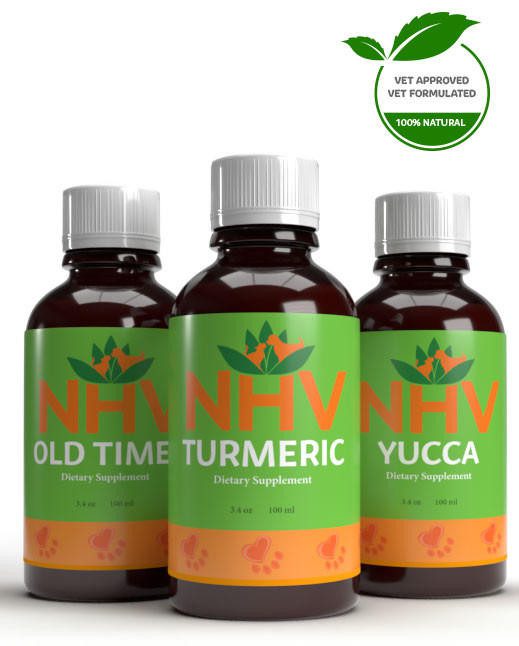
Old Timer, Turmeric & Yucca
bundle and save with pet expert kits
3 month supply for a small to medium size pet.
What is it?
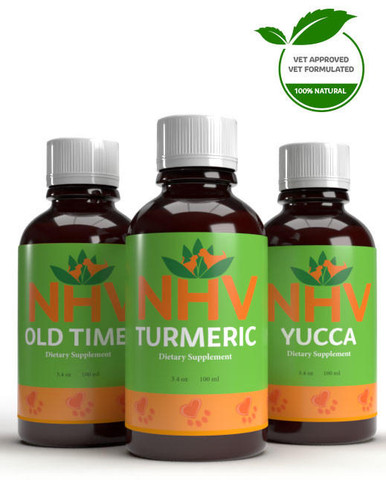
NHV Arthritis and Joint Pain Super Relief Kit can help your pups manage the symptoms of arthritis discomfort and keep them peppy and happy in their endless adventures!
How Does it Work?
Why Should I Trust It?
Formulated and approved by veterinarians using 100% natural ingredients.
What is it?
NHV Arthritis and Joint Pain Super Relief Kit can help your pups manage the symptoms of arthritis discomfort and keep them peppy and happy in their endless adventures!
How Does it Work?
Why Should I Trust It?
Formulated and approved by veterinarians using 100% natural ingredients.
Have you noticed that your furkid isn’t as spry as they used to be? They may even struggle to go upstairs and go on walks with you due to arthritis in cats and dogs. As pet parents ourselves, we understand how hard it is to watch your little one suffer from the pain joint issues cause. To help them regain their bounce, supporting them is very important. Arthritis and Joint Pain Super Relief Kit may just be the support they need.
This kit can help relieve the discomfort and swelling arthritis causes, restore your little one’s vitality, and help them manage the other arthritis symptoms. Arthritis and Joint Pain Super Relief Kit contains our main cat and dog arthritis supplements - Old Timer, Yucca, and Turmeric.
How NHV Remedies Support Cat and Dog Arthritis
Old Timer is our primary support for arthritis and joint discomfort. This herbal formulation has powerful anti-inflammatory properties and may help alleviate the symptoms of arthritis in cats and dogs. Cayenne, for instance, contains capsaicin which triggers endorphins release in the brain and thus helps with relieving discomfort arthritis causes. Asian Ginseng, one of the other many herbs in this vet-formulated blend, may help reduce fatigue in your little one and restore vitality. Studies have also shown that this herb also helps with strength and agility.
Another highly nutritional supplement in this bundle, Turmeric, also helps with overall vitality. The active compound of Turmeric is curcumin; this compound benefits arthritic conditions due to its anti-inflammatory properties. Black pepper is also added to this extract to help further reduce inflammation.
The last supplement our pet experts bundled in this kit is Yucca. On top of its anti-inflammatory properties, this herb helps with the appetite and immune system of your little one. Studies have also shown that it may be effective for discomfort relief.
These supplements are free of added preservatives, additives, flavorings, or artificial colors. So please remember to refrigerate them after opening the bottle.
To further understand how our supplements can help, you should understand what arthritis is in cats and dogs.
What is Cat and Dog Arthritis?
Like arthritis in humans, arthritis in cats and dogs refers to the inflammation of their joints. It happens when the joint cartilage tears down, causing the bones to scrape against one another. The rubbing leads to swelling and progressive pain.
Since the pain and destruction are progressive and worsen over time, cat and dog arthritis is also known as degenerative joint disease. That’s why senior pets are most at risk.
Being a chronic disorder, you may wonder if this kit's supplements are safe for long-term use. Since most of our supplements are made with non-GMO vegetable glycerin, they are entirely safe for long-term usage.
One in every five dogs experiences arthritis in their lifetime; over 70% of cats aged twelve or above get this condition too. Because of how common it is, we recommend pet parents get our Arthritis and Joint Pain Super Relief Kit not only when your furkid starts having arthritis but also as proactive support.
Symptoms of Arthritis in Cats and Dogs
It is hard to tell if your little one has joint pain sometimes because they might try to hide it! But here are some typical indications you should look out for:
Go for a vet visit as soon as you notice these signs, so your furkiddo can receive suitable treatment immediately.
Additional Support for Arthritis in Cats and Dogs
Besides natural supplements and traditional treatment, gentle exercise and a balanced diet can also help relieve the discomfort arthritis may cause. If you need help coming up with a nutritional plan designed for your little one’s needs, our in-house vet, Dr. Amanda, can help.
Natural Support for Cat and Dog Arthritis
NHV’s supplements are all tested by a third party for quality assurance, and have helped thousands of pets around the world. Supplements are vet-formulated, and vet approved. Therefore, you can rest assured that they are safe for your little one.
If you have any questions regarding arthritis in cats and dogs or anything else, don’t hesitate to reach out to one of our Pet Experts! We are always here to help you and your little one through this trying time.
Support arthritis in cats and dogs now with our Arthritis and Joint Pain Super Relief Kit.
All NHV supplements are made with the finest quality organic or ethically harvested herbs. We use non-GMO vegetable glycerin as our base. NHV products are full-spectrum extracts.
Old Timer
Select your pet's weight to determine the correct dose.
To be taken twice daily. Determine your pet’s weight and then use the easy chart below to determine the correct dose. This is the minimum dosage.
Pet's Weight Dosage
0 - 15 lb = 0.5 ml
16 - 30 lb = 1.0 ml
31 - 45 lb = 1.5 ml
46 - 60 lb = 2.0 ml
61 - 75 lb = 2.5 ml
Over 75 lb = 3.0 ml
For small animals (rabbits, ferrets), avians and reptiles use 1 drop for every 2 lb of body weight.
How to Administer
Shake well before use.The easiest method is to use the dropper provided and place the drops into your pet’s food or favorite treat. You can also use the dropper and squirt directly into the pet’s mouth. Some pets can be finicky, if this occurs consider hiding the drops in foods most pet’s love such as fish, chicken or yogurt or a favourite treat. If your pet only eats dry food then soak a few kibbles at feeding time.
For Best Results
Herbal dietary supplements are beneficial to the health and well-being of your pet and are safe for long-term use. Every pet responds to natural herbal supplements differently, therefore it is important to be consistent and administer the product daily. Supplements generally take two to four weeks to take effect, however this will vary from one animal to the next.
Product Storage
All NHV Natural Pet Products are pure herbal extracts and contain no artificial additives, preservatives or coloring. Shelf life after opening is 6 months and must be refrigerated after opening.
All information provided by NHV Natural Pet Products is for educational purposes only.
Have you noticed that your furkid isn’t as spry as they used to be? They may even struggle to go upstairs and go on walks with you due to arthritis in cats and dogs. As pet parents ourselves, we understand how hard it is to watch your little one suffer from the pain joint issues cause. To help them regain their bounce, supporting them is very important. Arthritis and Joint Pain Super Relief Kit may just be the support they need.
This kit can help relieve the discomfort and swelling arthritis causes, restore your little one’s vitality, and help them manage the other arthritis symptoms. Arthritis and Joint Pain Super Relief Kit contains our main cat and dog arthritis supplements - Old Timer, Yucca, and Turmeric.
How NHV Remedies Support Cat and Dog Arthritis
Old Timer is our primary support for arthritis and joint discomfort. This herbal formulation has powerful anti-inflammatory properties and may help alleviate the symptoms of arthritis in cats and dogs. Cayenne, for instance, contains capsaicin which triggers endorphins release in the brain and thus helps with relieving discomfort arthritis causes. Asian Ginseng, one of the other many herbs in this vet-formulated blend, may help reduce fatigue in your little one and restore vitality. Studies have also shown that this herb also helps with strength and agility.
Another highly nutritional supplement in this bundle, Turmeric, also helps with overall vitality. The active compound of Turmeric is curcumin; this compound benefits arthritic conditions due to its anti-inflammatory properties. Black pepper is also added to this extract to help further reduce inflammation.
The last supplement our pet experts bundled in this kit is Yucca. On top of its anti-inflammatory properties, this herb helps with the appetite and immune system of your little one. Studies have also shown that it may be effective for discomfort relief.
These supplements are free of added preservatives, additives, flavorings, or artificial colors. So please remember to refrigerate them after opening the bottle.
To further understand how our supplements can help, you should understand what arthritis is in cats and dogs.
What is Cat and Dog Arthritis?
Like arthritis in humans, arthritis in cats and dogs refers to the inflammation of their joints. It happens when the joint cartilage tears down, causing the bones to scrape against one another. The rubbing leads to swelling and progressive pain.
Since the pain and destruction are progressive and worsen over time, cat and dog arthritis is also known as degenerative joint disease. That’s why senior pets are most at risk.
Being a chronic disorder, you may wonder if this kit's supplements are safe for long-term use. Since most of our supplements are made with non-GMO vegetable glycerin, they are entirely safe for long-term usage.
One in every five dogs experiences arthritis in their lifetime; over 70% of cats aged twelve or above get this condition too. Because of how common it is, we recommend pet parents get our Arthritis and Joint Pain Super Relief Kit not only when your furkid starts having arthritis but also as proactive support.
Symptoms of Arthritis in Cats and Dogs
It is hard to tell if your little one has joint pain sometimes because they might try to hide it! But here are some typical indications you should look out for:
Go for a vet visit as soon as you notice these signs, so your furkiddo can receive suitable treatment immediately.
Additional Support for Arthritis in Cats and Dogs
Besides natural supplements and traditional treatment, gentle exercise and a balanced diet can also help relieve the discomfort arthritis may cause. If you need help coming up with a nutritional plan designed for your little one’s needs, our in-house vet, Dr. Amanda, can help.
Natural Support for Cat and Dog Arthritis
NHV’s supplements are all tested by a third party for quality assurance, and have helped thousands of pets around the world. Supplements are vet-formulated, and vet approved. Therefore, you can rest assured that they are safe for your little one.
If you have any questions regarding arthritis in cats and dogs or anything else, don’t hesitate to reach out to one of our Pet Experts! We are always here to help you and your little one through this trying time.
Support arthritis in cats and dogs now with our Arthritis and Joint Pain Super Relief Kit.
All NHV supplements are made with the finest quality organic or ethically harvested herbs. We use non-GMO vegetable glycerin as our base. NHV products are full-spectrum extracts.
Old Timer
Select your pet's weight to determine the correct dose.
To be taken twice daily. Determine your pet’s weight and then use the easy chart below to determine the correct dose. This is the minimum dosage.
Pet's Weight Dosage
0 - 15 lb = 0.5 ml
16 - 30 lb = 1.0 ml
31 - 45 lb = 1.5 ml
46 - 60 lb = 2.0 ml
61 - 75 lb = 2.5 ml
Over 75 lb = 3.0 ml
For small animals (rabbits, ferrets), avians and reptiles use 1 drop for every 2 lb of body weight.
How to Administer
Shake well before use.The easiest method is to use the dropper provided and place the drops into your pet’s food or favorite treat. You can also use the dropper and squirt directly into the pet’s mouth. Some pets can be finicky, if this occurs consider hiding the drops in foods most pet’s love such as fish, chicken or yogurt or a favourite treat. If your pet only eats dry food then soak a few kibbles at feeding time.
For Best Results
Herbal dietary supplements are beneficial to the health and well-being of your pet and are safe for long-term use. Every pet responds to natural herbal supplements differently, therefore it is important to be consistent and administer the product daily. Supplements generally take two to four weeks to take effect, however this will vary from one animal to the next.
Product Storage
All NHV Natural Pet Products are pure herbal extracts and contain no artificial additives, preservatives or coloring. Shelf life after opening is 6 months and must be refrigerated after opening.
All information provided by NHV Natural Pet Products is for educational purposes only.
skin & infection support
PetOmega 3, Natures Immuno, Felimm & Ouch Away Spray
bundle and save with pet expert kits
3 month supply for a small to medium size pet.
What is it?
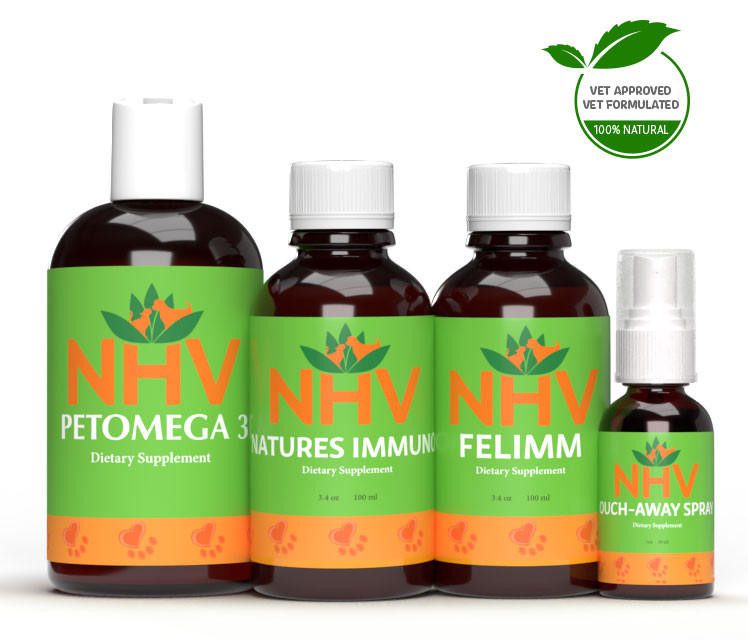
NHV’s Fungal and Skin Infections Super Support Kit is a natural supplement bundle that helps strengthen your pet’s immune system and supports the healing of fungal and bacterial skin infections.
How Does it Work?
Why Should I Trust It?
Natural remedies formulated and approved by vets.
What is it?
NHV’s Fungal and Skin Infections Super Support Kit is a natural supplement bundle that helps strengthen your pet’s immune system and supports the healing of fungal and bacterial skin infections.
How Does it Work?
Why Should I Trust It?
Natural remedies formulated and approved by vets.
Is your furkiddo itchy and licking their skin raw? It may be more than just dry skin or a flea bite. They may be suffering from a fungal or bacterial skin infection. Give your furry friend the support they need with NHV’s Fungal and Skin Infections Super Support Kit - a comprehensive supplement bundle that helps strengthen their immune system to fight skin infections.
Skin Infection Support for Pets
Most skin infections on your furbaby may either be caused by a fungal (yeast) or bacterial infection or a combination of the two. There is a natural balance of bacteria, yeast and other microorganisms that live on your little one’s skin. Biting, licking and scratching can introduce potentially harmful pathogens from your pet’s mouth or paw that can develop into an infection on their skin, eyes, ears or body.
Treatment typically requires a vet-prescribed medication to treat the infection. NHV Fungal and Skin Infection Super Support can be used alongside antifungal or antibacterial medication to provide comprehensive support to help your furkiddo re-balance their immune system and fight those nasty infections.
Common Symptoms of Fungal Infections
The most common clinical signs of dermatitis in dogs and cats are:
The causes of yeast infections are related to absorption, inhalation, and ingestion of spores. Yeast infections are often caused by flea infestations, skin allergies, cancer, and immune system imbalances.
How NHV Remedies Support Dogs and Cats With Skin Infections (Fungal and Bacterial)
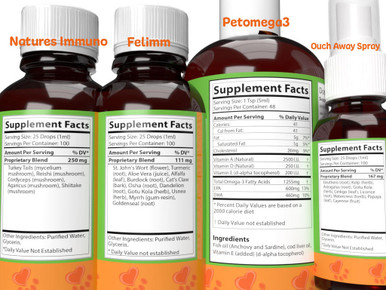
Preventing an imbalance of fungus (yeast) or bacteria from turning into an infection requires balancing your furkiddo’s immune system. In a healthy body, yeast and bacteria are kept in check but when there is an imbalance and your pet’s body can’t fight it, then bacteria and yeast can overgrow, causing an infection. NHV’s Fungal and Skin Infections Super Support contain Natures Immuno, Felimm, PetOmega 3 and Ouch-Away Spray that are all vet-formulated help support your cat or dog inside and out.
Natures Immuno for Pets
Felimm for Pets
PetOmega 3 for Pets
Ouch-Away Spray (topical spray)
Help Prevent Infections and More with NHV
Cat and dog skin infection remedies may help reduce your pet’s risk of contracting an infection by providing overall immune support. Learn how a nutritional diet plan and supplements can build up your cat or dog’s natural defenses alongside a vet’s prescribed treatment by reading NHV’s health blog or joining our newsletter.
Made with the finest, organically grown, or ethically harvested herbs. Made specifically for pets, vet-formulated and vet approved.
Natures Immuno
Felimm
PetOmega 3
Ouch-Away Spray
Select your pet's weight to determine the correct dose.
Dosage for Natures Immuno, Felimm: to be taken twice daily. Determine your pet’s weight and then use the easy chart below to determine the correct dose. This is the minimum dosage.
Pet's Weight Dosage
0 - 15 lb = 0.5 ml
16 - 30 lb = 1.0 ml
31 - 45 lb = 1.5 ml
46 - 60 lb = 2.0 ml
61 - 75 lb = 2.5 ml
Over 75 lb = 3.0 ml
How to Administer
Shake well before use. The easiest method is to use the dropper provide and place the drops into your pet’s food or favorite treat. You can also use the dropper and squirt directly into the pet’s mouth.
Some pets can be finicky, if this occurs consider hiding the drops in foods most pet’s love such as fish, chicken or yogurt or a favorite treat. If your pet only eats dry food then soak a few kibbles at feeding time.
Dosage for PetOmega 3: to be taken once per day. Add to food based on weight chart.
Pet's Weight Dosage
0-15 lb = ¼ tsp
15-30 lb = ½ tsp
30-60 lb = 1 tsp
60-90 lb = 1 ½ tsp
OUCH AWAY SPRAY
How to Administer
Topical Spray: Spray several times a day to affected area until healed.
It may some times be necessary to shave or trim your pet’s hair so that the First Aid spray reaches the affected area. If necessary, cover the affected area with gauze dressing.
Caution
Do not spray near or into eyes or nose. May initially sting on open cut
For Best Results
Herbal dietary supplements are beneficial to the health and wellbeing of your pet and are safe for long-term use. Every pet responds to natural herbal supplements differently, therefore it is important to be consistent and administer the product daily. Supplements generally take two to four weeks to take effect, however this will vary from one animal to the next.
Product Storage
All NHV Natural Pet Products are pure herbal extracts and contain no artificial additives, preservatives or coloring. Shelf life after opening is 6 months and must be refrigerated after opening.
Cautions and Contraindications: Do not use our supplements in pregnant or nursing animals. Speak to your vet before using our products. A second visit is recommended if your pet’s condition does not improve, or deteriorates after continued use of the supplements.
Is your furkiddo itchy and licking their skin raw? It may be more than just dry skin or a flea bite. They may be suffering from a fungal or bacterial skin infection. Give your furry friend the support they need with NHV’s Fungal and Skin Infections Super Support Kit - a comprehensive supplement bundle that helps strengthen their immune system to fight skin infections.
Skin Infection Support for Pets
Most skin infections on your furbaby may either be caused by a fungal (yeast) or bacterial infection or a combination of the two. There is a natural balance of bacteria, yeast and other microorganisms that live on your little one’s skin. Biting, licking and scratching can introduce potentially harmful pathogens from your pet’s mouth or paw that can develop into an infection on their skin, eyes, ears or body.
Treatment typically requires a vet-prescribed medication to treat the infection. NHV Fungal and Skin Infection Super Support can be used alongside antifungal or antibacterial medication to provide comprehensive support to help your furkiddo re-balance their immune system and fight those nasty infections.
Common Symptoms of Fungal Infections
The most common clinical signs of dermatitis in dogs and cats are:
The causes of yeast infections are related to absorption, inhalation, and ingestion of spores. Yeast infections are often caused by flea infestations, skin allergies, cancer, and immune system imbalances.
How NHV Remedies Support Dogs and Cats With Skin Infections (Fungal and Bacterial)
Preventing an imbalance of fungus (yeast) or bacteria from turning into an infection requires balancing your furkiddo’s immune system. In a healthy body, yeast and bacteria are kept in check but when there is an imbalance and your pet’s body can’t fight it, then bacteria and yeast can overgrow, causing an infection. NHV’s Fungal and Skin Infections Super Support contain Natures Immuno, Felimm, PetOmega 3 and Ouch-Away Spray that are all vet-formulated help support your cat or dog inside and out.
Natures Immuno for Pets
Felimm for Pets
PetOmega 3 for Pets
Ouch-Away Spray (topical spray)
Help Prevent Infections and More with NHV
Cat and dog skin infection remedies may help reduce your pet’s risk of contracting an infection by providing overall immune support. Learn how a nutritional diet plan and supplements can build up your cat or dog’s natural defenses alongside a vet’s prescribed treatment by reading NHV’s health blog or joining our newsletter.
Made with the finest, organically grown, or ethically harvested herbs. Made specifically for pets, vet-formulated and vet approved.
Natures Immuno
Felimm
PetOmega 3
Ouch-Away Spray
Select your pet's weight to determine the correct dose.
Dosage for Natures Immuno, Felimm: to be taken twice daily. Determine your pet’s weight and then use the easy chart below to determine the correct dose. This is the minimum dosage.
Pet's Weight Dosage
0 - 15 lb = 0.5 ml
16 - 30 lb = 1.0 ml
31 - 45 lb = 1.5 ml
46 - 60 lb = 2.0 ml
61 - 75 lb = 2.5 ml
Over 75 lb = 3.0 ml
How to Administer
Shake well before use. The easiest method is to use the dropper provide and place the drops into your pet’s food or favorite treat. You can also use the dropper and squirt directly into the pet’s mouth.
Some pets can be finicky, if this occurs consider hiding the drops in foods most pet’s love such as fish, chicken or yogurt or a favorite treat. If your pet only eats dry food then soak a few kibbles at feeding time.
Dosage for PetOmega 3: to be taken once per day. Add to food based on weight chart.
Pet's Weight Dosage
0-15 lb = ¼ tsp
15-30 lb = ½ tsp
30-60 lb = 1 tsp
60-90 lb = 1 ½ tsp
OUCH AWAY SPRAY
How to Administer
Topical Spray: Spray several times a day to affected area until healed.
It may some times be necessary to shave or trim your pet’s hair so that the First Aid spray reaches the affected area. If necessary, cover the affected area with gauze dressing.
Caution
Do not spray near or into eyes or nose. May initially sting on open cut
For Best Results
Herbal dietary supplements are beneficial to the health and wellbeing of your pet and are safe for long-term use. Every pet responds to natural herbal supplements differently, therefore it is important to be consistent and administer the product daily. Supplements generally take two to four weeks to take effect, however this will vary from one animal to the next.
Product Storage
All NHV Natural Pet Products are pure herbal extracts and contain no artificial additives, preservatives or coloring. Shelf life after opening is 6 months and must be refrigerated after opening.
Cautions and Contraindications: Do not use our supplements in pregnant or nursing animals. Speak to your vet before using our products. A second visit is recommended if your pet’s condition does not improve, or deteriorates after continued use of the supplements.
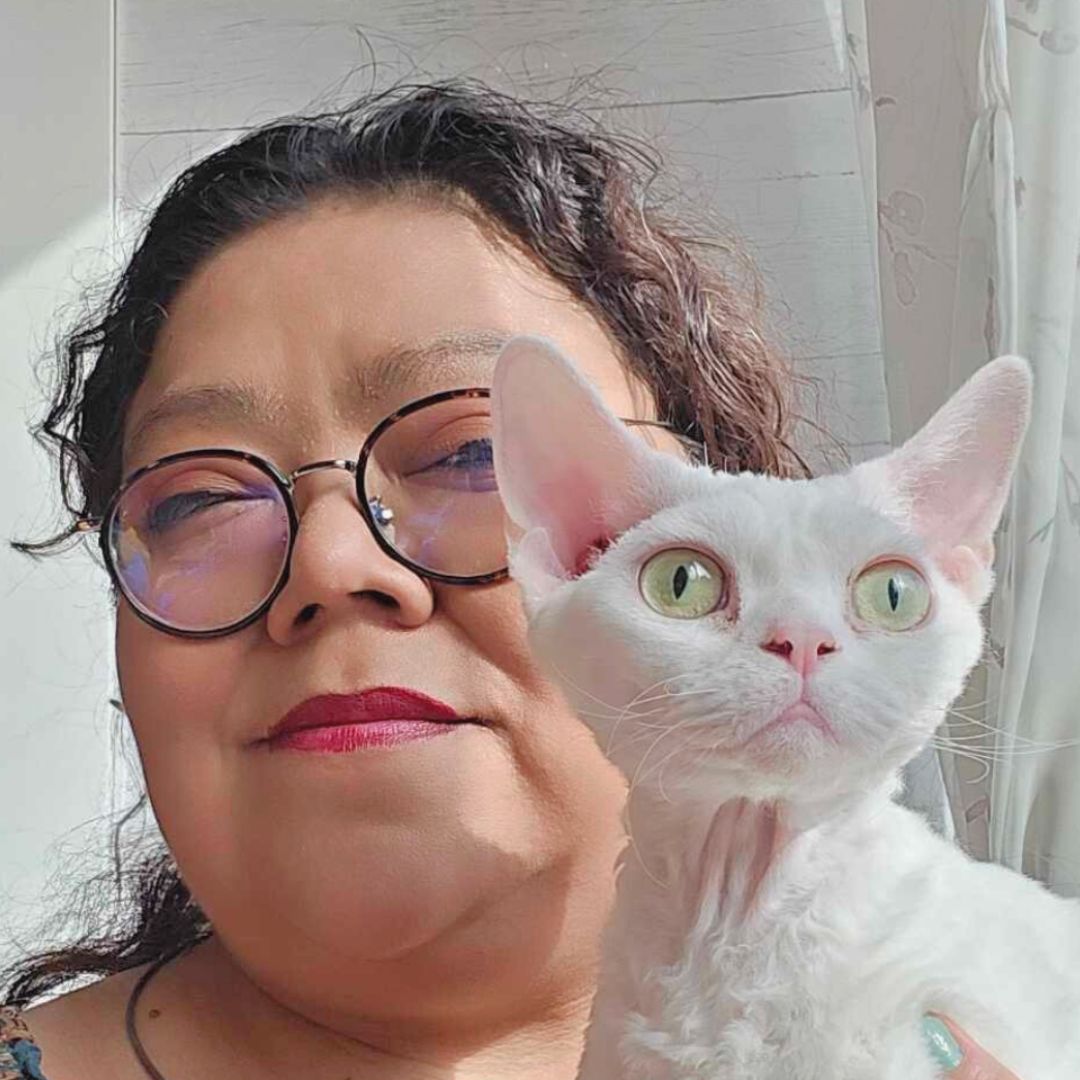
Dr. Yuvia Hernandez graduated from the Universidad Autonoma de Ciudad Juarez (Mexico) with a degree in Veterinary Medicine and Animal Husbandry, and later got her Master’s Degree in Educational Strategies from the Universidad Regional del Norte. She has taken several courses throughout her career to train in the veterinary field, such as emergency veterinary care, animal nutrition, and holistic veterinary care. Dr. Hernandez shares her home with two adorable cats as she continues to learn about animal welfare and care.
Published: July 22, 2026
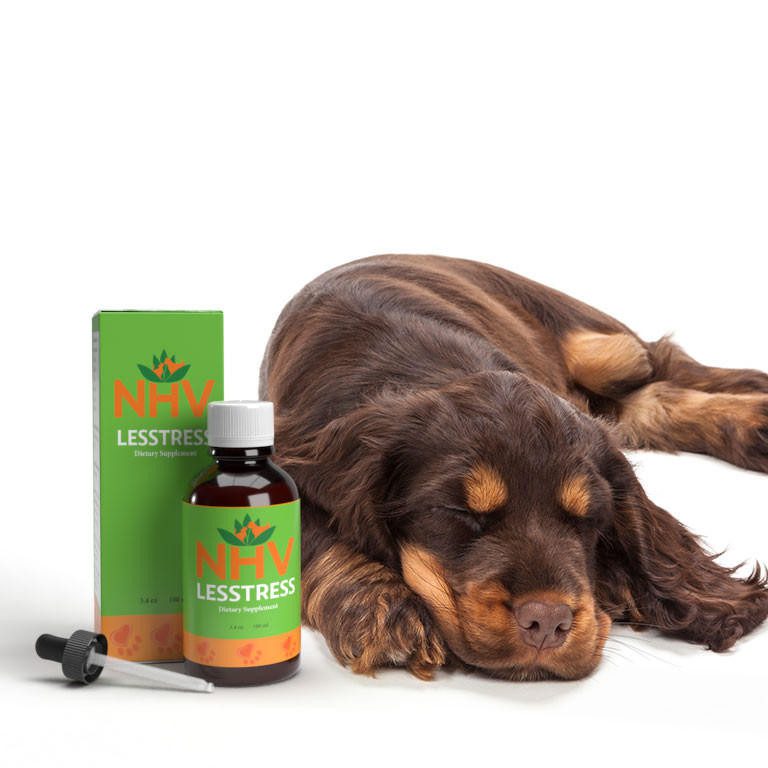
Lesstress - Helps support pets suffering from stress and anxiety.

Lesstress - Helps support pets suffering from stress and anxiety.