overall vitality
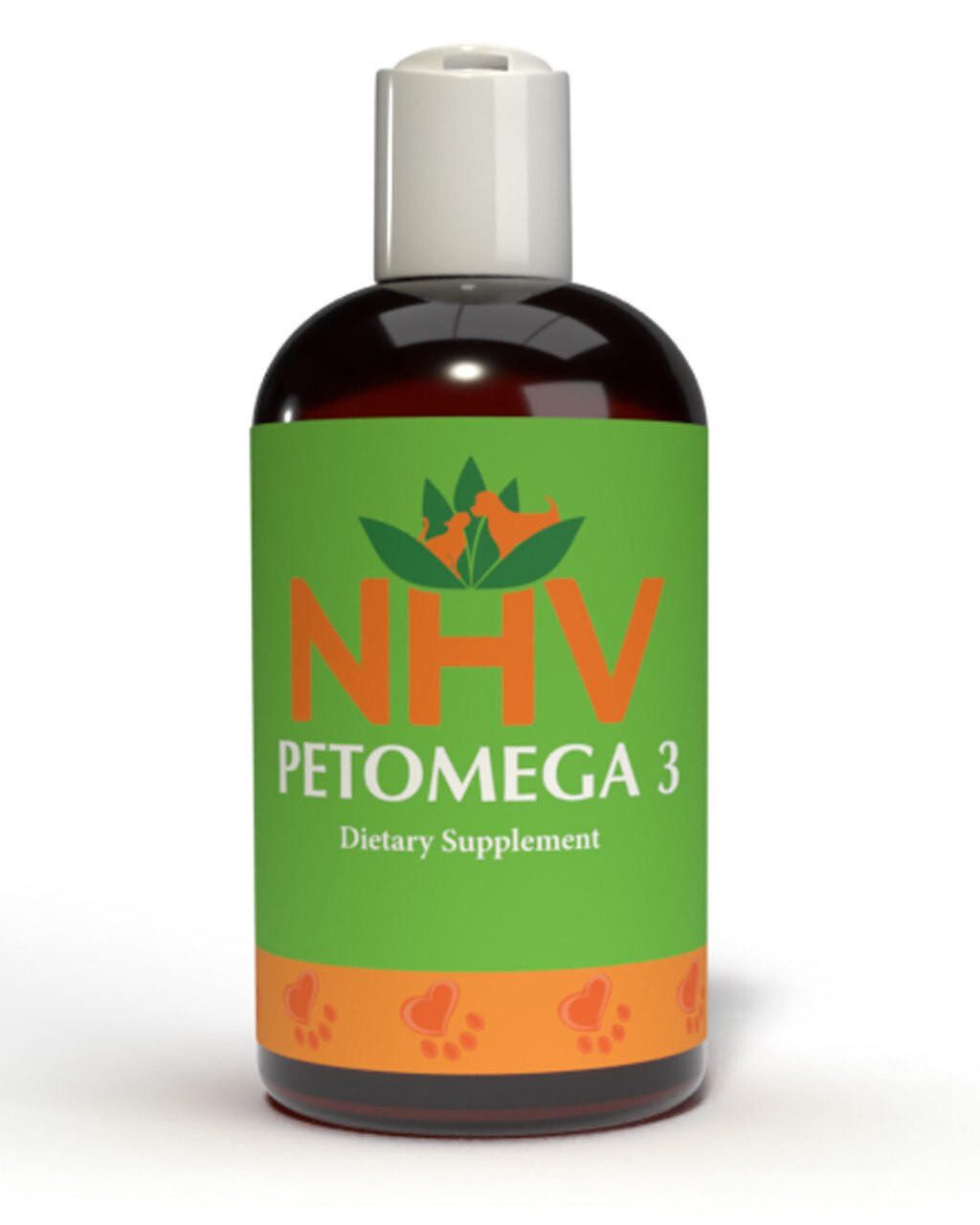
Petomega 3 for dogs
USD $45.95
free shipping over $100 (USA & Canada)
1-877-937-4372 the pet expert hotline

When Olivia was born, she started wobbling when she tried to walk and had more trouble getting around than her siblings did. She had a neurological condition called Wobbler Syndrome or Cerebellar Hyperplasia (CH). It causes loss of motor control, so CH kitties may find it difficult to stand, walk, and support themselves.
Olivia did not know she was different, but she really knew she was loved
Olivia did not know she was different, but she really knew she was loved. Olivia’s pet parents helped her by modifying the food bowl and taking extra care with the litterbox setup to make it easier for Olivia to navigate daily life. They built a ramp so she could get on the bed more easily and put soft foam steps near the couch where she liked to look out the window. They also enriched her life with frequent playtime, special treats and toys, and afternoon trips into the backyard, where Olivia could laze around on a blanket and enjoy the grass and birds and butterflies with her people nearby.
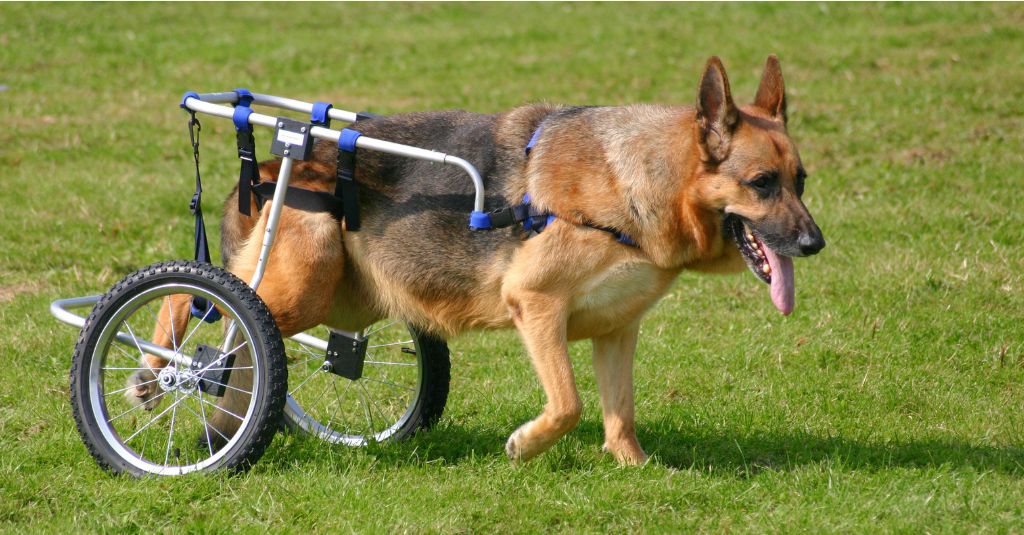
Pets with unique physical characteristics or special needs can help remind us that being different is a lesson in adaptability and resilience. Being “specially abled” offers a way of looking at our pets based on their capabilities, creativity, and determination rather than their limitations.
Specially abled pets may have mobility challenges or sensory differences that change how they navigate or experience their world. Chronic conditions like arthritis and different stages of recovery (such as after an amputation) may also require pets and their pawrents to adapt their daily routines or environments to accommodate special needs. With a little encouragement and creativity, specially abled pets can find a happy and healthy path to wellness and joy.
When a pet’s physical abilities change, adaptation is the key to overcoming many challenges. Older pets with less energy and mobility might enjoy shorter walks, but it’s easy to make an old routine fresh by taking a new route occasionally to stimulate their mind and engage other senses, like checking out new smells or different places. Toys are another great way to enjoy time with your pet and encourage activity.
All pets love treats
All pets love treats, and they are another great way to stimulate interest, encourage exercise, and enjoy a special moment together.
Supporting pets with cognitive dysfunction, anxiety disorders, or chronic conditions may require a different strategy compared to a pet with limb amputation. For example, diabetes requires lifelong dedicated care with attention to medication, testing, monitoring, and dietary adjustments. Administering insulin might require finding creative ways to get your cat to cooperate and allow handling. Distracting them with an approved treat or having a partner help might make the process easier.
In the case of diabetes management, as the disease progresses, there may be vision loss (cataracts), hind leg weakness (neuropathy), low energy, muscle wasting, poor coat condition, or chronic infections. Natural support such as NHV Mellit may help ease the symptoms of diabetes, while NHV Stimmune may help rebalance the immune system and soothe inflammation.
Read more about diabetes management here.
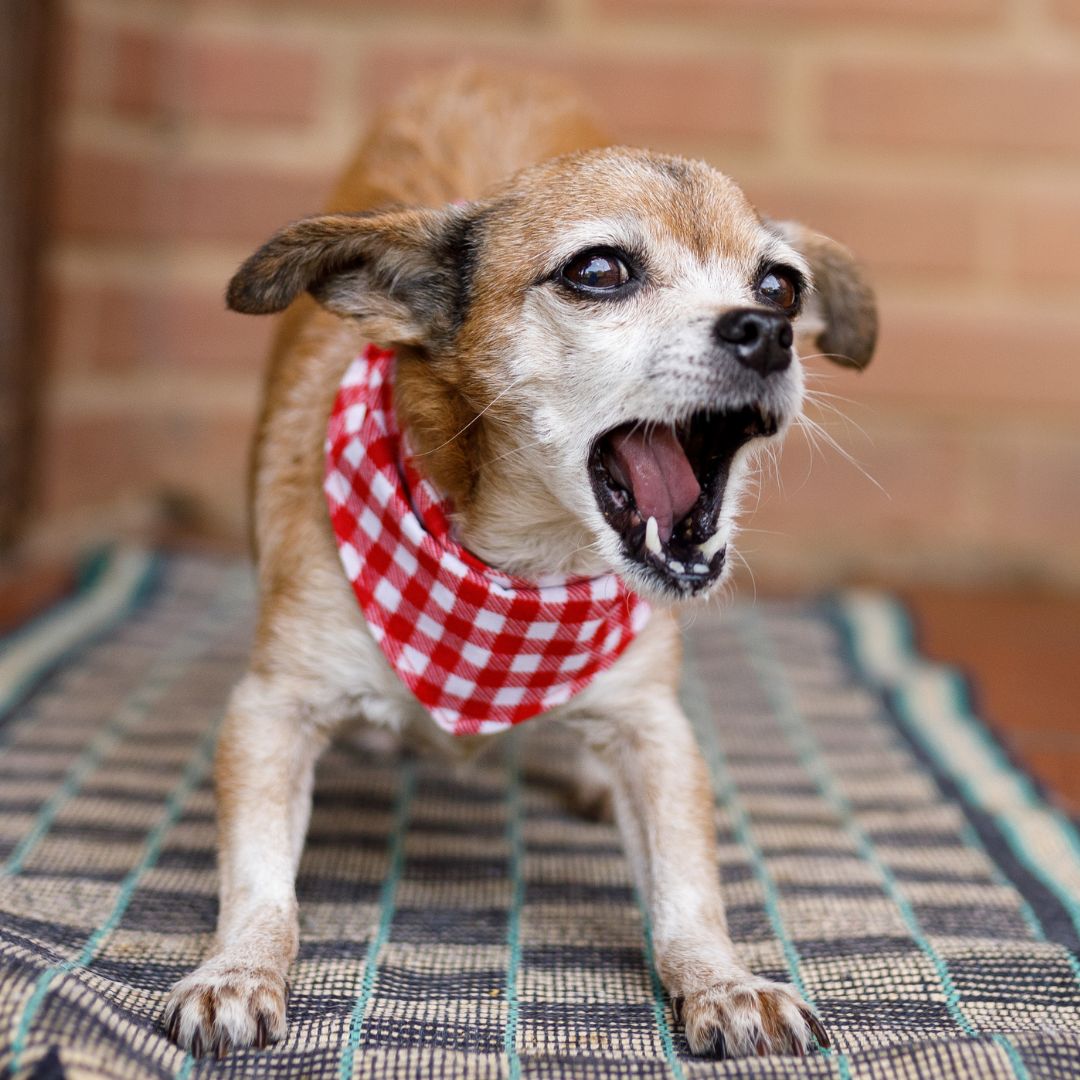
There are lots of practical adjustments to the environment or daily routines that can help reduce strain and improve comfort. This might include a combination of providing relief for discomfort, managing elimination issues, and assisting mobility.
Focusing on your pet’s abilities and preferences can help when choosing proactive ways to assist your pet with steps, ramps, slings, or handle halters. For older pets or furkiddos recovering from surgery or severe injury, you might offer special sleeping mats (hot, cold, extra cushion). Strong-smelling or extra-tasty treats can stimulate curiosity and appetite. Slow feeders, puzzle feeders, or snuffle mats for hiding treats can also help your pet have fun and stay engaged with food.
Encouraging gentle activity is a fantastic way to support good health, and natural supplements like NHV Old Timer can be used at any age to help maintain joint health and reduce discomfort for pets with limited mobility or conditions like arthritis. Massage and healing touches are more than just petting. It’s a comforting touch, slow and gentle, and it’s a great way to bond with your very special pet and help them stretch and relax.
Talk to your vet about physical therapy or massage
If your pet is recovering from surgery, injury, or has other mobility issues, talk to your vet about physical therapy or massage and how to help your pet maintain or improve strength and flexibility. Some furkiddos (especially dogs) enjoy and may also benefit from low-impact fun like swimming, so consider looking for pet hydrotherapy options in your area.
Be sure to provide clean, comfortable, and supportive bedding for less mobile pets, as well as calm places to rest. Pets with limited mobility sometimes develop dermatitis or hot spots. The NHV Allergy Kit with Histamine support may help support pets with hot spots or itchiness from the inside and out.
Here are some tips to provide more support and accessibility:
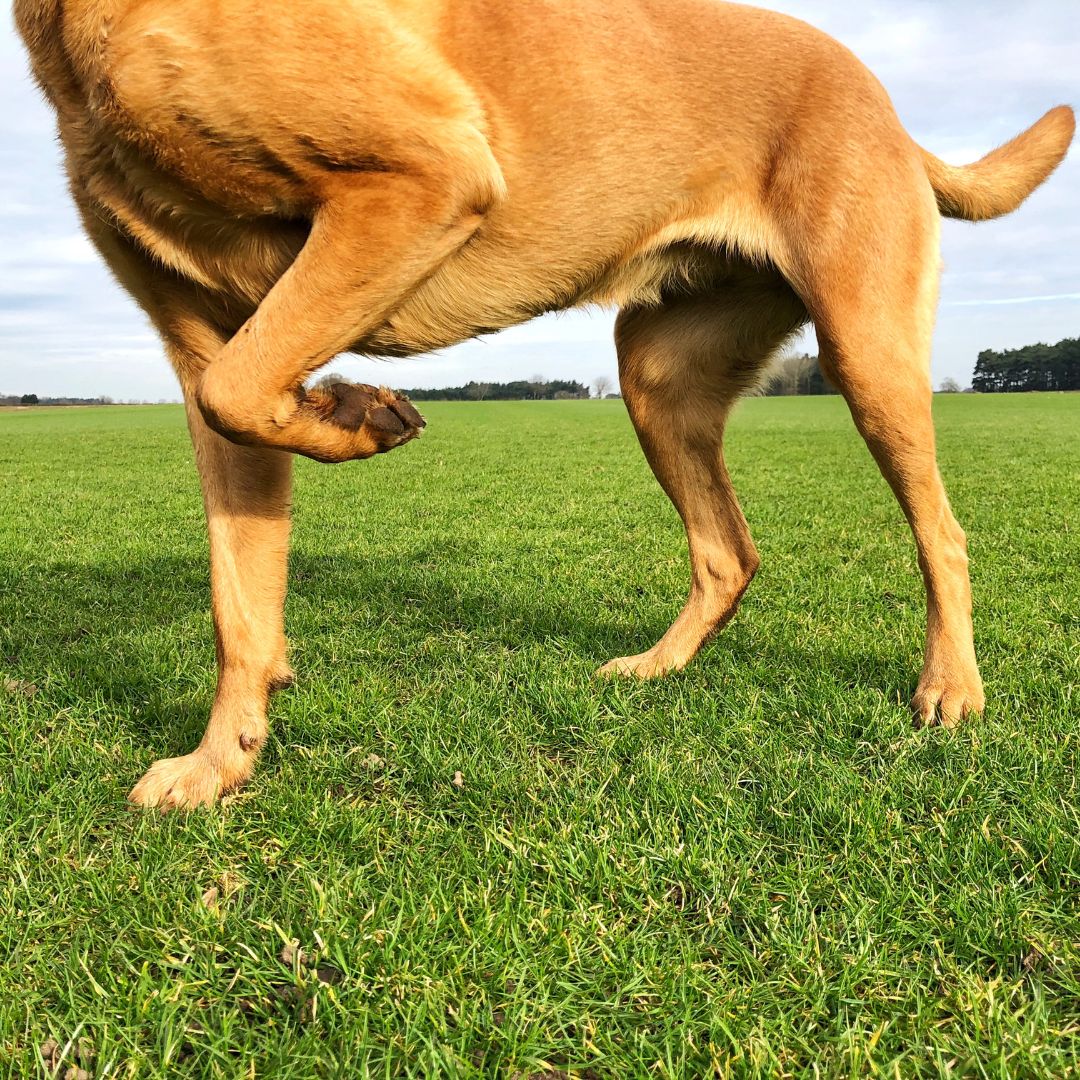
Cruciate ligament tears can result in reduced activity or playfulness, and some pets struggle to stand or jump, but there is hope with rehab and relief of discomfort. Supplements like NHV Stimmune, NHV Turmeric, and NHV Old Timer support immunity and healing, in addition to reducing inflammation.
Repairing a torn cruciate ligament is one of the most common orthopedic surgeries performed on dogs, and the recovery period is crucial. Vets often recommend dietary changes, physical therapy, or special directions for exercise. The American Journal of Veterinary Medicine has published studies on the benefits of omega-3 fatty acids (fish oils) for arthritis and degenerative joint disease in dogs. The studies showed that dogs given omega-3 fatty acids had a significantly improved ability to get up from a resting position and a marked improvement in walking ability.
There are many holistic ways to support your very special furkiddo’s good health and happiness. NHV supplements can support healing and quality of life by helping regulate inflammation response, easing discomfort, promoting healthy circulation, and maintaining overall balance in the body.
Turmeric for the circulatory system, and to support vital organs, including the liver, kidneys, heart, and lungs. Turmeric may also help with neurological damage. NHV Turmeric is paired with black pepper, which helps the absorption of curcumin, a powerful antioxidant that may provide discomfort relief.
NHV Petomega 3 – Sourced from Norway, our omega 3 fish oil is a great way to support joint health and comfort, reduce inflammation, and improve overall vitality. It also provides support for the eyes, skin and coat, and vital organs like kidneys and heart
This fish oil supplement for dogs is derived from sardines, anchovies, and North Atlantic cod liver oil. It is molecularly distilled and cold pressed to improve the bioavailability of the omega 3 fatty acids, and is medical and human grade quality. The American Journal of Veterinary Medicine has published studies on the benefits of omega-3 fatty acids (fish oils) for arthritis and degenerative joint disease in dogs. The studies showed that dogs who were given omega-3 fatty acids had a significantly improved ability to get up from a resting position and a marked improvement in walking ability.
NHV Stimmune – A natural formula for immune system balance and allergy support. It may help support the body’s natural detoxification processes and support the liver, stomach (absorption), and cardiovascular system. Nutritive herbs like astragalus and Asian ginseng may help balance energy, support chronic stress, recovery from injury, and nutrient absorption. Chronic conditions and dermatitis/hot spots, and skin infections sometimes appear in pets with limited mobility due to a compromised immune system.
Diet is especially critical for conditions like diabetes or for pets with mobility limitations. Excess weight can strain joints and exacerbate pain, while the right nutrients can aid healing and comfort. Food is also a source of pleasure and sensory stimulation, and it’s so much fun to provide a special treat or healthy meal for our furry friends. Feeding tasty food on a regular schedule is comforting, and it’s important to provide a consistent diet that is healthy, digestible, and supportive to healing and overall wellness.
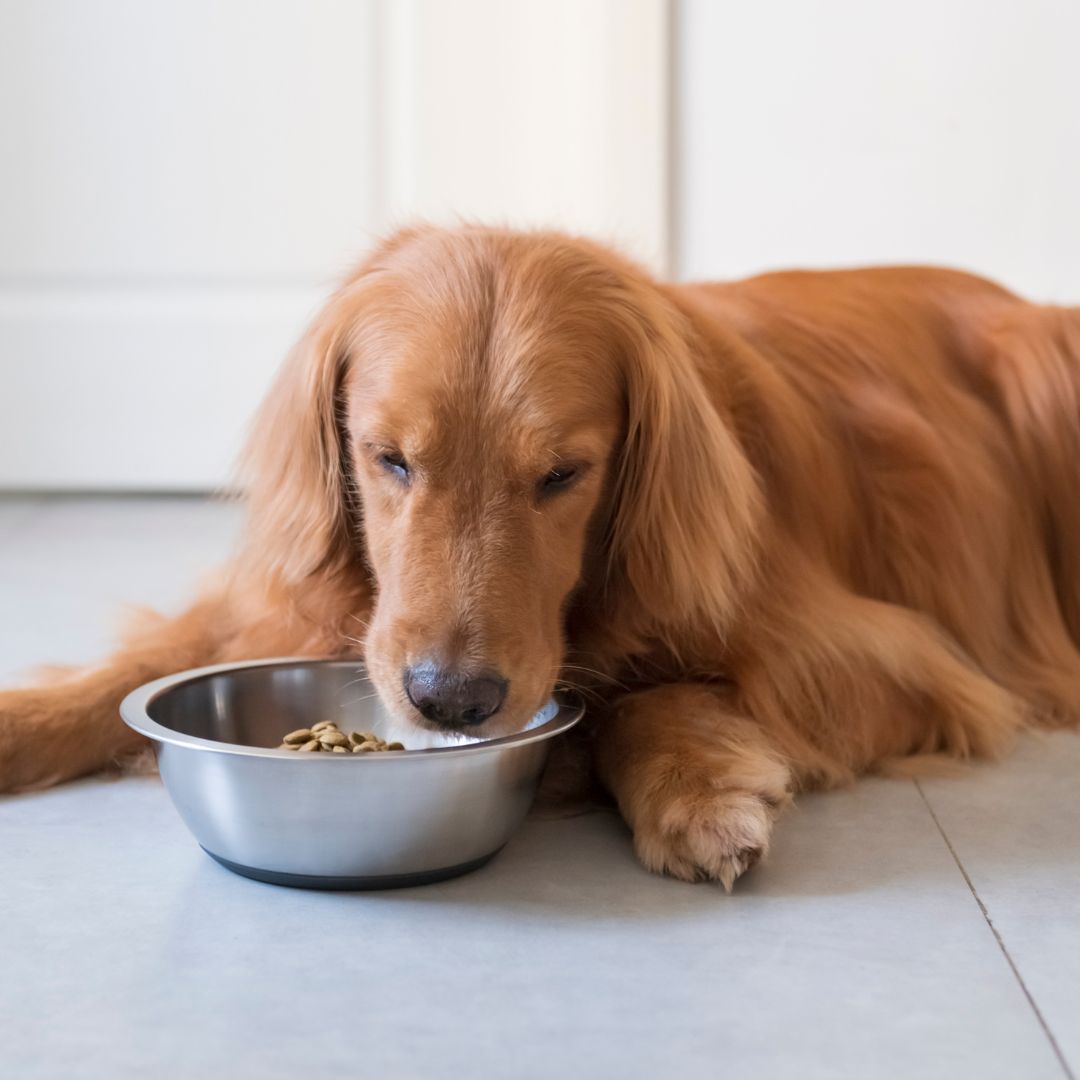
When pet parents need to change feeding times or the amount or type of food, this might cause pets some confusion, anxiety, or hesitation to eat at first, so try to make dietary changes gradually. This can help reduce or prevent tummy upset, and having a familiar taste or an enticing topper can help acceptance of something different.
Try a mix of about 75% of their previous food with about 25% of the new food for a few meals, then change to a 50-50 mixture for another day or two, and continue to increase the amount of the new food and use less of the previous food until their meals are 100% the new diet.
Your vet can help you determine the specific calorie and dietary needs for your furkiddo. Reducing excess weight, getting regular exercise, and maintaining a healthy weight are very good practices for a pet with special needs. If a pet is using medications like insulin (dosed according to weight), inform your vet of any significant changes in weight. They can help adjust medications as needed.
Customized Nutrition Plan: Dr. Amanda Nascimento brings her expertise to provide nutritious, customized home-cooked recipes for your pet.
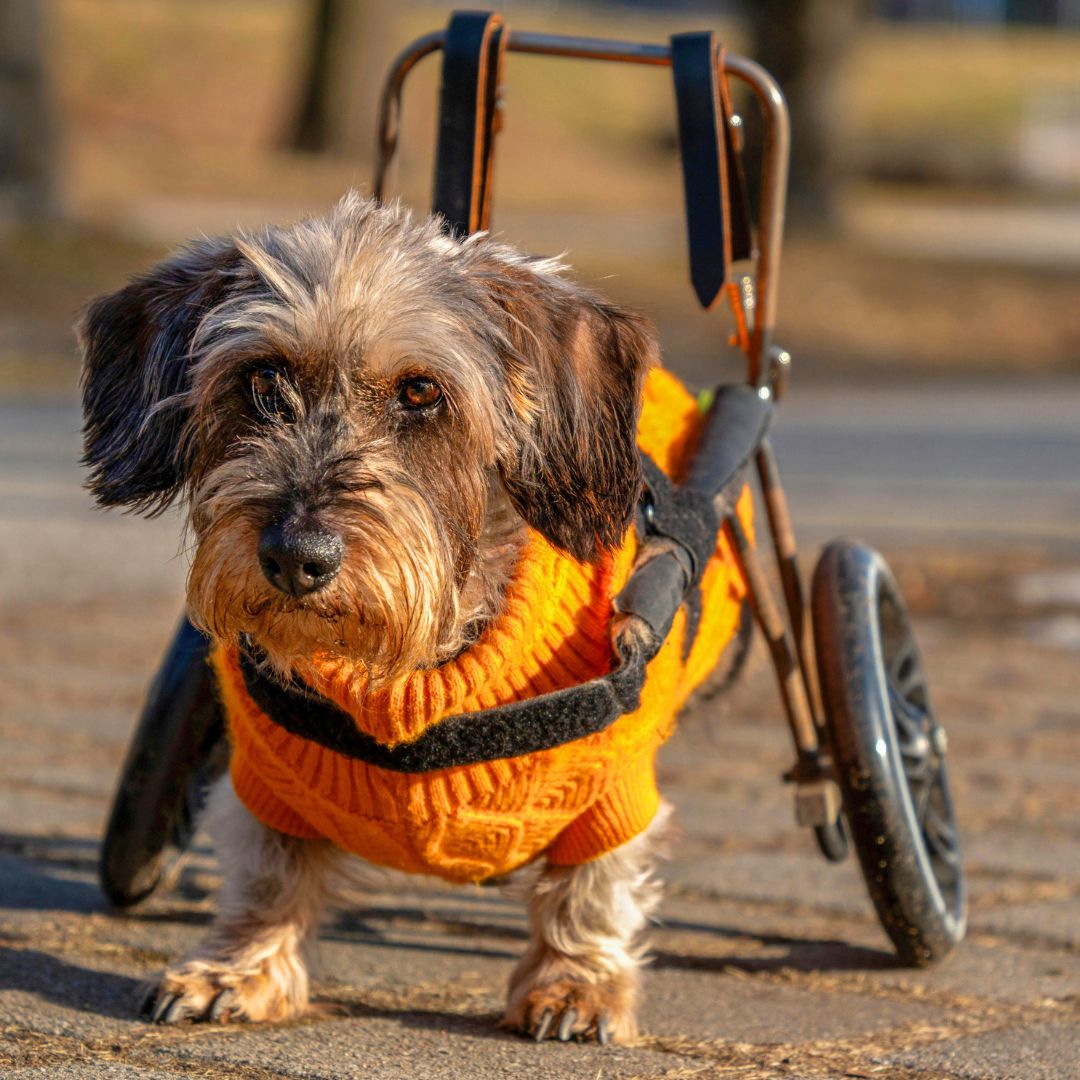
There are lots of ways to help improve your little one’s quality of life. Stress relief is especially important for our specially abled furkiddos. Frustration or anxiety from being immobile or losing senses (like sight or hearing) for example, might make life difficult for pets with special needs.
When day-to-day activities like running around the house or peeing and pooping become complicated, you can expect some stress to build up. Your love, support, and consistency in their daily care are a great source of comfort.
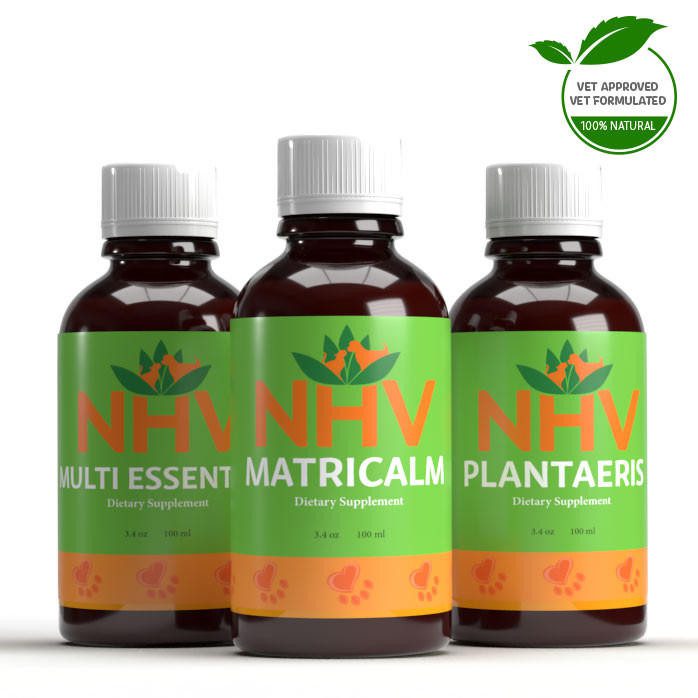
Spotlight: Meeyna, the Cavalier on Wheels Who Takes NHV Matricalm to Reduce Stress and Frustration
As the pet parent of a specially abled fur kiddo, patience and a stable routine go a long way in building trust and confidence. Gentle encouragement to move, play, and be curious helps you reinforce the loving bond with your pet and provides emotional and mental stimulation. Dogs and cats get depressed or discouraged, just as we do, and discomfort can get in the way of the joy of living. Shifting the focus to finding joy in everything a specially abled pet can do might open the mind to finding creative ways to remove obstacles and barriers, or change them so it’s easier for pets with special needs to adapt within their own abilities.
We’d love to hear how NHV supplements and lifestyle changes have made a difference for your specially abled little one. Read more Inspiring Pet Tails on our Pet Health Blog.
New to NHV? You can sign up for our newsletter to receive a 10% coupon code. It’s a great opportunity to be the first to know about our sales and get updates on the latest pet health studies, recovery stories, and tips for taking the best care of your pets.
overall vitality
For Overall Health and Well-Being
buy 2 and save $3
What is it?
Support your dog’s health with omega-3 fish oil for dogs, promoting a healthy coat, eyes, joints, immune system, and overall organ function.
How does it work?
Why trust it?
NHV Petomega 3 has earned 5-star ratings by pet parents from around the world.



What is it?
Support your dog’s health with omega-3 fish oil for dogs, promoting a healthy coat, eyes, joints, immune system, and overall organ function.
How does it work?
Why trust it?
NHV Petomega 3 has earned 5-star ratings by pet parents from around the world.
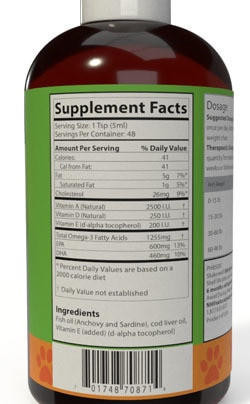
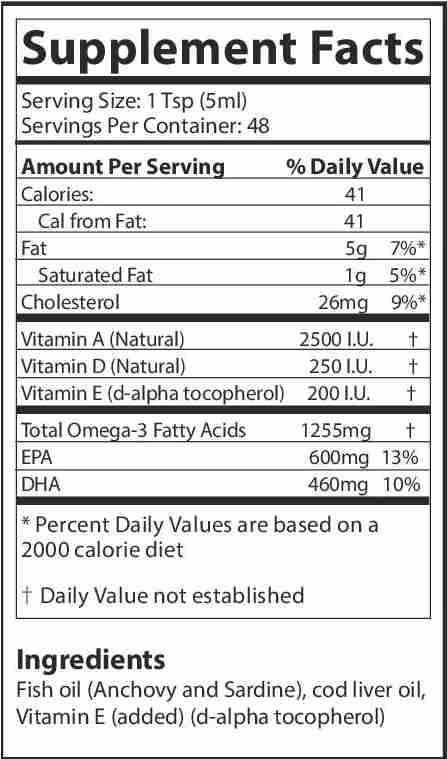
Our omega 3 fish oil for dogs is a great source of EPA (Eicosapentaenoic Acid 600mg) and DHA (Docosahexaenoic acid 460mg) essential fatty acids. This fish oil supplement for dogs is derived from sardines, anchovies and North Atlantic cod liver oil. It is molecularly distilled and cold pressed to improve the bioavailability of the omega 3 fatty acids, and is medical and human grade quality.
Omega 3 fish oil for dogs may be beneficial for the following:
Processed pet foods have increased omega-6 fatty acids, and decreased omega-3 fatty acids. The University of Maryland Medical Center states, "It is very important to maintain a balance between omega-3 and omega-6 fatty acids in the diet. A proper balance helps maintain and even improve health." Your dog’s body cannot easily make essential fatty acids. It is vital to provide omega 3 fish oil for dogs as an added supplement to your pet’s daily diet.
The American Journal of Veterinary Medicine has published studies on the benefits of omega 3 fatty acids (fish oils) for arthritis and degenerative joint disease in dogs. The studies showed that dogs who were given omega 3 fatty acids had a significantly improved ability to get up from a resting position and marked improvement in walking ability.
Suggested Dosage: To be taken once per day. Add to food based on weight chart.
Therapeutic Dosage: Double the quantity for maximum period of 4 weeks or follow veterinarian advise.
Pet’s Weight Dosage
0-15 lb = ¼ tsp
15-30 lb = ½ tsp
30-60 lb = 1 tsp
60-90 lb = 1 ½ tsp
How to Administer: Shake well before use. The easiest method is to add the dosage to your pets food. Some pets can be finicky, if this occurs consider hiding the appropriate amount in food most pet’s love such as fish, chicken, yogurt, or a favorite treat. If your pet only eats dry food then soak kibbles at feeding time.
For Best Results
Dietary supplements are beneficial to the health and well-being of your pet and are safe for long-term use. Every pet responds to natural supplements differently, therefore it is important to be consistent and administer the product daily. Supplements generally take two to four weeks to take effect, however this will vary from one animal to the next.
Product Storage
All NHV Natural Pet Products contain no artificial additives, preservatives or coloring. Shelf life after opening is 6 months and must be refrigerated after opening.
Cautions and Contraindications
Avoid During Pregnancy.
Our omega 3 fish oil for dogs is a great source of EPA (Eicosapentaenoic Acid 600mg) and DHA (Docosahexaenoic acid 460mg) essential fatty acids. This fish oil supplement for dogs is derived from sardines, anchovies and North Atlantic cod liver oil. It is molecularly distilled and cold pressed to improve the bioavailability of the omega 3 fatty acids, and is medical and human grade quality.
Omega 3 fish oil for dogs may be beneficial for the following:
Processed pet foods have increased omega-6 fatty acids, and decreased omega-3 fatty acids. The University of Maryland Medical Center states, "It is very important to maintain a balance between omega-3 and omega-6 fatty acids in the diet. A proper balance helps maintain and even improve health." Your dog’s body cannot easily make essential fatty acids. It is vital to provide omega 3 fish oil for dogs as an added supplement to your pet’s daily diet.
The American Journal of Veterinary Medicine has published studies on the benefits of omega 3 fatty acids (fish oils) for arthritis and degenerative joint disease in dogs. The studies showed that dogs who were given omega 3 fatty acids had a significantly improved ability to get up from a resting position and marked improvement in walking ability.
Suggested Dosage: To be taken once per day. Add to food based on weight chart.
Therapeutic Dosage: Double the quantity for maximum period of 4 weeks or follow veterinarian advise.
Pet’s Weight Dosage
0-15 lb = ¼ tsp
15-30 lb = ½ tsp
30-60 lb = 1 tsp
60-90 lb = 1 ½ tsp
How to Administer: Shake well before use. The easiest method is to add the dosage to your pets food. Some pets can be finicky, if this occurs consider hiding the appropriate amount in food most pet’s love such as fish, chicken, yogurt, or a favorite treat. If your pet only eats dry food then soak kibbles at feeding time.
For Best Results
Dietary supplements are beneficial to the health and well-being of your pet and are safe for long-term use. Every pet responds to natural supplements differently, therefore it is important to be consistent and administer the product daily. Supplements generally take two to four weeks to take effect, however this will vary from one animal to the next.
Product Storage
All NHV Natural Pet Products contain no artificial additives, preservatives or coloring. Shelf life after opening is 6 months and must be refrigerated after opening.
Cautions and Contraindications
Avoid During Pregnancy.
puppy & kitten support
Holistic Dog and Cat Health Supplements
bundle and save with pet expert kits
3 month supply for a small to medium size pet
What is it?
Give your new furbaby a great start with NHV’s Puppy and Kitten Health Starter Kit - a comprehensive supplement bundle that helps support overall wellness and vitality.
How does it work?
Why trust it?
NHV has been trusted by fur parents for decades, thanks to our human-quality herbal supplements for pets.


What is it?
Give your new furbaby a great start with NHV’s Puppy and Kitten Health Starter Kit - a comprehensive supplement bundle that helps support overall wellness and vitality.
How does it work?
Why trust it?
NHV has been trusted by fur parents for decades, thanks to our human-quality herbal supplements for pets.
Holistic Support for Growing Pets
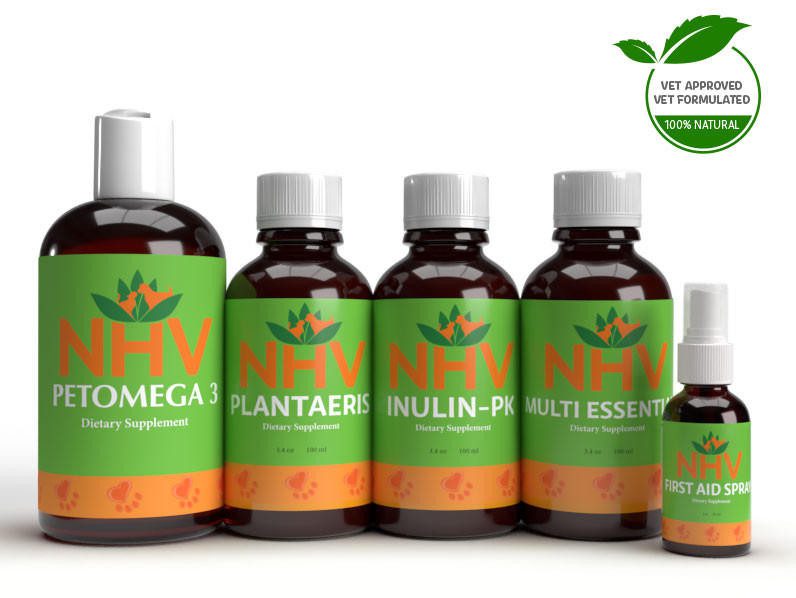
Bringing home a new furry friend is one of the most thrilling feelings in the world! It is essential that your home is appropriately pet-proofed and that you get everything you need for the smoothest start— including the right diet plan, and supplements. Of course, when a new puppy or kitten comes home, that's when reality sets in, and you realize just how much work it is to take care of this little bundle of joy! Puppies love to chew and eat everything in sight, and kittens will hide anywhere they will fit! For all of the shenanigans that your little furbaby is bound to get into, we recommend adding natural supplements to their daily meals as soon as they are vaccinated and weaned. This proactive care plan is beneficial for supporting their overall well-being and giving them a healthy start. It may even be beneficial in slowing down or preventing disease (which may develop due to age, genetics, environment, or poor nutrition). NHV Puppy and Kitten Starter Kit contains Inulin-PK (a deworming aid), Multi Essentials (natural plant-based vitamin and mineral support), Petomega 3 (omega-3 fish oils), Plantaeris (diarrhea support) and First Aid Spray (for minor cuts and wounds).
For pet parents bringing home a purebred pet, get to know your little one’s unique history and personality with our dog and cat breed pages.
How the NHV Puppy and Kitten Health Starter Kit Support Overall Health and Vitality
Puppies and kittens have very sensitive GI tracts, and they love to lick, gobble and chew on things that they aren’t supposed to (like poop), so they are prone to having worm or parasite infections, and upset tummies. Ingredients like elecampane, celandine, milk thistle, and wormwood in Inulin-PK are very gentle aids that encourage the healthy elimination of worms and parasites while helping to maintain a healthy gut. Multi Essentials helps your pet get extra vital nutrients and minerals, which may improve nutrient absorption and metabolism, leading to increases in energy levels and overall vitality. In Petomega 3, the EPA and DHA omega 3s provide critical building blocks for healthy skin development in the coat, eye, heart, and brain, as well as support healthy immune response. Plantaeris contains herbs like thyme which promotes digestion by relaxing muscle cramping and Mullein soothes and lubricates delicate intestinal mucosa while providing gentle support for diarrhea. Ingredients like neem, aloe vera, and tea tree oil in the First Aid Spray contain natural disinfectant properties for cleaning wounds and preventing infection, and the sedative properties of California poppy help reduce stress to encourage faster healing.
The most common health issues in puppies and kittens:
INULIN PK
MULTI ESSENTIALS
PETOMEGA 3
PLANTAERIS
FIRST AID SPRAY
Holistic Support for your Puppy or Kitten
Having a healthy pet means the world to us at NHV. Providing your new furbaby with natural support right out of the gate may prevent infections, chronic illnesses and more. Apart from adding supplements to their daily care plan, learn how a personalized diet can help your new puppy or kitten get the best start in life!
Made with the finest, organically grown, or ethically harvested herbs. Made specifically for pets, vet-formulated and vet approved.
Inulin-PK
Multi Essentials
PetOmega 3
Plantaeris
First Aid Spray
Select your pet's weight to determine the correct dose.
To be taken twice daily. Determine your pet’s weight and then use the easy chart below to determine the correct dose. This is the minimum dosage.
Pet's Weight Dosage
0 - 15 lb = 0.5 ml
16 - 30 lb = 1.0 ml
31 - 45 lb = 1.5 ml
46 - 60 lb = 2.0 ml
61 - 75 lb = 2.5 ml
Over 75 lb = 3.0 ml
How to Administer
Shake well before use. The easiest method is to use the dropper provide and places the drops into your pet’s food or favorite treat. You can also use the dropper and squirt directly into the pet’s mouth.
Some pets can be finicky, if this occurs consider hiding the drops in foods most pet’s love such as fish, chicken or yogurt or a favourite treat. If your pet only eats dry food then soak a few kibbles at feeding time.
For Best Results
Herbal dietary supplements are beneficial to the health and wellbeing of your pet and are safe for long-term use. Every pet responds to natural herbal supplements differently, therefore it is important to be consistent and administer the product daily. Supplements generally take two to four weeks to take effect, however this will vary from one animal to the next.
Product Storage
All NHV Natural Pet Products are pure herbal extracts and contain no artificial additives, preservatives or coloring. Shelf life after opening is 6 months and must be refrigerated after opening.
Cautions and Contraindications
Do not use in pregnant or nursing animals. Speak to your vet before using our products. A second visit is recommended if your pet’s condition does not improve, or deteriorates after continued use of the supplements.
DIRECTIONS AND DOSAGE FOR FIRST AID SPRAY
How to Administer
Topical Spray: Spray several times a day to affected area until healed.
It may some times be necessary to shave or trim your pet’s hair so that the First Aid spray reaches the affected area. If necessary, cover the affected area with gauze dressing.
Caution
Do not spray near or into eyes or nose. May initially sting on open cut
DIRECTIONS AND DOSAGE FOR PETOMEGA-3
Suggested Dosage: To be taken once per day. Add to food based on weight chart.
Therapeutic Dosage: Double the quantity for maximum period of 4 weeks or follow veterinarian advise.
Pet’s Weight Dosage
0-15 lb = ¼ tsp
15-30 lb = ½ tsp
30-60 lb = 1 tsp
60-90 lb = 1 ½ tsp
All information provided by NHV Natural Pet Products is for educational purposes only.
Holistic Support for Growing Pets
Bringing home a new furry friend is one of the most thrilling feelings in the world! It is essential that your home is appropriately pet-proofed and that you get everything you need for the smoothest start— including the right diet plan, and supplements. Of course, when a new puppy or kitten comes home, that's when reality sets in, and you realize just how much work it is to take care of this little bundle of joy! Puppies love to chew and eat everything in sight, and kittens will hide anywhere they will fit! For all of the shenanigans that your little furbaby is bound to get into, we recommend adding natural supplements to their daily meals as soon as they are vaccinated and weaned. This proactive care plan is beneficial for supporting their overall well-being and giving them a healthy start. It may even be beneficial in slowing down or preventing disease (which may develop due to age, genetics, environment, or poor nutrition). NHV Puppy and Kitten Starter Kit contains Inulin-PK (a deworming aid), Multi Essentials (natural plant-based vitamin and mineral support), Petomega 3 (omega-3 fish oils), Plantaeris (diarrhea support) and First Aid Spray (for minor cuts and wounds).
For pet parents bringing home a purebred pet, get to know your little one’s unique history and personality with our dog and cat breed pages.
How the NHV Puppy and Kitten Health Starter Kit Support Overall Health and Vitality
Puppies and kittens have very sensitive GI tracts, and they love to lick, gobble and chew on things that they aren’t supposed to (like poop), so they are prone to having worm or parasite infections, and upset tummies. Ingredients like elecampane, celandine, milk thistle, and wormwood in Inulin-PK are very gentle aids that encourage the healthy elimination of worms and parasites while helping to maintain a healthy gut. Multi Essentials helps your pet get extra vital nutrients and minerals, which may improve nutrient absorption and metabolism, leading to increases in energy levels and overall vitality. In Petomega 3, the EPA and DHA omega 3s provide critical building blocks for healthy skin development in the coat, eye, heart, and brain, as well as support healthy immune response. Plantaeris contains herbs like thyme which promotes digestion by relaxing muscle cramping and Mullein soothes and lubricates delicate intestinal mucosa while providing gentle support for diarrhea. Ingredients like neem, aloe vera, and tea tree oil in the First Aid Spray contain natural disinfectant properties for cleaning wounds and preventing infection, and the sedative properties of California poppy help reduce stress to encourage faster healing.
The most common health issues in puppies and kittens:
INULIN PK
MULTI ESSENTIALS
PETOMEGA 3
PLANTAERIS
FIRST AID SPRAY
Holistic Support for your Puppy or Kitten
Having a healthy pet means the world to us at NHV. Providing your new furbaby with natural support right out of the gate may prevent infections, chronic illnesses and more. Apart from adding supplements to their daily care plan, learn how a personalized diet can help your new puppy or kitten get the best start in life!
Made with the finest, organically grown, or ethically harvested herbs. Made specifically for pets, vet-formulated and vet approved.
Inulin-PK
Multi Essentials
PetOmega 3
Plantaeris
First Aid Spray
Select your pet's weight to determine the correct dose.
To be taken twice daily. Determine your pet’s weight and then use the easy chart below to determine the correct dose. This is the minimum dosage.
Pet's Weight Dosage
0 - 15 lb = 0.5 ml
16 - 30 lb = 1.0 ml
31 - 45 lb = 1.5 ml
46 - 60 lb = 2.0 ml
61 - 75 lb = 2.5 ml
Over 75 lb = 3.0 ml
How to Administer
Shake well before use. The easiest method is to use the dropper provide and places the drops into your pet’s food or favorite treat. You can also use the dropper and squirt directly into the pet’s mouth.
Some pets can be finicky, if this occurs consider hiding the drops in foods most pet’s love such as fish, chicken or yogurt or a favourite treat. If your pet only eats dry food then soak a few kibbles at feeding time.
For Best Results
Herbal dietary supplements are beneficial to the health and wellbeing of your pet and are safe for long-term use. Every pet responds to natural herbal supplements differently, therefore it is important to be consistent and administer the product daily. Supplements generally take two to four weeks to take effect, however this will vary from one animal to the next.
Product Storage
All NHV Natural Pet Products are pure herbal extracts and contain no artificial additives, preservatives or coloring. Shelf life after opening is 6 months and must be refrigerated after opening.
Cautions and Contraindications
Do not use in pregnant or nursing animals. Speak to your vet before using our products. A second visit is recommended if your pet’s condition does not improve, or deteriorates after continued use of the supplements.
DIRECTIONS AND DOSAGE FOR FIRST AID SPRAY
How to Administer
Topical Spray: Spray several times a day to affected area until healed.
It may some times be necessary to shave or trim your pet’s hair so that the First Aid spray reaches the affected area. If necessary, cover the affected area with gauze dressing.
Caution
Do not spray near or into eyes or nose. May initially sting on open cut
DIRECTIONS AND DOSAGE FOR PETOMEGA-3
Suggested Dosage: To be taken once per day. Add to food based on weight chart.
Therapeutic Dosage: Double the quantity for maximum period of 4 weeks or follow veterinarian advise.
Pet’s Weight Dosage
0-15 lb = ¼ tsp
15-30 lb = ½ tsp
30-60 lb = 1 tsp
60-90 lb = 1 ½ tsp
All information provided by NHV Natural Pet Products is for educational purposes only.
senior support
PetOmega 3, Multi Essentials, Yucca & Old Timer
bundle and save with pet expert kits
3 month supply for a small to medium size
What is it?
NHV’s Vitality Kit for Senior Pets is a comprehensive bundle that supports overall joint, skin, and coat health as well as helps slow down or prevent chronic illness.
How does it work?
Why trust it?
NHV is a proud member of the American Holistic Veterinary Medical Association (AHVMA).


What is it?
NHV’s Vitality Kit for Senior Pets is a comprehensive bundle that supports overall joint, skin, and coat health as well as helps slow down or prevent chronic illness.
How does it work?
Why trust it?
NHV is a proud member of the American Holistic Veterinary Medical Association (AHVMA).
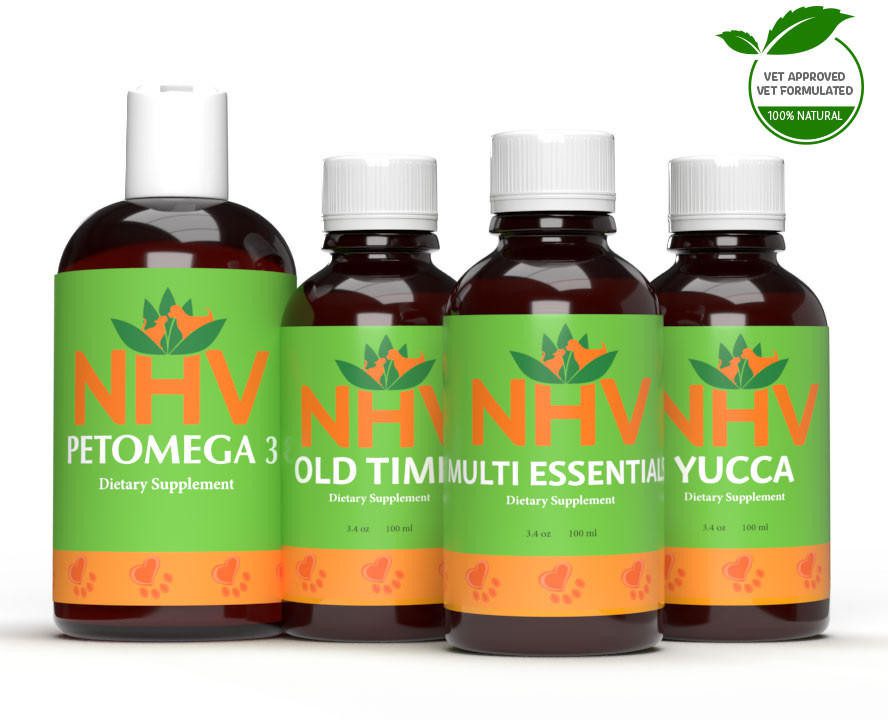
Regardless of what age your furry friend is when you take them home, it is always tough to see them get older or fall ill. As pet parents, we need to enjoy every moment together, have lots of patience, and lend a hand when they need it. NHV Vitality Kit for Senior Pets contains Petomega3, Old Timer, Multi Essentials, and Yucca to encourage healthy skin and coat, help relieve stiff joints, help fill nutritional voids, and promote overall vitality so your pets may keep their pep for years to come.
For pet parents with purebred furbabies, check out our dog breed and cat breed pages to become better acquainted with your pet’s unique history and personality.
Just like humans, our aging furry friends may have a few more bumps, bruises, and scrapes as the years go by. That's totally normal! We all require varying levels of support at different points in our lives.
Additional Info:
Common Issues in Senior Pets:
It’s great to know that there are ways to support your furkiddo’s health naturally! Apart from adding supplements to their daily care plan, if you’re wondering about senior dog food or senior cat food options, a personalized diet for your pet, created by Dr. Amanda, is a great way to support your furry friend’s aging body and unique health needs.
Made with the finest, organically grown, or ethically harvested herbs. Made specifically for pets, vet-formulated, and vet approved.
Petomega 3
Old Timer
Multi Essentials
Yucca
Select your pet's weight to determine the correct dose.
MULTI ESSENTIALS, YUCCA, OLD TIMER
To be taken twice daily. Determine your pet’s weight and then use the easy chart below to determine the correct dose. This is the minimum dosage.
Pet's Weight Dosage
0 - 15 lb = 0.5 ml
16 - 30 lb = 1.0 ml
31 - 45 lb = 1.5 ml
46 - 60 lb = 2.0 ml
61 - 75 lb = 2.5 ml
Over 75 lb = 3.0 ml
How to Administer
Shake well before use. The easiest method is to use the dropper provided and place the drops into your pet’s food or favorite treat. You can also use the dropper and squirt directly into the pet’s mouth. Some pets can be finicky, if this occurs consider hiding the drops in foods most pet’s love such as fish, chicken or yogurt or a favorite treat. If your pet only eats dry food then soak a few kibbles at feeding time.
PETOMEGA 3
Suggested Dosage: To be taken once per day. Add to food based on weight chart.
Therapeutic Dosage: Double the quantity for maximum period of 4 weeks or follow veterinarian advise.
0-15 lb = ¼ tsp
15-30 lb = ½ tsp
30-60 lb = 1 tsp
60-90 lb = 1 ½ tsp
For Best Results
Herbal dietary supplements are beneficial to the health and well-being of your pet and are safe for long-term use. Every pet responds to natural herbal supplements differently, therefore it is important to be consistent and administer the product daily. Supplements generally take two to four weeks to take effect, however this will vary from one animal to the next.
Product Storage
All NHV Natural Pet Products are pure herbal extracts and contain no artificial additives, preservatives or coloring. Shelf life after opening is 6 months and must be refrigerated after opening.
Cautions and Contraindications
Do not use in pregnant or nursing animals.
All information provided by NHV Natural Pet Products is for educational purposes only.
Regardless of what age your furry friend is when you take them home, it is always tough to see them get older or fall ill. As pet parents, we need to enjoy every moment together, have lots of patience, and lend a hand when they need it. NHV Vitality Kit for Senior Pets contains Petomega3, Old Timer, Multi Essentials, and Yucca to encourage healthy skin and coat, help relieve stiff joints, help fill nutritional voids, and promote overall vitality so your pets may keep their pep for years to come.
For pet parents with purebred furbabies, check out our dog breed and cat breed pages to become better acquainted with your pet’s unique history and personality.
Just like humans, our aging furry friends may have a few more bumps, bruises, and scrapes as the years go by. That's totally normal! We all require varying levels of support at different points in our lives.
Additional Info:
Common Issues in Senior Pets:
It’s great to know that there are ways to support your furkiddo’s health naturally! Apart from adding supplements to their daily care plan, if you’re wondering about senior dog food or senior cat food options, a personalized diet for your pet, created by Dr. Amanda, is a great way to support your furry friend’s aging body and unique health needs.
Made with the finest, organically grown, or ethically harvested herbs. Made specifically for pets, vet-formulated, and vet approved.
Petomega 3
Old Timer
Multi Essentials
Yucca
Select your pet's weight to determine the correct dose.
MULTI ESSENTIALS, YUCCA, OLD TIMER
To be taken twice daily. Determine your pet’s weight and then use the easy chart below to determine the correct dose. This is the minimum dosage.
Pet's Weight Dosage
0 - 15 lb = 0.5 ml
16 - 30 lb = 1.0 ml
31 - 45 lb = 1.5 ml
46 - 60 lb = 2.0 ml
61 - 75 lb = 2.5 ml
Over 75 lb = 3.0 ml
How to Administer
Shake well before use. The easiest method is to use the dropper provided and place the drops into your pet’s food or favorite treat. You can also use the dropper and squirt directly into the pet’s mouth. Some pets can be finicky, if this occurs consider hiding the drops in foods most pet’s love such as fish, chicken or yogurt or a favorite treat. If your pet only eats dry food then soak a few kibbles at feeding time.
PETOMEGA 3
Suggested Dosage: To be taken once per day. Add to food based on weight chart.
Therapeutic Dosage: Double the quantity for maximum period of 4 weeks or follow veterinarian advise.
0-15 lb = ¼ tsp
15-30 lb = ½ tsp
30-60 lb = 1 tsp
60-90 lb = 1 ½ tsp
For Best Results
Herbal dietary supplements are beneficial to the health and well-being of your pet and are safe for long-term use. Every pet responds to natural herbal supplements differently, therefore it is important to be consistent and administer the product daily. Supplements generally take two to four weeks to take effect, however this will vary from one animal to the next.
Product Storage
All NHV Natural Pet Products are pure herbal extracts and contain no artificial additives, preservatives or coloring. Shelf life after opening is 6 months and must be refrigerated after opening.
Cautions and Contraindications
Do not use in pregnant or nursing animals.
All information provided by NHV Natural Pet Products is for educational purposes only.
We have a dedicated group of pet expert professionals, including veterinarians, vet techs, and other pet professionals to guide you through any questions. We’re committed to your pet’s wellness and can offer additional tips, resources, nutritional advice, and more.
Published: May 14, 2026
general wellbeing
Matricalm, Multi Essentials & Plantaeris
bundle and save with pet expert kits
3 month supply for a small to medium size
What is it?
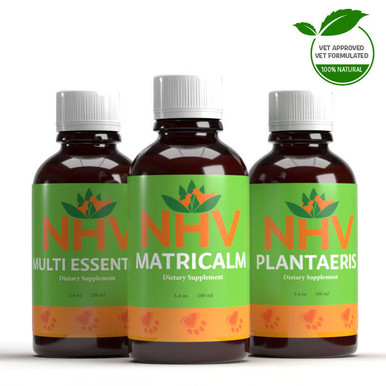
Our Shelter Pet Happy Starter Kit is formulated to help reduce stress and anxiety (e.g. destructive behavior), add nutritional supports and help improve their digestive health as they adjust to a new life.
How does it work?
Why trust it?
The NHV team is comprised of veterinarians, veterinary technicians, and holistic Pet Experts who use NHV formulas on their own fur babies.

What is it?
Our Shelter Pet Happy Starter Kit is formulated to help reduce stress and anxiety (e.g. destructive behavior), add nutritional supports and help improve their digestive health as they adjust to a new life.
How does it work?
Why trust it?
The NHV team is comprised of veterinarians, veterinary technicians, and holistic Pet Experts who use NHV formulas on their own fur babies.
A rescued puppy or kitten is a welcome addition to any home! But sometimes, your new furbaby has encountered trauma or a severe illness before coming home with you. If you’re a new pet pawrent asking yourself if there is an adopted puppy kit or kitten kit out there?
So many young pets are rescued from terrible situations or surrendered to shelters, so they may experience a lot of stress going from one place to another. Small changes can feel incredibly stressful for animals which can present as destructive or aggressive behavior. Unfortunately for rescued pets, it is hard to know what environment they were in or what they were eating before coming home with you. Foodwise, they may have been eating low-quality processed food that is missing essential nutrients or maybe they were malnourished (from living on the streets). To help ease your new furry friend into their forever home, we recommend adding natural supplements to their daily meals after they have been vaccinated and weaned. This preventative care plan is beneficial for supporting their overall health and to help slow down or prevent chronic illness (which may develop due to age, genetics, or environment). NHV Shelter Pet Happy Starter Hit contains Matricalm, Multi Essentials, and Plantaeris. This bundle of natural supplements has been formulated to calm stressed and anxious pets, help fill nutritional voids, and support quick recovery from diarrhea (which is prone to happen in young animals). To learn more about caring for your new furbaby, read our post on simple steps for a healthy puppy or kitten.
Changes in your new puppy or kitten’s environment can cause a lot of anxiety, especially if they are super sensitive (some breeds of dogs and cats are more prone to stress) or have experienced trauma. To express this nervous energy, they may exhibit destructive or aggressive behavior. To help ease your fluffy friend into their forever home, Matricalm’s blend of herbs like passion flower, chamomile and valerian contain soothing properties that may relax the body and improve the feeling of relaxation while the smell of lemon balm may instantly calm your pet’s nerves. Multi Essentials is like a multi-vitamin for pets. It helps to fill nutritional voids (especially for malnourished pets) and supports essential processes like blood pressure and metabolism. Puppies and kittens have very sensitive tummies so if you’re trying out different foods for them, or they mischievously snack on things they aren’t supposed to, Plantaeris’ blend of ingredients help to relax muscle cramping and helps lubricate delicate intestinal mucosa to aid proper digestion and help restore healthy bowel movements.
Your furry friend’s health means the world to us! Providing your new furkiddo with natural support from the get-go may help prevent chronic illnesses and other health issues down the road. If your new pet needs a little extra support, learn how a personalized pet diet can help your new puppy or kitten live their best life!
Made with the finest, organically grown, or ethically harvested herbs. Made specifically for pets, vet-formulated and vet approved.
Matricalm
Multi Essentials
Plantaeris
Select your pet's weight to determine the correct dose.
To be taken twice daily. (Each supplement) Determine your pet’s weight and then use the easy chart below to determine the correct dose. This is the minimum dosage.
Pet's Weight Dosage
0 - 15 lb = 0.5 ml
16 - 30 lb = 1.0 ml
31 - 45 lb = 1.5 ml
46 - 60 lb = 2.0 ml
61 - 75 lb = 2.5 ml
Over 75 lb = 3.0 ml
For small animals (rabbits, ferrets), avians and reptiles use 1 drop for every 2 lb of body weight.
Long term use: Feed recommended dosage every other day (1 day on 1 day off). If used in large dosages or over a long period of time it may become irritating to the stomach lining. Some pets may require a larger dosage due to their metabolism. You can safely double the recommended dosage.
How to Administer: Shake well before use. The easiest method is to use the dropper provided and place the drops into your pet’s food or favorite treat. You can also use the dropper and squirt directly into the pet’s mouth. Some pets can be finicky, if this occurs consider hiding the drops in foods most pet’s love such as fish, chicken or yogurt or a favourite treat. If your pet only eats dry food then soak a few kibbles at feeding time.
For Best Results: Herbal dietary supplements are beneficial to the health and well-being of your pet and are safe for long-term use. Every pet responds to natural herbal supplements differently, therefore it is important to be consistent and administer the product daily. Supplements generally take two to four weeks to take effect, however this will vary from one animal to the next.
Product Storage: All NHV Natural Pet Products are pure herbal extracts and contain no artificial additives, preservatives or coloring. Shelf life after opening is 6 months and must be refrigerated after opening.
Cautions and Contraindications: Do not use Yucca in pregnant or nursing animals. Allowing breaks in feeding helps alleviate the possibility of a irritating effect on the digestive tract. Speak to your vet before using our products. A second visit is recommended if your pet’s condition does not improve, or deteriorates after continued use of the supplements. All information provided by NHV Natural Pet Products is for educational purposes only.
A rescued puppy or kitten is a welcome addition to any home! But sometimes, your new furbaby has encountered trauma or a severe illness before coming home with you. If you’re a new pet pawrent asking yourself if there is an adopted puppy kit or kitten kit out there?
So many young pets are rescued from terrible situations or surrendered to shelters, so they may experience a lot of stress going from one place to another. Small changes can feel incredibly stressful for animals which can present as destructive or aggressive behavior. Unfortunately for rescued pets, it is hard to know what environment they were in or what they were eating before coming home with you. Foodwise, they may have been eating low-quality processed food that is missing essential nutrients or maybe they were malnourished (from living on the streets). To help ease your new furry friend into their forever home, we recommend adding natural supplements to their daily meals after they have been vaccinated and weaned. This preventative care plan is beneficial for supporting their overall health and to help slow down or prevent chronic illness (which may develop due to age, genetics, or environment). NHV Shelter Pet Happy Starter Hit contains Matricalm, Multi Essentials, and Plantaeris. This bundle of natural supplements has been formulated to calm stressed and anxious pets, help fill nutritional voids, and support quick recovery from diarrhea (which is prone to happen in young animals). To learn more about caring for your new furbaby, read our post on simple steps for a healthy puppy or kitten.
Changes in your new puppy or kitten’s environment can cause a lot of anxiety, especially if they are super sensitive (some breeds of dogs and cats are more prone to stress) or have experienced trauma. To express this nervous energy, they may exhibit destructive or aggressive behavior. To help ease your fluffy friend into their forever home, Matricalm’s blend of herbs like passion flower, chamomile and valerian contain soothing properties that may relax the body and improve the feeling of relaxation while the smell of lemon balm may instantly calm your pet’s nerves. Multi Essentials is like a multi-vitamin for pets. It helps to fill nutritional voids (especially for malnourished pets) and supports essential processes like blood pressure and metabolism. Puppies and kittens have very sensitive tummies so if you’re trying out different foods for them, or they mischievously snack on things they aren’t supposed to, Plantaeris’ blend of ingredients help to relax muscle cramping and helps lubricate delicate intestinal mucosa to aid proper digestion and help restore healthy bowel movements.
Your furry friend’s health means the world to us! Providing your new furkiddo with natural support from the get-go may help prevent chronic illnesses and other health issues down the road. If your new pet needs a little extra support, learn how a personalized pet diet can help your new puppy or kitten live their best life!
Made with the finest, organically grown, or ethically harvested herbs. Made specifically for pets, vet-formulated and vet approved.
Matricalm
Multi Essentials
Plantaeris
Select your pet's weight to determine the correct dose.
To be taken twice daily. (Each supplement) Determine your pet’s weight and then use the easy chart below to determine the correct dose. This is the minimum dosage.
Pet's Weight Dosage
0 - 15 lb = 0.5 ml
16 - 30 lb = 1.0 ml
31 - 45 lb = 1.5 ml
46 - 60 lb = 2.0 ml
61 - 75 lb = 2.5 ml
Over 75 lb = 3.0 ml
For small animals (rabbits, ferrets), avians and reptiles use 1 drop for every 2 lb of body weight.
Long term use: Feed recommended dosage every other day (1 day on 1 day off). If used in large dosages or over a long period of time it may become irritating to the stomach lining. Some pets may require a larger dosage due to their metabolism. You can safely double the recommended dosage.
How to Administer: Shake well before use. The easiest method is to use the dropper provided and place the drops into your pet’s food or favorite treat. You can also use the dropper and squirt directly into the pet’s mouth. Some pets can be finicky, if this occurs consider hiding the drops in foods most pet’s love such as fish, chicken or yogurt or a favourite treat. If your pet only eats dry food then soak a few kibbles at feeding time.
For Best Results: Herbal dietary supplements are beneficial to the health and well-being of your pet and are safe for long-term use. Every pet responds to natural herbal supplements differently, therefore it is important to be consistent and administer the product daily. Supplements generally take two to four weeks to take effect, however this will vary from one animal to the next.
Product Storage: All NHV Natural Pet Products are pure herbal extracts and contain no artificial additives, preservatives or coloring. Shelf life after opening is 6 months and must be refrigerated after opening.
Cautions and Contraindications: Do not use Yucca in pregnant or nursing animals. Allowing breaks in feeding helps alleviate the possibility of a irritating effect on the digestive tract. Speak to your vet before using our products. A second visit is recommended if your pet’s condition does not improve, or deteriorates after continued use of the supplements. All information provided by NHV Natural Pet Products is for educational purposes only.