anxiety & aggression support
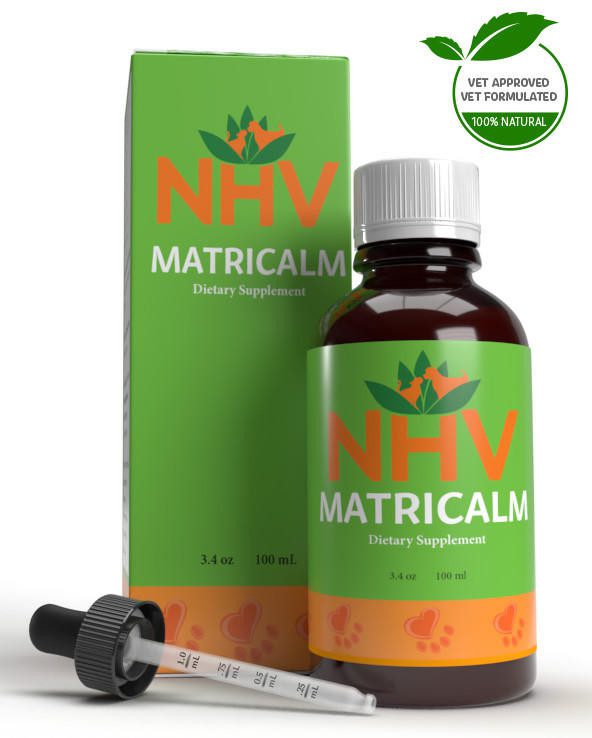
Matricalm for Cats
USD $47.95
free shipping over $100 (USA & Canada)
1-877-937-4372 the pet expert hotline

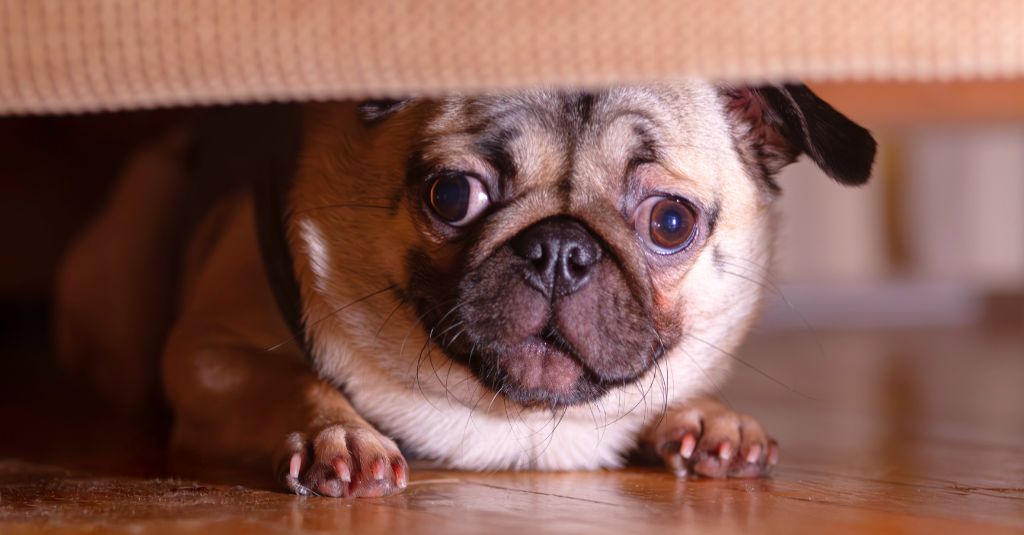
To us, fireworks mean celebration. To a pet, the sky may suddenly start making loud, unpredictable noises they do not understand.
Labor Day weekend can be full of family gatherings, outdoor fun, and fireworks. But for many dogs and cats, the booms, flashes, and vibrations can turn an exciting evening into a stressful one. The good news is that a little preparation before the first firework goes off can make the evening feel much safer for your four-legged family member.
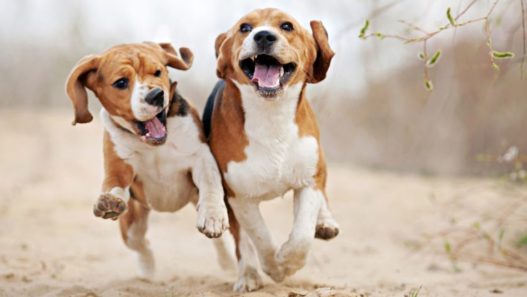
Dogs and fireworks are not always a happy combination. Fireworks are sudden, loud, and unpredictable. A dog cannot understand that the sound is part of a celebration, or tell where it is coming from.
Fireworks can be frightening because of:
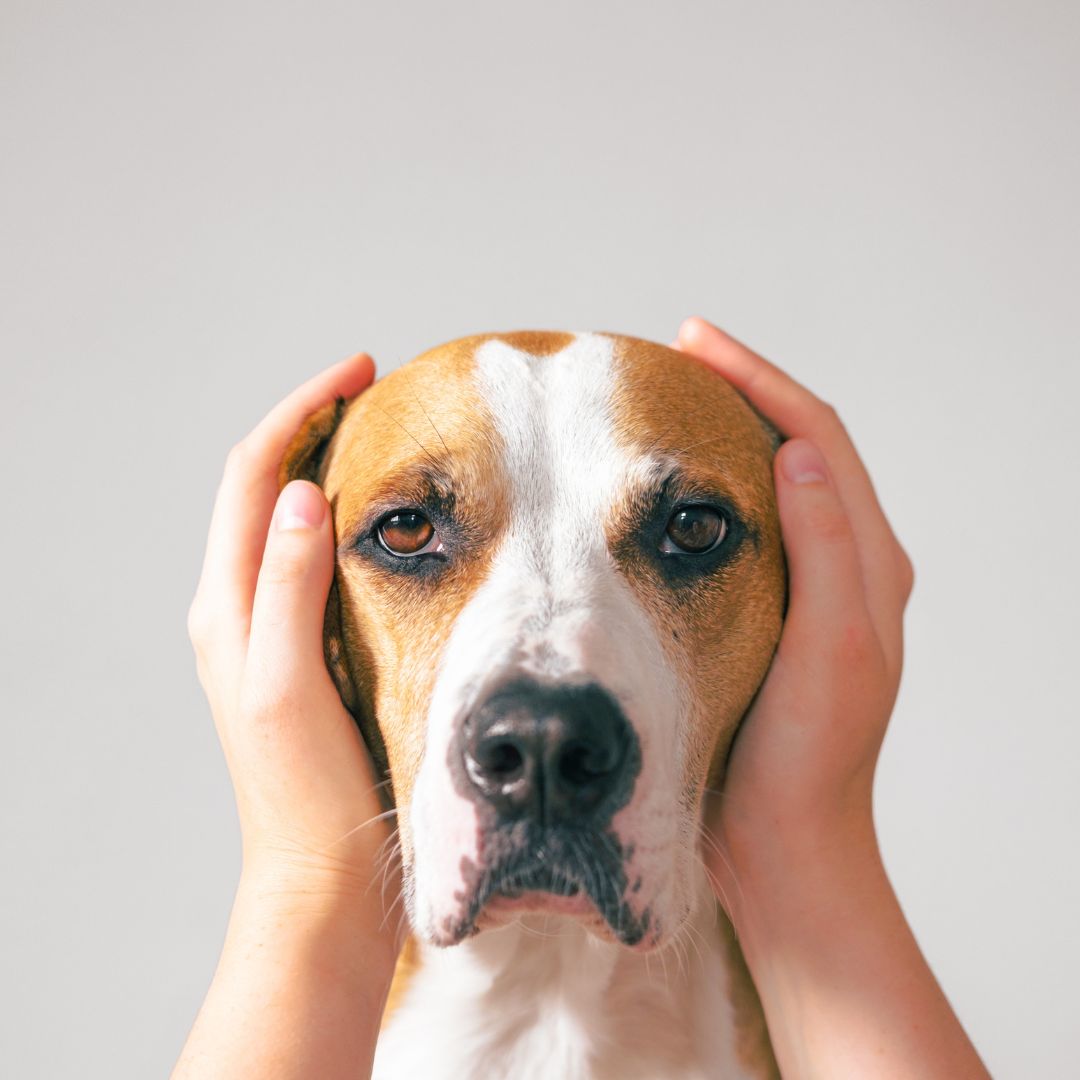
Every dog responds differently. One dog may barely notice the noise, while another may hide under a bed, pace around the house, bark, cling to their person, or try to escape.
Research shows that fear of fireworks is common in dogs and can begin early in life. A large owner survey found that many dogs showed some degree of fear around fireworks, while a study of dogs during New Year fireworks identified changes such as ears held back as a useful sign of fear.
A dog shaking from fireworks is often showing fear or anxiety. However, trembling is only one possible sign. Some dogs show their stress loudly, while others become very quiet.
Watch for:
This Labour Day, remember: Know Their Normal. When you know how your furkid normally eats, rests, plays, and reacts to everyday sounds, you are more likely to notice when something has changed.
If your pet is trying to escape, injures themselves, has trouble breathing, or remains extremely distressed after the fireworks end, contact your veterinarian.
The best time to prepare is before you hear the first boom. Here are practical ways to help your dog feel safer during Labor Day fireworks.
Take your dog for their walk, playtime, or backyard break before dusk, when fireworks are more likely to begin. Keep the walk relaxed and avoid taking them near busy celebrations.
Do not wait until fireworks have started. Bring your dog indoors before dark, even if they normally enjoy spending time outside. A frightened dog may panic and run, dig under a fence, or try to escape through an open door.
Make sure your dog’s collar tag has your current phone number and that their microchip information is up to date. Close doors, windows, curtains, and blinds. This can reduce both sound and flashing lights while helping prevent an escape.
Choose a quiet room or corner where your dog already likes to rest. Add their bed, favourite blanket, water bowl, and a familiar toy. Some dogs prefer a covered crate; others may choose a closet, bathroom, or space under furniture.
Let your dog decide where they feel safe. Never force a frightened dog out of their hiding place.
Turn on calm music, a fan, TV, or white noise to soften the sound of fireworks. Keep the volume comfortable rather than trying to completely drown out the noise.
Your dog looks to you for information. Speak softly, move normally, and offer comfort if they come to you. You do not need to ignore them, but avoid making a big fuss each time a firework goes off.
Do not punish barking, hiding, accidents, or trembling. Fear is not bad behaviour. The RSPCA also advises creating a safe space, closing curtains and windows, walking dogs during daylight, and never punishing a frightened pet.
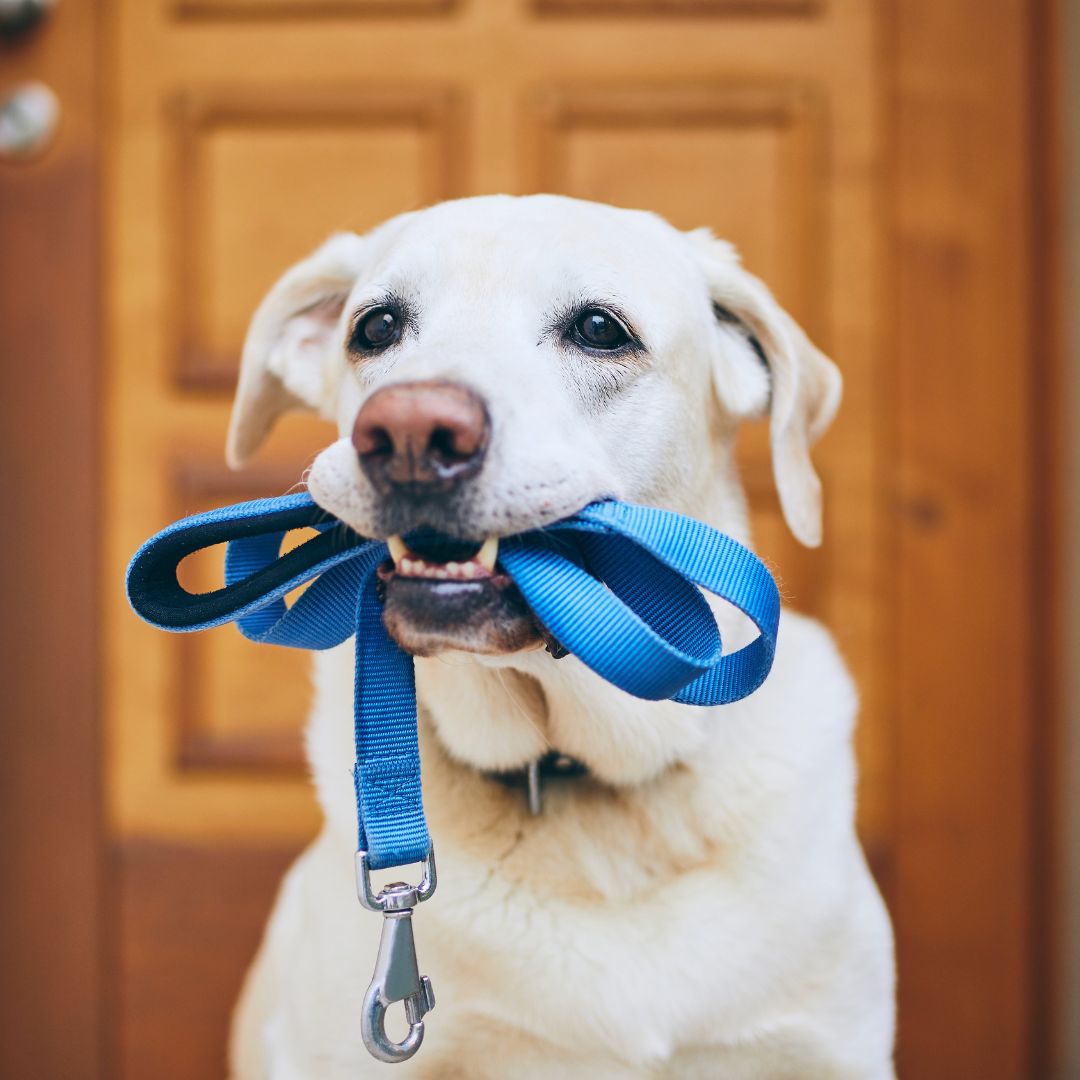
If your dog needs to go outside, use a leash even in a fenced yard. A sudden boom can make even a well-trained dog run. Keep the trip short, stay nearby, and return indoors when they are finished.
For dogs with a history of panic during fireworks, speak with your veterinarian before the holiday. They can help you decide whether behaviour training, a pheromone product, prescription medication, or another plan is appropriate.
For future fireworks seasons, gradual training with low-volume sound recordings and positive experiences may help some dogs. Research suggests that counterconditioning and relaxation training can be useful parts of a treatment plan for firework fear.
Yes, cats can be very sensitive to loud noise, although they may show stress differently from dogs.
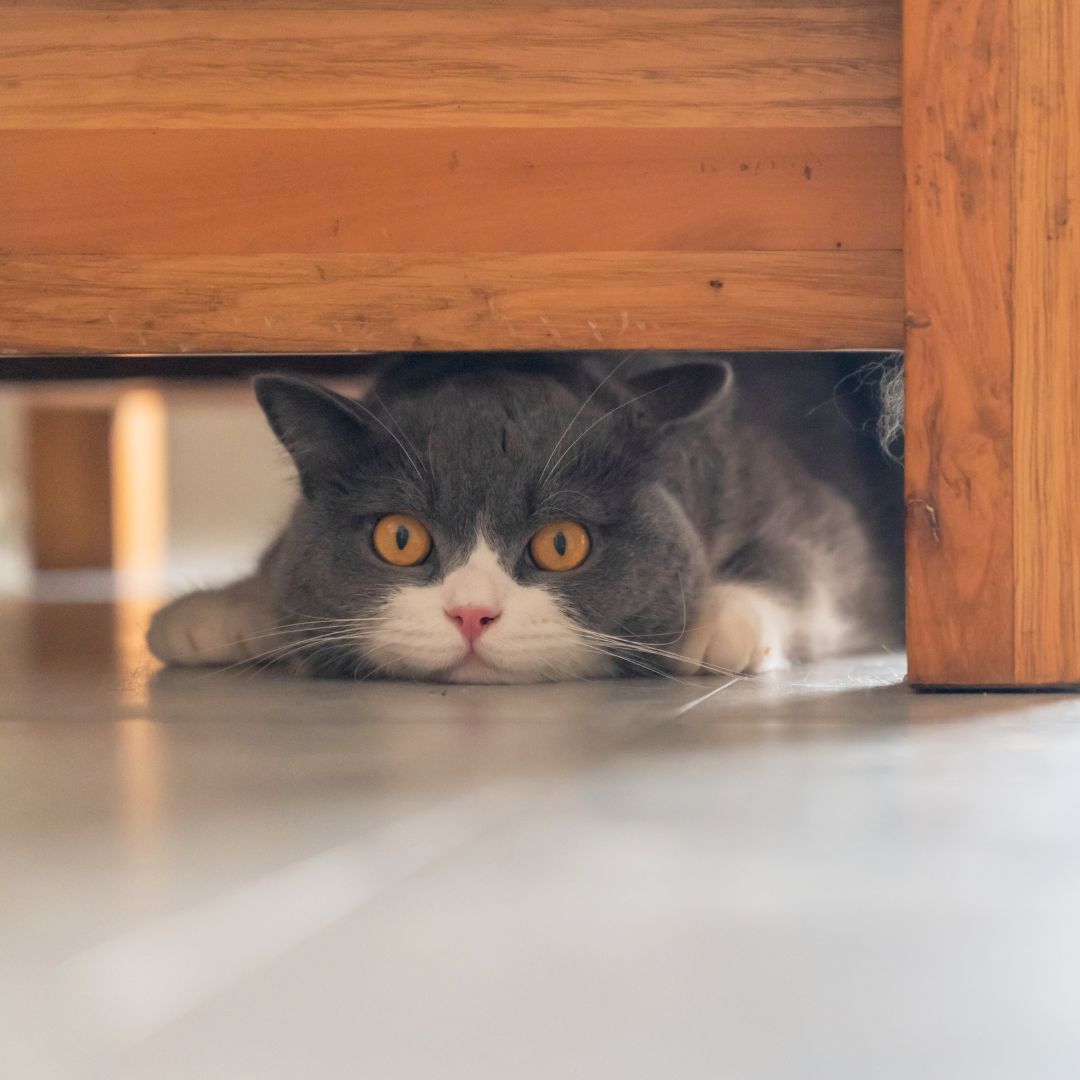
A fearful cat may not bark or run around the room. Instead, they may hide under a bed, become unusually quiet, move to a different hiding spot, avoid interaction, pace, eat less, or seem more watchful than usual. Some cats may also become more restless or vocal.
Cat stress and anxiety can be easy to miss because cats are often good at hiding when they do not feel well. Keep cats safely indoors before fireworks begin, close windows and curtains, and make sure they have access to familiar hiding places. A box, covered bed, quiet closet, or space under furniture may feel safest to them.
Do not pull your cat out of hiding or force interaction. Let them come to you when they are ready. Keep food, water, and the litter box accessible, especially if they choose a quiet room for the evening.
Many pet parents look for home remedies for dogs scared of fireworks, especially when they want to support a calmer routine at home. A cozy safe space, familiar background noise, gentle company, and preparation are often the most important first steps.
A calming supplement may also be something to consider
A calming supplement may also be something to consider for pets who become mildly anxious during noisy events. NHV Matricalm and NHV Lesstress are herbal formulas designed to support calmness and emotional balance in dogs and cats. Both are gentle herbal blends that may help support pets during stress, anxiety, restlessness, or changes in routine.
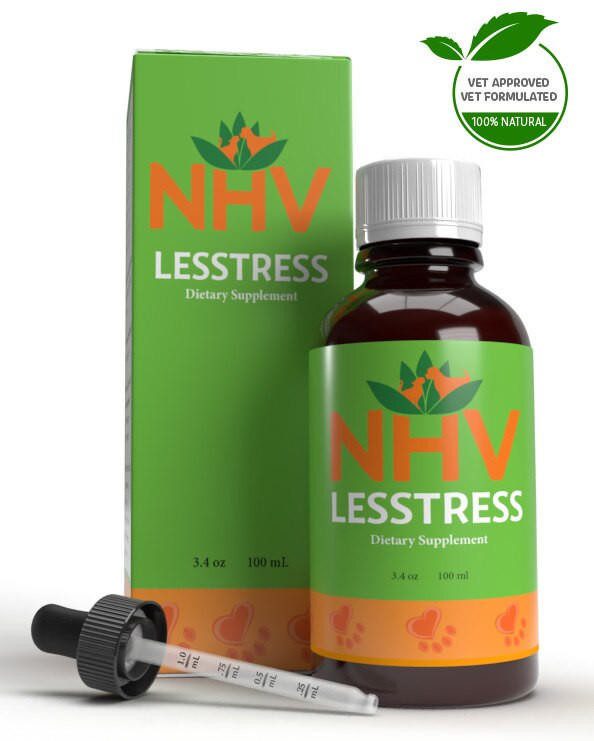
NHV Lesstress is usually a better option for dogs. It includes chamomile, passionflower, and lemon balm to encourage calmness and relaxation, plus reishi, eleuthero, and echinacea for added immune and stress-response support. It can be helpful for dogs that seem nervous, restless, or easily stressed.
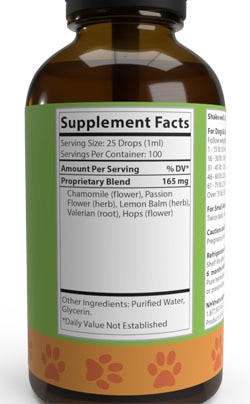
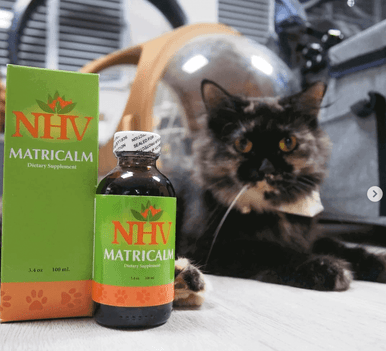
NHV Matricalm is generally more suitable for cats. Along with chamomile, passionflower, and lemon balm, it contains valerian and hops, herbs commonly used to support relaxation and more restful sleep. It may be helpful for cats experiencing anxiety, agitation, nighttime restlessness, or stress from changes at home.
Fireworks may only last for an evening, but knowing how your furkid normally behaves can help you recognize when they are feeling overwhelmed and respond sooner.
This Labor Day, prepare early. A little preparation can help every member of the family, including the four-legged ones, have a safer and more peaceful long weekend.
Excited for the big weekend? Don’t forget to sign up for our newsletter. We have a special surprise that you don’t want to miss.
anxiety & aggression support
Natural Help for Stress Reduction, Anxiety Relief, Behavioral Problems, and Aggression in Cats
buy 2 and save $3
3 month supply for a small to medium size pet
What is it?
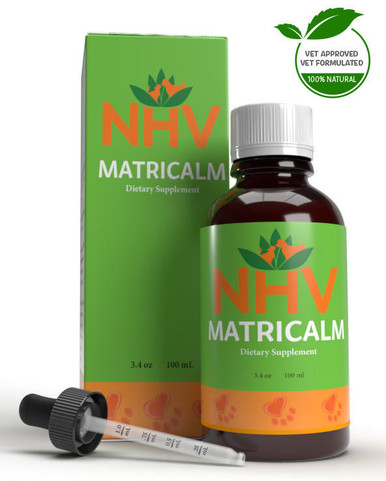
Matricalm is an all-natural supplement that provides anxiety and stress relief in cats and promotes calm behavior.
How Does it Work?
Why Should I Trust It?
Vet-approved dietary supplement crafted with the finest natural ingredients.

What is it?
Matricalm is an all-natural supplement that provides anxiety and stress relief in cats and promotes calm behavior.
How Does it Work?
Why Should I Trust It?
Vet-approved dietary supplement crafted with the finest natural ingredients.
Help reduce aggressive behavior and provide anxiety and stress relief for your cat with Matricalm, a natural herbal product designed to help reduce excitability in your pet. Cats can become anxious or aggressive when exposed to other animals or to people they are unfamiliar with. When this occurs they may hiss, scratch, howl, or urinate inappropriately.
It’s important to remember that a significant cause of illness in pets results from stress. Helping to keep your cat stress free can help keep them healthier for longer. NHV Pet Experts also often recommend Matricalm for cats dealing with FIV, cancer, kidney issues, hyperthyroidism, and more.
See how NHV Matricalm helped kitty Kimba with yowling and stress.
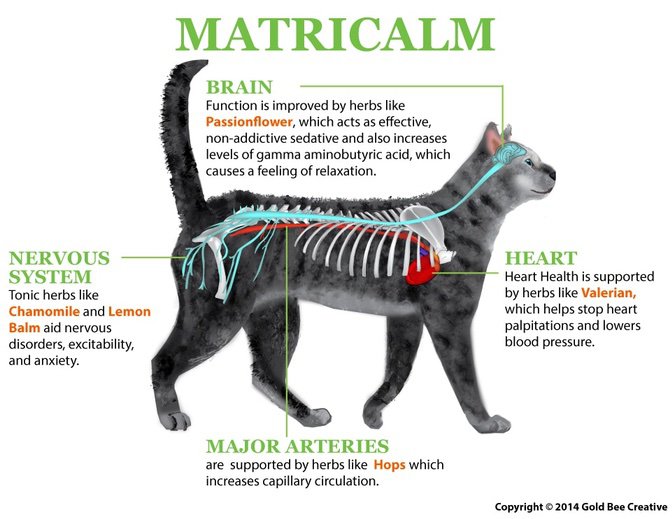
Chamomile – Contains sedative properties. Chamomile also helps the immune system and has a strong affinity for the nervous system.
Passion Flower – An effective, non-addictive sedative. It helps increase gamma-aminobutyric acid (GABA) in the brain, which helps cause a feeling of relaxation. Passion Flower also has strong anti-inflammatory and pain-relieving properties.
Lemon Balm – An aromatic herb used for nervous disorders, excitability, and anxiety. In addition, lemon balm helps lower blood pressure.
Valerian – Helps stop heart palpitations, relaxes spasms, relieves pain, and regulates the nervous system. Valerian also helps improve sleep latency and sleep quality.
Hops – Tension, anxiety, and stress relief in cats. Hops have traditionally been used to help with mood disturbances, such as restlessness and anxiety.
Select your pet's weight to determine the correct dose.
To be taken twice daily. Determine your pet’s weight and then use the easy chart below to determine the correct dose. This is the minimum dosage.
Pet's Weight Dosage
0 - 15 lb = 0.5 ml
16 - 30 lb = 1.0 ml
31 - 45 lb = 1.5 ml
46 - 60 lb = 2.0 ml
61 - 75 lb = 2.5 ml
Over 75 lb = 3.0 ml
How to Administer
Shake well before use. The easiest method is to use the dropper provided and place the drops into your pet’s food or favorite treat. You can also use the dropper and squirt directly into the pet’s mouth.
Some pets can be finicky. If this occurs, consider hiding the drops in foods most pets love, such as fish, chicken, yogurt or a favorite treat. If your pet only eats dry food, then soak a few kibbles at feeding time.
For Best Results
Herbal dietary supplements are beneficial to the health and well-being of your pet and are safe for long-term use. Every pet responds to natural herbal supplements differently. Therefore, it is important to be consistent and administer the product daily. Supplements generally take two to four weeks to take effect; however, this interval will vary from one animal to the next.
Product Storage
All NHV Natural Pet Products are pure herbal extracts and contain no artificial additives, preservatives, or coloring. Shelf life after opening is six months, and it must be refrigerated after opening.
Cautions and Contraindications
Do not use Matricalm for cats as stress relief in pregnant or nursing animals. Speak to your vet before using our products. A second visit is recommended if your pet’s condition does not improve or deteriorates after the continued use of the supplements.
All information provided by NHV Natural Pet Products is for educational purposes only.
Help reduce aggressive behavior and provide anxiety and stress relief for your cat with Matricalm, a natural herbal product designed to help reduce excitability in your pet. Cats can become anxious or aggressive when exposed to other animals or to people they are unfamiliar with. When this occurs they may hiss, scratch, howl, or urinate inappropriately.
It’s important to remember that a significant cause of illness in pets results from stress. Helping to keep your cat stress free can help keep them healthier for longer. NHV Pet Experts also often recommend Matricalm for cats dealing with FIV, cancer, kidney issues, hyperthyroidism, and more.
See how NHV Matricalm helped kitty Kimba with yowling and stress.
Chamomile – Contains sedative properties. Chamomile also helps the immune system and has a strong affinity for the nervous system.
Passion Flower – An effective, non-addictive sedative. It helps increase gamma-aminobutyric acid (GABA) in the brain, which helps cause a feeling of relaxation. Passion Flower also has strong anti-inflammatory and pain-relieving properties.
Lemon Balm – An aromatic herb used for nervous disorders, excitability, and anxiety. In addition, lemon balm helps lower blood pressure.
Valerian – Helps stop heart palpitations, relaxes spasms, relieves pain, and regulates the nervous system. Valerian also helps improve sleep latency and sleep quality.
Hops – Tension, anxiety, and stress relief in cats. Hops have traditionally been used to help with mood disturbances, such as restlessness and anxiety.
Select your pet's weight to determine the correct dose.
To be taken twice daily. Determine your pet’s weight and then use the easy chart below to determine the correct dose. This is the minimum dosage.
Pet's Weight Dosage
0 - 15 lb = 0.5 ml
16 - 30 lb = 1.0 ml
31 - 45 lb = 1.5 ml
46 - 60 lb = 2.0 ml
61 - 75 lb = 2.5 ml
Over 75 lb = 3.0 ml
How to Administer
Shake well before use. The easiest method is to use the dropper provided and place the drops into your pet’s food or favorite treat. You can also use the dropper and squirt directly into the pet’s mouth.
Some pets can be finicky. If this occurs, consider hiding the drops in foods most pets love, such as fish, chicken, yogurt or a favorite treat. If your pet only eats dry food, then soak a few kibbles at feeding time.
For Best Results
Herbal dietary supplements are beneficial to the health and well-being of your pet and are safe for long-term use. Every pet responds to natural herbal supplements differently. Therefore, it is important to be consistent and administer the product daily. Supplements generally take two to four weeks to take effect; however, this interval will vary from one animal to the next.
Product Storage
All NHV Natural Pet Products are pure herbal extracts and contain no artificial additives, preservatives, or coloring. Shelf life after opening is six months, and it must be refrigerated after opening.
Cautions and Contraindications
Do not use Matricalm for cats as stress relief in pregnant or nursing animals. Speak to your vet before using our products. A second visit is recommended if your pet’s condition does not improve or deteriorates after the continued use of the supplements.
All information provided by NHV Natural Pet Products is for educational purposes only.
Beef Liver Jerky Dog Treats
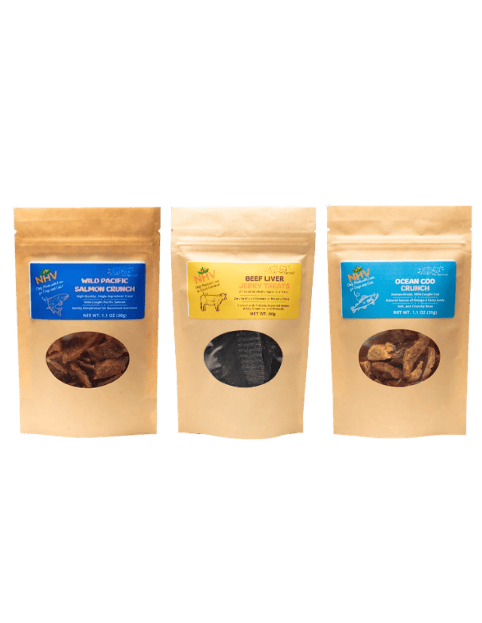
Beef Liver, Salmon & Cod - Single Ingredient
Give your fur baby 1-5 pieces per day as a treat
What Is It?
The Protein Power Bundle has all the high-protein dog treats your fur kid needs to keep those play sessions going strong, thanks to its muscle-healthy protein. With beef liver for muscle and bone strength, salmon jerky for skin and fur, and cod for lean protein, it’s a trio of real, single-ingredient meat and fish dog treats your little one will love.
What Makes It Great?
Why Should I Trust It?
NHV uses trusted suppliers to source the finest wild-caught salmon full of omega-3s and cod full of lean protein, free from antibiotics. Additionally, our beef liver comes from growth hormone-free cattle and never sees artificial ingredients - because your fur kid deserves the best!

What Is It?
The Protein Power Bundle has all the high-protein dog treats your fur kid needs to keep those play sessions going strong, thanks to its muscle-healthy protein. With beef liver for muscle and bone strength, salmon jerky for skin and fur, and cod for lean protein, it’s a trio of real, single-ingredient meat and fish dog treats your little one will love.
What Makes It Great?
Why Should I Trust It?
NHV uses trusted suppliers to source the finest wild-caught salmon full of omega-3s and cod full of lean protein, free from antibiotics. Additionally, our beef liver comes from growth hormone-free cattle and never sees artificial ingredients - because your fur kid deserves the best!
This is the Protein Power Bundle - the ultimate collection of treats for your fur kiddo.
We brought together three of our finest meat and fish-based treats to give your pet a wholesome and lip-licking boost of nutrition. Not only are they super flavorful and satisfyingly crunchy, but they’re also packed with natural protein and amino acids. They’re the perfect swap for helping to maintain strong muscles, whether they’re a growing fur kiddo or a senior who needs to be mindful about maintaining strength.
And they’re only real fish and real meat dog treats: no fillers, gluten, or preservatives. Instead, they’re gently dehydrated to lock in the bold flavors that will have them doing little happy dances.
Your fur kiddo will never grow bored with three delicious chef-made options to choose from:

Full of nutrients and highly motivating during training sessions, this treat is perfect for pets who need a little top-up of protein, vitamins, and minerals after lots of exercise. For instance, iron and vitamin B12 support red blood cell production, which may help keep your fur kid energetic and playful. On top of this, vitamin A and zinc help to keep their immune system ready for outdoor adventures.

From pristine ocean waters, this crunchy reward offers a natural source of omega-3 fatty acids, the healthy fats known to ease inflammation. It’s the tastiest way to support their joints. Salmon also supports brain wellness in fur kids thanks to DHA, a type of omega-3, which can also support eye development.
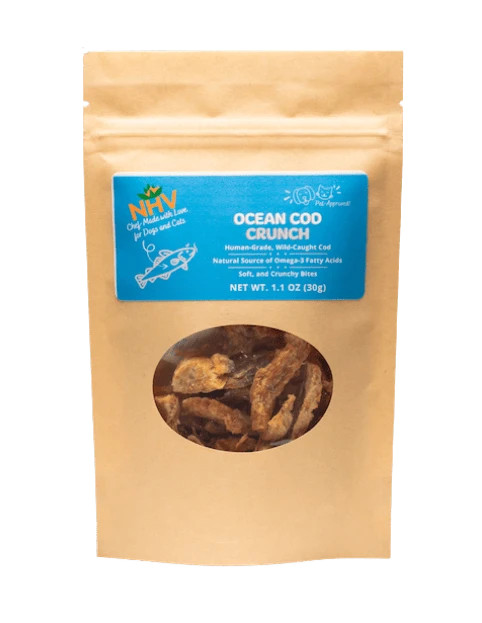
Made from only wild-caught cod, this flaky treat has lean protein and wholesome marine nutrients. It’s easy on the stomach and can support skin and fur thanks to its omega-3 content. Cod also contains natural anti-inflammatory properties that may help keep joints strong for hikes, beach days, and play sessions, whether they’re puppies or in their golden years.
Protein products are everywhere these days! We wanted to offer a high protein dog treat that is free from anything artificial, and with this bundle, you get three unique sources: beef liver, cod, and salmon! Use them for:
 Post-walk or playtime recoveryCrumbled up as a meal topperInside an enrichment toy for healthy funOr just a way to show you love them!
And remember: when it comes to protein, natural is best. Our proteins are sourced from high-quality ingredients that are completely free from growth hormones and antibiotics.
NHV Beef Liver Jerky: 100% dried beef liver
NHV Wild Pacific Salmon Crunch: 100% dried salmon
NHV Ocean Cod Crunch: 100% dried cod
Naturally preserved through dehydration - No artificial flavors, preservatives, colors, or additives
Feed as a treat or training reward between meals. Offer whole or break into smaller pieces.
Treats should comprise no more than 10% of your pet’s daily caloric intake. Always provide fresh water, and supervise your pet while giving treats. Store in a cool, dry place.
This is the Protein Power Bundle - the ultimate collection of treats for your fur kiddo.
We brought together three of our finest meat and fish-based treats to give your pet a wholesome and lip-licking boost of nutrition. Not only are they super flavorful and satisfyingly crunchy, but they’re also packed with natural protein and amino acids. They’re the perfect swap for helping to maintain strong muscles, whether they’re a growing fur kiddo or a senior who needs to be mindful about maintaining strength.
And they’re only real fish and real meat dog treats: no fillers, gluten, or preservatives. Instead, they’re gently dehydrated to lock in the bold flavors that will have them doing little happy dances.
Your fur kiddo will never grow bored with three delicious chef-made options to choose from:
Full of nutrients and highly motivating during training sessions, this treat is perfect for pets who need a little top-up of protein, vitamins, and minerals after lots of exercise. For instance, iron and vitamin B12 support red blood cell production, which may help keep your fur kid energetic and playful. On top of this, vitamin A and zinc help to keep their immune system ready for outdoor adventures.
From pristine ocean waters, this crunchy reward offers a natural source of omega-3 fatty acids, the healthy fats known to ease inflammation. It’s the tastiest way to support their joints. Salmon also supports brain wellness in fur kids thanks to DHA, a type of omega-3, which can also support eye development.
Made from only wild-caught cod, this flaky treat has lean protein and wholesome marine nutrients. It’s easy on the stomach and can support skin and fur thanks to its omega-3 content. Cod also contains natural anti-inflammatory properties that may help keep joints strong for hikes, beach days, and play sessions, whether they’re puppies or in their golden years.
Protein products are everywhere these days! We wanted to offer a high protein dog treat that is free from anything artificial, and with this bundle, you get three unique sources: beef liver, cod, and salmon! Use them for:
Post-walk or playtime recoveryCrumbled up as a meal topperInside an enrichment toy for healthy funOr just a way to show you love them!And remember: when it comes to protein, natural is best. Our proteins are sourced from high-quality ingredients that are completely free from growth hormones and antibiotics.
NHV Beef Liver Jerky: 100% dried beef liver
NHV Wild Pacific Salmon Crunch: 100% dried salmon
NHV Ocean Cod Crunch: 100% dried cod
Naturally preserved through dehydration - No artificial flavors, preservatives, colors, or additives
Feed as a treat or training reward between meals. Offer whole or break into smaller pieces.
Treats should comprise no more than 10% of your pet’s daily caloric intake. Always provide fresh water, and supervise your pet while giving treats. Store in a cool, dry place.
general wellbeing
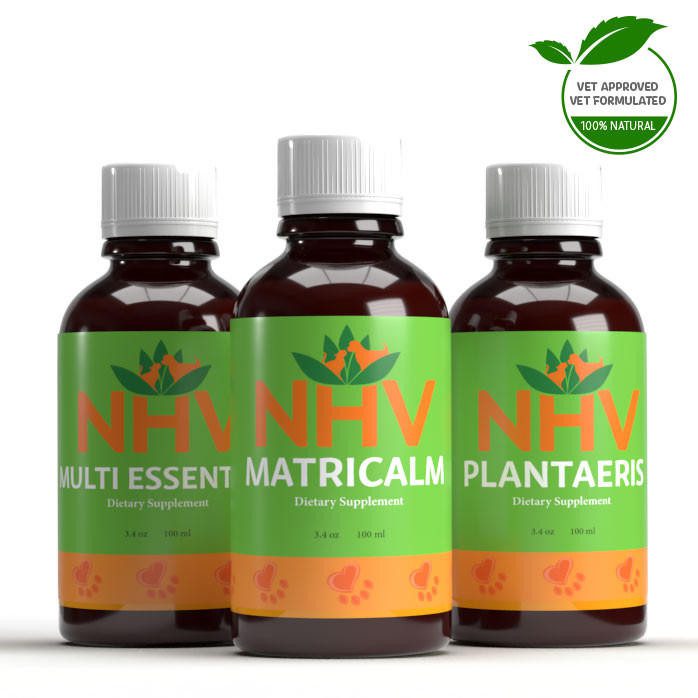
Matricalm, Multi Essentials & Plantaeris
bundle and save with pet expert kits
3 month supply for a small to medium size
What is it?
Our Shelter Pet Happy Starter Kit is formulated to help reduce stress and anxiety (e.g. destructive behavior), add nutritional supports and help improve their digestive health as they adjust to a new life.
How does it work?
Why trust it?
The NHV team is comprised of veterinarians, veterinary technicians, and holistic Pet Experts who use NHV formulas on their own fur babies.
What is it?
Our Shelter Pet Happy Starter Kit is formulated to help reduce stress and anxiety (e.g. destructive behavior), add nutritional supports and help improve their digestive health as they adjust to a new life.
How does it work?
Why trust it?
The NHV team is comprised of veterinarians, veterinary technicians, and holistic Pet Experts who use NHV formulas on their own fur babies.
A rescued puppy or kitten is a welcome addition to any home! But sometimes, your new furbaby has encountered trauma or a severe illness before coming home with you. If you’re a new pet pawrent asking yourself if there is an adopted puppy kit or kitten kit out there?
So many young pets are rescued from terrible situations or surrendered to shelters, so they may experience a lot of stress going from one place to another. Small changes can feel incredibly stressful for animals which can present as destructive or aggressive behavior. Unfortunately for rescued pets, it is hard to know what environment they were in or what they were eating before coming home with you. Foodwise, they may have been eating low-quality processed food that is missing essential nutrients or maybe they were malnourished (from living on the streets). To help ease your new furry friend into their forever home, we recommend adding natural supplements to their daily meals after they have been vaccinated and weaned. This preventative care plan is beneficial for supporting their overall health and to help slow down or prevent chronic illness (which may develop due to age, genetics, or environment). NHV Shelter Pet Happy Starter Hit contains Matricalm, Multi Essentials, and Plantaeris. This bundle of natural supplements has been formulated to calm stressed and anxious pets, help fill nutritional voids, and support quick recovery from diarrhea (which is prone to happen in young animals). To learn more about caring for your new furbaby, read our post on simple steps for a healthy puppy or kitten.
Changes in your new puppy or kitten’s environment can cause a lot of anxiety, especially if they are super sensitive (some breeds of dogs and cats are more prone to stress) or have experienced trauma. To express this nervous energy, they may exhibit destructive or aggressive behavior. To help ease your fluffy friend into their forever home, Matricalm’s blend of herbs like passion flower, chamomile and valerian contain soothing properties that may relax the body and improve the feeling of relaxation while the smell of lemon balm may instantly calm your pet’s nerves. Multi Essentials is like a multi-vitamin for pets. It helps to fill nutritional voids (especially for malnourished pets) and supports essential processes like blood pressure and metabolism. Puppies and kittens have very sensitive tummies so if you’re trying out different foods for them, or they mischievously snack on things they aren’t supposed to, Plantaeris’ blend of ingredients help to relax muscle cramping and helps lubricate delicate intestinal mucosa to aid proper digestion and help restore healthy bowel movements.
Your furry friend’s health means the world to us! Providing your new furkiddo with natural support from the get-go may help prevent chronic illnesses and other health issues down the road. If your new pet needs a little extra support, learn how a personalized pet diet can help your new puppy or kitten live their best life!
Made with the finest, organically grown, or ethically harvested herbs. Made specifically for pets, vet-formulated and vet approved.
Matricalm
Multi Essentials
Plantaeris
Select your pet's weight to determine the correct dose.
To be taken twice daily. (Each supplement) Determine your pet’s weight and then use the easy chart below to determine the correct dose. This is the minimum dosage.
Pet's Weight Dosage
0 - 15 lb = 0.5 ml
16 - 30 lb = 1.0 ml
31 - 45 lb = 1.5 ml
46 - 60 lb = 2.0 ml
61 - 75 lb = 2.5 ml
Over 75 lb = 3.0 ml
For small animals (rabbits, ferrets), avians and reptiles use 1 drop for every 2 lb of body weight.
Long term use: Feed recommended dosage every other day (1 day on 1 day off). If used in large dosages or over a long period of time it may become irritating to the stomach lining. Some pets may require a larger dosage due to their metabolism. You can safely double the recommended dosage.
How to Administer: Shake well before use. The easiest method is to use the dropper provided and place the drops into your pet’s food or favorite treat. You can also use the dropper and squirt directly into the pet’s mouth. Some pets can be finicky, if this occurs consider hiding the drops in foods most pet’s love such as fish, chicken or yogurt or a favourite treat. If your pet only eats dry food then soak a few kibbles at feeding time.
For Best Results: Herbal dietary supplements are beneficial to the health and well-being of your pet and are safe for long-term use. Every pet responds to natural herbal supplements differently, therefore it is important to be consistent and administer the product daily. Supplements generally take two to four weeks to take effect, however this will vary from one animal to the next.
Product Storage: All NHV Natural Pet Products are pure herbal extracts and contain no artificial additives, preservatives or coloring. Shelf life after opening is 6 months and must be refrigerated after opening.
Cautions and Contraindications: Do not use Yucca in pregnant or nursing animals. Allowing breaks in feeding helps alleviate the possibility of a irritating effect on the digestive tract. Speak to your vet before using our products. A second visit is recommended if your pet’s condition does not improve, or deteriorates after continued use of the supplements. All information provided by NHV Natural Pet Products is for educational purposes only.
A rescued puppy or kitten is a welcome addition to any home! But sometimes, your new furbaby has encountered trauma or a severe illness before coming home with you. If you’re a new pet pawrent asking yourself if there is an adopted puppy kit or kitten kit out there?
So many young pets are rescued from terrible situations or surrendered to shelters, so they may experience a lot of stress going from one place to another. Small changes can feel incredibly stressful for animals which can present as destructive or aggressive behavior. Unfortunately for rescued pets, it is hard to know what environment they were in or what they were eating before coming home with you. Foodwise, they may have been eating low-quality processed food that is missing essential nutrients or maybe they were malnourished (from living on the streets). To help ease your new furry friend into their forever home, we recommend adding natural supplements to their daily meals after they have been vaccinated and weaned. This preventative care plan is beneficial for supporting their overall health and to help slow down or prevent chronic illness (which may develop due to age, genetics, or environment). NHV Shelter Pet Happy Starter Hit contains Matricalm, Multi Essentials, and Plantaeris. This bundle of natural supplements has been formulated to calm stressed and anxious pets, help fill nutritional voids, and support quick recovery from diarrhea (which is prone to happen in young animals). To learn more about caring for your new furbaby, read our post on simple steps for a healthy puppy or kitten.
Changes in your new puppy or kitten’s environment can cause a lot of anxiety, especially if they are super sensitive (some breeds of dogs and cats are more prone to stress) or have experienced trauma. To express this nervous energy, they may exhibit destructive or aggressive behavior. To help ease your fluffy friend into their forever home, Matricalm’s blend of herbs like passion flower, chamomile and valerian contain soothing properties that may relax the body and improve the feeling of relaxation while the smell of lemon balm may instantly calm your pet’s nerves. Multi Essentials is like a multi-vitamin for pets. It helps to fill nutritional voids (especially for malnourished pets) and supports essential processes like blood pressure and metabolism. Puppies and kittens have very sensitive tummies so if you’re trying out different foods for them, or they mischievously snack on things they aren’t supposed to, Plantaeris’ blend of ingredients help to relax muscle cramping and helps lubricate delicate intestinal mucosa to aid proper digestion and help restore healthy bowel movements.
Your furry friend’s health means the world to us! Providing your new furkiddo with natural support from the get-go may help prevent chronic illnesses and other health issues down the road. If your new pet needs a little extra support, learn how a personalized pet diet can help your new puppy or kitten live their best life!
Made with the finest, organically grown, or ethically harvested herbs. Made specifically for pets, vet-formulated and vet approved.
Matricalm
Multi Essentials
Plantaeris
Select your pet's weight to determine the correct dose.
To be taken twice daily. (Each supplement) Determine your pet’s weight and then use the easy chart below to determine the correct dose. This is the minimum dosage.
Pet's Weight Dosage
0 - 15 lb = 0.5 ml
16 - 30 lb = 1.0 ml
31 - 45 lb = 1.5 ml
46 - 60 lb = 2.0 ml
61 - 75 lb = 2.5 ml
Over 75 lb = 3.0 ml
For small animals (rabbits, ferrets), avians and reptiles use 1 drop for every 2 lb of body weight.
Long term use: Feed recommended dosage every other day (1 day on 1 day off). If used in large dosages or over a long period of time it may become irritating to the stomach lining. Some pets may require a larger dosage due to their metabolism. You can safely double the recommended dosage.
How to Administer: Shake well before use. The easiest method is to use the dropper provided and place the drops into your pet’s food or favorite treat. You can also use the dropper and squirt directly into the pet’s mouth. Some pets can be finicky, if this occurs consider hiding the drops in foods most pet’s love such as fish, chicken or yogurt or a favourite treat. If your pet only eats dry food then soak a few kibbles at feeding time.
For Best Results: Herbal dietary supplements are beneficial to the health and well-being of your pet and are safe for long-term use. Every pet responds to natural herbal supplements differently, therefore it is important to be consistent and administer the product daily. Supplements generally take two to four weeks to take effect, however this will vary from one animal to the next.
Product Storage: All NHV Natural Pet Products are pure herbal extracts and contain no artificial additives, preservatives or coloring. Shelf life after opening is 6 months and must be refrigerated after opening.
Cautions and Contraindications: Do not use Yucca in pregnant or nursing animals. Allowing breaks in feeding helps alleviate the possibility of a irritating effect on the digestive tract. Speak to your vet before using our products. A second visit is recommended if your pet’s condition does not improve, or deteriorates after continued use of the supplements. All information provided by NHV Natural Pet Products is for educational purposes only.
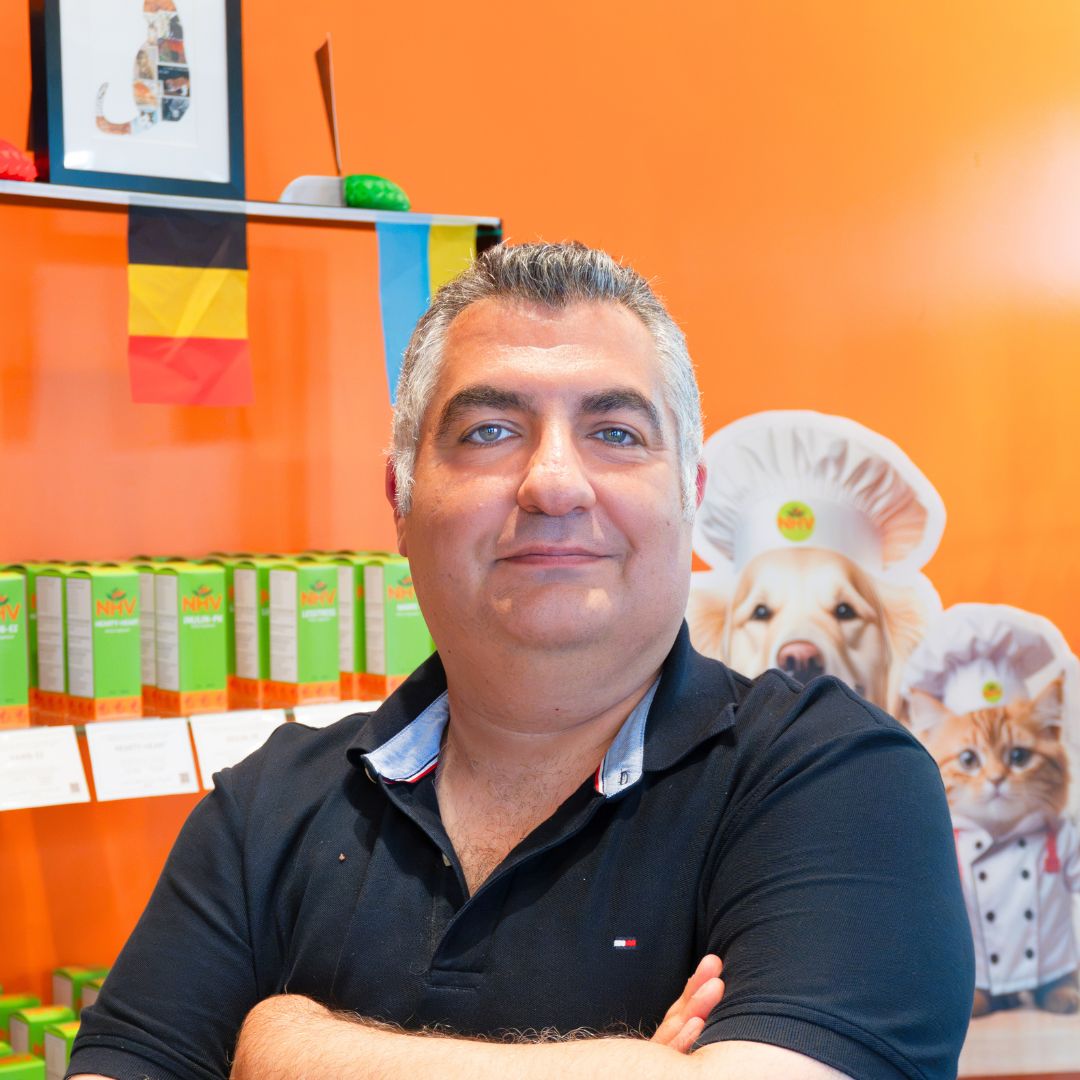
Dr. Mehdi Sharbafi graduated from Tehran University in 2014, earning his DVM. He is a dedicated and compassionate Vet Expert at NHV with experience spanning clinical practice, emergency medicine, and infectious diseases. He provides empathetic guidance and elevates the customer experience for pet parents seeking natural support. As a cat dad to Hana and Silky, he understands how cats and dogs are more than just pets; they’re family. Though sometimes, he feels a bit less like a cat dad and more like a tenant to these bossy felines!
Published: September 3, 2026
stress & anxiety support
Natural Support for Canine Stress and Anxiety
buy 2 and save $3
3 month supply for a small to medium size pet
What is it?
Everyone knows what stress feels like, and we all know that too much stress can make us ill—high blood pressure, ulcers and even cancer can result from excessive stress. Like us, dogs can get stressed by numerous factors as well. Help your furkiddo relax into a long and happy life with NHV Lesstress - a natural dog stress support.
How does it work?
Why trust it?
NHV uses full-spectrum extracts of human-grade herbs, so your pet only gets the best.
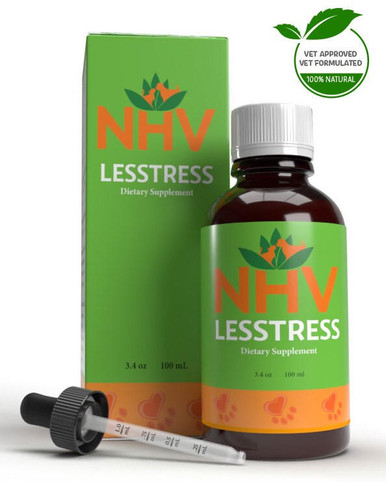
What is it?
Everyone knows what stress feels like, and we all know that too much stress can make us ill—high blood pressure, ulcers and even cancer can result from excessive stress. Like us, dogs can get stressed by numerous factors as well. Help your furkiddo relax into a long and happy life with NHV Lesstress - a natural dog stress support.
How does it work?
Why trust it?
NHV uses full-spectrum extracts of human-grade herbs, so your pet only gets the best.
Natural Dog Stress Reliever Supplemental Support
With a heightened sense of hearing and smell, small events that seem mundane to us can be terrifying and stressful for your dogs. Sometimes the stress is from the ride to the office, or maybe they are missing their human companions. This all contributes to changes in behavior like excessive panting, drooling, sweaty paws, dilated eyes, pacing, excessively shedding, or just completely shutting down. Some dogs become so stressed that it may lead to fear and aggression.
Other forms of stress in a dog’s life include:
In addition to panting, excessive barking/whining, chewing on themselves, shivering (when it’s not cold), panicked tail wagging, or tense muscles, stress can also cause GI tract issues such as diarrhea or vomiting.
The key to a healthy pup is balance. Too much or too little activity can be harmful, as well as too much or too little socialization. A balanced, clean diet also helps maintain the body and the mind. If your dog is susceptible to stress, you can use calming herbs like those found in NHV Lesstress. This formulation gently acts on the nervous system and immune system to provide a natural dog stress reliever.
How NHV’s Natural Dog Stress Relief Eases Stress and Anxiety
For stressful experiences such as separation anxiety, the loss or addition of a furry friend, special events (eg. fireworks) and illness (stress can cause conditions to worsen), the natural (non-addictive) sedative properties of Lesstress gently relax the nervous system and endocrine system. Ingredients like Chamomile, Passion Flower and Lemon Balm work to calm nerves while ingredients like Reishi, Eleuthero, and Echinacea Angustifolia are very beneficial for helping the body adapt to stress and illness and stimulate healthy immune function.
Help Support Your Dog Naturally
All NHV supplements like Lesstress are 100% natural and created by a holistic veterinarian and a master herbalist, specially formulated for pets. Feel free to contact our veterinary professionals to get more insight into your little one’s health and wellbeing.
Made with the finest, organically grown, or ethically harvested herbs. Made specifically for pets, vet-formulated and vet approved.
Lesstress for Dogs
Select your pet's weight to determine the correct dose.
To be taken twice daily. Determine your pet’s weight and then use the easy chart below to determine the correct dose. This is the minimum dosage.
Pet's Weight Dosage
0 - 15 lb = 0.5 ml
16 - 30 lb = 1.0 ml
31 - 45 lb = 1.5 ml
46 - 60 lb = 2.0 ml
61 - 75 lb = 2.5 ml
Over 75 lb = 3.0 ml
For small animals (rabbits, ferrets), avians and reptiles use 1 drop for every 2 lb of body weight.
How to Administer
Shake well before use.
The easiest method is to use the dropper provide and places the drops into your pet’s food or favorite treat. You can also use the dropper and squirt directly into the pet’s mouth.
Some pets can be finicky, if this occurs consider hiding the drops in foods most pet’s love such as fish, chicken or yogurt or a favourite treat. If your pet only eats dry food then soak a few kibbles at feeding time.
For Best Results
Herbal dietary supplements are beneficial to the health and wellbeing of your pet and are safe for long-term use. Every pet responds to natural herbal supplements differently, therefore it is important to be consistent and administer the product daily. Supplements generally take two to four weeks to take effect, however this will vary from one animal to the next.
Product Storage
All NHV Natural Pet Products are pure herbal extracts and contain no artificial additives, preservatives or coloring. Shelf life after opening is 6 months and must be refrigerated after opening.
Cautions and Contraindications
Do not use Lesstress in pregnant or nursing animals.
Speak to your vet before using our products. A second visit is recommended if your pet’s condition does not improve, or deteriorates after continued use of the supplements.
All information provided by NHV Natural Pet Products is for educational purposes only.
Natural Dog Stress Reliever Supplemental Support
With a heightened sense of hearing and smell, small events that seem mundane to us can be terrifying and stressful for your dogs. Sometimes the stress is from the ride to the office, or maybe they are missing their human companions. This all contributes to changes in behavior like excessive panting, drooling, sweaty paws, dilated eyes, pacing, excessively shedding, or just completely shutting down. Some dogs become so stressed that it may lead to fear and aggression.
Other forms of stress in a dog’s life include:
In addition to panting, excessive barking/whining, chewing on themselves, shivering (when it’s not cold), panicked tail wagging, or tense muscles, stress can also cause GI tract issues such as diarrhea or vomiting.
The key to a healthy pup is balance. Too much or too little activity can be harmful, as well as too much or too little socialization. A balanced, clean diet also helps maintain the body and the mind. If your dog is susceptible to stress, you can use calming herbs like those found in NHV Lesstress. This formulation gently acts on the nervous system and immune system to provide a natural dog stress reliever.
How NHV’s Natural Dog Stress Relief Eases Stress and Anxiety
For stressful experiences such as separation anxiety, the loss or addition of a furry friend, special events (eg. fireworks) and illness (stress can cause conditions to worsen), the natural (non-addictive) sedative properties of Lesstress gently relax the nervous system and endocrine system. Ingredients like Chamomile, Passion Flower and Lemon Balm work to calm nerves while ingredients like Reishi, Eleuthero, and Echinacea Angustifolia are very beneficial for helping the body adapt to stress and illness and stimulate healthy immune function.
Help Support Your Dog Naturally
All NHV supplements like Lesstress are 100% natural and created by a holistic veterinarian and a master herbalist, specially formulated for pets. Feel free to contact our veterinary professionals to get more insight into your little one’s health and wellbeing.
Made with the finest, organically grown, or ethically harvested herbs. Made specifically for pets, vet-formulated and vet approved.
Lesstress for Dogs
Select your pet's weight to determine the correct dose.
To be taken twice daily. Determine your pet’s weight and then use the easy chart below to determine the correct dose. This is the minimum dosage.
Pet's Weight Dosage
0 - 15 lb = 0.5 ml
16 - 30 lb = 1.0 ml
31 - 45 lb = 1.5 ml
46 - 60 lb = 2.0 ml
61 - 75 lb = 2.5 ml
Over 75 lb = 3.0 ml
For small animals (rabbits, ferrets), avians and reptiles use 1 drop for every 2 lb of body weight.
How to Administer
Shake well before use.
The easiest method is to use the dropper provide and places the drops into your pet’s food or favorite treat. You can also use the dropper and squirt directly into the pet’s mouth.
Some pets can be finicky, if this occurs consider hiding the drops in foods most pet’s love such as fish, chicken or yogurt or a favourite treat. If your pet only eats dry food then soak a few kibbles at feeding time.
For Best Results
Herbal dietary supplements are beneficial to the health and wellbeing of your pet and are safe for long-term use. Every pet responds to natural herbal supplements differently, therefore it is important to be consistent and administer the product daily. Supplements generally take two to four weeks to take effect, however this will vary from one animal to the next.
Product Storage
All NHV Natural Pet Products are pure herbal extracts and contain no artificial additives, preservatives or coloring. Shelf life after opening is 6 months and must be refrigerated after opening.
Cautions and Contraindications
Do not use Lesstress in pregnant or nursing animals.
Speak to your vet before using our products. A second visit is recommended if your pet’s condition does not improve, or deteriorates after continued use of the supplements.
All information provided by NHV Natural Pet Products is for educational purposes only.