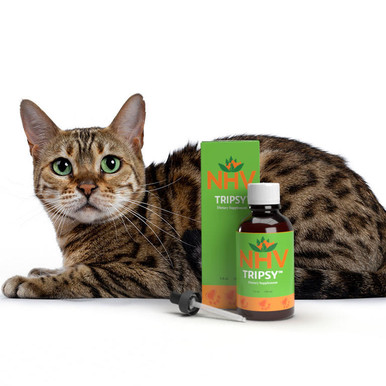
NHV Tripsy
USD $47.95
free shipping over $100 (USA & Canada)
1-877-937-4372 the pet expert hotline


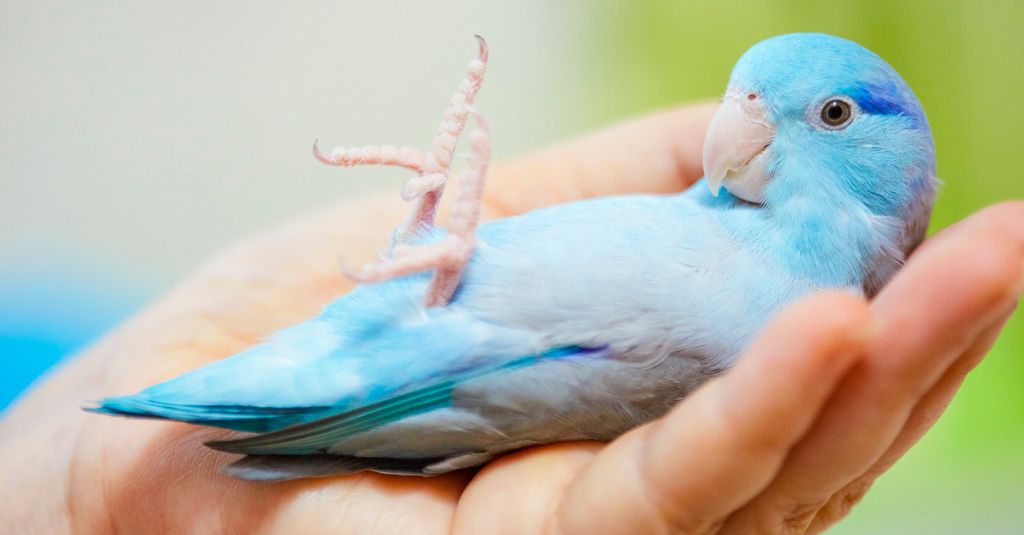
Birds are smart, social, and deeply expressive feathered companions that can bring years of joy to your household. From playful budgies to affectionate cockatiels and beautifully vocal canaries, pet birds thrive when their physical, emotional, and environmental needs are properly supported. While birds may appear low-maintenance at first glance, proper pet bird care involves balanced nutrition and safe environments to fully flourish.
This beginner guide will walk you through the essentials
So, if you’re wondering how to take care of a pet bird, then buckle up! This beginner guide will walk you through the essentials of keeping your feathered friend healthy, active, and happy for many, many years.
One of the most important parts of bird care for beginners is selecting a species that matches your lifestyle, experience level, and home environment. Different birds have vastly different personalities, energy levels, and care requirements.
Some beginner-friendly birds include:
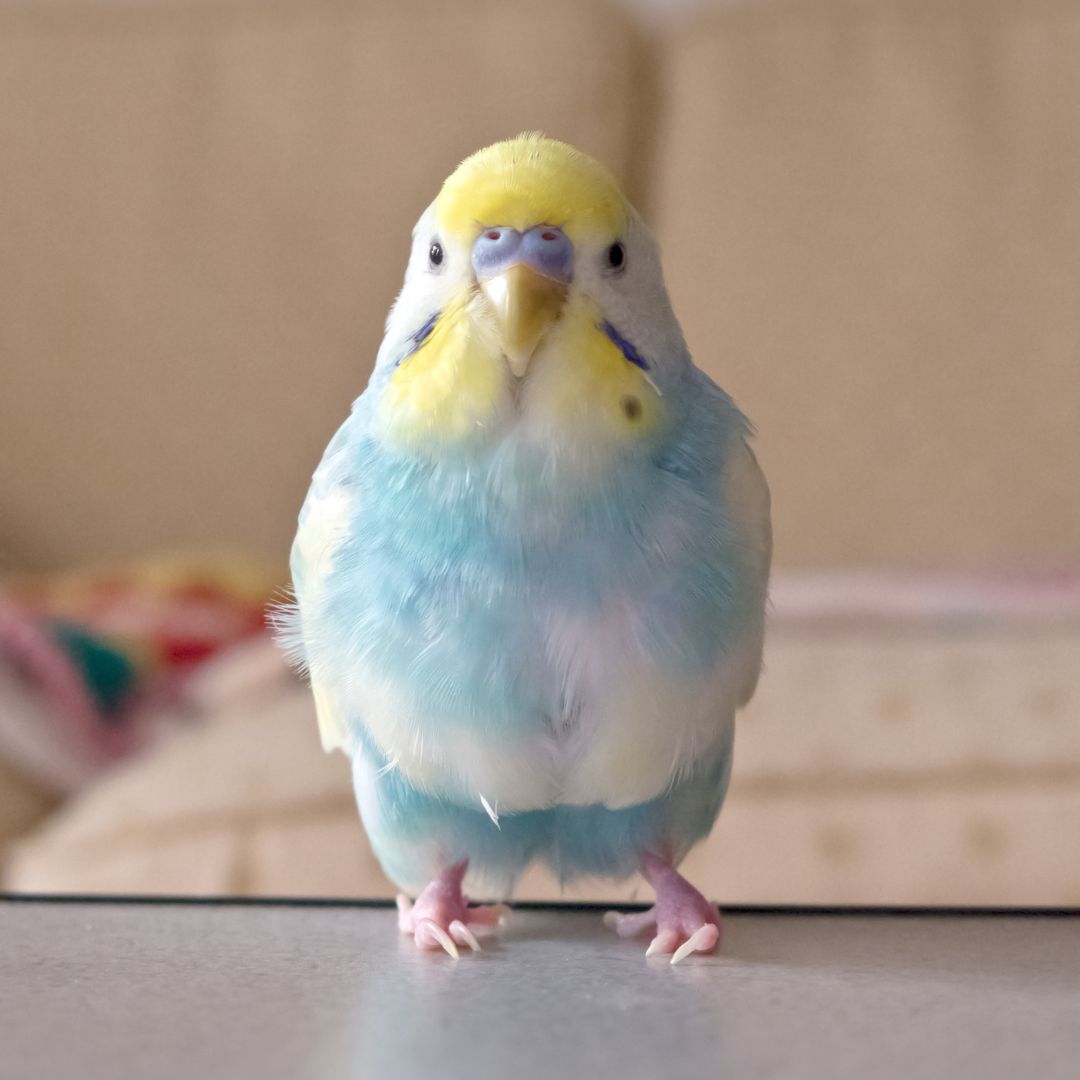
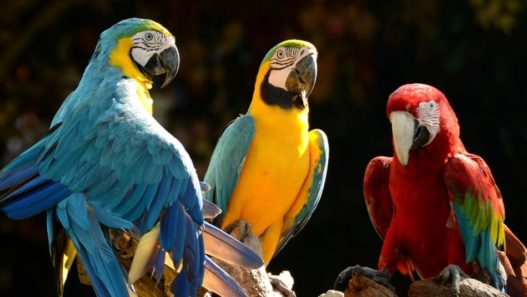
Larger parrots, such as African greys or macaws, are highly intelligent and emotionally complex, but they require significant attention, enrichment, and long-term commitment. Some species can live several decades, making bird ownership a serious responsibility.
Before bringing home a bird, please consider the time you have available for a daily interaction (bored birds can become destructive or depressed), noise tolerance (some birds can be quite chatty!), space requirements, veterinary costs, lifespan expectations, and experience you might have with exotic pets. The right match can help create a happier experience for both you and the bird.
For more species-specific guidance, the Association of Avian Veterinarians website offers excellent beginner information.
Creating a proper pet bird habitat is essential for long-term health and emotional well-being. Birds spend a significant amount of time in their enclosure, so cage setup is highly important. A stimulating, secure environment helps birds feel safe and encourages natural behaviors like climbing, preening, and exploring,
A healthy setup should include:
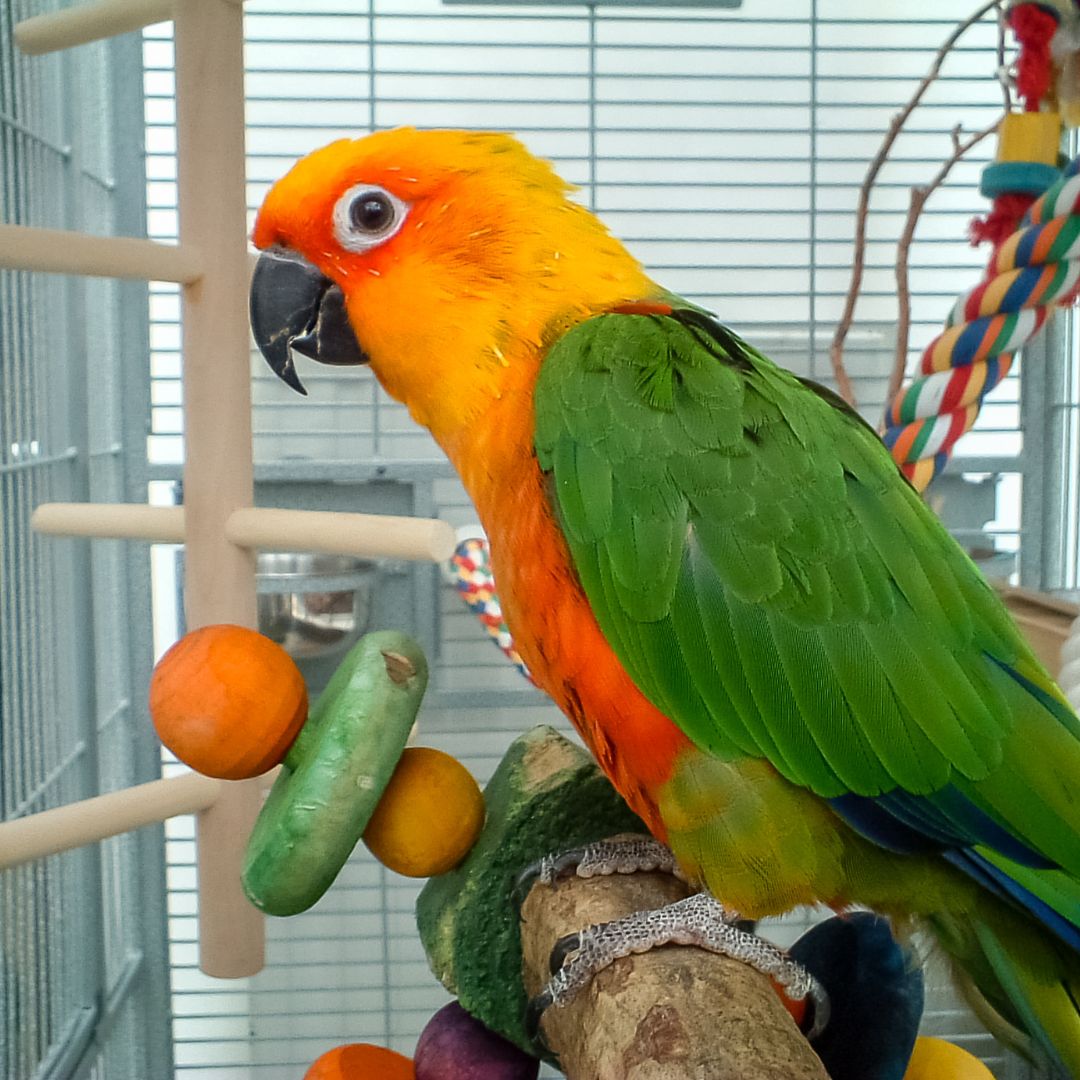
Birds are extremely sensitive to environmental toxins, so placement is equally important. Avoid placing cages near the kitchen, beside drafty windows or air vents, around cigarette smoke or vaping, or near aerosol sprays, candles, or perfumes.
Birds also have delicate respiratory systems that can be harmed by fumes from overheated non-stick cookware. According to the CDC Healthy Pets – Birds, maintaining a clean and bird-safe home environment is a key part of responsible ownership.
A balanced diet is one of the foundations of keeping birds healthy. Many people assume seeds are enough, but seed-only diets can contribute to nutritional deficiencies over time.
Most pet birds thrive on a combination of high-quality formulated pellets, fresh leafy greens and vegetables, small portions of fruit, healthy treats in moderation, and constant access to fresh, clean water. Nutritious veggies include kale, broccoli, carrots, bell peppers, and sweet potatoes. Fruits should be offered in moderation due to sugar content.
Foods that are toxic to birds include:
The Lafeber Pet Birds Nutrition Resource explains that nutritional variety supports feather quality, energy levels, immune health, and longevity.
For birds needing additional wellness support, some pet parents explore natural products such as NHV Turmeric and NHV Petomega 3 as part of a veterinarian-guided wellness routine. Omega-3 fatty acids may help support skin, feather, joint, and cardiovascular health, while turmeric is commonly used in holistic wellness approaches for its antioxidant properties.
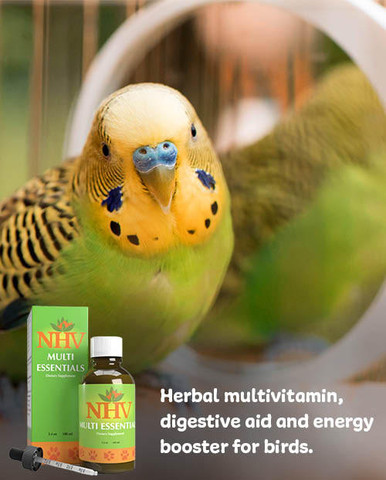
Interested in a little daily nutritional top-up to encourage healthy skin, feathers, and digestion? NHV Multi Essentials for birds is a gentle, natural formula that adds vet-approved superfoods to their diet.
Always consult an avian veterinarian before introducing supplements or making major dietary changes.
Just like dogs and cats, birds thrive on consistency and familiarity. Daily routines reduce stress and create a sense of security for our feathered friends.
Simple habits that support emotional wellness include feeding at consistent times, daily interaction and conversation, scheduled out-of-cage playtime, predictable sleeping routines, and gentle training sessions.
Even small moments of social engagement matter
Even small moments of social engagement matter and go a long way. Many companion birds form a strong emotional attachment to their humans and benefit greatly from regular attention and communication. Birds that feel isolated or ignored may become withdrawn, vocalize excessively, or develop stress-related behaviors like feather plucking.
Mental enrichment is one of the most overlooked aspects of pet bird care. Birds are highly intelligent animals that require regular stimulation to stay emotionally balanced.
Some enrichment ideas for birds can include:
Without sufficient stimulation, boredom can lead to aggression, repetitive behaviours, excessive screaming, or the all-dreaded, feather plucking.
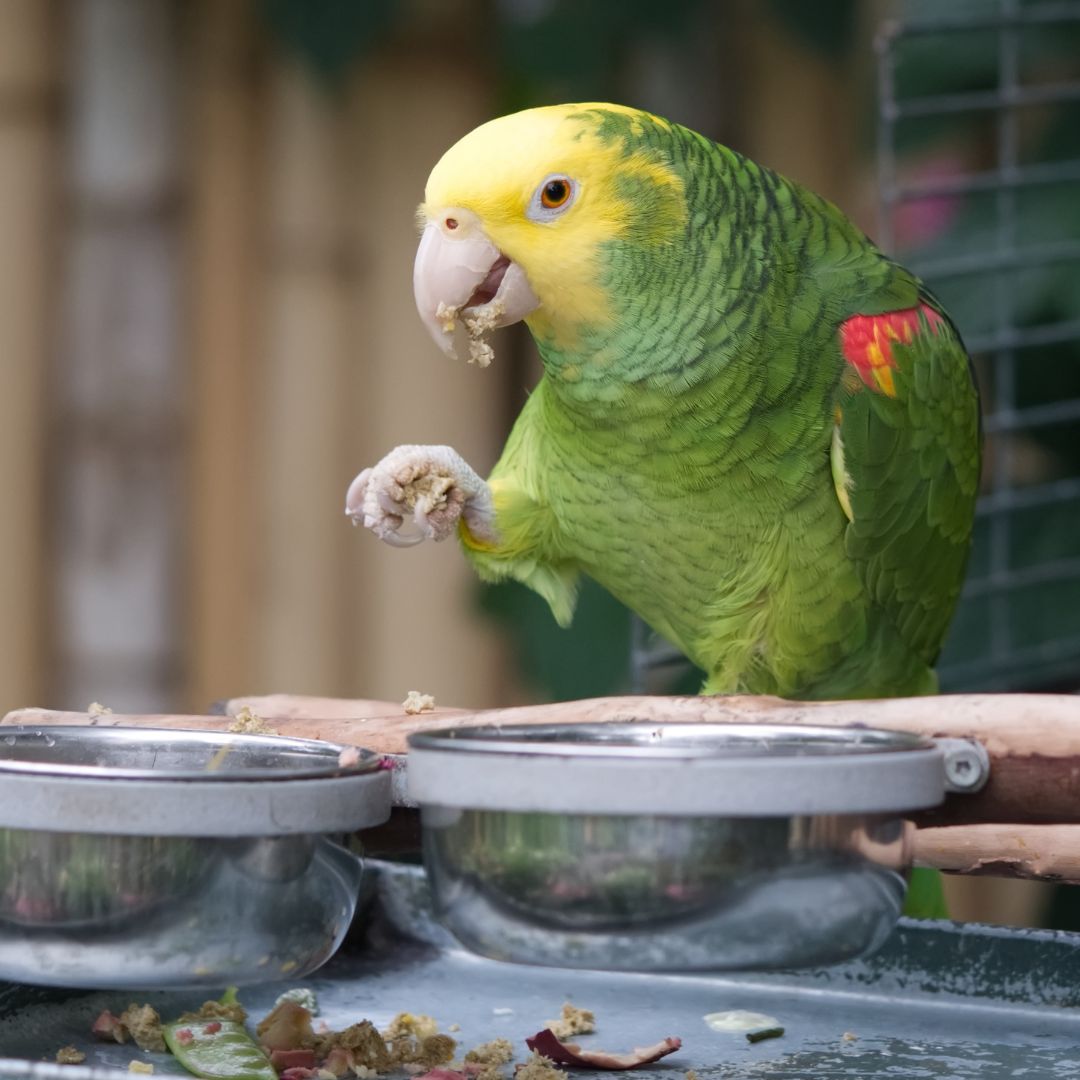
Proper bird hygiene is essential for preventing illness and maintaining a comfortable living space. Daily cleaning should include replacing cage liners, washing food and water bowls, removing spoiled food, and spot-cleaning droppings. A weekly deep cleaning helps reduce bacterial buildup and improve air quality.
Birds also benefit from the occasional misting or bathing, some nail monitoring, clean perches, and proper ventilation. Avoid using strong chemical cleaners, scented candles, aerosol sprays, and air fresheners; remember that a bird’s respiratory system is incredibly sensitive, and airborne irritants can quickly become dangerous.
Good health is built through consistent daily care rather than reacting only when problems appear. To offer support to your little bird, focus on:
Birds instinctively hide signs of illness, so subtle changes matter. Contact an avian veterinarian if you notice:
For additional avian wellness guidance, the Association of Avian Veterinarians provides educational resources focused on evidence-based bird health.
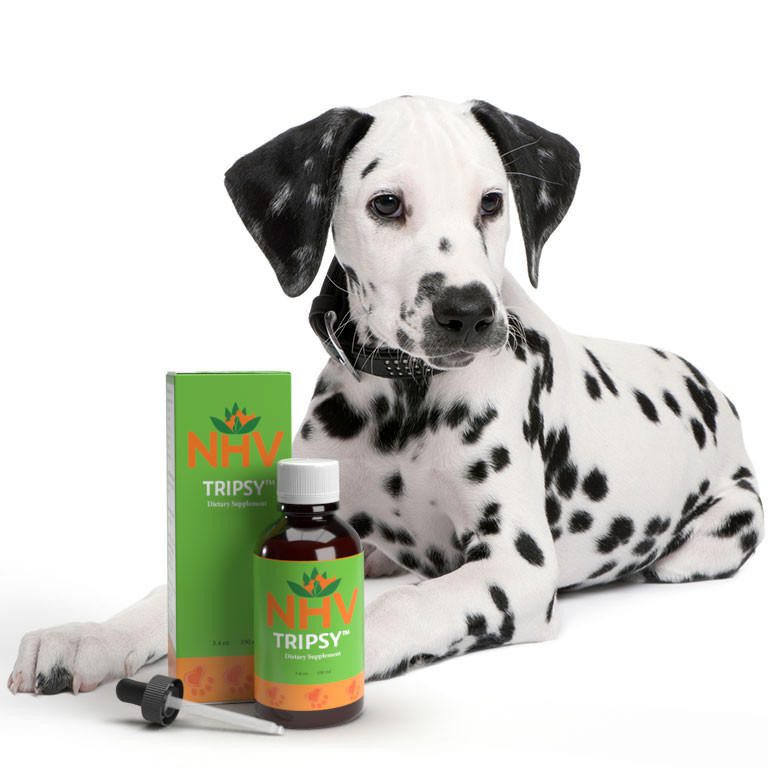
Holistic wellness focuses on supporting the body proactively through nutrition, low-stress living, hydration, enrichment, and healthy routines. Proactive wellness is often far easier than treating advanced illness later. Bird parents looking to support immune function and overall wellness may also explore natural products like NHV Stimmune and NHV Tripsy alongside veterinary guidance. These products are commonly used in holistic wellness routines to help support immune balance and urinary health.
Natural wellness products should never replace veterinary care, but some pet parents choose to incorporate herbal support as part of a broader long-term wellness plan.
Always work closely with an avian veterinarian when considering supplements, especially for birds with underlying health conditions.
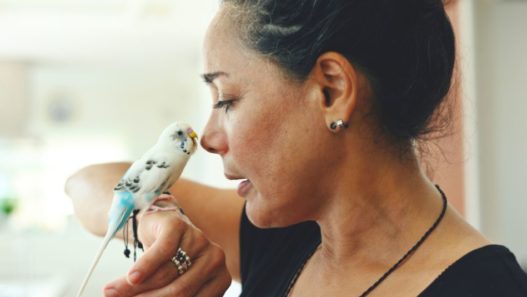
One of the most rewarding parts of bird ownership is the emotional bond that develops over time. Trust-building happens gradually through:
According to the UF Small Animal Hospital College of Vet Medicine, many birds enjoy talking and singing with their humans, clicker training, learning tricks, and spending time nearby during daily activities. Birds are social companions that thrive when they feel included and emotionally secure. Building trust takes time, especially with shy or rescued birds, but consistency and kindness go a long way.
Learning how to care for a pet bird goes far beyond providing food and shelter. Healthy, happy birds need mental stimulation, social interaction, proper nutrition, clean environments, and consistent routines to truly thrive.
Small daily habits can make a major difference
Whether you’re new to pet bird care or looking to improve your current routine, small daily habits can make a major difference in your bird’s quality of life. By creating a safe, enriching environment and staying proactive about wellness, you can help support a vibrant, active companion for many years to come.
Want more natural pet wellness tips and exclusive promotions? Sign up for our newsletter to receive monthly pet health insights, seasonal care advice, and updates on upcoming sales and special offers!
Tripsy- helps support pets with urinary tract, kidney, and bladder problems.
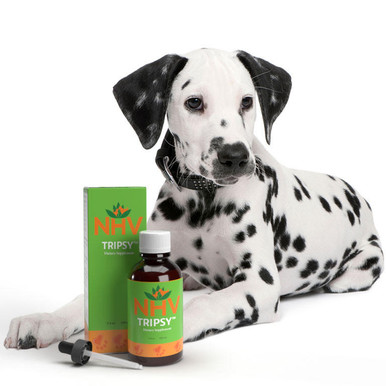
Tripsy- helps support pets with urinary tract, kidney, and bladder problems.
anxiety & aggression support
All-Natural Supplements for Parrots, Budgies and Other Birds
buy 2 and save $3
3 month supply for a small to medium size pet
What is it?
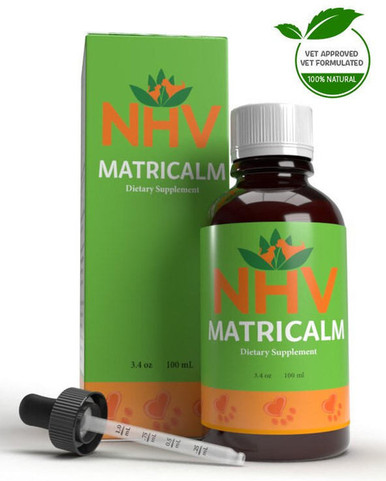
Birds are very sensitive creatures and may be prone to stress. NHV Matricalm is formulated to help calm your bird’s nerves and help increase their body’s resistance to stress and disease.
How does it work?
Why trust it?
NHV products are made in an FDA-approved and GMP-certified manufacturing facility, so your pet gets the best.

What is it?
Birds are very sensitive creatures and may be prone to stress. NHV Matricalm is formulated to help calm your bird’s nerves and help increase their body’s resistance to stress and disease.
How does it work?
Why trust it?
NHV products are made in an FDA-approved and GMP-certified manufacturing facility, so your pet gets the best.
Many pet birds are extremely intelligent and sensitive, so with the addition of other birds, loud sounds, loneliness or lack of stimulation, your bird may become stressed out, especially birds like Cockatoos, African Grays, and other species of parrots. Their heart rate and blood pressure may increase, and they may become irritated, excitable, and display behavior like feather picking, or screaming. Matricalm contains five calming herbs that help to reduce anxiety, increase feelings of relaxation and discourage behavioral issues related to a stressed-out nervous system.
Our all-natural care products are palatable for all types of birds, whether you have a cockatoo, a budgie, a canary, or any kind of parrot. Our liquid formulations make them easy to hide in a favorite treat or daily meals.
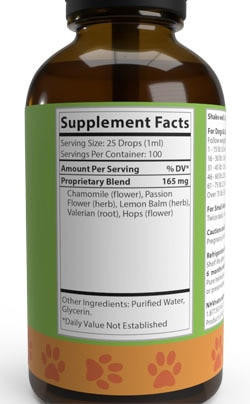
Stress and anxiety may have detrimental effects on your bird's body and cause a lot of discomfort. Ingredients like chamomile and lemon balm can help calm excitability, nervousness and relieve discomfort. The sedative properties in Matricalm help to expel intestinal gas and help lower blood pressure to support feelings of calmness. Herbs like passion flower promote feelings of relaxation by increasing levels of gamma aminobutyric acid (GABA) in the brain, while valerian helps to improve sleep latency and sleep quality. Hops adds diuretic and sedative support to help relieve sleep disturbances and improve mood.
Formulated specifically for pets and pocket pets by a holistic vet and master herbalist with more than 20 years of experience! If you have any questions about bird health or stress-related behavior, Get in touch with an NHV Pet Expert - we’re always happy to help.
Made with the finest, organically grown, or ethically harvested herbs. Made specifically for pets, vet-formulated, and vet approved.
Matricalm
For birds: 1 drop per two pounds twice a day
How to Administer
Shake well before use. The easiest method is to use the dropper provide and place the drops into your bird's favorite treat. You can also use the dropper and squirt directly into the bird’s mouth.
For Best Results
Herbal dietary supplements are beneficial to the health and wellbeing of your pet and are safe for long-term use. Every pet responds to natural herbal supplements differently, therefore it is important to be consistent and administer the product daily. Supplements generally take two to four weeks to take effect, however this will vary from one animal to the next.
Product Storage
All NHV Natural Pet Products are pure herbal extracts and contain no artificial additives, preservatives or coloring. Shelf life after opening is 6 months and must be refrigerated after opening.
Cautions and Contraindications
Do not use Matricalm in pregnant or nursing animals. Speak to your vet before using our products. A second visit is recommended if your pet’s condition does not improve, or deteriorates after continued use of the supplements.
All information provided by NHV Natural Pet Products is for educational purposes only.
Many pet birds are extremely intelligent and sensitive, so with the addition of other birds, loud sounds, loneliness or lack of stimulation, your bird may become stressed out, especially birds like Cockatoos, African Grays, and other species of parrots. Their heart rate and blood pressure may increase, and they may become irritated, excitable, and display behavior like feather picking, or screaming. Matricalm contains five calming herbs that help to reduce anxiety, increase feelings of relaxation and discourage behavioral issues related to a stressed-out nervous system.
Our all-natural care products are palatable for all types of birds, whether you have a cockatoo, a budgie, a canary, or any kind of parrot. Our liquid formulations make them easy to hide in a favorite treat or daily meals.
Stress and anxiety may have detrimental effects on your bird's body and cause a lot of discomfort. Ingredients like chamomile and lemon balm can help calm excitability, nervousness and relieve discomfort. The sedative properties in Matricalm help to expel intestinal gas and help lower blood pressure to support feelings of calmness. Herbs like passion flower promote feelings of relaxation by increasing levels of gamma aminobutyric acid (GABA) in the brain, while valerian helps to improve sleep latency and sleep quality. Hops adds diuretic and sedative support to help relieve sleep disturbances and improve mood.
Formulated specifically for pets and pocket pets by a holistic vet and master herbalist with more than 20 years of experience! If you have any questions about bird health or stress-related behavior, Get in touch with an NHV Pet Expert - we’re always happy to help.
Made with the finest, organically grown, or ethically harvested herbs. Made specifically for pets, vet-formulated, and vet approved.
Matricalm
For birds: 1 drop per two pounds twice a day
How to Administer
Shake well before use. The easiest method is to use the dropper provide and place the drops into your bird's favorite treat. You can also use the dropper and squirt directly into the bird’s mouth.
For Best Results
Herbal dietary supplements are beneficial to the health and wellbeing of your pet and are safe for long-term use. Every pet responds to natural herbal supplements differently, therefore it is important to be consistent and administer the product daily. Supplements generally take two to four weeks to take effect, however this will vary from one animal to the next.
Product Storage
All NHV Natural Pet Products are pure herbal extracts and contain no artificial additives, preservatives or coloring. Shelf life after opening is 6 months and must be refrigerated after opening.
Cautions and Contraindications
Do not use Matricalm in pregnant or nursing animals. Speak to your vet before using our products. A second visit is recommended if your pet’s condition does not improve, or deteriorates after continued use of the supplements.
All information provided by NHV Natural Pet Products is for educational purposes only.
multivitamin support
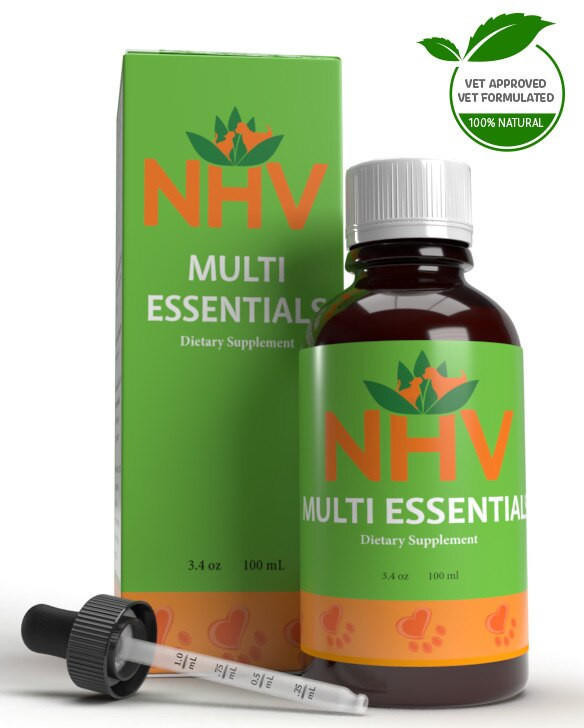
All-Natural Bird Health Supplements
buy 2 and save $3
3 month supply for a small to medium size pet
What is it?
As pet parents, we all want our pets to live long and healthy lives. To help your bird age with ease, our bird health supplements are formulated to fill nutritional voids, help maintain many body processes and encourage healthy skin and bones.
How does it work?
Why should I trust it?
NHV supplements are formulated by a holistic veterinarian and master herbalist with a combined 50 years of experience.

What is it?
As pet parents, we all want our pets to live long and healthy lives. To help your bird age with ease, our bird health supplements are formulated to fill nutritional voids, help maintain many body processes and encourage healthy skin and bones.
How does it work?
Why should I trust it?
NHV supplements are formulated by a holistic veterinarian and master herbalist with a combined 50 years of experience.
Hypovitaminosis, or low vitamin levels, can have detrimental effects on a bird’s health and may lead to many different health conditions. Good health starts with good nutrition, so for all of those birds out there who are looking for bird vitamins or added support when fighting off an illness, our Multi Essentials for Birds offers a liquid formulation that is packed full of nutrients. Whether you have canaries, parakeets, love birds, or budgies, our blend of 11 nutrient-dense herbs is formulated to help maintain many body processes, help metabolize vitamins and minerals, and improve digestion. It is beneficial support for birds exposed to environmental toxins as well as encourages healthy skin and feathers. All of our supplements are made with full-spectrum plant extracts that are crafted specifically for pets. Full-spectrum means that all of the vitamins, minerals, and trace elements are kept intact during the extraction process to make it absorbable for your pet.
Common signs that your bird may be suffering from a vitamin deficiency:
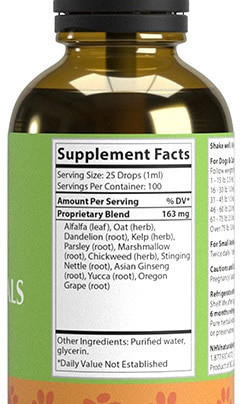
Having a nutritionally deficient diet can cause a lot of stress and discomfort for your feathery friend. Our Multi Essentials for Birds is an all-natural herbal remedy formulated to help fill nutritional voids, help reduce fatigue and help to increase energy levels. Ingredients like chickweed, dandelion, and yucca, help improve the absorption of nutrients and aid effective digestion. Marshmallow adds a rich source of calcium to promote strong bones, while kelp and Asian ginseng help to maintain healthy metabolism and encourage overall vitality. The many other nutritive ingredients help maintain vital body processes and promote healthy blood circulation.
We know your pets are your family. That’s why we made our bird health supplements100% natural, easy to administer (liquid formula), and made with only the best organically grown, or wildcrafted ingredients. For any questions or concerns about your bird’s health, don’t hesitate to get in touch with an NHV Pet Expert - we’re always here to help!
Made with the finest, organically grown, or ethically harvested herbs. Made specifically for pets, vet-formulated and vet approved.
For birds: 1 drop per two pounds twice a day
How to Administer
Shake well before use. The easiest method is to use the dropper provide and place the drops into your bird's favorite treat. You can also use the dropper and squirt directly into the bird’s mouth.
For Best Results
Herbal dietary supplements are beneficial to the health and wellbeing of your pet and are safe for long-term use. Every pet responds to natural herbal supplements differently, therefore it is important to be consistent and administer the product daily. Supplements generally take two to four weeks to take effect, however this will vary from one animal to the next.
Product Storage
All NHV Natural Pet Products are pure herbal extracts and contain no artificial additives, preservatives or coloring. Shelf life after opening is 6 months and must be refrigerated after opening.
Cautions and Contraindications
Do not use Multi Essentials in pregnant or nursing animals. Speak to your vet before using our products. A second visit is recommended if your pet’s condition does not improve, or deteriorates after continued use of the supplements.
All information provided by NHV Natural Pet Products is for educational purposes only.
Hypovitaminosis, or low vitamin levels, can have detrimental effects on a bird’s health and may lead to many different health conditions. Good health starts with good nutrition, so for all of those birds out there who are looking for bird vitamins or added support when fighting off an illness, our Multi Essentials for Birds offers a liquid formulation that is packed full of nutrients. Whether you have canaries, parakeets, love birds, or budgies, our blend of 11 nutrient-dense herbs is formulated to help maintain many body processes, help metabolize vitamins and minerals, and improve digestion. It is beneficial support for birds exposed to environmental toxins as well as encourages healthy skin and feathers. All of our supplements are made with full-spectrum plant extracts that are crafted specifically for pets. Full-spectrum means that all of the vitamins, minerals, and trace elements are kept intact during the extraction process to make it absorbable for your pet.
Common signs that your bird may be suffering from a vitamin deficiency:
Having a nutritionally deficient diet can cause a lot of stress and discomfort for your feathery friend. Our Multi Essentials for Birds is an all-natural herbal remedy formulated to help fill nutritional voids, help reduce fatigue and help to increase energy levels. Ingredients like chickweed, dandelion, and yucca, help improve the absorption of nutrients and aid effective digestion. Marshmallow adds a rich source of calcium to promote strong bones, while kelp and Asian ginseng help to maintain healthy metabolism and encourage overall vitality. The many other nutritive ingredients help maintain vital body processes and promote healthy blood circulation.
We know your pets are your family. That’s why we made our bird health supplements100% natural, easy to administer (liquid formula), and made with only the best organically grown, or wildcrafted ingredients. For any questions or concerns about your bird’s health, don’t hesitate to get in touch with an NHV Pet Expert - we’re always here to help!
Made with the finest, organically grown, or ethically harvested herbs. Made specifically for pets, vet-formulated and vet approved.
For birds: 1 drop per two pounds twice a day
How to Administer
Shake well before use. The easiest method is to use the dropper provide and place the drops into your bird's favorite treat. You can also use the dropper and squirt directly into the bird’s mouth.
For Best Results
Herbal dietary supplements are beneficial to the health and wellbeing of your pet and are safe for long-term use. Every pet responds to natural herbal supplements differently, therefore it is important to be consistent and administer the product daily. Supplements generally take two to four weeks to take effect, however this will vary from one animal to the next.
Product Storage
All NHV Natural Pet Products are pure herbal extracts and contain no artificial additives, preservatives or coloring. Shelf life after opening is 6 months and must be refrigerated after opening.
Cautions and Contraindications
Do not use Multi Essentials in pregnant or nursing animals. Speak to your vet before using our products. A second visit is recommended if your pet’s condition does not improve, or deteriorates after continued use of the supplements.
All information provided by NHV Natural Pet Products is for educational purposes only.
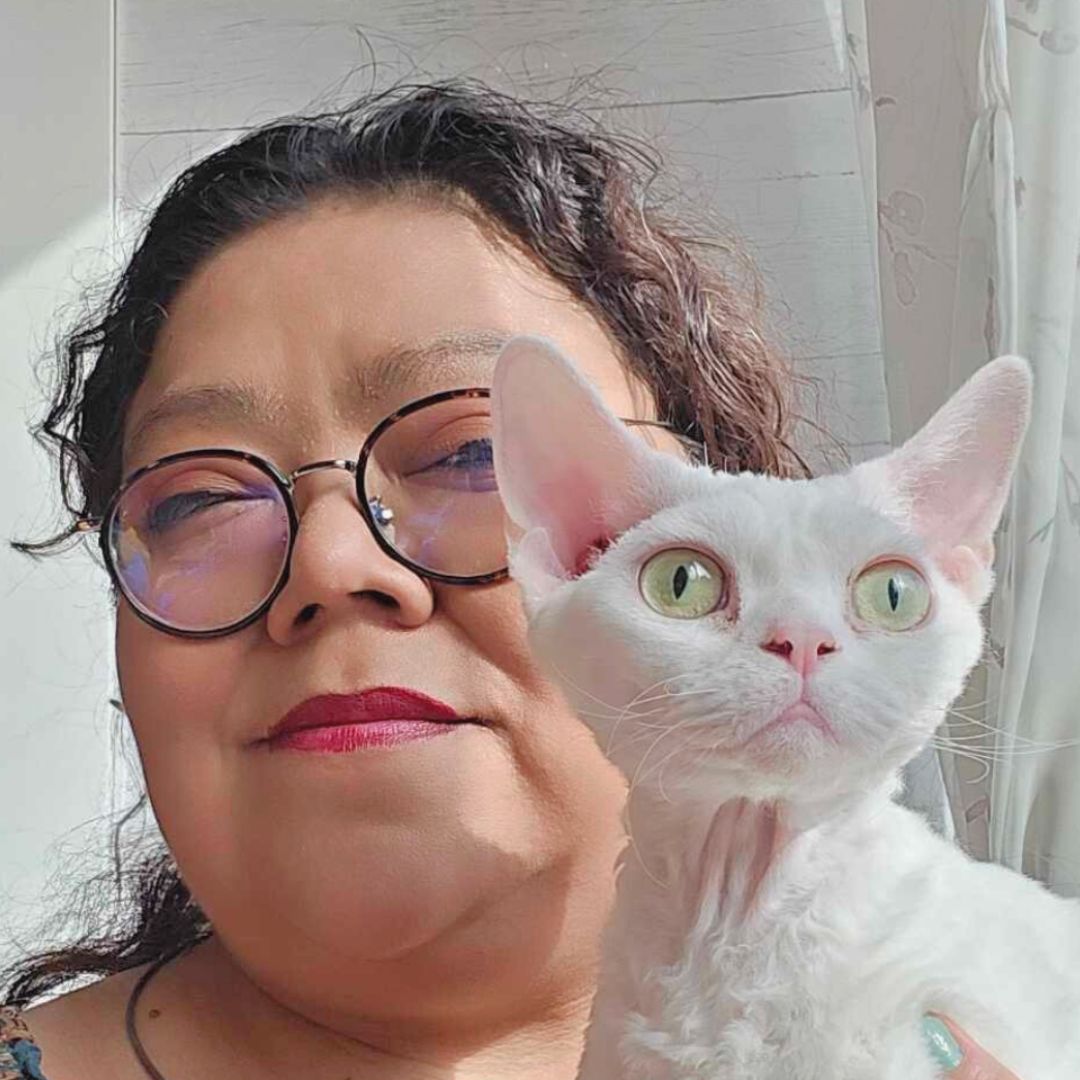
Dr. Yuvia Hernandez graduated from the Universidad Autonoma de Ciudad Juarez (Mexico) with a degree in Veterinary Medicine and Animal Husbandry, and later got her Master’s Degree in Educational Strategies from the Universidad Regional del Norte. She has taken several courses throughout her career to train in the veterinary field, such as emergency veterinary care, animal nutrition, and holistic veterinary care. Dr. Hernandez shares her home with two adorable cats as she continues to learn about animal welfare and care.
Published: May 29, 2026
Stimmune - helps support a pets immune sytem

Stimmune - helps support a pets immune sytem