dermatitis relief
Ouch Away for cats
USD $28.95
free shipping over $100 (USA & Canada)
1-877-937-4372 the pet expert hotline


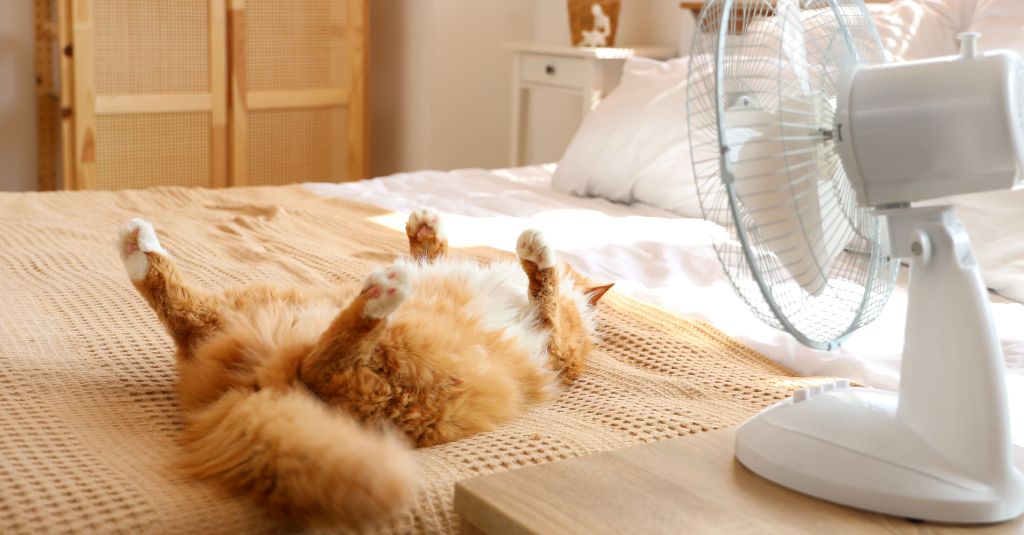
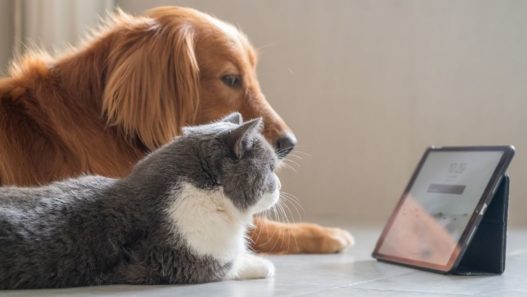
Climate change is no longer just an environmental conversation, as it has become a pet health conversation too. While we often hear about rising sea levels, melting glaciers, and extreme weather events, the changing climate is also influencing the daily lives of our dogs and cats in ways that many pet parents may not realize.
Longer allergy seasons, more frequent heat waves, worsening air quality, and the expansion of fleas and ticks into new regions are all creating new challenges for companion animals. The good news is that while we can’t control the weather, we can help our pets adapt through preventive veterinary care, smart lifestyle choices, and natural wellness support.
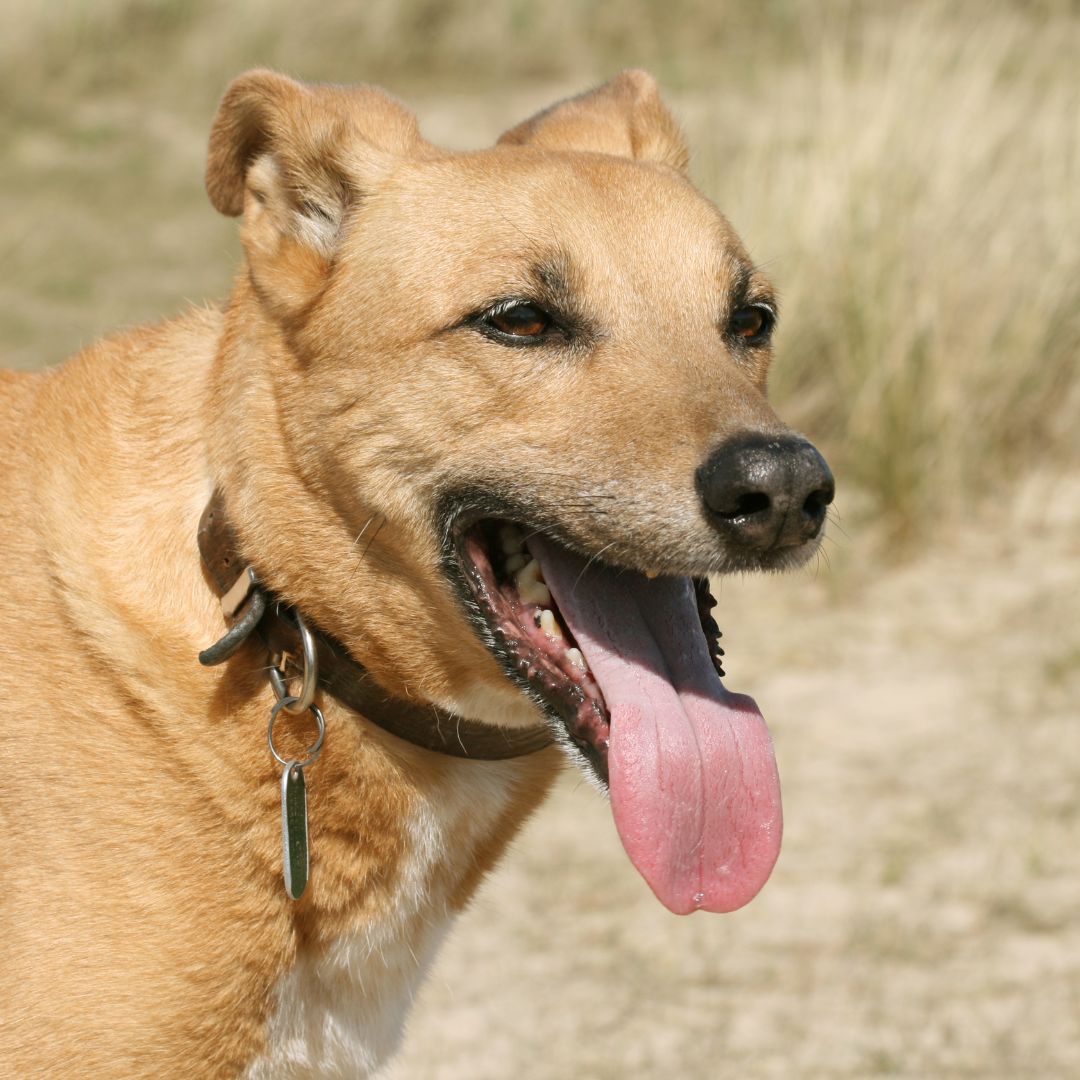
According to the American Veterinary Medical Association (AVMA), dogs and cats regulate body temperature differently than humans, relying primarily on panting and limited sweating through their new pads, making them particularly vulnerable to overheating.
Senior pets, puppies and kittens, overweight pets, brachycephalic breeds, and pets with heart or respiratory disease are especially at risk. Signs of heat stress include excessive panting, weakness, vomiting, disorientation, and collapse.
Pet parents should walk dogs during cooler hours, avoid hot pavement, provide fresh water, and never leave pets in parked vehicles.
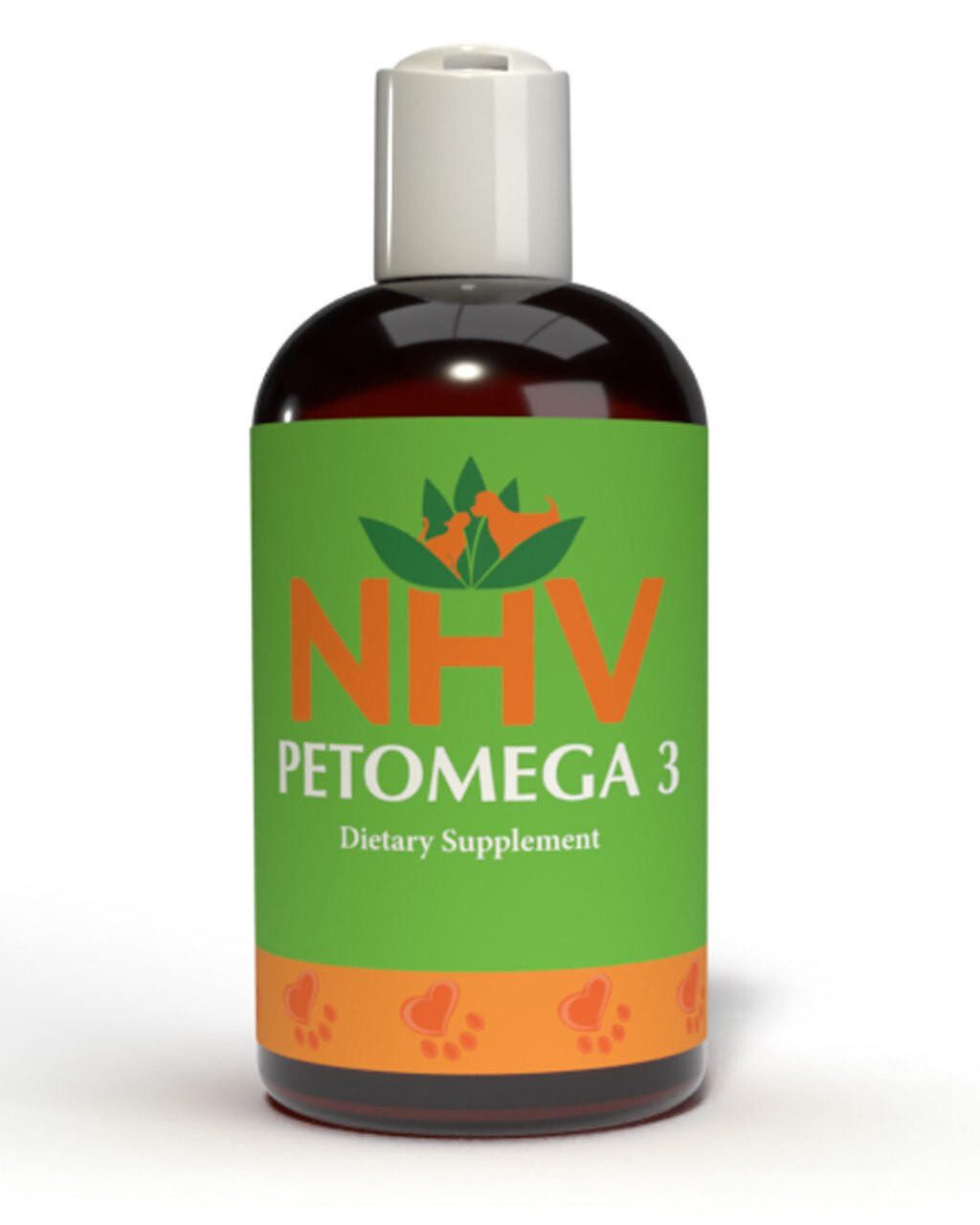
Beyond hydration, maintaining overall wellness can help pets better cope with seasonal challenges. Diets rich in omega-3 fatty acids support healthy skin, joints, and normal inflammatory responses. Products such as NHV Petomega 3 can be incorporated into a vet-guided wellness routine as part of a natural, proactive care.
Warmer temperatures and changing precipitation patterns can extend pollen seasons and increase exposure to environmental changes. Pets may experience scratching, paw licking, ear infections, or irritated skin as a result.
Managing allergies begins with guidance from your pet’s veterinarian. However, supporting the skin barrier is equally important. Supplements such as NHV Stimmune, NHV Ouch Away, NHV Echo Gold, and NHV Petomega 3 may complement a comprehensive wellness strategy.
When we think about climate change, we often picture rising temperatures. However, another growing concern is air quality and how it affects all living creatures. Longer wildfire season, increased pollen production, and higher levels of airborne pollutants can all affect our pets’ respiratory health.
According to the AVMA, wildfire smoke contains tiny particles of matter and gases that can irritate the eyes and respiratory tract of both dogs and cats. Pets with pre-existing conditions such as asthma, chronic bronchitis, or heart disease may be especially vulnerable, but even healthy pets can experience discomfort after prolonged exposure.
Coughing or wheezing, nasal discharge, rapid breathing, watery or irritated eyes, low energy, and reluctance to exercise might be some signs that your fur baby may be affected by poor air quality. Herbal supplements such as NHV Resp-Aid can be incorporated to support healthy lung and bronchial function.
Warmer temperatures allow for ticks, fleas, and mosquitoes to remain active. According to the Schwarzmann Animal Medical Center (AMC), the population of these parasites and the diseases they carry increases when there are habitat changes resulting from climate change, as their population is kept in check by birds, bats, and large insects, which are directly affected by these habitat changes.
Routine prevention, tick checks, and veterinary wellness exams remain essential. Some of the diseases associated with these parasites include:
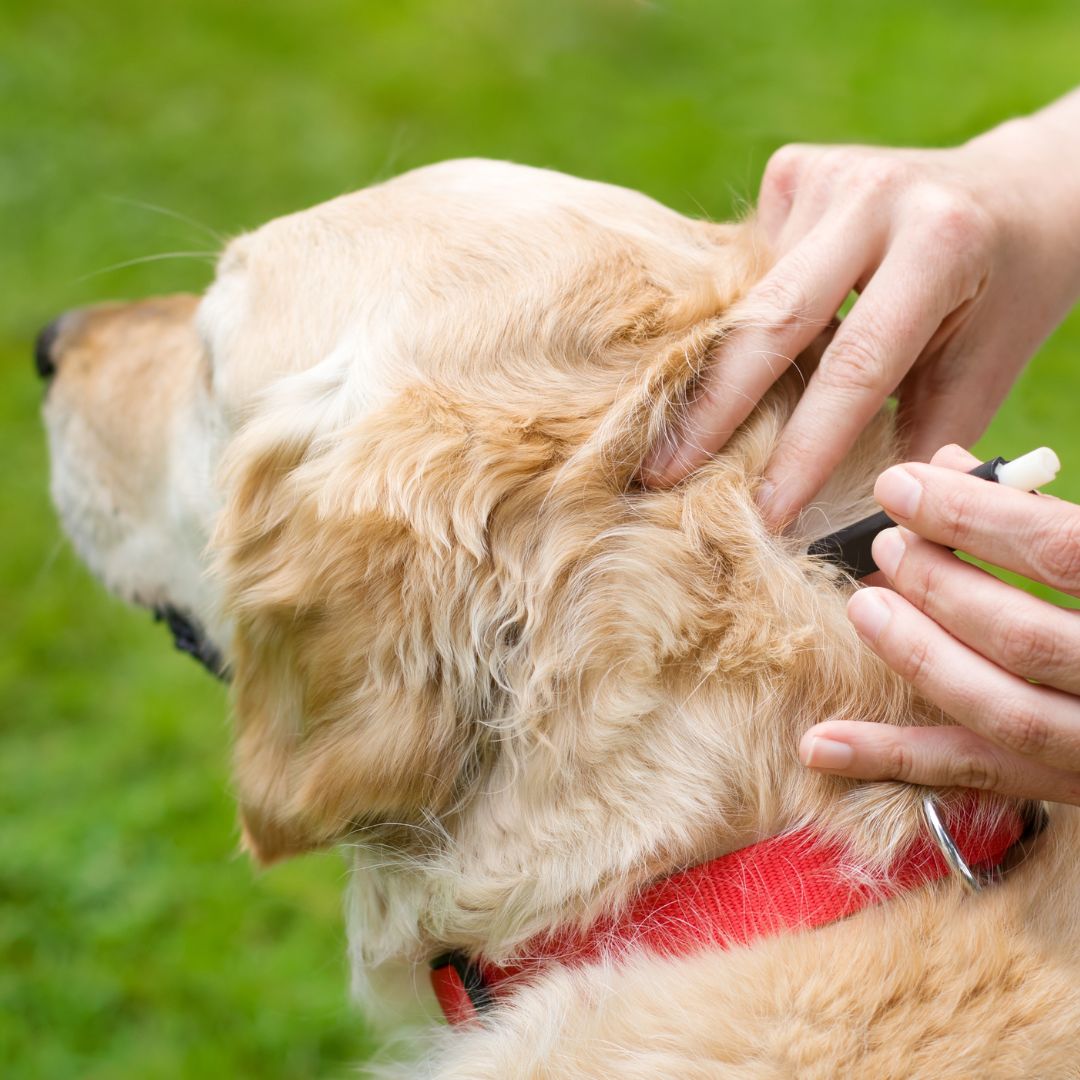
Even indoor pets are not entirely exempt, as fleas and mosquitoes can easily find their way into homes. In addition to veterinarian-recommended parasite control protocols, some pet parents incorporate natural wellness into their care routine. NHV Target Spray can be applied to the coat before outdoor activities for pest management, while NHV Inulin PK is often used as gastrointestinal parasite support.
Supporting overall vitality through balanced nutrition and products such as NHV Multi Essentials may complement preventive care but should never replace veterinarian-recommended parasite prevention.
Many senior pets appear stiffer during weather changes, and this leads to some pet parents saying their fur baby can “predict the weather” based on how stiff their pet seems to be in the morning. As climate patterns become increasingly unpredictable, periods of heat, humidity, and sudden weather shifts may affect pets living with chronic joint conditions. Common signs include:
Maintaining an ideal weight, encouraging appropriate exercise, and supporting joint health through nutrition are valuable strategies. NHV Yucca and NHV Petomega 3 may help support mobility and comfort as part of a good wellness plan.
Climate change doesn’t only affect the body: it can also affect the mind. Extreme weather events such as thunderstorms, floods, wildfires, and heat waves are becoming more frequent in many regions. These events can disrupt routines that pets depend upon for a sense of security.
Dogs and cats thrive on predictability. Changes in daily schedules, evacuations, power outages, or prolonged confinements indoors can contribute to emotional stress. The signs for this may include:
The natural support of NHV Matricalm and NHV Lesstress is designed to promote relaxation and emotional balance during periods of occasional stress. Used alongside behavioral management and veterinary guidance, they can help support your pet’s overall emotional well-being.
While climate change presents new challenges, there are many practical steps pet parents can take to help their best fur-friend thrive:
Rather than reacting only when problems arise, proactive wellness can help build resistance against seasonal and environmental changes.
Climate changes remind us that wellness isn’t just about treating illness; it’s about helping the body adapt to changing conditions before problems develop.
At NHV, we believe that natural support works best as part of a comprehensive approach that includes quality nutrition, routine veterinary care, exercise, and a stable environment. Whether your pet needs support for healthy skin during high allergy season, mobility as temperatures fluctuate, digestive balance during stressful events, or emotional well-being during storms, a proactive wellness plan can make a meaningful difference.
While no supplement can stop climate change, supporting your pet’s overall health may help them navigate the challenges that come with a changing world.
Pets experience climate change alongside us, but they rely on us as their pet parents to recognize the risks and act. From longer allergy seasons and worsening air quality to increased parasite activity and extreme weather events, the effects of climate change are becoming an important part of everyday pet care.
Small, proactive steps can have a big impact. By combining preventive veterinary care with healthy lifestyle choices and thoughtful NHV natural wellness support, we can help our companions remain comfortable, active, and resilient in every season.
dermatitis relief
Natural Cat Allergy Spray for Hot Spots
buy 2 and save $3
What is it?
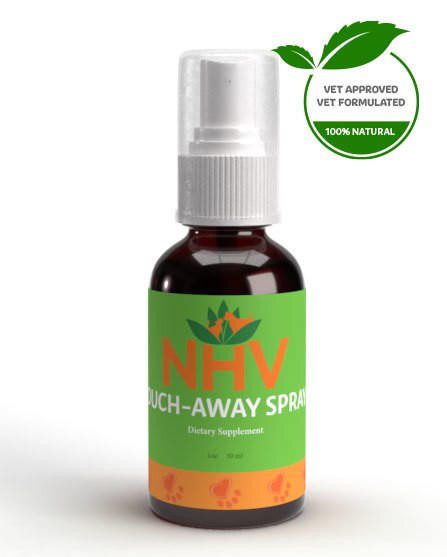
NHV Ouch Away for Cats is a topical spray that helps soothe cat skin allergies and fur loss recovery.
How does it work?
Why trust it?
NHV Ouch Away is vet-formulated and vet-approved.


What is it?
NHV Ouch Away for Cats is a topical spray that helps soothe cat skin allergies and fur loss recovery.
How does it work?
Why trust it?
NHV Ouch Away is vet-formulated and vet-approved.
Natural Support for Cat Skin Allergies and Hot Spots
Protect your cat’s skin naturally. Sensitivities to food, environmental allergens, and biting insects can cause your kitty to lick or bite irritated skin, causing a ‘hot spot’ to form.
What Is A Hot Spot?
A hot spot (aka moist dermatitis) is an inflamed skin lesion that may be further irritated by licking, scratching and chewing, often turning red, becoming infected, and 'hot' to the touch. Kitties are very sensitive and may have very delicate skin, so even small changes in their diet or environment can strongly affect them. The inflamed skin can be very uncomfortable for your kitty, and they may even experience fur loss.
Causes of Hot Spots on Cats
A few factors can cause hot spots in our feline friends, like food sensitivities, allergens in the environment, biting insects, and infections. Kitties with longer coats may be more susceptible to hot spots, especially when the weather is humid (like in the summer months). In most cases, hot spots are caused by allergies to the environment or something in their diet. Cat skin allergies most often develop on their paws, face, ears, front legs, and belly, but itchiness all over the body is common as well.
How NHV's Natural Cat Allergy Spray Relieves Inflamed Skin
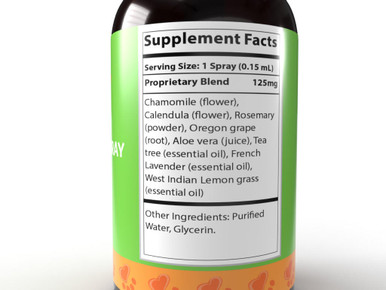
If your kitty is licking, biting, or scratching a specific area, they may be experiencing a great level of discomfort. Ingredients like Chamomile, Marigold and Aloe vera are beneficial for soothing skin lesions, reducing swelling and easing discomfort. The immunostimulatory properties in Ouch Away help regulate a healthy histamine response to rebalance the immune system and help prevent infection. Herbs like Tea Tree oil and Lemongrass are effective topically against biting insects (fleas, mites, mosquitos and flies) and fighting infections, while ingredients like Rosemary encourage hair regrowth (recovery from alopecia).
Help Support your Cat Naturally
NHV Ouch Away Spray is an all-natural spray that is non-toxic for your furkiddo and formulated by an experienced herbalist and holistic vet. To learn more about hot spots in cats, check out our blog post about it. Get in touch with an NHV pet expert if you have questions about your kitty’s unique health needs.
Made with the finest, organically grown, or ethically harvested herbs. Made specifically for pets, vet-formulated and vet approved.
How to Administer
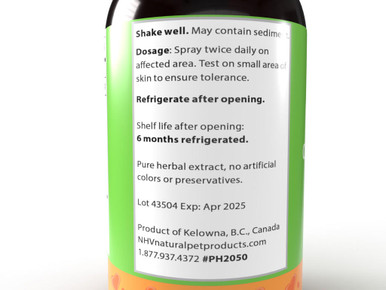
Topical Spray: Spray several times a day to affected area(s) until healed. It may sometimes be necessary to shave or trim your pet’s hair so that the Ouch Away Spray reaches the affected area. If necessary, cover the affected area with gauze dressing.
Caution
Do not spray near or into eyes or nose. May initially sting on open cut. A vet examination prior to use of this product is recommended. If your pet’s condition does not improve or deteriorates consult your vet and stop the use of the product.
Information presented by NHV Natural Pet Products is for educational purposes only.
Natural Support for Cat Skin Allergies and Hot Spots
Protect your cat’s skin naturally. Sensitivities to food, environmental allergens, and biting insects can cause your kitty to lick or bite irritated skin, causing a ‘hot spot’ to form.
What Is A Hot Spot?
A hot spot (aka moist dermatitis) is an inflamed skin lesion that may be further irritated by licking, scratching and chewing, often turning red, becoming infected, and 'hot' to the touch. Kitties are very sensitive and may have very delicate skin, so even small changes in their diet or environment can strongly affect them. The inflamed skin can be very uncomfortable for your kitty, and they may even experience fur loss.
Causes of Hot Spots on Cats
A few factors can cause hot spots in our feline friends, like food sensitivities, allergens in the environment, biting insects, and infections. Kitties with longer coats may be more susceptible to hot spots, especially when the weather is humid (like in the summer months). In most cases, hot spots are caused by allergies to the environment or something in their diet. Cat skin allergies most often develop on their paws, face, ears, front legs, and belly, but itchiness all over the body is common as well.
How NHV's Natural Cat Allergy Spray Relieves Inflamed Skin
If your kitty is licking, biting, or scratching a specific area, they may be experiencing a great level of discomfort. Ingredients like Chamomile, Marigold and Aloe vera are beneficial for soothing skin lesions, reducing swelling and easing discomfort. The immunostimulatory properties in Ouch Away help regulate a healthy histamine response to rebalance the immune system and help prevent infection. Herbs like Tea Tree oil and Lemongrass are effective topically against biting insects (fleas, mites, mosquitos and flies) and fighting infections, while ingredients like Rosemary encourage hair regrowth (recovery from alopecia).
Help Support your Cat Naturally
NHV Ouch Away Spray is an all-natural spray that is non-toxic for your furkiddo and formulated by an experienced herbalist and holistic vet. To learn more about hot spots in cats, check out our blog post about it. Get in touch with an NHV pet expert if you have questions about your kitty’s unique health needs.
Made with the finest, organically grown, or ethically harvested herbs. Made specifically for pets, vet-formulated and vet approved.
How to Administer
Topical Spray: Spray several times a day to affected area(s) until healed. It may sometimes be necessary to shave or trim your pet’s hair so that the Ouch Away Spray reaches the affected area. If necessary, cover the affected area with gauze dressing.
Caution
Do not spray near or into eyes or nose. May initially sting on open cut. A vet examination prior to use of this product is recommended. If your pet’s condition does not improve or deteriorates consult your vet and stop the use of the product.
Information presented by NHV Natural Pet Products is for educational purposes only.
general wellbeing
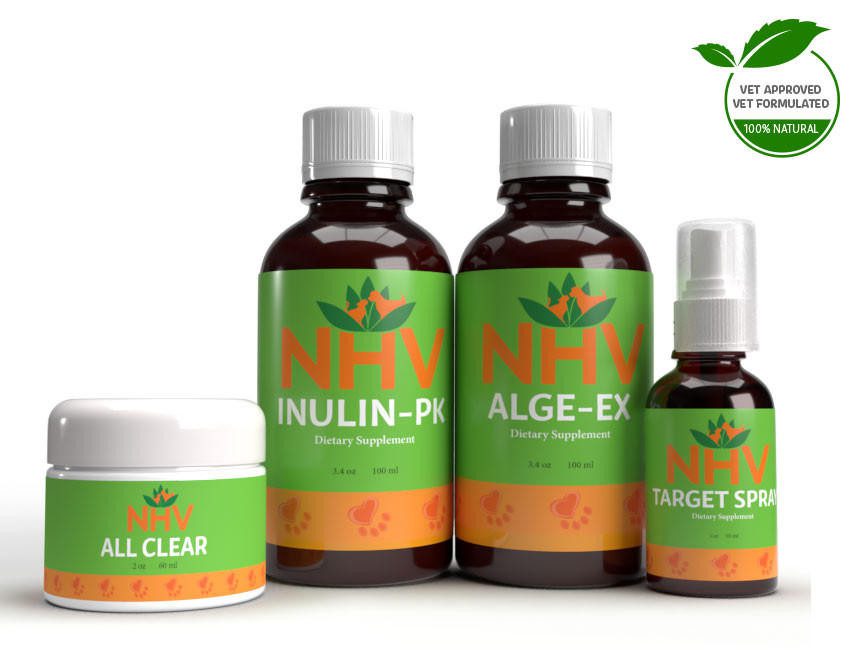
Natural Support for Parasites, Skin Allergies and Bug Bites
bundle and save with pet expert kits
3 month supply for a small to medium size pet.
What is it?
NHV’s Fun in the Sun Summer Kit is a natural supplement bundle for cats and dogs that supports their health and energy during outdoor activities like hiking, camping, and traveling.
How Does it Work?
Why Should I Trust It?
Made specifically for pets, vet-formulated and vet approved.
What is it?
NHV’s Fun in the Sun Summer Kit is a natural supplement bundle for cats and dogs that supports their health and energy during outdoor activities like hiking, camping, and traveling.
How Does it Work?
Why Should I Trust It?
Made specifically for pets, vet-formulated and vet approved.
Is your dog or cat getting excited about the longer days and all of the new sights and smells? Summer is the perfect time to take your little one hiking, camping, or travelling with you. Support them with cat and dog supplements so they can enjoy summer to the fullest without worry with NHV’s Fun in the Sun Summer Kit.
Natural Supplements for Dogs and Cats Ready For A Day Out
Before venturing into the wilderness or travelling with your furkiddo, you can help prevent the discomfort your little one could face when exposed to the elements. They could come into contact with other animals or insects while camping, hiking, or in an airplane. We advise checking with your vet so that all of your pet’s vaccinations are up to date. NHV Fun in the Sun Summer Kit contains Inulin-PK, Alge-Ex, All Clear Ointment, and Target Spray to naturally support the elimination of parasites, help support your pet’s immune system, soothe discomfort/inflammation, and help deter bug bites.
How NHV Remedies Support Your Pet’s Adventurous Side
Watching your furbaby sneezing and scratching or having an upset tummy is the opposite of fun in the sun! When your furkiddo is on an adventure, they don’t want to have to worry about getting sick, so as their pet pawrent, you can support them with the NHV Fun in the Sun Summer Kit which contains Inulin-PK - a natural dewormer that may helps with internal parasite prevention, Alge-Ex - an immune system support to manage histamine response and allergy symptoms, All Clear Ointment - a topical ointment for inflamed, itchy skin, and Target Spray - an all-natural insect spray that shields against ticks, fleas, and mosquitos. For best results, we recommend giving your furbaby Inulin-PK and Alge-Ex for at least 3 weeks before your trip; afterward, they are both great supplements for your dog or cat’s long-term proactive care plan. All Clear Ointment and Target Spray are great to have on hand to support your pet against biting critters and inflamed paws (from long hikes).
Fun in the Sun Summer Kit is a cat and dog supplement kit that aids with allergy symptoms, helps support gentle elimination of parasites as well as helps shield your pets from ticks, fleas, and mosquitos. These liquid supplements, with high bioavailability, are safe and effective to use alongside other vet-prescribed treatments ie. tick or flea prevention.
Extra Support for Pets
Are you taking your furkiddo on a big hike or camping trip and feeling overwhelmed with packing? Read to help you prepare!
If you’re a pet parent with a senior dog or cat, you know that in the summer, they get just as excited as their younger counterparts. Read our summer checklist for senior pets for tips on how to keep your furkiddo happy and healthy on those hot summer days!
At NHV, we are a team of pet experts, holistic veterinarians, and animal enthusiasts. Get in touch with us if you have any questions or concerns about how to best support your pet on their outdoor adventures.
Made with the finest, organically grown, or ethically harvested herbs. Made specifically for pets, vet-formulated and vet approved.
Inulin-PK
Alge-Ex
All Clear Ointment
Target Spray
INULIN-PK and ALGE-EX : To be taken twice daily. Determine your pet’s weight and then use the easy chart below to determine the correct dose. This is the minimum dosage.
Pet's Weight Dosage
0 - 15 lb = 0.5 ml
16 - 30 lb = 1.0 ml
31 - 45 lb = 1.5 ml
46 - 60 lb = 2.0 ml
61 - 75 lb = 2.5 ml
Over 75 lb = 3.0 ml
For small animals (rabbits, ferrets), avians and reptiles use 1 drop for every 2 lb of body weight.
How to Administer
Shake well before use. The easiest method is to use the dropper provided and place the drops into your pet’s food or favorite treat. You can also use the dropper and squirt directly into the pet’s mouth. Some pets can be finicky, if this occurs consider hiding the drops in foods most pet’s love such as fish, chicken or yogurt or a favorite treat. If your pet only eats dry food then soak a few kibbles at feeding time.
For Best Results
Herbal dietary supplements are beneficial to the health and well-being of your pet and are safe for long-term use. Every pet responds to natural herbal supplements differently, therefore it is important to be consistent and administer the product daily. Supplements generally take two to four weeks to take effect, however this will vary from one animal to the next.
Product Storage
All NHV Natural Pet Products are pure herbal extracts and contain no artificial additives, preservatives or coloring. Shelf life after opening is 6 months and must be refrigerated after opening.
Cautions and Contraindications
Do not use in pregnant or nursing animals.
How to Administer
Topical ointment: Clean and dry affected area(s). Apply to the affected area 3 to 4 times per day. It may sometimes be necessary to shave or trim your pet’s hair so that the All Clear Ointment may penetrate better.
Caution
Do not apply on open or bleeding wounds.
How to Administer
Topical Spray: Lightly spray your pet from back of ears to tail, taking care to avoid the eye area. Brush through coat, repeat as needed.
Caution
Do not spray near or into the eyes or nose. Do not use on pregnant animals.
All information provided by NHV Natural Pet Products is for educational purposes only.
Is your dog or cat getting excited about the longer days and all of the new sights and smells? Summer is the perfect time to take your little one hiking, camping, or travelling with you. Support them with cat and dog supplements so they can enjoy summer to the fullest without worry with NHV’s Fun in the Sun Summer Kit.
Natural Supplements for Dogs and Cats Ready For A Day Out
Before venturing into the wilderness or travelling with your furkiddo, you can help prevent the discomfort your little one could face when exposed to the elements. They could come into contact with other animals or insects while camping, hiking, or in an airplane. We advise checking with your vet so that all of your pet’s vaccinations are up to date. NHV Fun in the Sun Summer Kit contains Inulin-PK, Alge-Ex, All Clear Ointment, and Target Spray to naturally support the elimination of parasites, help support your pet’s immune system, soothe discomfort/inflammation, and help deter bug bites.
How NHV Remedies Support Your Pet’s Adventurous Side
Watching your furbaby sneezing and scratching or having an upset tummy is the opposite of fun in the sun! When your furkiddo is on an adventure, they don’t want to have to worry about getting sick, so as their pet pawrent, you can support them with the NHV Fun in the Sun Summer Kit which contains Inulin-PK - a natural dewormer that may helps with internal parasite prevention, Alge-Ex - an immune system support to manage histamine response and allergy symptoms, All Clear Ointment - a topical ointment for inflamed, itchy skin, and Target Spray - an all-natural insect spray that shields against ticks, fleas, and mosquitos. For best results, we recommend giving your furbaby Inulin-PK and Alge-Ex for at least 3 weeks before your trip; afterward, they are both great supplements for your dog or cat’s long-term proactive care plan. All Clear Ointment and Target Spray are great to have on hand to support your pet against biting critters and inflamed paws (from long hikes).
Fun in the Sun Summer Kit is a cat and dog supplement kit that aids with allergy symptoms, helps support gentle elimination of parasites as well as helps shield your pets from ticks, fleas, and mosquitos. These liquid supplements, with high bioavailability, are safe and effective to use alongside other vet-prescribed treatments ie. tick or flea prevention.
Extra Support for Pets
Are you taking your furkiddo on a big hike or camping trip and feeling overwhelmed with packing? Read to help you prepare!
If you’re a pet parent with a senior dog or cat, you know that in the summer, they get just as excited as their younger counterparts. Read our summer checklist for senior pets for tips on how to keep your furkiddo happy and healthy on those hot summer days!
At NHV, we are a team of pet experts, holistic veterinarians, and animal enthusiasts. Get in touch with us if you have any questions or concerns about how to best support your pet on their outdoor adventures.
Made with the finest, organically grown, or ethically harvested herbs. Made specifically for pets, vet-formulated and vet approved.
Inulin-PK
Alge-Ex
All Clear Ointment
Target Spray
INULIN-PK and ALGE-EX : To be taken twice daily. Determine your pet’s weight and then use the easy chart below to determine the correct dose. This is the minimum dosage.
Pet's Weight Dosage
0 - 15 lb = 0.5 ml
16 - 30 lb = 1.0 ml
31 - 45 lb = 1.5 ml
46 - 60 lb = 2.0 ml
61 - 75 lb = 2.5 ml
Over 75 lb = 3.0 ml
For small animals (rabbits, ferrets), avians and reptiles use 1 drop for every 2 lb of body weight.
How to Administer
Shake well before use. The easiest method is to use the dropper provided and place the drops into your pet’s food or favorite treat. You can also use the dropper and squirt directly into the pet’s mouth. Some pets can be finicky, if this occurs consider hiding the drops in foods most pet’s love such as fish, chicken or yogurt or a favorite treat. If your pet only eats dry food then soak a few kibbles at feeding time.
For Best Results
Herbal dietary supplements are beneficial to the health and well-being of your pet and are safe for long-term use. Every pet responds to natural herbal supplements differently, therefore it is important to be consistent and administer the product daily. Supplements generally take two to four weeks to take effect, however this will vary from one animal to the next.
Product Storage
All NHV Natural Pet Products are pure herbal extracts and contain no artificial additives, preservatives or coloring. Shelf life after opening is 6 months and must be refrigerated after opening.
Cautions and Contraindications
Do not use in pregnant or nursing animals.
How to Administer
Topical ointment: Clean and dry affected area(s). Apply to the affected area 3 to 4 times per day. It may sometimes be necessary to shave or trim your pet’s hair so that the All Clear Ointment may penetrate better.
Caution
Do not apply on open or bleeding wounds.
How to Administer
Topical Spray: Lightly spray your pet from back of ears to tail, taking care to avoid the eye area. Brush through coat, repeat as needed.
Caution
Do not spray near or into the eyes or nose. Do not use on pregnant animals.
All information provided by NHV Natural Pet Products is for educational purposes only.
allergy support
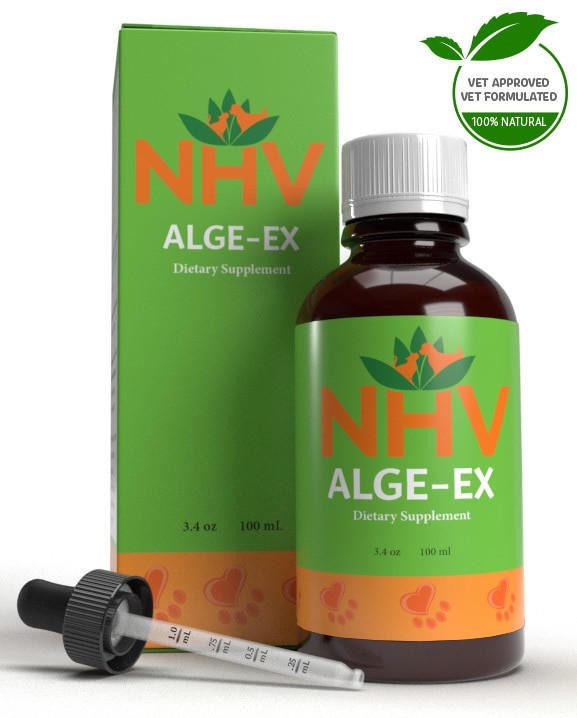
Natural Remedy for Environmental Allergies in Dogs
buy 2 and save $3
3 month supply for a small to medium size pet.
What is it?
NHV Alge-Ex for Dogs can help support your furkid with environmental allergies and help ease symptoms. The 100% herbal formula can also serve as proactive support for potential allergic reactions.
How Does it Work?
Why Should I Trust It?
Safe, natural herbal supplement formulated by veterinarians.
What is it?
NHV Alge-Ex for Dogs can help support your furkid with environmental allergies and help ease symptoms. The 100% herbal formula can also serve as proactive support for potential allergic reactions.
How Does it Work?
Why Should I Trust It?
Safe, natural herbal supplement formulated by veterinarians.
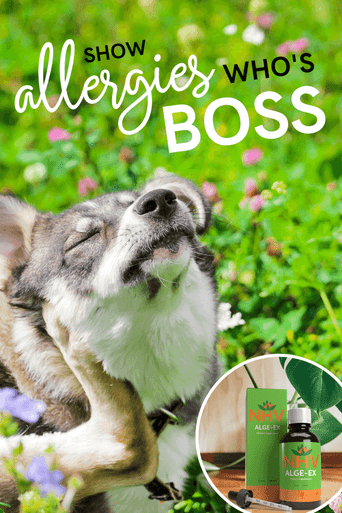
Achoo - oh no, is your sweet pup suffering from environmental allergies?
Seeing our precious pups struggle with allergies in dogs is rough. However, environmental allergens are unavoidable. From dust at home to different pollens and pests in nature, it is very easy for our outdoorsy pups to get in contact with these potential triggers.
You may ask, “Is there a natural way to help support them?”
The answer is yes!
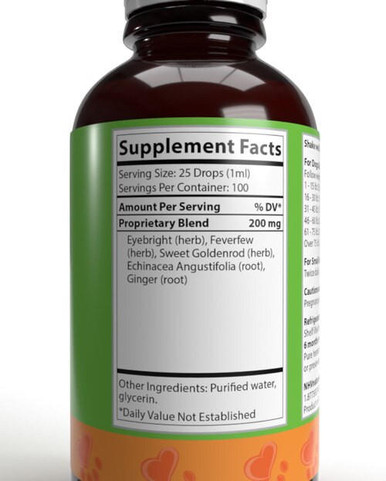
Holistic supplements like our Alge-Ex for dogs can help support environmental allergies in dogs. The herbal blend helps manage your pup’s immune response to keep those allergic reactions at bay, helps reduce symptoms during an acute allergy attack, and helps with environmental allergy symptoms. 100% natural and free of additives and preservatives, this vet formulation contains a blend of herbs like Eyebright (an anti-inflammatory herb used to help itchy eyes and eye infections), Echinacea Angustifolia (to help with immune support), Ginger (a natural antioxidant that can support the respiratory system), and more.
We all know that preventing our furkids from inhaling or being in contact with environmental allergens is almost impossible. Fortunately, you can help support your pup’s immune reaction to these airborne irritants by using safe and natural herbal supplements like our Alge-Ex for dogs.
Alge-Ex for dogs helps prevent allergies by supporting histamine and immune response activity. Herbs like Feverfew help manage the formation of histamine. The unique blend of herbs also helps alleviate the symptoms of environmental allergies and hay fever. For example, Eyebright helps ease itchy eyes and helps with swollen eyelids and blood vessels. Echinacea, at the same time, has been used to help with sinusitis, hay fever, asthma, and ear infections.
All our products are made in Canada and have helped thousands of pets around the world! Just read some of our real stories from pets. They are human-grade and manufactured in a GMP-certified and FDA-approved facility. We can take the safety and health of your pet seriously!
Allergies in dogs happen when their immune system overreacts to a foreign substance (allergen). In environmental allergies, these allergens can be dust, pollens, grasses, weeds, molds, and many more. When your pup’s body senses the allergen, it will set off a range of allergic reactions to defend their body against them. These reactions lead to different symptoms.
If you notice these symptoms, please visit a vet for a full examination.
All our products are 100% natural herbal supplements formulated by a holistic veterinarian and master herbalist with over 50+ years of experience.
We have a team of supportive Pet Experts to help you and your furkiddos with any questions and concerns! So, please don’t hesitate to reach out if you need anything! We are always here to help.
Help protect your dog from allergies by ordering our Alge-Ex for dogs!
If you want to learn more about environmental and seasonal allergies in dogs, feel free to check out our blogs about canine allergies and how to alleviate dog allergies.
A healthy, balanced diet is also vital to their recovery and may help relieve the inflammation and irritation they experience. Our in-house veterinarian, Dr. Amanda, can help design a personalized diet plan for your sweetheart. Please reach out if you need her help!
All NHV supplements are made with the finest quality organic or ethically harvested herbs. We use non-GMO vegetable glycerin as our base. NHV products are full-spectrum extracts.
Select your pet's weight to determine the correct dose.
To be taken twice daily. Determine your pet’s weight and then use the easy chart below to determine the correct dose. This is the minimum dosage.
Pet's Weight Dosage
0 - 15 lb = 0.5 ml
16 - 30 lb = 1.0 ml
31 - 45 lb = 1.5 ml
46 - 60 lb = 2.0 ml
61 - 75 lb = 2.5 ml
Over 75 lb = 3.0 ml
How to Administer: Shake well before use. The easiest method is to use the dropper provided and place the drops into your pet’s food or favorite treat. You can also use the dropper and squirt directly into the pet’s mouth. Some pets can be finicky, if this occurs consider hiding the drops in foods most pet’s love such as fish, chicken, yogurt, or a favorite treat. If your pet only eats dry food then soak a few kibbles at feeding time.
For Best Results
Herbal dietary supplements are beneficial to the health and well-being of your pet and are safe for long-term use. Every pet responds to natural herbal supplements differently, therefore it is important to be consistent and administer the product daily. Supplements generally take two to four weeks to take effect, however this will vary from one animal to the next.
Product Storage
All NHV Natural Pet Products are pure herbal extracts and contain no artificial additives, preservatives, or coloring. Shelf life after opening is 6 months and must be refrigerated after opening.
Cautions and Contraindications
Do not use Alge-Ex in pregnant or nursing animals.
Speak to your vet before using our products. A second visit is recommended if your pet’s condition does not improve, or deteriorates after continued use of the supplements.
All information provided by NHV Natural Pet Products is for educational purposes only.
Achoo - oh no, is your sweet pup suffering from environmental allergies?
Seeing our precious pups struggle with allergies in dogs is rough. However, environmental allergens are unavoidable. From dust at home to different pollens and pests in nature, it is very easy for our outdoorsy pups to get in contact with these potential triggers.
You may ask, “Is there a natural way to help support them?”
The answer is yes!
Holistic supplements like our Alge-Ex for dogs can help support environmental allergies in dogs. The herbal blend helps manage your pup’s immune response to keep those allergic reactions at bay, helps reduce symptoms during an acute allergy attack, and helps with environmental allergy symptoms. 100% natural and free of additives and preservatives, this vet formulation contains a blend of herbs like Eyebright (an anti-inflammatory herb used to help itchy eyes and eye infections), Echinacea Angustifolia (to help with immune support), Ginger (a natural antioxidant that can support the respiratory system), and more.
We all know that preventing our furkids from inhaling or being in contact with environmental allergens is almost impossible. Fortunately, you can help support your pup’s immune reaction to these airborne irritants by using safe and natural herbal supplements like our Alge-Ex for dogs.
Alge-Ex for dogs helps prevent allergies by supporting histamine and immune response activity. Herbs like Feverfew help manage the formation of histamine. The unique blend of herbs also helps alleviate the symptoms of environmental allergies and hay fever. For example, Eyebright helps ease itchy eyes and helps with swollen eyelids and blood vessels. Echinacea, at the same time, has been used to help with sinusitis, hay fever, asthma, and ear infections.
All our products are made in Canada and have helped thousands of pets around the world! Just read some of our real stories from pets. They are human-grade and manufactured in a GMP-certified and FDA-approved facility. We can take the safety and health of your pet seriously!
Allergies in dogs happen when their immune system overreacts to a foreign substance (allergen). In environmental allergies, these allergens can be dust, pollens, grasses, weeds, molds, and many more. When your pup’s body senses the allergen, it will set off a range of allergic reactions to defend their body against them. These reactions lead to different symptoms.
If you notice these symptoms, please visit a vet for a full examination.
All our products are 100% natural herbal supplements formulated by a holistic veterinarian and master herbalist with over 50+ years of experience.
We have a team of supportive Pet Experts to help you and your furkiddos with any questions and concerns! So, please don’t hesitate to reach out if you need anything! We are always here to help.
Help protect your dog from allergies by ordering our Alge-Ex for dogs!
If you want to learn more about environmental and seasonal allergies in dogs, feel free to check out our blogs about canine allergies and how to alleviate dog allergies.
A healthy, balanced diet is also vital to their recovery and may help relieve the inflammation and irritation they experience. Our in-house veterinarian, Dr. Amanda, can help design a personalized diet plan for your sweetheart. Please reach out if you need her help!
All NHV supplements are made with the finest quality organic or ethically harvested herbs. We use non-GMO vegetable glycerin as our base. NHV products are full-spectrum extracts.
Select your pet's weight to determine the correct dose.
To be taken twice daily. Determine your pet’s weight and then use the easy chart below to determine the correct dose. This is the minimum dosage.
Pet's Weight Dosage
0 - 15 lb = 0.5 ml
16 - 30 lb = 1.0 ml
31 - 45 lb = 1.5 ml
46 - 60 lb = 2.0 ml
61 - 75 lb = 2.5 ml
Over 75 lb = 3.0 ml
How to Administer: Shake well before use. The easiest method is to use the dropper provided and place the drops into your pet’s food or favorite treat. You can also use the dropper and squirt directly into the pet’s mouth. Some pets can be finicky, if this occurs consider hiding the drops in foods most pet’s love such as fish, chicken, yogurt, or a favorite treat. If your pet only eats dry food then soak a few kibbles at feeding time.
For Best Results
Herbal dietary supplements are beneficial to the health and well-being of your pet and are safe for long-term use. Every pet responds to natural herbal supplements differently, therefore it is important to be consistent and administer the product daily. Supplements generally take two to four weeks to take effect, however this will vary from one animal to the next.
Product Storage
All NHV Natural Pet Products are pure herbal extracts and contain no artificial additives, preservatives, or coloring. Shelf life after opening is 6 months and must be refrigerated after opening.
Cautions and Contraindications
Do not use Alge-Ex in pregnant or nursing animals.
Speak to your vet before using our products. A second visit is recommended if your pet’s condition does not improve, or deteriorates after continued use of the supplements.
All information provided by NHV Natural Pet Products is for educational purposes only.
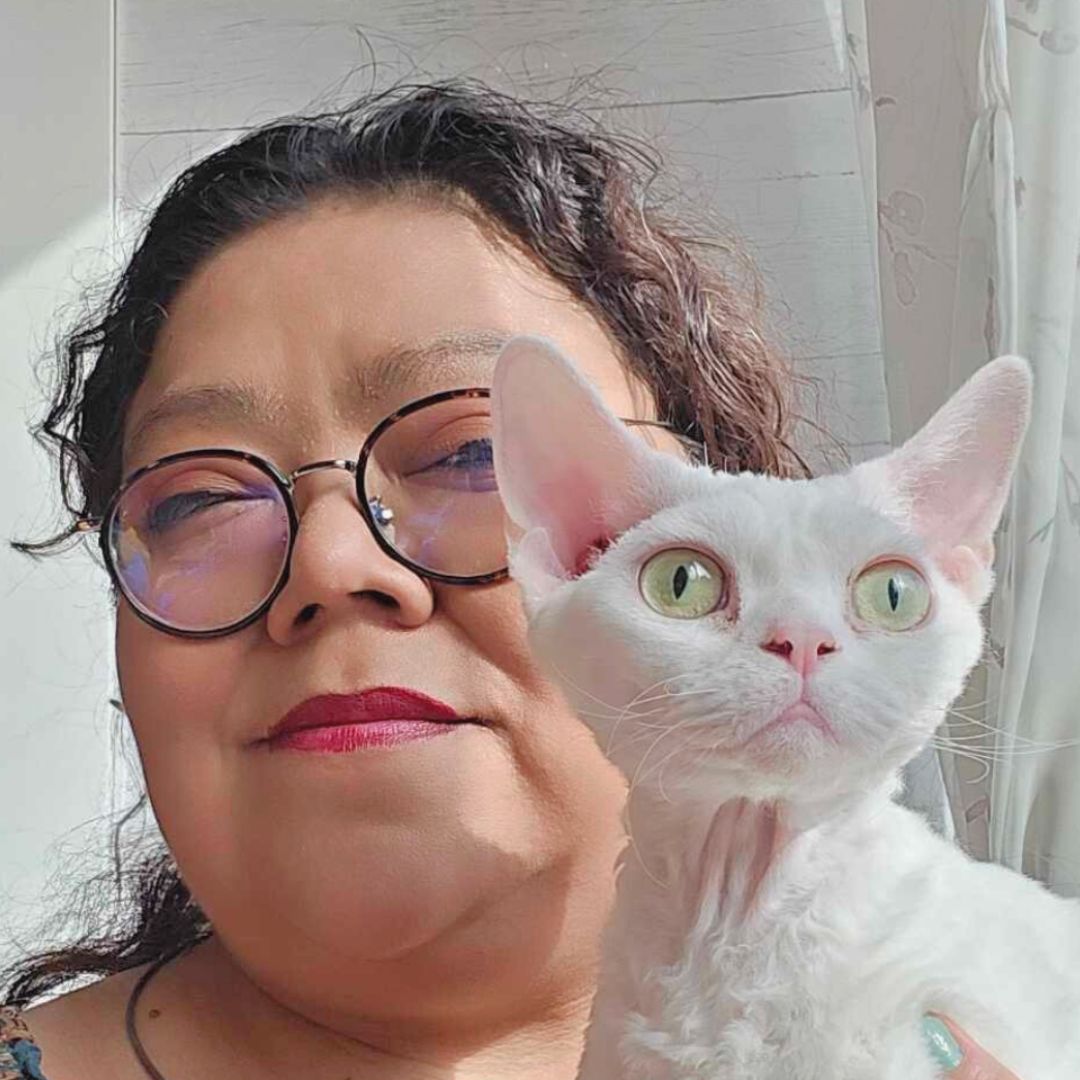
Dr. Yuvia Hernandez graduated from the Universidad Autonoma de Ciudad Juarez (Mexico) with a degree in Veterinary Medicine and Animal Husbandry, and later got her Master’s Degree in Educational Strategies from the Universidad Regional del Norte. She has taken several courses throughout her career to train in the veterinary field, such as emergency veterinary care, animal nutrition, and holistic veterinary care. Dr. Hernandez shares her home with two adorable cats as she continues to learn about animal welfare and care.
Published: June 26, 2026
overall vitality
For Overall Health and Well-Being
buy 2 and save $3
What is it?
Support your dog’s health with omega-3 fish oil for dogs, promoting a healthy coat, eyes, joints, immune system, and overall organ function.
How does it work?
Why trust it?
NHV Petomega 3 has earned 5-star ratings by pet parents from around the world.

What is it?
Support your dog’s health with omega-3 fish oil for dogs, promoting a healthy coat, eyes, joints, immune system, and overall organ function.
How does it work?
Why trust it?
NHV Petomega 3 has earned 5-star ratings by pet parents from around the world.
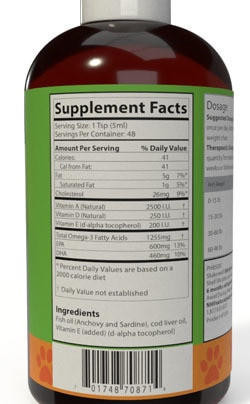
Our omega 3 fish oil for dogs is a great source of EPA (Eicosapentaenoic Acid 600mg) and DHA (Docosahexaenoic acid 460mg) essential fatty acids. This fish oil supplement for dogs is derived from sardines, anchovies and North Atlantic cod liver oil. It is molecularly distilled and cold pressed to improve the bioavailability of the omega 3 fatty acids, and is medical and human grade quality.
Omega 3 fish oil for dogs may be beneficial for the following:
Processed pet foods have increased omega-6 fatty acids, and decreased omega-3 fatty acids. The University of Maryland Medical Center states, "It is very important to maintain a balance between omega-3 and omega-6 fatty acids in the diet. A proper balance helps maintain and even improve health." Your dog’s body cannot easily make essential fatty acids. It is vital to provide omega 3 fish oil for dogs as an added supplement to your pet’s daily diet.
The American Journal of Veterinary Medicine has published studies on the benefits of omega 3 fatty acids (fish oils) for arthritis and degenerative joint disease in dogs. The studies showed that dogs who were given omega 3 fatty acids had a significantly improved ability to get up from a resting position and marked improvement in walking ability.
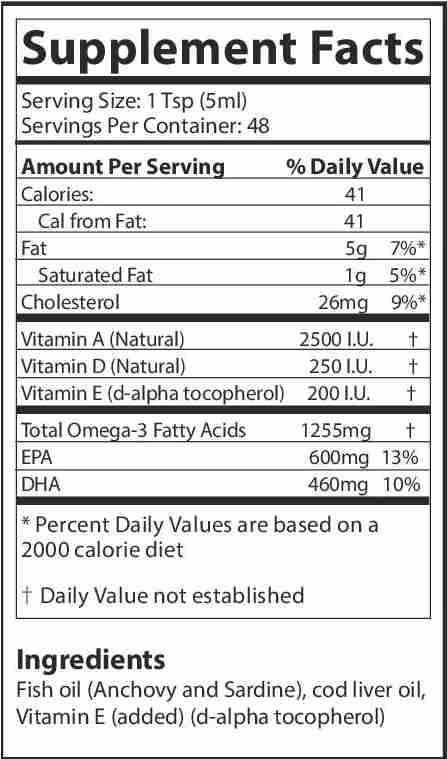
Suggested Dosage: To be taken once per day. Add to food based on weight chart.
Therapeutic Dosage: Double the quantity for maximum period of 4 weeks or follow veterinarian advise.
Pet’s Weight Dosage
0-15 lb = ¼ tsp
15-30 lb = ½ tsp
30-60 lb = 1 tsp
60-90 lb = 1 ½ tsp
How to Administer: Shake well before use. The easiest method is to add the dosage to your pets food. Some pets can be finicky, if this occurs consider hiding the appropriate amount in food most pet’s love such as fish, chicken, yogurt, or a favorite treat. If your pet only eats dry food then soak kibbles at feeding time.
For Best Results
Dietary supplements are beneficial to the health and well-being of your pet and are safe for long-term use. Every pet responds to natural supplements differently, therefore it is important to be consistent and administer the product daily. Supplements generally take two to four weeks to take effect, however this will vary from one animal to the next.
Product Storage
All NHV Natural Pet Products contain no artificial additives, preservatives or coloring. Shelf life after opening is 6 months and must be refrigerated after opening.
Cautions and Contraindications
Avoid During Pregnancy.
Our omega 3 fish oil for dogs is a great source of EPA (Eicosapentaenoic Acid 600mg) and DHA (Docosahexaenoic acid 460mg) essential fatty acids. This fish oil supplement for dogs is derived from sardines, anchovies and North Atlantic cod liver oil. It is molecularly distilled and cold pressed to improve the bioavailability of the omega 3 fatty acids, and is medical and human grade quality.
Omega 3 fish oil for dogs may be beneficial for the following:
Processed pet foods have increased omega-6 fatty acids, and decreased omega-3 fatty acids. The University of Maryland Medical Center states, "It is very important to maintain a balance between omega-3 and omega-6 fatty acids in the diet. A proper balance helps maintain and even improve health." Your dog’s body cannot easily make essential fatty acids. It is vital to provide omega 3 fish oil for dogs as an added supplement to your pet’s daily diet.
The American Journal of Veterinary Medicine has published studies on the benefits of omega 3 fatty acids (fish oils) for arthritis and degenerative joint disease in dogs. The studies showed that dogs who were given omega 3 fatty acids had a significantly improved ability to get up from a resting position and marked improvement in walking ability.
Suggested Dosage: To be taken once per day. Add to food based on weight chart.
Therapeutic Dosage: Double the quantity for maximum period of 4 weeks or follow veterinarian advise.
Pet’s Weight Dosage
0-15 lb = ¼ tsp
15-30 lb = ½ tsp
30-60 lb = 1 tsp
60-90 lb = 1 ½ tsp
How to Administer: Shake well before use. The easiest method is to add the dosage to your pets food. Some pets can be finicky, if this occurs consider hiding the appropriate amount in food most pet’s love such as fish, chicken, yogurt, or a favorite treat. If your pet only eats dry food then soak kibbles at feeding time.
For Best Results
Dietary supplements are beneficial to the health and well-being of your pet and are safe for long-term use. Every pet responds to natural supplements differently, therefore it is important to be consistent and administer the product daily. Supplements generally take two to four weeks to take effect, however this will vary from one animal to the next.
Product Storage
All NHV Natural Pet Products contain no artificial additives, preservatives or coloring. Shelf life after opening is 6 months and must be refrigerated after opening.
Cautions and Contraindications
Avoid During Pregnancy.