skin & coat support
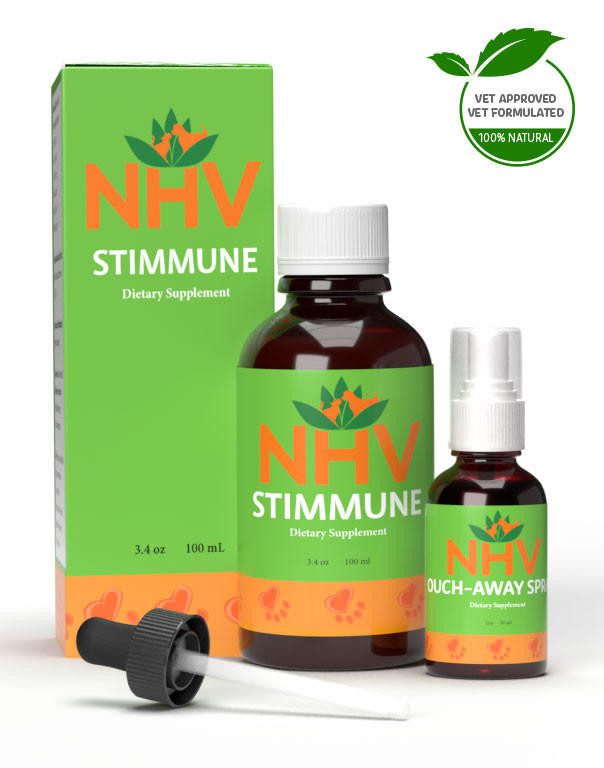
Skin Relief and Coat Health Kit
USD $73.95
free shipping over $100 (USA & Canada)
1-877-937-4372 the pet expert hotline


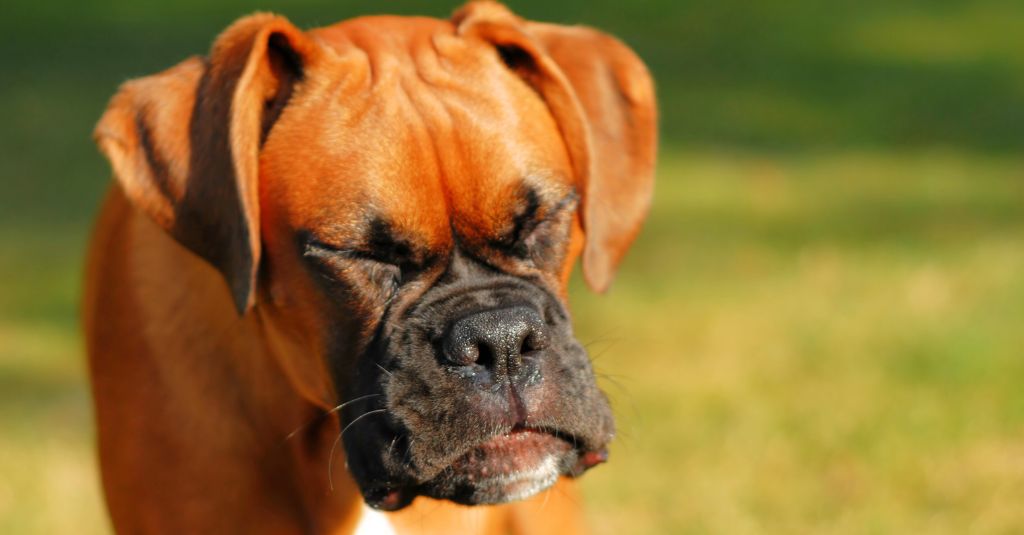
Seasonal allergies in dogs are becoming increasingly common as environmental conditions change and pets are exposed to a wider range of allergens. Many pet parents notice that their dog’s symptoms seem to appear or worsen at certain times of the year, particularly during spring and fall.
Geography also plays a significant role
However, geography also plays a role in which allergens trigger reactions. Therefore, understanding how location and climate influence seasonal allergies in dogs is important for all pet parents. It can help them recognize patterns and manage their dog’s comfort more effectively.
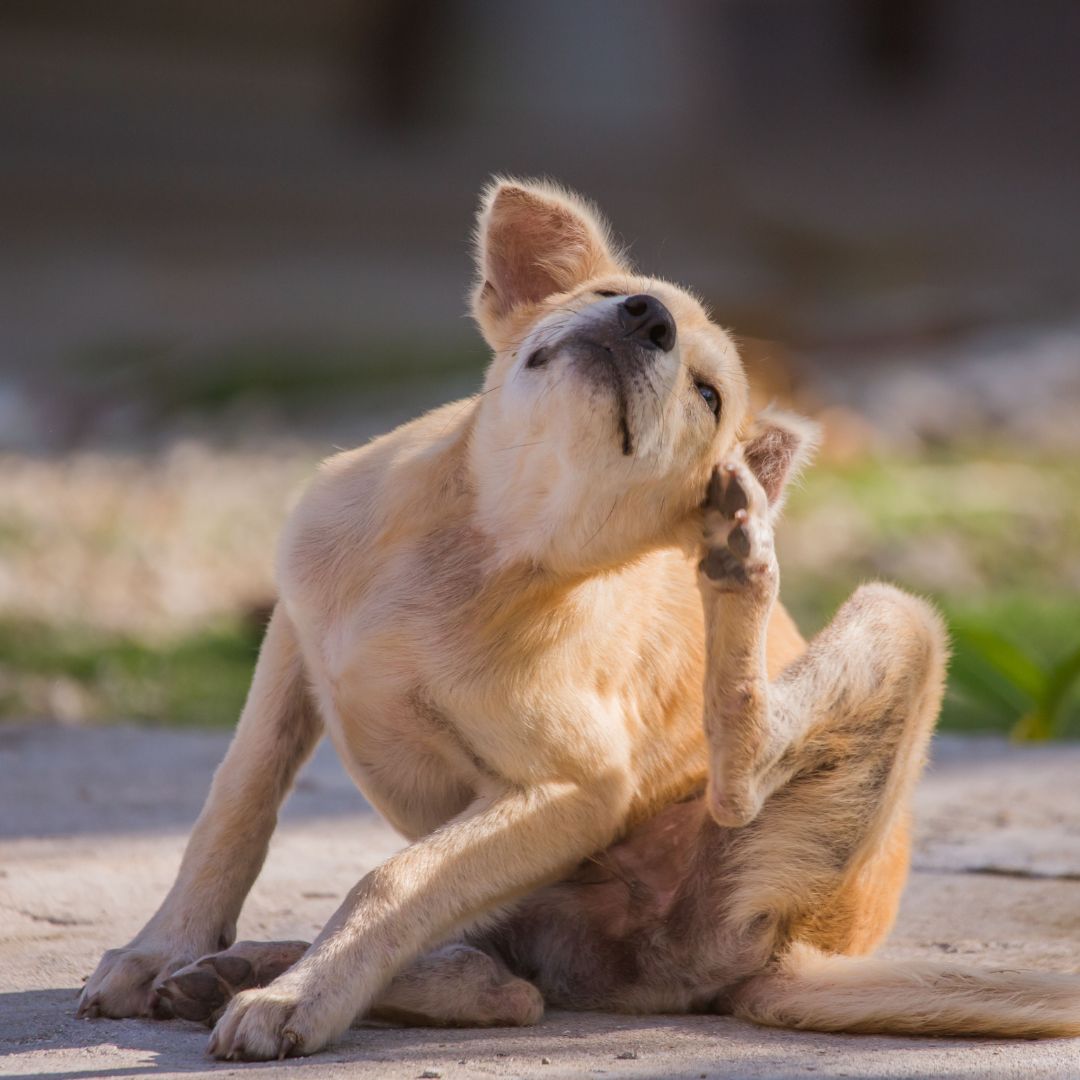
Seasonal allergies in dogs are typically caused by environmental allergens such as pollen, mold spores, grasses, and dust. When a dog’s immune system overreacts to these substances, it can trigger an allergic response known as environmental or atopic dermatitis.
Unlike humans, who often develop respiratory symptoms, dogs more commonly show allergic reactions through their skin. According to veterinary dermatology research, exposure to airborne allergens can lead to inflammation. This inflammation affects the skin barrier, causing irritation and discomfort throughout allergy seasons.
The symptoms of seasonal allergies in dogs often involve persistent skin irritation and repeated grooming behaviors. Pet parents may first notice excessive scratching or licking, especially around the paws and belly.
Other seasonal allergy symptoms in dogs can include chronic ear infections, red or inflamed skin, watery eyes, or hair thinning from frequent scratching. These symptoms may appear gradually at first. However, they can intensify during peak pollen periods or in environments where allergen exposure is high.
Some dogs begin with subtle behaviors
Recognizing the early signs of seasonal allergies can help prevent symptoms from becoming more severe. Some dogs begin with subtle behaviors such as rubbing their face against furniture, shaking their head frequently, or licking their paws after walks outside. These early signs often come from allergens that have settled on the dog’s skin or coat.
Because environmental triggers vary by region, dogs living in humid coastal areas may experience different allergens than those in dry climates, urban environments, or rural regions with heavy grass and weed pollen. Examples from each region include:
Certain dog breeds are more common in certain regions and will experience unique challenges, depending on their location and the allergen. For instance, golden retrievers, who are popular in the US and Canada, are sensitive to tree pollen common in these countries during the spring.
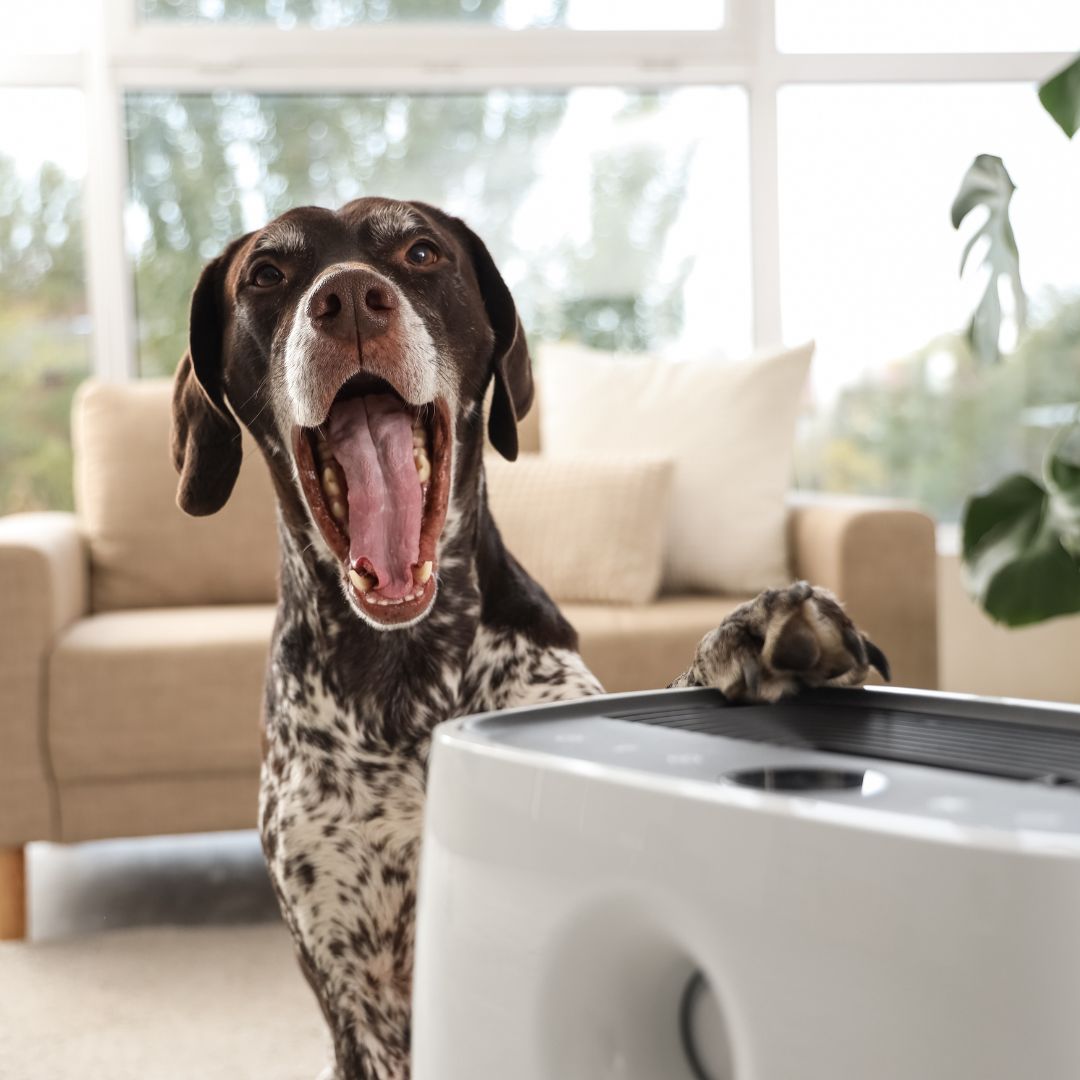
While the source of allergens differs from place to place, preventing seasonal allergies in dogs can be similar. Certain at-home tips include using an air purifier, regularly wiping your dog’s paws after being outside, cleaning their bedding, and wiping them down with a damp cloth if they have been exposed to a trigger.
At NHV, we understand how worrying it can be to see your fur kiddo go through allergy season and become itchy and uncomfortable. You can support your fur kid naturally with NHV supplements, which are 100% natural and use human-grade ingredients. Our top recommendations include:
Each NHV supplement is designed by a vet and master herbalist with over 50 years of combined experience, so you can trust it to be a part of your pet’s holistic care.
Need support or recommendations? Reach out to us using the chat box below. We’re here to help your dog brave allergy season – wherever you are in the world!
skin & coat support
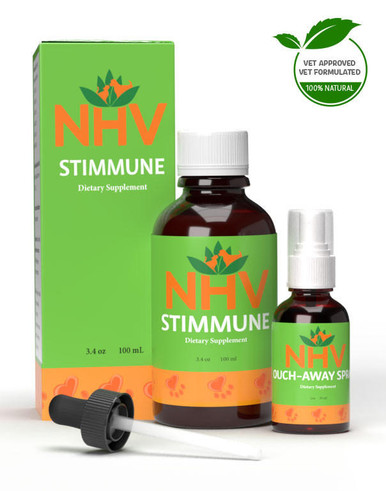
Stimmune & Ouch Away Spray
bundle and save with pet expert kits
3 month supply for a small to medium size
What is it?
Help support healthy skin and coat care with NHV’s Skin Relief and Coat Health Kit.
How does it work?
Why trust it?
NHV supplements use only organic or wildcrafted herbs, so your pet only gets the good stuff.

What is it?
Help support healthy skin and coat care with NHV’s Skin Relief and Coat Health Kit.
How does it work?
Why trust it?
NHV supplements use only organic or wildcrafted herbs, so your pet only gets the good stuff.
Your pet's skin is their first line of defense against irritants, molds, and infection-causing pathogens. Once these allergens cross the skin barrier, the immune system kicks in. Any redness or inflammation showing up on the skin could signify that the immune system is under attack! Stimmune offers immune support to bolster your pet's internal defenses, while Ouch Away helps strengthen the body's skin barrier and promotes healing.
Since your furkiddo's skin is their largest organ, it probably doesn't surprise you that skin issues are pretty typical amongst cats and dogs. These include (but are not limited to) itchy skin, parasitic infections, mange (dog specific), and hot spots that may lead to partial or complete fur loss. Certain breeds of dogs such as Chinese Shar-Peis, Wire Fox Terriers, Golden Retrievers, Dalmatians, Boxers, Boston Terriers, Labrador Retrievers, Lhasa Apsos, Scottish Terriers, Shih Tzus, and West Highland White Terriers may be susceptible to dermatitis and skin infections.
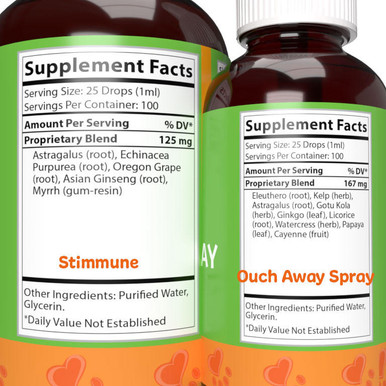
However, any breed or mixed breed (dog or cat) may experience coat and skin issues. The most affected areas are typically their paws, face, ears, front legs, and belly, but scratching all over is also common. Stimmune contains ingredients such as astragalus, Echinacea purpurea, and Oregon grape that help enhance immune function, increase white blood cell count, and may help protect the body from various stresses. And in Ouch Away's formulation, ingredients like rosemary, tea tree oil, and lemongrass oil are effective topically against external parasites, help protect the body against infection, and promote fur regrowth (from obsessive licking or biting).
NHV supplements are formulated by a holistic veterinarian and master herbalist to be gentle, effective remedies that complement a vet-formulated care plan, but they should never replace professional advice from your veterinarian. If you have any questions about your pet’s skin and coat care, get in touch with an NHV Pet Expert.
Made with the finest, organically grown, or ethically harvested herbs. Made specifically for pets, vet-formulated, and vet approved.
Stimmune
Ouch Away
Select your pet's weight to determine the correct dose.
STIMMUNE DOSAGE : To be taken twice daily. Determine your pet’s weight and then use the easy chart below to determine the correct dose. This is the minimum dosage.
Pet's Weight Dosage
0 - 15 lb = 0.5 ml
16 - 30 lb = 1.0 ml
31 - 45 lb = 1.5 ml
46 - 60 lb = 2.0 ml
61 - 75 lb = 2.5 ml
Over 75 lb = 3.0 ml
For small animals (rabbits, ferrets), avians and reptiles use 1 drop for every 2 lb of body weight.
How to Administer
Shake well before use. The easiest method is to use the dropper provided and place the drops into your pet’s food or favorite treat. You can also use the dropper and squirt directly into the pet’s mouth. Some pets can be finicky, if this occurs consider hiding the drops in foods most pet’s love such as fish, chicken or yogurt or a favorite treat. If your pet only eats dry food then soak a few kibbles at feeding time.
For Best Results
Herbal dietary supplements are beneficial to the health and well-being of your pet and are safe for long-term use. Every pet responds to natural herbal supplements differently, therefore it is important to be consistent and administer the product daily. Supplements generally take two to four weeks to take effect, however this will vary from one animal to the next.
Product Storage
All NHV Natural Pet Products are pure herbal extracts and contain no artificial additives, preservatives or coloring. Shelf life after opening is 6 months and must be refrigerated after opening.
Cautions and Contraindications
Do not use in pregnant or nursing animals.
OUCH AWAY SPRAY
How to Administer
Topical Spray: Spray several times a day to affected area until healed. It may some times be necessary to shave or trim your pet’s hair so that the Ouch Away spray reaches the affected area. If necessary, cover the affected area with gauze dressing.
Caution
Do not spray near or into eyes or nose. May initially sting on open cut. A vet examination prior to use of this product is recommended. If your pet’s condition does not improve or deteriorates consult your vet and stop the use of the product.
Information presented by NHV Natural Pet Products is for educational purposes only.
Your pet's skin is their first line of defense against irritants, molds, and infection-causing pathogens. Once these allergens cross the skin barrier, the immune system kicks in. Any redness or inflammation showing up on the skin could signify that the immune system is under attack! Stimmune offers immune support to bolster your pet's internal defenses, while Ouch Away helps strengthen the body's skin barrier and promotes healing.
Since your furkiddo's skin is their largest organ, it probably doesn't surprise you that skin issues are pretty typical amongst cats and dogs. These include (but are not limited to) itchy skin, parasitic infections, mange (dog specific), and hot spots that may lead to partial or complete fur loss. Certain breeds of dogs such as Chinese Shar-Peis, Wire Fox Terriers, Golden Retrievers, Dalmatians, Boxers, Boston Terriers, Labrador Retrievers, Lhasa Apsos, Scottish Terriers, Shih Tzus, and West Highland White Terriers may be susceptible to dermatitis and skin infections.
However, any breed or mixed breed (dog or cat) may experience coat and skin issues. The most affected areas are typically their paws, face, ears, front legs, and belly, but scratching all over is also common. Stimmune contains ingredients such as astragalus, Echinacea purpurea, and Oregon grape that help enhance immune function, increase white blood cell count, and may help protect the body from various stresses. And in Ouch Away's formulation, ingredients like rosemary, tea tree oil, and lemongrass oil are effective topically against external parasites, help protect the body against infection, and promote fur regrowth (from obsessive licking or biting).
NHV supplements are formulated by a holistic veterinarian and master herbalist to be gentle, effective remedies that complement a vet-formulated care plan, but they should never replace professional advice from your veterinarian. If you have any questions about your pet’s skin and coat care, get in touch with an NHV Pet Expert.
Made with the finest, organically grown, or ethically harvested herbs. Made specifically for pets, vet-formulated, and vet approved.
Stimmune
Ouch Away
Select your pet's weight to determine the correct dose.
STIMMUNE DOSAGE : To be taken twice daily. Determine your pet’s weight and then use the easy chart below to determine the correct dose. This is the minimum dosage.
Pet's Weight Dosage
0 - 15 lb = 0.5 ml
16 - 30 lb = 1.0 ml
31 - 45 lb = 1.5 ml
46 - 60 lb = 2.0 ml
61 - 75 lb = 2.5 ml
Over 75 lb = 3.0 ml
For small animals (rabbits, ferrets), avians and reptiles use 1 drop for every 2 lb of body weight.
How to Administer
Shake well before use. The easiest method is to use the dropper provided and place the drops into your pet’s food or favorite treat. You can also use the dropper and squirt directly into the pet’s mouth. Some pets can be finicky, if this occurs consider hiding the drops in foods most pet’s love such as fish, chicken or yogurt or a favorite treat. If your pet only eats dry food then soak a few kibbles at feeding time.
For Best Results
Herbal dietary supplements are beneficial to the health and well-being of your pet and are safe for long-term use. Every pet responds to natural herbal supplements differently, therefore it is important to be consistent and administer the product daily. Supplements generally take two to four weeks to take effect, however this will vary from one animal to the next.
Product Storage
All NHV Natural Pet Products are pure herbal extracts and contain no artificial additives, preservatives or coloring. Shelf life after opening is 6 months and must be refrigerated after opening.
Cautions and Contraindications
Do not use in pregnant or nursing animals.
OUCH AWAY SPRAY
How to Administer
Topical Spray: Spray several times a day to affected area until healed. It may some times be necessary to shave or trim your pet’s hair so that the Ouch Away spray reaches the affected area. If necessary, cover the affected area with gauze dressing.
Caution
Do not spray near or into eyes or nose. May initially sting on open cut. A vet examination prior to use of this product is recommended. If your pet’s condition does not improve or deteriorates consult your vet and stop the use of the product.
Information presented by NHV Natural Pet Products is for educational purposes only.
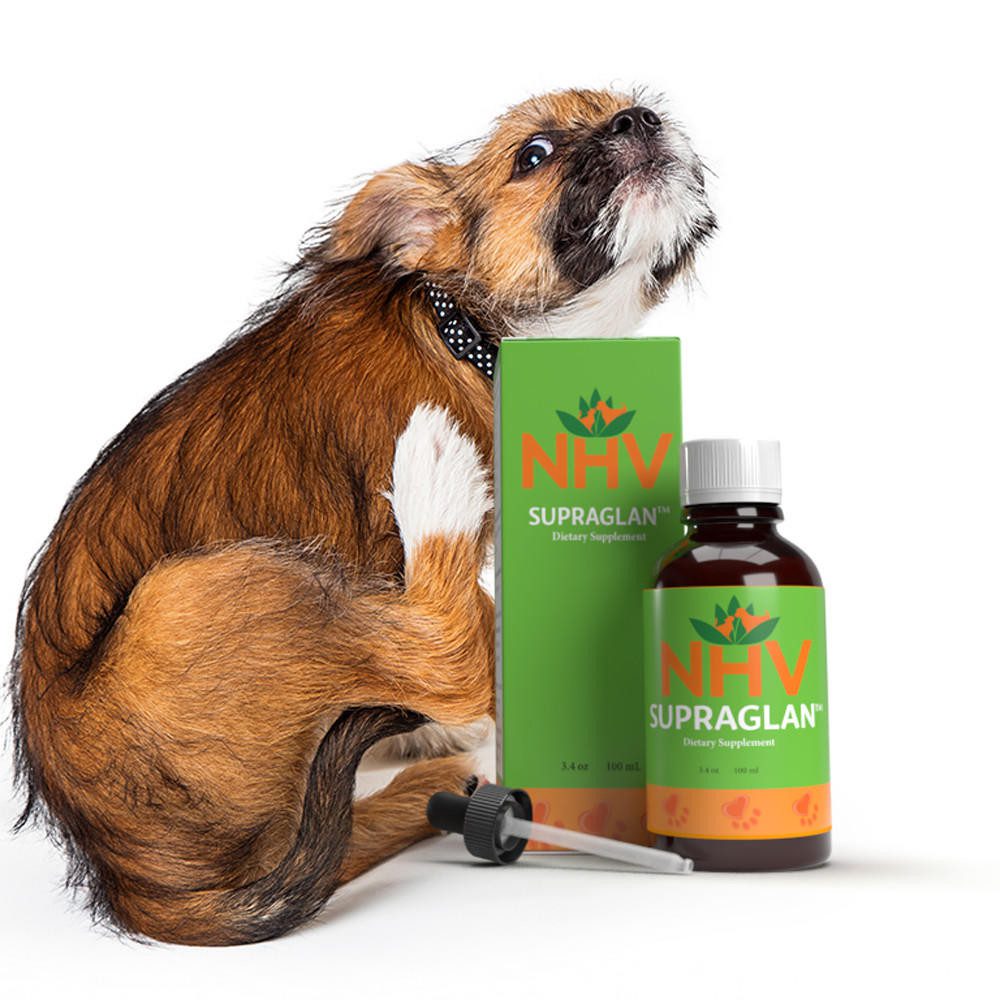
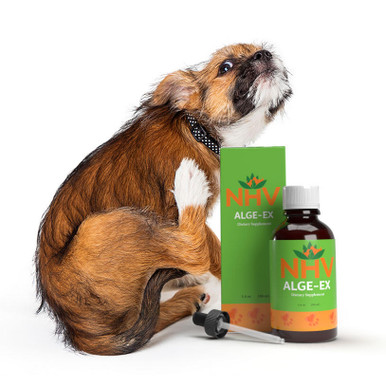
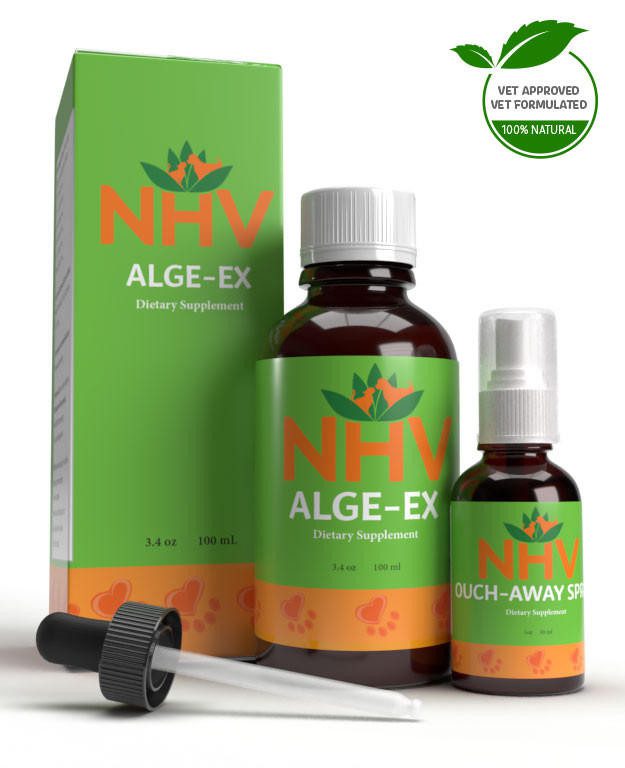
Alge-Ex - helps support pet with runny eyes and itch skin
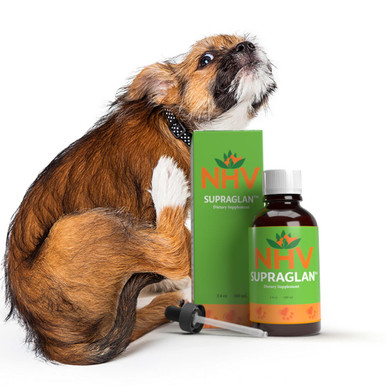
Alge-Ex - helps support pet with runny eyes and itch skin
ear health
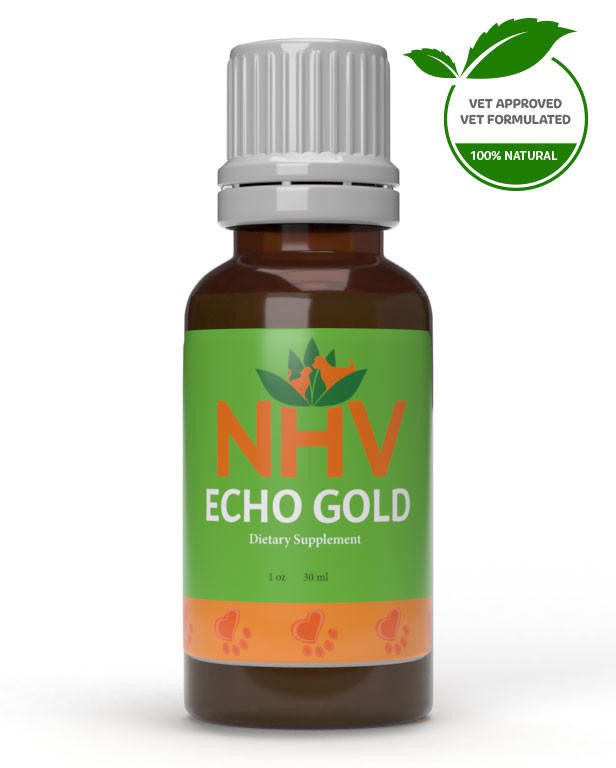
Holistic Ear Drops for Dogs
buy 2 and save $3
What is it?
NHV Echo Gold is a vet-formulated ear drops for dogs. It is designed to help ease discomfort and inflammation caused by dog ear mites, allergens, insect bites, parasitic mites, fungal/bacterial dog ear infection, and more.
How Does it Work?
Why Should I Trust It?
100% natural and topical use only.

What is it?
NHV Echo Gold is a vet-formulated ear drops for dogs. It is designed to help ease discomfort and inflammation caused by dog ear mites, allergens, insect bites, parasitic mites, fungal/bacterial dog ear infection, and more.
How Does it Work?
Why Should I Trust It?
100% natural and topical use only.
Has your pup been shaking his/her head a lot? This could be caused by dog ear infection!
Seeing our precious little ones suffering from dog ear infection is not easy. However, this condition is extremely common in dogs, which begs the question - how can we help support them? The herbal ear drops for dogs, Echo Gold, can help with ear infection symptoms and healing.
Please note that this supplement can only be used topically. Warm the formula by placing the bottle in hot water or running it under hot water for 30 seconds. Shake well, then drop a few drops into the dog’s ear canal. By using a cotton swab, apply the extract to the outer ear area as well. Use twice daily to help with dog ear infection. For proactive support and regular maintenance, use as much as you need.
Exterior ear canal infection is the most common ear condition in dogs. It causes excessive ear discharge, unpleasant odor, ear inflammation, and more. You may also notice your pup shaking, scratching and rubbing their head frequently due to pain and itchiness. Echo Gold for Dogs can help address these uncomfortable symptoms.
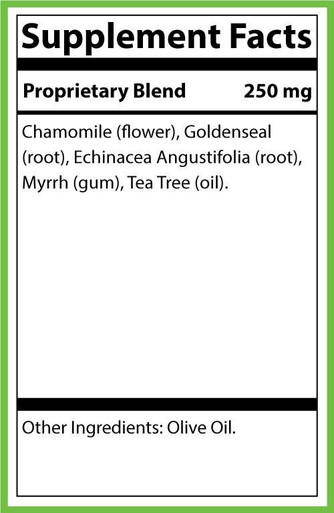
This herbal formula possesses anti-inflammatory and antibiotic properties. The blend of herbs - chamomile, Goldenseal, Echinacea angustifolia, Myrrh, and tea tree oil - helps support your furkid’s ear condition in different ways.
Herbs like Echinacea angustifolia, Myrrh, and Tea tree oil are traditionally used to manage infections. Their anti-microbial and antiseptic properties help control and inhibit bacterial formation. Tea tree oil can even help eliminate bad odors caused by ear infections.
Goldenseal and Chamomile can help soothe and heal inflamed and irritated ears. The analgesic ability of Chamomile can even help with the discomfort dog ear infection may cause.
Our Canadian-made products have supported thousands of pets worldwide! Read NHV reviews and how they’ve helped other furmilies. They are human-grade quality products made in a GMP-certified, FDA-approved facility. Your furkiddo’s health and safety are our top priorities!
Ear infections could be a complication of an underlying disease. It is vital to pinpoint the root cause in order to cure your pup.
All our products are 100% natural herbal supplements formulated by a holistic veterinarian and master herbalist with over 50+ years of experience.
We have a team of supportive Pet Experts to help you and your furkiddos with any questions and concerns! So, please don’t hesitate to reach out if you need anything! We are always here to help.
Help protect your dog from ear infections by ordering our Echo Gold for dogs!
For more information about ear infections in dogs and our Echo Drop, click to watch our video about Ear Infection Support For Cats & Dogs here. Or read our blog post on on how to prevent ear infections in cats and dogs.
In addition to herbal supplements like ear drops for dogs, regular ear cleaning is vital for recovery. Watch our YouTube videos on tips for cleaning Your pet's ears and ways to clean your little one’s ears.
All NHV supplements are made with the finest quality organic or ethically harvested herbs. We use non-GMO vegetable glycerin as our base. NHV products are full-spectrum extracts.
Topical Use Only: Warm the ECHO GOLD by placing the bottle in hot water or running under hot water for 30 seconds. Shake well. Place 2-3 drops in to the ear canal. Using a cotton swab apply to outer ear area as well.
Information presented by NHV Natural Pet Products is for educational purposes only.
Has your pup been shaking his/her head a lot? This could be caused by dog ear infection!
Seeing our precious little ones suffering from dog ear infection is not easy. However, this condition is extremely common in dogs, which begs the question - how can we help support them? The herbal ear drops for dogs, Echo Gold, can help with ear infection symptoms and healing.
Please note that this supplement can only be used topically. Warm the formula by placing the bottle in hot water or running it under hot water for 30 seconds. Shake well, then drop a few drops into the dog’s ear canal. By using a cotton swab, apply the extract to the outer ear area as well. Use twice daily to help with dog ear infection. For proactive support and regular maintenance, use as much as you need.
Exterior ear canal infection is the most common ear condition in dogs. It causes excessive ear discharge, unpleasant odor, ear inflammation, and more. You may also notice your pup shaking, scratching and rubbing their head frequently due to pain and itchiness. Echo Gold for Dogs can help address these uncomfortable symptoms.
This herbal formula possesses anti-inflammatory and antibiotic properties. The blend of herbs - chamomile, Goldenseal, Echinacea angustifolia, Myrrh, and tea tree oil - helps support your furkid’s ear condition in different ways.
Herbs like Echinacea angustifolia, Myrrh, and Tea tree oil are traditionally used to manage infections. Their anti-microbial and antiseptic properties help control and inhibit bacterial formation. Tea tree oil can even help eliminate bad odors caused by ear infections.
Goldenseal and Chamomile can help soothe and heal inflamed and irritated ears. The analgesic ability of Chamomile can even help with the discomfort dog ear infection may cause.
Our Canadian-made products have supported thousands of pets worldwide! Read NHV reviews and how they’ve helped other furmilies. They are human-grade quality products made in a GMP-certified, FDA-approved facility. Your furkiddo’s health and safety are our top priorities!
Ear infections could be a complication of an underlying disease. It is vital to pinpoint the root cause in order to cure your pup.
All our products are 100% natural herbal supplements formulated by a holistic veterinarian and master herbalist with over 50+ years of experience.
We have a team of supportive Pet Experts to help you and your furkiddos with any questions and concerns! So, please don’t hesitate to reach out if you need anything! We are always here to help.
Help protect your dog from ear infections by ordering our Echo Gold for dogs!
For more information about ear infections in dogs and our Echo Drop, click to watch our video about Ear Infection Support For Cats & Dogs here. Or read our blog post on on how to prevent ear infections in cats and dogs.
In addition to herbal supplements like ear drops for dogs, regular ear cleaning is vital for recovery. Watch our YouTube videos on tips for cleaning Your pet's ears and ways to clean your little one’s ears.
All NHV supplements are made with the finest quality organic or ethically harvested herbs. We use non-GMO vegetable glycerin as our base. NHV products are full-spectrum extracts.
Topical Use Only: Warm the ECHO GOLD by placing the bottle in hot water or running under hot water for 30 seconds. Shake well. Place 2-3 drops in to the ear canal. Using a cotton swab apply to outer ear area as well.
Information presented by NHV Natural Pet Products is for educational purposes only.
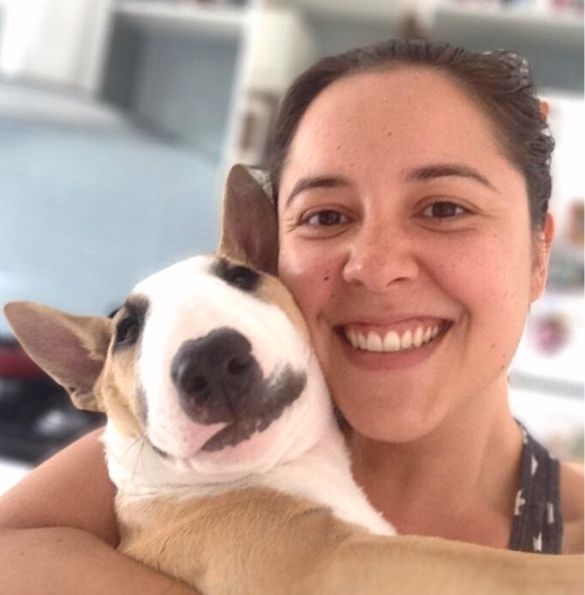
Dr. Barbara is a veterinarian from Brazil with a specialty in pet nutrition. She completed her Bachelor’s degree in Veterinary Medicine in 2006 from the University of Uberaba. In 2010, Dr. Barbara received her Master’s of Science in Pet Nutrition from the Federal University of Minas Gerais. She has over 15 years of experience in research and development in the pet food industry. When Barbara isn’t helping pet parents, you can find her spending time with her family, including her senior dog, Caze.
Published: March 12, 2026
allergy support
Alge-Ex and Ouch Away
bundle and save with pet expert kits
3 month supply for a small to medium size pet
What Is It?
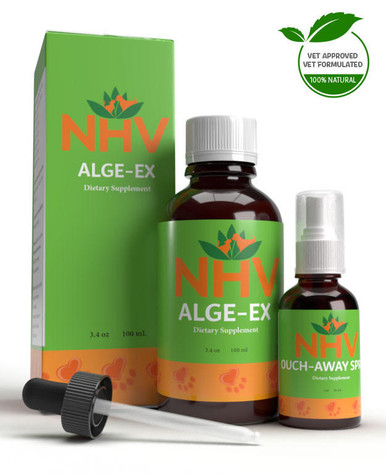
All-natural bundle formulated to help address allergy symptoms, protect your pet from fleas, and soothe itchy skin.
How Does it Work?
Why Should I Trust It?
Carefully made for pets, vet-formulated and vet approved.
What Is It?
All-natural bundle formulated to help address allergy symptoms, protect your pet from fleas, and soothe itchy skin.
How Does it Work?
Why Should I Trust It?
Carefully made for pets, vet-formulated and vet approved.
If your furkiddo suffers from seasonal allergies and hot spots, we've got you covered with our Allergy Kit with Histamine Support.
We all know how much your furry friends love the great outdoors—especially in warmer months! To help them with insects and environmental allergens, we recommend adding a few things to their daily regimen so that they can make the most of their time outside! NHV Natural Allergy Kit with Histamine Support contains Alge-Ex, and Ouch Away Spray to naturally help shield your pet from fleas and biting insects, support their immune system, and soothe irritated skin from allergies or hot spots.
If your furkiddo is scratching, sneezing or biting themselves nonstop, that’s the opposite of having a good time outside! As their caring pet parent, you can support them with the NHV Allergy Kit with Histamine Support which contains Alge-Ex - an all-natural remedy to help with calm their histamine response and allergy symptoms, and Ouch Away Spray - a soothing topical spray that helps repel insects and helps to heal inflamed skin. For best results, we recommend giving your furbaby Alge-Ex for at least 1 week before they start spending significantly more time outside for long-term preventative care. Ouch Away Spray is great to have on hand to support your pet against biting critters and irritated skin.
It’s great to know that there are ways to support your little one’s health naturally! All NHV products use only the finest organic, or wild-crafted ingredients and formulated by the combined efforts of a master herbalist and veterinarian with 50+ years of experience. If you have any questions about cat or dog seasonal allergies or need help with anything else, please get in touch with an NHV pet expert today!
Made with the finest, organically grown, or ethically harvested herbs. Made specifically for pets, vet-formulated and vet approved.
Alge-Ex
Ouch Away Spray
Select your pet's weight to determine the correct dose.
ALGE EX DOSAGE : To be taken twice daily. Determine your pet’s weight and then use the easy chart below to determine the correct dose. This is the minimum dosage.
Pet's Weight Dosage
0 - 15 lb = 0.5 ml
16 - 30 lb = 1.0 ml
31 - 45 lb = 1.5 ml
46 - 60 lb = 2.0 ml
61 - 75 lb = 2.5 ml
Over 75 lb = 3.0 ml
For small animals (rabbits, ferrets), avians and reptiles use 1 drop for every 2 lb of body weight.
How to Administer
Shake well before use.The easiest method is to use the dropper provided and place the drops into your pet’s food or favorite treat. You can also use the dropper and squirt directly into the pet’s mouth. Some pets can be finicky, if this occurs consider hiding the drops in foods most pet’s love such as fish, chicken or yogurt or a favourite treat. If your pet only eats dry food then soak a few kibbles at feeding time.
For Best Results
Herbal dietary supplements are beneficial to the health and well-being of your pet and are safe for long-term use. Every pet responds to natural herbal supplements differently, therefore it is important to be consistent and administer the product daily. Supplements generally take two to four weeks to take effect, however this will vary from one animal to the next.
Product Storage
All NHV Natural Pet Products are pure herbal extracts and contain no artificial additives, preservatives or coloring. Shelf life after opening is 6 months and must be refrigerated after opening.
Cautions and Contraindications
Do not use in pregnant or nursing animals.
Ouch Away Spray
How to Administer
Topical Spray: Spray several times a day to affected area until healed. It may some times be necessary to shave or trim your pet’s hair so that the Ouch Away spray reaches the affected area. If necessary, cover the affected area with gauze dressing.
Caution
Do not spray near or into eyes or nose. May initially sting on open cut. A vet examination prior to use of this product is recommended. If your pet’s condition does not improve or deteriorates consult your vet and stop the use of the product.
All information provided by NHV Natural Pet Products is for educational purposes only.
If your furkiddo suffers from seasonal allergies and hot spots, we've got you covered with our Allergy Kit with Histamine Support.
We all know how much your furry friends love the great outdoors—especially in warmer months! To help them with insects and environmental allergens, we recommend adding a few things to their daily regimen so that they can make the most of their time outside! NHV Natural Allergy Kit with Histamine Support contains Alge-Ex, and Ouch Away Spray to naturally help shield your pet from fleas and biting insects, support their immune system, and soothe irritated skin from allergies or hot spots.
If your furkiddo is scratching, sneezing or biting themselves nonstop, that’s the opposite of having a good time outside! As their caring pet parent, you can support them with the NHV Allergy Kit with Histamine Support which contains Alge-Ex - an all-natural remedy to help with calm their histamine response and allergy symptoms, and Ouch Away Spray - a soothing topical spray that helps repel insects and helps to heal inflamed skin. For best results, we recommend giving your furbaby Alge-Ex for at least 1 week before they start spending significantly more time outside for long-term preventative care. Ouch Away Spray is great to have on hand to support your pet against biting critters and irritated skin.
It’s great to know that there are ways to support your little one’s health naturally! All NHV products use only the finest organic, or wild-crafted ingredients and formulated by the combined efforts of a master herbalist and veterinarian with 50+ years of experience. If you have any questions about cat or dog seasonal allergies or need help with anything else, please get in touch with an NHV pet expert today!
Made with the finest, organically grown, or ethically harvested herbs. Made specifically for pets, vet-formulated and vet approved.
Alge-Ex
Ouch Away Spray
Select your pet's weight to determine the correct dose.
ALGE EX DOSAGE : To be taken twice daily. Determine your pet’s weight and then use the easy chart below to determine the correct dose. This is the minimum dosage.
Pet's Weight Dosage
0 - 15 lb = 0.5 ml
16 - 30 lb = 1.0 ml
31 - 45 lb = 1.5 ml
46 - 60 lb = 2.0 ml
61 - 75 lb = 2.5 ml
Over 75 lb = 3.0 ml
For small animals (rabbits, ferrets), avians and reptiles use 1 drop for every 2 lb of body weight.
How to Administer
Shake well before use.The easiest method is to use the dropper provided and place the drops into your pet’s food or favorite treat. You can also use the dropper and squirt directly into the pet’s mouth. Some pets can be finicky, if this occurs consider hiding the drops in foods most pet’s love such as fish, chicken or yogurt or a favourite treat. If your pet only eats dry food then soak a few kibbles at feeding time.
For Best Results
Herbal dietary supplements are beneficial to the health and well-being of your pet and are safe for long-term use. Every pet responds to natural herbal supplements differently, therefore it is important to be consistent and administer the product daily. Supplements generally take two to four weeks to take effect, however this will vary from one animal to the next.
Product Storage
All NHV Natural Pet Products are pure herbal extracts and contain no artificial additives, preservatives or coloring. Shelf life after opening is 6 months and must be refrigerated after opening.
Cautions and Contraindications
Do not use in pregnant or nursing animals.
Ouch Away Spray
How to Administer
Topical Spray: Spray several times a day to affected area until healed. It may some times be necessary to shave or trim your pet’s hair so that the Ouch Away spray reaches the affected area. If necessary, cover the affected area with gauze dressing.
Caution
Do not spray near or into eyes or nose. May initially sting on open cut. A vet examination prior to use of this product is recommended. If your pet’s condition does not improve or deteriorates consult your vet and stop the use of the product.
All information provided by NHV Natural Pet Products is for educational purposes only.