


respiratory support
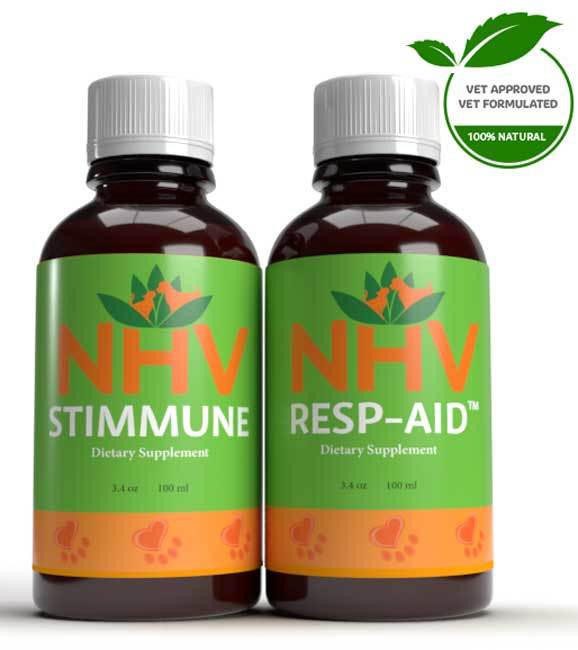
Asthma Kit For Respiratory Support
USD $100.95
free shipping over $100 (USA & Canada)
1-877-937-4372 the pet expert hotline

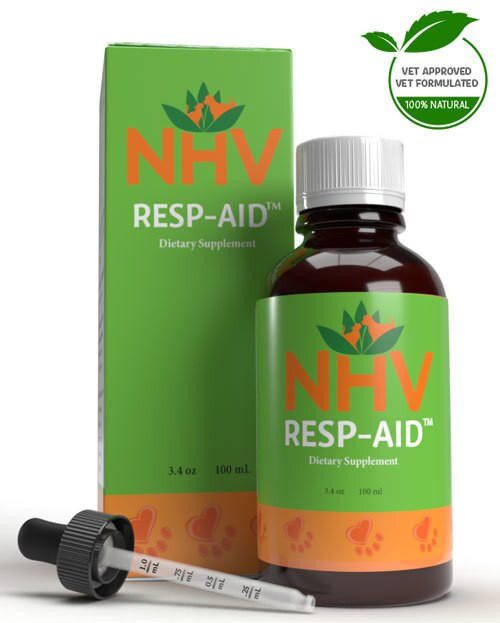
For Coughs, Respiratory Disorders, and Bronchial Infections in Cats
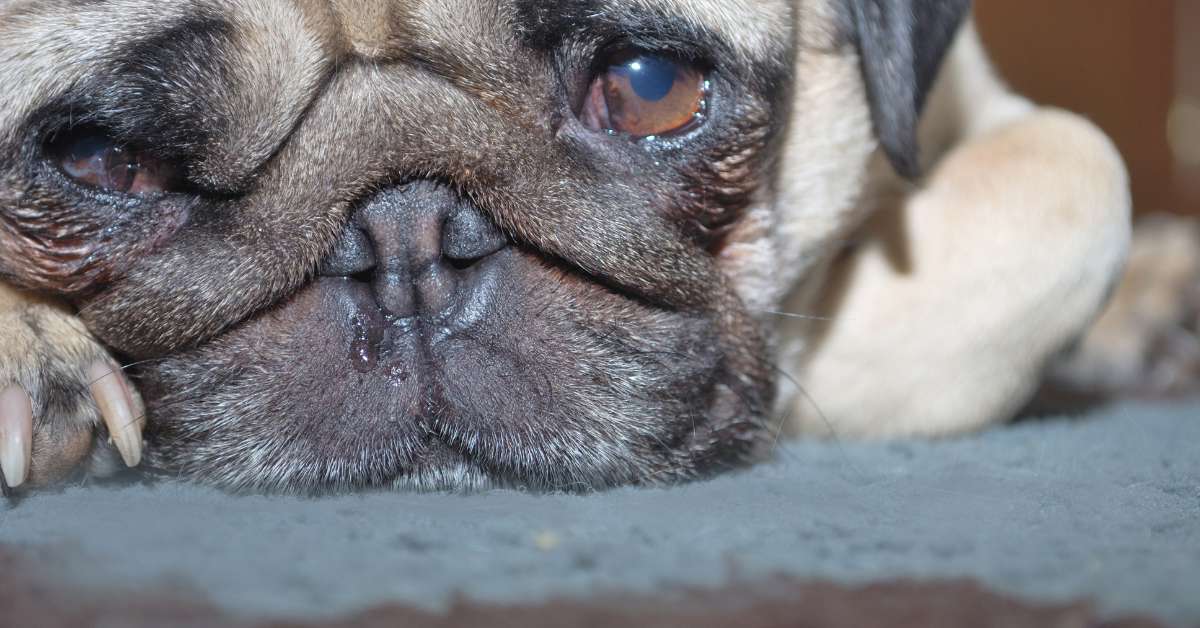
We are excited to announce our collaborative clinical research with the University of Saskatchewan and the University of Calgary, focusing on NHV Resp-Aid and its effect on cat and dog asthma. Our in-house vet, Dr. Amanda Nascimento, led the research.
Before all else, let’s first define this condition. Asthma is a serious form of respiratory disease-causing high mortality in the world. Resp-Aid, on the other hand, is an innovative proprietary formula developed by NHV Natural Pet Products to support respiratory disorders and bronchial infections.
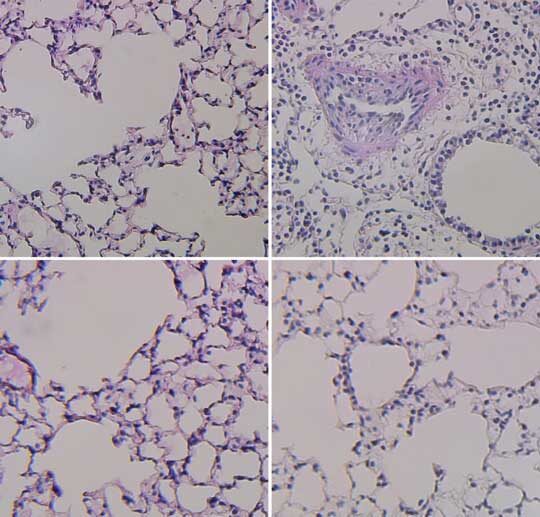
The lungs from asthmatic animals treated with Resp-Aid showed considerably less inflammation and histopathology.
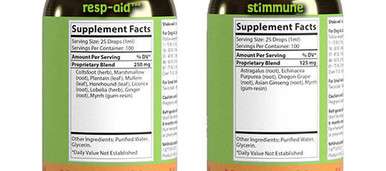
The blend is composed of 9 herbs: Coltsfoot (Tussilago farfar), Marshmallow (Althaea officilanes), Plantain (Pantago major), Mullein (Verbascum Thapsus), Horehound (Marrubium vulgare) and Licorice (Gycyrrhiza glabra), Lobelia (Lobelia inflata), Ginger (Zingiber officinale), Myrrh (Commiphora momol). These herbs have traditional been for respiratory treatments such as asthma to reduce coughing and phlegm/mucous production. They are also known to have anti-inflammatory and immunomodulatory activities. However, the effects of these herbs in this formula for asthma have not been scientifically studied.
Based on the theoretical benefits of Resp-Aid, we conducted a series of studies to explore the efficacy, safety and mechanism of action of Resp-Aid. We hypothesized the treatment with Resp-Aid can alter pulmonary immune responses.
Therefore, to study this, we treated asthmatic and non-asthmatic animals with Resp-Aid.
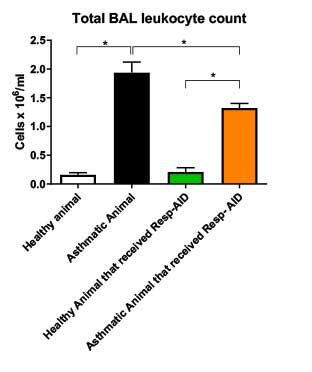
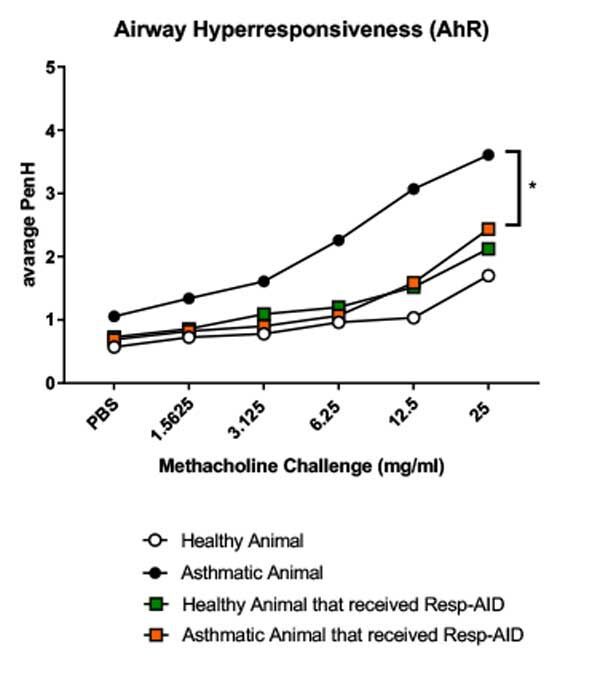
They received 1 drop of Resp-Aid twice daily for 7 days. On day 7 of the treatment with Resp-Aid whole body plethysmography chambers* (WBP) were utilized measuring airway hyperresponsiveness** (AHR). Also, they are monitored for respiratory airflow. For understanding inflammatory differences between the groups, after the treatment with Resp-Aid bronchoalveolar lavage (BAL) and lungs where examined.
*an instrument that measures the changes in volume within the organ
**a characteristic feature of asthma and consists of an increased sensitivity of the airways
Asthmatic animals that received Resp-Aid had lower AHR (They could breath better) compared to asthmatic animals that did not receive Resp-Aid (P<0.05).
Asthmatic animals that received Resp-Aid had lower total leukocytes (inflammatory cells) compared to asthmatic animals that did not receive Resp-Aid (P<0.05).
The lungs from asthmatic animals treated with Resp-Aid showed considerably less inflammation and histopathology compared with asthmatic animals’ lungs that did not receive Resp-Aid.
All in all, this data shows that Resp-Aid alleviates asthma. It may be a potential target for therapeutic intervention in allergic lung disease or asthma or other pulmonary infections.
If you have any questions about cat and dog asthma or anything else, contact our team of pet experts! We are happy to help.
respiratory support
Resp-Aid™ & Stimmune
bundle and save with pet expert kits
3 month supply for a small to medium size pet.
What is it?
NHV’s Asthma Kit For Respiratory Support contains our primary dog and cat asthma natural remedies: Resp-Aid™ and Stimmune. Together, they help to support asthma symptoms like respiratory discomfort, may help reduce inflammation in the airways, and support furkiddos’ immune systems.
How Does it Work?
Why Should I Trust It?
Safe, natural, and easy-to-give supplements.



What is it?
NHV’s Asthma Kit For Respiratory Support contains our primary dog and cat asthma natural remedies: Resp-Aid™ and Stimmune. Together, they help to support asthma symptoms like respiratory discomfort, may help reduce inflammation in the airways, and support furkiddos’ immune systems.
How Does it Work?
Why Should I Trust It?
Safe, natural, and easy-to-give supplements.
Is asthma in cats or dogs a concern for you and your furry little one? That constant coughing and difficulty breathing can definitely be hard on them. That’s why pet parents should provide extra support however they can.
NHV’s Asthma Kit For Respiratory Relief may help soothe asthma symptoms, alleviate the swelling caused by allergens, and strengthen your furkid’s immune system. This bundle contains Resp-Aid™ and Stimmune.
All our supplements are safe for long-term use and liquid-based, so you can simply give it to them by mouth or mixing it into their meals.
Asthma in cats and dogs is a respiratory condition resulting from an allergic reaction. It happens when your furkid inhales an allergen, which causes the airways of their lungs to inflame and narrow. Consequently, it becomes more difficult for our furriends to breathe.
Asthma in cats will affect around 1-5% of our kitty friends. Even though asthma in dogs is more uncommon, our pups can also suffer from asthma attacks. Small and middle-aged dogs are usually at the highest risk for this condition.
Besides difficulty breathing, this recurring inflammation also results in various other symptoms:
If you notice these asthma signs, your little one is likely to have asthma. Please visit a vet immediately for a full body examination and a correct diagnosis. An earlier diagnosis can help your furkid get the right treatment sooner.
On top of the traditional cat and dog asthma medicine, NHV herb-based supplements like the ones in our Asthma Kit For Respiratory Relief can also assist your furkiddo on their road to recovery.
Resp-Aid™ is a vet-formulated extract designed to help furkiddos with respiratory issues. The unique blend of herbs helps support the symptoms of asthma. For example, herbs like Coltsfoot help keep coughs under control. Lobelia and Horehound may also help relieve spasms and reduce mucus accumulation.
In addition, this supplement helps soothe irritating tissues in furkids’ lungs and has powerful anti-inflammatory properties.
Since asthma is usually caused by furkids breathing in allergens, we also added our primary support for allergy, Stimmune, to the kit. This formula of herbal extracts can help balance your little one’s immune system, regulating their body’s reaction to external allergens.
On top of that, Echinacea Purpurea and Myrrh can help relieve irritation and inflammation. The supplement may also help increase the energy of your little one.
NHV supplements are all 100% natural and herb-based, including the ones in this kit. A holistic veterinarian and master herbalist with a combined 50+ years of experience formulating every extract.
If you have any questions regarding asthma in cats and dogs or anything else, feel free to reach out to one of our supportive Pet Experts! We are always here to help!
Help your furkid with asthma now by ordering our Asthma Kit For Respiratory Relief.
All NHV supplements are made with the finest quality organic or ethically harvested herbs. We use non-GMO vegetable glycerin as our base. NHV products are full-spectrum extracts.
Select your pet's weight to determine the correct dose.
To be taken twice daily. Determine your pet’s weight and then use the easy chart below to determine the correct dose. This is the minimum dosage.
Pet's Weight Dosage
0 - 15 lb = 0.5 ml
16 - 30 lb = 1.0 ml
31 - 45 lb = 1.5 ml
46 - 60 lb = 2.0 ml
61 - 75 lb = 2.5 ml
Over 75 lb = 3.0 ml
How to Administer
Shake well before use. The easiest method is to use the dropper provide and places the drops into your pet’s food or favorite treat. You can also use the dropper and squirt directly into the pet’s mouth.
Some pets can be finicky, if this occurs consider hiding the drops in foods most pet’s love such as fish, chicken or yogurt or a favorite treat. If your pet only eats dry food then soak a few kibbles at feeding time.
For Best Results
Herbal dietary supplements are beneficial to the health and wellbeing of your pet and are safe for long-term use. Every pet responds to natural herbal supplements differently, therefore it is important to be consistent and administer the product daily. Supplements generally take two to four weeks to take effect, however this will vary from one animal to the next.
Product Storage
All NHV Natural Pet Products are pure herbal extracts and contain no artificial additives, preservatives or coloring. Shelf life after opening is 6 months and must be refrigerated after opening.
Cautions and Contraindications: Do not use Turmeric in pregnant or nursing animals. Speak to your vet before using our products. A second visit is recommended if your pet’s condition does not improve, or deteriorates after continued use of the supplements.
Is asthma in cats or dogs a concern for you and your furry little one? That constant coughing and difficulty breathing can definitely be hard on them. That’s why pet parents should provide extra support however they can.
NHV’s Asthma Kit For Respiratory Relief may help soothe asthma symptoms, alleviate the swelling caused by allergens, and strengthen your furkid’s immune system. This bundle contains Resp-Aid™ and Stimmune.
All our supplements are safe for long-term use and liquid-based, so you can simply give it to them by mouth or mixing it into their meals.
Asthma in cats and dogs is a respiratory condition resulting from an allergic reaction. It happens when your furkid inhales an allergen, which causes the airways of their lungs to inflame and narrow. Consequently, it becomes more difficult for our furriends to breathe.
Asthma in cats will affect around 1-5% of our kitty friends. Even though asthma in dogs is more uncommon, our pups can also suffer from asthma attacks. Small and middle-aged dogs are usually at the highest risk for this condition.
Besides difficulty breathing, this recurring inflammation also results in various other symptoms:
If you notice these asthma signs, your little one is likely to have asthma. Please visit a vet immediately for a full body examination and a correct diagnosis. An earlier diagnosis can help your furkid get the right treatment sooner.
On top of the traditional cat and dog asthma medicine, NHV herb-based supplements like the ones in our Asthma Kit For Respiratory Relief can also assist your furkiddo on their road to recovery.
Resp-Aid™ is a vet-formulated extract designed to help furkiddos with respiratory issues. The unique blend of herbs helps support the symptoms of asthma. For example, herbs like Coltsfoot help keep coughs under control. Lobelia and Horehound may also help relieve spasms and reduce mucus accumulation.
In addition, this supplement helps soothe irritating tissues in furkids’ lungs and has powerful anti-inflammatory properties.
Since asthma is usually caused by furkids breathing in allergens, we also added our primary support for allergy, Stimmune, to the kit. This formula of herbal extracts can help balance your little one’s immune system, regulating their body’s reaction to external allergens.
On top of that, Echinacea Purpurea and Myrrh can help relieve irritation and inflammation. The supplement may also help increase the energy of your little one.
NHV supplements are all 100% natural and herb-based, including the ones in this kit. A holistic veterinarian and master herbalist with a combined 50+ years of experience formulating every extract.
If you have any questions regarding asthma in cats and dogs or anything else, feel free to reach out to one of our supportive Pet Experts! We are always here to help!
Help your furkid with asthma now by ordering our Asthma Kit For Respiratory Relief.
All NHV supplements are made with the finest quality organic or ethically harvested herbs. We use non-GMO vegetable glycerin as our base. NHV products are full-spectrum extracts.
Select your pet's weight to determine the correct dose.
To be taken twice daily. Determine your pet’s weight and then use the easy chart below to determine the correct dose. This is the minimum dosage.
Pet's Weight Dosage
0 - 15 lb = 0.5 ml
16 - 30 lb = 1.0 ml
31 - 45 lb = 1.5 ml
46 - 60 lb = 2.0 ml
61 - 75 lb = 2.5 ml
Over 75 lb = 3.0 ml
How to Administer
Shake well before use. The easiest method is to use the dropper provide and places the drops into your pet’s food or favorite treat. You can also use the dropper and squirt directly into the pet’s mouth.
Some pets can be finicky, if this occurs consider hiding the drops in foods most pet’s love such as fish, chicken or yogurt or a favorite treat. If your pet only eats dry food then soak a few kibbles at feeding time.
For Best Results
Herbal dietary supplements are beneficial to the health and wellbeing of your pet and are safe for long-term use. Every pet responds to natural herbal supplements differently, therefore it is important to be consistent and administer the product daily. Supplements generally take two to four weeks to take effect, however this will vary from one animal to the next.
Product Storage
All NHV Natural Pet Products are pure herbal extracts and contain no artificial additives, preservatives or coloring. Shelf life after opening is 6 months and must be refrigerated after opening.
Cautions and Contraindications: Do not use Turmeric in pregnant or nursing animals. Speak to your vet before using our products. A second visit is recommended if your pet’s condition does not improve, or deteriorates after continued use of the supplements.
respiratory support
Vet-Formulated Remedy for Respiratory Infection in Dogs
buy 2 and save $3
3 month supply for a small to medium size
Resp-Aid is a 100% natural, vet-formulated respiratory supplement for dogs that help fight respiratory infections, ease coughing, and breathe more comfortably — all with gentle, plant-based ingredients.
Resp-Aid is vet-formulated and used by pet experts worldwide, and its herbal blend has even been studied for its benefits in pets with asthma and respiratory challenges through research at the University of Calgary and the University of Saskatchewan. It’s safe, natural support you can feel confident giving to your furkid.
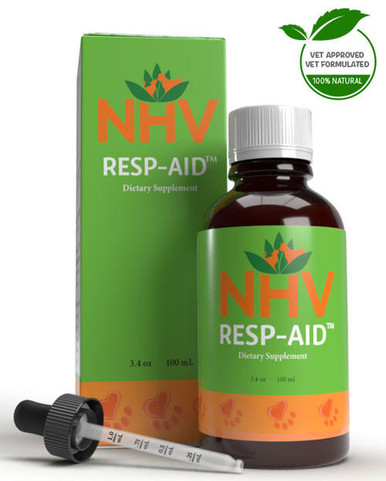


Resp-Aid is a 100% natural, vet-formulated respiratory supplement for dogs that help fight respiratory infections, ease coughing, and breathe more comfortably — all with gentle, plant-based ingredients.
Resp-Aid is vet-formulated and used by pet experts worldwide, and its herbal blend has even been studied for its benefits in pets with asthma and respiratory challenges through research at the University of Calgary and the University of Saskatchewan. It’s safe, natural support you can feel confident giving to your furkid.
Dogs are susceptible to upper respiratory infections just like humans, and once infected, they can be highly contagious. Some breeds of dogs are more prone to getting respiratory infections, such as the Boston Terrier and Shih-Tzu. Find out if your dog breed is more prone to breathing difficulties and respiratory infections, and effective remedies for respiratory infection in dogs at NHV.
Symptoms of Respiratory Infections in Dogs
The symptoms are very similar to infection in humans.
Causes of Respiratory Infection in Dogs
Kennel cough is a common ailment among dogs that can be caused by a bacteria or viral infection.
NHV’s plant-based remedies can provide support along with vet-recommended treatment for respiratory infections in dogs. Read Bailee's tale of how NHV’s Resp-aid came to her rescue for allergic bronchitis.
You can read more about NHV Natural Pet Products and if you have questions about holistic supplements including our natural remedies for respiratory infections in dogs, ask an NHV expert, because, at NHV we want you and your canine companion to breathe easy naturally.
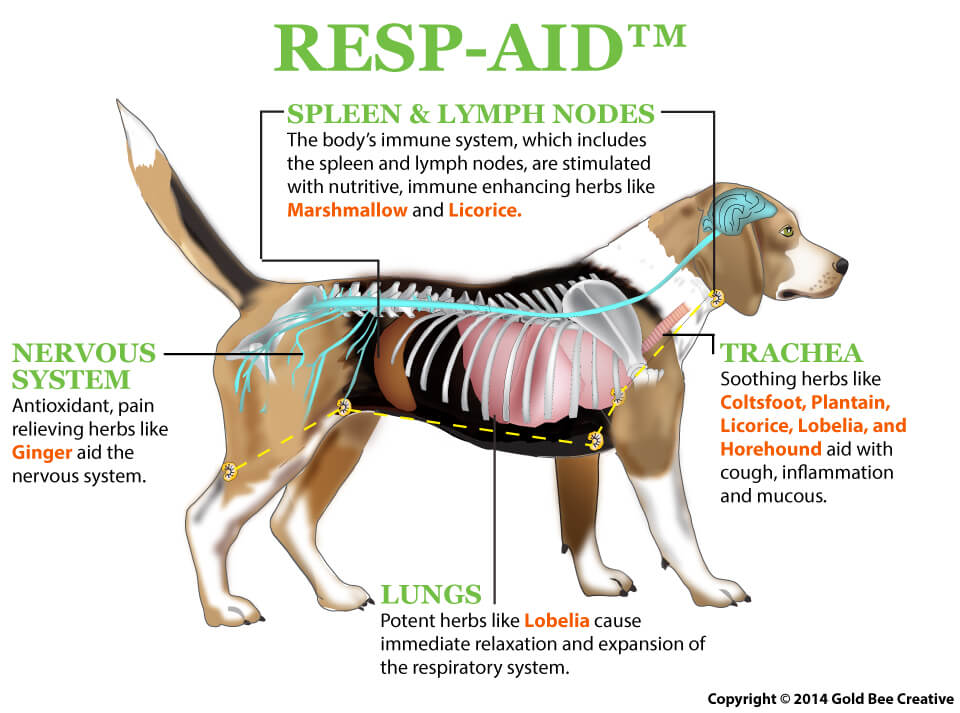
Your dog will breathe easier with NHV’s Resp-Aid, an all-natural plant-based formula containing these nine powerful herbs.
Beneficial Ingredients in NHV’s Natural Remedies for Respiratory Infections in Dogs
Select your pet's weight to determine the correct dose.
To be taken twice daily. Determine your pet’s weight and then use the easy chart below to determine the correct dose. This is the minimum dosage.
Pet's Weight Dosage
0 - 15 lb = 0.5 ml
16 - 30 lb = 1.0 ml
31 - 45 lb = 1.5 ml
46 - 60 lb = 2.0 ml
61 - 75 lb = 2.5 ml
Over 75 lb = 3.0 ml
How to Administer
Shake well before use. The easiest method is to use the dropper provide and places the drops into your pet’s food or favorite treat. You can also use the dropper and squirt directly into the pet’s mouth.
Some pets can be finicky, if this occurs consider hiding the drops in foods most pet’s love such as fish, chicken or yogurt or a favorite treat. If your pet only eats dry food then soak a few kibbles at feeding time.
For Best Results
Herbal dietary supplements are beneficial to the health and wellbeing of your pet and are safe for long-term use. Every pet responds to natural herbal supplements differently, therefore it is important to be consistent and administer the product daily. Supplements generally take two to four weeks to take effect, however this will vary from one animal to the next.
Product Storage
All NHV Natural Pet Products are pure herbal extracts and contain no artificial additives, preservatives or coloring. Shelf life after opening is 6 months and must be refrigerated after opening.
Cautions and Contraindications
Do not use in pregnant or nursing animals. Speak to your vet before using our products. A second visit is recommended if your pet’s condition does not improve, or deteriorates after continued use of the supplements.
All information provided by NHV Natural Pet Products is for educational purposes only.
Dogs are susceptible to upper respiratory infections just like humans, and once infected, they can be highly contagious. Some breeds of dogs are more prone to getting respiratory infections, such as the Boston Terrier and Shih-Tzu. Find out if your dog breed is more prone to breathing difficulties and respiratory infections, and effective remedies for respiratory infection in dogs at NHV.
Symptoms of Respiratory Infections in Dogs
The symptoms are very similar to infection in humans.
Causes of Respiratory Infection in Dogs
Kennel cough is a common ailment among dogs that can be caused by a bacteria or viral infection.
NHV’s plant-based remedies can provide support along with vet-recommended treatment for respiratory infections in dogs. Read Bailee's tale of how NHV’s Resp-aid came to her rescue for allergic bronchitis.
You can read more about NHV Natural Pet Products and if you have questions about holistic supplements including our natural remedies for respiratory infections in dogs, ask an NHV expert, because, at NHV we want you and your canine companion to breathe easy naturally.
Your dog will breathe easier with NHV’s Resp-Aid, an all-natural plant-based formula containing these nine powerful herbs.
Beneficial Ingredients in NHV’s Natural Remedies for Respiratory Infections in Dogs
Select your pet's weight to determine the correct dose.
To be taken twice daily. Determine your pet’s weight and then use the easy chart below to determine the correct dose. This is the minimum dosage.
Pet's Weight Dosage
0 - 15 lb = 0.5 ml
16 - 30 lb = 1.0 ml
31 - 45 lb = 1.5 ml
46 - 60 lb = 2.0 ml
61 - 75 lb = 2.5 ml
Over 75 lb = 3.0 ml
How to Administer
Shake well before use. The easiest method is to use the dropper provide and places the drops into your pet’s food or favorite treat. You can also use the dropper and squirt directly into the pet’s mouth.
Some pets can be finicky, if this occurs consider hiding the drops in foods most pet’s love such as fish, chicken or yogurt or a favorite treat. If your pet only eats dry food then soak a few kibbles at feeding time.
For Best Results
Herbal dietary supplements are beneficial to the health and wellbeing of your pet and are safe for long-term use. Every pet responds to natural herbal supplements differently, therefore it is important to be consistent and administer the product daily. Supplements generally take two to four weeks to take effect, however this will vary from one animal to the next.
Product Storage
All NHV Natural Pet Products are pure herbal extracts and contain no artificial additives, preservatives or coloring. Shelf life after opening is 6 months and must be refrigerated after opening.
Cautions and Contraindications
Do not use in pregnant or nursing animals. Speak to your vet before using our products. A second visit is recommended if your pet’s condition does not improve, or deteriorates after continued use of the supplements.
All information provided by NHV Natural Pet Products is for educational purposes only.
respiratory support
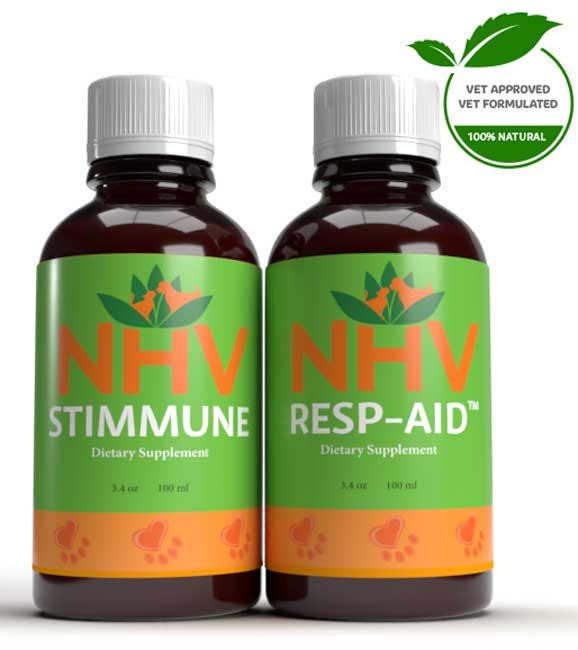
Resp-Aid & Stimmune
bundle and save with pet expert kits
3 month supply for a small to medium size pet
What is it?
The NHV Kennel Cough Kit contains natural vet-approved dog kennel cough supplements designed to help prevent and manage the symptoms of Kennel Cough. These herbal remedies not only support coughs and respiratory issues, they also balance the immune system.
How does it work?
Why trust it?
NHV formulas are vet-made and vet-approved.

What is it?
The NHV Kennel Cough Kit contains natural vet-approved dog kennel cough supplements designed to help prevent and manage the symptoms of Kennel Cough. These herbal remedies not only support coughs and respiratory issues, they also balance the immune system.
How does it work?
Why trust it?
NHV formulas are vet-made and vet-approved.
Kennel cough, is predominately found in dogs and is a respiratory infection caused by Bordetella bronchiseptica, adenovirus and canine parainfluenza virus. These pathogens attack the cilia lining of the respiratory tract causing inflammation of the upper airway, resulting in a cough. This irritation makes your dog susceptible to secondary infection. Kennel cough is extremely contagious. In some cases, the situation may be complicated by secondary bacterial pneumonia. Extra care is required to prevent pneumonia and improve breathing.
When a dog has kennel cough or has been in contact with an infected animal it is just as important to support their immune system as it is to address the symptoms of the cough itself.
NHV Resp-aid is a dog kennel cough supplement that helps to sooth the upper respiratory tract, reduce inflammation, fight infection and ease congestion.
NHV Stimmune combined with the NHV Resp-aid offers the most benefit and support. This herbal formula is a very effective immune booster. Packed full of herbs that have antibiotic and antiviral properties, Stimmune not only boosts the immune system, but also helps to fight and prevent secondary infections that are commonly associated with kennel cough.
RESP-AID
Coltsfoot - Helps control coughing, relaxes spasms and soothes irritated tissue; is an expectorant and has antibacterial properties.
Marshmallow – An anti-inflammatory that controls bacterial infections and soothes and softens irritated tissues.
Plantain – An expectorant that soothes and lubricates internal mucous membranes.
Mullein – Soothes and lubricates tissues.
Horehound – Relieves spasms.
Licorice – A versatile herb that is a fast-acting anti-inflammatory agent ideal for the treatment of respiratory illnesses.
Lobelia – Relaxes and expands the respiratory system to allow oxygenated blood to flow freely.
Ginger – Relieves discomfort and stimulates circulation.
Myrrh – A stimulant that relieves spasms, inflammation, and digestive discomfort.
__________________________________________________
STIMMUNE
Astragalus - Stimulates liver function and improves the immune system.
Echinacea Purpurea – Reduces inflammation and helps boost the immune system and efficiently fight infection.
Oregon Grape – Has antibiotic and immunostimulatory properties.
Asian Ginseng – Improves appetite and increases organic resistance to diseases.
Myrrh – An astringent that relieves irritated skin.
Select your pet's weight to determine the correct dose.
To be taken twice daily. Determine your pet’s weight and then use the easy chart below to determine the correct dose. This is the minimum dosage.
Pet's Weight Dosage
0 - 15 lb = 0.5 ml
16 - 30 lb = 1.0 ml
31 - 45 lb = 1.5 ml
46 - 60 lb = 2.0 ml
61 - 75 lb = 2.5 ml
Over 75 lb = 3.0 ml
For small animals (rabbits, ferrets), avians and reptiles use 1 drop for every 2 lb of body weight.
How to Administer
Shake well before use. The easiest method is to use the dropper provided and place the drops into your pet’s food or favorite treat. You can also use the dropper and squirt directly into the pet’s mouth. Some pets can be finicky, if this occurs consider hiding the drops in foods most pet’s love such as fish, chicken or yogurt or a favorite treat. If your pet only eats dry food then soak a few kibbles at feeding time.
For Best Results
Herbal dietary supplements are beneficial to the health and well-being of your pet and are safe for long-term use. Every pet responds to natural herbal supplements differently, therefore it is important to be consistent and administer the product daily. Supplements generally take two to four weeks to take effect, however this will vary from one animal to the next.
Product Storage
All NHV Natural Pet Products are pure herbal extracts and contain no artificial additives, preservatives or coloring. Shelf life after opening is 6 months and must be refrigerated after opening.
Cautions and Contraindications
Do not use in pregnant or nursing animals.
All information provided by NHV Natural Pet Products is for educational purposes only.
Kennel cough, is predominately found in dogs and is a respiratory infection caused by Bordetella bronchiseptica, adenovirus and canine parainfluenza virus. These pathogens attack the cilia lining of the respiratory tract causing inflammation of the upper airway, resulting in a cough. This irritation makes your dog susceptible to secondary infection. Kennel cough is extremely contagious. In some cases, the situation may be complicated by secondary bacterial pneumonia. Extra care is required to prevent pneumonia and improve breathing.
When a dog has kennel cough or has been in contact with an infected animal it is just as important to support their immune system as it is to address the symptoms of the cough itself.
NHV Resp-aid is a dog kennel cough supplement that helps to sooth the upper respiratory tract, reduce inflammation, fight infection and ease congestion.
NHV Stimmune combined with the NHV Resp-aid offers the most benefit and support. This herbal formula is a very effective immune booster. Packed full of herbs that have antibiotic and antiviral properties, Stimmune not only boosts the immune system, but also helps to fight and prevent secondary infections that are commonly associated with kennel cough.
RESP-AID
Coltsfoot - Helps control coughing, relaxes spasms and soothes irritated tissue; is an expectorant and has antibacterial properties.
Marshmallow – An anti-inflammatory that controls bacterial infections and soothes and softens irritated tissues.
Plantain – An expectorant that soothes and lubricates internal mucous membranes.
Mullein – Soothes and lubricates tissues.
Horehound – Relieves spasms.
Licorice – A versatile herb that is a fast-acting anti-inflammatory agent ideal for the treatment of respiratory illnesses.
Lobelia – Relaxes and expands the respiratory system to allow oxygenated blood to flow freely.
Ginger – Relieves discomfort and stimulates circulation.
Myrrh – A stimulant that relieves spasms, inflammation, and digestive discomfort.
__________________________________________________
STIMMUNE
Astragalus - Stimulates liver function and improves the immune system.
Echinacea Purpurea – Reduces inflammation and helps boost the immune system and efficiently fight infection.
Oregon Grape – Has antibiotic and immunostimulatory properties.
Asian Ginseng – Improves appetite and increases organic resistance to diseases.
Myrrh – An astringent that relieves irritated skin.
Select your pet's weight to determine the correct dose.
To be taken twice daily. Determine your pet’s weight and then use the easy chart below to determine the correct dose. This is the minimum dosage.
Pet's Weight Dosage
0 - 15 lb = 0.5 ml
16 - 30 lb = 1.0 ml
31 - 45 lb = 1.5 ml
46 - 60 lb = 2.0 ml
61 - 75 lb = 2.5 ml
Over 75 lb = 3.0 ml
For small animals (rabbits, ferrets), avians and reptiles use 1 drop for every 2 lb of body weight.
How to Administer
Shake well before use. The easiest method is to use the dropper provided and place the drops into your pet’s food or favorite treat. You can also use the dropper and squirt directly into the pet’s mouth. Some pets can be finicky, if this occurs consider hiding the drops in foods most pet’s love such as fish, chicken or yogurt or a favorite treat. If your pet only eats dry food then soak a few kibbles at feeding time.
For Best Results
Herbal dietary supplements are beneficial to the health and well-being of your pet and are safe for long-term use. Every pet responds to natural herbal supplements differently, therefore it is important to be consistent and administer the product daily. Supplements generally take two to four weeks to take effect, however this will vary from one animal to the next.
Product Storage
All NHV Natural Pet Products are pure herbal extracts and contain no artificial additives, preservatives or coloring. Shelf life after opening is 6 months and must be refrigerated after opening.
Cautions and Contraindications
Do not use in pregnant or nursing animals.
All information provided by NHV Natural Pet Products is for educational purposes only.

We have a dedicated group of pet expert professionals, including veterinarians, vet techs, and other pet professionals to guide you through any questions. We’re committed to your pet’s wellness and can offer additional tips, resources, nutritional advice, and more.
Published: July 12, 2019
respiratory support
For Coughs, Respiratory Disorders, and Bronchial Infections in Cats
buy 2 and save $3
3 month supply for a small to medium size
Resp-Aid is a gentle, 100% natural liquid herbal formula for cat respiratory support, helping your cat breathe easier while supporting immune health and overall respiratory wellness. When your little one is coughing, congested, or struggling to catch their breath, Resp-Aid offers soothing, plant-based support you can trust—one of the safest natural cat respiratory supplements.
Resp-Aid brings together herbs that have been traditionally used to comfort and protect the respiratory system. It helps your kitty by:
Like all NHV supplements, Resp-Aid is vet-formulated and made with premium, human-grade herbs. It’s loved by cats around the world, and its unique herbal blend has even been studied for respiratory benefits — including in pets with asthma — through research at the University of Calgary and the University of Saskatchewan.
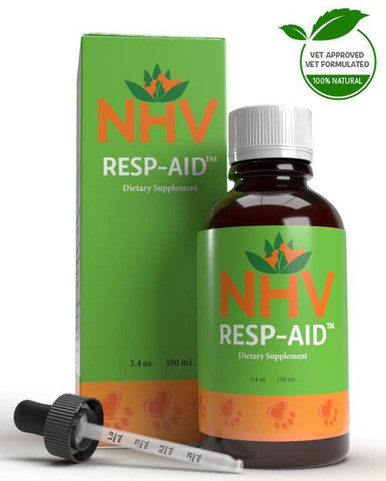

Resp-Aid is a gentle, 100% natural liquid herbal formula for cat respiratory support, helping your cat breathe easier while supporting immune health and overall respiratory wellness. When your little one is coughing, congested, or struggling to catch their breath, Resp-Aid offers soothing, plant-based support you can trust—one of the safest natural cat respiratory supplements.
Resp-Aid brings together herbs that have been traditionally used to comfort and protect the respiratory system. It helps your kitty by:
Like all NHV supplements, Resp-Aid is vet-formulated and made with premium, human-grade herbs. It’s loved by cats around the world, and its unique herbal blend has even been studied for respiratory benefits — including in pets with asthma — through research at the University of Calgary and the University of Saskatchewan.
Many cats suffer from breathing difficulties which can lead to respiratory infections. Symptoms of respiratory infections in cats are similar to those in humans such as watery eyes, runny nose, sneezing, coughing, and difficulty breathing. Resp-Aid™ is a holistic all-natural remedy for respiratory infection in cats to help provide them relief.
NHV Resp-Aid is currently under clinical studies conducted jointly with the University of Saskatchewan and the University of Calgary. The study found that the lungs from asthmatic animals treated with Resp-Aid showed considerably less inflammation and histopathology compared with asthmatic animals lungs that did not receive Resp-Aid. You can read the latest on this innovative study here.
Some cat breeds are more susceptible to breathing difficulties such as Siamese. Find out if your cat breed is prone to breathing difficulties at NHV online breeds and conditions. Respiratory infections in cats can be caused by:
Read about a rescue kitty named Hunter and how he found relief with NHV’s remedy for respiratory infection in cats.
If you have questions about natural remedies for respiratory infections in cats or any of our plant-based products you can ask an expert at NHV. Our pet experts can offer guidance and support because NHV wants all pet parents and their fur children to breathe easy naturally.
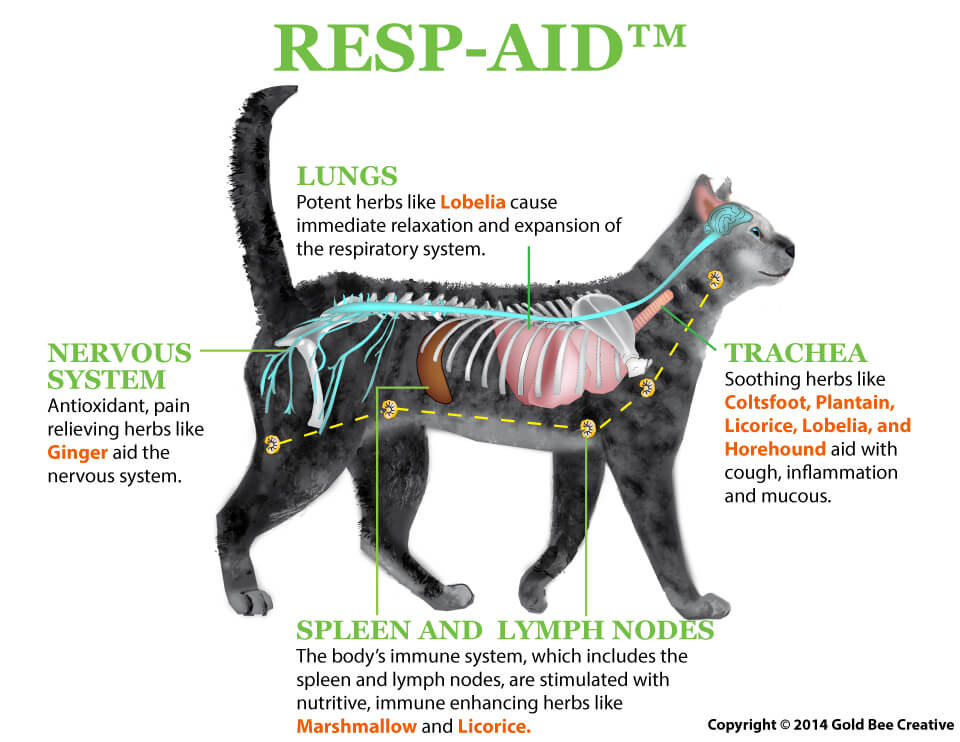
NHV’s Resp-Aid contains a proprietary blend of nine highly effective herbs that help support healthy breathing making this a formidable remedy for respiratory infections in cats.
Select your pet's weight to determine the correct dose.
To be taken twice daily. Determine your pet’s weight and then use the easy chart below to determine the correct dose. This is the minimum dosage.
Pet's Weight Dosage
0 - 15 lb = 0.5 ml
16 - 30 lb = 1.0 ml
31 - 45 lb = 1.5 ml
46 - 60 lb = 2.0 ml
61 - 75 lb = 2.5 ml
Over 75 lb = 3.0 ml
How to Administer
Shake well before use. The easiest method is to use the dropper provide and places the drops into your pet’s food or favorite treat. You can also use the dropper and squirt directly into the pet’s mouth.
Some pets can be finicky, if this occurs consider hiding the drops in foods most pet’s love such as fish, chicken or yogurt or a favourite treat. If your pet only eats dry food then soak a few kibbles at feeding time.
For Best Results
Herbal dietary supplements are beneficial to the health and wellbeing of your pet and are safe for long-term use. Every pet responds to natural herbal supplements differently, therefore it is important to be consistent and administer the product daily. Supplements generally take two to four weeks to take effect, however this will vary from one animal to the next.
Product Storage
All NHV Natural Pet Products are pure herbal extracts and contain no artificial additives, preservatives or coloring. Shelf life after opening is 6 months and must be refrigerated after opening.
Cautions and Contraindications
Do not use in pregnant or nursing animals. Speak to your vet before using our products. A second visit is recommended if your pet’s condition does not improve, or deteriorates after continued use of the supplements.
All information provided by NHV Natural Pet Products is for educational purposes only.
Many cats suffer from breathing difficulties which can lead to respiratory infections. Symptoms of respiratory infections in cats are similar to those in humans such as watery eyes, runny nose, sneezing, coughing, and difficulty breathing. Resp-Aid™ is a holistic all-natural remedy for respiratory infection in cats to help provide them relief.
NHV Resp-Aid is currently under clinical studies conducted jointly with the University of Saskatchewan and the University of Calgary. The study found that the lungs from asthmatic animals treated with Resp-Aid showed considerably less inflammation and histopathology compared with asthmatic animals lungs that did not receive Resp-Aid. You can read the latest on this innovative study here.
Some cat breeds are more susceptible to breathing difficulties such as Siamese. Find out if your cat breed is prone to breathing difficulties at NHV online breeds and conditions. Respiratory infections in cats can be caused by:
Read about a rescue kitty named Hunter and how he found relief with NHV’s remedy for respiratory infection in cats.
If you have questions about natural remedies for respiratory infections in cats or any of our plant-based products you can ask an expert at NHV. Our pet experts can offer guidance and support because NHV wants all pet parents and their fur children to breathe easy naturally.
NHV’s Resp-Aid contains a proprietary blend of nine highly effective herbs that help support healthy breathing making this a formidable remedy for respiratory infections in cats.
Select your pet's weight to determine the correct dose.
To be taken twice daily. Determine your pet’s weight and then use the easy chart below to determine the correct dose. This is the minimum dosage.
Pet's Weight Dosage
0 - 15 lb = 0.5 ml
16 - 30 lb = 1.0 ml
31 - 45 lb = 1.5 ml
46 - 60 lb = 2.0 ml
61 - 75 lb = 2.5 ml
Over 75 lb = 3.0 ml
How to Administer
Shake well before use. The easiest method is to use the dropper provide and places the drops into your pet’s food or favorite treat. You can also use the dropper and squirt directly into the pet’s mouth.
Some pets can be finicky, if this occurs consider hiding the drops in foods most pet’s love such as fish, chicken or yogurt or a favourite treat. If your pet only eats dry food then soak a few kibbles at feeding time.
For Best Results
Herbal dietary supplements are beneficial to the health and wellbeing of your pet and are safe for long-term use. Every pet responds to natural herbal supplements differently, therefore it is important to be consistent and administer the product daily. Supplements generally take two to four weeks to take effect, however this will vary from one animal to the next.
Product Storage
All NHV Natural Pet Products are pure herbal extracts and contain no artificial additives, preservatives or coloring. Shelf life after opening is 6 months and must be refrigerated after opening.
Cautions and Contraindications
Do not use in pregnant or nursing animals. Speak to your vet before using our products. A second visit is recommended if your pet’s condition does not improve, or deteriorates after continued use of the supplements.
All information provided by NHV Natural Pet Products is for educational purposes only.



2 replies
This seems misleading. This article is titled “Study on Resp-Aid Effect on Cat & Dog Asthma” but the linked study was on mice, not cats or dogs. One of the author vets works for NHV. Lobelia is toxic to cats.
Thank you for raising this — it’s an important question, and we appreciate the chance to clarify.
You are correct that the mechanistic portion of the research (the part investigating airway inflammation, cytokine activity, and lung tissue response) was conducted using a mouse asthma model. This is standard practice in both veterinary and human medicine, because rodent models allow researchers to study biological pathways with a level of precision that isn’t feasible in companion animals.
However, that laboratory model is only one part of the overall research.
Resp-Aid has also been evaluated directly in cats and dogs through real-world veterinary case follow-ups, observational studies, and field use. These assessments focus on safety, dosing, palatability, and clinical response in the species actually using the product. This companion-animal data is separate from the mechanistic work and provides essential insight into how the formula performs in practice.
We recognize that our current blog article emphasizes the mechanistic study and does not yet include the real-world clinical observations in pets. We’re updating the article now to clearly distinguish these two layers of research so readers have a complete and accurate picture of the evidence pathway:
-Foundational mechanistic study in a mouse asthma model
-Clinical and observational evaluation in real dogs and cats using Resp-Aid
-Both components contribute complementary information:
-The mechanistic work helps explain how and why the formula behaves the way it does.
-The companion-animal observations show what actually happens when dogs and cats use it under veterinary guidance.
Regarding the concern about an NHV veterinarian being an author: this affiliation is openly disclosed and is common in both supplement and pharmaceutical research. Formulation experts participate to ensure accuracy in how the product is used and interpreted. Importantly, peer review provides independent scientific oversight, helping to minimize bias regardless of author affiliation.
As for lobelia, you are right that raw lobelia plants can be toxic at high or uncontrolled doses. In Resp-Aid, the lobelia root extract is used in a very low, carefully controlled amount that falls within safety parameters for dogs and cats when used as directed. As with many therapeutic ingredients — herbal or pharmaceutical — dose, part used, and extration method are strong determination factors of toxicity. Our veterinary team formulates with wide safety margins, and we always recommend veterinary guidance for pets with complex respiratory conditions.
We truly appreciate your diligence. Questions like yours help us continuously improve how we communicate research so that it remains clear, transparent, and scientifically accurate — especially as we update the article to include both the mechanistic findings and the companion-animal data.