Anxiety and Stress support
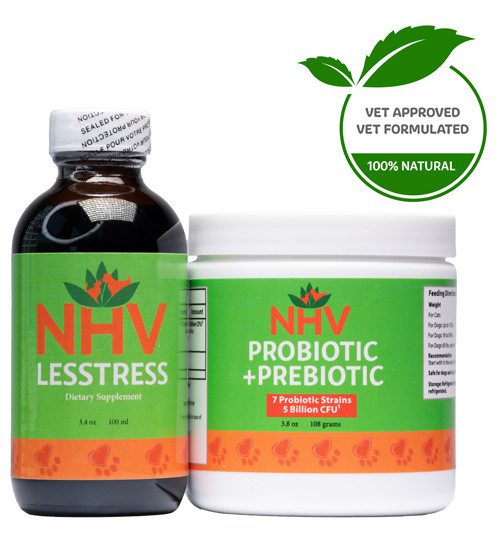
Anxiety and Stress in Dogs Support Kit
USD $92.95
free shipping over $100 (USA & Canada)
1-877-937-4372 the pet expert hotline

Non-pet parents might just see a cat or dog. Meanwhile, those of us with these furry little creatures just see another family member! And we’re not alone in calling them fur kids or fur babies. More and more, people from all around the world are recognizing that pets are no longer “just pets;” they’re full-fledged family members who get a spot in the family holiday cards! That’s why the words pet parents use to describe their furry family members are often more than just their cat or dog. From Mexico to Japan and beyond, here are the words pet parents call their pets something other than just “pets,” and what it means when it comes to how we approach their care and well-being.
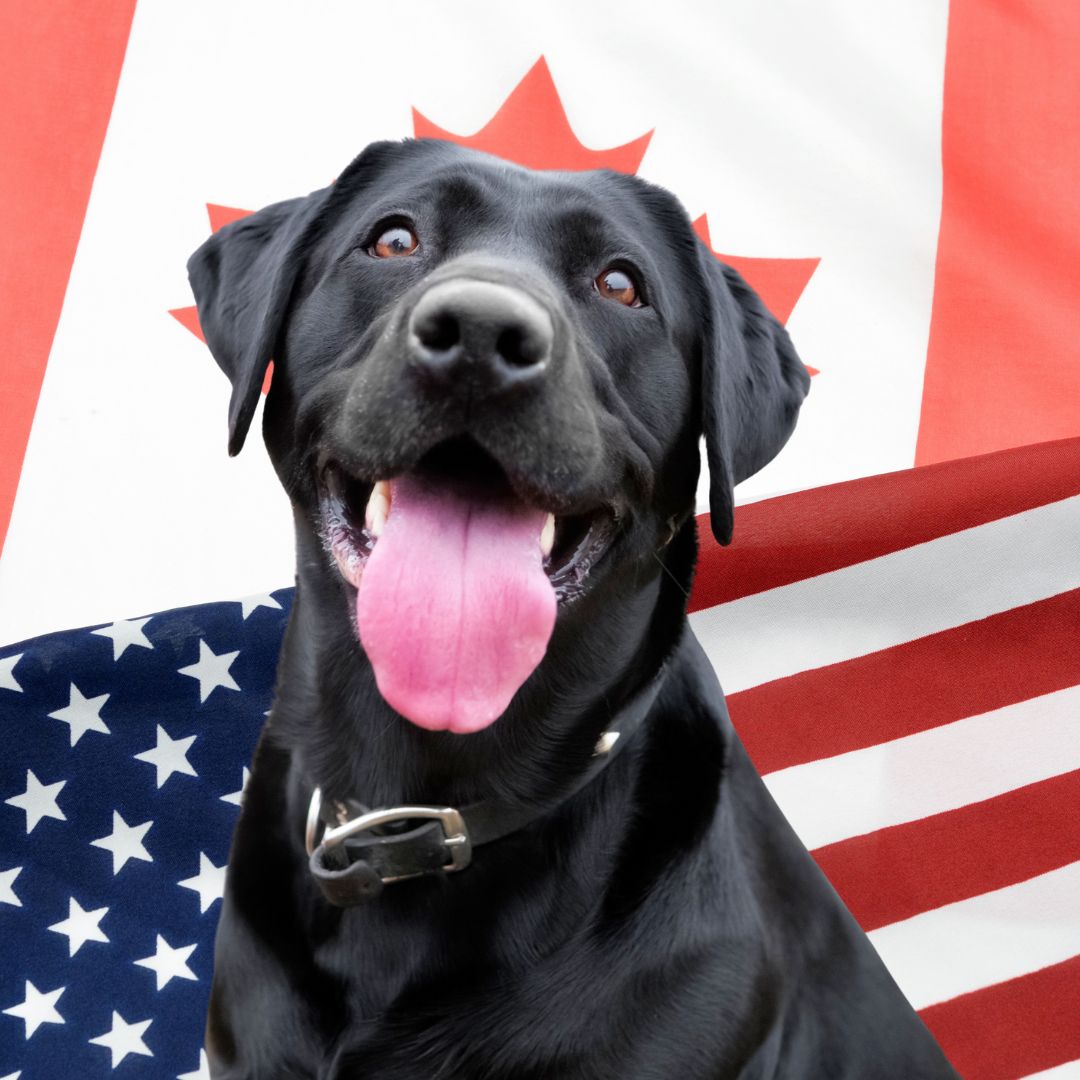
In the US and Canada, those with pets aren’t being ironic when they call themselves “pet parents.” Instead, there’s been a major cultural shift over the years, where people are seeing themselves as not just “owners” but guardians and even parental figures. It makes sense; we do feed them, clean them, and make sure they get proper nutrition to live strong and happy lives. They rely on us, and the love we have for them helps us to give them the best care possible.
That’s why so many are taking the steps to improve their nutrition, their physical fitness, and explore holistic options for improving their health and happiness.
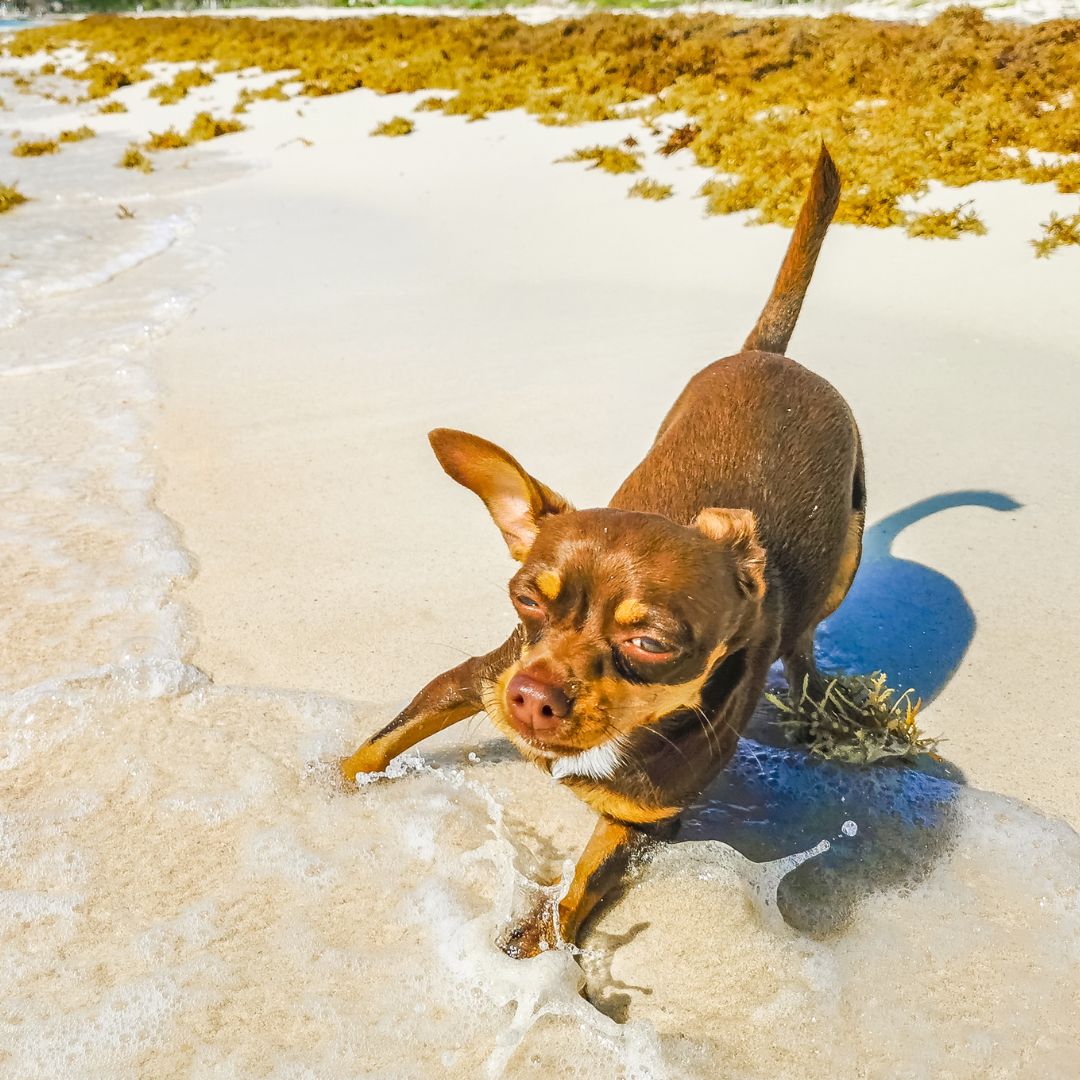
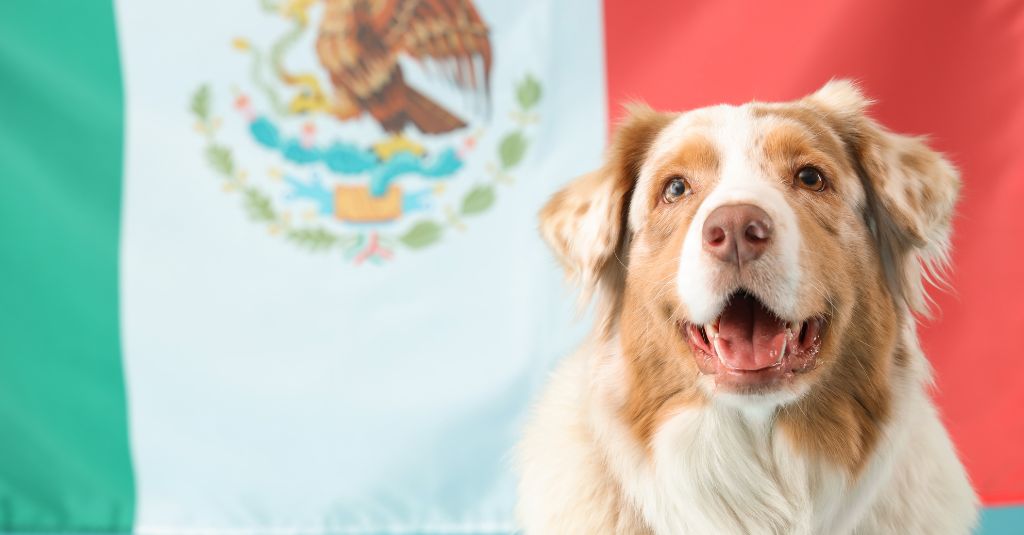
Mexico has a deep history and love of dogs. They’re the origin of iconic Mexican breeds such as the adorably tiny Chihuahua and the ancient Xoloitzcuintli, a breed that dates back at least three thousand years. So, it’s no surprise that pet parents in Mexico have their own adorable way to refer to their fur kids: “perrijo.” It’s a blend of the Spanish words “perro” and “hijo,” literally translating to dog-child.
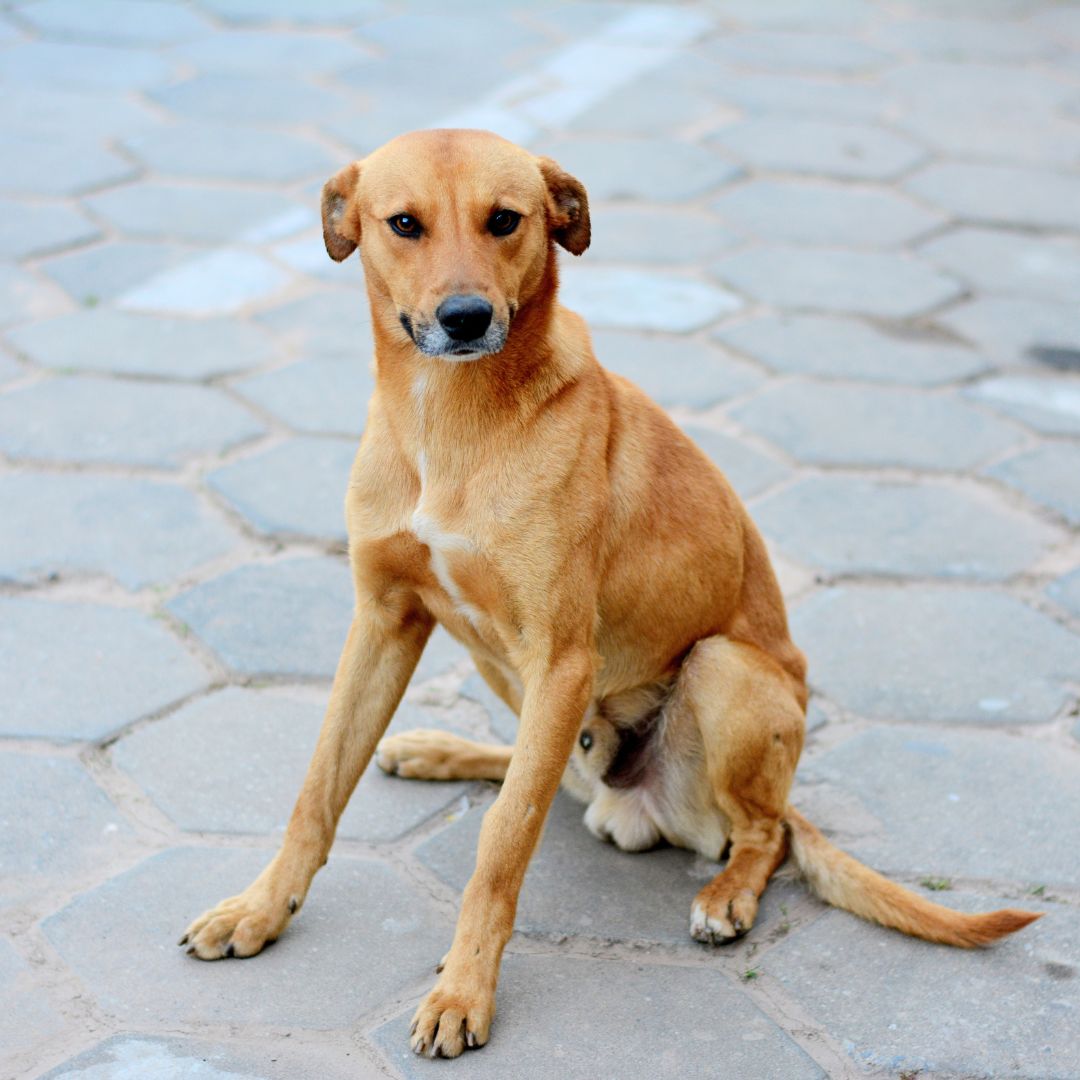
Brazil loves pets! In fact, over 60% of households in Brazil have one or more fur kids, with dogs being the most popular. The mixed breed dog “vira-lata” tends to be popular. They’re a breed without a defined pedigree but have tremendous intelligence and adaptability. But no matter if they’re vira-lata or another breed, many pet parents in Brazil call their babies “filjo” or “filja,” meaning son or daughter – a sign of how much they love their fur babies!

Cultural influences in Sri Lanka have led to a compassionate attitude towards pets. In fact, it is not uncommon for some to semi-adopt street dogs, feeding them and taking care of them, even if they still choose to roam freely. It’s no surprise that people refer to furry little ones as “Puthä,” which literally means “Son.”
Maybe one reason people in Sri Lanka tend to value pets is that they recognize that it’s a two-way relationship. We may take care of them, but they also take care of us! “In times of stress, it is good to be with them,” shares one pet parent from a rural area in the country. And true enough, research shows that there are heart health benefits to having a fur kiddo!
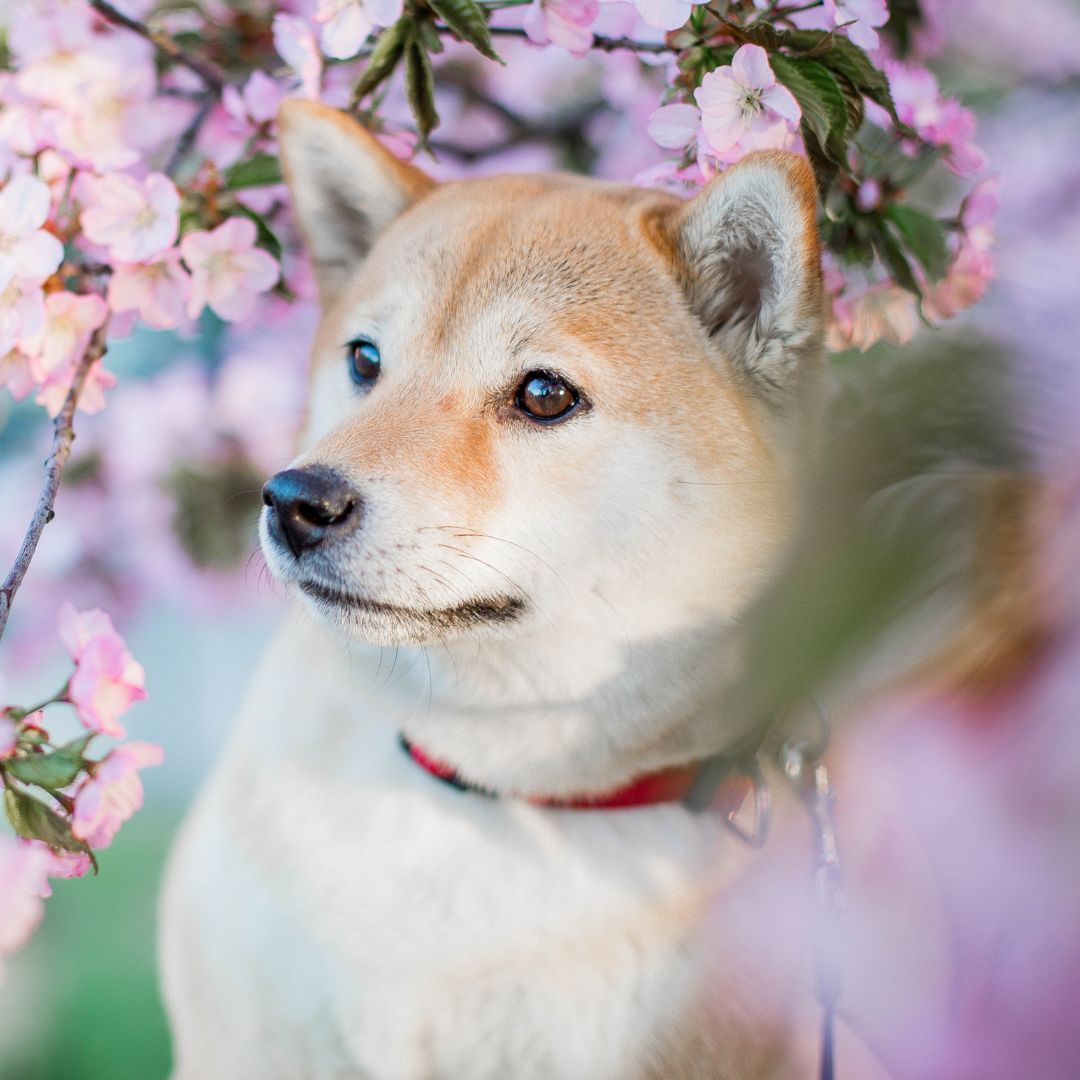
In the Japanese language, there are many honorifics (prefixes and suffixes added to names) to show respect, politeness, or even endearment. What’s super adorable is that many pet parents extend these honorifics to their fur kiddos, which helps make them feel like family. For example, a popular dog name in Japan is Mugi, meaning wheat or grain. Combine that with the cute-sounding, affectionate suffix “-chan,” and you get Mugi-chan. Some even use the suffix “-san,” which would be a tongue-in-cheek way to say “Mr” Mugi!
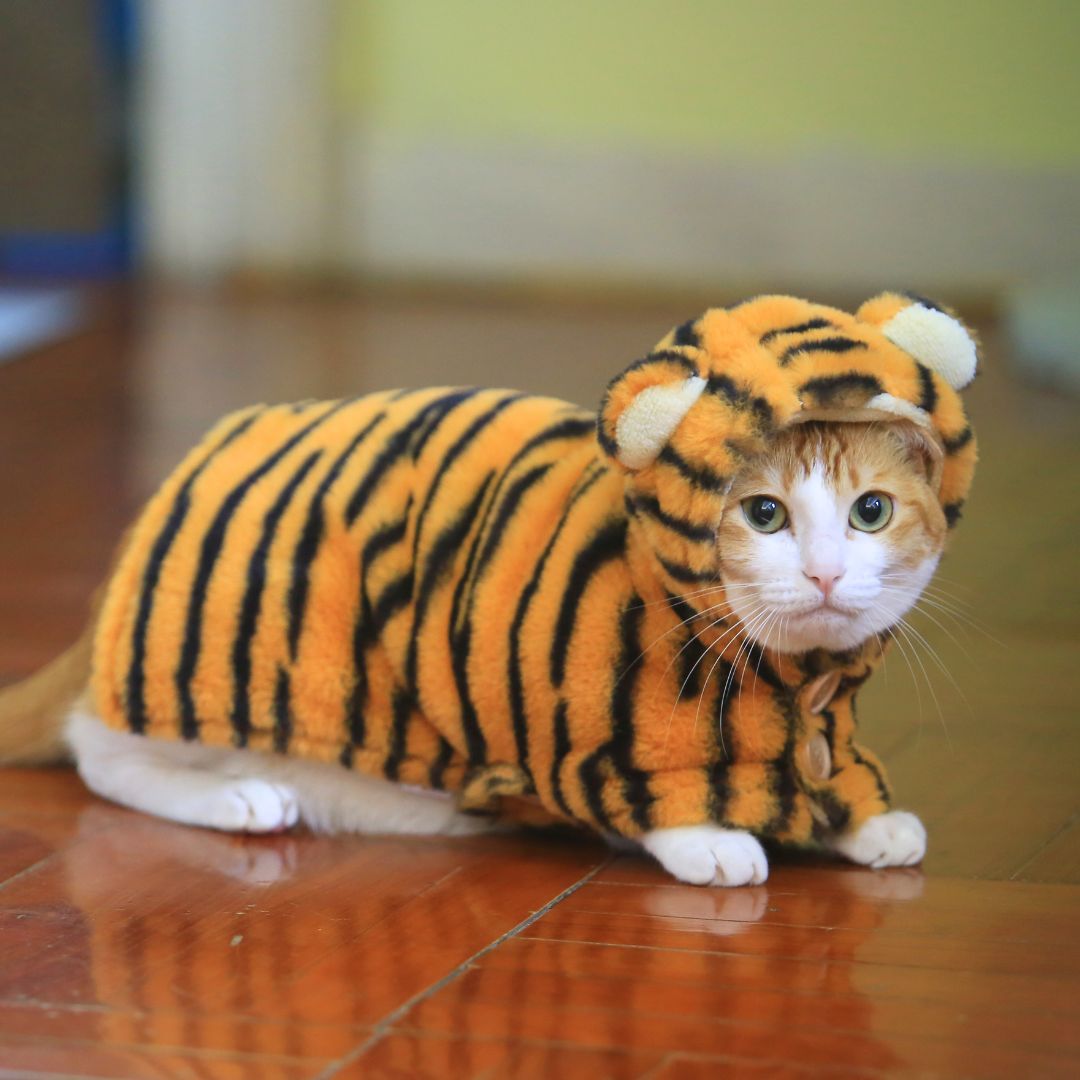
The German language is famous for its compound words, and for learners it can seem like there’s a word for everything. One fun word to refer to pets is the “Stubentiger,” a combination of the words for living room and tiger. Similar to the English term “land shark,” stubentiger is a fun way to instantly call to mind those zany zoomies on the couch where our pets probably do in fact feel like a wild animal.
Ultimately, whether you are raising a perrijo in Mexico, a beloved son in Sri Lanka, or a fur kiddo in your home country, the feeling is the same across all borders. The words pet parents use all reflect the desire for our fur kids to live their best lives. If you want to learn how a holistic approach can help your fur kid through tough times, whether it’s cancer, arthritis, or even if you just want to take a proactive approach, we can help. Click the chat box below to get connected with an NHV Pet Expert, and we can help your fur kiddo feel better, naturally.
Anxiety and Stress support
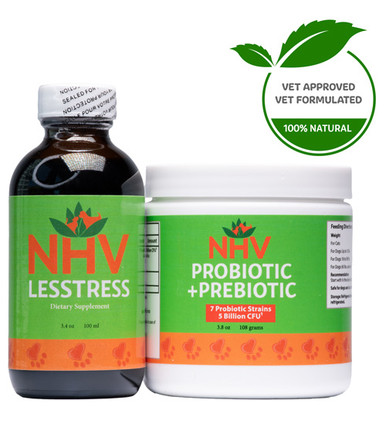
Lesstress & Probiotic + Prebiotic
bundle and save with pet expert kits
3 month supply for a small to medium size pet
What is it?
The NHV Anxiety and Stress in Dogs kit was created to simultaneously address both gut health and anxiety, providing fur kiddos with a more comprehensive stress management plan.
How Does it Work?
Why Should I Trust It?
Natural supplements carefully formulated by vets.

What is it?
The NHV Anxiety and Stress in Dogs kit was created to simultaneously address both gut health and anxiety, providing fur kiddos with a more comprehensive stress management plan.
How Does it Work?
Why Should I Trust It?
Natural supplements carefully formulated by vets.
Our poor pups can easily get worried by loud noises or uncertain situations. When that fear becomes a trigger, it can lead to anxiety and chronic stress. Some common symptoms of stress and anxiety in dogs are:
As it turns out, the brain and gut are constantly communicating and influencing one another in a relationship known as the “gut-brain axis.”
Over time, chronic anxiety in dogs may even lead to consequences for their physical health. This includes consequences like a weakened immune system, inflammation, and digestive upset (including diarrhea).
To help your pet cope with stress, natural supplements may play a supportive role in their daily wellness routine to help them in each of these areas.
Natural supplements may offer additional support for your dog experiencing stress and anxiety. When taken daily, herbal formulas like NHV Lesstress may promote feelings of calmness.
In a calm state, a pet’s body can better repair the harms of stress, like inflammation and damage to the gut microbiome. Therefore, the importance of helping to keep your pet calm and happy is not just important for their mental well-being, it’s important for their physical well-being too.
Lesstress also contains ingredients that may support the immune system, such as Reishi, Eleuthero, and Echinacea Angustifolia.
Probiotics may help reduce stress in dogs by promoting a healthy gut, which is linked to improved mood and emotional stability. Some research even suggests that a healthy microbiome may reduce anxiety by influencing neurotransmitter production, such as serotonin.
NHV Probiotic + Prebiotic offers 7 strains of healthy bacteria. For example, Bacillus coagulans LBSC, which may soothe constipation, diarrhea, gas, indigestion, and IBS, or Lactobacillus acidophilus 033AE, which may help with immune functioning.
By addressing both the gut microbiome and the symptoms of anxiety, your fur kiddo may get better results than addressing one factor alone. It’s all part of the holistic care strategy: one where we look at all aspects of health at the same time, rather than one at a time.
Need help with your pet’s stress care plan, or have any questions about our supplements? You can reach out to our friendly Pet Experts on the NHV Contact Us page.
All NHV supplements are made with the finest quality organic or ethically harvested herbs. We use non-GMO vegetable glycerin as our base. NHV products are full-spectrum extracts.
Made with the finest, organically grown, or ethically harvested herbs. Made specifically for pets, vet-formulated and vet approved.
Select your pet's weight to determine the correct dose.
DOSAGE FOR Probiotic + Prebiotic For dogs by weight
0 - 15 lb = ½ scoop per day (FOUR months supply)
16 - 59 lb = 1 scoop per day (TWO months supply)
60 lb & over = 2 scoops per day (ONE month supply)
How to Administer
Sprinkle over food. It is recommended to start with HALF the dose for 2 days to allow your little one to acclimate to the probiotic.
DOSAGE FOR Lesstress: To be taken twice daily. Determine your pet’s weight and then use the easy chart below to determine the correct dose. This is the minimum dosage.
Pet's Weight Dosage
0 - 15 lb = 0.5 ml
16 - 30 lb = 1.0 ml
31 - 45 lb = 1.5 ml
46 - 60 lb = 2.0 ml
61 - 75 lb = 2.5 ml
Over 75 lb = 3.0 ml
How to Administer
Shake well before use. The easiest method is to use the dropper provided and place the drops into your pet’s food or favorite treat. You can also use the dropper and squirt directly into the pet’s mouth. Some pets can be finicky, if this occurs consider hiding the drops in foods most pet’s love such as fish, chicken or yogurt or a favorite treat. If your pet only eats dry food then soak a few kibbles at feeding time.
For Best Results
Herbal dietary supplements are beneficial to the health and well-being of your pet and are safe for long-term use. Every pet responds to natural herbal supplements differently, therefore it is important to be consistent and administer the product daily. Supplements generally take two to four weeks to take effect, however this will vary from one animal to the next.
Product Storage
All NHV Natural Pet Products are pure herbal extracts and contain no artificial additives, preservatives or coloring. Shelf life after opening is 6 months and must be refrigerated after opening.
Cautions and Contraindications
Do not use in pregnant or nursing animals.
All information provided by NHV Natural Pet Products is for educational purposes only.
Our poor pups can easily get worried by loud noises or uncertain situations. When that fear becomes a trigger, it can lead to anxiety and chronic stress. Some common symptoms of stress and anxiety in dogs are:
As it turns out, the brain and gut are constantly communicating and influencing one another in a relationship known as the “gut-brain axis.”
Over time, chronic anxiety in dogs may even lead to consequences for their physical health. This includes consequences like a weakened immune system, inflammation, and digestive upset (including diarrhea).
To help your pet cope with stress, natural supplements may play a supportive role in their daily wellness routine to help them in each of these areas.
Natural supplements may offer additional support for your dog experiencing stress and anxiety. When taken daily, herbal formulas like NHV Lesstress may promote feelings of calmness.
In a calm state, a pet’s body can better repair the harms of stress, like inflammation and damage to the gut microbiome. Therefore, the importance of helping to keep your pet calm and happy is not just important for their mental well-being, it’s important for their physical well-being too.
Lesstress also contains ingredients that may support the immune system, such as Reishi, Eleuthero, and Echinacea Angustifolia.
Probiotics may help reduce stress in dogs by promoting a healthy gut, which is linked to improved mood and emotional stability. Some research even suggests that a healthy microbiome may reduce anxiety by influencing neurotransmitter production, such as serotonin.
NHV Probiotic + Prebiotic offers 7 strains of healthy bacteria. For example, Bacillus coagulans LBSC, which may soothe constipation, diarrhea, gas, indigestion, and IBS, or Lactobacillus acidophilus 033AE, which may help with immune functioning.
By addressing both the gut microbiome and the symptoms of anxiety, your fur kiddo may get better results than addressing one factor alone. It’s all part of the holistic care strategy: one where we look at all aspects of health at the same time, rather than one at a time.
Need help with your pet’s stress care plan, or have any questions about our supplements? You can reach out to our friendly Pet Experts on the NHV Contact Us page.
All NHV supplements are made with the finest quality organic or ethically harvested herbs. We use non-GMO vegetable glycerin as our base. NHV products are full-spectrum extracts.
Made with the finest, organically grown, or ethically harvested herbs. Made specifically for pets, vet-formulated and vet approved.
Select your pet's weight to determine the correct dose.
DOSAGE FOR Probiotic + Prebiotic For dogs by weight
0 - 15 lb = ½ scoop per day (FOUR months supply)
16 - 59 lb = 1 scoop per day (TWO months supply)
60 lb & over = 2 scoops per day (ONE month supply)
How to Administer
Sprinkle over food. It is recommended to start with HALF the dose for 2 days to allow your little one to acclimate to the probiotic.
DOSAGE FOR Lesstress: To be taken twice daily. Determine your pet’s weight and then use the easy chart below to determine the correct dose. This is the minimum dosage.
Pet's Weight Dosage
0 - 15 lb = 0.5 ml
16 - 30 lb = 1.0 ml
31 - 45 lb = 1.5 ml
46 - 60 lb = 2.0 ml
61 - 75 lb = 2.5 ml
Over 75 lb = 3.0 ml
How to Administer
Shake well before use. The easiest method is to use the dropper provided and place the drops into your pet’s food or favorite treat. You can also use the dropper and squirt directly into the pet’s mouth. Some pets can be finicky, if this occurs consider hiding the drops in foods most pet’s love such as fish, chicken or yogurt or a favorite treat. If your pet only eats dry food then soak a few kibbles at feeding time.
For Best Results
Herbal dietary supplements are beneficial to the health and well-being of your pet and are safe for long-term use. Every pet responds to natural herbal supplements differently, therefore it is important to be consistent and administer the product daily. Supplements generally take two to four weeks to take effect, however this will vary from one animal to the next.
Product Storage
All NHV Natural Pet Products are pure herbal extracts and contain no artificial additives, preservatives or coloring. Shelf life after opening is 6 months and must be refrigerated after opening.
Cautions and Contraindications
Do not use in pregnant or nursing animals.
All information provided by NHV Natural Pet Products is for educational purposes only.
arthritis support
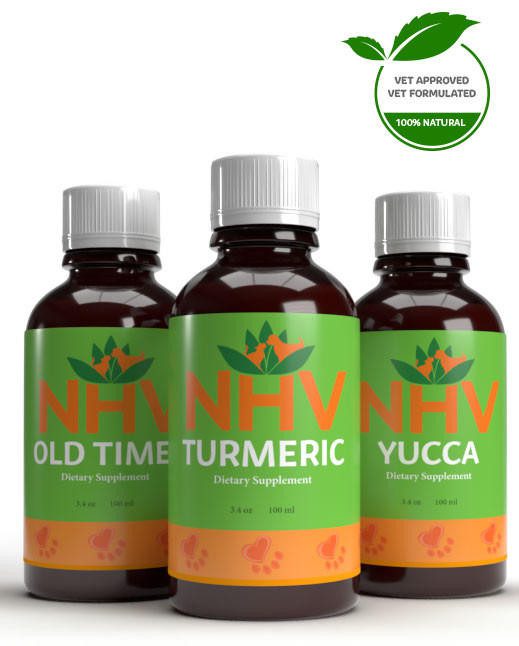
Old Timer, Turmeric & Yucca
bundle and save with pet expert kits
3 month supply for a small to medium size pet.
What is it?
NHV Arthritis and Joint Pain Super Relief Kit can help your pups manage the symptoms of arthritis discomfort and keep them peppy and happy in their endless adventures!
How Does it Work?
Why Should I Trust It?
Formulated and approved by veterinarians using 100% natural ingredients.
What is it?
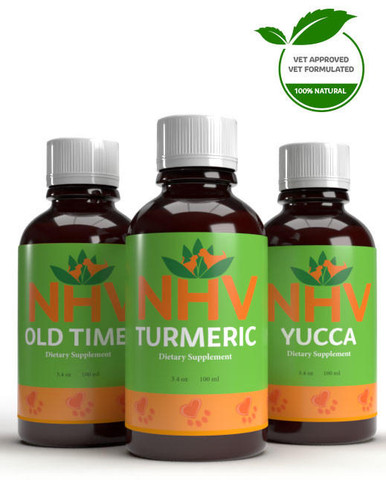
NHV Arthritis and Joint Pain Super Relief Kit can help your pups manage the symptoms of arthritis discomfort and keep them peppy and happy in their endless adventures!
How Does it Work?
Why Should I Trust It?
Formulated and approved by veterinarians using 100% natural ingredients.
Have you noticed that your furkid isn’t as spry as they used to be? They may even struggle to go upstairs and go on walks with you due to arthritis in cats and dogs. As pet parents ourselves, we understand how hard it is to watch your little one suffer from the pain joint issues cause. To help them regain their bounce, supporting them is very important. Arthritis and Joint Pain Super Relief Kit may just be the support they need.
This kit can help relieve the discomfort and swelling arthritis causes, restore your little one’s vitality, and help them manage the other arthritis symptoms. Arthritis and Joint Pain Super Relief Kit contains our main cat and dog arthritis supplements - Old Timer, Yucca, and Turmeric.
How NHV Remedies Support Cat and Dog Arthritis
Old Timer is our primary support for arthritis and joint discomfort. This herbal formulation has powerful anti-inflammatory properties and may help alleviate the symptoms of arthritis in cats and dogs. Cayenne, for instance, contains capsaicin which triggers endorphins release in the brain and thus helps with relieving discomfort arthritis causes. Asian Ginseng, one of the other many herbs in this vet-formulated blend, may help reduce fatigue in your little one and restore vitality. Studies have also shown that this herb also helps with strength and agility.
Another highly nutritional supplement in this bundle, Turmeric, also helps with overall vitality. The active compound of Turmeric is curcumin; this compound benefits arthritic conditions due to its anti-inflammatory properties. Black pepper is also added to this extract to help further reduce inflammation.
The last supplement our pet experts bundled in this kit is Yucca. On top of its anti-inflammatory properties, this herb helps with the appetite and immune system of your little one. Studies have also shown that it may be effective for discomfort relief.
These supplements are free of added preservatives, additives, flavorings, or artificial colors. So please remember to refrigerate them after opening the bottle.
To further understand how our supplements can help, you should understand what arthritis is in cats and dogs.
What is Cat and Dog Arthritis?
Like arthritis in humans, arthritis in cats and dogs refers to the inflammation of their joints. It happens when the joint cartilage tears down, causing the bones to scrape against one another. The rubbing leads to swelling and progressive pain.
Since the pain and destruction are progressive and worsen over time, cat and dog arthritis is also known as degenerative joint disease. That’s why senior pets are most at risk.
Being a chronic disorder, you may wonder if this kit's supplements are safe for long-term use. Since most of our supplements are made with non-GMO vegetable glycerin, they are entirely safe for long-term usage.
One in every five dogs experiences arthritis in their lifetime; over 70% of cats aged twelve or above get this condition too. Because of how common it is, we recommend pet parents get our Arthritis and Joint Pain Super Relief Kit not only when your furkid starts having arthritis but also as proactive support.
Symptoms of Arthritis in Cats and Dogs
It is hard to tell if your little one has joint pain sometimes because they might try to hide it! But here are some typical indications you should look out for:
Go for a vet visit as soon as you notice these signs, so your furkiddo can receive suitable treatment immediately.
Additional Support for Arthritis in Cats and Dogs
Besides natural supplements and traditional treatment, gentle exercise and a balanced diet can also help relieve the discomfort arthritis may cause. If you need help coming up with a nutritional plan designed for your little one’s needs, our in-house vet, Dr. Amanda, can help.
Natural Support for Cat and Dog Arthritis
NHV’s supplements are all tested by a third party for quality assurance, and have helped thousands of pets around the world. Supplements are vet-formulated, and vet approved. Therefore, you can rest assured that they are safe for your little one.
If you have any questions regarding arthritis in cats and dogs or anything else, don’t hesitate to reach out to one of our Pet Experts! We are always here to help you and your little one through this trying time.
Support arthritis in cats and dogs now with our Arthritis and Joint Pain Super Relief Kit.
All NHV supplements are made with the finest quality organic or ethically harvested herbs. We use non-GMO vegetable glycerin as our base. NHV products are full-spectrum extracts.
Old Timer
Select your pet's weight to determine the correct dose.
To be taken twice daily. Determine your pet’s weight and then use the easy chart below to determine the correct dose. This is the minimum dosage.
Pet's Weight Dosage
0 - 15 lb = 0.5 ml
16 - 30 lb = 1.0 ml
31 - 45 lb = 1.5 ml
46 - 60 lb = 2.0 ml
61 - 75 lb = 2.5 ml
Over 75 lb = 3.0 ml
For small animals (rabbits, ferrets), avians and reptiles use 1 drop for every 2 lb of body weight.
How to Administer
Shake well before use.The easiest method is to use the dropper provided and place the drops into your pet’s food or favorite treat. You can also use the dropper and squirt directly into the pet’s mouth. Some pets can be finicky, if this occurs consider hiding the drops in foods most pet’s love such as fish, chicken or yogurt or a favourite treat. If your pet only eats dry food then soak a few kibbles at feeding time.
For Best Results
Herbal dietary supplements are beneficial to the health and well-being of your pet and are safe for long-term use. Every pet responds to natural herbal supplements differently, therefore it is important to be consistent and administer the product daily. Supplements generally take two to four weeks to take effect, however this will vary from one animal to the next.
Product Storage
All NHV Natural Pet Products are pure herbal extracts and contain no artificial additives, preservatives or coloring. Shelf life after opening is 6 months and must be refrigerated after opening.
All information provided by NHV Natural Pet Products is for educational purposes only.
Have you noticed that your furkid isn’t as spry as they used to be? They may even struggle to go upstairs and go on walks with you due to arthritis in cats and dogs. As pet parents ourselves, we understand how hard it is to watch your little one suffer from the pain joint issues cause. To help them regain their bounce, supporting them is very important. Arthritis and Joint Pain Super Relief Kit may just be the support they need.
This kit can help relieve the discomfort and swelling arthritis causes, restore your little one’s vitality, and help them manage the other arthritis symptoms. Arthritis and Joint Pain Super Relief Kit contains our main cat and dog arthritis supplements - Old Timer, Yucca, and Turmeric.
How NHV Remedies Support Cat and Dog Arthritis
Old Timer is our primary support for arthritis and joint discomfort. This herbal formulation has powerful anti-inflammatory properties and may help alleviate the symptoms of arthritis in cats and dogs. Cayenne, for instance, contains capsaicin which triggers endorphins release in the brain and thus helps with relieving discomfort arthritis causes. Asian Ginseng, one of the other many herbs in this vet-formulated blend, may help reduce fatigue in your little one and restore vitality. Studies have also shown that this herb also helps with strength and agility.
Another highly nutritional supplement in this bundle, Turmeric, also helps with overall vitality. The active compound of Turmeric is curcumin; this compound benefits arthritic conditions due to its anti-inflammatory properties. Black pepper is also added to this extract to help further reduce inflammation.
The last supplement our pet experts bundled in this kit is Yucca. On top of its anti-inflammatory properties, this herb helps with the appetite and immune system of your little one. Studies have also shown that it may be effective for discomfort relief.
These supplements are free of added preservatives, additives, flavorings, or artificial colors. So please remember to refrigerate them after opening the bottle.
To further understand how our supplements can help, you should understand what arthritis is in cats and dogs.
What is Cat and Dog Arthritis?
Like arthritis in humans, arthritis in cats and dogs refers to the inflammation of their joints. It happens when the joint cartilage tears down, causing the bones to scrape against one another. The rubbing leads to swelling and progressive pain.
Since the pain and destruction are progressive and worsen over time, cat and dog arthritis is also known as degenerative joint disease. That’s why senior pets are most at risk.
Being a chronic disorder, you may wonder if this kit's supplements are safe for long-term use. Since most of our supplements are made with non-GMO vegetable glycerin, they are entirely safe for long-term usage.
One in every five dogs experiences arthritis in their lifetime; over 70% of cats aged twelve or above get this condition too. Because of how common it is, we recommend pet parents get our Arthritis and Joint Pain Super Relief Kit not only when your furkid starts having arthritis but also as proactive support.
Symptoms of Arthritis in Cats and Dogs
It is hard to tell if your little one has joint pain sometimes because they might try to hide it! But here are some typical indications you should look out for:
Go for a vet visit as soon as you notice these signs, so your furkiddo can receive suitable treatment immediately.
Additional Support for Arthritis in Cats and Dogs
Besides natural supplements and traditional treatment, gentle exercise and a balanced diet can also help relieve the discomfort arthritis may cause. If you need help coming up with a nutritional plan designed for your little one’s needs, our in-house vet, Dr. Amanda, can help.
Natural Support for Cat and Dog Arthritis
NHV’s supplements are all tested by a third party for quality assurance, and have helped thousands of pets around the world. Supplements are vet-formulated, and vet approved. Therefore, you can rest assured that they are safe for your little one.
If you have any questions regarding arthritis in cats and dogs or anything else, don’t hesitate to reach out to one of our Pet Experts! We are always here to help you and your little one through this trying time.
Support arthritis in cats and dogs now with our Arthritis and Joint Pain Super Relief Kit.
All NHV supplements are made with the finest quality organic or ethically harvested herbs. We use non-GMO vegetable glycerin as our base. NHV products are full-spectrum extracts.
Old Timer
Select your pet's weight to determine the correct dose.
To be taken twice daily. Determine your pet’s weight and then use the easy chart below to determine the correct dose. This is the minimum dosage.
Pet's Weight Dosage
0 - 15 lb = 0.5 ml
16 - 30 lb = 1.0 ml
31 - 45 lb = 1.5 ml
46 - 60 lb = 2.0 ml
61 - 75 lb = 2.5 ml
Over 75 lb = 3.0 ml
For small animals (rabbits, ferrets), avians and reptiles use 1 drop for every 2 lb of body weight.
How to Administer
Shake well before use.The easiest method is to use the dropper provided and place the drops into your pet’s food or favorite treat. You can also use the dropper and squirt directly into the pet’s mouth. Some pets can be finicky, if this occurs consider hiding the drops in foods most pet’s love such as fish, chicken or yogurt or a favourite treat. If your pet only eats dry food then soak a few kibbles at feeding time.
For Best Results
Herbal dietary supplements are beneficial to the health and well-being of your pet and are safe for long-term use. Every pet responds to natural herbal supplements differently, therefore it is important to be consistent and administer the product daily. Supplements generally take two to four weeks to take effect, however this will vary from one animal to the next.
Product Storage
All NHV Natural Pet Products are pure herbal extracts and contain no artificial additives, preservatives or coloring. Shelf life after opening is 6 months and must be refrigerated after opening.
All information provided by NHV Natural Pet Products is for educational purposes only.
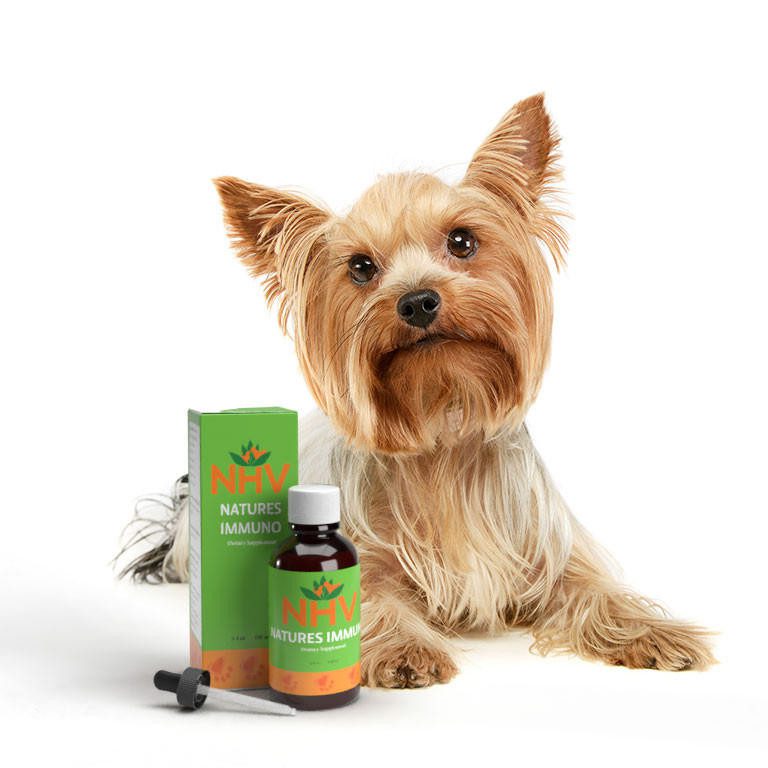
Natures Immuno- blend of mushrooms that help support immune function
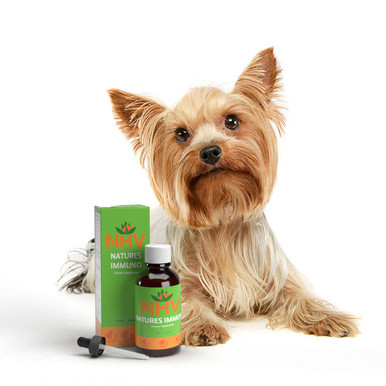
Natures Immuno- blend of mushrooms that help support immune function
We have a dedicated group of pet expert professionals, including veterinarians, vet techs, and other pet professionals to guide you through any questions. We’re committed to your pet’s wellness and can offer additional tips, resources, nutritional advice, and more.
Published: July 9, 2026
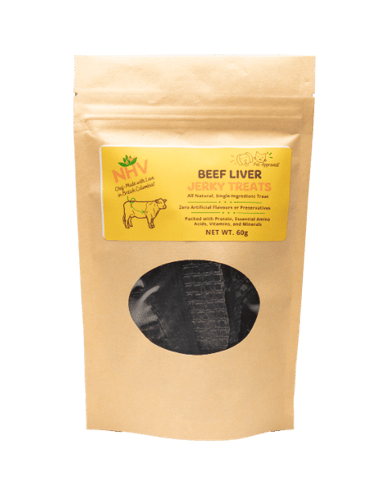
Beef Liver Jerky Dog Treats
100% Beef Liver
Give your fur baby 1-5 pieces per day as a treat
What Is It?
Our chef-made beef liver for dogs and cats naturally contains protein, essential amino acids, vitamins, and minerals.
What Makes It Great?
Why Should I Trust It?
We use only human-grade beef, raised without the use of artificial flavors, colors, or additives.
What Is It?
Our chef-made beef liver for dogs and cats naturally contains protein, essential amino acids, vitamins, and minerals.
What Makes It Great?
Why Should I Trust It?
We use only human-grade beef, raised without the use of artificial flavors, colors, or additives.
Your fur baby might just want something tasty, but as a pet parent, you want it to be healthy, too!
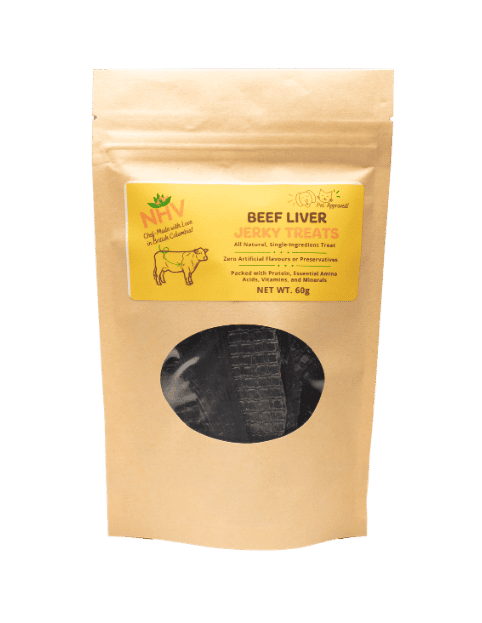
Enter NHV Beef Liver Jerky Treats. This all-natural beef liver for dogs and cats isn’t just irresistibly tasty; it’s got vitamins, minerals, and essential amino acids to fuel their bodies and support their immune system.
Beef liver has many benefits for pets, thanks to its diverse profile of vitamins, minerals, and essential amino acids.
Because of beef liver’s high vitamin and mineral content, it is best used in a treat format like NHV Beef Liver Jerky Treats, comprising about 10% of your pet’s caloric intake.
Our pets’ bodies are just as complex as ours. So why settle for anything less than pure ingredients? That’s why we only use human-grade beef liver in NHV Beef Liver Jerky Treats.
And what we use in these treats is just as important as what we don’t. With no artificial flavors or colors, the natural goodness of pure beef liver shines - without the worry.
There aren’t any artificial preservatives either. Instead, these treats are dehydrated to concentrate flavor, preserve nutrients, and give a hearty chew that pets love.
NHV Beef Liver Jerky Treats are lovingly made in small batches by a professional chef. Each piece is carefully prepared for quality and flavor, as we believe in the best for our furry friends. Get yours today to show them some love!
100% Beef Liver
Naturally preserved through dehydration - No artificial flavors, preservatives, colors, or additives
Treats should comprise no more than 10% of your pet’s daily caloric intake. Always provide fresh water, and supervise your pet while giving treats. Store in a cool dry place.
Your fur baby might just want something tasty, but as a pet parent, you want it to be healthy, too!
Enter NHV Beef Liver Jerky Treats. This all-natural beef liver for dogs and cats isn’t just irresistibly tasty; it’s got vitamins, minerals, and essential amino acids to fuel their bodies and support their immune system.
Beef liver has many benefits for pets, thanks to its diverse profile of vitamins, minerals, and essential amino acids.
Because of beef liver’s high vitamin and mineral content, it is best used in a treat format like NHV Beef Liver Jerky Treats, comprising about 10% of your pet’s caloric intake.
Our pets’ bodies are just as complex as ours. So why settle for anything less than pure ingredients? That’s why we only use human-grade beef liver in NHV Beef Liver Jerky Treats.
And what we use in these treats is just as important as what we don’t. With no artificial flavors or colors, the natural goodness of pure beef liver shines - without the worry.
There aren’t any artificial preservatives either. Instead, these treats are dehydrated to concentrate flavor, preserve nutrients, and give a hearty chew that pets love.
NHV Beef Liver Jerky Treats are lovingly made in small batches by a professional chef. Each piece is carefully prepared for quality and flavor, as we believe in the best for our furry friends. Get yours today to show them some love!
100% Beef Liver
Naturally preserved through dehydration - No artificial flavors, preservatives, colors, or additives
Treats should comprise no more than 10% of your pet’s daily caloric intake. Always provide fresh water, and supervise your pet while giving treats. Store in a cool dry place.