kidney & bladder support
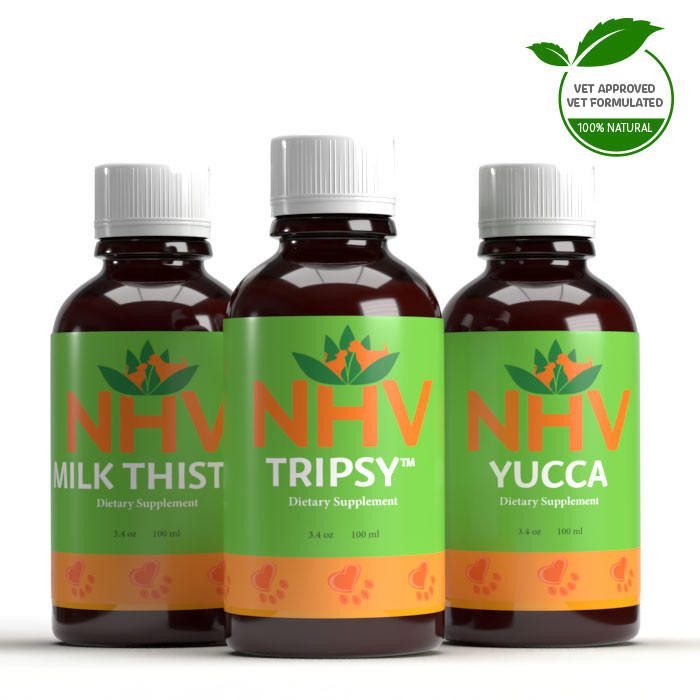
Bladder Strength and Urinary Tract Health Kit
USD $140.95
free shipping over $100 (USA & Canada)
1-877-937-4372 the pet expert hotline


Hearing the word “cancer” about your beloved pet can feel scary and overwhelming. Bladder cancer is a serious but often overlooked condition in pets, especially because its early signs can look very similar to a simple urinary tract infection (UTI).
Bladder cancer in dogs and cats happens when some cells inside the bladder start growing and multiplying out of control. Over time, these abnormal cells can form a mass or tumor inside the bladder. This mass may irritate the bladder, cause bleeding, make it harder for your pet to urinate, or lead to repeated urinary infections.
In dogs, the most common type of bladder cancer is called Transitional Cell Carcinoma (TCC). Because of its location, this type of cancer can make it difficult for pets to urinate normally. In cats, bladder cancer is much less common, but when it does occur, it is often aggressive and difficult to detect early.
Early detection matters tremendously
Early detection matters tremendously. Many pet parents initially assume their pet simply has a recurring UTI because the symptoms can appear nearly identical in the beginning. However, recognizing subtle warning signs early may help improve quality of life, treatment options, and long-term management.
Bladder cancer usually does not happen suddenly overnight. In many pets, it develops slowly over time after the bladder has been irritated or damaged for a long period.
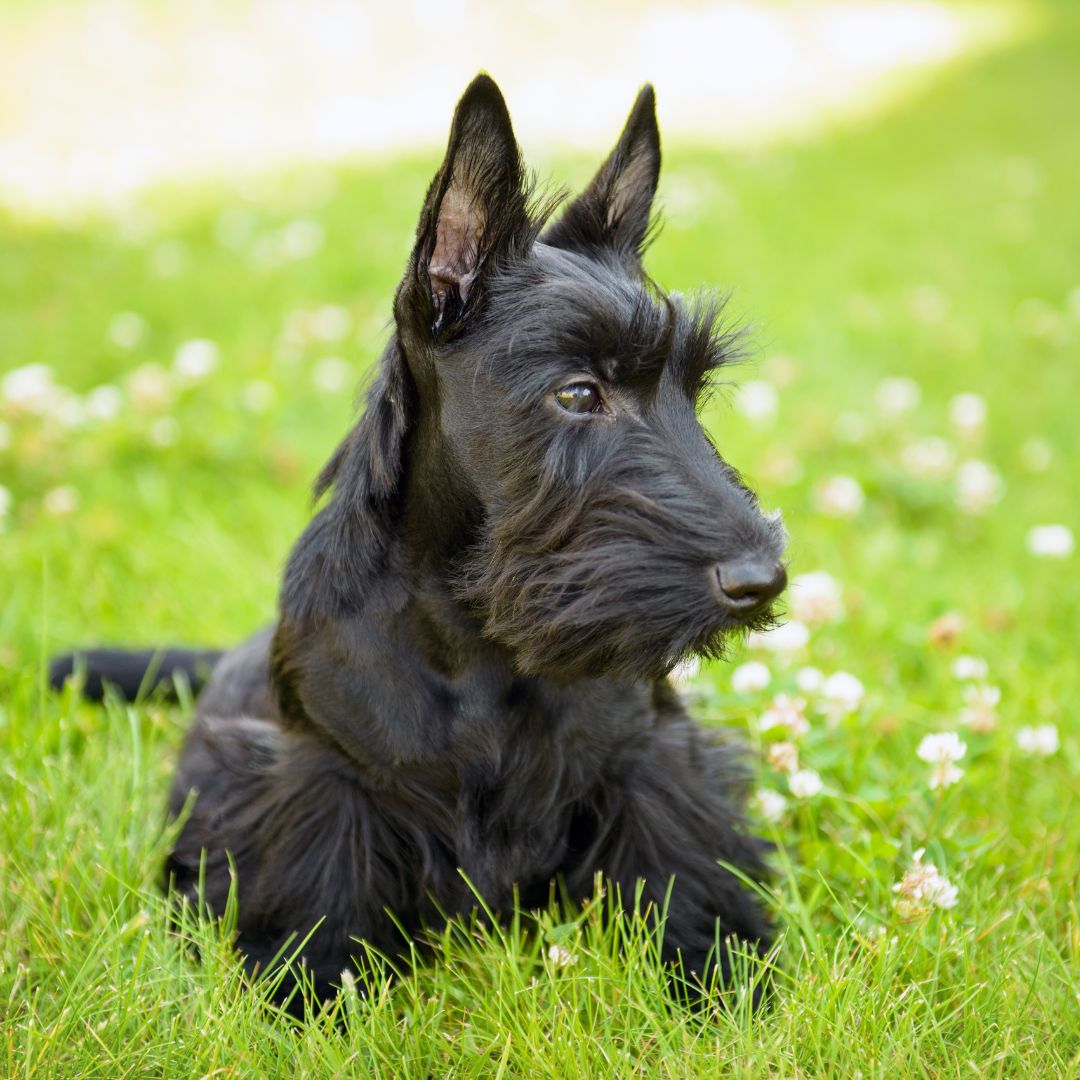
Some dogs are genetically prone to developing bladder cancer. Certain breeds like Scottish Terriers, Shetland Sheepdogs, Beagles, and West Highland White Terriers are known to have a higher risk, so their bladder cells may be more likely to react abnormally when exposed to irritation or harmful chemicals.
Irritation of the bladder cells can happen because of:
Over time, repeated irritation can stress and damage the bladder cells. Little by little, they can form a tumor inside the bladder.
Bladder cancer is much less common in cats than in dogs, though veterinarians are not completely sure why. Cats are more commonly affected by inflammatory bladder diseases like feline idiopathic cystitis instead of bladder tumors. However, when bladder cancer does occur in cats, it can still be serious and should never be ignored.
Bladder cancer usually starts with very mild signs that can easily look like a simple urinary tract infection (UTI). In the beginning, many pet parents may only notice that their dog or cat is urinating more often or having small accidents around the house.
As the tumor slowly grows inside the bladder, it starts irritating the bladder wall. This irritation can make your pet feel like they constantly need to pee, even when the bladder is almost empty. At this stage, some pets may strain while urinating or show discomfort during bathroom breaks.
Over time, the growing mass can also damage small blood vessels inside the bladder, which may cause blood to appear in the urine. Some pets may lick themselves more often because the area feels uncomfortable.
As the cancer becomes larger, it may start blocking the normal flow of urine, especially if the tumor is located near the bladder neck or urethra. This is when symptoms often become more serious. Your pet may struggle to pee, produce only tiny amounts of urine, seem to be in pain, and or appear restless.
In advanced stages, the cancer may spread to nearby tissues or other organs. Pets may become weak, lose weight, eat less, and sleep much more than usual. Because urinating becomes painful and stressful, some pets may also hide more or avoid activity.
Although dogs and cats can show similar symptoms, cats are often very good at hiding discomfort, so their signs may be more subtle at first. At first, your kitty may simply visit the litter box more often than usual, even if only a tiny amount comes out. Like in dogs, many cats may strain when attempting to urinate.
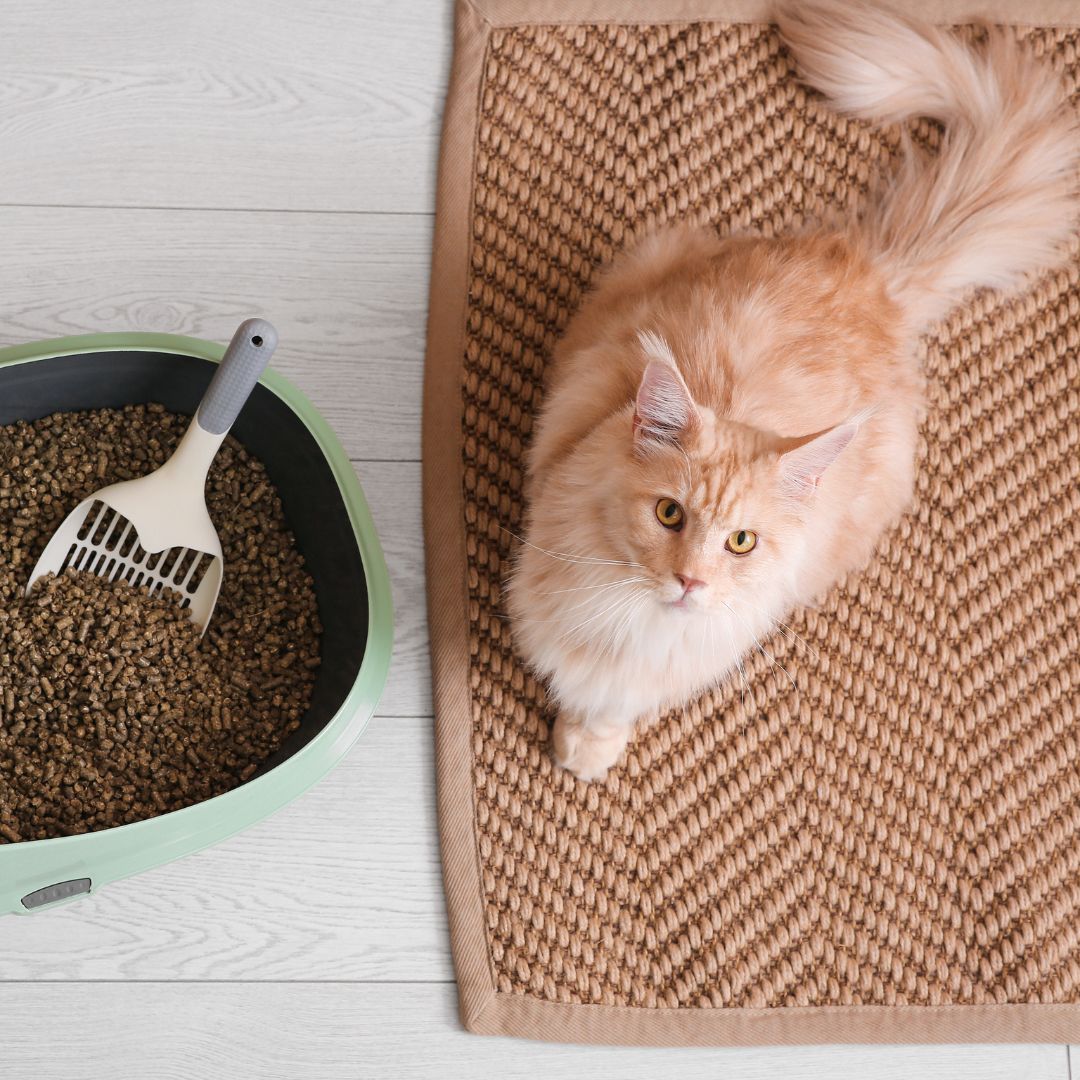
Over time, the growing mass inside the bladder can make urination more difficult and painful. Some cats may start peeing outside the litter box, not because they are being bad, but because they associate the litter box with discomfort or suddenly cannot hold their urine normally anymore.
Cats may also excessively groom or lick around their urinary area due to irritation. Additionally, they may deal with chronic pain and inflammation, so they may begin hiding more often, eating less, sleeping more than usual, and showing lower energy overall.
In advanced cases, the tumor may partially block urine flow, causing only very small amounts of urine to come out. This can become a medical emergency and requires immediate veterinary attention.
Sometimes bladder cancer can slowly irritate the bladder for weeks or months, but in some cases, the condition can suddenly become much more serious. This usually happens when the growing tumor starts blocking the normal flow of urine or causes severe bleeding and inflammation inside the urinary tract. As the blockage becomes worse, urinating can become extremely painful and stressful.
When the bladder cannot empty properly, urine starts building up inside the body. This can quickly become dangerous because waste products and toxins begin affecting the kidneys and other organs.
Some pets may cry while trying to urinate, hide due to discomfort, stop eating or drinking, or seem restless due to discomfort. In severe cases, they may even collapse from weakness or discomfort.
The presence of heavy blood in the urine is also a serious warning sign, especially if it appears suddenly or becomes worse over a short period of time.
These situations should never be ignored because urinary blockage can quickly become life-threatening. Contact your vet as soon as possible if you notice these signs.
Because the early signs of bladder cancer often look very similar to a urinary tract infection (UTI) or bladder inflammation, diagnosis usually happens step by step. Your veterinarian will first try to rule out more common urinary problems before confirming whether a tumor may be present.
The diagnostic process usually starts with Urinalysis, one of the most common and important laboratory tests used to evaluate the urine and detect abnormalities such as blood, bacteria, crystals, infection, or abnormal cells.
They may recommend imaging such as an ultrasound or X-rays
If the veterinarian notices suspicious findings in the urinalysis, they may recommend imaging such as an ultrasound or X-rays to investigate physical changes inside the bladder and urinary tract.
If imaging reveals a suspicious mass inside the bladder, the veterinarian may recommend a biopsy or further exploratory procedures to examine the cells of the mass and determine its true nature.
While not every case of bladder cancer can be prevented, there are still many ways pet parents can help support their furry friend’s bladder and urinary health. In many cases, bladder cancer develops after long-term irritation and inflammation inside the bladder, so keeping the urinary system healthy may help reduce some risks.
One of the simplest and most important things you can do is help your pet stay hydrated.
When pets drink enough water, their urine becomes more diluted, which helps flush out irritants and keeps the bladder healthier. Concentrated urine can sometimes irritate the bladder lining over time.
For dogs, always make sure fresh clean water is available throughout the day, especially during warmer months.
Cats naturally tend to drink less water, so many pet parents add wet food to their kitty’s diet or use water fountains to increase hydration. Some cats simply drink more when water feels fresh and moving.
Over time, certain chemicals and environmental toxins may irritate the body and potentially increase cancer risks in some pets.
While we cannot avoid every toxin completely, reducing unnecessary exposure may help support your fur-kiddo’s long-term health.
Helpful habits include:
If your dog or cat keeps getting urinary infections (recurrent UTI), strains while urinating, or has repeated blood in the urine, it is important not to simply assume that “it’s another UTI again.”
Chronic irritation inside the bladder can continuously stress the bladder lining. Over time, repeated inflammation may increase the chance of abnormal cell changes developing.
Early care helps identify underlying problems sooner and gives your pet the best chance for proper treatment and support.
Extra body weight in pets can contribute to inflammation throughout the body, including the urinary system.
Keeping your pet at a healthy weight through balanced nutrition, regular exercise, and routine veterinary care supports overall wellness and may help reduce stress on the body.
Nowadays, thanks to holistic care and herbal support formulas, pet parents have more options to help and proactively support their fur babies through conditions like this.
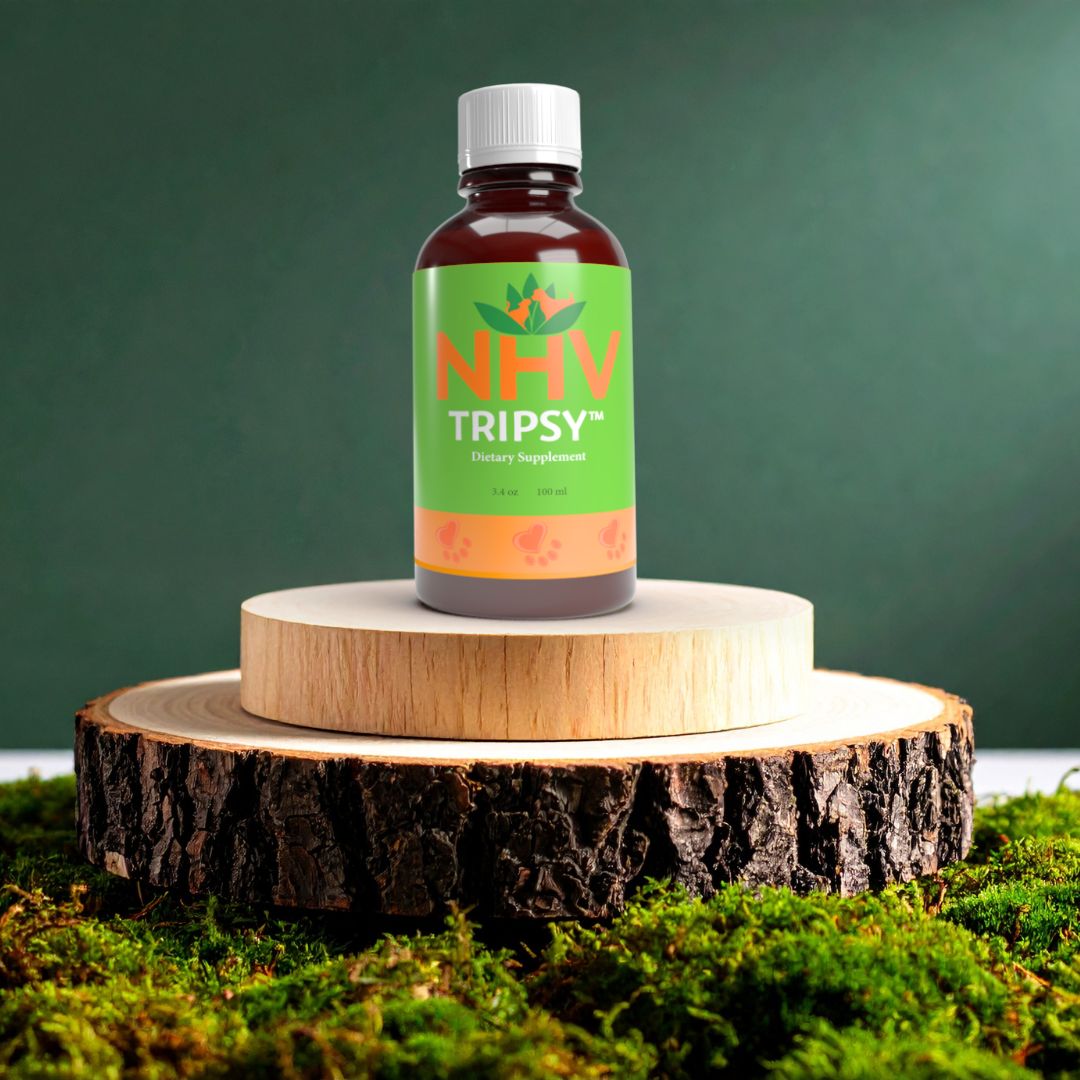
Natural supplements may be helpful in two different ways. First, they can be used as proactive support by helping maintain bladder health, reducing long-term irritation, and supporting the body’s natural defense system, especially in pets dealing with recurrent urinary tract infections (UTIs), chronic bladder inflammation, or regular exposure to environmental risk factors.
Second, for pets currently dealing with bladder cancer, natural supplements may provide supportive care alongside regular veterinary treatment by helping support overall well-being, maintaining appetite and energy levels, supporting the immune system, and assisting the body during recovery and healing.
For pets with recurrent UTIs, chronic bladder irritation, or long-term urinary issues:
For pets with ongoing veterinary treatment and for recovery support:
Bladder cancer in dogs and cats can be difficult to recognize in the beginning because the early signs often look very similar to common urinary problems like bladder infections or irritation. Paying attention to small changes such as frequent urination, straining, blood in the urine, or repeated UTIs can help pet parents catch problems earlier and seek veterinary care sooner.
Supportive care can make a meaningful difference in your fur-kiddo’s comfort
While bladder cancer can be a challenging condition, early diagnosis, regular veterinary monitoring, good urinary health, and supportive care can make a meaningful difference in your fur-kiddo’s comfort and quality of life. Natural supplements may also help support overall wellness, bladder health, immune function, and recovery when used alongside your veterinarian’s treatment plan.
kidney & bladder support
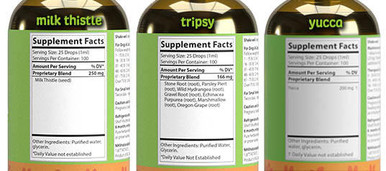
Tripsy, Milk Thistle & Yucca
bundle and save with pet expert kits
3 month supply for a small to medium size pet.
What is it?
Our Bladder Strength and Urinary Tract Health Kit contains a bundle of supplements that are formulated to help control and naturally eliminate infections, help soothe inflammation and promote urinary tract health.
How Does it Work?
Why Should I Trust It?
Natural supplements vet-approved and vet-formulated.


What is it?
Our Bladder Strength and Urinary Tract Health Kit contains a bundle of supplements that are formulated to help control and naturally eliminate infections, help soothe inflammation and promote urinary tract health.
How Does it Work?
Why Should I Trust It?
Natural supplements vet-approved and vet-formulated.
Some of our furry friends get abandoned in their golden years due to recurring health issues like having accidents in the house. If they are suffering from bladder stones or a UTI, they may need to use the bathroom more frequently and can’t always hold it!
Let’s face it, no one wants to see their furkiddos suffer. A common health problem amongst our furbabies is bladder stones (struvite and oxalate) or a urinary tract infection (which is usually in the bladder). Stones may be caused by an infection, kidney or liver disease, genetics, high blood calcium levels, or a poor diet. To help your little one’s body flush out the stones, our Bladder Strength and Urinary Tract Health Kit contains Tripsy, Milk Thistle and Yucca to help promote gentle detoxification, help soothe inflammation, and promote healthy urine flow.
Bladder stones and urinary issues can cause a lot of discomfort and stress for your little one. A feline urinary tract infection and dog bladder infection symptoms may include: bloody urine, straining to pee, frequent urination and a strong odor.
Breeds at a higher risk of developing bladder stones are: the Shih Tzu, Yorkshire Terrier, Labrador Retriever, and Dachshund.
Your furkiddo’s health and wellness means everything to us. For our pet bladder and urinary tract health kits, we have worked with a holistic veterinarian and a master herbalist to formulate gentle yet effective remedies to focus on the areas of the body most affected by cat and dog bladder infection symptoms or urinary crystals. For any questions or concerns about your little one’s urinary tract health, don’t hesitate to reach out to an NHV Pet Expert - we are here to help!
Made with the finest, organically grown, or ethically harvested herbs. Made specifically for pets, vet-formulated and vet approved.
Tripsy™
Milk Thistle
Yucca
Select your pet's weight to determine the correct dose.
To be taken twice daily. Determine your pet’s weight and then use the easy chart below to determine the correct dose. This is the minimum dosage.
Pet's Weight Dosage
0 - 15 lb = 0.5 ml
16 - 30 lb = 1.0 ml
31 - 45 lb = 1.5 ml
46 - 60 lb = 2.0 ml
61 - 75 lb = 2.5 ml
Over 75 lb = 3.0 ml
For small animals (rabbits, ferrets), avians and reptiles use 1 drop for every 2 lb of body weight.
How to Administer
Shake well before use. The easiest method is to use the dropper provided and place the drops into your pet’s food or favorite treat. You can also use the dropper and squirt directly into the pet’s mouth. Some pets can be finicky, if this occurs consider hiding the drops in foods most pet’s love such as fish, chicken or yogurt or a favorite treat. If your pet only eats dry food then soak a few kibbles at feeding time.
For Best Results
Herbal dietary supplements are beneficial to the health and well-being of your pet and are safe for long-term use. Every pet responds to natural herbal supplements differently, therefore it is important to be consistent and administer the product daily. Supplements generally take two to four weeks to take effect, however this will vary from one animal to the next.
Product Storage
All NHV Natural Pet Products are pure herbal extracts and contain no artificial additives, preservatives or coloring. Shelf life after opening is 6 months and must be refrigerated after opening.
All information provided by NHV Natural Pet Products is for educational purposes only.
Some of our furry friends get abandoned in their golden years due to recurring health issues like having accidents in the house. If they are suffering from bladder stones or a UTI, they may need to use the bathroom more frequently and can’t always hold it!
Let’s face it, no one wants to see their furkiddos suffer. A common health problem amongst our furbabies is bladder stones (struvite and oxalate) or a urinary tract infection (which is usually in the bladder). Stones may be caused by an infection, kidney or liver disease, genetics, high blood calcium levels, or a poor diet. To help your little one’s body flush out the stones, our Bladder Strength and Urinary Tract Health Kit contains Tripsy, Milk Thistle and Yucca to help promote gentle detoxification, help soothe inflammation, and promote healthy urine flow.
Bladder stones and urinary issues can cause a lot of discomfort and stress for your little one. A feline urinary tract infection and dog bladder infection symptoms may include: bloody urine, straining to pee, frequent urination and a strong odor.
Breeds at a higher risk of developing bladder stones are: the Shih Tzu, Yorkshire Terrier, Labrador Retriever, and Dachshund.
Your furkiddo’s health and wellness means everything to us. For our pet bladder and urinary tract health kits, we have worked with a holistic veterinarian and a master herbalist to formulate gentle yet effective remedies to focus on the areas of the body most affected by cat and dog bladder infection symptoms or urinary crystals. For any questions or concerns about your little one’s urinary tract health, don’t hesitate to reach out to an NHV Pet Expert - we are here to help!
Made with the finest, organically grown, or ethically harvested herbs. Made specifically for pets, vet-formulated and vet approved.
Tripsy™
Milk Thistle
Yucca
Select your pet's weight to determine the correct dose.
To be taken twice daily. Determine your pet’s weight and then use the easy chart below to determine the correct dose. This is the minimum dosage.
Pet's Weight Dosage
0 - 15 lb = 0.5 ml
16 - 30 lb = 1.0 ml
31 - 45 lb = 1.5 ml
46 - 60 lb = 2.0 ml
61 - 75 lb = 2.5 ml
Over 75 lb = 3.0 ml
For small animals (rabbits, ferrets), avians and reptiles use 1 drop for every 2 lb of body weight.
How to Administer
Shake well before use. The easiest method is to use the dropper provided and place the drops into your pet’s food or favorite treat. You can also use the dropper and squirt directly into the pet’s mouth. Some pets can be finicky, if this occurs consider hiding the drops in foods most pet’s love such as fish, chicken or yogurt or a favorite treat. If your pet only eats dry food then soak a few kibbles at feeding time.
For Best Results
Herbal dietary supplements are beneficial to the health and well-being of your pet and are safe for long-term use. Every pet responds to natural herbal supplements differently, therefore it is important to be consistent and administer the product daily. Supplements generally take two to four weeks to take effect, however this will vary from one animal to the next.
Product Storage
All NHV Natural Pet Products are pure herbal extracts and contain no artificial additives, preservatives or coloring. Shelf life after opening is 6 months and must be refrigerated after opening.
All information provided by NHV Natural Pet Products is for educational purposes only.
kidney & bladder support
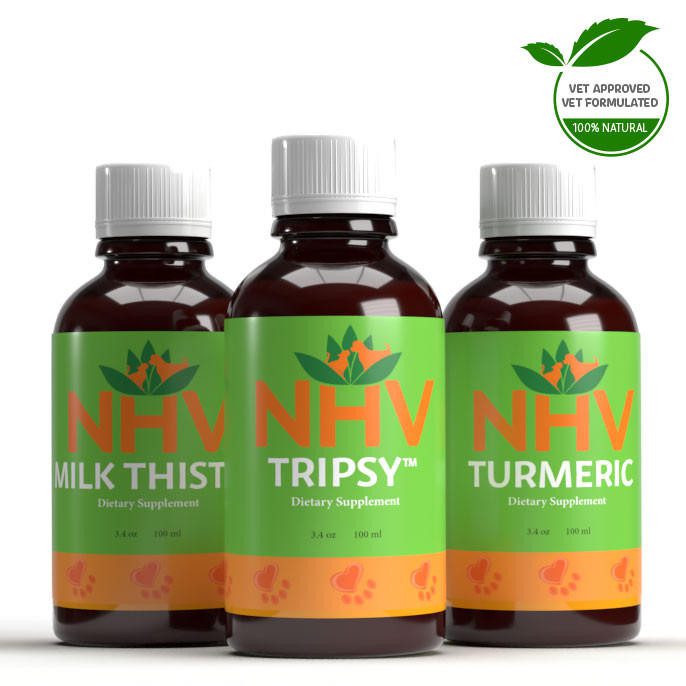
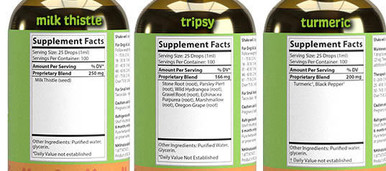
Milk Thistle, Tripsy & Turmeric
bundle and save with pet expert kits
3 month supply for a small to medium size pet.
What is it?
Our Cystitis for Bladder Inflammation Relief contains a blend of natural ingredients to help support healthy urinary tract function and help prevent UTIs.
How Does it Work?
Why Should I Trust It?
Wild-crafted ingredients and formulated by vets.
What is it?
Our Cystitis for Bladder Inflammation Relief contains a blend of natural ingredients to help support healthy urinary tract function and help prevent UTIs.
How Does it Work?
Why Should I Trust It?
Wild-crafted ingredients and formulated by vets.
If your little one is straining to pee, isn’t eating, or perhaps is more stressed than usual, they may be suffering from cystitis (bladder inflammation) or a urinary tract disorder.
Cystitis in cats and dogs is a general term for inflammation of the bladder and applies to a number of different urinary tract disorders.
If you have ever searched blood in dog urine or blood in cat urine, hematuria (blood in urine) is a very common symptom with Cystitis and requires immediate medical attention! Other symptoms of cystitis include straining to urinate, depression, lethargy, and the need to urinate frequently.
Bladder inflammation and urinary tract discomfort may be a source of depression for your furry friend. Our Cystitis Kit for Bladder Inflammation Relief contains Tripsy, Milk Thistle, and Turmeric. These 3 all-natural supplements work together to strengthen the liver and kidneys, help soothe inflammation, encourage healing and support healthy urinary tract function.
It’s great to know that there are ways to support your little one’s health naturally! All NHV products use only the finest organic, wild-crafted ingredients and formulated by the combined efforts of a master herbalist and veterinarian with 50+ years of experience. If you have any questions about cystitis in cats and dogs or need any holistic advice, please get in touch with an NHV Pet Expert today!
Made with the finest, organically grown, or ethically harvested herbs. Made specifically for pets, vet-formulated and vet approved.
Tripsy™ for Dogs and Cats
Milk Thistle
Turmeric
Select your pet's weight to determine the correct dose.
To be taken twice daily. Determine your pet’s weight and then use the easy chart below to determine the correct dose. This is the minimum dosage.
Pet's Weight Dosage
0 - 15 lb = 0.5 ml
16 - 30 lb = 1.0 ml
31 - 45 lb = 1.5 ml
46 - 60 lb = 2.0 ml
61 - 75 lb = 2.5 ml
Over 75 lb = 3.0 ml
How to Administer
Shake well before use. The easiest method is to use the dropper provided and place the drops into your pet’s food or favorite treat. You can also use the dropper and squirt directly into the pet’s mouth. Some pets can be finicky, if this occurs consider hiding the drops in foods most pet’s love such as fish, chicken or yogurt or a favorite treat. If your pet only eats dry food then soak a few kibbles at feeding time.
For Best Results
Herbal dietary supplements are beneficial to the health and well-being of your pet and are safe for long-term use. Every pet responds to natural herbal supplements differently, therefore it is important to be consistent and administer the product daily. Supplements generally take two to four weeks to take effect, however this will vary from one animal to the next.
Product Storage
All NHV Natural Pet Products are pure herbal extracts and contain no artificial additives, preservatives or coloring. Shelf life after opening is 6 months and must be refrigerated after opening.
All information provided by NHV Natural Pet Products is for educational purposes only.
If your little one is straining to pee, isn’t eating, or perhaps is more stressed than usual, they may be suffering from cystitis (bladder inflammation) or a urinary tract disorder.
Cystitis in cats and dogs is a general term for inflammation of the bladder and applies to a number of different urinary tract disorders.
If you have ever searched blood in dog urine or blood in cat urine, hematuria (blood in urine) is a very common symptom with Cystitis and requires immediate medical attention! Other symptoms of cystitis include straining to urinate, depression, lethargy, and the need to urinate frequently.
Bladder inflammation and urinary tract discomfort may be a source of depression for your furry friend. Our Cystitis Kit for Bladder Inflammation Relief contains Tripsy, Milk Thistle, and Turmeric. These 3 all-natural supplements work together to strengthen the liver and kidneys, help soothe inflammation, encourage healing and support healthy urinary tract function.
It’s great to know that there are ways to support your little one’s health naturally! All NHV products use only the finest organic, wild-crafted ingredients and formulated by the combined efforts of a master herbalist and veterinarian with 50+ years of experience. If you have any questions about cystitis in cats and dogs or need any holistic advice, please get in touch with an NHV Pet Expert today!
Made with the finest, organically grown, or ethically harvested herbs. Made specifically for pets, vet-formulated and vet approved.
Tripsy™ for Dogs and Cats
Milk Thistle
Turmeric
Select your pet's weight to determine the correct dose.
To be taken twice daily. Determine your pet’s weight and then use the easy chart below to determine the correct dose. This is the minimum dosage.
Pet's Weight Dosage
0 - 15 lb = 0.5 ml
16 - 30 lb = 1.0 ml
31 - 45 lb = 1.5 ml
46 - 60 lb = 2.0 ml
61 - 75 lb = 2.5 ml
Over 75 lb = 3.0 ml
How to Administer
Shake well before use. The easiest method is to use the dropper provided and place the drops into your pet’s food or favorite treat. You can also use the dropper and squirt directly into the pet’s mouth. Some pets can be finicky, if this occurs consider hiding the drops in foods most pet’s love such as fish, chicken or yogurt or a favorite treat. If your pet only eats dry food then soak a few kibbles at feeding time.
For Best Results
Herbal dietary supplements are beneficial to the health and well-being of your pet and are safe for long-term use. Every pet responds to natural herbal supplements differently, therefore it is important to be consistent and administer the product daily. Supplements generally take two to four weeks to take effect, however this will vary from one animal to the next.
Product Storage
All NHV Natural Pet Products are pure herbal extracts and contain no artificial additives, preservatives or coloring. Shelf life after opening is 6 months and must be refrigerated after opening.
All information provided by NHV Natural Pet Products is for educational purposes only.
cancer support
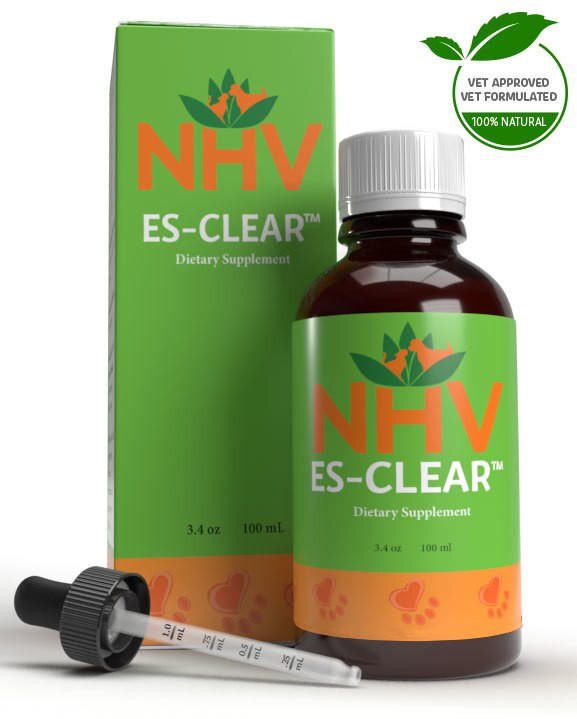
Herbal Cancer (Dog Skin Cancer ) Support
buy 2 and save $3
3 month supply for a small to medium size pet.
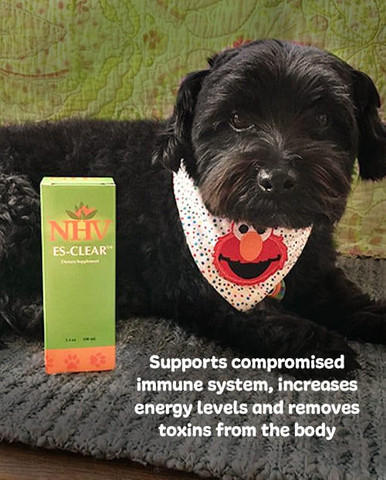
ES Clear is a gentle, natural supplement for dogs with cancer in liquid herbal formula, offering supportive care for dogs facing cancer or experiencing the side effects of treatment. It helps your pup stay comfortable, maintain strength, and support appetite, weight, and energy during challenging times.
ES Clear is vet-formulated and vet-approved, made with human-grade, full-spectrum herbal extracts that preserve the plants’ natural beneficial properties. With over 25 years of experience crafting plant-based remedies and a global community of pet parents and professionals who rely on NHV, you can feel confident you’re giving your dog safe, meaningful support during their cancer journey.
ES Clear is a gentle, natural supplement for dogs with cancer in liquid herbal formula, offering supportive care for dogs facing cancer or experiencing the side effects of treatment. It helps your pup stay comfortable, maintain strength, and support appetite, weight, and energy during challenging times.
ES Clear is vet-formulated and vet-approved, made with human-grade, full-spectrum herbal extracts that preserve the plants’ natural beneficial properties. With over 25 years of experience crafting plant-based remedies and a global community of pet parents and professionals who rely on NHV, you can feel confident you’re giving your dog safe, meaningful support during their cancer journey.
Our furkiddos hold a special place in our hearts, seeing them suffer is heartbreaking. During this difficult time, it's important to remember that you're not alone on this journey. We are here to help too! With treatment, proper care, supplement support, and diet changes, you can navigate the path ahead while providing the love and comfort your little one needs.
ES Clear and all our other products are formulated by a holistic veterinarian and master herbalist with over 50+ years of experience. They are safe for long-term use and can be used alongside traditional cancer treatment as additional support.
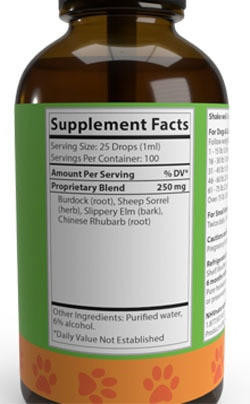
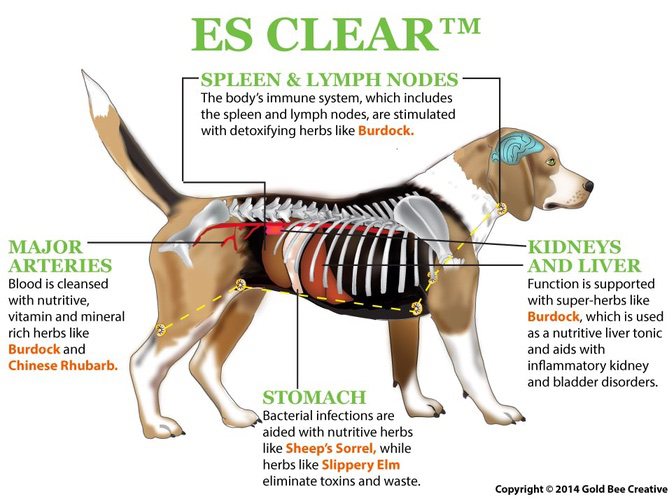
The blend of herbs in this formula - Burdock, Sheep's Sorrel, Slippery Elm, and Chinese Rhubarb - has powerful anti-tumor properties and is highly nutritious. They serve as proactive cancer support, and even if your little one does get diagnosed, they help them stay nourished despite losing their appetite.
Battling cancer and continuous chemotherapy can be very draining for your little one. ES Clear not only helps increase the energy level but also helps eliminate accumulated toxins in the system. Herbs like Burdock and Sheep's Sorrel are known to help treat cancer, and they all help remove toxins and cleanse your pup's blood. Additionally, Burdock has free-radical scavenging properties, while Sheep’s Sorrel helps support the immune system.
Chinese Rhubarb helps with appetite, increases salivary and gastric flow and is beneficial in helping the body eliminate toxins by cleansing the intestines and removing waste from the bowels. It is especially helpful for dogs with intestinal cancer.
Of course, different types of pet cancer would have a set of distinct symptoms. However, here are some general signs you may notice/find in your little one with cancer:
Note that these symptoms do not guarantee that your pup must have cancer. A vet visit is still needed to have a correct diagnosis.
NHV is a Canada-based company, and all our products are made here. However, they are used by furkiddos from all around the world! We ship globally! Feel free to reach out to us if you have any questions or concerns. We are always here to help.
Coping with cancer is very challenging. Help support your pup by ordering our ES Clear for dogs.
In addition to herbal supplements, a balanced and nutritious pet diet is also vital to their recovery. NHV’s in-house vet, Dr. Amanda, can help design a personalized nutritional plan for your furkiddo! Or you can learn more here about what foods to choose for dogs with cancer.
Read our blog to find out what to do when your little one has cancer, or learn more information about how to care for cancer in pets . Cooper and Milo’s inspiring story in fighting cancer may offer your furmily some hope too.
All NHV supplements are made with the finest quality organic or ethically harvested herbs.
We use non-GMO vegetable glycerin as our base. NHV products are full-spectrum extracts.
Select your pet's weight to determine the correct dose.
To be taken twice daily. Determine your pet’s weight and then use the easy chart below to determine the correct dose. This is the minimum dosage.
Pet's Weight Dosage
0 - 15 lb = 0.5 ml
16 - 30 lb = 1.0 ml
31 - 45 lb = 1.5 ml
46 - 60 lb = 2.0 ml
61 - 75 lb = 2.5 ml
Over 75 lb = 3.0 ml
How to Administer
Shake well before use. The easiest method is to use the dropper provided and place the drops into your pet’s food or favorite treat. You can also use the dropper and squirt directly into the pet’s mouth. Some pets can be finicky, if this occurs consider hiding the drops in foods most pet’s love such as fish, chicken, yogurt, or a favorite treat. If your pet only eats dry food then soak a few kibbles at feeding time.
For Best Results
Herbal dietary supplements are beneficial to the health and well-being of your pet and are safe for long-term use. Every pet responds to natural herbal supplements differently, therefore it is important to be consistent and administer the product daily. Supplements generally take two to four weeks to take effect, however this will vary from one animal to the next.
Product Storage
All NHV Natural Pet Products are pure herbal extracts and contain no artificial additives, preservatives or coloring. Shelf life after opening is 6 months and must be refrigerated after opening.
Cautions and Contraindications
Do not use ES Clear in pregnant or nursing animals. Speak to your vet before using our products. A second visit is recommended if your pet’s condition does not improve, or deteriorates after continued use of the supplements.
All information provided by NHV Natural Pet Products is for educational purposes only.
Our furkiddos hold a special place in our hearts, seeing them suffer is heartbreaking. During this difficult time, it's important to remember that you're not alone on this journey. We are here to help too! With treatment, proper care, supplement support, and diet changes, you can navigate the path ahead while providing the love and comfort your little one needs.
ES Clear and all our other products are formulated by a holistic veterinarian and master herbalist with over 50+ years of experience. They are safe for long-term use and can be used alongside traditional cancer treatment as additional support.
The blend of herbs in this formula - Burdock, Sheep's Sorrel, Slippery Elm, and Chinese Rhubarb - has powerful anti-tumor properties and is highly nutritious. They serve as proactive cancer support, and even if your little one does get diagnosed, they help them stay nourished despite losing their appetite.
Battling cancer and continuous chemotherapy can be very draining for your little one. ES Clear not only helps increase the energy level but also helps eliminate accumulated toxins in the system. Herbs like Burdock and Sheep's Sorrel are known to help treat cancer, and they all help remove toxins and cleanse your pup's blood. Additionally, Burdock has free-radical scavenging properties, while Sheep’s Sorrel helps support the immune system.
Chinese Rhubarb helps with appetite, increases salivary and gastric flow and is beneficial in helping the body eliminate toxins by cleansing the intestines and removing waste from the bowels. It is especially helpful for dogs with intestinal cancer.
Of course, different types of pet cancer would have a set of distinct symptoms. However, here are some general signs you may notice/find in your little one with cancer:
Note that these symptoms do not guarantee that your pup must have cancer. A vet visit is still needed to have a correct diagnosis.
NHV is a Canada-based company, and all our products are made here. However, they are used by furkiddos from all around the world! We ship globally! Feel free to reach out to us if you have any questions or concerns. We are always here to help.
Coping with cancer is very challenging. Help support your pup by ordering our ES Clear for dogs.
In addition to herbal supplements, a balanced and nutritious pet diet is also vital to their recovery. NHV’s in-house vet, Dr. Amanda, can help design a personalized nutritional plan for your furkiddo! Or you can learn more here about what foods to choose for dogs with cancer.
Read our blog to find out what to do when your little one has cancer, or learn more information about how to care for cancer in pets . Cooper and Milo’s inspiring story in fighting cancer may offer your furmily some hope too.
All NHV supplements are made with the finest quality organic or ethically harvested herbs.
We use non-GMO vegetable glycerin as our base. NHV products are full-spectrum extracts.
Select your pet's weight to determine the correct dose.
To be taken twice daily. Determine your pet’s weight and then use the easy chart below to determine the correct dose. This is the minimum dosage.
Pet's Weight Dosage
0 - 15 lb = 0.5 ml
16 - 30 lb = 1.0 ml
31 - 45 lb = 1.5 ml
46 - 60 lb = 2.0 ml
61 - 75 lb = 2.5 ml
Over 75 lb = 3.0 ml
How to Administer
Shake well before use. The easiest method is to use the dropper provided and place the drops into your pet’s food or favorite treat. You can also use the dropper and squirt directly into the pet’s mouth. Some pets can be finicky, if this occurs consider hiding the drops in foods most pet’s love such as fish, chicken, yogurt, or a favorite treat. If your pet only eats dry food then soak a few kibbles at feeding time.
For Best Results
Herbal dietary supplements are beneficial to the health and well-being of your pet and are safe for long-term use. Every pet responds to natural herbal supplements differently, therefore it is important to be consistent and administer the product daily. Supplements generally take two to four weeks to take effect, however this will vary from one animal to the next.
Product Storage
All NHV Natural Pet Products are pure herbal extracts and contain no artificial additives, preservatives or coloring. Shelf life after opening is 6 months and must be refrigerated after opening.
Cautions and Contraindications
Do not use ES Clear in pregnant or nursing animals. Speak to your vet before using our products. A second visit is recommended if your pet’s condition does not improve, or deteriorates after continued use of the supplements.
All information provided by NHV Natural Pet Products is for educational purposes only.

Dr. Mehdi Sharbafi graduated from Tehran University in 2014, earning his DVM. He is a dedicated and compassionate Vet Expert at NHV with experience spanning clinical practice, emergency medicine, and infectious diseases. He provides empathetic guidance and elevates the customer experience for pet parents seeking natural support. As a cat dad to Hana and Silky, he understands how cats and dogs are more than just pets; they’re family. Though sometimes, he feels a bit less like a cat dad and more like a tenant to these bossy felines!
Published: May 26, 2026
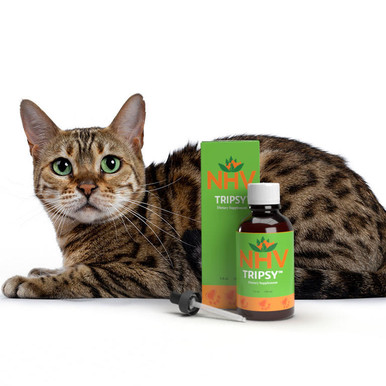
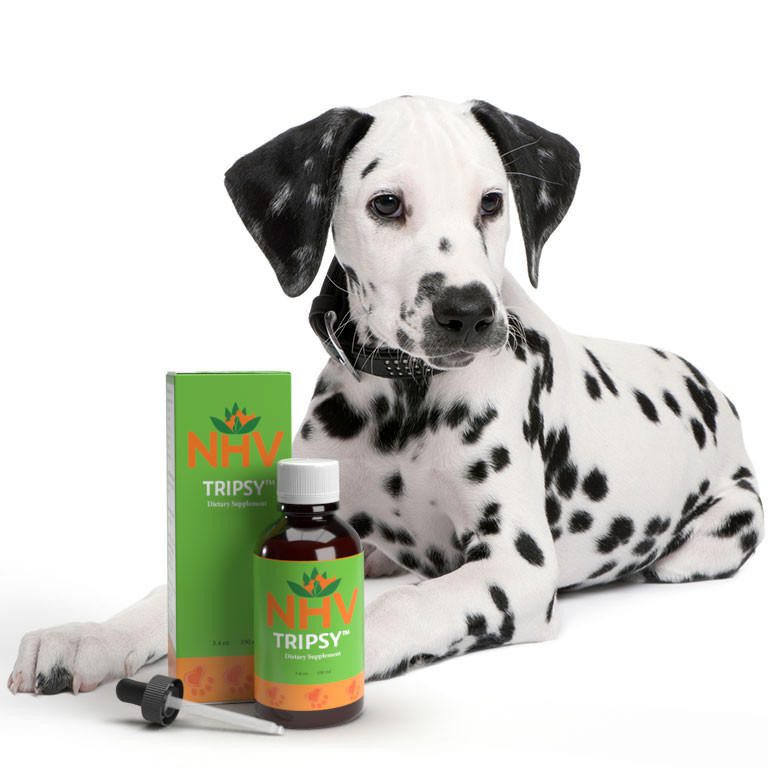
Tripsy- helps support pets with urinary tract, kidney, and bladder problems.
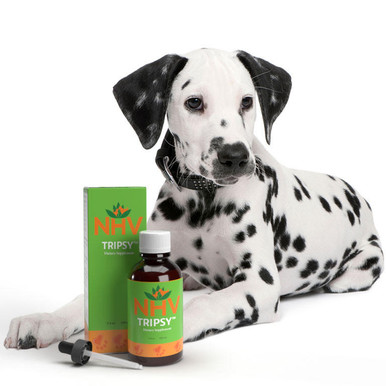
Tripsy- helps support pets with urinary tract, kidney, and bladder problems.