arthritis support
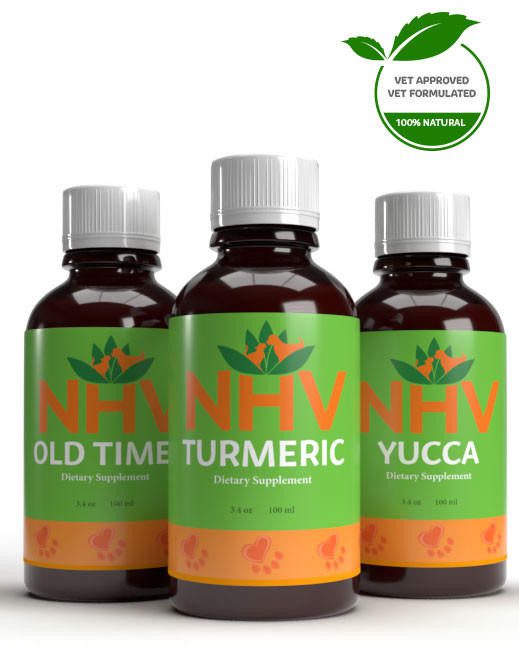
Arthritis and Joint Pain Super Relief Kit
USD $146.95
free shipping over $100 (USA & Canada)
1-877-937-4372 the pet expert hotline


Why Does My Dog Seem Stiffer in Winter?
The first chilly morning of winter arrives, and suddenly your dog seems a little slower getting out of bed. Perhaps they hesitate before climbing the stairs, take longer to stretch after a nap, or seem less enthusiastic about their usual morning walk. What’s going on?
For pet parents whose furry companions have arthritis, these changes can be especially noticeable when temperatures begin to drop. You might even find yourself wondering whether your furkiddo is simply getting older, or if the colder weather is making their joints uncomfortable.
So, does cold weather affect arthritis in dogs?
While the relationship between the weather and joint discomfort isn’t completely understood, some dogs with arthritis may appear stiffer or less comfortable during the colder months. Changes in physical activity, slippery surfaces, and limited opportunities for exercise may also influence how easily they move around.
The good news is that there are several practical ways to help your furry companion so that they can be comfortable, active, and supported throughout winter. Let’s explore what happens to arthritic joints and how to make the frosty months a little easier for your dog.
According to Cornell University College of Veterinary Medicine, arthritis (or more specifically Osteoarthritis) is a chronic progressive condition that causes inflammation in the joints, impairing a pet’s ability to move easily. It occurs more often in senior dogs (though it can affect pets at any age), especially in dogs with contributing factors, such as obesity, orthopedic conditions (such as hip or elbow dysplasia), or joint injuries.
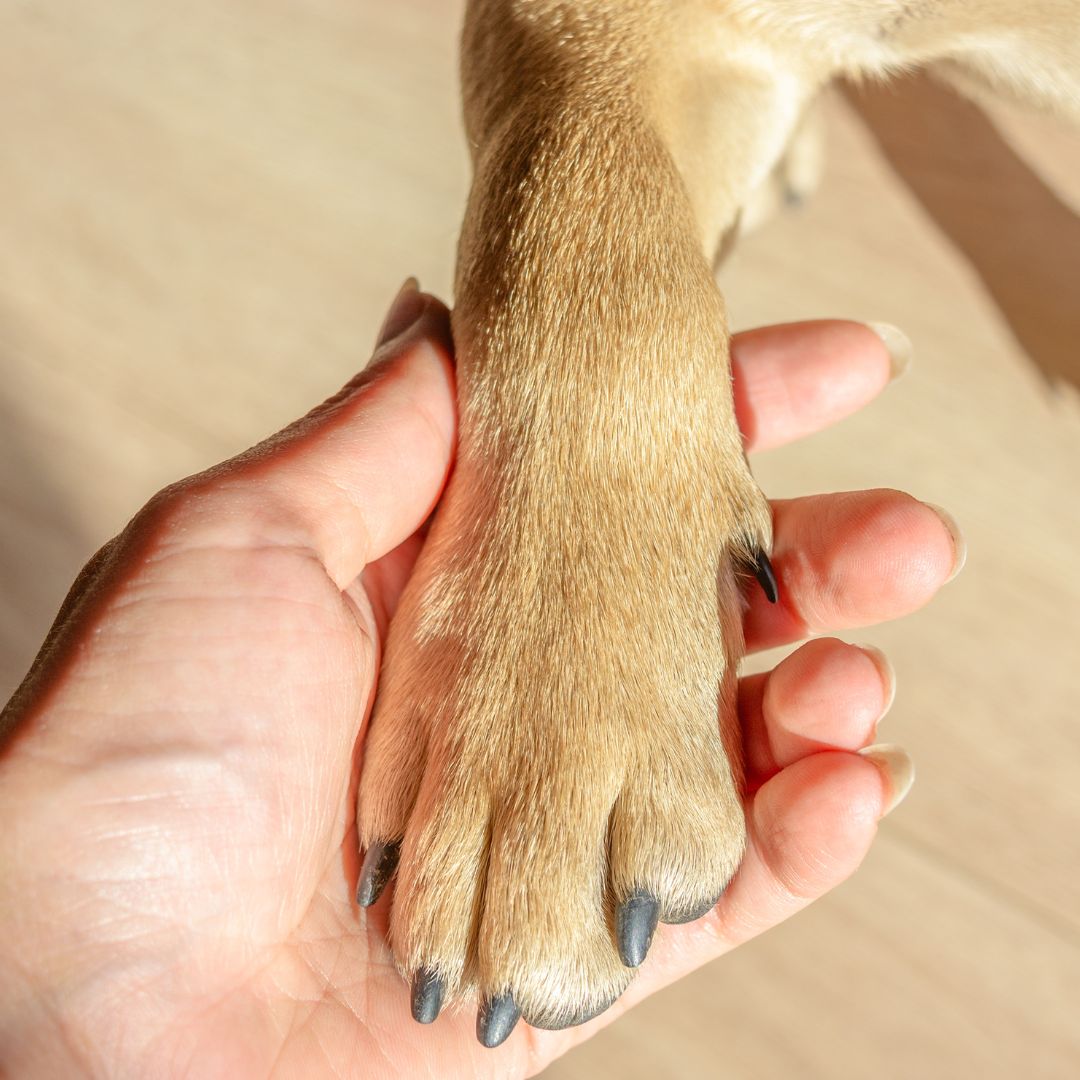
In a healthy joint, cartilage acts as a smooth, protective cushion between the bones, allowing them to move comfortably. With osteoarthritis, this cartilage gradually deteriorates, and changes develop in surrounding bone and joint tissues. These changes can lead to inflammation, discomfort, stiffness, and reduced mobility.
Osteoarthritis is a progressive condition that cannot be currently cured. However, appropriate management can help reduce discomfort, maintain mobility, and improve a pet’s quality of life.
Many pet parents notice that their dogs seem less comfortable when the weather turns cold, but the scientific relationship between temperature and osteoarthritis symptoms remains complex.
Though the American Veterinary Medical Association (AVMA) states that cold weather may make some health problems worse, this does not necessarily mean that arthritis is progressing. Instead, some dogs may experience changes in how their existing joint discomfort presents itself, and there are a few reasons for this:
Although colder weather may coincide with increased stiffness, there isn’t enough evidence to establish that temperature causes it. What matters most is noticing changes in your dog’s comfort and mobility, despite the change in temperature.
Dogs don’t always express discomfort through whining or crying. In fact, many of the signs of arthritis are subtle changes in their usual behavior. During colder months, pet parents might notice:
It’s important to remember that these symptoms are not exclusive to arthritis, and they can develop gradually, which makes them easy to overlook. Injuries, neurological conditions, and other health problems can produce similar changes. If your furkiddo suddenly develops severe pain, cannot bear weight on a limb, or experiences a significant decline in mobility, maybe it’s time to visit their vet to make sure everything is okay.
One of the most valuable things you can do is make small adjustments to your dog’s everyday environment. Thoughtful winter care for dogs with arthritis doesn’t have to involve complicated routines, and often, simple changes can make daily activities safer and more comfortable.
If your dog has difficulty moving between rooms, consider creating a warm, comfortable resting space near the areas where your family spends the most time.
These small adjustments can help preserve independence while reducing unnecessary physical challenges.
Yes! It may seem kinder to let an uncomfortable dog be a couch potato and rest all day, but prolonged inactivity can contribute to muscle weakness and reduced joint mobility. The goal is to find balance between keeping your dog moving and avoiding activities that place excessive stress on painful joints.
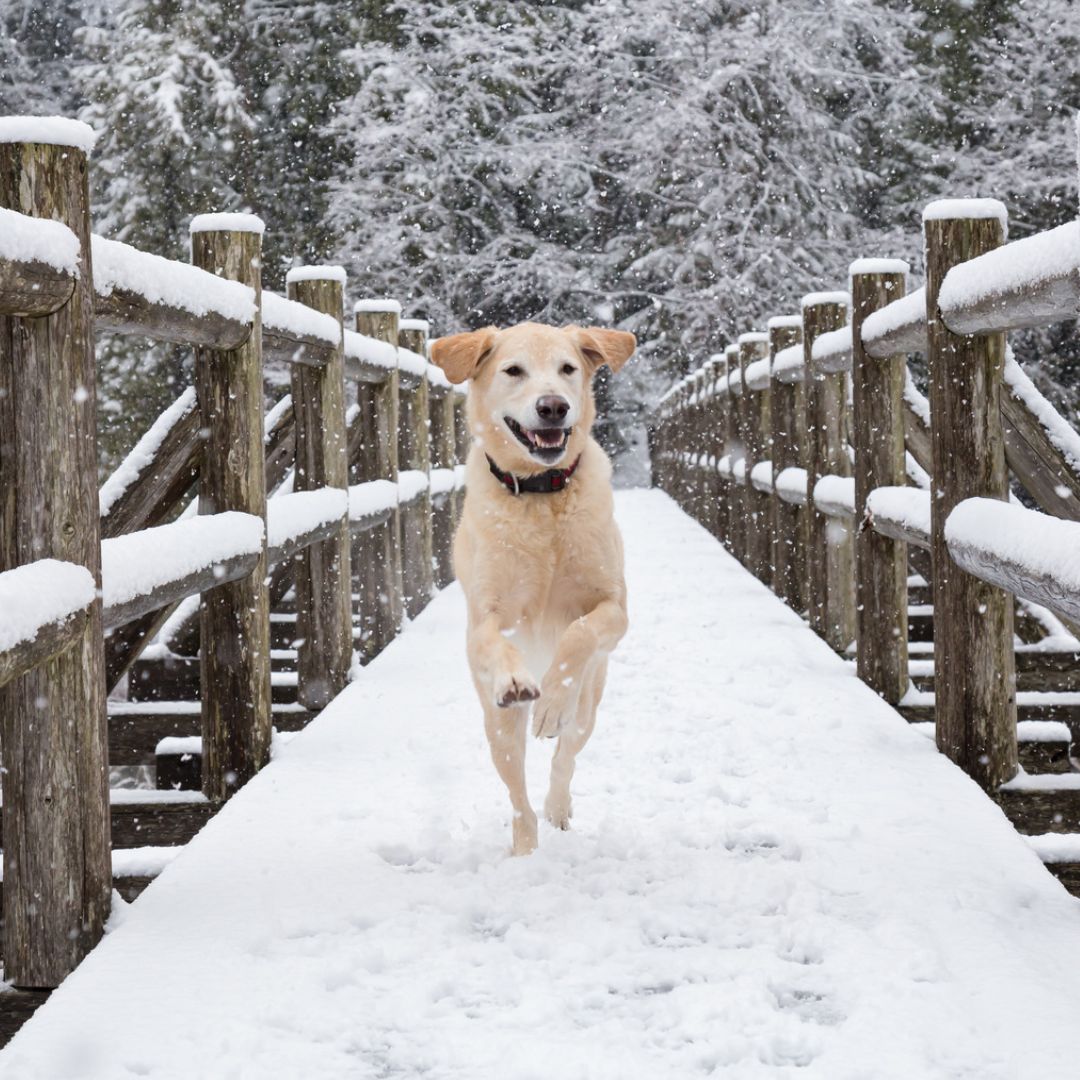
Remember the golden rule: gentle, consistent exercise is generally preferable to occasional bursts of intense activity.
Some gentle approaches include:
The American College of Veterinary Surgeons emphasizes controlled, low-impact exercise and rehabilitation as important parts of arthritis management. These activities can help maintain muscle strength and support joint stability. Just remember that exercise should be adapted to your dog’s individual abilities; if your furry companion seems significantly more uncomfortable after an activity or struggles to recover afterward, their exercise plan may need to be adjusted with veterinary guidance.
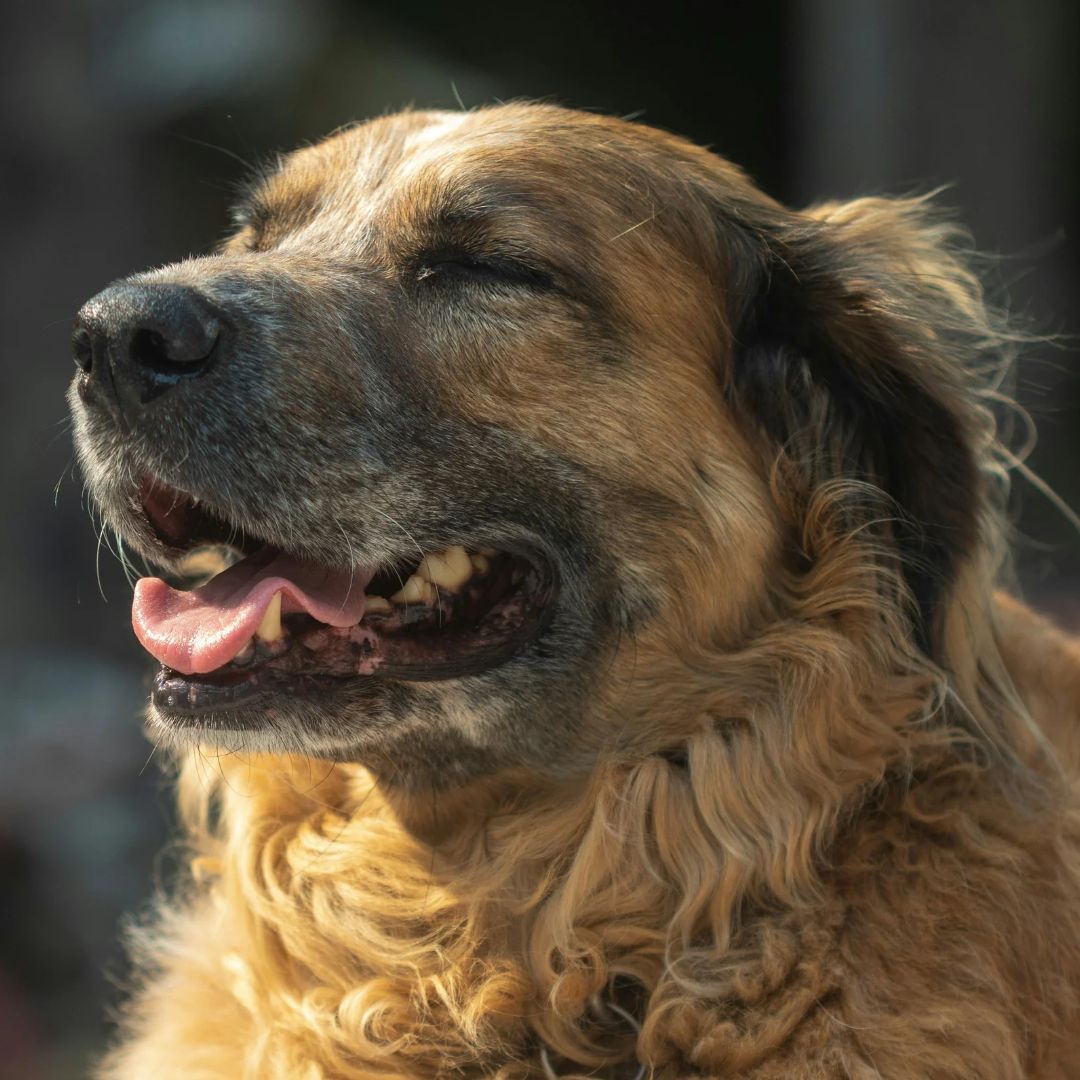
Arthritis management is rarely about one single solution. Because arthritis affects several structures within the joint, veterinarians often recommend a multimodal approach (meaning, different strategies that are combined) to address discomfort, mobility, body weight, and overall quality of life.
This may include prescribed medications, weight management, physical rehabilitation, appropriate exercise, environmental adjustments, and nutritional support. Always consult with your dog’s veterinarian before giving any pain medication, as many common medicines that are safe for people can be toxic for pets.
For pet parents interested in additional joint supplements for dogs, there are natural options that may be considered alongside their vet’s treatment plan:
Remember to always talk to your dog’s veterinarian before introducing new supplements, particularly if your dog is receiving prescription medication or has other health conditions; they can help determine which supportive options are appropriate for your furkiddo’s individual needs.
For some dogs, colder months may coincide with increased stiffness, changes in mobility, or greater difficulty performing everyday activities. However, every dog responds differently.
While maintaining a healthy weight, encouraging appropriate movement, providing a safe and comfortable home environment, and following a veterinarian-guided care plan are important throughout the year, sometimes the smallest changes can make a meaningful difference: a warm bed, a non-slip rug, shorter and gentler walks; some little extra patience when your dog needs more time to stand up, and, most importantly, know their normal.
After all, our furry family members may not be able to tell us when their joints feel uncomfortable, but the way they move can tell us a great deal. With attentive care and the right support, we can help them enjoy the colder months with as much comfort and confidence as possible.
arthritis support
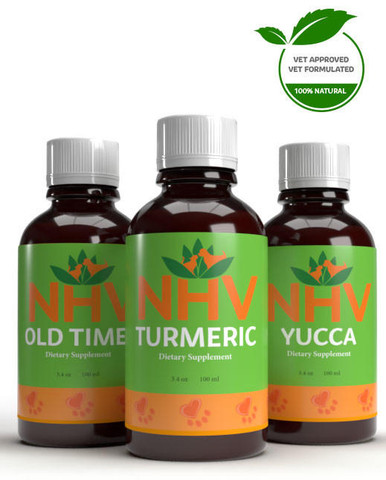
Old Timer, Turmeric & Yucca
bundle and save with pet expert kits
3 month supply for a small to medium size pet.
What is it?
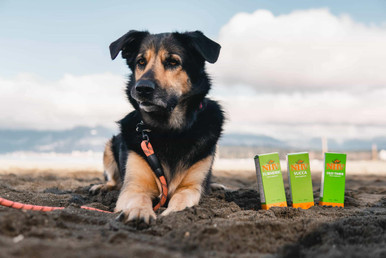
NHV Arthritis and Joint Pain Super Relief Kit can help your pups manage the symptoms of arthritis discomfort and keep them peppy and happy in their endless adventures!
How Does it Work?
Why Should I Trust It?
Formulated and approved by veterinarians using 100% natural ingredients.

What is it?
NHV Arthritis and Joint Pain Super Relief Kit can help your pups manage the symptoms of arthritis discomfort and keep them peppy and happy in their endless adventures!
How Does it Work?
Why Should I Trust It?
Formulated and approved by veterinarians using 100% natural ingredients.
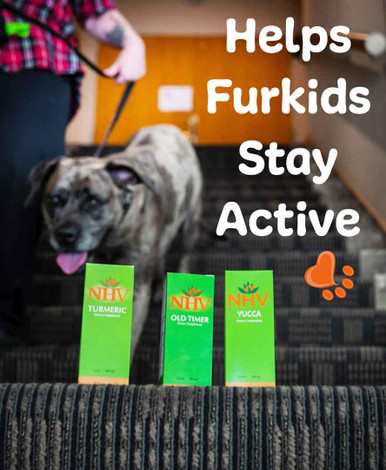
Have you noticed that your furkid isn’t as spry as they used to be? They may even struggle to go upstairs and go on walks with you due to arthritis in cats and dogs. As pet parents ourselves, we understand how hard it is to watch your little one suffer from the pain joint issues cause. To help them regain their bounce, supporting them is very important. Arthritis and Joint Pain Super Relief Kit may just be the support they need.
This kit can help relieve the discomfort and swelling arthritis causes, restore your little one’s vitality, and help them manage the other arthritis symptoms. Arthritis and Joint Pain Super Relief Kit contains our main cat and dog arthritis supplements - Old Timer, Yucca, and Turmeric.
How NHV Remedies Support Cat and Dog Arthritis
Old Timer is our primary support for arthritis and joint discomfort. This herbal formulation has powerful anti-inflammatory properties and may help alleviate the symptoms of arthritis in cats and dogs. Cayenne, for instance, contains capsaicin which triggers endorphins release in the brain and thus helps with relieving discomfort arthritis causes. Asian Ginseng, one of the other many herbs in this vet-formulated blend, may help reduce fatigue in your little one and restore vitality. Studies have also shown that this herb also helps with strength and agility.
Another highly nutritional supplement in this bundle, Turmeric, also helps with overall vitality. The active compound of Turmeric is curcumin; this compound benefits arthritic conditions due to its anti-inflammatory properties. Black pepper is also added to this extract to help further reduce inflammation.
The last supplement our pet experts bundled in this kit is Yucca. On top of its anti-inflammatory properties, this herb helps with the appetite and immune system of your little one. Studies have also shown that it may be effective for discomfort relief.
These supplements are free of added preservatives, additives, flavorings, or artificial colors. So please remember to refrigerate them after opening the bottle.
To further understand how our supplements can help, you should understand what arthritis is in cats and dogs.
What is Cat and Dog Arthritis?
Like arthritis in humans, arthritis in cats and dogs refers to the inflammation of their joints. It happens when the joint cartilage tears down, causing the bones to scrape against one another. The rubbing leads to swelling and progressive pain.
Since the pain and destruction are progressive and worsen over time, cat and dog arthritis is also known as degenerative joint disease. That’s why senior pets are most at risk.
Being a chronic disorder, you may wonder if this kit's supplements are safe for long-term use. Since most of our supplements are made with non-GMO vegetable glycerin, they are entirely safe for long-term usage.
One in every five dogs experiences arthritis in their lifetime; over 70% of cats aged twelve or above get this condition too. Because of how common it is, we recommend pet parents get our Arthritis and Joint Pain Super Relief Kit not only when your furkid starts having arthritis but also as proactive support.
Symptoms of Arthritis in Cats and Dogs
It is hard to tell if your little one has joint pain sometimes because they might try to hide it! But here are some typical indications you should look out for:
Go for a vet visit as soon as you notice these signs, so your furkiddo can receive suitable treatment immediately.
Additional Support for Arthritis in Cats and Dogs
Besides natural supplements and traditional treatment, gentle exercise and a balanced diet can also help relieve the discomfort arthritis may cause. If you need help coming up with a nutritional plan designed for your little one’s needs, our in-house vet, Dr. Amanda, can help.
Natural Support for Cat and Dog Arthritis
NHV’s supplements are all tested by a third party for quality assurance, and have helped thousands of pets around the world. Supplements are vet-formulated, and vet approved. Therefore, you can rest assured that they are safe for your little one.
If you have any questions regarding arthritis in cats and dogs or anything else, don’t hesitate to reach out to one of our Pet Experts! We are always here to help you and your little one through this trying time.
Support arthritis in cats and dogs now with our Arthritis and Joint Pain Super Relief Kit.
All NHV supplements are made with the finest quality organic or ethically harvested herbs. We use non-GMO vegetable glycerin as our base. NHV products are full-spectrum extracts.
Old Timer
Select your pet's weight to determine the correct dose.
To be taken twice daily. Determine your pet’s weight and then use the easy chart below to determine the correct dose. This is the minimum dosage.
Pet's Weight Dosage
0 - 15 lb = 0.5 ml
16 - 30 lb = 1.0 ml
31 - 45 lb = 1.5 ml
46 - 60 lb = 2.0 ml
61 - 75 lb = 2.5 ml
Over 75 lb = 3.0 ml
For small animals (rabbits, ferrets), avians and reptiles use 1 drop for every 2 lb of body weight.
How to Administer
Shake well before use.The easiest method is to use the dropper provided and place the drops into your pet’s food or favorite treat. You can also use the dropper and squirt directly into the pet’s mouth. Some pets can be finicky, if this occurs consider hiding the drops in foods most pet’s love such as fish, chicken or yogurt or a favourite treat. If your pet only eats dry food then soak a few kibbles at feeding time.
For Best Results
Herbal dietary supplements are beneficial to the health and well-being of your pet and are safe for long-term use. Every pet responds to natural herbal supplements differently, therefore it is important to be consistent and administer the product daily. Supplements generally take two to four weeks to take effect, however this will vary from one animal to the next.
Product Storage
All NHV Natural Pet Products are pure herbal extracts and contain no artificial additives, preservatives or coloring. Shelf life after opening is 6 months and must be refrigerated after opening.
All information provided by NHV Natural Pet Products is for educational purposes only.
joint support
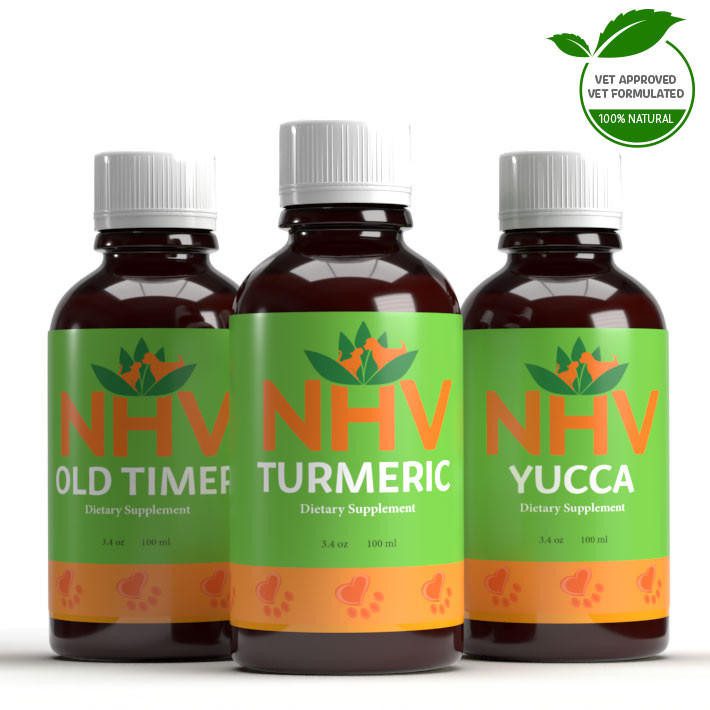
Old Timer, Yucca & Turmeric
bundle and save with pet expert kits
3 month supply for a small to medium size pet.
What is it?
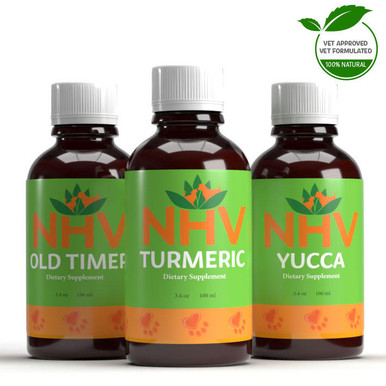
NHV's Hip Dysplasia Kit is designed to support pets with joint and muscle inflammation, helping ease discomfort, improve circulation and energy, and re-balance the immune system.
How Does it Work?
Why Should I Trust It?
Made specifically for pets, vet-formulated and vet-approved.
What is it?
NHV's Hip Dysplasia Kit is designed to support pets with joint and muscle inflammation, helping ease discomfort, improve circulation and energy, and re-balance the immune system.
How Does it Work?
Why Should I Trust It?
Made specifically for pets, vet-formulated and vet-approved.
Maybe your furry friend isn’t as bouncy as they once were and they are having a tough time jumping up into their favorite spots. It happens! If you see them limping or their hips are a little stiff, give them the extra support they deserve (especially in colder months) with NHV’s Hip Dysplasia Kit.
As pet parents, it’s hard to see your furry friends not jumping and bouncing around as they used to. Whether they're tiny little fluffballs, or wise and experienced in life when they come home with us, we want them to be happy and healthy! Sadly, hip dysplasia is one of the most common health issues among our furry friends but don't you worry because NHV Hip Dysplasia Kit is here to help! It contains Old Timer, Yucca and Turmeric, which can help relieve joint discomfort, increase energy levels and re-balance your little one's immune system.
As our pets age, their behavior may change and it is up to us as their pet parent to notice small changes. Suddenly they may be resting longer, not bouncing around like they once did or having difficulty using the bathroom. These signs could mean an underlying mobility issue, like hip dysplasia. Hip Dysplasia is a condition where the ball and socket of the hip joint do not form properly and rather than sliding smoothly, they rub or scrape causing joint degeneration and arthritis. For some dogs and cats, this may be a genetic condition and for others, it may develop as they age. As a pet parent, you will want to reduce inflammation, improve circulation and support their immune system so that they can get their health back on track! NHV Hip Dysplasia Kit contains Old Timer, Yucca and Turmeric. Old Timer contains nutritive plant extracts that relieve inflammation and discomfort while supporting healthy bones and joints. While ingredients like Astragalus help stimulate the liver, circulatory system and immune system. Yucca contains natural steroid-like properties that soothe discomfort and inflammation. Turmeric is rich in anti-inflammatory and antioxidant properties that support gentle detoxification and circulation.
NHV supplements are formulated by a holistic vet and master herbalist to be gentle, effective remedies that complement vet-formulated care plans. But it should never replace professional advice from your veterinarian. If you have any questions about dog hip dysplasia prevention or want to chat about your pet’s ongoing care plan, get in touch with an NHV Pet Expert.
Made with the finest, organically grown, or ethically harvested herbs. Made specifically for pets, vet-formulated and vet approved.
Old Timer
Yucca
Turmeric
Select your pet's weight to determine the correct dose.
To be taken twice daily. Determine your pet’s weight and then use the easy chart below to determine the correct dose. This is the minimum dosage.
Pet's Weight Dosage
0 - 15 lb = 0.5 ml
16 - 30 lb = 1.0 ml
31 - 45 lb = 1.5 ml
46 - 60 lb = 2.0 ml
61 - 75 lb = 2.5 ml
Over 75 lb = 3.0 ml
How to Administer
Shake well before use. The easiest method is to use the dropper provided and place the drops into your pet’s food or favorite treat. You can also use the dropper and squirt directly into the pet’s mouth. Some pets can be finicky, if this occurs consider hiding the drops in foods most pet’s love such as fish, chicken or yogurt or a favorite treat. If your pet only eats dry food then soak a few kibbles at feeding time.
For Best Results
Herbal dietary supplements are beneficial to the health and well-being of your pet and are safe for long-term use. Every pet responds to natural herbal supplements differently, therefore it is important to be consistent and administer the product daily. Supplements generally take two to four weeks to take effect, however this will vary from one animal to the next.
Product Storage
All NHV Natural Pet Products are pure herbal extracts and contain no artificial additives, preservatives or coloring. Shelf life after opening is 6 months and must be refrigerated after opening.
Cautions and Contraindications
Do not use in pregnant or nursing animals.
All information provided by NHV Natural Pet Products is for educational purposes only.
joint support

Old Timer, Yucca & Multi Essentials
bundle and save with pet expert kits
3 month supply for a small to medium size pet
What is it?
Hip and joint discomfort may be hard to spot but if your furkiddo is limping or is refusing to play like normal, they may be experiencing stiffness or inflammation in these areas. Give your furkiddo all the love and added nutrient support they deserve with NHV’s Joint and Nutrition Support Kit.
How does it work?
Why trust it?
NHV supplements have been trusted by 1000s of families for over 25 years.
No one wants to see their furkiddo aging and having trouble jumping or walking! But with day to day wear and tear, hip and joint discomfort is one of the most common health problems in senior pets. Luckily, there are ways to support your little one’s mobility, naturally. Our Joint and Nutrition Support Kit is formulated to help support pets of all ages with hip and joint discomfort, mobility issues and help deliver vital nutrients.
NHV Joint and Nutrition Support Kit contains Old Timer, Yucca, and Multi Essentials. This bundle of supplements is formulated to help soothe joint inflammation and discomfort, help increase circulation, support immune function and help fill nutritional voids.
At NHV, we know that your pets are your family so we have made it our mission to provide the best natural supplements possible! With only the best organic or wildcrafted ingredients, our master herbalist and holistic vet have created all of our formulations specifically for pets! So if you have any questions about hip and joint supplements for dogs and cats or anything else, our NHV Pet Experts are here to help!
Made with the finest, organically grown, or ethically harvested herbs. Made specifically for pets, vet-formulated, and vet approved.
Old Timer
Yucca
Multi Essentials
Select your pet's weight to determine the correct dose.
To be taken twice daily. Determine your pet’s weight and then use the easy chart below to determine the correct dose. This is the minimum dosage.
Pet's Weight Dosage
0 - 15 lb = 0.5 ml
16 - 30 lb = 1.0 ml
31 - 45 lb = 1.5 ml
46 - 60 lb = 2.0 ml
61 - 75 lb = 2.5 ml
Over 75 lb = 3.0 ml
For small animals (rabbits, ferrets), avians and reptiles use 1 drop for every 2 lb of body weight.
How to Administer
Shake well before use. The easiest method is to use the dropper provided and place the drops into your pet’s food or favorite treat. You can also use the dropper and squirt directly into the pet’s mouth. Some pets can be finicky, if this occurs consider hiding the drops in foods most pet’s love such as fish, chicken or yogurt or a favorite treat. If your pet only eats dry food then soak a few kibbles at feeding time.
For Best Results
Herbal dietary supplements are beneficial to the health and well-being of your pet and are safe for long-term use. Every pet responds to natural herbal supplements differently, therefore it is important to be consistent and administer the product daily. Supplements generally take two to four weeks to take effect, however this will vary from one animal to the next.
Product Storage
All NHV Natural Pet Products are pure herbal extracts and contain no artificial additives, preservatives or coloring. Shelf life after opening is 6 months and must be refrigerated after opening.
Cautions and Contraindications
Do not use in pregnant or nursing animals.
All information provided by NHV Natural Pet Products is for educational purposes only.

Dr. Yuvia Hernandez graduated from the Universidad Autonoma de Ciudad Juarez (Mexico) with a degree in Veterinary Medicine and Animal Husbandry, and later got her Master’s Degree in Educational Strategies from the Universidad Regional del Norte. She has taken several courses throughout her career to train in the veterinary field, such as emergency veterinary care, animal nutrition, and holistic veterinary care. Dr. Hernandez shares her home with two adorable cats as she continues to learn about animal welfare and care.
Published: November 12, 2026
overall vitality
For Overall Health and Well-Being
buy 2 and save $3
What is it?
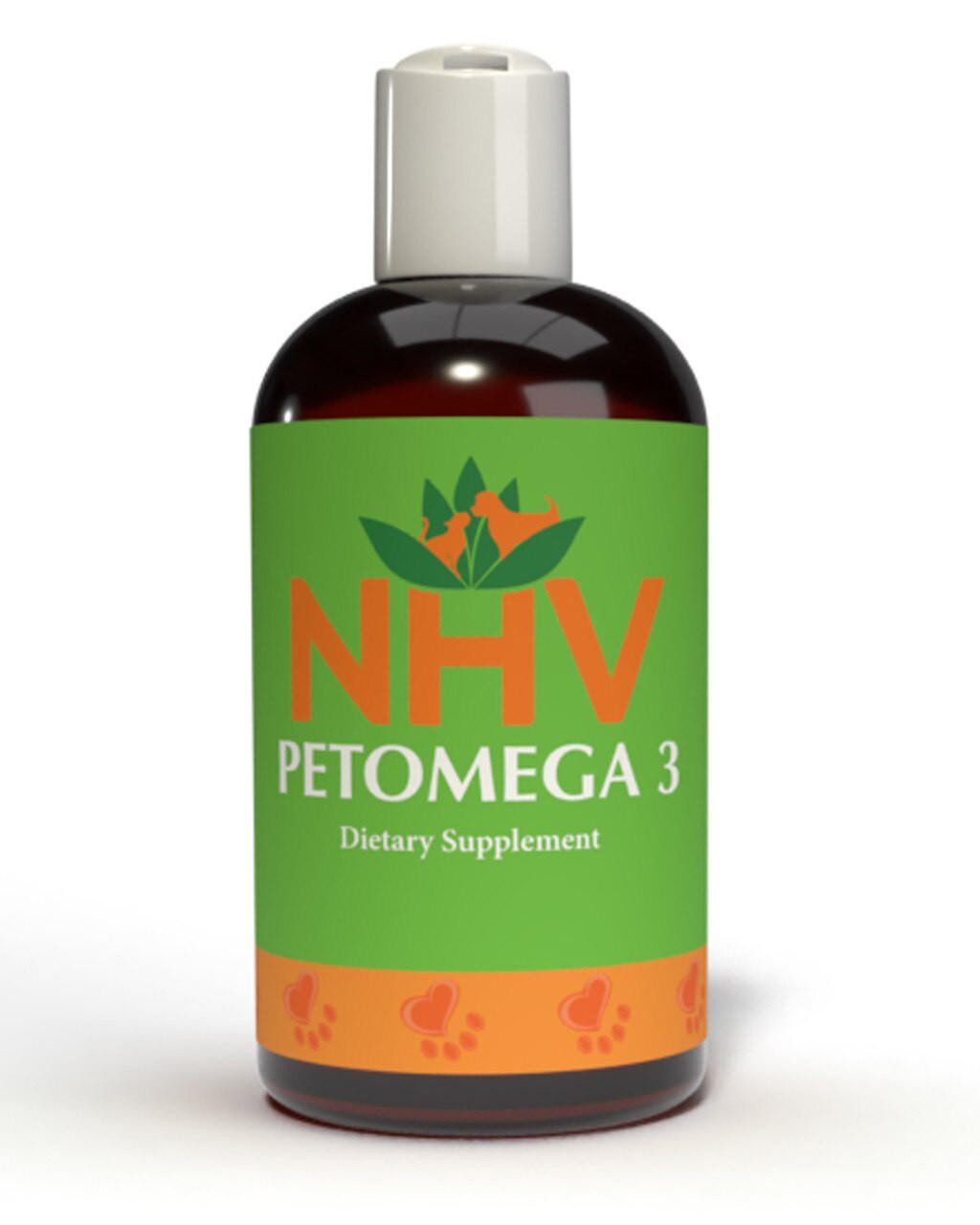
Support your dog’s health with omega-3 fish oil for dogs, promoting a healthy coat, eyes, joints, immune system, and overall organ function.
How does it work?
Why trust it?
NHV Petomega 3 has earned 5-star ratings by pet parents from around the world.

What is it?
Support your dog’s health with omega-3 fish oil for dogs, promoting a healthy coat, eyes, joints, immune system, and overall organ function.
How does it work?
Why trust it?
NHV Petomega 3 has earned 5-star ratings by pet parents from around the world.
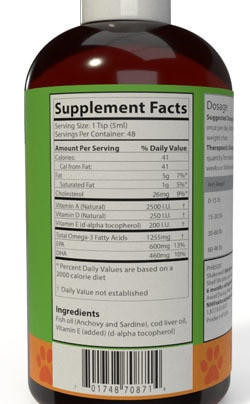
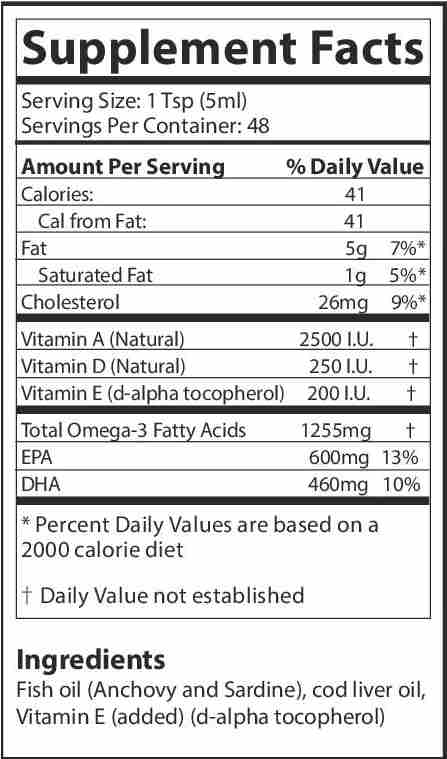
Our omega 3 fish oil for dogs is a great source of EPA (Eicosapentaenoic Acid 600mg) and DHA (Docosahexaenoic acid 460mg) essential fatty acids. This fish oil supplement for dogs is derived from sardines, anchovies and North Atlantic cod liver oil. It is molecularly distilled and cold pressed to improve the bioavailability of the omega 3 fatty acids, and is medical and human grade quality.
Omega 3 fish oil for dogs may be beneficial for the following:
Processed pet foods have increased omega-6 fatty acids, and decreased omega-3 fatty acids. The University of Maryland Medical Center states, "It is very important to maintain a balance between omega-3 and omega-6 fatty acids in the diet. A proper balance helps maintain and even improve health." Your dog’s body cannot easily make essential fatty acids. It is vital to provide omega 3 fish oil for dogs as an added supplement to your pet’s daily diet.
The American Journal of Veterinary Medicine has published studies on the benefits of omega 3 fatty acids (fish oils) for arthritis and degenerative joint disease in dogs. The studies showed that dogs who were given omega 3 fatty acids had a significantly improved ability to get up from a resting position and marked improvement in walking ability.
Suggested Dosage: To be taken once per day. Add to food based on weight chart.
Therapeutic Dosage: Double the quantity for maximum period of 4 weeks or follow veterinarian advise.
Pet’s Weight Dosage
0-15 lb = ¼ tsp
15-30 lb = ½ tsp
30-60 lb = 1 tsp
60-90 lb = 1 ½ tsp
How to Administer: Shake well before use. The easiest method is to add the dosage to your pets food. Some pets can be finicky, if this occurs consider hiding the appropriate amount in food most pet’s love such as fish, chicken, yogurt, or a favorite treat. If your pet only eats dry food then soak kibbles at feeding time.
For Best Results
Dietary supplements are beneficial to the health and well-being of your pet and are safe for long-term use. Every pet responds to natural supplements differently, therefore it is important to be consistent and administer the product daily. Supplements generally take two to four weeks to take effect, however this will vary from one animal to the next.
Product Storage
All NHV Natural Pet Products contain no artificial additives, preservatives or coloring. Shelf life after opening is 6 months and must be refrigerated after opening.
Cautions and Contraindications
Avoid During Pregnancy.
Our omega 3 fish oil for dogs is a great source of EPA (Eicosapentaenoic Acid 600mg) and DHA (Docosahexaenoic acid 460mg) essential fatty acids. This fish oil supplement for dogs is derived from sardines, anchovies and North Atlantic cod liver oil. It is molecularly distilled and cold pressed to improve the bioavailability of the omega 3 fatty acids, and is medical and human grade quality.
Omega 3 fish oil for dogs may be beneficial for the following:
Processed pet foods have increased omega-6 fatty acids, and decreased omega-3 fatty acids. The University of Maryland Medical Center states, "It is very important to maintain a balance between omega-3 and omega-6 fatty acids in the diet. A proper balance helps maintain and even improve health." Your dog’s body cannot easily make essential fatty acids. It is vital to provide omega 3 fish oil for dogs as an added supplement to your pet’s daily diet.
The American Journal of Veterinary Medicine has published studies on the benefits of omega 3 fatty acids (fish oils) for arthritis and degenerative joint disease in dogs. The studies showed that dogs who were given omega 3 fatty acids had a significantly improved ability to get up from a resting position and marked improvement in walking ability.
Suggested Dosage: To be taken once per day. Add to food based on weight chart.
Therapeutic Dosage: Double the quantity for maximum period of 4 weeks or follow veterinarian advise.
Pet’s Weight Dosage
0-15 lb = ¼ tsp
15-30 lb = ½ tsp
30-60 lb = 1 tsp
60-90 lb = 1 ½ tsp
How to Administer: Shake well before use. The easiest method is to add the dosage to your pets food. Some pets can be finicky, if this occurs consider hiding the appropriate amount in food most pet’s love such as fish, chicken, yogurt, or a favorite treat. If your pet only eats dry food then soak kibbles at feeding time.
For Best Results
Dietary supplements are beneficial to the health and well-being of your pet and are safe for long-term use. Every pet responds to natural supplements differently, therefore it is important to be consistent and administer the product daily. Supplements generally take two to four weeks to take effect, however this will vary from one animal to the next.
Product Storage
All NHV Natural Pet Products contain no artificial additives, preservatives or coloring. Shelf life after opening is 6 months and must be refrigerated after opening.
Cautions and Contraindications
Avoid During Pregnancy.