adrenal support
free shipping over $100 (USA & Canada)
1-877-937-4372 the pet expert hotline

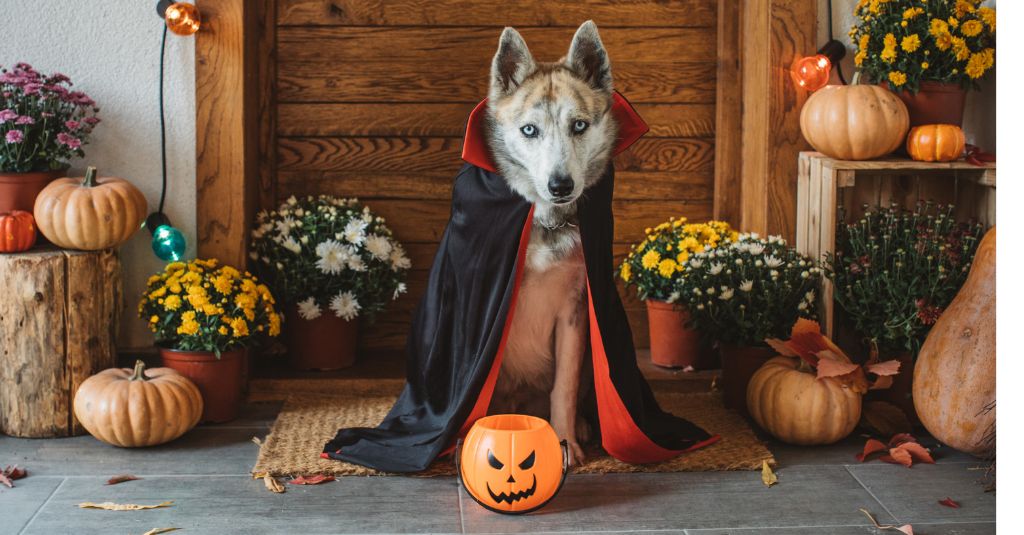
Spooky season is officially here! Between the silly costumes, ghost stories, and creaky doorsteps, October is full of fun little scares.
But as pet parents, we all know the absolute scariest moments do not involve ghosts or ghouls. They are the moments when we notice our dog or cat just is not acting like themselves. A missed meal, low energy, or sudden stiffness can make your heart drop.
That is why we are taking a moment this October to talk about proactive pet care. Our goal isn’t to spook you – but help you think about health issues before they turn into a real scare.
By learning your fur kiddo’s “normal”, you can protect their wellness for all the Halloweens to come.
There’s no secret to catching health issues early on. It really just comes down to knowing your fur kiddo’s baseline health and routine.
Pets are creatures of habit. They stick to predictable routines for eating, sleeping, and bathroom breaks. When their normal changes, don’t panic that something’s horribly wrong. Instead, carefully see if you can spot other changes.
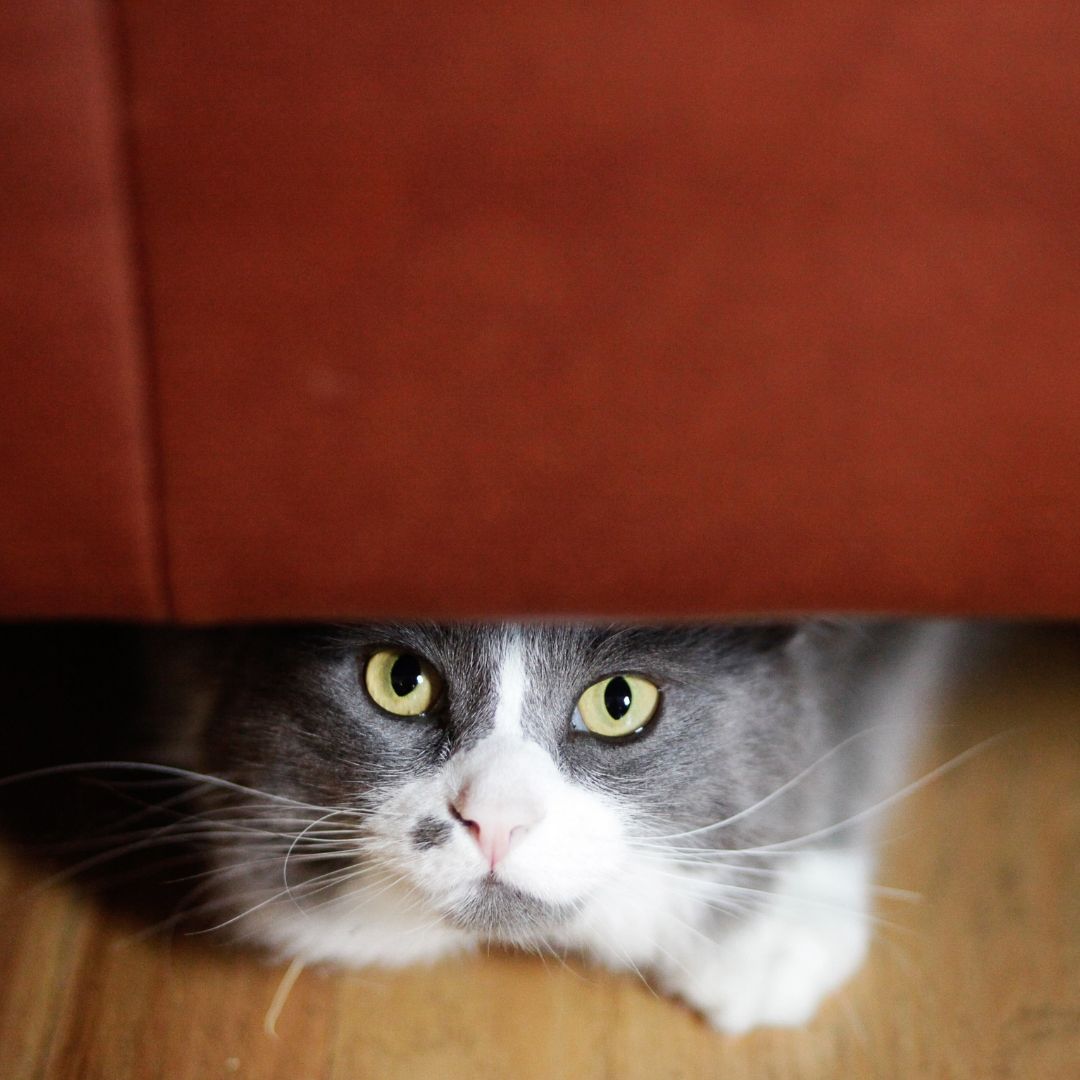
For instance, cats are masters at hiding discomfort. In the wild, it would make them a target. That instinct remains. For dogs, they might be a bit more vocal, but early illnesses can slip by as a lazy afternoon.
Make sure you pay attention to these subtle shifts, like when a bowl of food takes longer to finish, or a slight pause before your fur kid jumps onto the couch. It could be a sign of dental disease or even arthritis.
Start by thinking about your pet’s routine. That way, you know what to look for. Here are six different areas where pets may be showing signs of illness:
One of the first signs that something is off? Changes in eating or drinking habits. A pet who suddenly turns their nose up at dinner might be dealing with dental pain, upset stomach, or nausea. On the flip side, a pet who is suddenly drinking water constantly and filling the water bowl twice as fast could be showing signs of kidney concerns or diabetes.
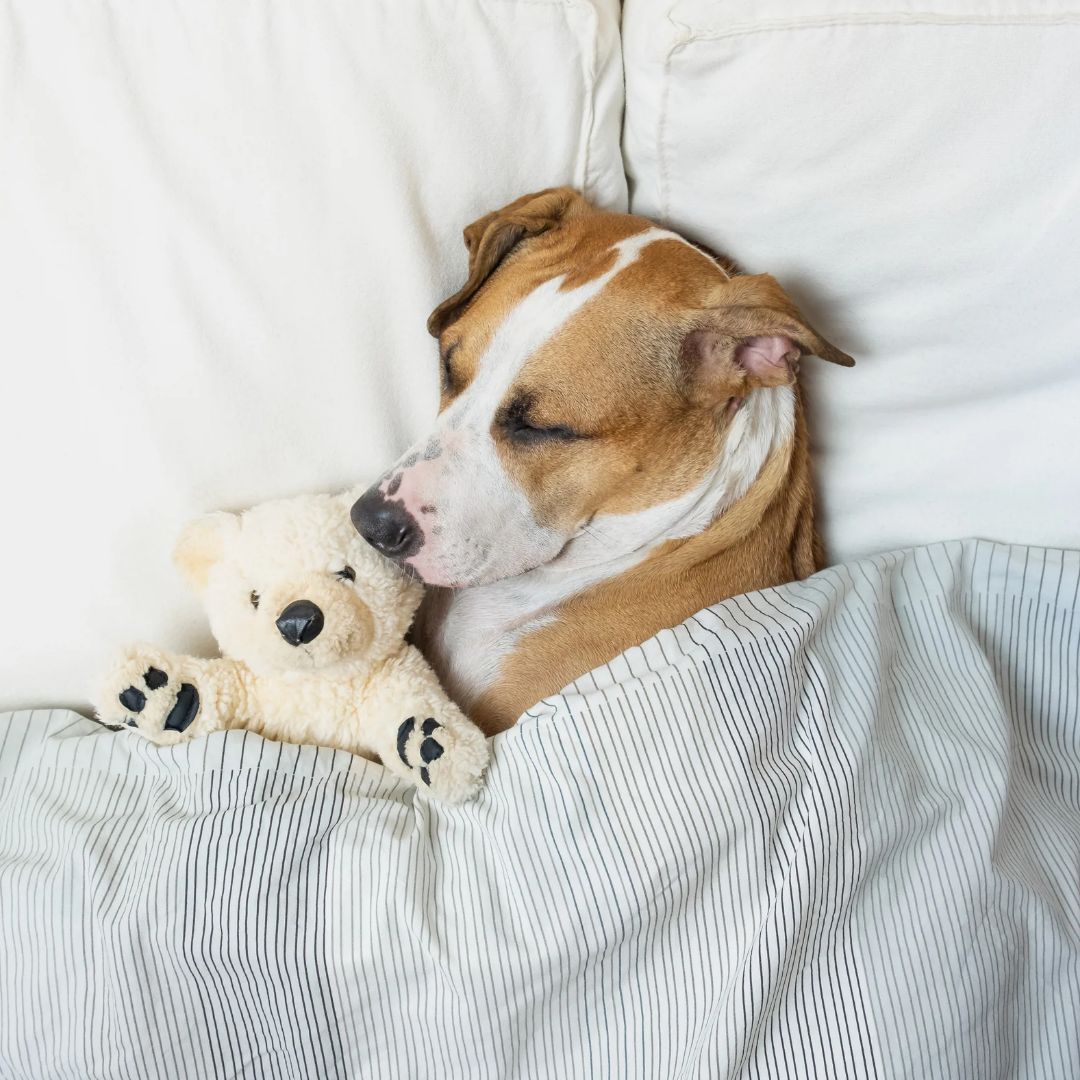
Each fur kid has their own baseline of energy. Some are energetic athletes who greet you at the door. Others prefer long naps in a sun spot. In both cases, watch for drops in energy. If your bouncy pup hesitates, or your couch potato starts hiding under the bed, take note.
It might not be the most glamorous part of pet parenthood, but checking the yard or litter box provides health clues. Pay attention to changes in frequency, consistency, or color. Straining to go, frequent small trips to the litter box, or sudden accidents inside the house are clear signs that your pet needs attention.
Stiffness isn’t just a sign that they’re getting on in years. Watch how your pet stands up after a long nap. Do they move slowly at first? Do they avoid stairs or hesitate before jumping into the car? Catching joint stiffness early allows you to offer comfort and mobility support before movement becomes painful.
A healthy pet will usually groom themselves. keeps up with their grooming routine. If your cat stops grooming and their coat looks dull, greasy, or matted, they may be in too much pain to bend and flex comfortably. Excess licking or chewing at specific spots on their paws or skin can also point to allergies, skin irritation, or localized discomfort.
Has your easygoing dog suddenly become irritable when touched around the hips? Is your quiet cat suddenly vocalizing at night? Sudden behavioral changes almost always have a physical root cause. Pain and discomfort frequently show up as irritability, anxiety, or confusion.
Think of proactive pet health like brushing your own teeth. You do it every day to prevent problems down the road, not just when a tooth starts to hurt.
It starts with the basics. Feed a balanced diet made for their age. If they have special dietary needs, a personalized veterinary nutrition plan may be helpful.
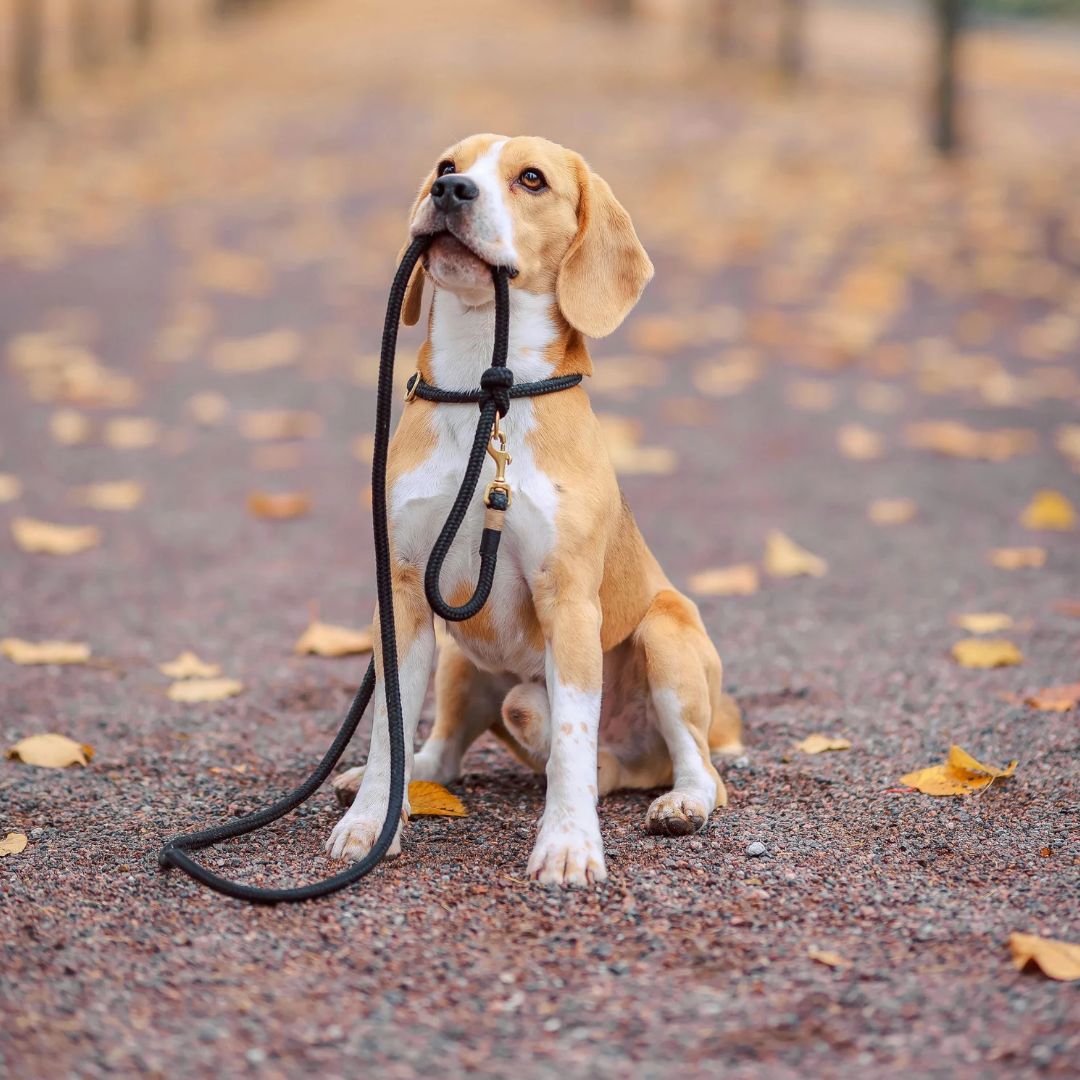
Keep them moving with gentle, daily exercise to keep those joints loose. And never skip those routine vet visits! A quick annual checkup – or twice a year for seniors – helps catch tiny health shifts.
You can also give their daily routine a little extra love with natural herbal supplements. Working alongside veterinary care, NHV supplements may help support their joints, liver, kidneys, and immune system from the inside out. Not sure what to get? Reach out to us for a free 15-minute video chat with a Pet Expert.
Building a daily wellness routine takes just a few extra minutes each morning. But for your pet, those small habits make all the difference for a long, happy life!
Save this simple checklist on your phone or fridge to keep your fur kid’s health on track.
Don’t wait for a health scare to start paying attention. Get to know your pet’s normal now!
adrenal support
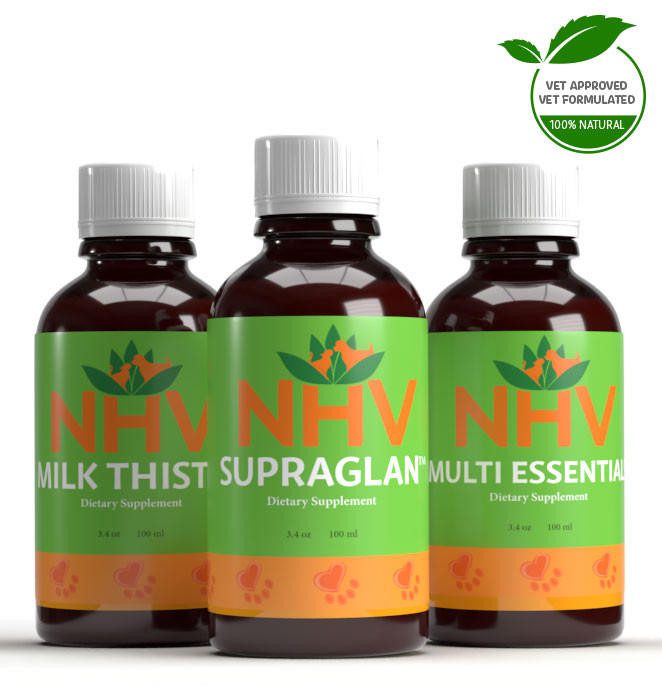
Supraglan, Milk Thistle & Multi Essentials
bundle and save with pet expert kits
3 month supply for a small to medium size pet.
What is it?
Our pet adrenal support is formulated to support and balance the adrenal glands, aid effective detoxification, and deliver vital nutrients to support metabolism and other important body processes.
How Does it Work?
Why Should I Trust It?
Supplements formulated by a holistic veterinarian and master herbalist.


What is it?
Our pet adrenal support is formulated to support and balance the adrenal glands, aid effective detoxification, and deliver vital nutrients to support metabolism and other important body processes.
How Does it Work?
Why Should I Trust It?
Supplements formulated by a holistic veterinarian and master herbalist.
Symptoms of overactive or underactive adrenal glands can often be mistaken for normal signs of aging. If your furkiddo is looking a little dull, doesn’t want to play or their appetite is all over the place, they may be suffering from an adrenal imbalance and malnutrition.
They are two small glands located next to the kidneys that work alongside the pituitary and hypothalamus glands to help regulate digestion, the immune system, and most importantly, the body’s response to stress.
When your furkiddo is stressed, their adrenal glands produce the hormones that stimulate a fight or flight response. This primal reaction can be a real lifesaver in many dangerous situations, but problems may develop when your dog or cat's adrenal system releases too much or too little of these glucocorticoid hormones. Stress can be triggered by many factors such as surgery, trauma, a change in routine, illness or even extreme weather.
Two of the most common adrenal gland disorders are Cushing’s disease (too much cortisol in the bloodstream) and Addison’s disease (too little cortisol and aldosterone).
Cushing's Disease or hyperadrenocorticism is caused by the overproduction of the hormone ACTH which is then released into the bloodstream and stimulates the adrenal glands to produce increased levels of cortisol. The adrenal glands can be pushed into overdrive from a few different causes, but most commonly, Cushing’s is caused by a tumor on the pituitary gland, known as an adenoma. As scary as this sounds, it may not be life-threatening, and if caught early, your pet may be able to maintain a good quality of life and minimize symptoms. If left untreated, this type of tumor may become metastatic and develop into cancer. The telltale signs of Cushing's disease often resemble normal aging due to symptoms like lethargy, weight gain, and a dull and dry coat. Also, age is most likely a factor as Cushing's does not usually develop in dogs until the age of ten. Although less common, Cushing’s (too much cortisol) can affect our feline friends too.
Certain breeds of dogs are more prone to Cushing’s, partly because certain breeds are more prone to stress. Poodles, Jack Russell Terriers, Beagles, and Dachshunds are a few dog breeds that are more likely to develop this kind of glandular disorder.
Addison’s Disease or hypoadrenocorticism occurs when the adrenal glands fail to produce enough hormones. Standard Poodles, Great Danes, Bearded Collies, Portuguese Water Dogs and West Highland White Terriers are some of the breeds that may be more susceptible to this glandular disorder. Addison’s Disease (too little hormone) is more common in young to middle-aged dogs and in some purebred cats.
There are two types of Addison’s Disease, primary and secondary. The primary type of Addison’s is essentially a rare autoimmune disorder where the immune system attacks the adrenal glands and damages the adrenal cortex. If your furry friend is battling tumors, other diseases or is taking vet-prescribed medications to treat Cushing's, these may be contributing factors to an underactive adrenal cortex, which leads to secondary Addison’s Disease caused by a pituitary gland tumor, long-term exposure to steroids or a side effect of suddenly pausing a medication.
The symptoms of adrenal disorders can be similar to various other health conditions in pets so your vet may recommend some in-depth diagnostic tests like a CBC, a chemistry panel, electrolyte tests and ACTH-stimulation tests to investigate your furkiddo’s symptoms.
For adrenal disease in cats or dogs with possible malnutrition (from diarrhea and excessive urination), we'd suggest adding NHV’s Adrenal Super Support and Nutritional Balance Kit to their daily meals. This bundle of natural remedies contains Supraglan, Milk thistle and Multi Essentials which have been specifically formulated for pets to gently re-balance the adrenal glands, reduce inflammation, and eliminate toxins.
An adrenal gland disorder impacts so many areas of the body. We would recommend a holistic pet adrenal support that connects and aids each of the affected areas while minimizing side effects to help your little one get their health back on track. Suplaglan is an all-natural blend of herbs specially formulated to focus on all areas affected by glandular disorders like Cushing’s or Addison's Disease. Wild yam helps restore hormone balance, licorice encourages hormone production, and borage naturally stimulates the endocrine system to rebalance adrenal cortex function and support a calmer body and mind. In addition to helping the adrenal and endocrine system, Suplaglan also contains herbs that support the kidneys, liver, and immune system, which we know are vital to maintaining a healthy body. Milk Thistle provides additional support to the liver, kidneys, and is known to encourage cell regeneration. And Multi Essentials help replenish vital nutrients that your pet may have lost from increased urination, diarrhea and a fluctuating metabolism (from unstable hormone levels).
Your pet’s health means everything to us. For our pet adrenal support kits, we have worked with a holistic veterinarian and a master herbalist to formulate gentle yet effective remedies to focus on the areas of the body most affected by Cushing’s and Addison’s disease. For any questions or concerns about your little one’s stress levels or adrenal health, don’t hesitate to reach out to an NHV Pet Expert - we are here to help!
Made with the finest, organically grown, or ethically harvested herbs. Made specifically for pets, vet-formulated and vet approved.
Supraglan
Milk Thistle
Multi Essentials
Select your pet's weight to determine the correct dose.
To be taken twice daily. Determine your pet’s weight and then use the easy chart below to determine the correct dose. This is the minimum dosage.
Pet's Weight Dosage
0 - 15 lb = 0.5 ml
16 - 30 lb = 1.0 ml
31 - 45 lb = 1.5 ml
46 - 60 lb = 2.0 ml
61 - 75 lb = 2.5 ml
Over 75 lb = 3.0 ml
For small animals (rabbits, ferrets), avians and reptiles use 1 drop for every 2 lb of body weight.
How to Administer
Shake well before use. The easiest method is to use the dropper provided and place the drops into your pet’s food or favorite treat. You can also use the dropper and squirt directly into the pet’s mouth. Some pets can be finicky, if this occurs consider hiding the drops in foods most pet’s love such as fish, chicken or yogurt or a favorite treat. If your pet only eats dry food then soak a few kibbles at feeding time.
For Best Results
Herbal dietary supplements are beneficial to the health and well-being of your pet and are safe for long-term use. Every pet responds to natural herbal supplements differently, therefore it is important to be consistent and administer the product daily. Supplements generally take two to four weeks to take effect, however this will vary from one animal to the next.
Product Storage
All NHV Natural Pet Products are pure herbal extracts and contain no artificial additives, preservatives or coloring. Shelf life after opening is 6 months and must be refrigerated after opening.
Cautions and Contraindications
Do not use Supraglan in pregnant or nursing animals. Speak to your vet before using our products. A second visit is recommended if your pet’s condition does not improve, or deteriorates after continued use of the supplements.
All information provided by NHV Natural Pet Products is for educational purposes only.
kidney & bladder support
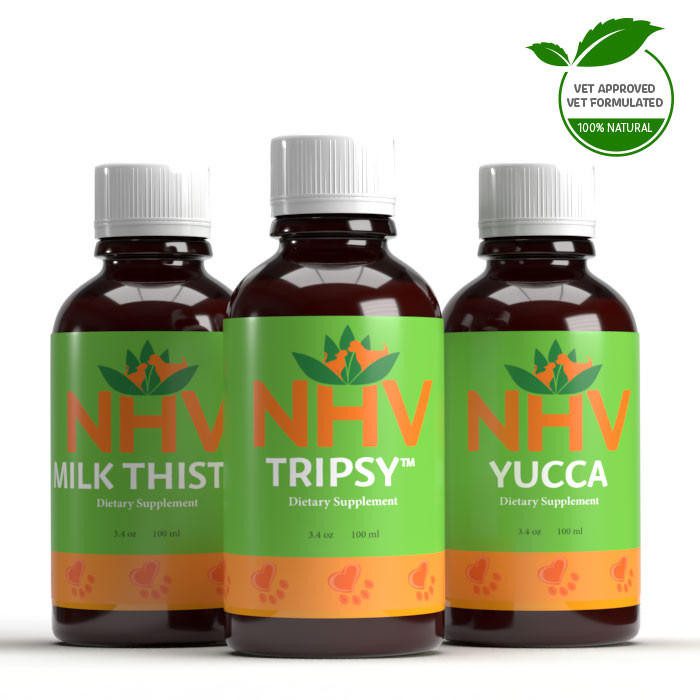
Tripsy, Milk Thistle & Yucca
bundle and save with pet expert kits
3 month supply for a small to medium size pet.
What is it?
Our Bladder Strength and Urinary Tract Health Kit contains a bundle of supplements that are formulated to help control and naturally eliminate infections, help soothe inflammation and promote urinary tract health.
How Does it Work?
Why Should I Trust It?
Natural supplements vet-approved and vet-formulated.
Some of our furry friends get abandoned in their golden years due to recurring health issues like having accidents in the house. If they are suffering from bladder stones or a UTI, they may need to use the bathroom more frequently and can’t always hold it!
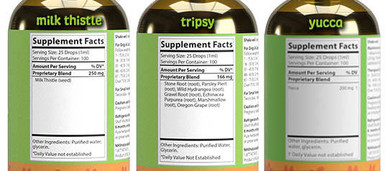
Let’s face it, no one wants to see their furkiddos suffer. A common health problem amongst our furbabies is bladder stones (struvite and oxalate) or a urinary tract infection (which is usually in the bladder). Stones may be caused by an infection, kidney or liver disease, genetics, high blood calcium levels, or a poor diet. To help your little one’s body flush out the stones, our Bladder Strength and Urinary Tract Health Kit contains Tripsy, Milk Thistle and Yucca to help promote gentle detoxification, help soothe inflammation, and promote healthy urine flow.
Bladder stones and urinary issues can cause a lot of discomfort and stress for your little one. A feline urinary tract infection and dog bladder infection symptoms may include: bloody urine, straining to pee, frequent urination and a strong odor.
Breeds at a higher risk of developing bladder stones are: the Shih Tzu, Yorkshire Terrier, Labrador Retriever, and Dachshund.
Your furkiddo’s health and wellness means everything to us. For our pet bladder and urinary tract health kits, we have worked with a holistic veterinarian and a master herbalist to formulate gentle yet effective remedies to focus on the areas of the body most affected by cat and dog bladder infection symptoms or urinary crystals. For any questions or concerns about your little one’s urinary tract health, don’t hesitate to reach out to an NHV Pet Expert - we are here to help!
Made with the finest, organically grown, or ethically harvested herbs. Made specifically for pets, vet-formulated and vet approved.
Tripsy™
Milk Thistle
Yucca
Select your pet's weight to determine the correct dose.
To be taken twice daily. Determine your pet’s weight and then use the easy chart below to determine the correct dose. This is the minimum dosage.
Pet's Weight Dosage
0 - 15 lb = 0.5 ml
16 - 30 lb = 1.0 ml
31 - 45 lb = 1.5 ml
46 - 60 lb = 2.0 ml
61 - 75 lb = 2.5 ml
Over 75 lb = 3.0 ml
For small animals (rabbits, ferrets), avians and reptiles use 1 drop for every 2 lb of body weight.
How to Administer
Shake well before use. The easiest method is to use the dropper provided and place the drops into your pet’s food or favorite treat. You can also use the dropper and squirt directly into the pet’s mouth. Some pets can be finicky, if this occurs consider hiding the drops in foods most pet’s love such as fish, chicken or yogurt or a favorite treat. If your pet only eats dry food then soak a few kibbles at feeding time.
For Best Results
Herbal dietary supplements are beneficial to the health and well-being of your pet and are safe for long-term use. Every pet responds to natural herbal supplements differently, therefore it is important to be consistent and administer the product daily. Supplements generally take two to four weeks to take effect, however this will vary from one animal to the next.
Product Storage
All NHV Natural Pet Products are pure herbal extracts and contain no artificial additives, preservatives or coloring. Shelf life after opening is 6 months and must be refrigerated after opening.
All information provided by NHV Natural Pet Products is for educational purposes only.
overall health & wellbeing
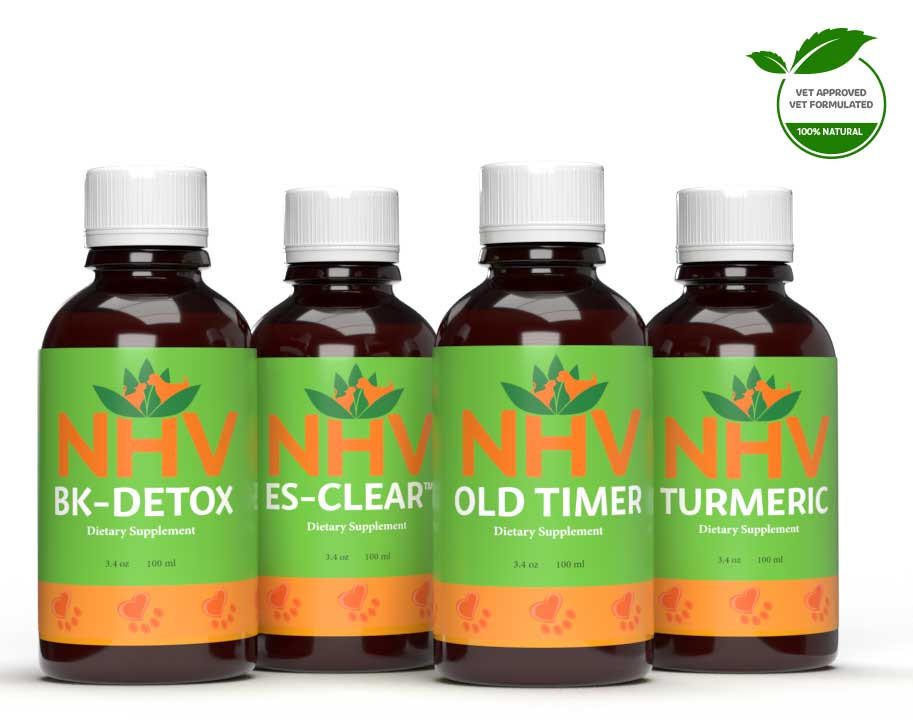
BK-Detox, ES-Clear, Old Timer, and Turmeric
bundle and save with pet expert kits
3 month supply for a small to medium size pet.
What is it?
NHV’s Degenerative Disorders Super Support Kit may help slow the degeneration process and aid the symptoms different degenerative disorders cause.
How Does it Work?
Why Should I Trust It?
Vet-formulated and vet-approved supplements, crafted with 100% natural ingredients.

What is it?
NHV’s Degenerative Disorders Super Support Kit may help slow the degeneration process and aid the symptoms different degenerative disorders cause.
How Does it Work?
Why Should I Trust It?
Vet-formulated and vet-approved supplements, crafted with 100% natural ingredients.
Does your furkid have a degenerative disorder like degenerative disc disease in dogs and cats? If so, what can you do as a pawrent to support your precious little one?
Seeing your beloved furkiddo get progressively worse off from degenerative disease in dogs and cats is devastating. Our Degenerative Disorders Super Support Kit may help slow the degeneration process and aid the symptoms different degenerative disorders cause. This bundle contains BK-Detox, ES-Clear, Old Timer, and Turmeric.
All our supplements are free of added preservatives, additives, flavorings, or artificial colors. They are also safe for long-term use, so pets with chronic conditions can keep taking them.
What is a Degenerative Disease in Dogs and Cats?
Degenerative disease in dogs and cats happens when the function of particular tissues or organ structures gradually worsens. This deterioration often begins slowly but escalates over time, so senior furkiddos are usually the most vulnerable to the condition.
What are Some Common Degenerative Disorders in Pets?
Degenerative Disc Diseases
Degenerative disc disease in dogs and cats is related to their spinal cord. It refers to the progressive destruction of furkids’ intervertebral disc, a cushion between spinal bones. As our furriends age, their disc loses moisture and hardens, which causes them to degenerate. The mobility and strength of your little one will be significantly affected as a result.
Common signs of this spinal Degenerative disc disease in dogs include limping, stiff back, and unable to lift their heads fully. In severe cases, pets may even have trouble moving their four limbs.
Degenerative Joint & Muscle Diseases
Degenerative joint diseases are the degeneration of the joint’s tissue lining, like osteoarthritis. Common symptoms of osteoarthritis include restlessness, lower energy levels, inflammation of joints, and slow, stumbling walks.
Joint discomfort and activity reduction can lead to muscle degeneration, such as atrophy. Your little one with atrophy might have weaker rear limbs, unbalanced walking, and paws dragging.
An autoimmune disease is a degenerative disorder that may cause a drop in energy, fever, and heavier breathing. You may also notice your furkiddo’s gums, eyes, or skin turning pale. These diseases show that the immune system of your furkid is overstimulated and attacking its own tissues continuously. As time advances, the damage resulting from the constant attack advances too.
Cancers
Cancer is an umbrella term for various diseases that indicate uncontrollable cell growth. These diseases could spread and progress if it is not promptly treated. Unfortunately, nearly half the doggies that are older than ten years old may develop cancer. They may experience symptoms like sudden and drastic weight loss, swollen abdomen, and wounds that don’t heal.
Early diagnosis, surgical treatment, and supplement support may offer your little one a better fighting chance. That’s why you should visit a vet as soon as you notice something is wrong with them.
On top of treatment, you can offer extra support to our furriends naturally like our kit. It may help restore furkids’ energy, gently detoxify their body and strengthen their immune systems to fight degenerative diseases.
How Exactly do NHV Supplements Support Degenerative Disease in Dogs and Cats?
Our Degenerative Disorders Super Support Kit can support your furkiddo alongside conventional medication veterinarians prescribe.
ES-Clear, our fundamental support for cancer in furkids, contains burdock and Slippery Elm. These two herbs support toxin elimination for cancer. Sheep Sorrel also has been used to support cancer and other degenerative disorders.
In addition, this supplement may reduce inflammation for furkiddos with joint and muscle degenerative disorders. It also helps improve the immune system and increase the energy levels of your little one.
Also offering support to the weakened immune system from chemotherapy is Echinacea Angustifolia in BK-Detox. Besides that, herbs like Gotu Kola, red clover, and cleavers have powerful blood-purifying and detoxifying properties. To top it all off, the high antioxidants in Gotu Kola help decelerate the degeneration process.
Turmeric in this kit also is rich in antioxidants. Studies have linked the frequent use of turmeric to lower mammary, lung, colon, and liver cancer rates.
Additionally, lab experiments show that this herb may prevent tumors from forming. The herbal extract contains curcumin which may reduce inflammation caused by arthritic conditions.
The last supplement in this kit, Old Timer, is also beneficial for joint and muscle conditions in pets. The herbal formulation has anti-inflammatory properties that may help relieve discomfort caused by inflammation in the joint and muscle regions. The astragalus in the extract may support autoimmune diseases. Last but not least, Old Timer supports the overall vitality of pets.
BK-Detox
ES-Clear
Old Timer
Turmeric
Holistic Support for Degenerative Disease in Dogs and Cats
Our supplements are created by a holistic veterinarian and master herbalist with over 50 years of experience. They have been used by thousands of pets globally for over 25 years. Our ingredients are of the highest quality, and the supplements themselves are manufactured in a GMP-certified and FDA-approved facility. So, you can rest assured that our supplements are safe for your little one.
With NHV supplements, you can help your pet maintain their health and vitality. Get in touch with a pet expert to discuss your furkiddo’s unique care plan. We are always happy to help furmilies in need!
Our furry friends want to zoom around the house and beyond when they wake up. But being afflicted by degenerative disease hinders them from doing that. Order our Degenerative Disorders Super Support Kit now to help give them that energy boost!
All NHV supplements are made with the finest quality organic or ethically harvested herbs. NHV products are full-spectrum extracts.
BK-Detox
ES-Clear
Old Timer
Turmeric
Select your pet's weight to determine the correct dose.
To be taken twice daily. Determine your pet’s weight and then use the easy chart below to determine the correct dose. This is the minimum dosage.
Pet's Weight Dosage
0 - 15 lb = 0.5 ml
16 - 30 lb = 1.0 ml
31 - 45 lb = 1.5 ml
46 - 60 lb = 2.0 ml
61 - 75 lb = 2.5 ml
Over 75 lb = 3.0 ml
How to Administer
Shake well before use. The easiest method is to use the dropper provided and place the drops into your pet’s food or favorite treat. You can also use the dropper and squirt directly into the pet’s mouth. Some pets can be finicky, if this occurs consider hiding the drops in foods most pet’s love such as fish, chicken or yogurt or a favorite treat. If your pet only eats dry food then soak a few kibbles at feeding time.
For Best Results
Herbal dietary supplements are beneficial to the health and well-being of your pet and are safe for long-term use. Every pet responds to natural herbal supplements differently, therefore it is important to be consistent and administer the product daily. Supplements generally take two to four weeks to take effect, however this will vary from one animal to the next.
Product Storage
All NHV Natural Pet Products are pure herbal extracts and contain no artificial additives, preservatives or coloring. Shelf life after opening is 6 months and must be refrigerated after opening.
All information provided by NHV Natural Pet Products is for educational purposes only.

We have a dedicated group of pet expert professionals, including veterinarians, vet techs, and other pet professionals to guide you through any questions. We’re committed to your pet’s wellness and can offer additional tips, resources, nutritional advice, and more.
Published: October 29, 2026
arthritis support
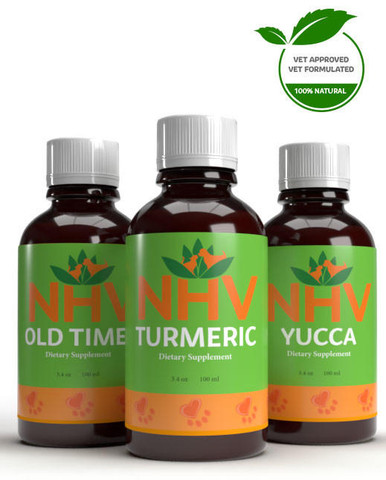
Old Timer, Turmeric & Yucca
bundle and save with pet expert kits
3 month supply for a small to medium size pet.
What is it?
NHV Arthritis and Joint Pain Super Relief Kit can help your pups manage the symptoms of arthritis discomfort and keep them peppy and happy in their endless adventures!
How Does it Work?
Why Should I Trust It?
Formulated and approved by veterinarians using 100% natural ingredients.
What is it?
NHV Arthritis and Joint Pain Super Relief Kit can help your pups manage the symptoms of arthritis discomfort and keep them peppy and happy in their endless adventures!
How Does it Work?
Why Should I Trust It?
Formulated and approved by veterinarians using 100% natural ingredients.
Have you noticed that your furkid isn’t as spry as they used to be? They may even struggle to go upstairs and go on walks with you due to arthritis in cats and dogs. As pet parents ourselves, we understand how hard it is to watch your little one suffer from the pain joint issues cause. To help them regain their bounce, supporting them is very important. Arthritis and Joint Pain Super Relief Kit may just be the support they need.
This kit can help relieve the discomfort and swelling arthritis causes, restore your little one’s vitality, and help them manage the other arthritis symptoms. Arthritis and Joint Pain Super Relief Kit contains our main cat and dog arthritis supplements - Old Timer, Yucca, and Turmeric.
How NHV Remedies Support Cat and Dog Arthritis
Old Timer is our primary support for arthritis and joint discomfort. This herbal formulation has powerful anti-inflammatory properties and may help alleviate the symptoms of arthritis in cats and dogs. Cayenne, for instance, contains capsaicin which triggers endorphins release in the brain and thus helps with relieving discomfort arthritis causes. Asian Ginseng, one of the other many herbs in this vet-formulated blend, may help reduce fatigue in your little one and restore vitality. Studies have also shown that this herb also helps with strength and agility.
Another highly nutritional supplement in this bundle, Turmeric, also helps with overall vitality. The active compound of Turmeric is curcumin; this compound benefits arthritic conditions due to its anti-inflammatory properties. Black pepper is also added to this extract to help further reduce inflammation.
The last supplement our pet experts bundled in this kit is Yucca. On top of its anti-inflammatory properties, this herb helps with the appetite and immune system of your little one. Studies have also shown that it may be effective for discomfort relief.
These supplements are free of added preservatives, additives, flavorings, or artificial colors. So please remember to refrigerate them after opening the bottle.
To further understand how our supplements can help, you should understand what arthritis is in cats and dogs.
What is Cat and Dog Arthritis?
Like arthritis in humans, arthritis in cats and dogs refers to the inflammation of their joints. It happens when the joint cartilage tears down, causing the bones to scrape against one another. The rubbing leads to swelling and progressive pain.
Since the pain and destruction are progressive and worsen over time, cat and dog arthritis is also known as degenerative joint disease. That’s why senior pets are most at risk.
Being a chronic disorder, you may wonder if this kit's supplements are safe for long-term use. Since most of our supplements are made with non-GMO vegetable glycerin, they are entirely safe for long-term usage.
One in every five dogs experiences arthritis in their lifetime; over 70% of cats aged twelve or above get this condition too. Because of how common it is, we recommend pet parents get our Arthritis and Joint Pain Super Relief Kit not only when your furkid starts having arthritis but also as proactive support.
Symptoms of Arthritis in Cats and Dogs
It is hard to tell if your little one has joint pain sometimes because they might try to hide it! But here are some typical indications you should look out for:
Go for a vet visit as soon as you notice these signs, so your furkiddo can receive suitable treatment immediately.
Additional Support for Arthritis in Cats and Dogs
Besides natural supplements and traditional treatment, gentle exercise and a balanced diet can also help relieve the discomfort arthritis may cause. If you need help coming up with a nutritional plan designed for your little one’s needs, our in-house vet, Dr. Amanda, can help.
Natural Support for Cat and Dog Arthritis
NHV’s supplements are all tested by a third party for quality assurance, and have helped thousands of pets around the world. Supplements are vet-formulated, and vet approved. Therefore, you can rest assured that they are safe for your little one.
If you have any questions regarding arthritis in cats and dogs or anything else, don’t hesitate to reach out to one of our Pet Experts! We are always here to help you and your little one through this trying time.
Support arthritis in cats and dogs now with our Arthritis and Joint Pain Super Relief Kit.
All NHV supplements are made with the finest quality organic or ethically harvested herbs. We use non-GMO vegetable glycerin as our base. NHV products are full-spectrum extracts.
Old Timer
Select your pet's weight to determine the correct dose.
To be taken twice daily. Determine your pet’s weight and then use the easy chart below to determine the correct dose. This is the minimum dosage.
Pet's Weight Dosage
0 - 15 lb = 0.5 ml
16 - 30 lb = 1.0 ml
31 - 45 lb = 1.5 ml
46 - 60 lb = 2.0 ml
61 - 75 lb = 2.5 ml
Over 75 lb = 3.0 ml
For small animals (rabbits, ferrets), avians and reptiles use 1 drop for every 2 lb of body weight.
How to Administer
Shake well before use.The easiest method is to use the dropper provided and place the drops into your pet’s food or favorite treat. You can also use the dropper and squirt directly into the pet’s mouth. Some pets can be finicky, if this occurs consider hiding the drops in foods most pet’s love such as fish, chicken or yogurt or a favourite treat. If your pet only eats dry food then soak a few kibbles at feeding time.
For Best Results
Herbal dietary supplements are beneficial to the health and well-being of your pet and are safe for long-term use. Every pet responds to natural herbal supplements differently, therefore it is important to be consistent and administer the product daily. Supplements generally take two to four weeks to take effect, however this will vary from one animal to the next.
Product Storage
All NHV Natural Pet Products are pure herbal extracts and contain no artificial additives, preservatives or coloring. Shelf life after opening is 6 months and must be refrigerated after opening.
All information provided by NHV Natural Pet Products is for educational purposes only.