discomfort support
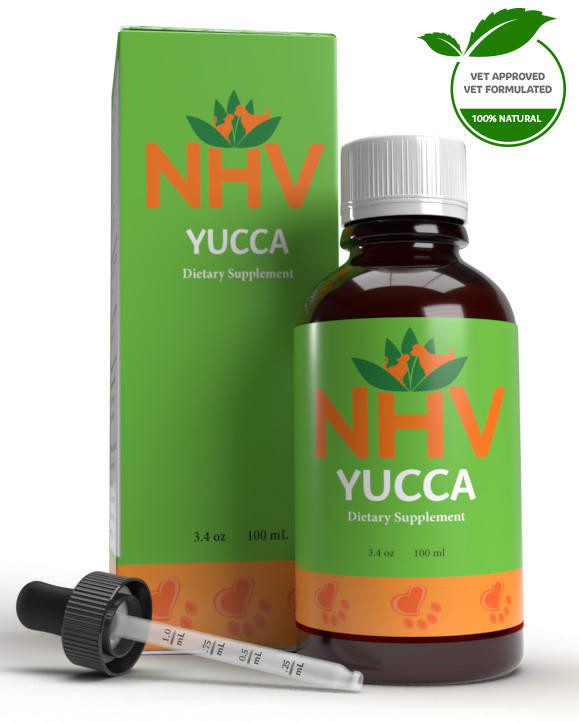
Yucca for Dogs
USD $49.95
free shipping over $100 (USA & Canada)
1-877-937-4372 the pet expert hotline


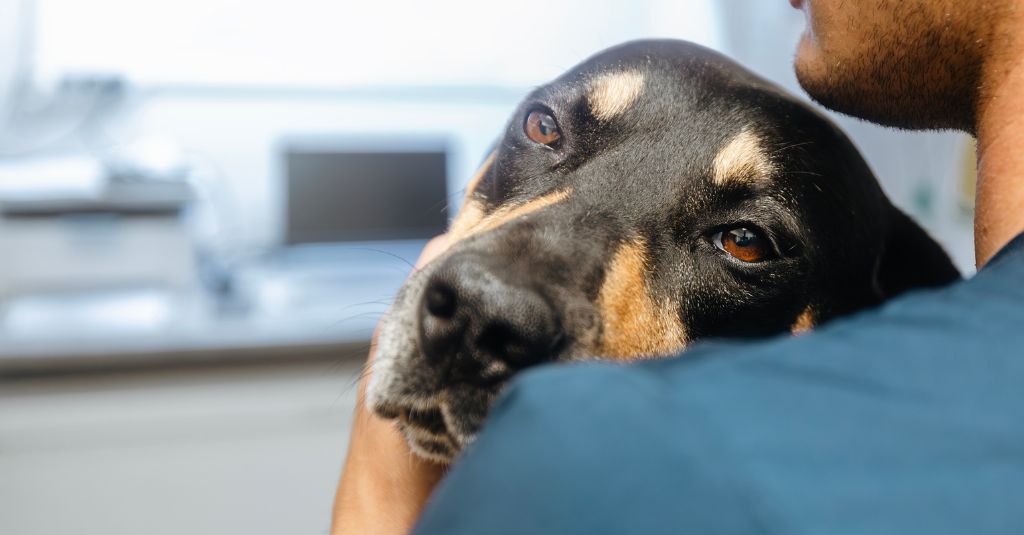
Dogs cannot tell us, “My back hurts,” or “My teeth are sore.” Instead, they often communicate pain through small changes in how they move, rest, eat, play, or interact with the people around them.
Sometimes the change is obvious, such as limping or crying out. Other times, it is much quieter, like when your dog hesitates before jumping onto the couch, no longer greets you at the door, or chooses to sleep alone more often. These changes do not always mean pain, but they are worth noticing.
The key is to know your dog’s normal. When you understand their usual appetite, energy, movement, sleep, personality, and daily routine, it becomes much easier to spot when something is not quite right.
If you are asking, “How can I know if my dog is in pain?”, start by looking for changes rather than waiting for one dramatic sign.
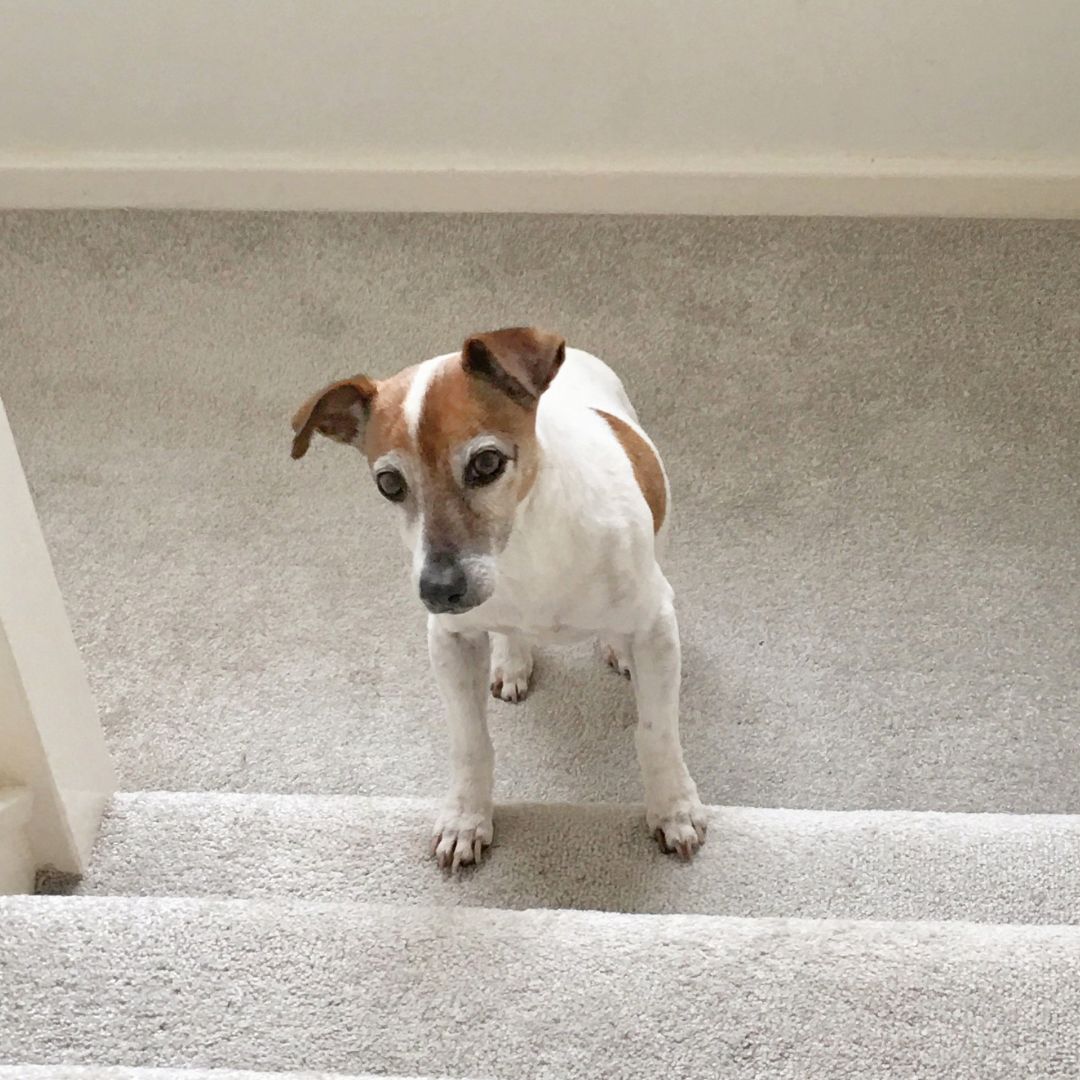
Dogs may not show pain in an obvious way. This is especially true with long-term or chronic pain, which is pain that lasts or keeps returning over time. A dog may slowly adjust their behavior to avoid movements that hurt. For example, instead of limping all day, they may stop using the stairs, walk more slowly, or choose not to play as long as they used to.
Pain can come from many causes, including arthritis, injuries, dental disease, ear infections, stomach problems, urinary problems, surgery, spinal disease, or an illness affecting internal organs. The behavior alone cannot tell us the cause, but it can tell us that your dog needs closer attention.
Veterinary pain guidelines emphasize that pain assessment should include more than a physical exam. A dog’s posture, movement, appetite, behavior, and your observations at home are all important pieces of the picture.
Every dog is different, but these are common signs a dog is in pain. One sign on its own may have another explanation, but several changes together or a change that continues should be discussed with your veterinarian.
A dog with joint or muscle pain may still want to go for a walk, but they may shorten their stride, lag behind, or seem tired sooner than usual. Dogs with mouth pain may chew on one side, drop food, or avoid crunchy treats.
Pain can interrupt rest, especially when a dog has arthritis, abdominal discomfort, or pain that becomes worse in certain positions.
A reduced appetite can happen for many reasons, including nausea, stress, dental problems, and illness. It is not a diagnosis by itself, but it should never be ignored if it is sudden or lasts more than a day, particularly in a senior dog or a dog with other symptoms.
How do dogs show pain? Often, they show it by protecting themselves. Even a normally gentle dog may react if a painful area is touched. Do not punish growling or snapping in this situation. Instead, give your dog space and arrange a veterinary assessment.
The most useful question is often not, “Does this look painful?” but, “Is this normal for my dog?”
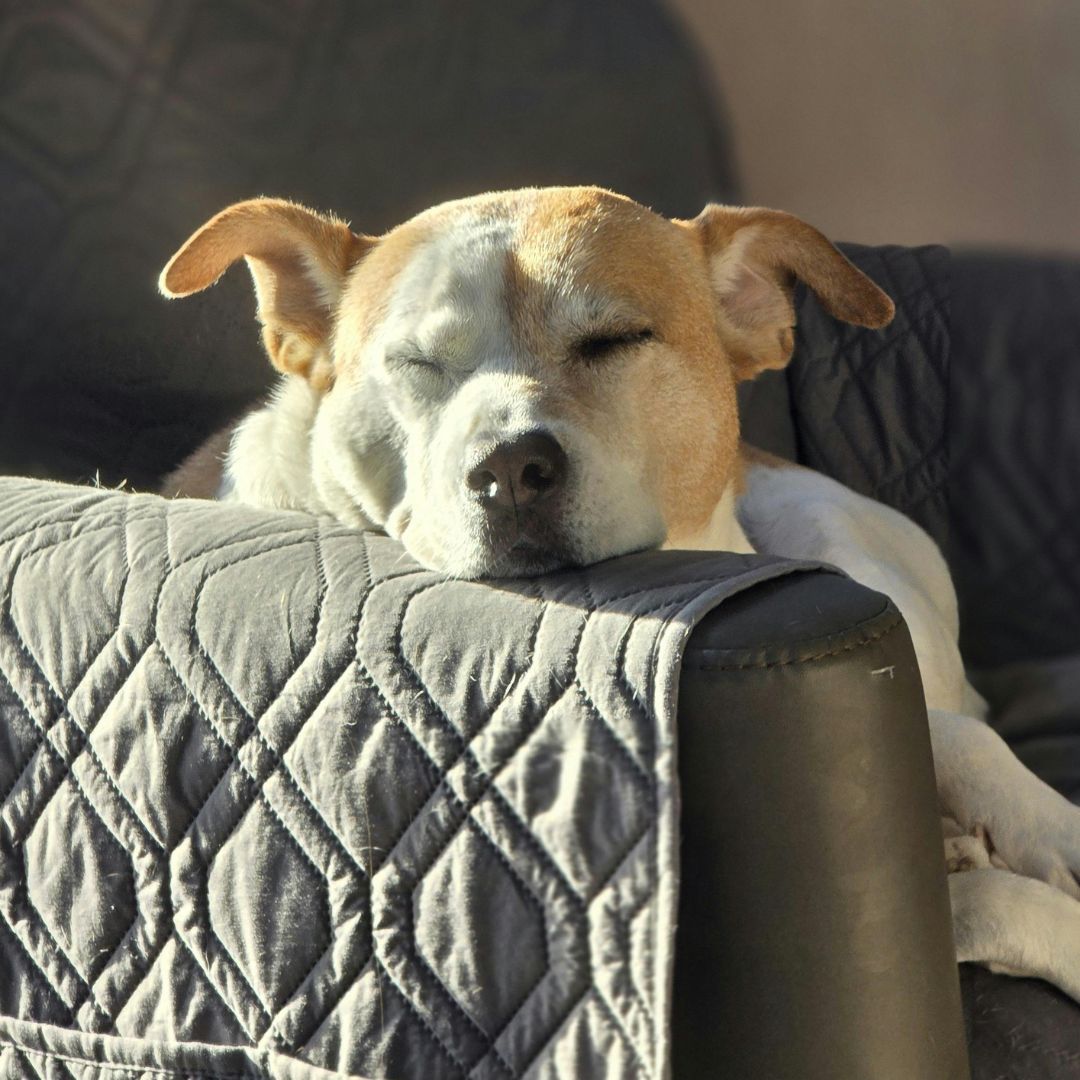
The signs of a healthy dog may look a little different from one dog to another. In general, a healthy dog has a familiar pattern of appetite, energy, movement, sleep, and interest in everyday life. They may have lazy days, of course, but they usually return to their normal routine.
Watch for changes in:
Taking short videos can be very helpful. If your dog is stiff after waking, limps on walks, struggles with stairs, or reacts when eating, record it safely from a distance. Dogs may move differently at the clinic because of excitement or stress, so a video from home can give your veterinarian valuable information.
If you are thinking, “My dog is in pain, what can I give?”, the safest first answer is: call your veterinarian before giving any medication.
Do not give your dog human pain medicines unless a veterinarian has specifically prescribed them for your dog and given you the exact dose.
Common human medications, including ibuprofen, naproxen, acetaminophen, and aspirin, can be harmful or even life-threatening to dogs when used incorrectly. The safe medication, dose, and treatment plan depend on your dog’s weight, age, health conditions, other medications, and the cause of pain.
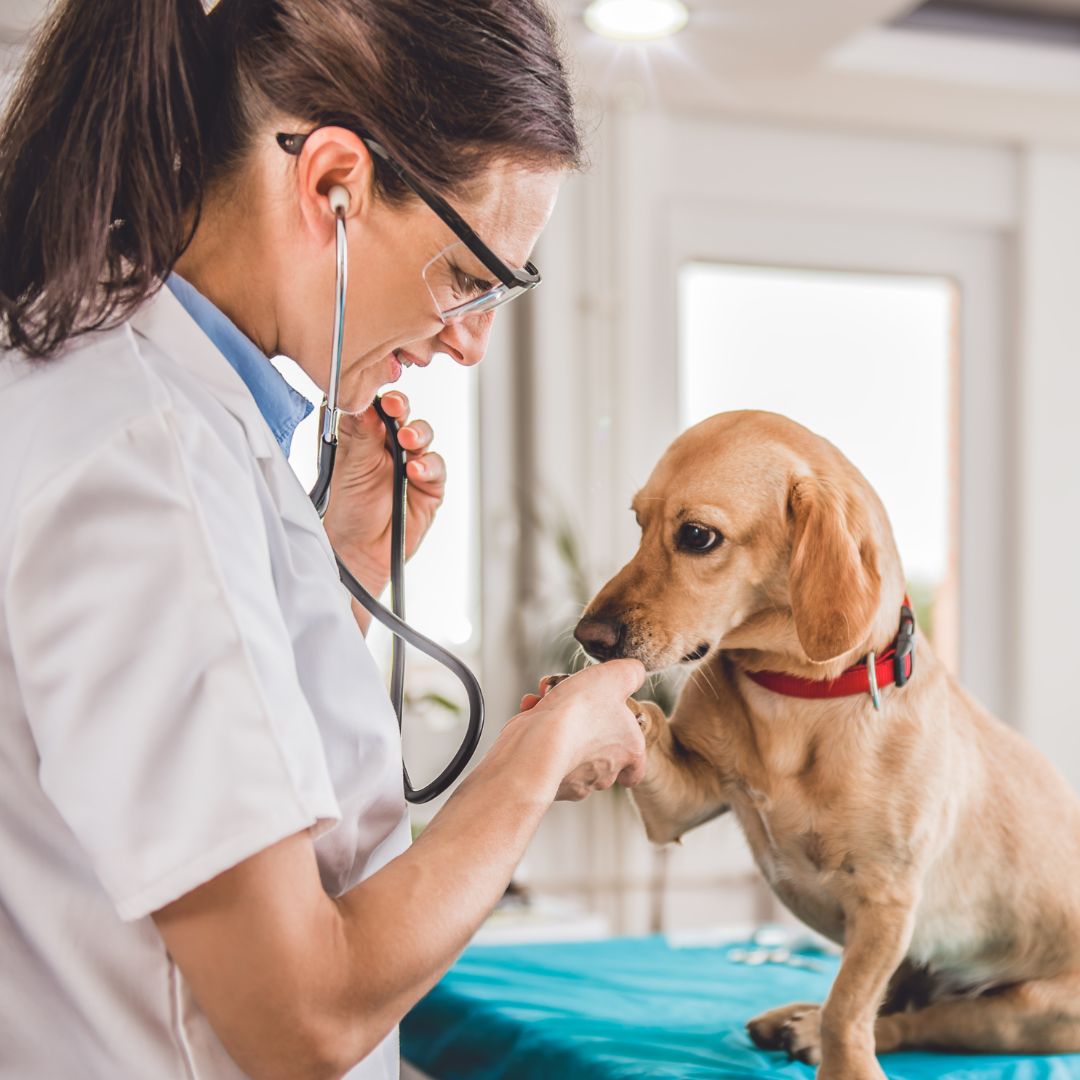
Pain treatment is not one size fits all. For example, the right plan for arthritis may be very different from the right plan for a dental infection, a torn ligament, abdominal pain, or a spinal problem.
Your veterinarian may recommend a combination of approaches, such as prescription pain relief, treating the underlying condition, weight management, controlled exercise, rehabilitation, environmental changes, or other supportive care. This is called a multimodal approach, meaning several safe tools are used together rather than relying on only one.
While you wait for veterinary guidance, keep your dog calm and comfortable. Avoid rough play, long walks, jumping, or stairs if movement appears painful. Make sure water, food, and a soft resting area are easy to reach.
Do not massage, stretch, or apply heat or cold to an injured area unless your veterinarian has advised it.
It is a good idea to contact your veterinarian when you notice ongoing or repeated dog pain symptoms, even if your dog is still eating, wagging their tail, or having some good moments. Dogs can have pain and still want to please us.
Book a veterinary appointment if your dog has:
Seek urgent veterinary care if your dog has sudden severe pain, cries out repeatedly, cannot stand or walk, has trouble breathing, collapses, has a swollen or painful abdomen, is repeatedly vomiting, is straining to urinate without producing urine, or has had a major injury.
The AAHA guidelines note that observing appetite, demeanor, behavior, posture, movement, and response to examination all matter when assessing pain. Early veterinary care can improve comfort and may prevent a problem from becoming more serious.
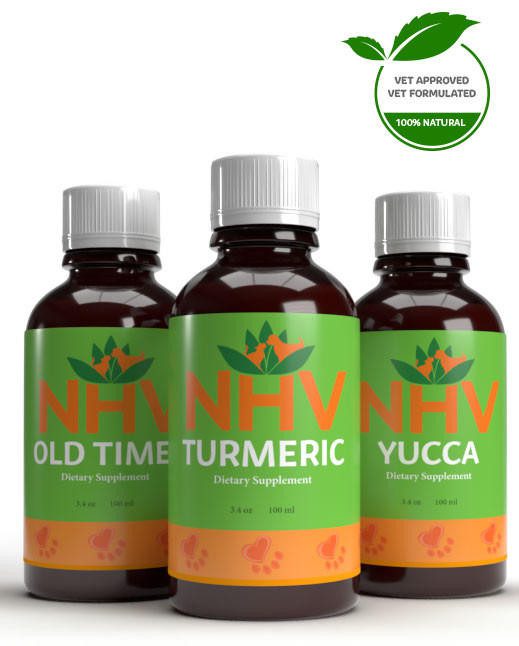
Once you’ve determined the cause of pain with your veterinarian and have made a plan with them, natural supplements may also be appropriate for pets experiencing discomfort. For instance, NHV Yucca may support a pet with joint inflammation and discomfort. Or, for more robust support for dogs with arthritis and joint discomfort, the NHV Arthritis and Joint Pain Super Relief Kit offers three vet-approved supplements for natural, complementary support.
If you’d like to know more about NHV Yucca, please reach out to us if you have any questions. Our team is here for helpful suggestions on which supplements may complement your pet’s treatment plan.
Pain is not always loud. Sometimes it looks like a slower walk, a missed jump, less interest in a favourite toy, or a dog who simply does not seem like themselves.
Knowing your dog’s normal appetite, energy, movement, behaviour, sleep, and skin and coat health helps you recognize these small changes sooner. You are the person who sees your dog every day, and your observations matter.
If you think your dog may be in pain, trust that instinct and speak with your veterinarian. A timely checkup can help find the cause, create a safe plan, and give your dog the comfort they deserve.
discomfort support
Discomfort Relief, Digestive Support, and Dog Appetite Booster
buy 2 and save $3
3 month supply for a small to medium size
What is it?
Yucca for dogs is an all-natural supplement that can be helpful in many circumstances by providing symptom relief related to inflammation, discomfort, and loss of appetite.
How does it work?
Why trust it?
NHV uses only human-grade herbs processed in a GMP-certified facility, so your pet gets the best natural support.


What is it?
Yucca for dogs is an all-natural supplement that can be helpful in many circumstances by providing symptom relief related to inflammation, discomfort, and loss of appetite.
How does it work?
Why trust it?
NHV uses only human-grade herbs processed in a GMP-certified facility, so your pet gets the best natural support.
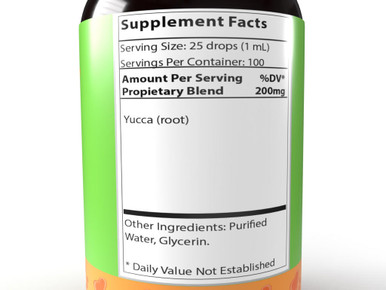
Yucca root is widely used in dog food as well as in other pet foods. It is an herb that is highly nutritive as it is rich in vitamin C, beta-carotene, B vitamins, magnesium, iron, calcium, manganese, protein, niacin, and phosphorus. Yucca contains two very beneficial compounds: sarsasapogenin and smilagenin. These two compounds work on the mucous membranes of the small intestine. These compounds help with the penetration and absorption of minerals and vitamins. Sarsasapogenin and Smilagenin are known as steroidal saponins (phytosterols), which act as precursors to corticosteroids produced naturally by the body.
Steroidal-saponins support the immune function of the body while stimulating and supporting the production of its own corticosteroids and corticosteroid–related hormones. Due to this action, studies conducted on yucca have shown that it may be beneficial and effective for discomfort and inflammation in conditions such as arthritis. Yucca may also be effective as an appetite booster in dogs and may also help reduce the production of urease, which contributes to the unpleasant odors of urine and feces in some dogs.
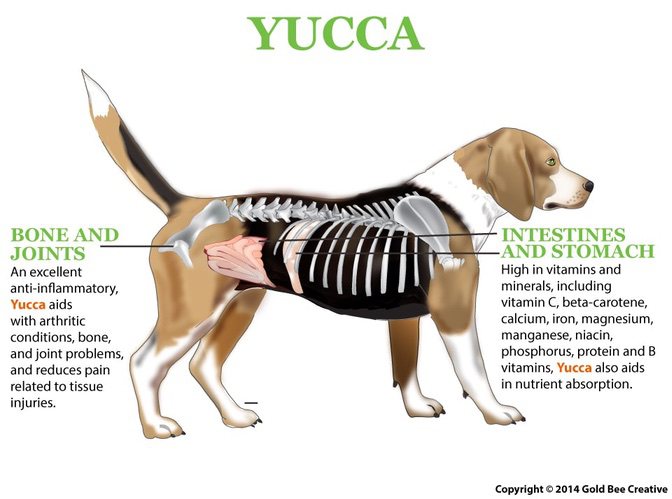
Yucca for dogs is commonly used for supporting arthritis, as an anti-inflammatory, nutritive, antitumor, and digestive. Yucca for dogs is considered a nutritive herb because it is rich in vitamins and minerals like vitamin C, beta-carotene, B vitamins, magnesium, iron, calcium, manganese, protein, niacin, and phosphorus.
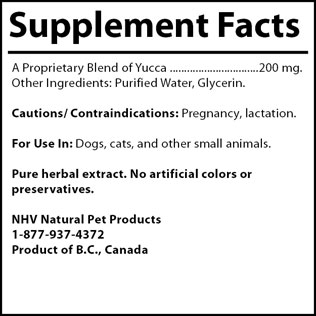
Select your pet's weight to determine the correct dose.
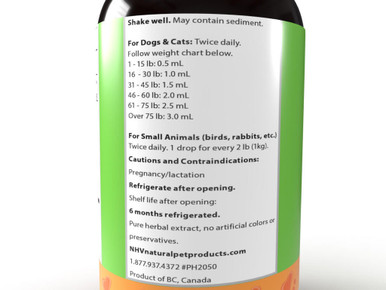
To be taken twice daily. Determine your pet’s weight and then use the easy chart below to determine the correct dose. This is the minimum dosage.
Pet's Weight Dosage
0 - 15 lb = 0.5 ml
16 - 30 lb = 1.0 ml
31 - 45 lb = 1.5 ml
46 - 60 lb = 2.0 ml
61 - 75 lb = 2.5 ml
Over 75 lb = 3.0 ml
How to Administer: Shake well before use. The easiest method is to use the dropper provided and place the drops into your pet’s food or favorite treat. You can also use the dropper and squirt directly into the pet’s mouth. Some pets can be finicky, if this occurs consider hiding the drops in foods most pet’s love such as fish, chicken or yogurt or a favorite treat. If your pet only eats dry food then soak a few kibbles at feeding time.
For Best Results: Herbal dietary supplements are beneficial to the health and well-being of your pet and are safe for long-term use. Every pet responds to natural herbal supplements differently, therefore it is important to be consistent and administer the product daily. Supplements generally take two to four weeks to take effect, however this will vary from one animal to the next.
Product Storage: All NHV Natural Pet Products are pure herbal extracts and contain no artificial additives, preservatives or coloring. Shelf life after opening is 6 months and must be refrigerated after opening.
Cautions and Contraindications: Do not use Yucca in pregnant or nursing animals. Speak to your vet before using our products. A second visit is recommended if your pet’s condition does not improve, or deteriorates after continued use of the supplements. All information provided by NHV Natural Pet Products is for educational purposes only.
Yucca root is widely used in dog food as well as in other pet foods. It is an herb that is highly nutritive as it is rich in vitamin C, beta-carotene, B vitamins, magnesium, iron, calcium, manganese, protein, niacin, and phosphorus. Yucca contains two very beneficial compounds: sarsasapogenin and smilagenin. These two compounds work on the mucous membranes of the small intestine. These compounds help with the penetration and absorption of minerals and vitamins. Sarsasapogenin and Smilagenin are known as steroidal saponins (phytosterols), which act as precursors to corticosteroids produced naturally by the body.
Steroidal-saponins support the immune function of the body while stimulating and supporting the production of its own corticosteroids and corticosteroid–related hormones. Due to this action, studies conducted on yucca have shown that it may be beneficial and effective for discomfort and inflammation in conditions such as arthritis. Yucca may also be effective as an appetite booster in dogs and may also help reduce the production of urease, which contributes to the unpleasant odors of urine and feces in some dogs.
Yucca for dogs is commonly used for supporting arthritis, as an anti-inflammatory, nutritive, antitumor, and digestive. Yucca for dogs is considered a nutritive herb because it is rich in vitamins and minerals like vitamin C, beta-carotene, B vitamins, magnesium, iron, calcium, manganese, protein, niacin, and phosphorus.
Select your pet's weight to determine the correct dose.
To be taken twice daily. Determine your pet’s weight and then use the easy chart below to determine the correct dose. This is the minimum dosage.
Pet's Weight Dosage
0 - 15 lb = 0.5 ml
16 - 30 lb = 1.0 ml
31 - 45 lb = 1.5 ml
46 - 60 lb = 2.0 ml
61 - 75 lb = 2.5 ml
Over 75 lb = 3.0 ml
How to Administer: Shake well before use. The easiest method is to use the dropper provided and place the drops into your pet’s food or favorite treat. You can also use the dropper and squirt directly into the pet’s mouth. Some pets can be finicky, if this occurs consider hiding the drops in foods most pet’s love such as fish, chicken or yogurt or a favorite treat. If your pet only eats dry food then soak a few kibbles at feeding time.
For Best Results: Herbal dietary supplements are beneficial to the health and well-being of your pet and are safe for long-term use. Every pet responds to natural herbal supplements differently, therefore it is important to be consistent and administer the product daily. Supplements generally take two to four weeks to take effect, however this will vary from one animal to the next.
Product Storage: All NHV Natural Pet Products are pure herbal extracts and contain no artificial additives, preservatives or coloring. Shelf life after opening is 6 months and must be refrigerated after opening.
Cautions and Contraindications: Do not use Yucca in pregnant or nursing animals. Speak to your vet before using our products. A second visit is recommended if your pet’s condition does not improve, or deteriorates after continued use of the supplements. All information provided by NHV Natural Pet Products is for educational purposes only.
senior support
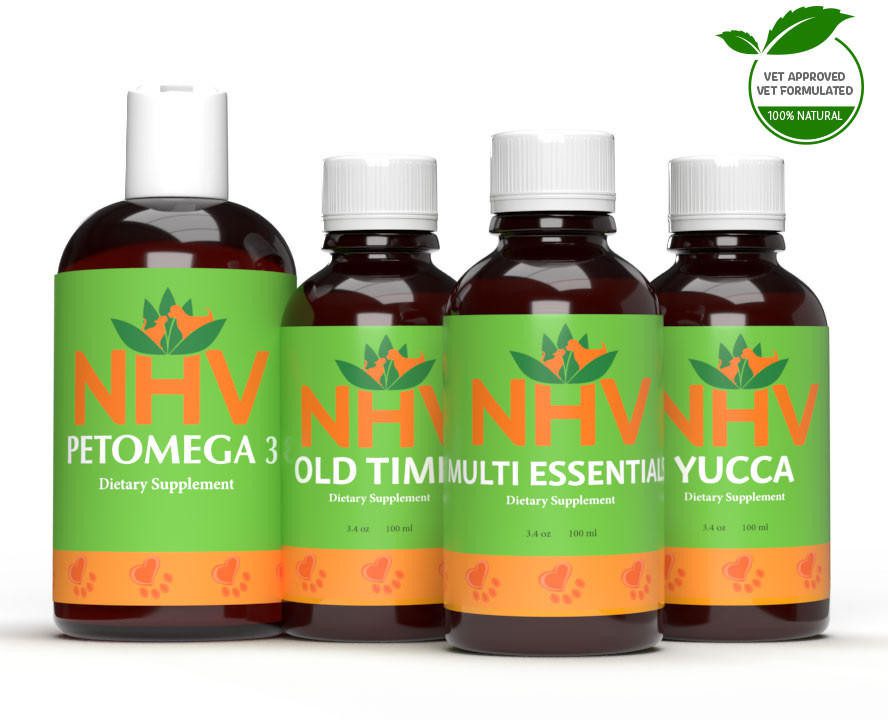
PetOmega 3, Multi Essentials, Yucca & Old Timer
bundle and save with pet expert kits
3 month supply for a small to medium size
What is it?
NHV’s Vitality Kit for Senior Pets is a comprehensive bundle that supports overall joint, skin, and coat health as well as helps slow down or prevent chronic illness.
How does it work?
Why trust it?
NHV is a proud member of the American Holistic Veterinary Medical Association (AHVMA).

What is it?
NHV’s Vitality Kit for Senior Pets is a comprehensive bundle that supports overall joint, skin, and coat health as well as helps slow down or prevent chronic illness.
How does it work?
Why trust it?
NHV is a proud member of the American Holistic Veterinary Medical Association (AHVMA).
Regardless of what age your furry friend is when you take them home, it is always tough to see them get older or fall ill. As pet parents, we need to enjoy every moment together, have lots of patience, and lend a hand when they need it. NHV Vitality Kit for Senior Pets contains Petomega3, Old Timer, Multi Essentials, and Yucca to encourage healthy skin and coat, help relieve stiff joints, help fill nutritional voids, and promote overall vitality so your pets may keep their pep for years to come.
For pet parents with purebred furbabies, check out our dog breed and cat breed pages to become better acquainted with your pet’s unique history and personality.
Just like humans, our aging furry friends may have a few more bumps, bruises, and scrapes as the years go by. That's totally normal! We all require varying levels of support at different points in our lives.
Additional Info:
Common Issues in Senior Pets:
It’s great to know that there are ways to support your furkiddo’s health naturally! Apart from adding supplements to their daily care plan, if you’re wondering about senior dog food or senior cat food options, a personalized diet for your pet, created by Dr. Amanda, is a great way to support your furry friend’s aging body and unique health needs.
Made with the finest, organically grown, or ethically harvested herbs. Made specifically for pets, vet-formulated, and vet approved.
Petomega 3
Old Timer
Multi Essentials
Yucca
Select your pet's weight to determine the correct dose.
MULTI ESSENTIALS, YUCCA, OLD TIMER
To be taken twice daily. Determine your pet’s weight and then use the easy chart below to determine the correct dose. This is the minimum dosage.
Pet's Weight Dosage
0 - 15 lb = 0.5 ml
16 - 30 lb = 1.0 ml
31 - 45 lb = 1.5 ml
46 - 60 lb = 2.0 ml
61 - 75 lb = 2.5 ml
Over 75 lb = 3.0 ml
How to Administer
Shake well before use. The easiest method is to use the dropper provided and place the drops into your pet’s food or favorite treat. You can also use the dropper and squirt directly into the pet’s mouth. Some pets can be finicky, if this occurs consider hiding the drops in foods most pet’s love such as fish, chicken or yogurt or a favorite treat. If your pet only eats dry food then soak a few kibbles at feeding time.
PETOMEGA 3
Suggested Dosage: To be taken once per day. Add to food based on weight chart.
Therapeutic Dosage: Double the quantity for maximum period of 4 weeks or follow veterinarian advise.
0-15 lb = ¼ tsp
15-30 lb = ½ tsp
30-60 lb = 1 tsp
60-90 lb = 1 ½ tsp
For Best Results
Herbal dietary supplements are beneficial to the health and well-being of your pet and are safe for long-term use. Every pet responds to natural herbal supplements differently, therefore it is important to be consistent and administer the product daily. Supplements generally take two to four weeks to take effect, however this will vary from one animal to the next.
Product Storage
All NHV Natural Pet Products are pure herbal extracts and contain no artificial additives, preservatives or coloring. Shelf life after opening is 6 months and must be refrigerated after opening.
Cautions and Contraindications
Do not use in pregnant or nursing animals.
All information provided by NHV Natural Pet Products is for educational purposes only.
Regardless of what age your furry friend is when you take them home, it is always tough to see them get older or fall ill. As pet parents, we need to enjoy every moment together, have lots of patience, and lend a hand when they need it. NHV Vitality Kit for Senior Pets contains Petomega3, Old Timer, Multi Essentials, and Yucca to encourage healthy skin and coat, help relieve stiff joints, help fill nutritional voids, and promote overall vitality so your pets may keep their pep for years to come.
For pet parents with purebred furbabies, check out our dog breed and cat breed pages to become better acquainted with your pet’s unique history and personality.
Just like humans, our aging furry friends may have a few more bumps, bruises, and scrapes as the years go by. That's totally normal! We all require varying levels of support at different points in our lives.
Additional Info:
Common Issues in Senior Pets:
It’s great to know that there are ways to support your furkiddo’s health naturally! Apart from adding supplements to their daily care plan, if you’re wondering about senior dog food or senior cat food options, a personalized diet for your pet, created by Dr. Amanda, is a great way to support your furry friend’s aging body and unique health needs.
Made with the finest, organically grown, or ethically harvested herbs. Made specifically for pets, vet-formulated, and vet approved.
Petomega 3
Old Timer
Multi Essentials
Yucca
Select your pet's weight to determine the correct dose.
MULTI ESSENTIALS, YUCCA, OLD TIMER
To be taken twice daily. Determine your pet’s weight and then use the easy chart below to determine the correct dose. This is the minimum dosage.
Pet's Weight Dosage
0 - 15 lb = 0.5 ml
16 - 30 lb = 1.0 ml
31 - 45 lb = 1.5 ml
46 - 60 lb = 2.0 ml
61 - 75 lb = 2.5 ml
Over 75 lb = 3.0 ml
How to Administer
Shake well before use. The easiest method is to use the dropper provided and place the drops into your pet’s food or favorite treat. You can also use the dropper and squirt directly into the pet’s mouth. Some pets can be finicky, if this occurs consider hiding the drops in foods most pet’s love such as fish, chicken or yogurt or a favorite treat. If your pet only eats dry food then soak a few kibbles at feeding time.
PETOMEGA 3
Suggested Dosage: To be taken once per day. Add to food based on weight chart.
Therapeutic Dosage: Double the quantity for maximum period of 4 weeks or follow veterinarian advise.
0-15 lb = ¼ tsp
15-30 lb = ½ tsp
30-60 lb = 1 tsp
60-90 lb = 1 ½ tsp
For Best Results
Herbal dietary supplements are beneficial to the health and well-being of your pet and are safe for long-term use. Every pet responds to natural herbal supplements differently, therefore it is important to be consistent and administer the product daily. Supplements generally take two to four weeks to take effect, however this will vary from one animal to the next.
Product Storage
All NHV Natural Pet Products are pure herbal extracts and contain no artificial additives, preservatives or coloring. Shelf life after opening is 6 months and must be refrigerated after opening.
Cautions and Contraindications
Do not use in pregnant or nursing animals.
All information provided by NHV Natural Pet Products is for educational purposes only.
joint support
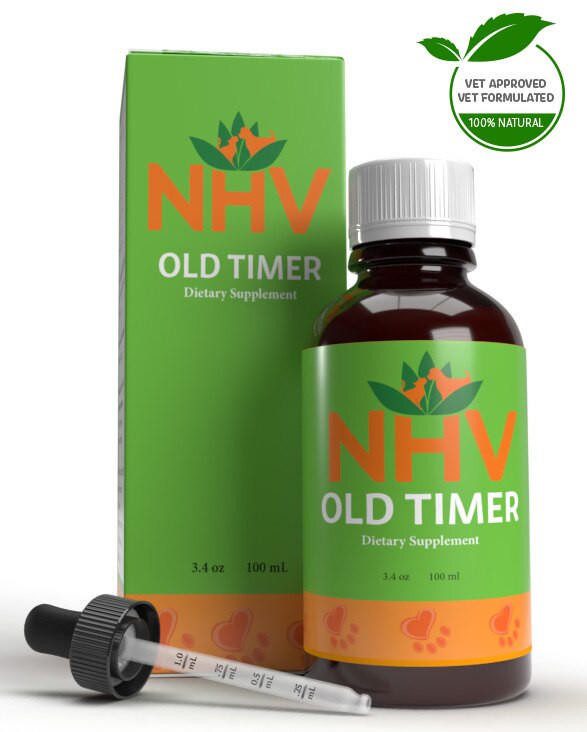
Natural dog joint support to alleviate arthritis, muscle, and joint discomfort
buy 2 and save $3
3 month supply for a small to medium size pet
What Is It?
NHV’s Old Timer is a natural supplement that helps alleviate arthritis, muscle, and joint discomfort.
How Does it Work?
Why Should I Trust It?
Vet-approved and vet-formulated.
What Is It?
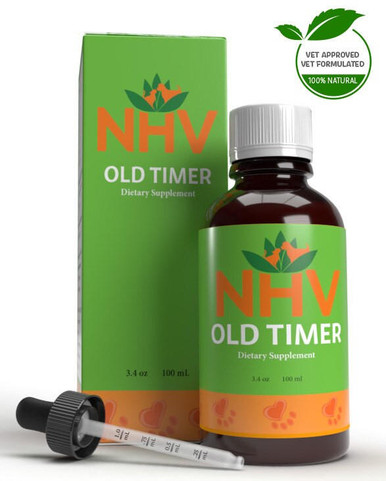
NHV’s Old Timer is a natural supplement that helps alleviate arthritis, muscle, and joint discomfort.
How Does it Work?
Why Should I Trust It?
Vet-approved and vet-formulated.
NHV’s Old Timer joint support for dogs provides your canine companion with natural support to help alleviate arthritis, muscle, and joint discomfort.
Getting older is never easy, especially for dogs. Arthritis is a degenerative disease that progresses with age. It is a debilitating condition that can lead to impaired mobility and even hip dysplasia in dogs.
Finding the right supplements for older dogs can be a challenge, but NHV’s supplements are safe to be given along with any vet prescribed medications. NHV Old Timer can be given to dogs of any age. In fact, we would recommend starting the Old Timer at mid-age even before severe arthritis develops, as a natural and effective proactive care regimen.
We also have a complete Rejuvenation Kit for arthritis and joint discomfort.
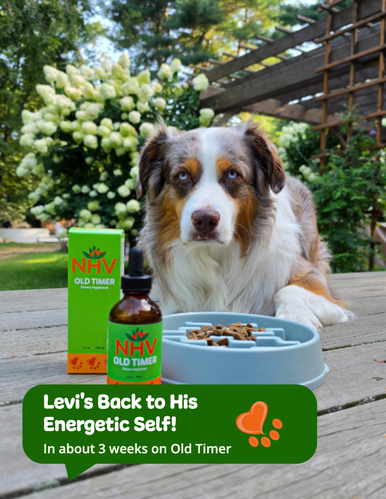
Just because your dog is getting older doesn’t mean playtime is over. Read how Snuku bounces back from arthritis with Old Timer dog joint support supplements.
If you have questions, you can ask an NHV expert because we are here to help give guidance and support so your precious pooch can jump for joy and raise the ruff!
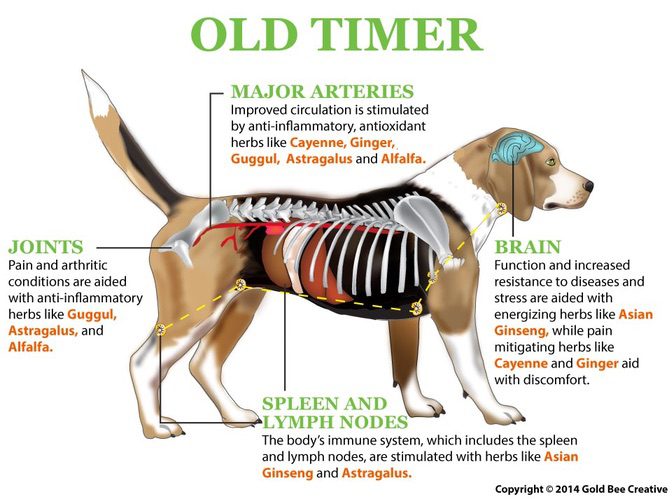
Six potent herbal ingredients will target the entire body to provide dogs support with joints, spleen, lymph nodes, major arteries.
Select your pet's weight to determine the correct dose.
To be taken twice daily. Determine your pet’s weight and then use the easy chart below to determine the correct dose. This is the minimum dosage.
Pet's Weight Dosage
0 - 15 lb = 0.5 ml
16 - 30 lb = 1.0 ml
31 - 45 lb = 1.5 ml
46 - 60 lb = 2.0 ml
61 - 75 lb = 2.5 ml
Over 75 lb = 3.0 ml
How to Administer
Shake well before use. The easiest method is to use the dropper provide and places the drops into your pet’s food or favorite treat. You can also use the dropper and squirt directly into the pet’s mouth.
Some pets can be finicky, if this occurs consider hiding the drops in foods most pet’s love such as fish, chicken or yogurt or a favorite treat. If your pet only eats dry food then soak a few kibbles at feeding time.
For Best Results
Herbal dietary supplements are beneficial to the health and wellbeing of your pet and are safe for long-term use. Every pet responds to natural herbal supplements differently, therefore it is important to be consistent and administer the product daily. Supplements generally take two to four weeks to take effect, however this will vary from one animal to the next.
Product Storage
All NHV Natural Pet Products are pure herbal extracts and contain no artificial additives, preservatives or coloring. Shelf life after opening is 6 months and must be refrigerated after opening.
Cautions and Contraindications
Do not use Old Timer in pregnant or nursing animals. Should be used in moderation in cases of sensitive digestive tract. Speak to your vet before using our products. A second visit is recommended if your pet’s condition does not improve, or deteriorates after continued use of the supplements.
All information provided by NHV Natural Pet Products is for educational purposes only.
NHV’s Old Timer joint support for dogs provides your canine companion with natural support to help alleviate arthritis, muscle, and joint discomfort.
Getting older is never easy, especially for dogs. Arthritis is a degenerative disease that progresses with age. It is a debilitating condition that can lead to impaired mobility and even hip dysplasia in dogs.
Finding the right supplements for older dogs can be a challenge, but NHV’s supplements are safe to be given along with any vet prescribed medications. NHV Old Timer can be given to dogs of any age. In fact, we would recommend starting the Old Timer at mid-age even before severe arthritis develops, as a natural and effective proactive care regimen.
We also have a complete Rejuvenation Kit for arthritis and joint discomfort.
Just because your dog is getting older doesn’t mean playtime is over. Read how Snuku bounces back from arthritis with Old Timer dog joint support supplements.
If you have questions, you can ask an NHV expert because we are here to help give guidance and support so your precious pooch can jump for joy and raise the ruff!
Six potent herbal ingredients will target the entire body to provide dogs support with joints, spleen, lymph nodes, major arteries.
Select your pet's weight to determine the correct dose.
To be taken twice daily. Determine your pet’s weight and then use the easy chart below to determine the correct dose. This is the minimum dosage.
Pet's Weight Dosage
0 - 15 lb = 0.5 ml
16 - 30 lb = 1.0 ml
31 - 45 lb = 1.5 ml
46 - 60 lb = 2.0 ml
61 - 75 lb = 2.5 ml
Over 75 lb = 3.0 ml
How to Administer
Shake well before use. The easiest method is to use the dropper provide and places the drops into your pet’s food or favorite treat. You can also use the dropper and squirt directly into the pet’s mouth.
Some pets can be finicky, if this occurs consider hiding the drops in foods most pet’s love such as fish, chicken or yogurt or a favorite treat. If your pet only eats dry food then soak a few kibbles at feeding time.
For Best Results
Herbal dietary supplements are beneficial to the health and wellbeing of your pet and are safe for long-term use. Every pet responds to natural herbal supplements differently, therefore it is important to be consistent and administer the product daily. Supplements generally take two to four weeks to take effect, however this will vary from one animal to the next.
Product Storage
All NHV Natural Pet Products are pure herbal extracts and contain no artificial additives, preservatives or coloring. Shelf life after opening is 6 months and must be refrigerated after opening.
Cautions and Contraindications
Do not use Old Timer in pregnant or nursing animals. Should be used in moderation in cases of sensitive digestive tract. Speak to your vet before using our products. A second visit is recommended if your pet’s condition does not improve, or deteriorates after continued use of the supplements.
All information provided by NHV Natural Pet Products is for educational purposes only.

Dr. Mehdi Sharbafi graduated from Tehran University in 2014, earning his DVM. He is a dedicated and compassionate Vet Expert at NHV with experience spanning clinical practice, emergency medicine, and infectious diseases. He provides empathetic guidance and elevates the customer experience for pet parents seeking natural support. As a cat dad to Hana and Silky, he understands how cats and dogs are more than just pets; they’re family. Though sometimes, he feels a bit less like a cat dad and more like a tenant to these bossy felines!
Published: September 16, 2026
arthritis support
Old Timer, Turmeric & Yucca
bundle and save with pet expert kits
3 month supply for a small to medium size pet.
What is it?
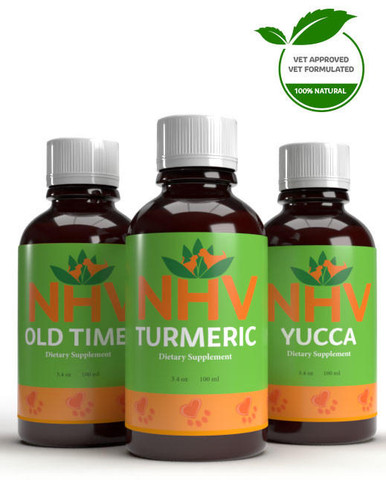
NHV Arthritis and Joint Pain Super Relief Kit can help your pups manage the symptoms of arthritis discomfort and keep them peppy and happy in their endless adventures!
How Does it Work?
Why Should I Trust It?
Formulated and approved by veterinarians using 100% natural ingredients.
What is it?
NHV Arthritis and Joint Pain Super Relief Kit can help your pups manage the symptoms of arthritis discomfort and keep them peppy and happy in their endless adventures!
How Does it Work?
Why Should I Trust It?
Formulated and approved by veterinarians using 100% natural ingredients.
Have you noticed that your furkid isn’t as spry as they used to be? They may even struggle to go upstairs and go on walks with you due to arthritis in cats and dogs. As pet parents ourselves, we understand how hard it is to watch your little one suffer from the pain joint issues cause. To help them regain their bounce, supporting them is very important. Arthritis and Joint Pain Super Relief Kit may just be the support they need.
This kit can help relieve the discomfort and swelling arthritis causes, restore your little one’s vitality, and help them manage the other arthritis symptoms. Arthritis and Joint Pain Super Relief Kit contains our main cat and dog arthritis supplements - Old Timer, Yucca, and Turmeric.
How NHV Remedies Support Cat and Dog Arthritis
Old Timer is our primary support for arthritis and joint discomfort. This herbal formulation has powerful anti-inflammatory properties and may help alleviate the symptoms of arthritis in cats and dogs. Cayenne, for instance, contains capsaicin which triggers endorphins release in the brain and thus helps with relieving discomfort arthritis causes. Asian Ginseng, one of the other many herbs in this vet-formulated blend, may help reduce fatigue in your little one and restore vitality. Studies have also shown that this herb also helps with strength and agility.
Another highly nutritional supplement in this bundle, Turmeric, also helps with overall vitality. The active compound of Turmeric is curcumin; this compound benefits arthritic conditions due to its anti-inflammatory properties. Black pepper is also added to this extract to help further reduce inflammation.
The last supplement our pet experts bundled in this kit is Yucca. On top of its anti-inflammatory properties, this herb helps with the appetite and immune system of your little one. Studies have also shown that it may be effective for discomfort relief.
These supplements are free of added preservatives, additives, flavorings, or artificial colors. So please remember to refrigerate them after opening the bottle.
To further understand how our supplements can help, you should understand what arthritis is in cats and dogs.
What is Cat and Dog Arthritis?
Like arthritis in humans, arthritis in cats and dogs refers to the inflammation of their joints. It happens when the joint cartilage tears down, causing the bones to scrape against one another. The rubbing leads to swelling and progressive pain.
Since the pain and destruction are progressive and worsen over time, cat and dog arthritis is also known as degenerative joint disease. That’s why senior pets are most at risk.
Being a chronic disorder, you may wonder if this kit's supplements are safe for long-term use. Since most of our supplements are made with non-GMO vegetable glycerin, they are entirely safe for long-term usage.
One in every five dogs experiences arthritis in their lifetime; over 70% of cats aged twelve or above get this condition too. Because of how common it is, we recommend pet parents get our Arthritis and Joint Pain Super Relief Kit not only when your furkid starts having arthritis but also as proactive support.
Symptoms of Arthritis in Cats and Dogs
It is hard to tell if your little one has joint pain sometimes because they might try to hide it! But here are some typical indications you should look out for:
Go for a vet visit as soon as you notice these signs, so your furkiddo can receive suitable treatment immediately.
Additional Support for Arthritis in Cats and Dogs
Besides natural supplements and traditional treatment, gentle exercise and a balanced diet can also help relieve the discomfort arthritis may cause. If you need help coming up with a nutritional plan designed for your little one’s needs, our in-house vet, Dr. Amanda, can help.
Natural Support for Cat and Dog Arthritis
NHV’s supplements are all tested by a third party for quality assurance, and have helped thousands of pets around the world. Supplements are vet-formulated, and vet approved. Therefore, you can rest assured that they are safe for your little one.
If you have any questions regarding arthritis in cats and dogs or anything else, don’t hesitate to reach out to one of our Pet Experts! We are always here to help you and your little one through this trying time.
Support arthritis in cats and dogs now with our Arthritis and Joint Pain Super Relief Kit.
All NHV supplements are made with the finest quality organic or ethically harvested herbs. We use non-GMO vegetable glycerin as our base. NHV products are full-spectrum extracts.
Old Timer
Select your pet's weight to determine the correct dose.
To be taken twice daily. Determine your pet’s weight and then use the easy chart below to determine the correct dose. This is the minimum dosage.
Pet's Weight Dosage
0 - 15 lb = 0.5 ml
16 - 30 lb = 1.0 ml
31 - 45 lb = 1.5 ml
46 - 60 lb = 2.0 ml
61 - 75 lb = 2.5 ml
Over 75 lb = 3.0 ml
For small animals (rabbits, ferrets), avians and reptiles use 1 drop for every 2 lb of body weight.
How to Administer
Shake well before use.The easiest method is to use the dropper provided and place the drops into your pet’s food or favorite treat. You can also use the dropper and squirt directly into the pet’s mouth. Some pets can be finicky, if this occurs consider hiding the drops in foods most pet’s love such as fish, chicken or yogurt or a favourite treat. If your pet only eats dry food then soak a few kibbles at feeding time.
For Best Results
Herbal dietary supplements are beneficial to the health and well-being of your pet and are safe for long-term use. Every pet responds to natural herbal supplements differently, therefore it is important to be consistent and administer the product daily. Supplements generally take two to four weeks to take effect, however this will vary from one animal to the next.
Product Storage
All NHV Natural Pet Products are pure herbal extracts and contain no artificial additives, preservatives or coloring. Shelf life after opening is 6 months and must be refrigerated after opening.
All information provided by NHV Natural Pet Products is for educational purposes only.
Have you noticed that your furkid isn’t as spry as they used to be? They may even struggle to go upstairs and go on walks with you due to arthritis in cats and dogs. As pet parents ourselves, we understand how hard it is to watch your little one suffer from the pain joint issues cause. To help them regain their bounce, supporting them is very important. Arthritis and Joint Pain Super Relief Kit may just be the support they need.
This kit can help relieve the discomfort and swelling arthritis causes, restore your little one’s vitality, and help them manage the other arthritis symptoms. Arthritis and Joint Pain Super Relief Kit contains our main cat and dog arthritis supplements - Old Timer, Yucca, and Turmeric.
How NHV Remedies Support Cat and Dog Arthritis
Old Timer is our primary support for arthritis and joint discomfort. This herbal formulation has powerful anti-inflammatory properties and may help alleviate the symptoms of arthritis in cats and dogs. Cayenne, for instance, contains capsaicin which triggers endorphins release in the brain and thus helps with relieving discomfort arthritis causes. Asian Ginseng, one of the other many herbs in this vet-formulated blend, may help reduce fatigue in your little one and restore vitality. Studies have also shown that this herb also helps with strength and agility.
Another highly nutritional supplement in this bundle, Turmeric, also helps with overall vitality. The active compound of Turmeric is curcumin; this compound benefits arthritic conditions due to its anti-inflammatory properties. Black pepper is also added to this extract to help further reduce inflammation.
The last supplement our pet experts bundled in this kit is Yucca. On top of its anti-inflammatory properties, this herb helps with the appetite and immune system of your little one. Studies have also shown that it may be effective for discomfort relief.
These supplements are free of added preservatives, additives, flavorings, or artificial colors. So please remember to refrigerate them after opening the bottle.
To further understand how our supplements can help, you should understand what arthritis is in cats and dogs.
What is Cat and Dog Arthritis?
Like arthritis in humans, arthritis in cats and dogs refers to the inflammation of their joints. It happens when the joint cartilage tears down, causing the bones to scrape against one another. The rubbing leads to swelling and progressive pain.
Since the pain and destruction are progressive and worsen over time, cat and dog arthritis is also known as degenerative joint disease. That’s why senior pets are most at risk.
Being a chronic disorder, you may wonder if this kit's supplements are safe for long-term use. Since most of our supplements are made with non-GMO vegetable glycerin, they are entirely safe for long-term usage.
One in every five dogs experiences arthritis in their lifetime; over 70% of cats aged twelve or above get this condition too. Because of how common it is, we recommend pet parents get our Arthritis and Joint Pain Super Relief Kit not only when your furkid starts having arthritis but also as proactive support.
Symptoms of Arthritis in Cats and Dogs
It is hard to tell if your little one has joint pain sometimes because they might try to hide it! But here are some typical indications you should look out for:
Go for a vet visit as soon as you notice these signs, so your furkiddo can receive suitable treatment immediately.
Additional Support for Arthritis in Cats and Dogs
Besides natural supplements and traditional treatment, gentle exercise and a balanced diet can also help relieve the discomfort arthritis may cause. If you need help coming up with a nutritional plan designed for your little one’s needs, our in-house vet, Dr. Amanda, can help.
Natural Support for Cat and Dog Arthritis
NHV’s supplements are all tested by a third party for quality assurance, and have helped thousands of pets around the world. Supplements are vet-formulated, and vet approved. Therefore, you can rest assured that they are safe for your little one.
If you have any questions regarding arthritis in cats and dogs or anything else, don’t hesitate to reach out to one of our Pet Experts! We are always here to help you and your little one through this trying time.
Support arthritis in cats and dogs now with our Arthritis and Joint Pain Super Relief Kit.
All NHV supplements are made with the finest quality organic or ethically harvested herbs. We use non-GMO vegetable glycerin as our base. NHV products are full-spectrum extracts.
Old Timer
Select your pet's weight to determine the correct dose.
To be taken twice daily. Determine your pet’s weight and then use the easy chart below to determine the correct dose. This is the minimum dosage.
Pet's Weight Dosage
0 - 15 lb = 0.5 ml
16 - 30 lb = 1.0 ml
31 - 45 lb = 1.5 ml
46 - 60 lb = 2.0 ml
61 - 75 lb = 2.5 ml
Over 75 lb = 3.0 ml
For small animals (rabbits, ferrets), avians and reptiles use 1 drop for every 2 lb of body weight.
How to Administer
Shake well before use.The easiest method is to use the dropper provided and place the drops into your pet’s food or favorite treat. You can also use the dropper and squirt directly into the pet’s mouth. Some pets can be finicky, if this occurs consider hiding the drops in foods most pet’s love such as fish, chicken or yogurt or a favourite treat. If your pet only eats dry food then soak a few kibbles at feeding time.
For Best Results
Herbal dietary supplements are beneficial to the health and well-being of your pet and are safe for long-term use. Every pet responds to natural herbal supplements differently, therefore it is important to be consistent and administer the product daily. Supplements generally take two to four weeks to take effect, however this will vary from one animal to the next.
Product Storage
All NHV Natural Pet Products are pure herbal extracts and contain no artificial additives, preservatives or coloring. Shelf life after opening is 6 months and must be refrigerated after opening.
All information provided by NHV Natural Pet Products is for educational purposes only.